Chakana Winery

Falstaff Winery - Listed
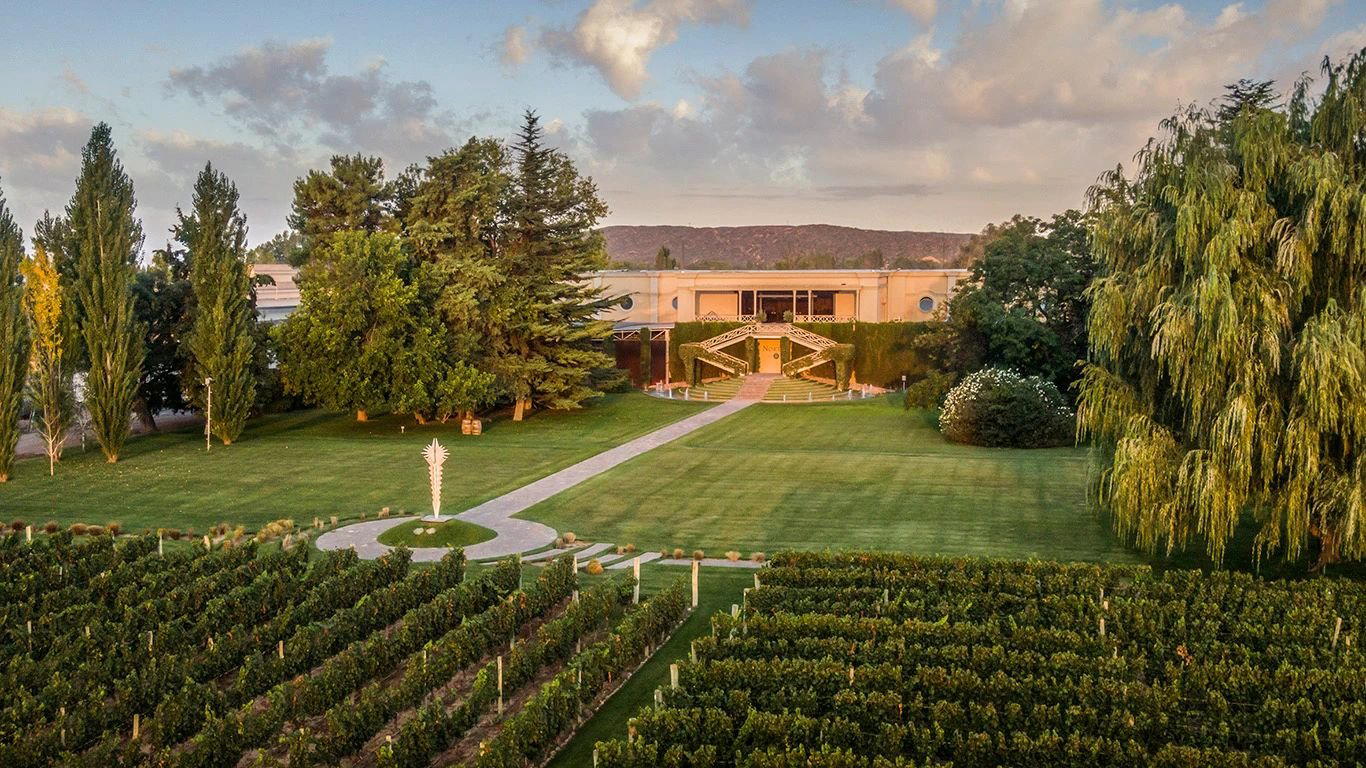
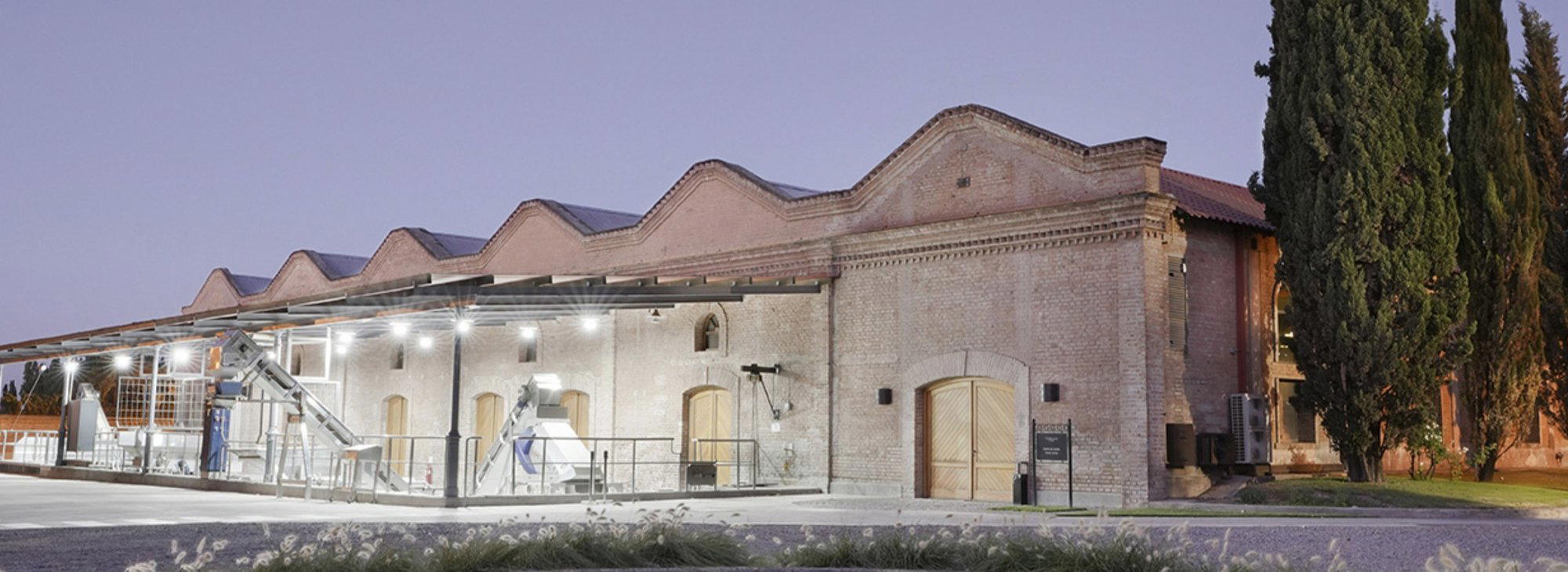
Chakana Winery sits in the Luján de Cuyo appellation, Mendoza's most established sub-region for high-altitude Malbec.

Pearl is the En Primeur Club membership app — saves, bookings, and concierge access live there. Same editors, same standards.
- Address
- Calle Baldini 16197, M5509 Lujan de Cuyo, Mendoza
- Phone
- +54 9 261 509-5643
- Website
- chakanawines.com.ar
- Directions
- Get directions
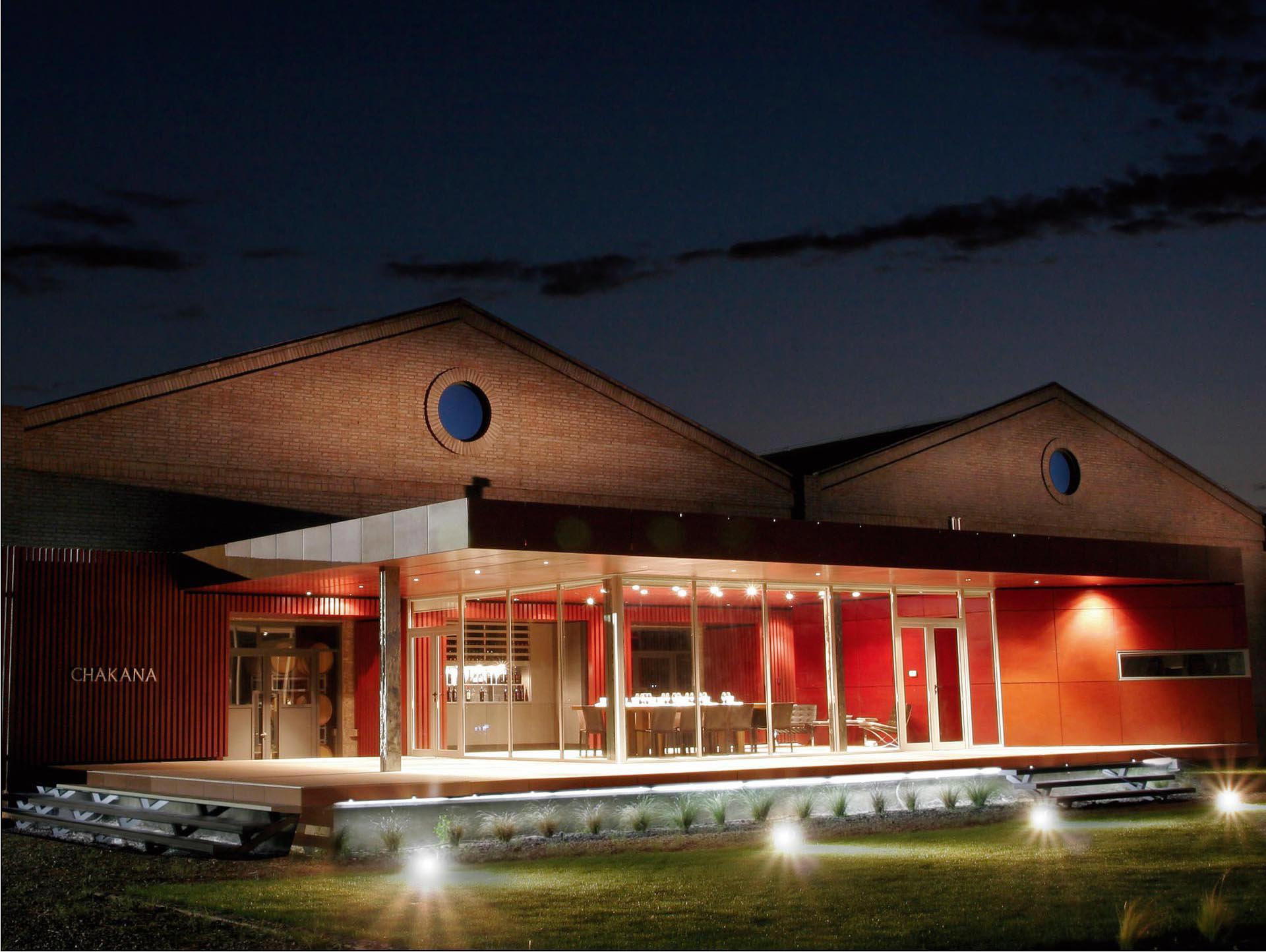
In a zone that includes estates with decades of export history, that kind of recognition functions as a calibration point: it tells you where in the regional hierarchy the winery sits, not just that it exists.
The Cultural Architecture of Luján de Cuyo Winemaking
To understand why a winery in this specific sub-region carries weight, you need to understand what Luján de Cuyo actually represents in Argentine wine culture.
The Chakana name itself connects to pre-Columbian Andean cosmology. The chakana is a stepped cross that appears throughout Incan and pre-Incan iconography across the Andes, representing the Southern Cross constellation and the vertical axis connecting earth and sky. For a winery rooted in this geography, that reference is not decorative branding, it is an acknowledgement that the land being farmed has cultural depth that predates European viticulture by centuries. That layering of indigenous Andean heritage beneath Spanish colonial agriculture beneath modern export-oriented winemaking is a dynamic that runs through serious Mendocino producers who engage honestly with their context.
Peer producers in the same appellation illustrate the range of approaches available in this sub-region. Bodega El Esteco in Cafayate at the northern extreme, where altitude tops 1,700 metres and Torrontés is the defining white variety, down through the more temperate valleys of Bodega Colomé in Molinos, which farms some of the highest-altitude vineyards in the world. Further south, Patagonian producers like Familia Schroeder in San Patricio del Chañar are building a case for Pinot Noir and sparkling wines in a cooler-climate register that would have been commercially unthinkable thirty years ago.enprimeurclub.com/wineries/bodega-diamandes-tunuyan-winery">Bodega DiamAndes in Tunuyán represents the newer wave of high-altitude investment that has shifted critical attention away from the traditional Luján appellation toward vineyards above 1,000 metres.
That competitive context matters when placing Chakana. The trend in Argentine fine wine over the past fifteen years has been toward higher altitude and greater acidity, a move enabled by the Uco Valley's limestone and volcanic soils at elevations that produce structurally different wines than the alluvial gravels of Luján de Cuyo. Luján has responded not by abandoning its identity but by doubling down on what it does with real authority: old-vine Malbec, structured Cabernet Sauvignon, and blends that reflect the warmth and density of its growing conditions. Chakana's recognition in 2025 suggests it is working within that tradition with enough focus and discipline to separate itself from the appellation's more generic output. Elsewhere in Argentina's broader drinks landscape, estates like Escorihuela Gascón in Godoy Cruz and Rutini Wines in Tupungato show different facets of Mendocino production, from urban historic bodegas to mountain-facing estate viticulture. The leading visiting window runs from March through early June, when harvest activity has concluded, temperatures are moderate, and the vineyards carry the colour of autumn before the Andean cold sets in. High summer (December through February) brings intense heat that alters the character of outdoor tastings and can make cellar visits less comfortable. Booking ahead is advisable; current contact and reservation details are best confirmed through Accendo Cellars in St. Helena or the heritage-driven approach of Aberlour in Speyside illustrate how geographically rooted producers across different categories manage prestige positioning, a useful frame for understanding where Chakana sits in the Argentine context. Beyond Argentina, the Buenos Aires-based Fratelli Branca Distillery shows how premium spirits operations have built distinct identities in the same national market that Argentine wine now occupies internationally.
At a Glance
Comparable venues nearby, for context on price, style, and recognition.
| Venue | Cuisine | Price | Awards | Notes |
|---|---|---|---|---|
| Chakana WineryThis venue — the venue you are viewing | Agrelo, Malbec, Cabernet Franc | Not listed | Falstaff Winery - Listed | Not listed |
| Viña Alicia | Not listed | Not listed | Not listed | Luján de Cuyo, Malbec, Cabernet Sauvignon |
| Lamadrid Estate Wines | Agrelo, Malbec, Cabernet Franc | Not listed | Falstaff Winery - Listed | Not listed |
| Bodega Casarena | Not listed | $50–100 | Not listed | Perdriel, Luján de Cuyo, Malbec, Cabernet Sauvignon |
| Benegas Lynch | Luján de Cuyo, Malbec, Cabernet Franc | Not listed | Falstaff Winery - Listed | Not listed |
Recognition history
Dated appearances from independent guides and award organizations, with the underlying list record or original source where available.
Falstaff Winery - Listed
Falstaff
Continue exploring
More in Luján de Cuyo
Wineries in Luján de Cuyo
Browse all →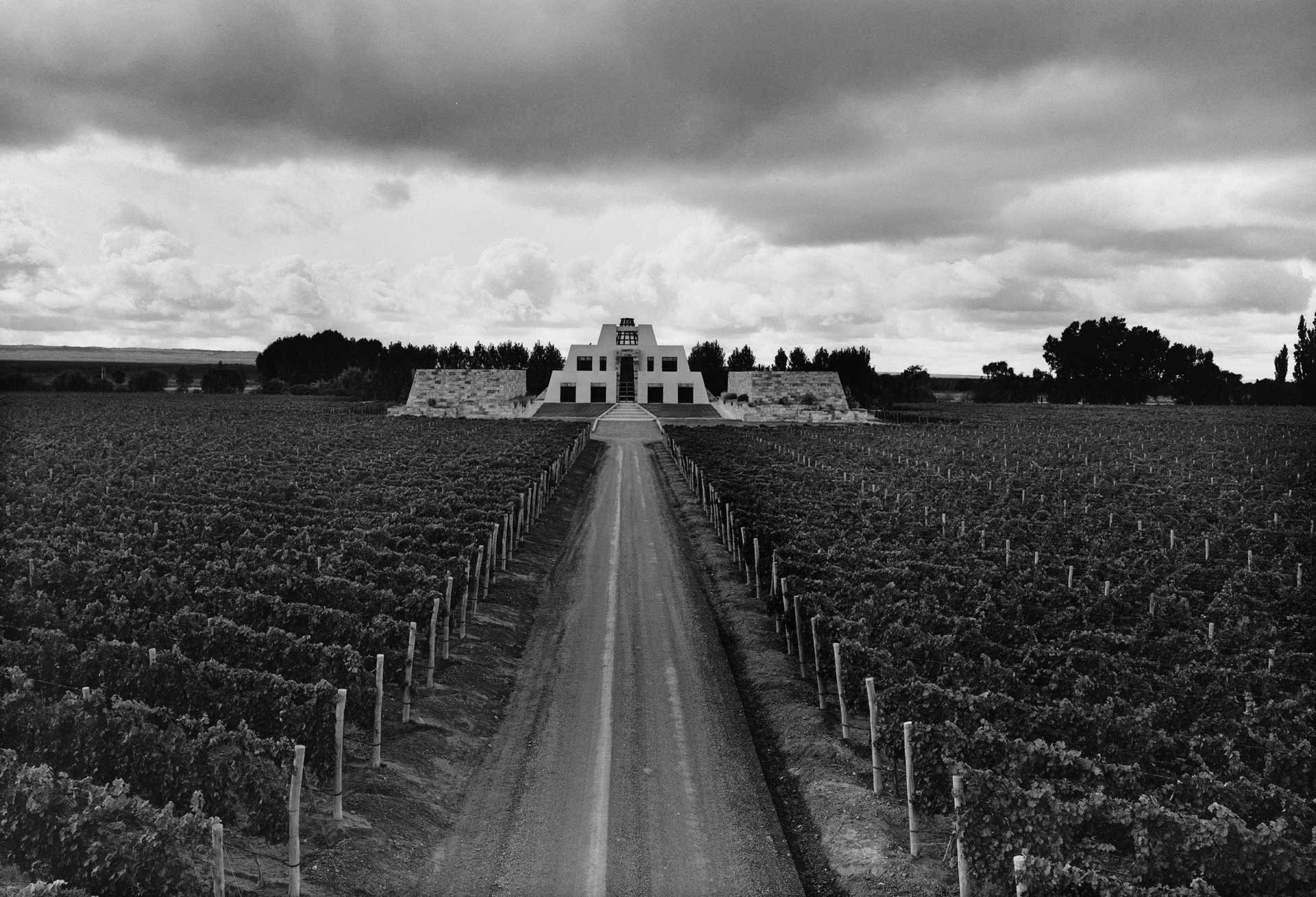
Bars in Luján de Cuyo
Browse all →
Restaurants in Luján de Cuyo
Browse all →
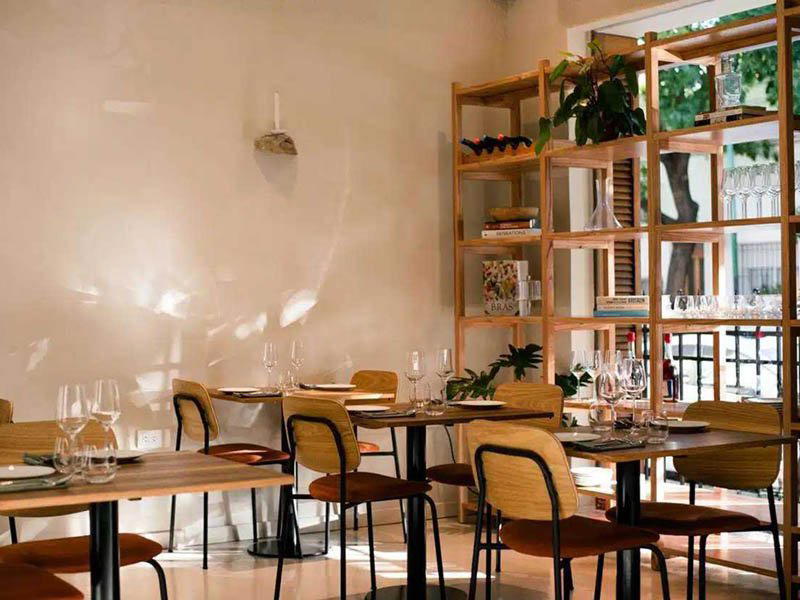
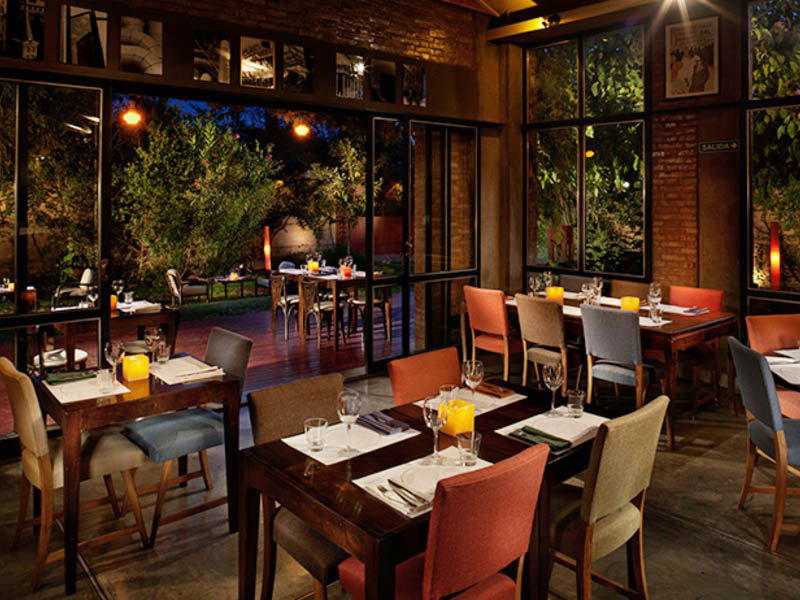
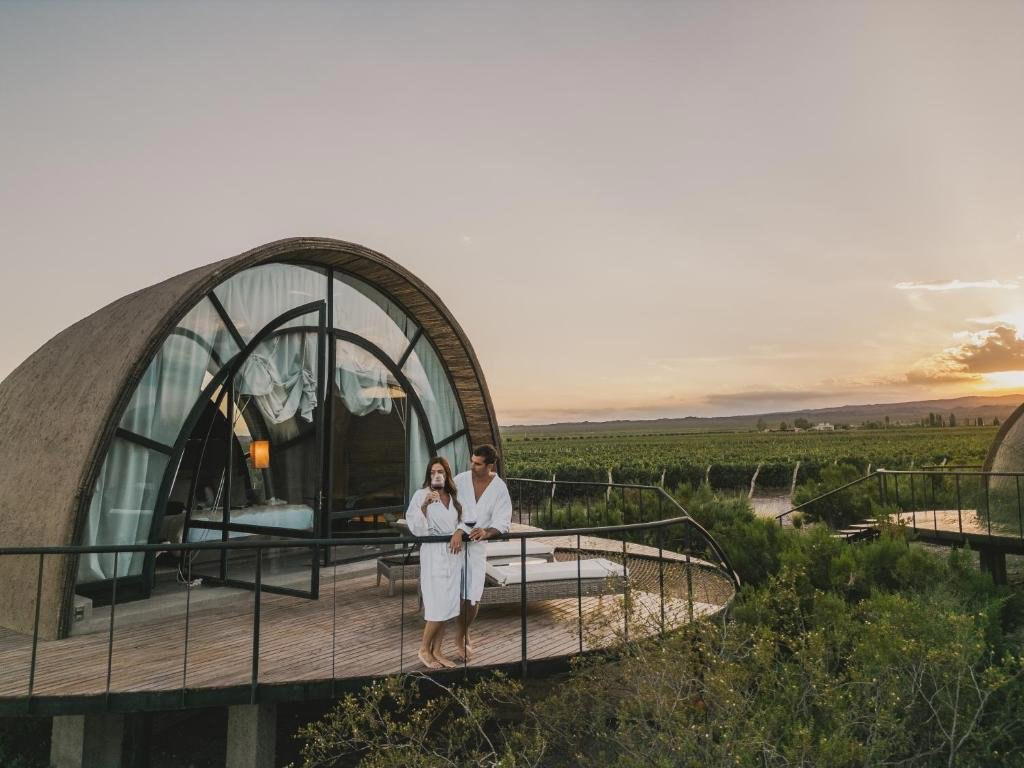
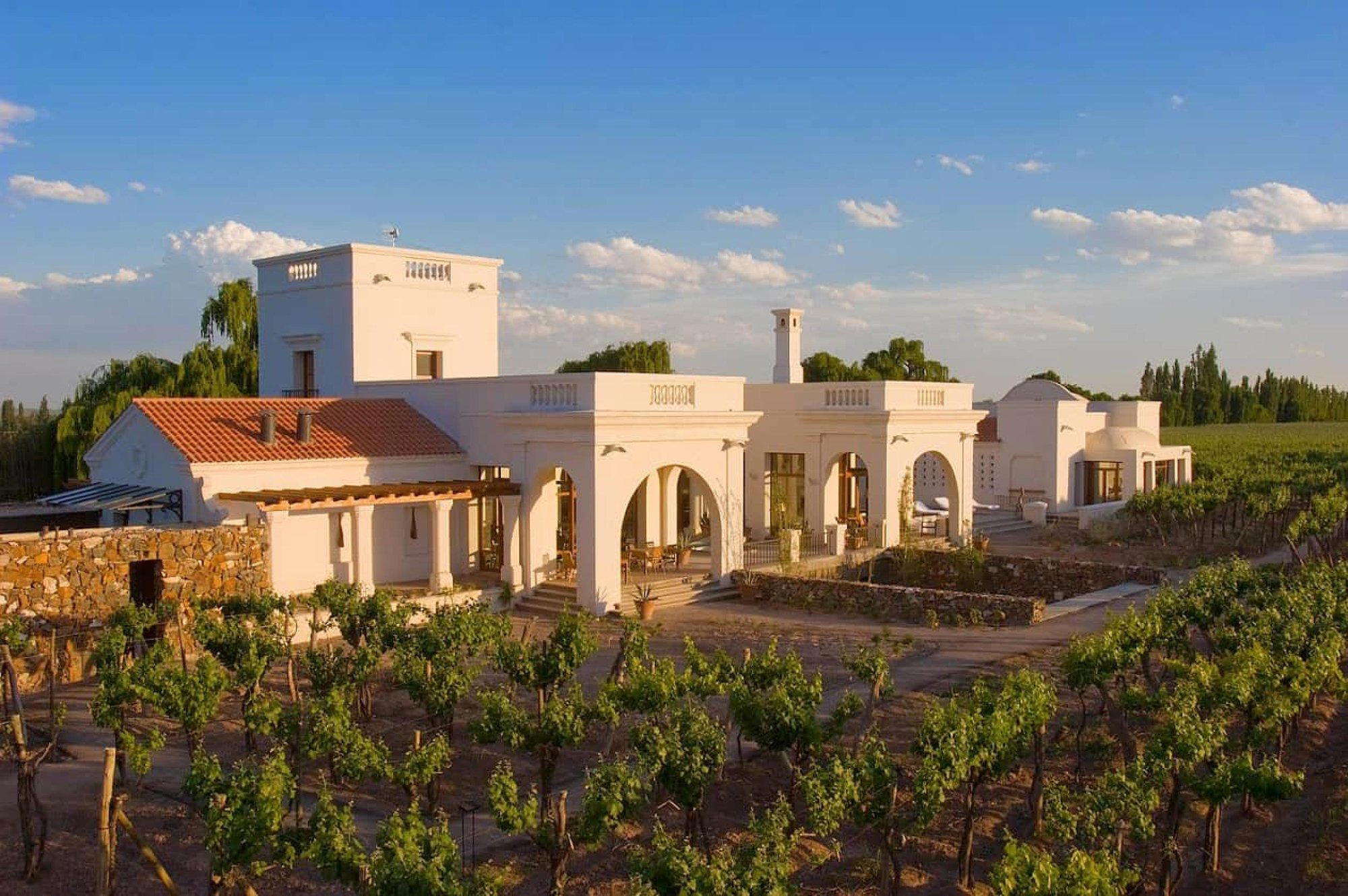
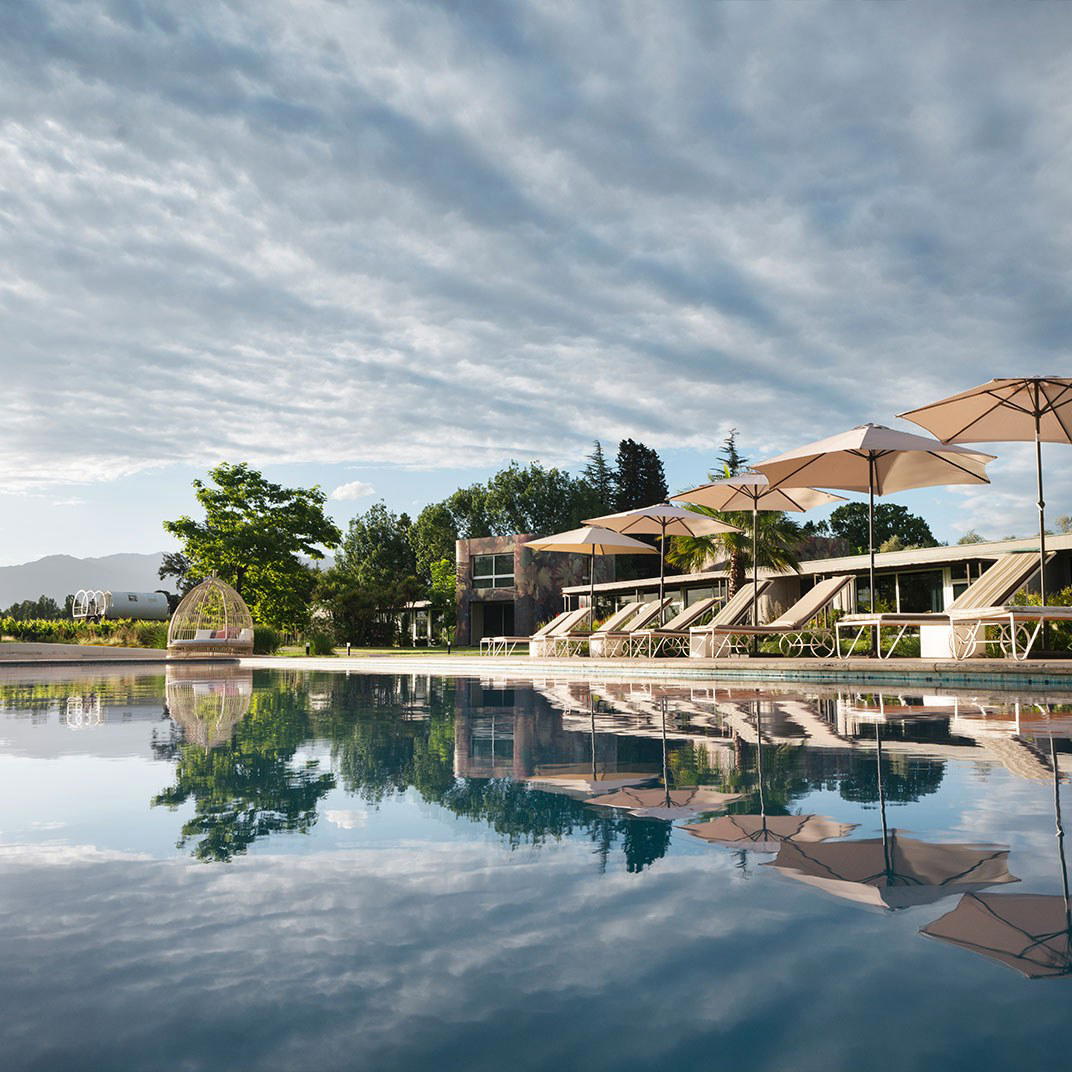
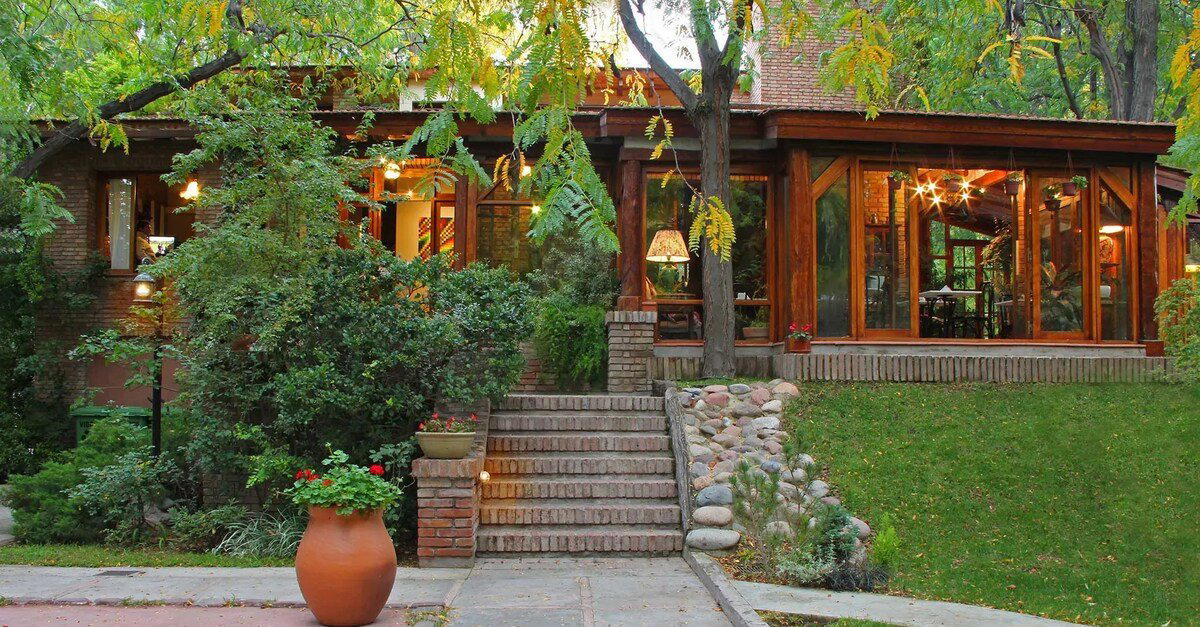
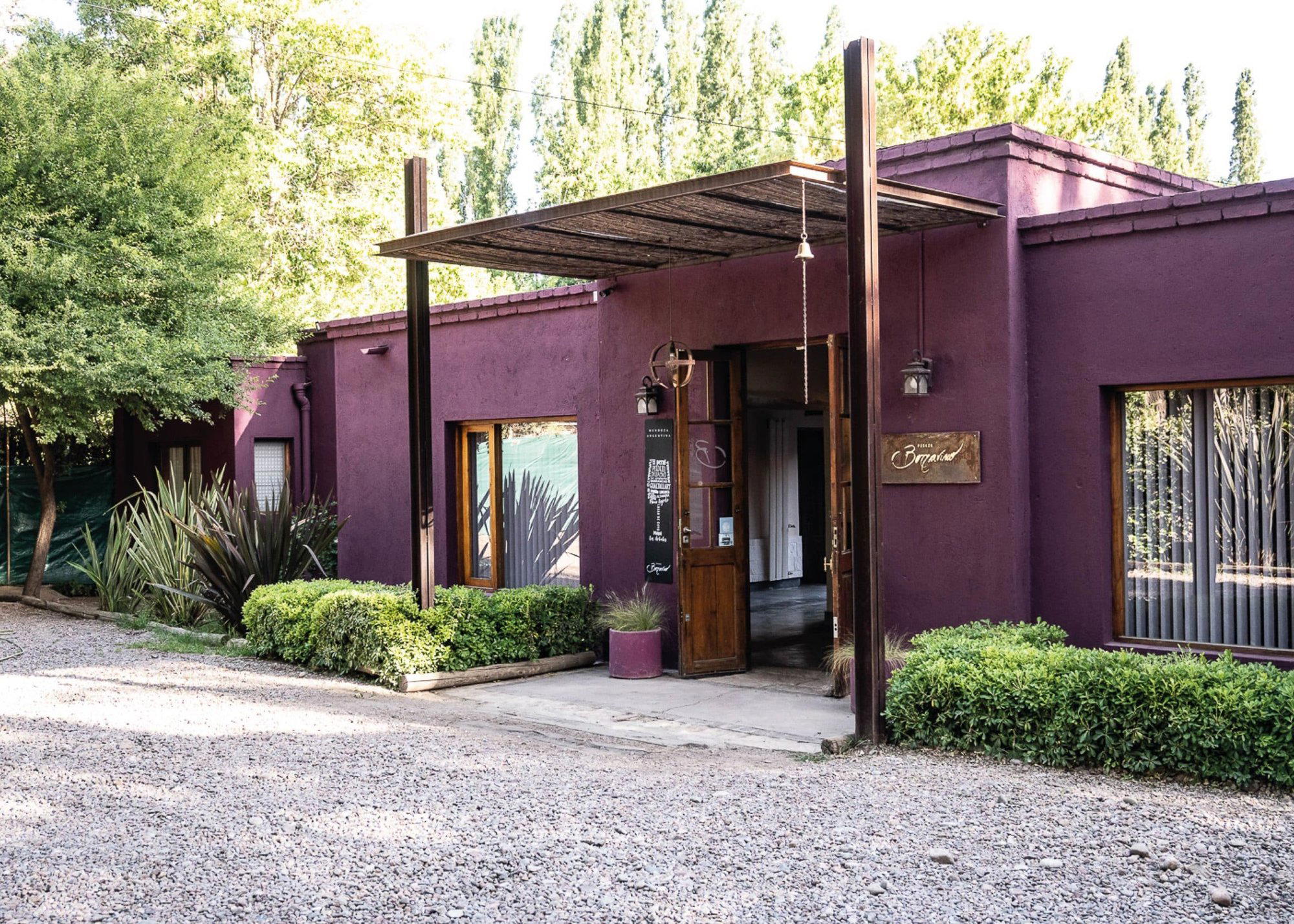
Details
- Rustic
- Scenic
- Elegant
- Wine Education
- Group Outing
- Vineyard Tour
- Estate Grounds
- Organic
- Biodynamic
- Vineyard
- Mountain
- Malbec
- Cabernet Franc
- Cabernet Sauvignon
- Bonarda
- Syrah
- Viognier
- Chardonnay
- Still Red
- Still White
- Estate Tasting
- Premium Tasting
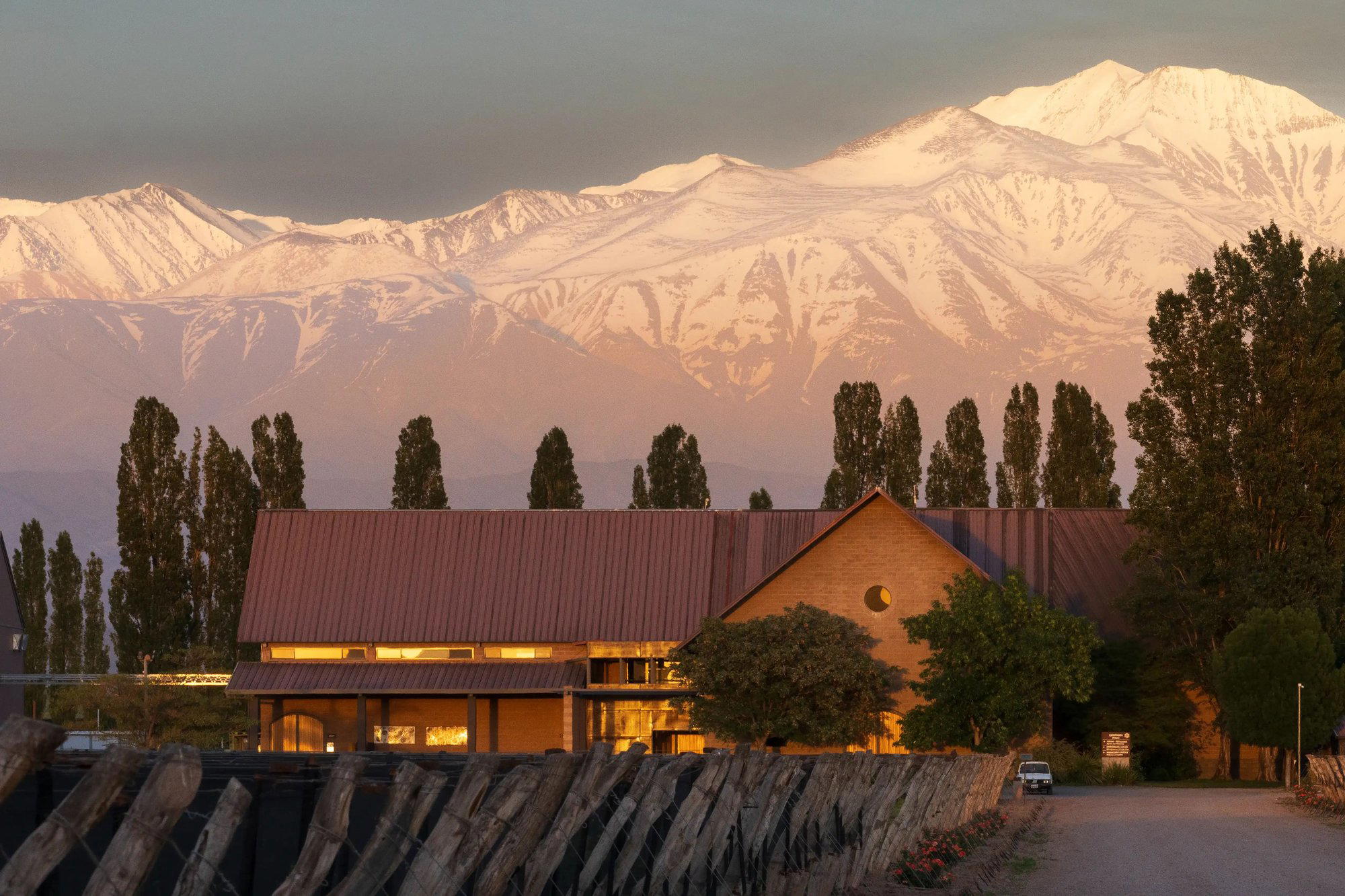
Pleasant, sunny, dry climate with vineyard views and a welcoming, passionate atmosphere highlighted in guest reviews.