Architecture as Editorial Statement
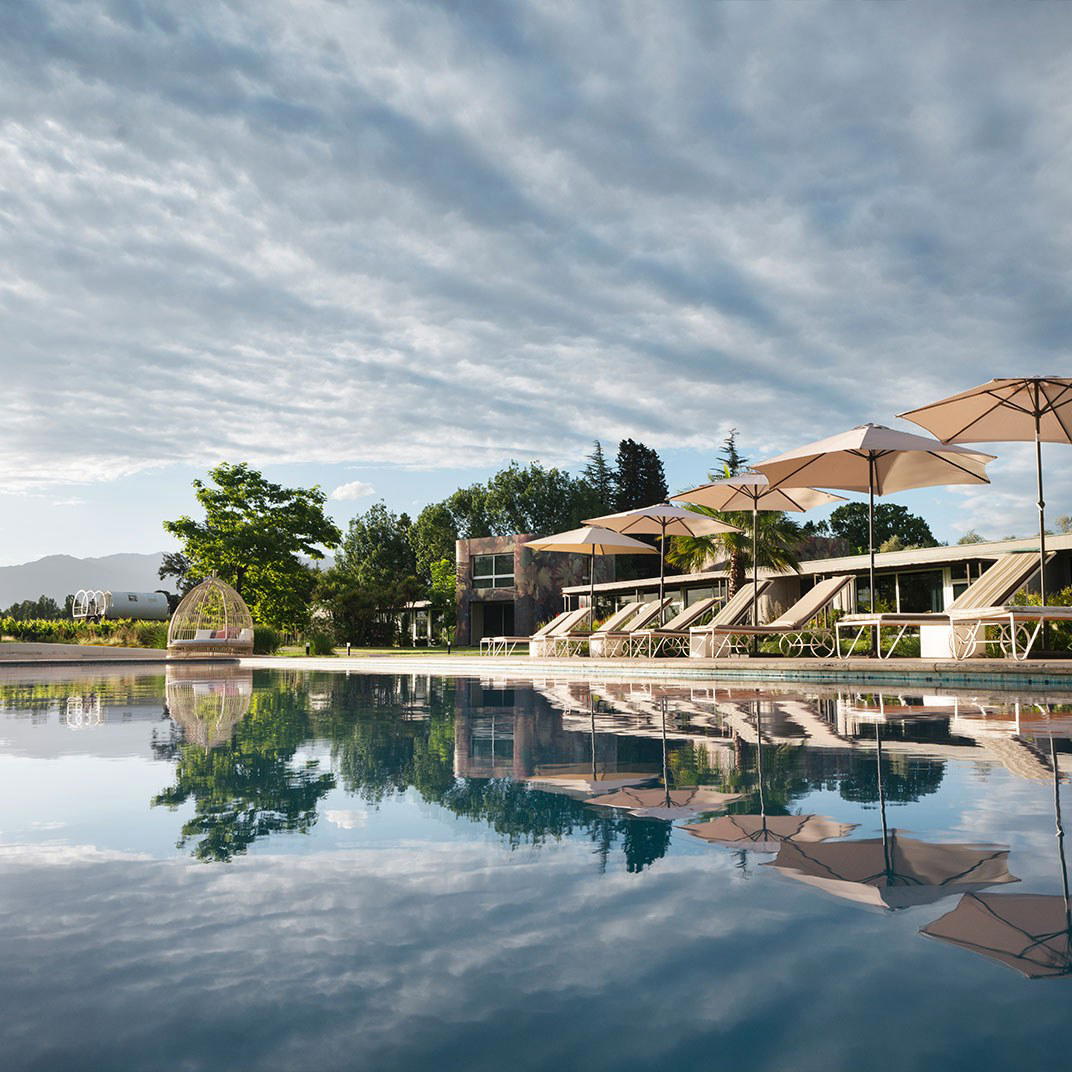
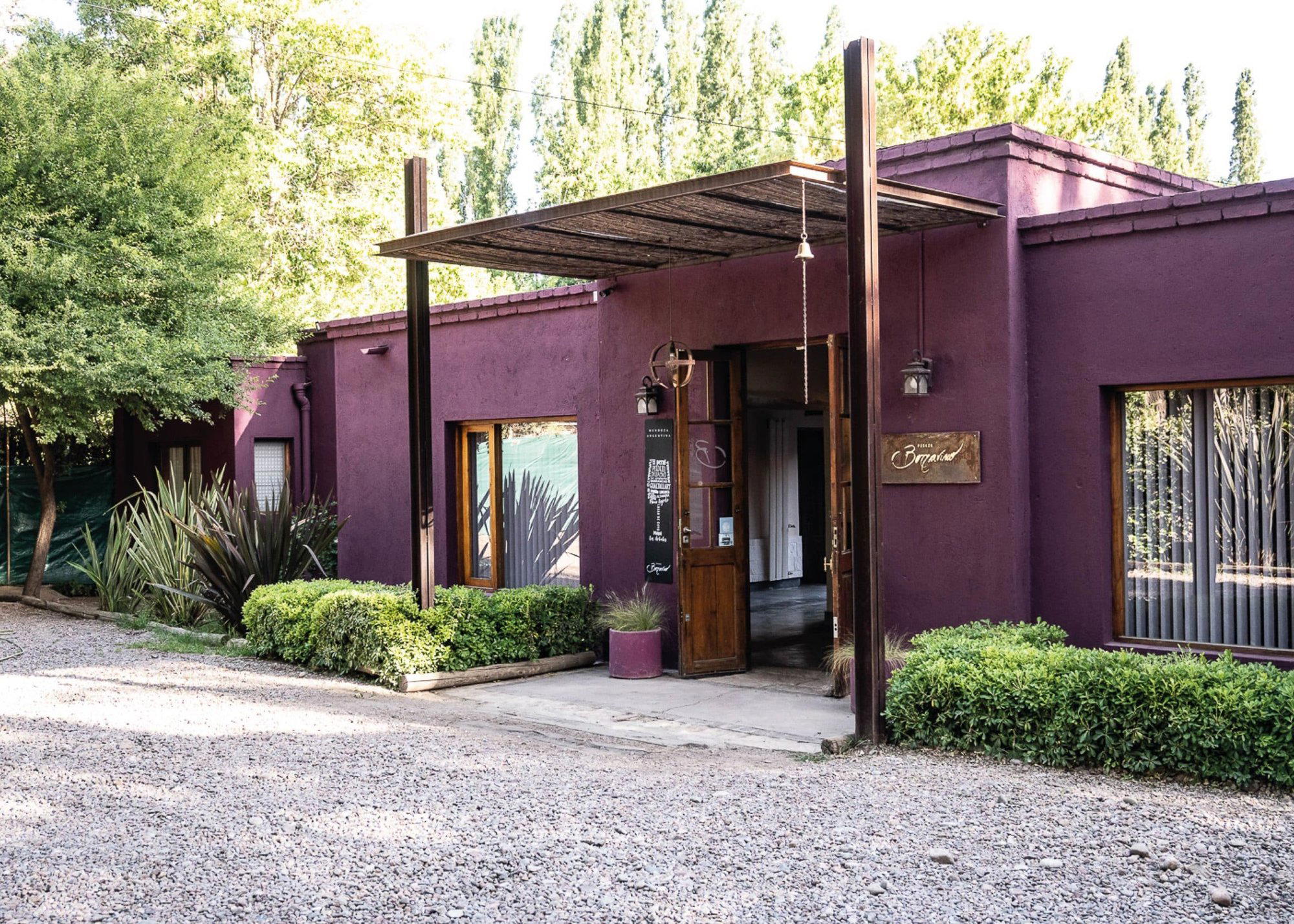
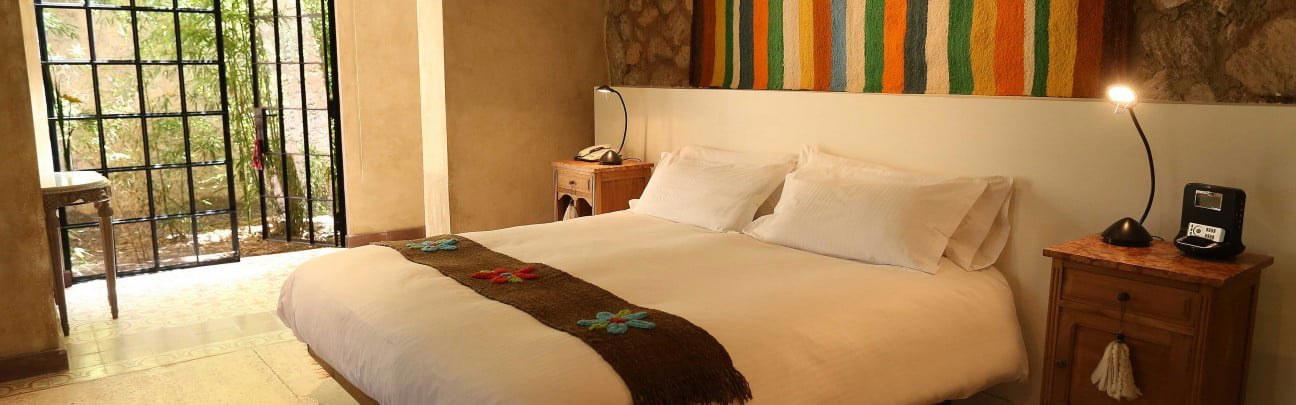
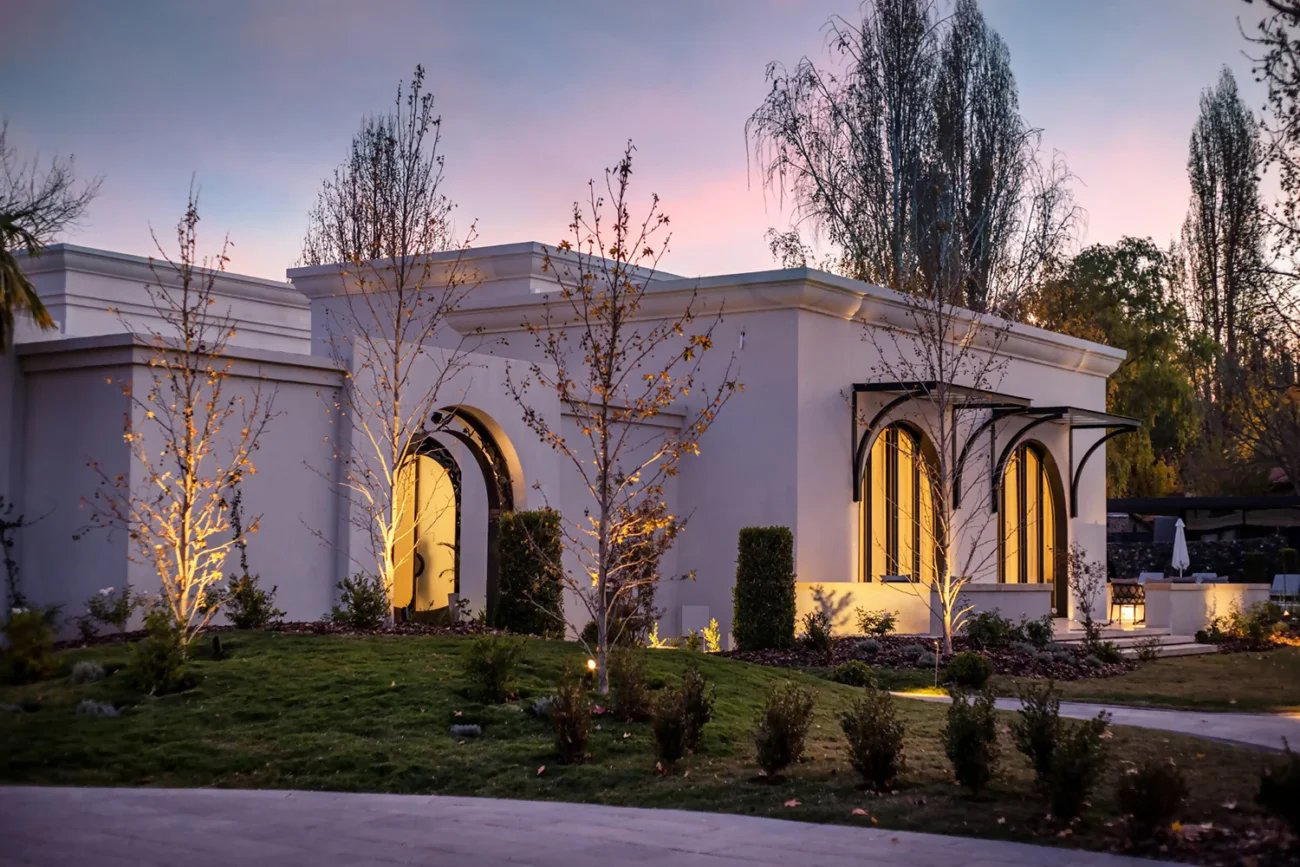
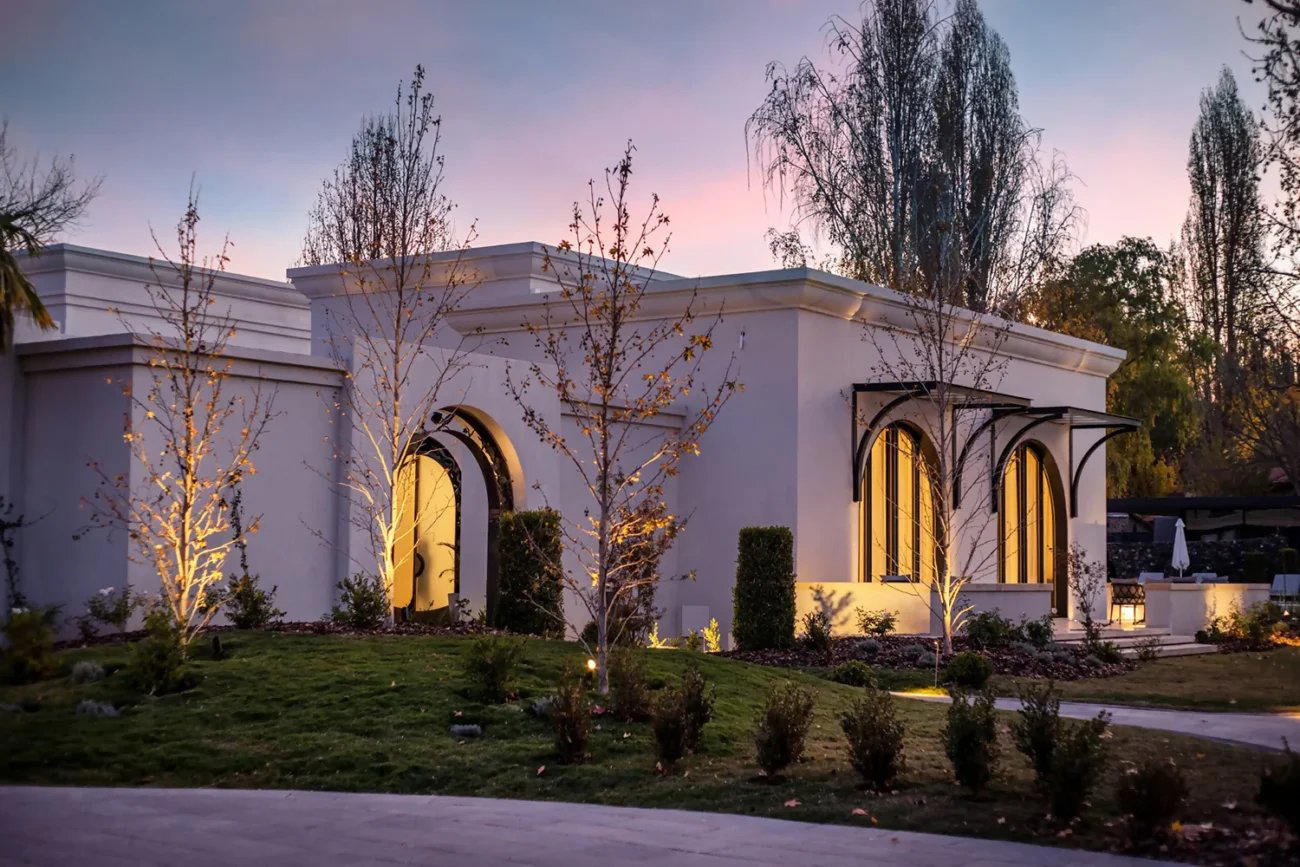
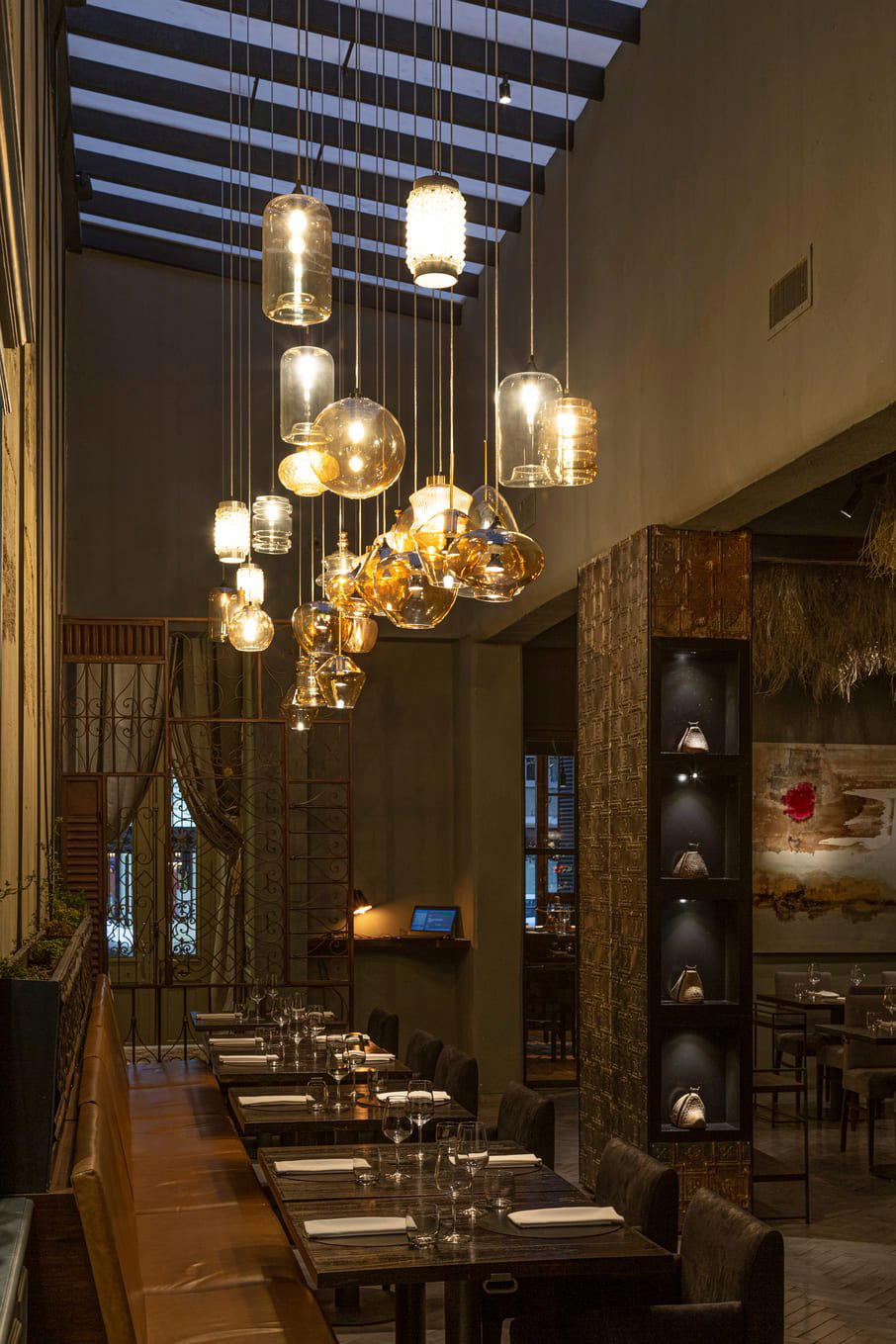
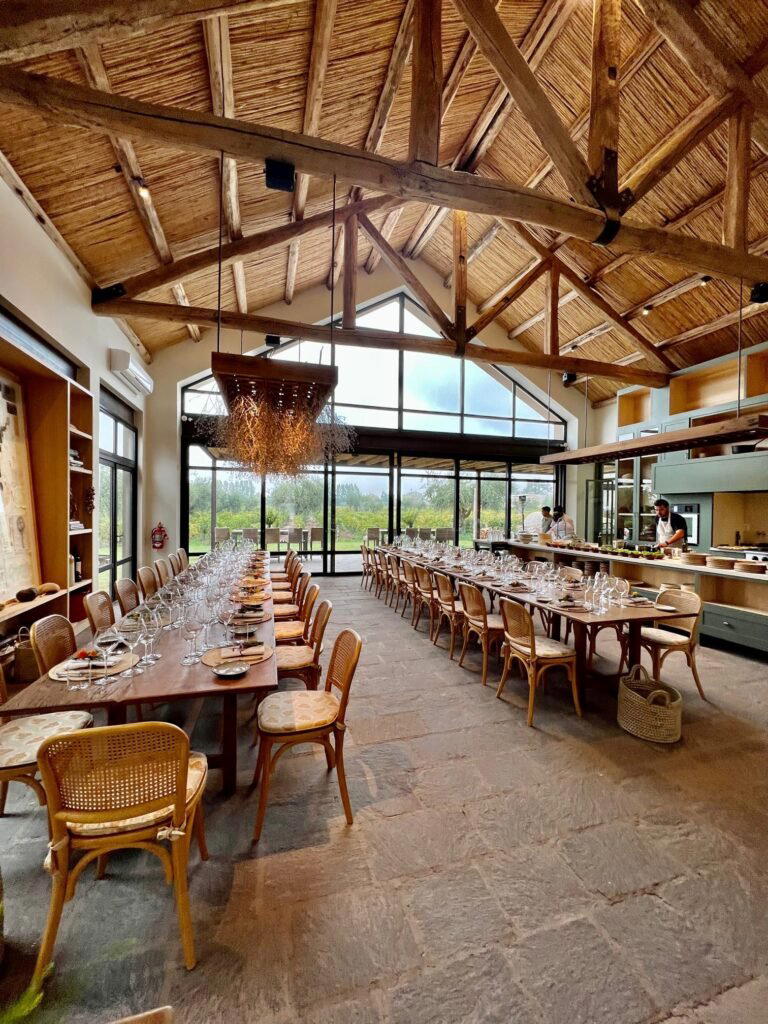
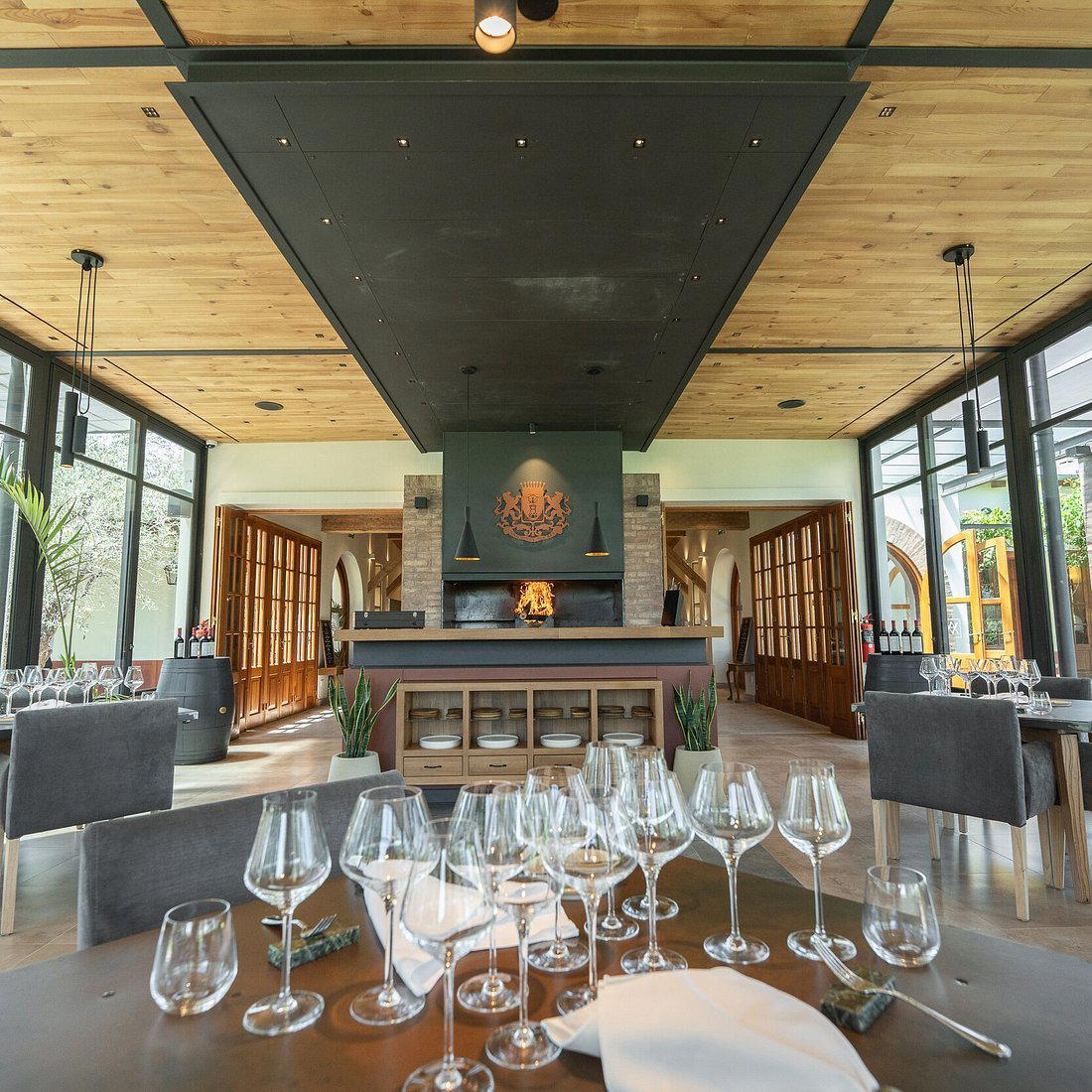
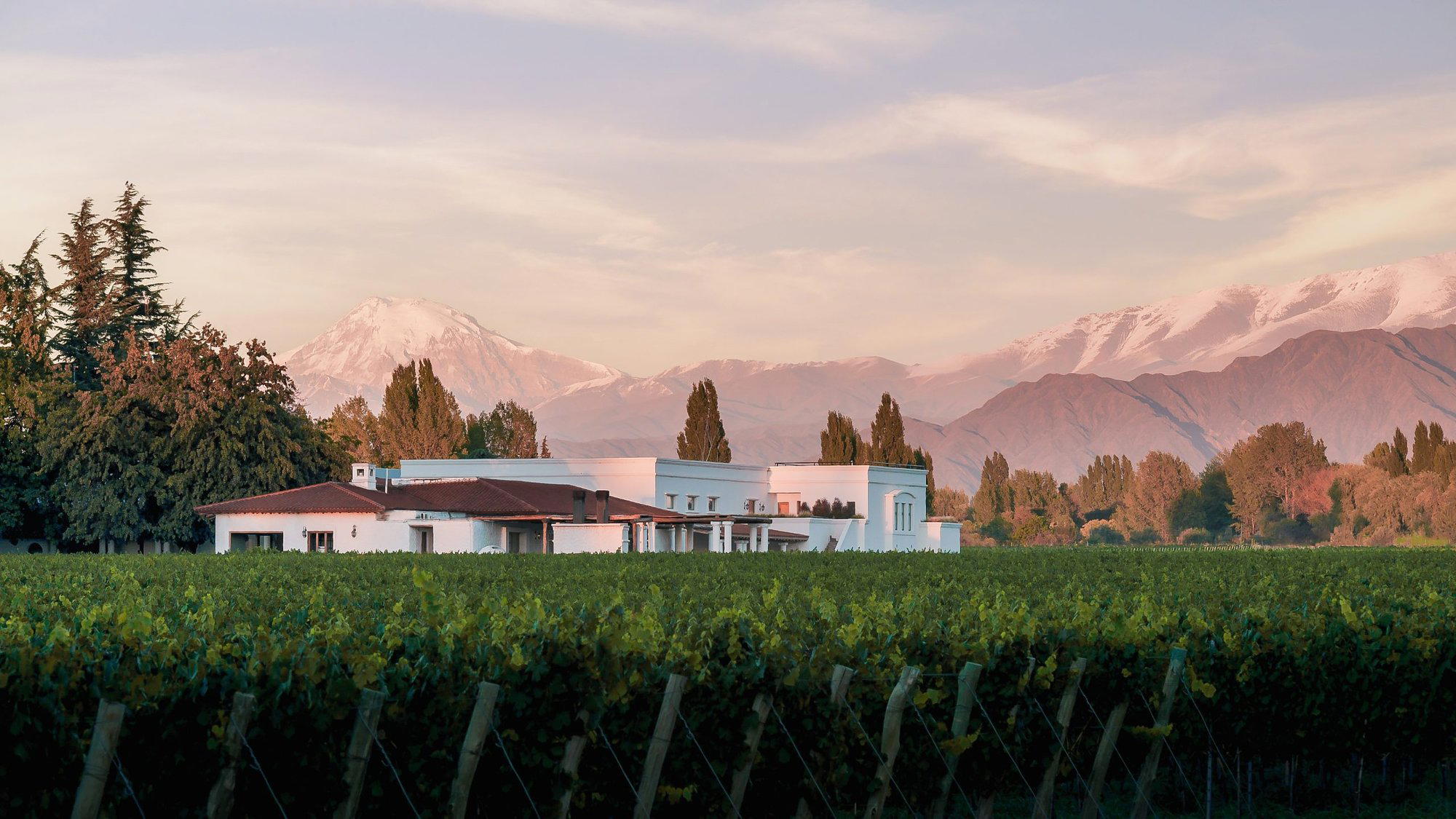
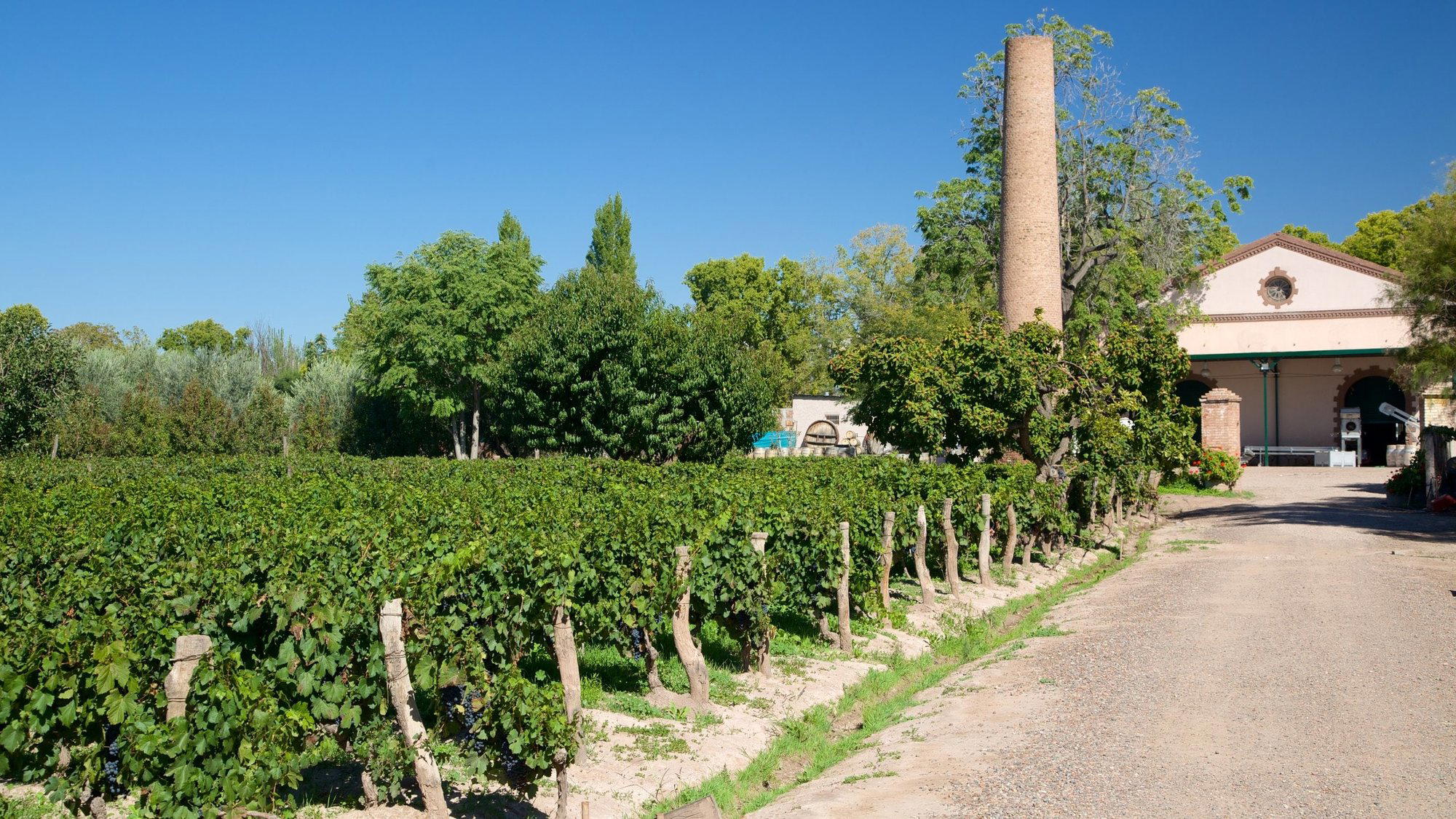
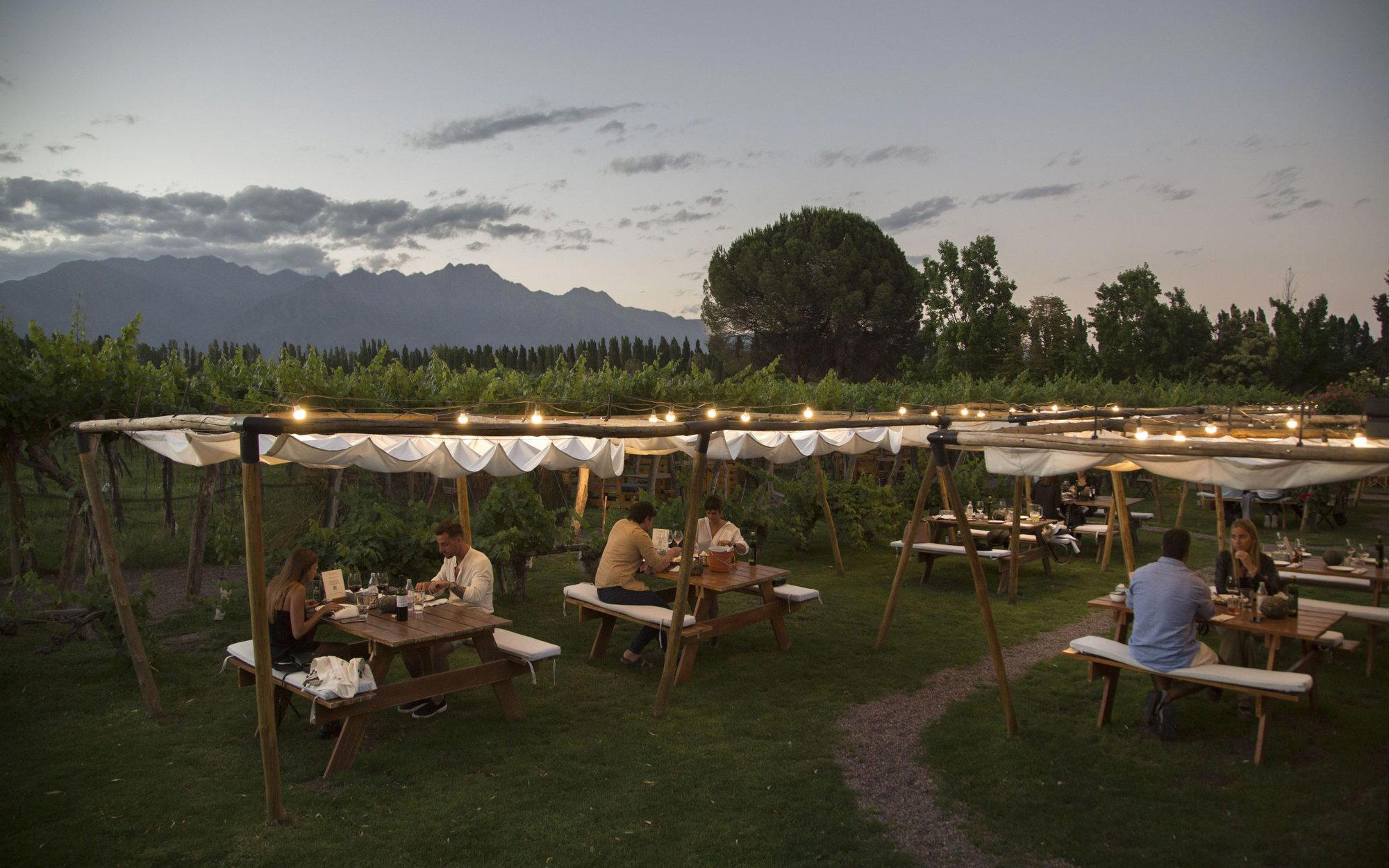
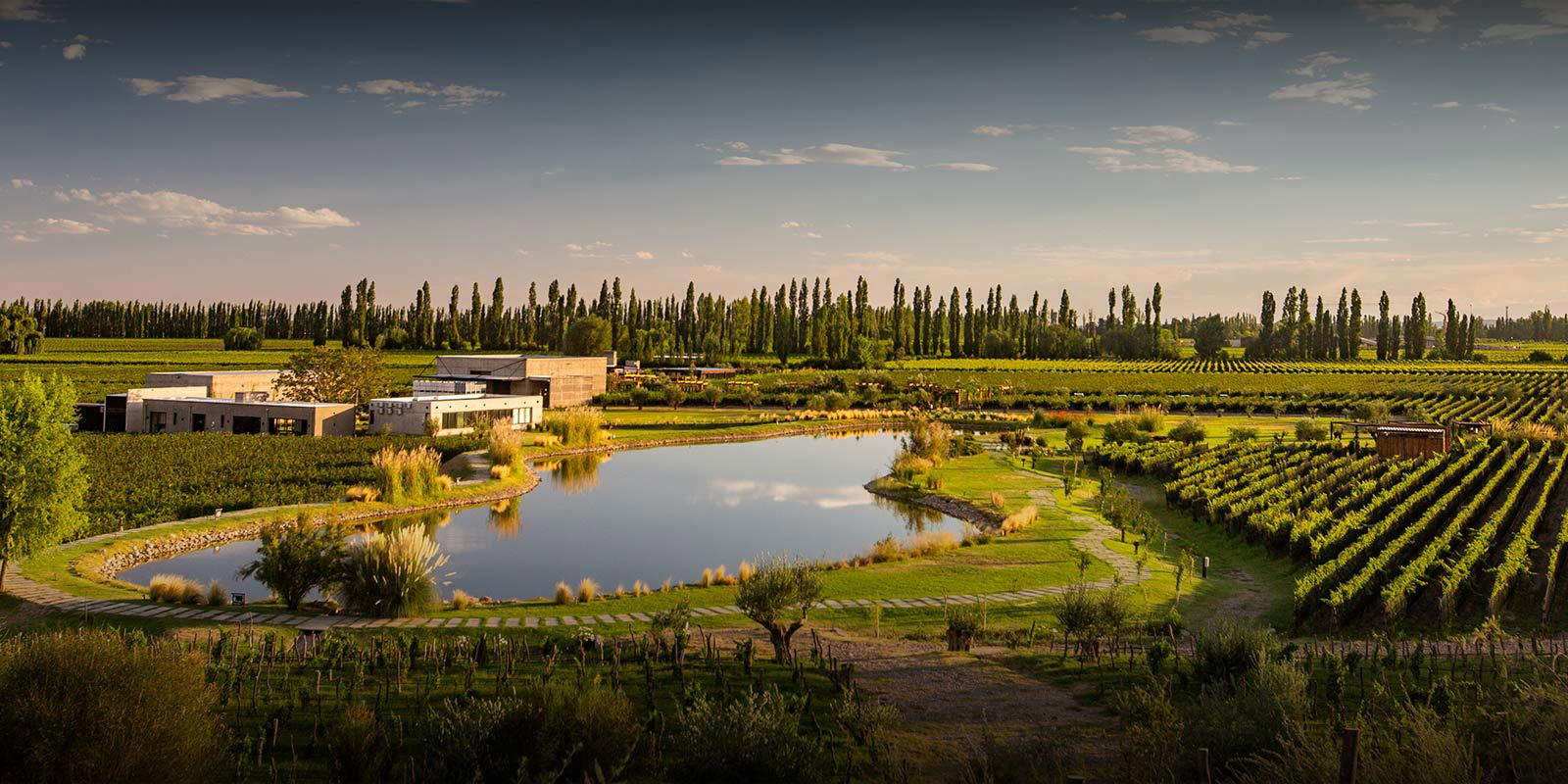
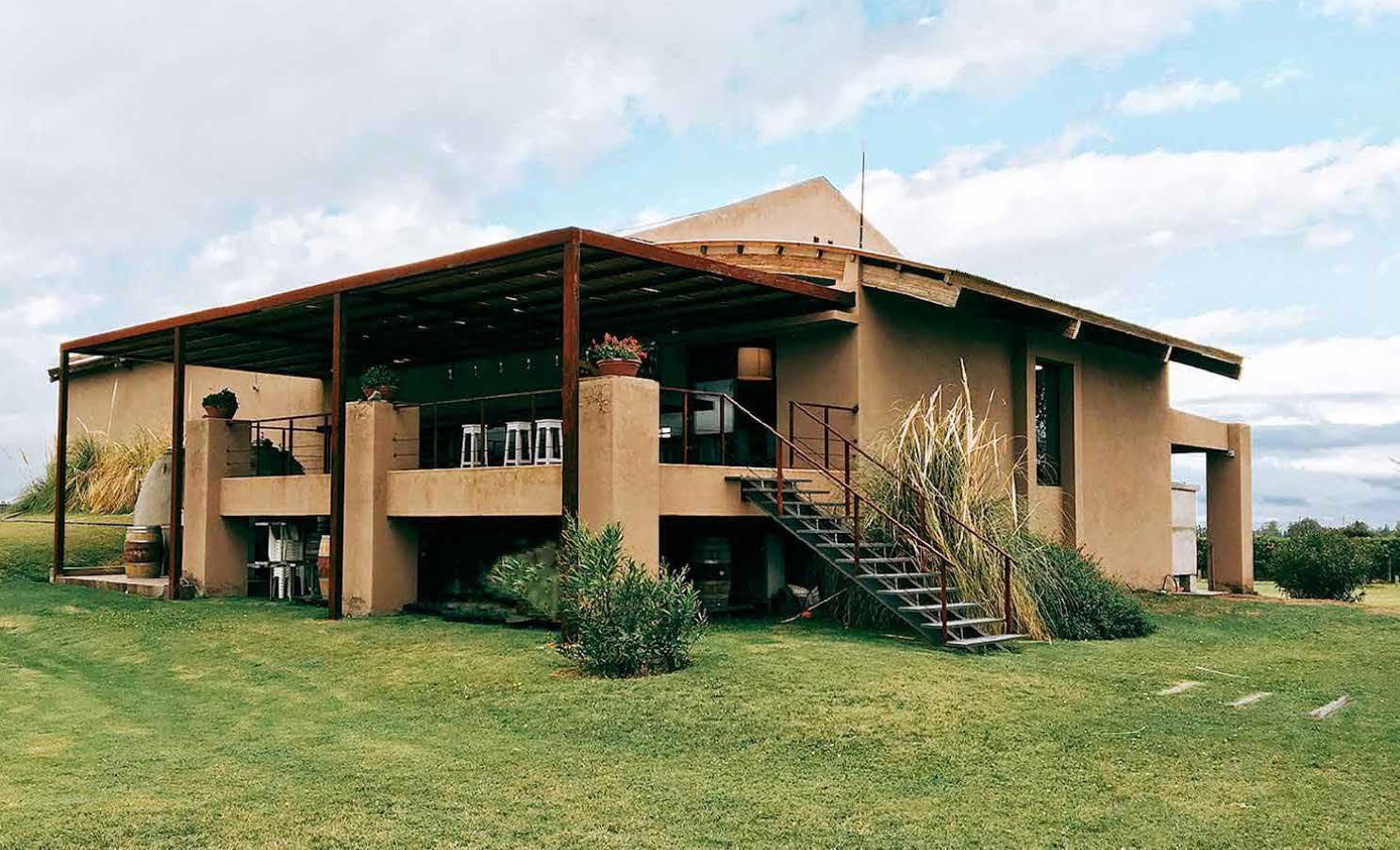
Wine-country hotel design in Mendoza has split into two broad languages over the past fifteen years. One draws on colonial estancia references: thick adobe walls, courtyard arcades, terracotta tile. The other reaches toward a more contemporary vocabulary, privileging glass, exposed concrete, and the kind of understated material palette associated with wine-region properties in Chile's Colchagua Valley or California's Napa. Entre Cielos belongs to the latter register. The architecture at Guardia Vieja prioritizes transparency between interior and exterior, which in practice means that the vineyard is not something you visit — it is something you look at from bed, from the terrace, from the spa corridor.
This design approach has a practical consequence that is easy to underestimate: it makes the property feel smaller and more particular than its room count might suggest. Larger properties like The Vines Resort & Spa in the Uco Valley achieve scale by spreading across a much larger estate footprint. Entre Cielos works in a different register, one closer to the intimacy of Susana Balbo Winemaker's House & Spa Suites, also in Luján de Cuyo. That intimacy is a deliberate product of architectural restraint. When the building does not compete with the vineyard, the vineyard becomes an extension of the stay.
Wellness in a Wine-Producing Terroir
The pairing of wine and wellness programming is more coherent in Mendoza than it might appear anywhere else. Vinotherapy — spa treatments built around grape-derived compounds such as polyphenols and resveratrol, has a documented lineage in the region, drawing on both the organic chemistry of the grape and the broader Mediterranean-derived tradition of wine as a component of wellbeing rather than excess. Entre Cielos organizes its wellness offer around this logic. The spa program runs alongside the vineyard positioning, rather than treating the two as separate attractions bolted together for marketing purposes.
This integration of wine and wellness is the property's clearest point of differentiation within its competitive set. Finca Adalgisa leans on its family winery heritage; Lares de Chacras sits in the Chacras de Coria village atmosphere; Awasi Mendoza positions itself around curated regional experiences. Entre Cielos occupies the narrower niche where the spa is not a secondary amenity but a core reason for the stay, alongside the wine program. Properties like Grace Cafayate in the Calchaquí Valleys or Colomé Winery in Molinos share the wine-estate logic, but neither places the spa program at equivalent weight.
Luján de Cuyo and Its Place in Mendoza Wine Geography
Mendoza's wine geography divides into two primary corridors: the older, lower-altitude zones of Luján de Cuyo and Maipú, and the higher, cooler Uco Valley further south. Luján de Cuyo holds Argentina's first-ever Denomination of Origin for Malbec, established in 1993. The appellation recognition predates the global boom in Argentine wine tourism by at least a decade and gives the district an institutional authority that the Uco Valley, despite its rising prestige, does not yet match on paper.
Entre Cielos sits inside this original appellation zone, which matters for guests whose visit is at least partly motivated by wine education. The addresses and appellations that appear on serious Argentine Malbec labels, Las Compuertas, Perdriel, Vistalba, Agrelo, are all reachable within a short drive from Guardia Vieja 1998. For a broader orientation to Mendoza's drinking and dining scene, including cellars and restaurants across both corridors, our full Mendoza guide maps the region by zone and price tier.
Where Entre Cielos Sits in the Argentina Wine-Hotel Category
Argentina's premium wine-estate hotel market is concentrated in two provinces: Mendoza and Salta, with a smaller cluster in Patagonia. Within that national map, Entre Cielos operates in the most competitive micro-market, alongside a denser concentration of internationally recognized properties than any other Argentine wine region. The MICHELIN Selected recognition in 2025 places it in a defined tier of quality-assessed hotels, one that also includes properties with different positioning across Argentina: La Alondra Casa de Huéspedes in Corrientes, Correntoso Lake & River Hotel in Villa La Angostura, and Estancia Cristina in El Calafate each appear under the same Michelin framework but serve entirely different travel contexts. La Bamba de Areco in San Antonio de Areco and Algodon Wine Estates in San Rafael round out a picture of Michelin's Argentine hotel selection as geographically spread but functionally focused on experiential properties rather than city business hotels.
Globally, the wine-and-wellness hotel format appears in contexts as different as Badrutt's Palace Hotel in St. Moritz and Hôtel de Paris Monte-Carlo, though those properties anchor their spa offer to altitude or Mediterranean adjacency rather than to viniculture. The wine-as-wellness logic is specific to grape-growing regions and Entre Cielos deploys it from within one of the southern hemisphere's highest-profile appellations.
Planning a Stay
Luján de Cuyo is approximately 25 kilometres south of Mendoza city centre, accessible by remis (private car hire) or rental car. Most guests arriving at Mendoza's El Plumerillo International Airport (MDZ) reach the property within 30 to 40 minutes depending on traffic. The high season for Mendoza wine tourism runs from October through April, when the vines are in leaf and harvest falls in February and March. Staying during harvest provides the clearest direct encounter with winemaking activity, though accommodation prices and demand across all boutique properties in the appellation peak during those weeks. Visiting in late autumn (April to May) offers cooler temperatures and less competition for bookings, with the vines in their most photogenic post-harvest colours.
Booking is leading managed through the property's own channels or through qualified travel agents familiar with the Luján de Cuyo market. For guests building a broader Argentina itinerary, the property connects logically with Patagonian extensions via Lodge Atamisque in Tupungato or Villa Beluno Hotel & Spa in Bariloche, or with northern wine-country alternatives including Grace Cafayate and Colomé Winery in Molinos. A pre- or post-Mendoza night in Buenos Aires brings the Alvear Palace Hotel into range as the obvious city counterpart.
For guests considering different price points within Mendoza or alternative design-led options, the boutique wine-estate category rewards comparison before booking. Entre Cielos occupies a specific niche within that category, and understanding where it sits relative to its neighbours clarifies whether the wine-and-wellness dual focus matches what a particular trip actually requires. Guests drawn primarily to wine education may find the estate-winery model of Finca Adalgisa a stronger fit; those prioritising spa depth alongside vineyard access are better served by staying at Guardia Vieja 1998. For international reference, the MICHELIN Selected designation aligns Entre Cielos with a cohort that internationally includes the The Fifth Avenue Hotel in New York City and properties of comparable editorial standing, though the on-the-ground experience is shaped entirely by its Argentine wine-country context. Guests considering the property from an Iguazu extension might also look at Awasi Iguazu in Puerto Iguazu as a natural pairing for a two-stop Argentine itinerary.