Bodega Vistalba
Bodega Vistalba operates from the Vistalba subzone of Luján de Cuyo, one of Mendoza's most consistently awarded appellations. For visitors to Mendoza's high-altitude wine corridor, it represents a credentialed stop in a district defined by serious Malbec production.

Pearl is the En Primeur Club membership app — saves, bookings, and concierge access live there. Same editors, same standards.
- Address
- Roque Sáenz Peña 3531, Vistalba, Mendoza
- Phone
- +54 261 498-9400
- Website
- bodegavistalba.com
- Directions
- Get directions
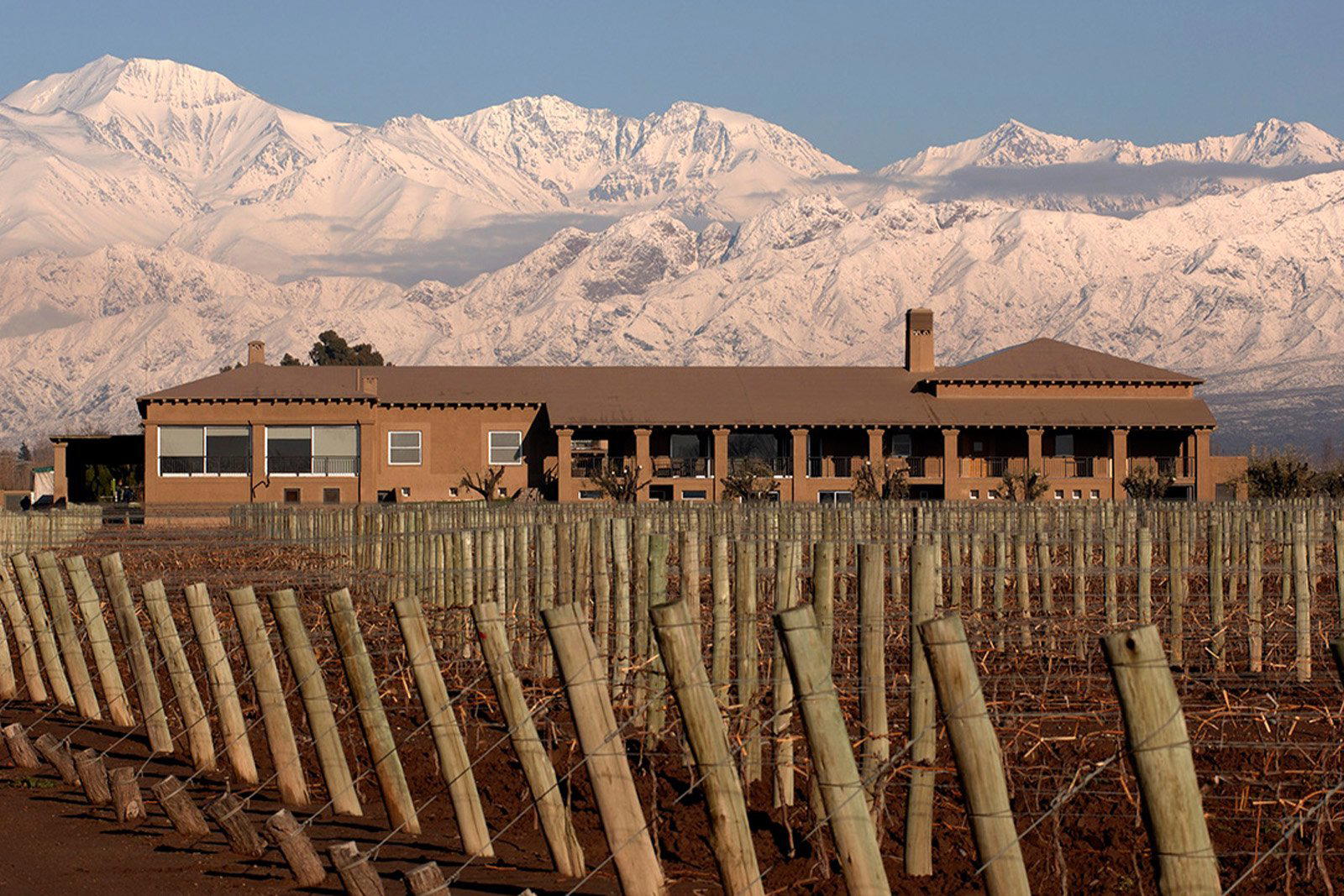
Vistalba and the Architecture of Luján de Cuyo's Wine Identity
The Vistalba subzone sits at the southern end of Luján de Cuyo, where the piedmont of the Andes begins to flatten into the irrigated patchwork that defines Mendoza's most decorated wine district. This is not Mendoza's flashiest address, but it is among the most substantive. The appellations clustered along this corridor, from Perdriel in the south to Agrelo and Las Compuertas further north, have spent decades establishing a credibility built on altitude, alluvial soils, and a diurnal temperature range that preserves acidity in varieties as deep-coloured as Malbec. Bodega Vistalba, addressed at Roque Sáenz Peña 3531 in Vistalba, sits inside that frame, drawing from one of Mendoza's most closely studied growing environments.
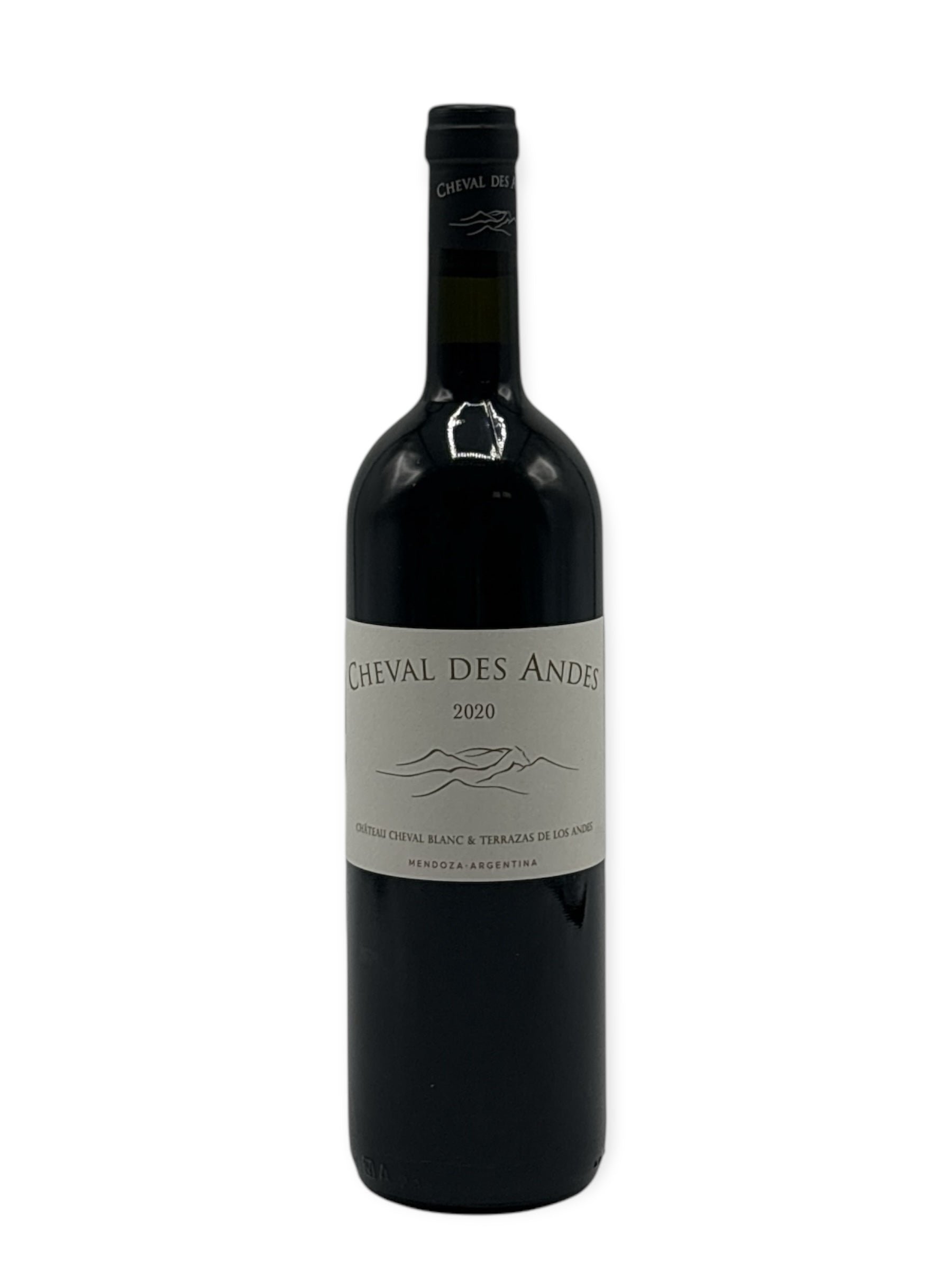
For context, Luján de Cuyo's reputation as a premium wine district is not self-declared. It earned Denominación de Origen status before most other Argentine wine regions made similar claims, and the international press has tracked its flagship estates with the same scrutiny applied to Napa Valley benchmarks or Burgundy's côtes. Peers in the district include Bodega Lagarde, Bodega Norton, Chakana Winery, and Cheval des Andes, a joint venture with Château Cheval Blanc that trades on Franco-Argentine ambition. Bodega Vistalba competes within this set, and its 2025 Decanter results confirm it is doing so with credibility.
What the 2025 Decanter Recognition Signals
The Decanter World Wine Awards operate on a medal tier system that most serious wine buyers understand as a reliable quality proxy. A Silver medal at Decanter is not a participation ribbon — the competition receives tens of thousands of entries annually, and regional panels are composed of Masters of Wine and Masters of Sommeliers with documented track records in their assigned categories. Bodega Vistalba's 2025 rollup returned three awarded wines: two Silver medals and one Bronze.
Three medals across a single competition rollup is a meaningful signal. It suggests range rather than a single standout wine, which matters when assessing whether a winery visit is worth planning. Estates that medal broadly are typically producing across more than one tier or style, which gives visiting buyers and curious travellers more to consider at the tasting table. For comparison within Argentina's broader wine geography, Mendoza's sub-regions differ considerably in what they do well: Bodega El Esteco in Cafayate works at higher altitude in Salta, Bodega Colomé in Molinos pushes further into extreme altitude viticulture, and Rutini Wines (La Rural) in Tupungato operates from the Valle de Uco's cooler conditions. Vistalba's recognition at Decanter places it squarely in Luján de Cuyo's established tier rather than in the experimental margins of Argentina's wine geography.
The Vistalba Subzone as Growing Environment
Altitude is the variable that wine writers return to most often when describing Mendoza's quality differentiators, and it is worth understanding why. Vineyards in Luján de Cuyo typically sit between 900 and 1,100 metres above sea level, with Vistalba occupying the lower-middle range of that band. The altitude effect on grape maturation is direct: cooler nights slow sugar accumulation relative to flavour development, which preserves natural acidity and extends the hang time needed to develop complexity without overcooking the fruit into jammy territory. For Malbec, a variety that in other climates can read as heavy and monolithic, this translates into wines with definition and freshness that have driven Argentina's export ambitions over the past two decades.
The soils in the Vistalba area are predominantly alluvial, deposited by Andean meltwater over millennia, with a mix of gravel, sand, and clay that varies parcel by parcel. Drainage is generally strong, which stresses the vine and concentrates the berry. It is the same logic applied in parts of Bordeaux's Médoc and Napa Valley's benchlands — well-drained soils with a mineral substrate produce more structured wines than deep, fertile ground. The estates that have built sustained reputations in Luján de Cuyo, including Durigutti Winemakers, tend to work with this terroir dynamic rather than against it, and Bodega Vistalba's medal results suggest a similar approach.
Placing Vistalba in Argentina's Wine Map
Argentina's wine regions have diversified considerably since Mendoza's first international wave in the early 2000s. Producers in Bodega DiamAndes in Tunuyán and the broader Valle de Uco corridor have drawn attention with cooler-climate expression, while Escorihuela Gascón in Godoy Cruz operates from the urban Mendoza side. Familia Schroeder in San Patricio del Chañar brings Patagonian provenance to the conversation. Within this expanded geography, Luján de Cuyo remains the established anchor, the region whose track record on international competition circuits is longest and whose Malbec has the most deeply documented critical history.
Bodega Vistalba's position within that anchor region is specific: the Vistalba address places it in a subzone that wine buyers with deep Argentine knowledge associate with a particular mid-altitude expression, distinct from the higher-altitude cool of Las Compuertas or the riverine warmth of Ugarteche. That subzone specificity matters increasingly as buyers move past generic Mendoza and start purchasing by district. The three Decanter medals from 2025 give buyers a concrete reference point in an era when Argentine wine has enough serious producers that awards differentiation counts.
Planning a Visit to Bodega Vistalba
Luján de Cuyo's wine route is well-established enough that logistics are manageable without specialist assistance, though the density of serious estates means decisions about where to spend time repay research. The bodega is located at Roque Sáenz Peña 3531 in the Vistalba neighbourhood, accessible from central Mendoza by car in under thirty minutes. The broader Luján de Cuyo circuit pairs naturally with visits to Bodega Lagarde and Bodega Norton, which occupy different positions within the district's style range and between them cover both heritage and modern-intervention production philosophies.
Mendoza's harvest season runs from late February through April, with Malbec typically picked in March at the lower altitudes. Visiting during harvest gives access to the working winery in a way that off-season tours do not, though the region's cellar door culture is active year-round. For a fuller picture of what Luján de Cuyo offers across dining, drinking, and accommodation, the EP Club Luján de Cuyo guide covers the district's full range of options by neighbourhood. Booking ahead for any tasting experience in high season, which runs November through March, is advisable given the volume of international visitors the district now draws.
For those building a broader Argentine wine itinerary, the comparison set extends well beyond Mendoza. Fratelli Branca Distillery in Buenos Aires and the production traditions of the capital offer a different lens on Argentine drinks culture, while Aberlour in Aberlour and Accendo Cellars in St. Helena serve as useful international reference points when calibrating where Argentine producers sit in the global prestige hierarchy. Bodega Vistalba's Decanter results place it in credible territory on that spectrum.
Budget Reality Check
Comparable venues nearby, for context on price, style, and recognition.
| Venue | Cuisine | Price | Awards | Notes |
|---|---|---|---|---|
| Bodega VistalbaThis venue — the venue you are viewing | Vistalba, Malbec, Cabernet Sauvignon | Not listed | Not listed | Not listed |
| Bodega Norton | Perdriel, Malbec, Cabernet Sauvignon | Not listed | Michelin Plate · Falstaff Winery - Listed | Not listed |
| Bodega Mendel | Not listed | Not listed | Not listed | Luján de Cuyo, Malbec, Cabernet Sauvignon |
| Bodega Finca La Anita | Alto Agrelo, Malbec, Cabernet Sauvignon | $30–50 | Not listed | Not listed |
| Susana Balbo (Dominio del Plata) | Agrelo, Luján de Cuyo, Malbec, Torrontés | Not listed | Falstaff Winery - Listed | Not listed |
| Las Perdices | Agrelo, Malbec, Syrah | Not listed | Not listed | Not listed |
Continue exploring
More in Luján de Cuyo
Wineries in Luján de Cuyo
Browse all →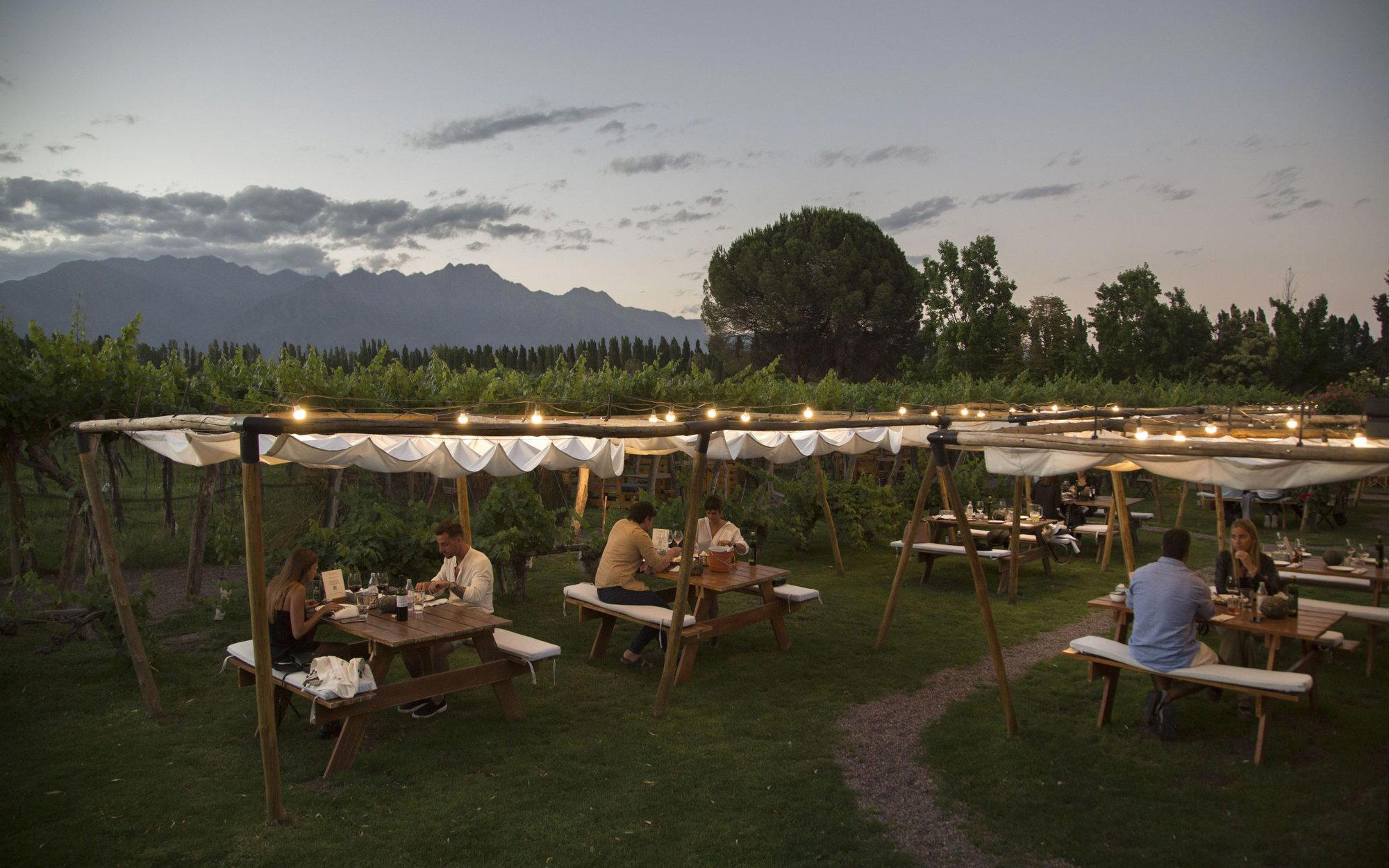
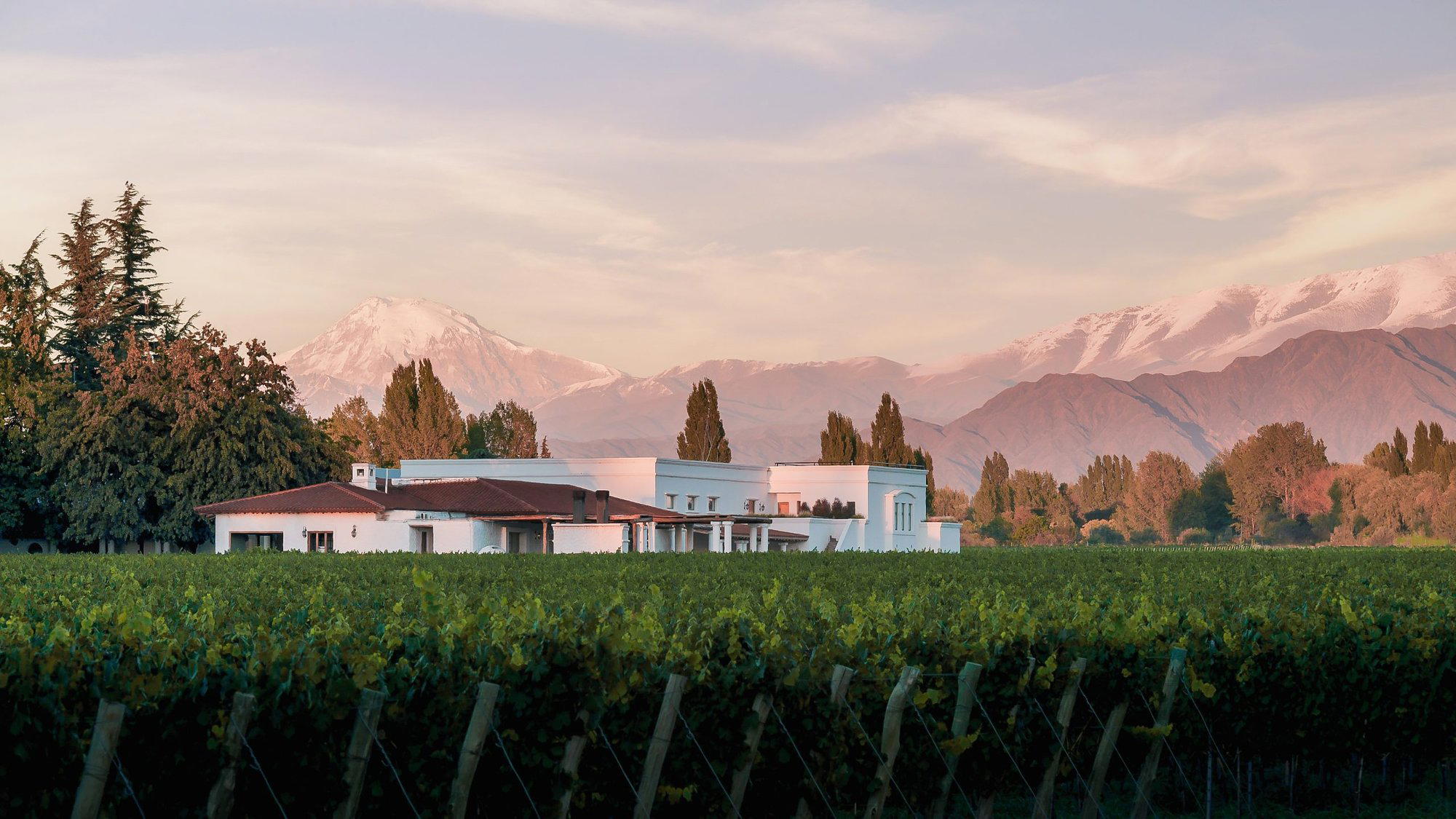
Bars in Luján de Cuyo
Browse all →
Restaurants in Luján de Cuyo
Browse all →
Details
- Modern
- Elegant
- Scenic
- Wine Education
- Special Occasion
- Panoramic View
- Sustainable
- Mountain
- Vineyard
- Malbec
- Cabernet Sauvignon
- Chardonnay
- Petit Verdot
- Still Red
- Estate Tasting
- Spanish
- English
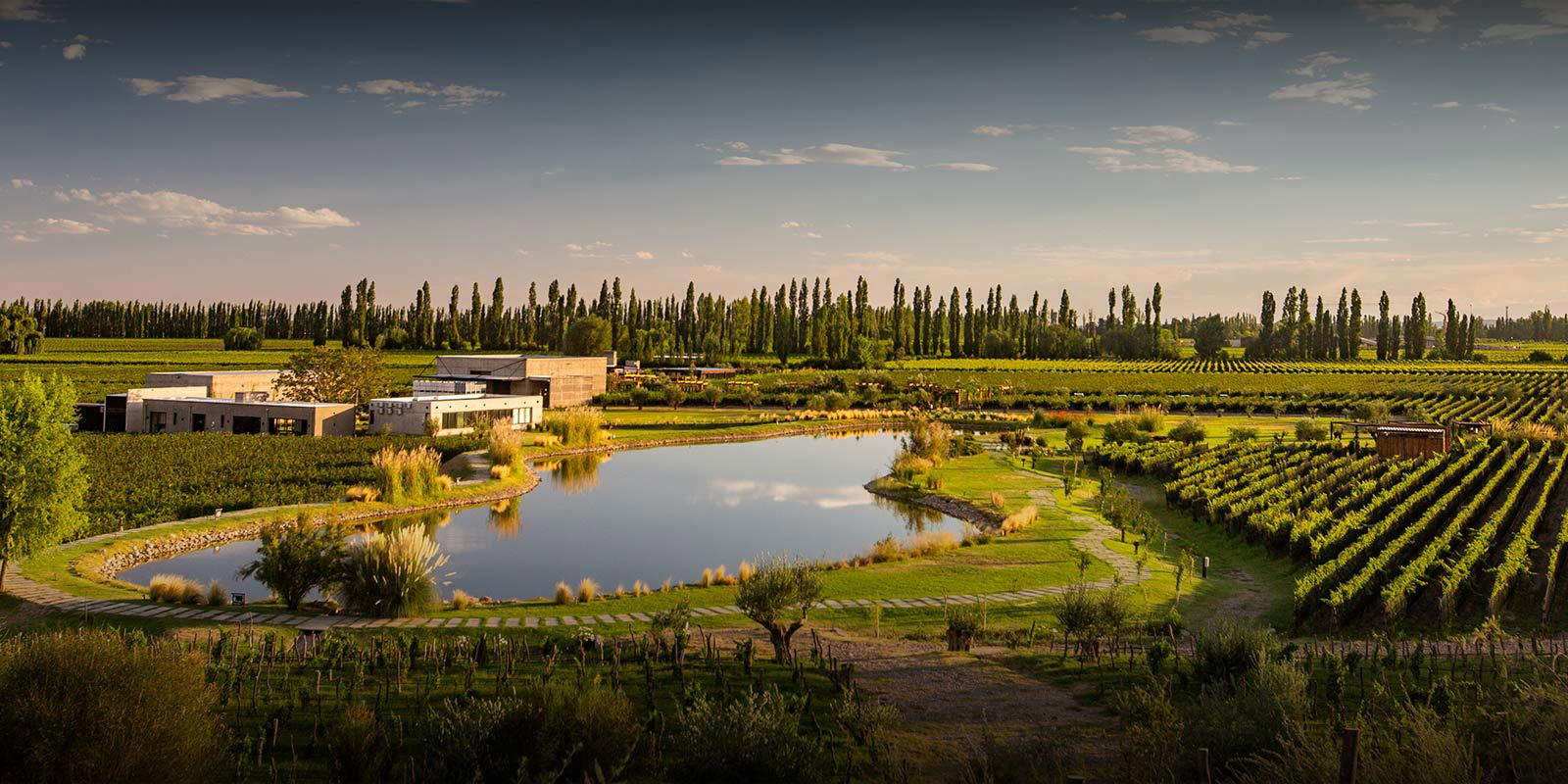
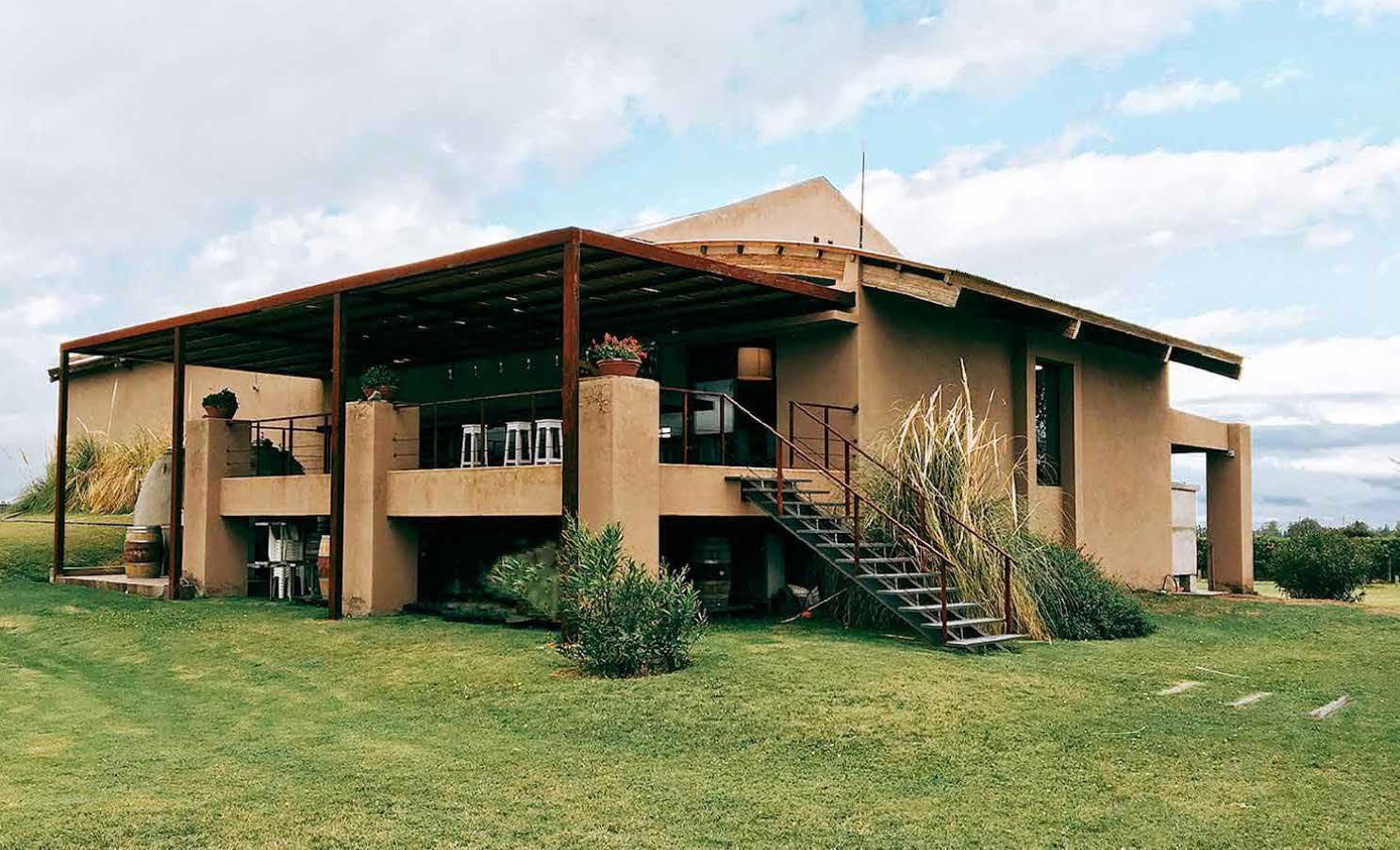
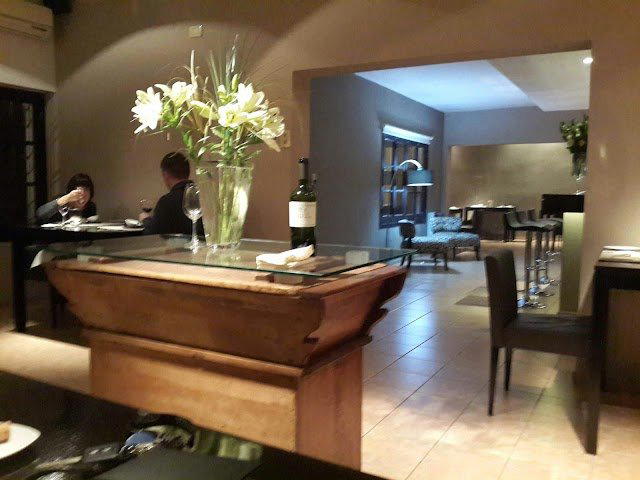
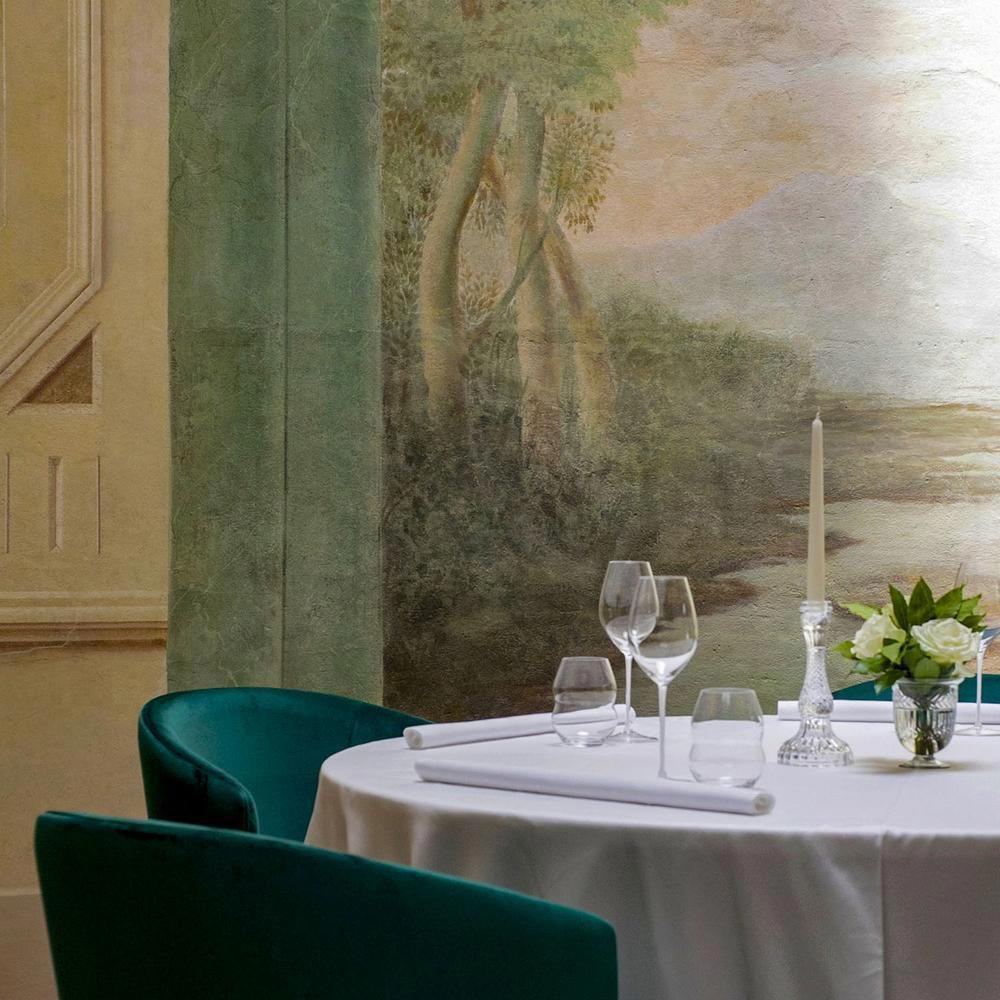
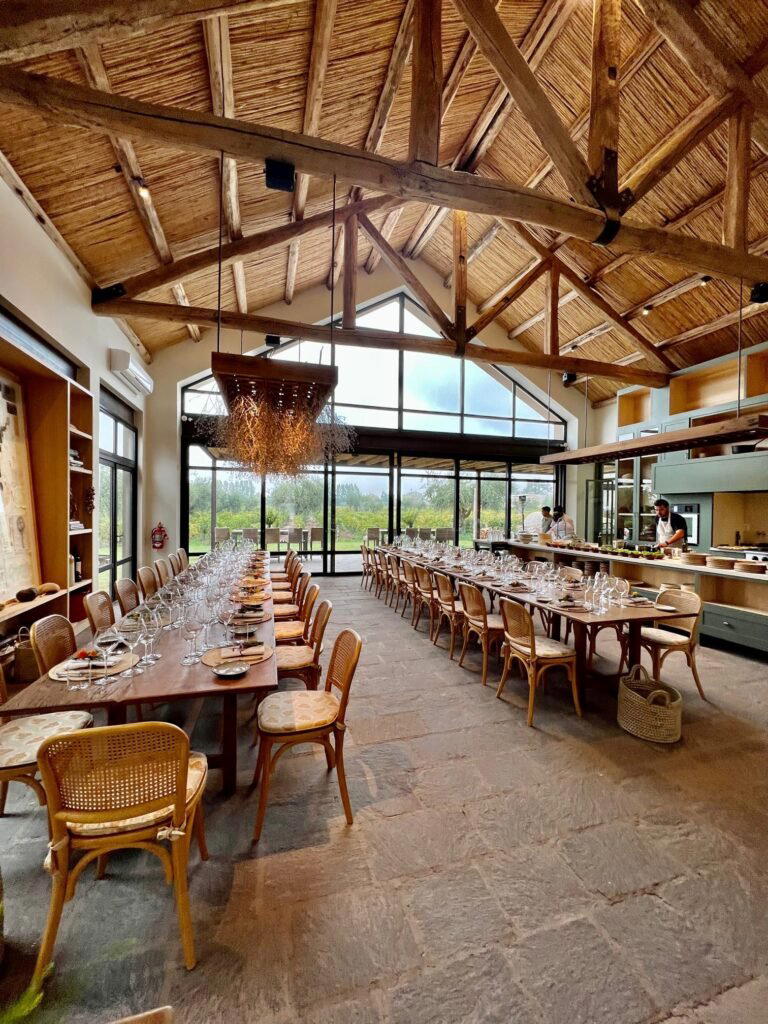
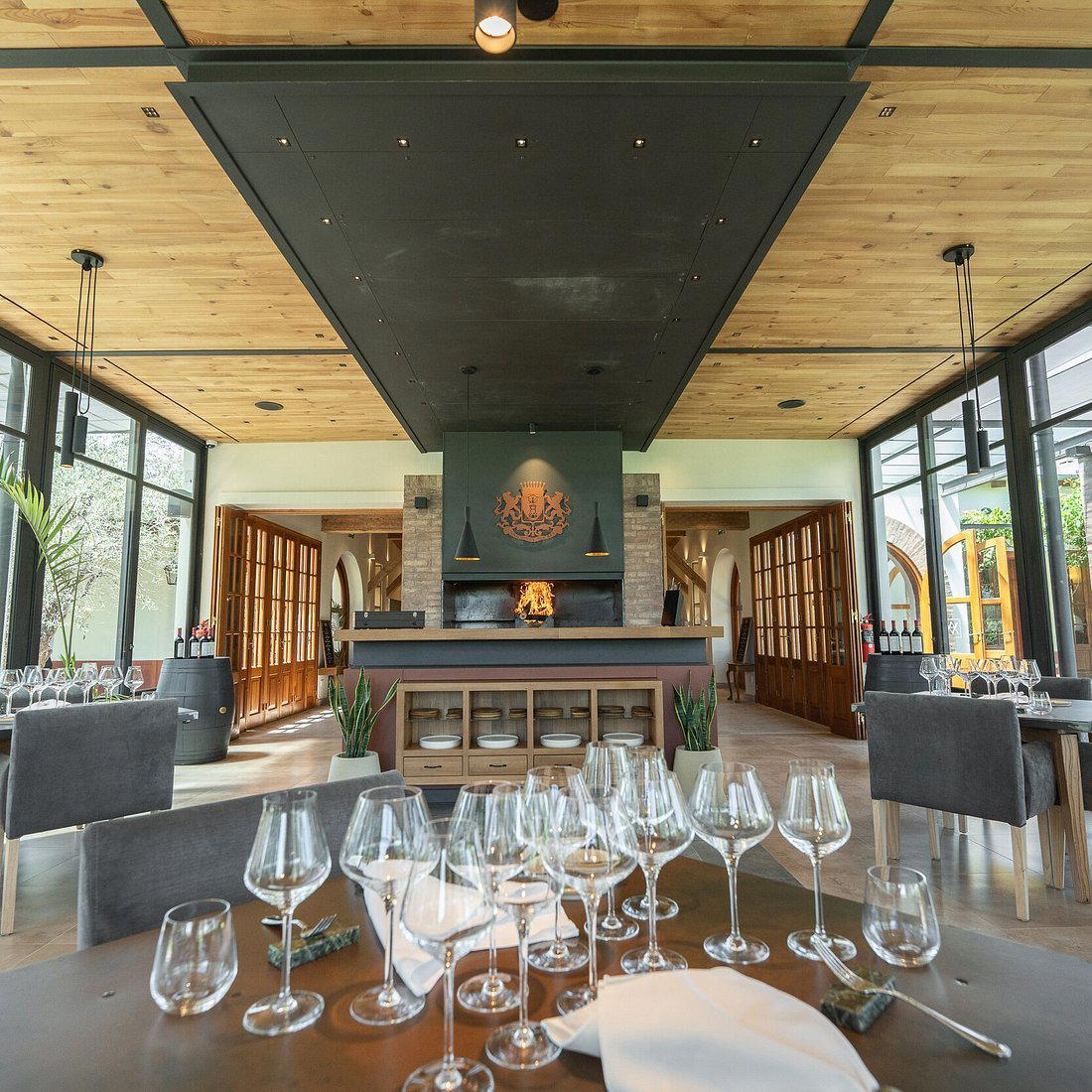
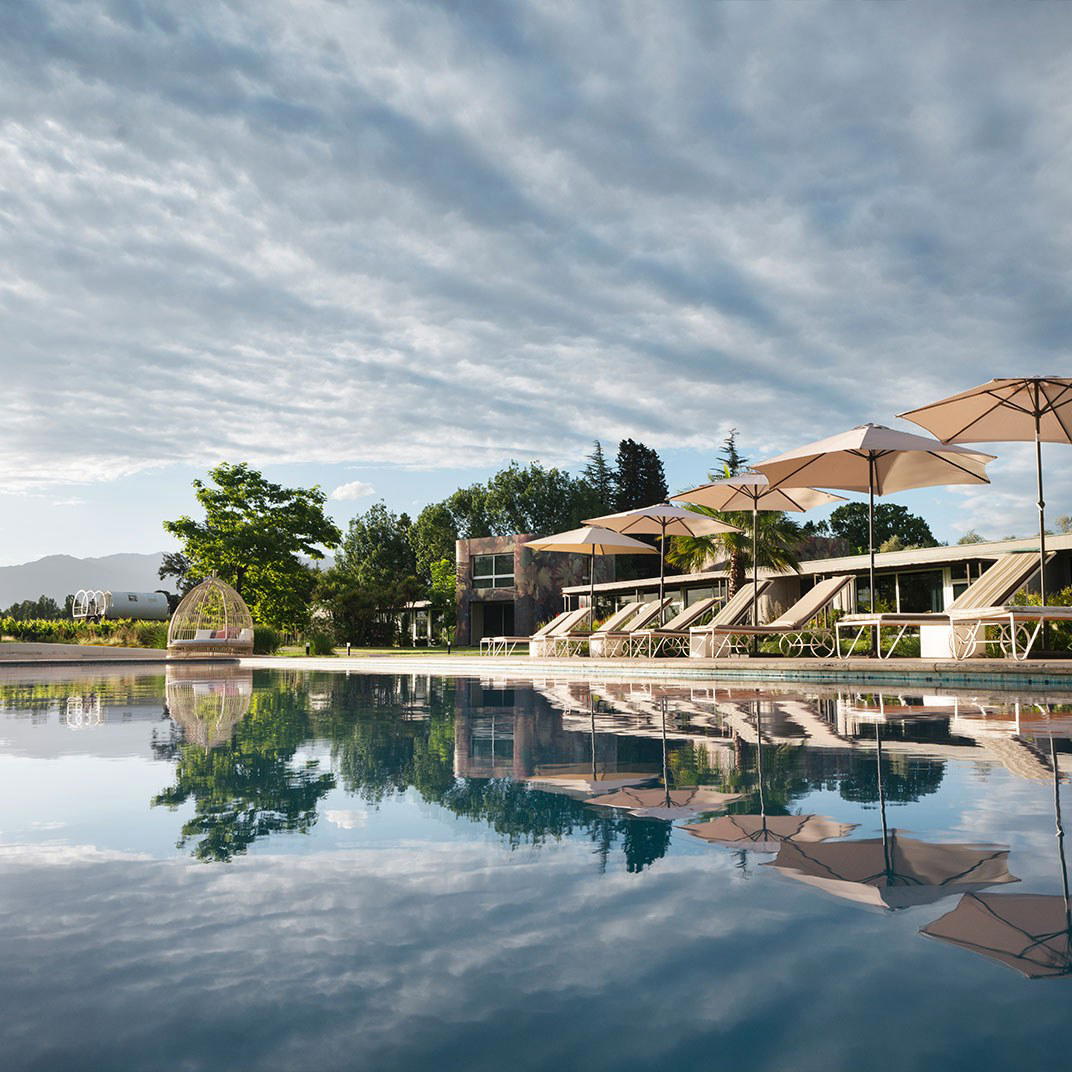
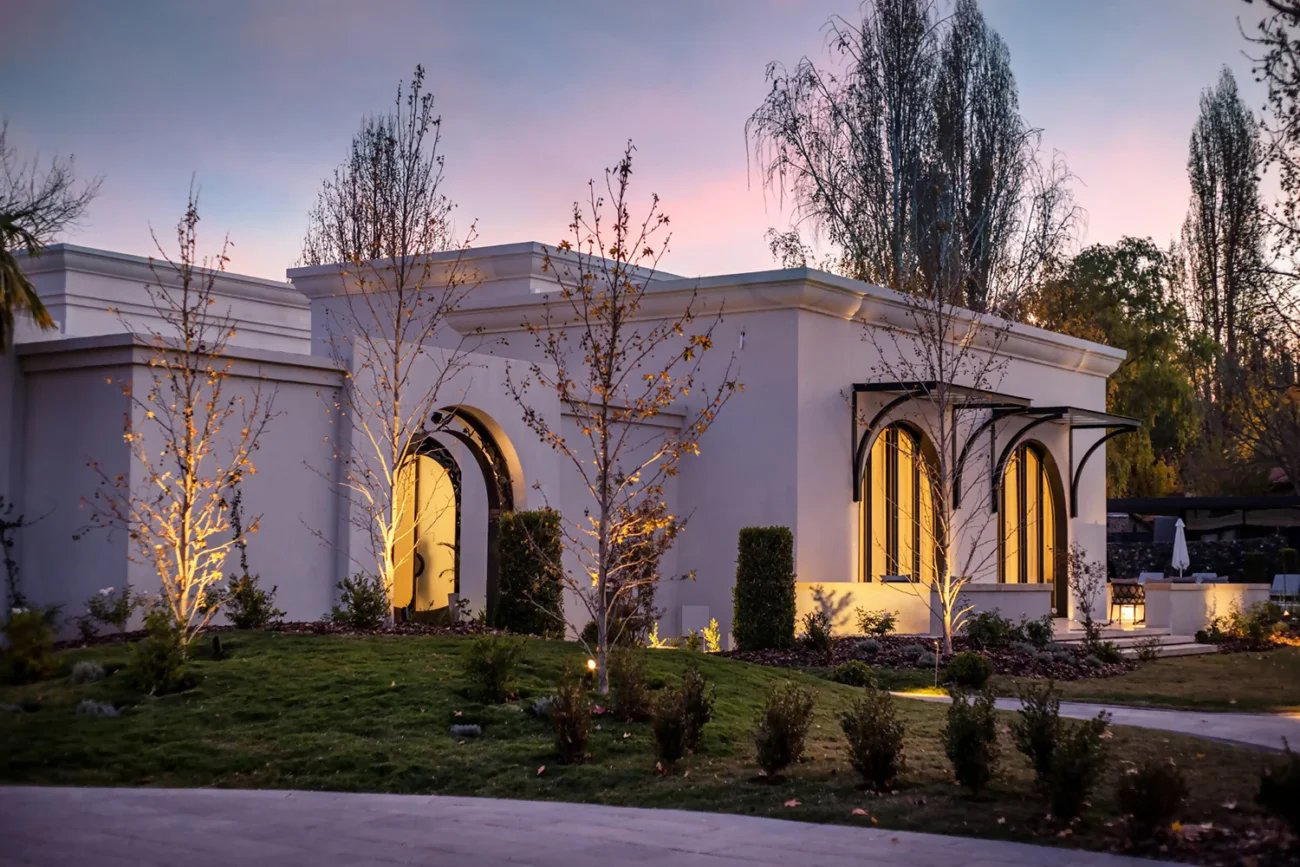
Modern architecture blending with expansive vineyard views overlooking the Andes mountains.