
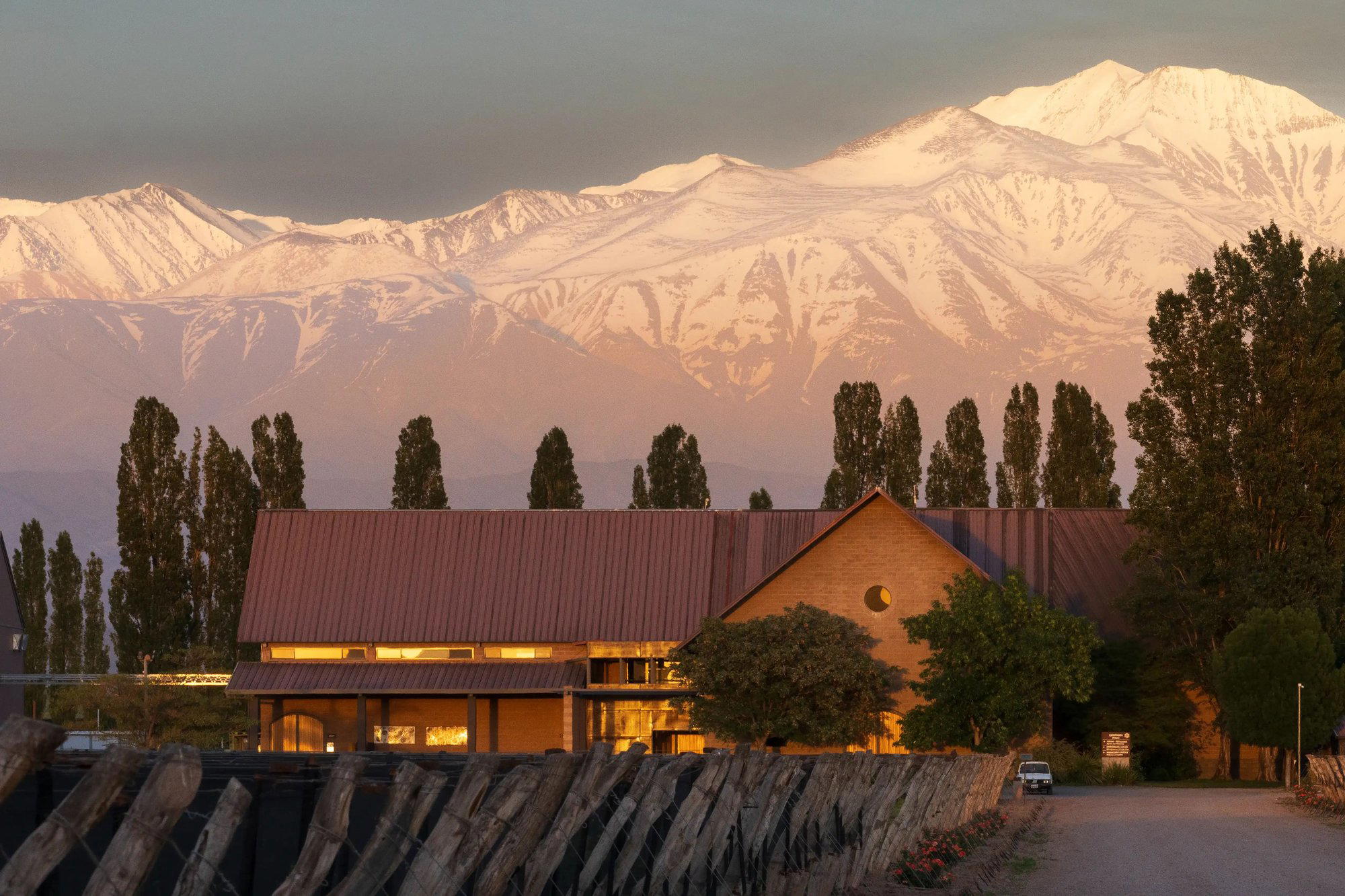
Terrazas de los Andes sits in Perdriel, one of Luján de Cuyo's higher-altitude growing zones, where the Andes act as both backdrop and climate engine for the estate's vineyards. For visitors planning a wine-focused stay in the region, it belongs on the short list alongside estates like Bodegas CARO and Bodega Kaiken.
Pearl is the En Primeur Club membership app — saves, bookings, and concierge access live there. Same editors, same standards.
- Address
- Cochabamba, W492+2H, Thames y, M5509 Perdriel, Mendoza
- Phone
- +54 261 509-0952
- Website
- terrazasdelosandes.com.ar
- Directions
- Get directions
 Saves & bookings on Pearl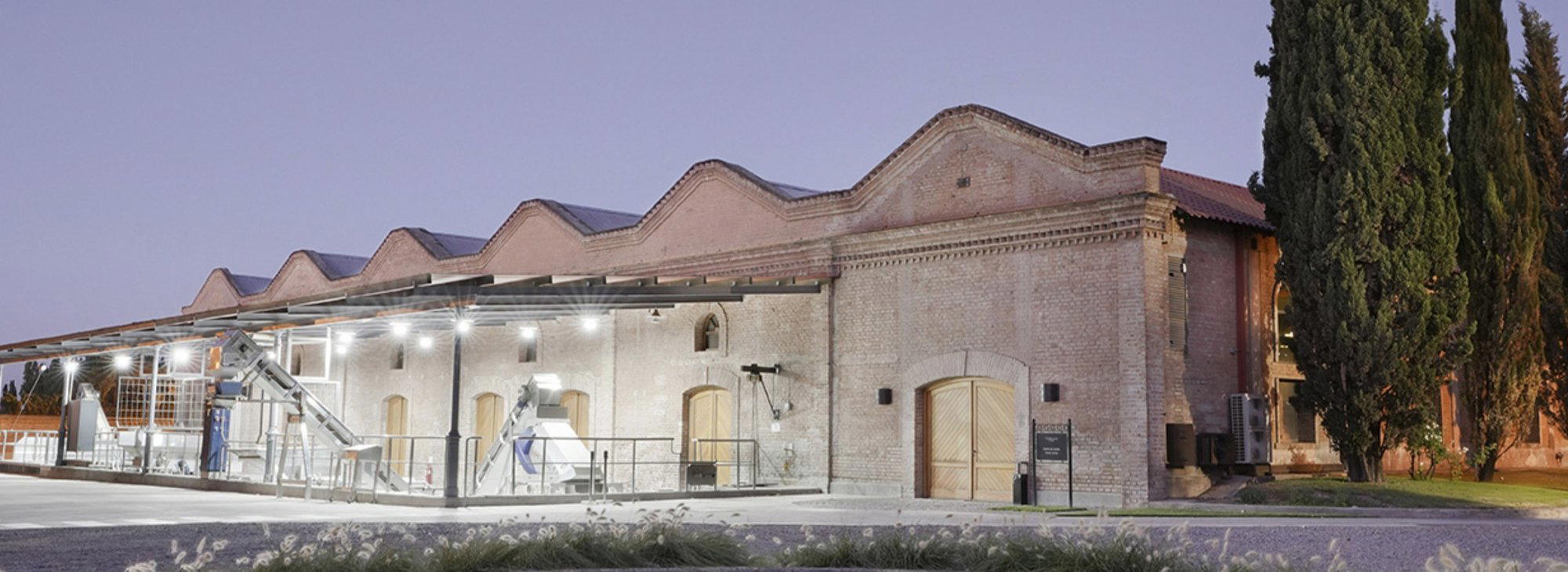
Altitude as Ingredient: What the Andes Actually Do to the Wine
Mendoza's wine identity has always been geographical before it is varietal. The altitude gradient running from the valley floor up toward the cordillera is not scenic backdrop, it is the primary production variable that separates the region's prestige tier from its commodity output. At higher elevations, wider diurnal temperature swings slow ripening, concentrate phenolics, and preserve acidity that the lower-lying zones simply cannot replicate. Terrazas de los Andes, based in Perdriel within Luján de Cuyo, takes its name from that vertical logic: the terraces of the Andes, each band of elevation yielding a different expression of the same grape.
This framing matters because it explains where Terrazas de los Andes sits in the competitive structure of Argentine fine wine. It is not a brand built on a single charismatic winemaker or a single marquee block. The estate's positioning rests on a sourcing argument: that controlled access to multiple elevation bands across Mendoza's most prestigious sub-regions translates into wines that carry geographic provenance rather than just producer identity. That is a different proposition from many peers, and it shapes everything from how the wines taste to how they are discussed among the collectors and sommeliers who follow Argentine wine seriously.
The Perdriel Address and What It Signals
Perdriel is not Mendoza city. The address, Cochabamba, Thames y, Perdriel, places the estate in the rural sub-zone of Luján de Cuyo, the department that has historically anchored the region's Malbec reputation. Luján de Cuyo was Argentina's first officially designated Appellation of Origin for Malbec, a designation that carries weight in export markets where Argentine wine is still often treated as a single undifferentiated category. Being based here, rather than in Maipú or the Valle de Uco, aligns Terrazas de los Andes with a tradition of structured, age-worthy reds rather than the fresher, higher-acid style now associated with Gualtallary and other high-altitude Valle de Uco sites.
Peer estates in this sub-region include Bodega Norton in Luján de Cuyo and Escorihuela Gascón in Godoy Cruz, both of which operate within a similar tradition of estate-focused production aimed at export-market credibility. The geography clusters these producers in a belt that runs south from the city, where the soil composition shifts from the sandier profiles of Maipú toward the more clay-rich, stony terrain associated with the leading Luján blocks.
That tier in Mendoza is smaller than it appears from the outside. The Argentine wine industry produces at industrial scale, and a significant portion of what reaches international shelves trades on the regional origin story rather than genuine estate-level differentiation.
The producers that sit alongside the winery in this prestige band tend to share certain structural characteristics: controlled sourcing, defined appellation or sub-region focus, and wines that perform across multiple vintages rather than occasionally. Bodegas CARO, the Rothschild-Caro joint venture, operates in a comparable register, as does Bodega Kaiken, where the Chilean ownership brought a different technical discipline to the Luján de Cuyo sourcing model. Bodega Riccitelli occupies a more artisan position within this conversation, while Bodega Navarro Correas anchors a different volume-to-quality ratio. These comparisons are useful because they show the range of approaches competing for attention at roughly the same price points and prestige level.
Sourcing Depth: The Broader Argentine Context
The winery belongs to a category of Mendoza producers whose sourcing strategy extends beyond a single estate into a curated network of vineyard relationships across altitude bands. This model is distinct from single-vineyard specialists, it is an argument that the sum of carefully selected sources across elevations produces more complete wines than any single block can deliver alone. The logic echoes what Burgundy négociants with strong vineyard relationships have argued for decades, and it has genuine merit when the sourcing discipline is rigorous.
Argentina's other serious wine regions offer instructive comparisons. Bodega El Esteco in Cafayate operates at dramatically higher elevations in the Calchaquí Valleys, where altitude produces an entirely different flavor register from Mendoza's warmer valley sites. Bodega Colomé in Molinos pushes this further, with vineyards at elevations that make them among the highest commercially farmed in the world. These producers are not direct competitors to the winery in style or price architecture, but they illustrate how altitude-as-argument has spread across Argentine fine wine in ways that benefit the entire category's credibility.
Further afield but within the EP Club network, Bodega DiamAndes in Tunuyán shows how the Valle de Uco has developed its own prestige tier, distinct from Luján de Cuyo in soil and temperature profile. Familia Schroeder in San Patricio del Chañar demonstrates that Patagonia is building its own credible fine wine argument, further decentralizing what was once a Mendoza-dominated conversation.
Visiting Terrazas de los Andes: What to Know Before You Go
The Perdriel address puts the winery approximately 15 to 20 minutes south of Mendoza city by road, a standard transfer for winery visits in the Luján de Cuyo zone. Most visitors to this sub-region combine two or three estate visits in a single day, with the Panamericana Sur serving as the main artery connecting the major producers. Taxis and remises from the city are widely available and remain the practical option for anyone planning to taste seriously rather than sip symbolically.
Contact ahead for visits, especially during harvest season. Mendoza's premium wine tourism infrastructure is mature enough that virtually every four-star hotel in the city can arrange winery visits with transport included, and for a prestige-tier estate like this one, booking well in advance of the harvest season (March through April) is advisable since visit capacity tends to tighten considerably.
Category Peers
Comparable venues nearby, for context on price, style, and recognition.
| Venue | Cuisine | Price | Notes |
|---|---|---|---|
| Terrazas de los AndesThis venue — the venue you are viewing | Malbec, Cabernet Sauvignon | $$$ | Not listed |
| Bodega Navarro Correas | Malbec, Cabernet Sauvignon | $$$ | Agrelo |
| Casa Tapaus Destilados | Malbec, Cabernet Sauvignon | $$$ | Luján de Cuyo |
| Destilería Flipá | Winery | Not listed | Mendoza |
| Bodegas CARO | Malbec, Cabernet Sauvignon | $$$ | Godoy Cruz |
| The Williams Casanegra Distillery | Winery | Not listed | Mendoza |
Recognition history
Dated appearances from independent guides and award organizations, with the underlying list record or original source where available.
Falstaff Winery - Listed
Falstaff
Continue exploring
More in Mendoza
Wineries in Mendoza
Browse all →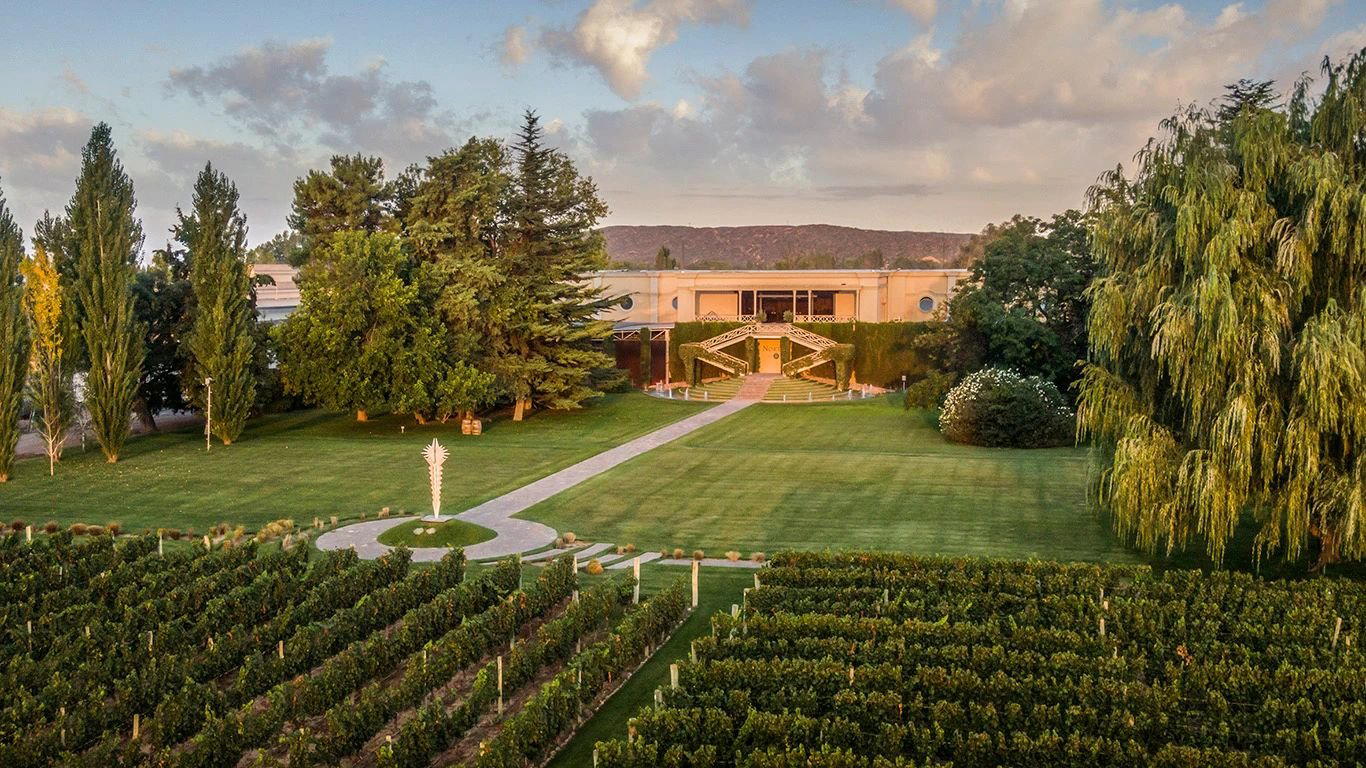
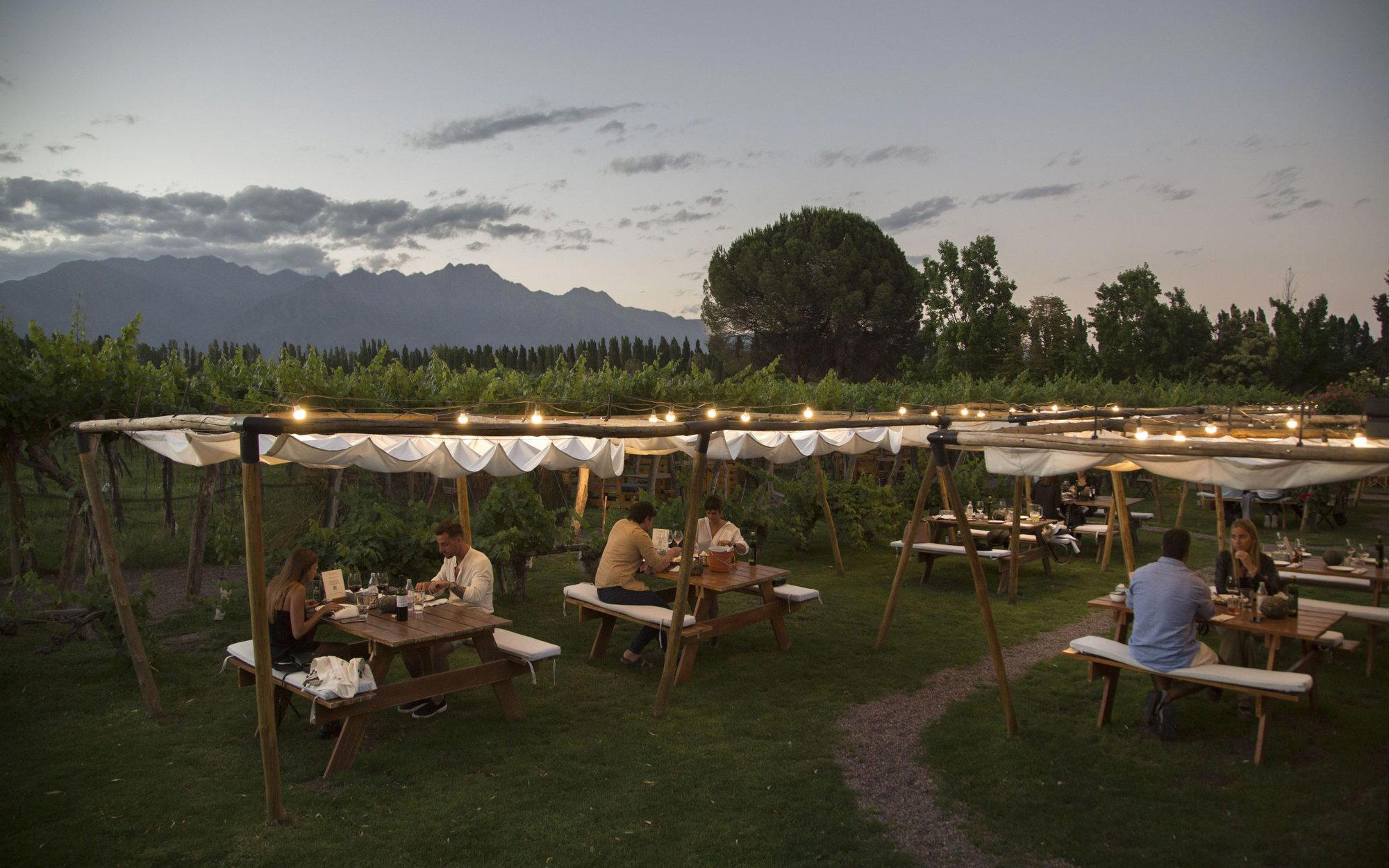
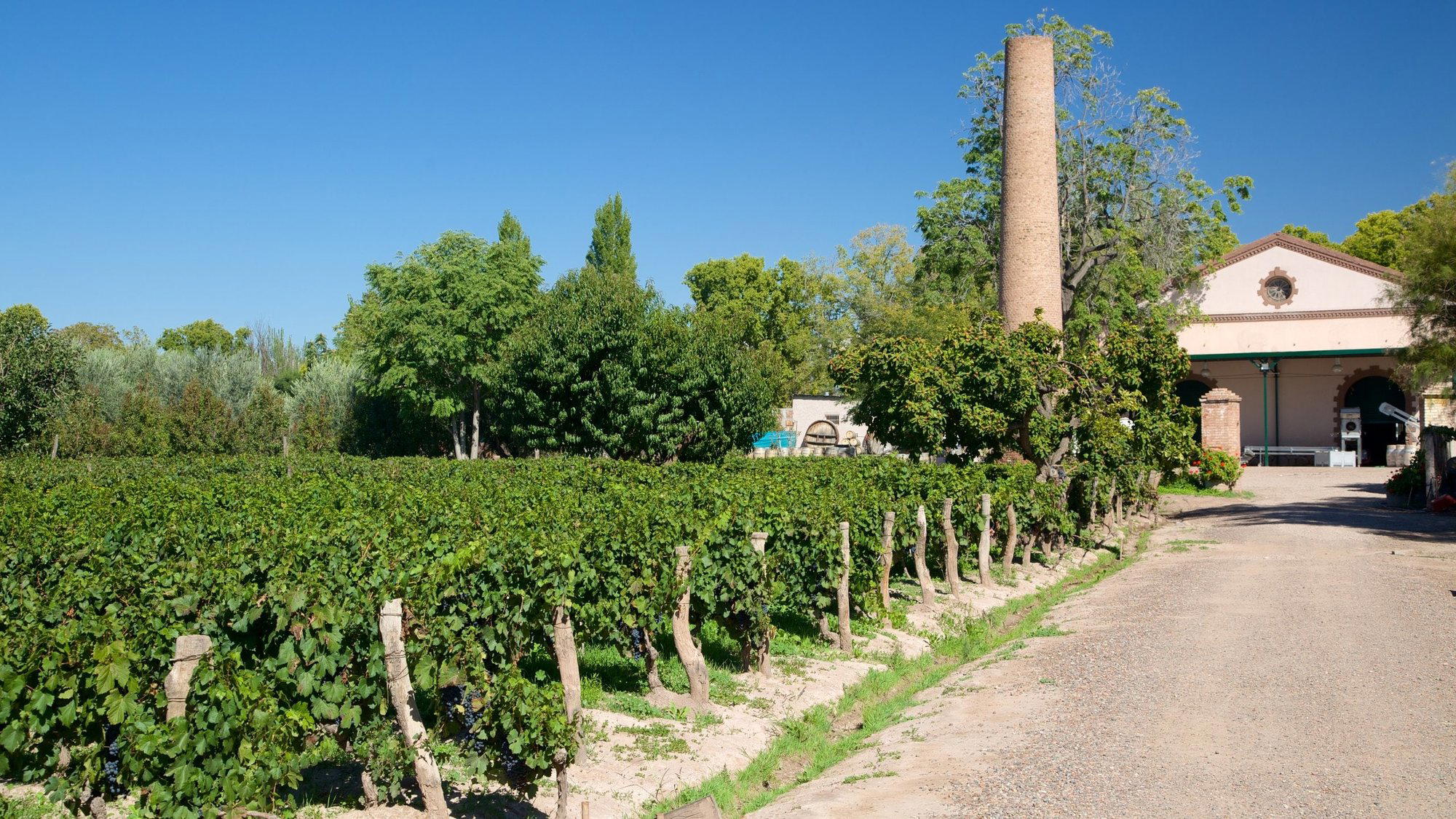
Bars in Mendoza
Browse all →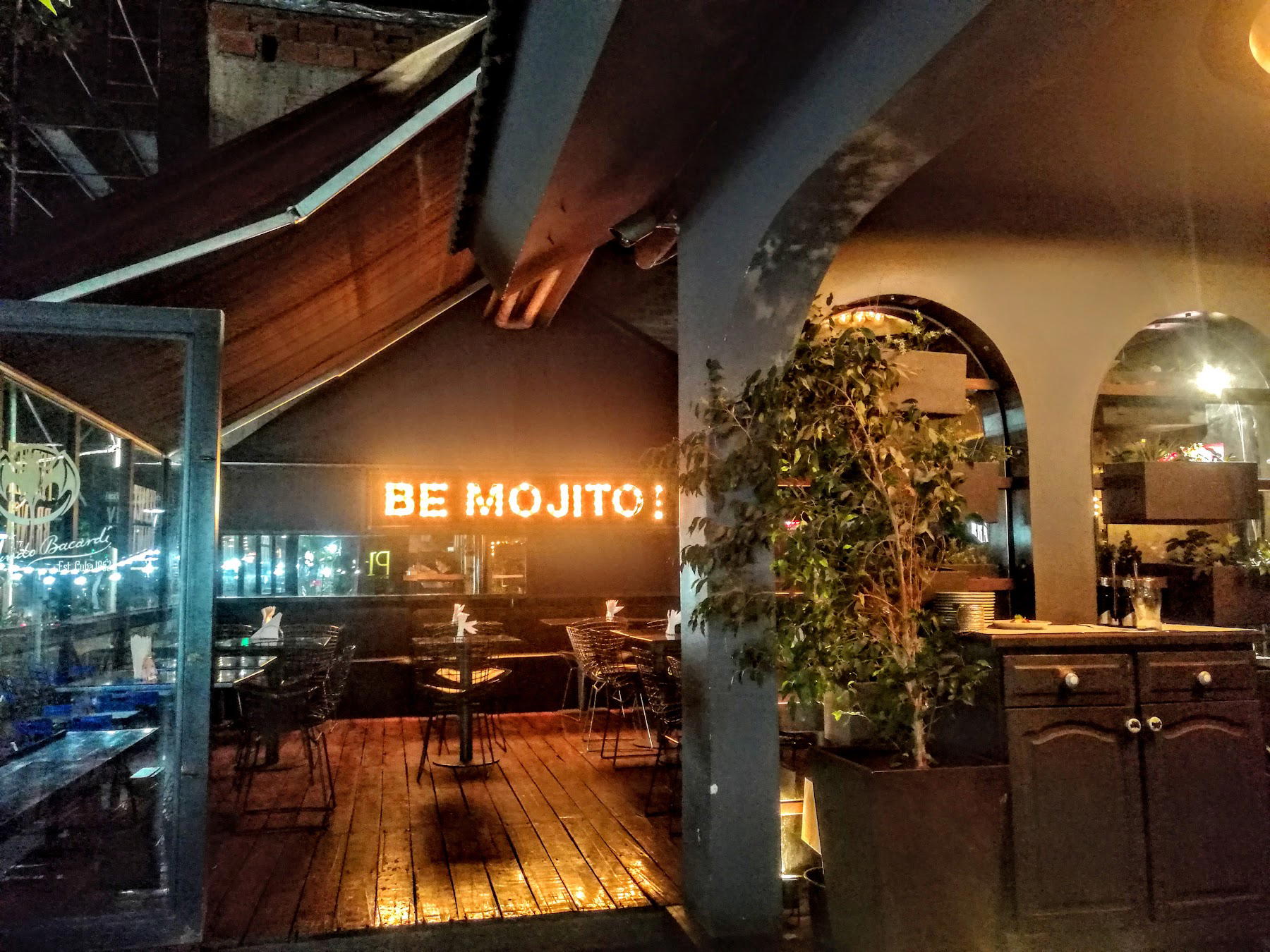
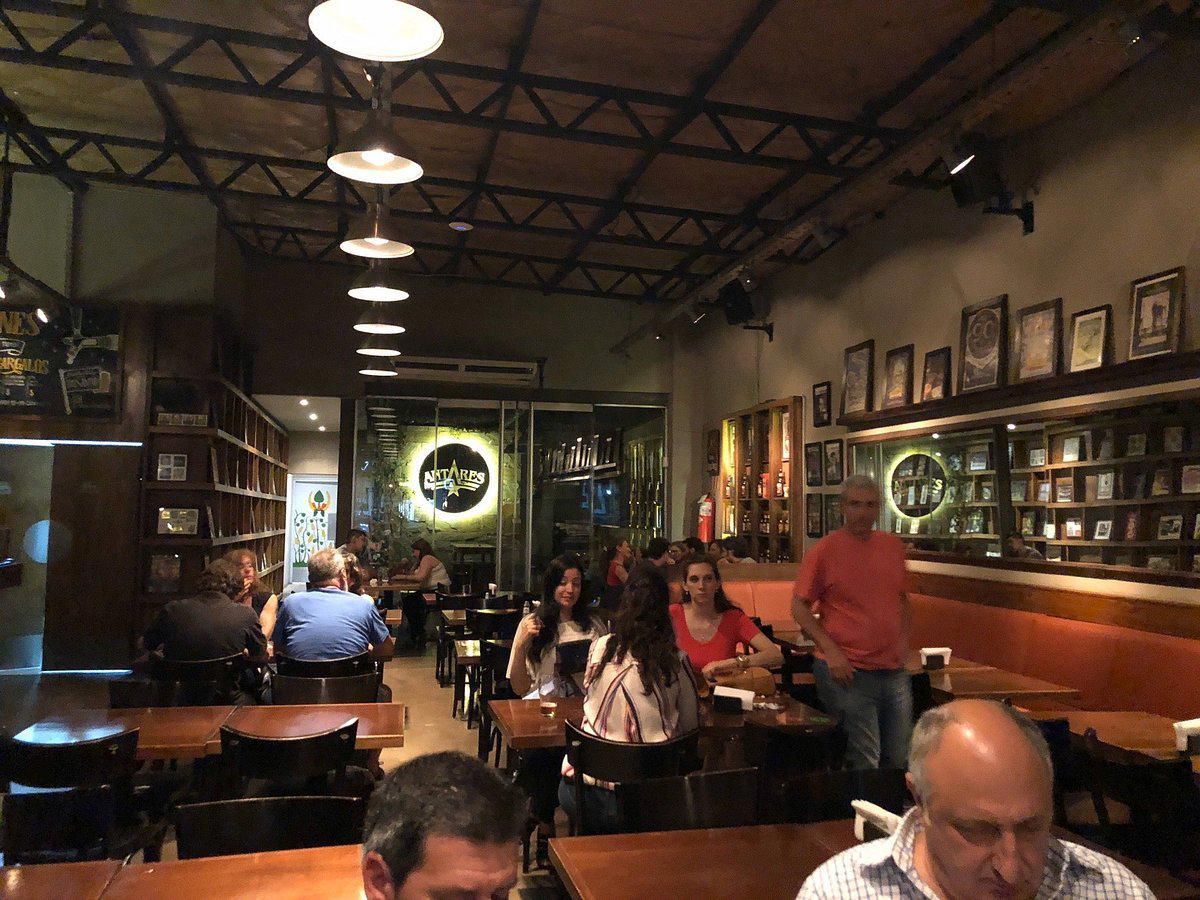
Restaurants in Mendoza
Browse all →
At a Glance
- Elegant
- Scenic
- Sophisticated
- Romantic
- Romantic Getaway
- Wine Education
- Group Outing
- Special Occasion
- Family
- Vineyard Tour
- Barrel Room
- Estate Grounds
- Garden
- Panoramic View
- Historic Building
- Private Tasting
- Terrace
- Organic
- Sustainable
- Mountain
- Vineyard
- Garden
- Mendoza
- Malbec
- Cabernet Sauvignon
- Chardonnay
- Pinot Noir
- Syrah
- Torrontés
- Petit Manseng
- Sauvignon Blanc
- Still Red
- Still White
- Dessert
- Guided Tour With Tasting
- Food Pairing Experience
- Private Tasting
- Estate Grounds Tour
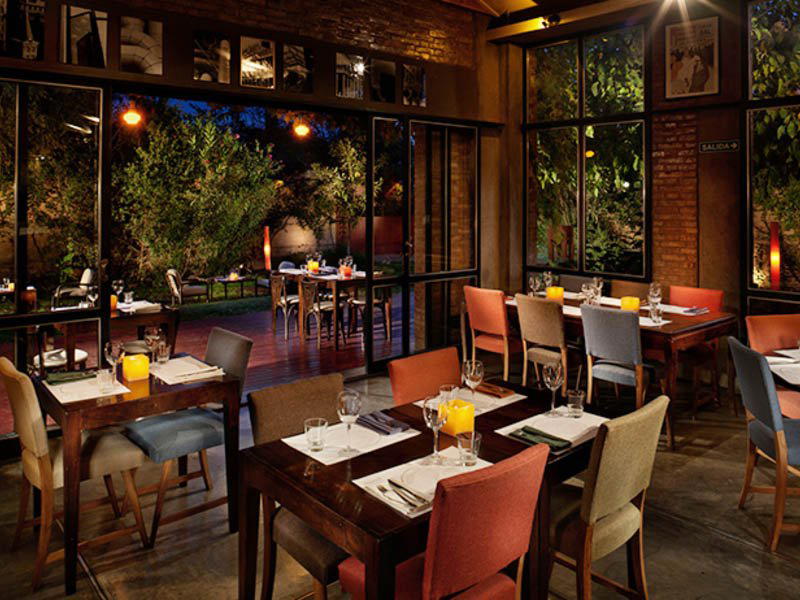
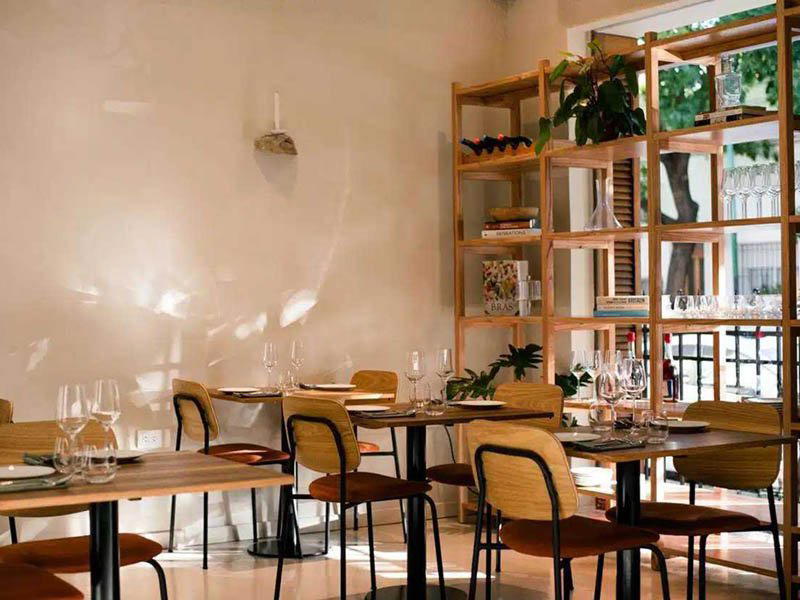
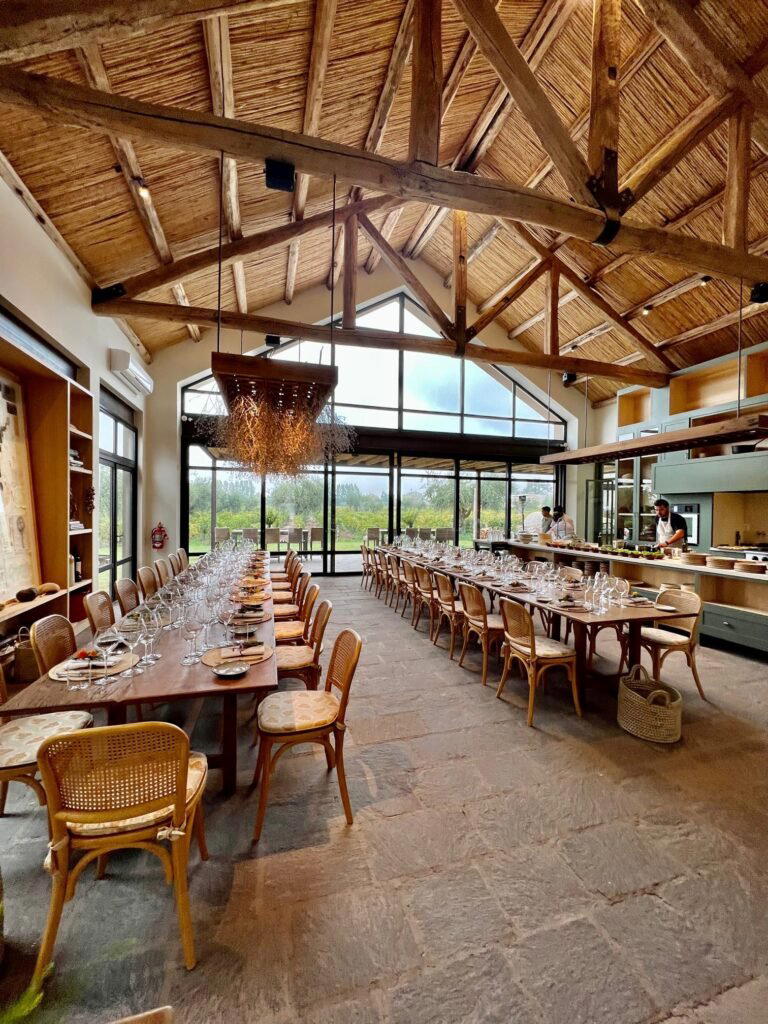
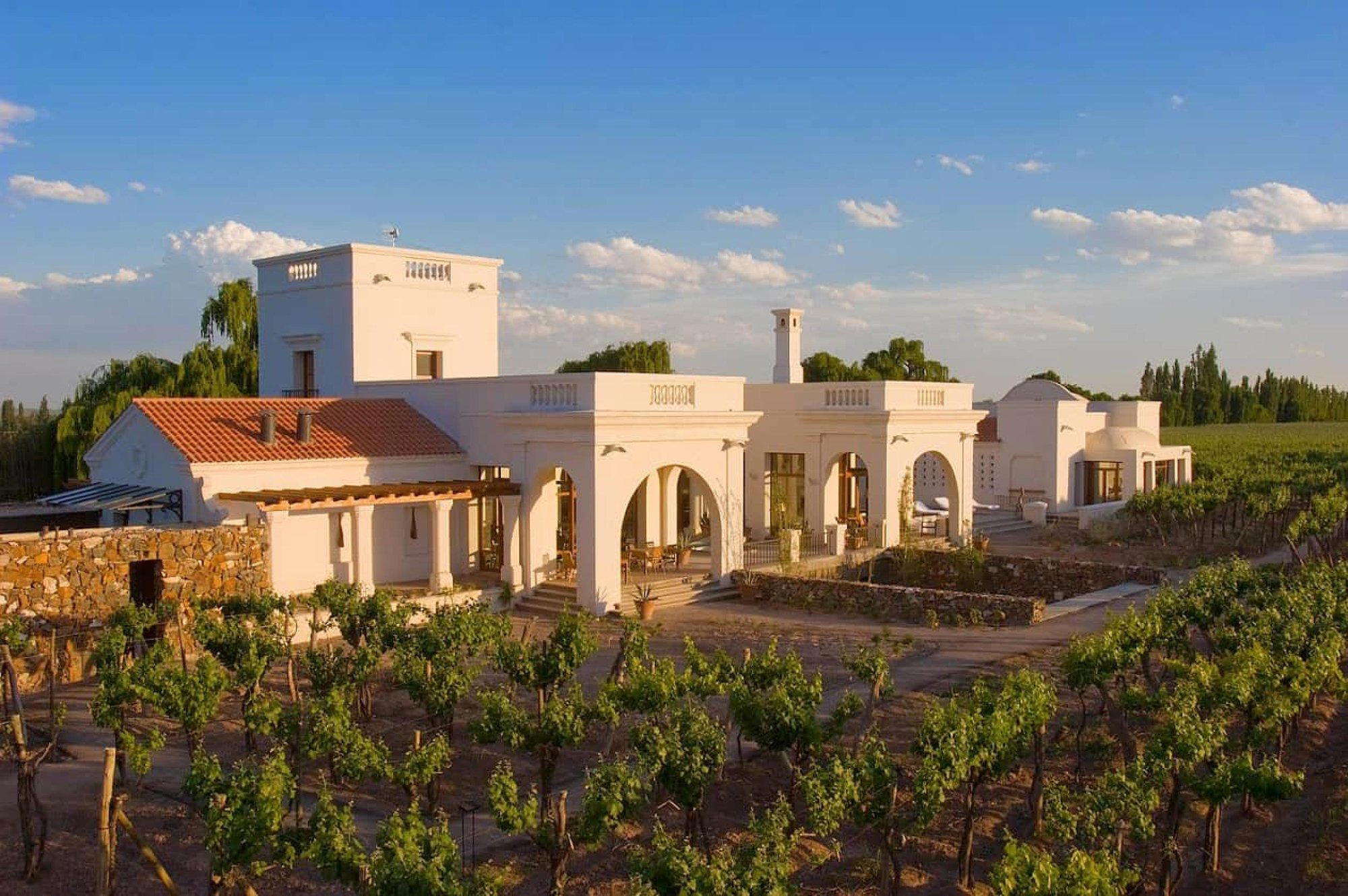
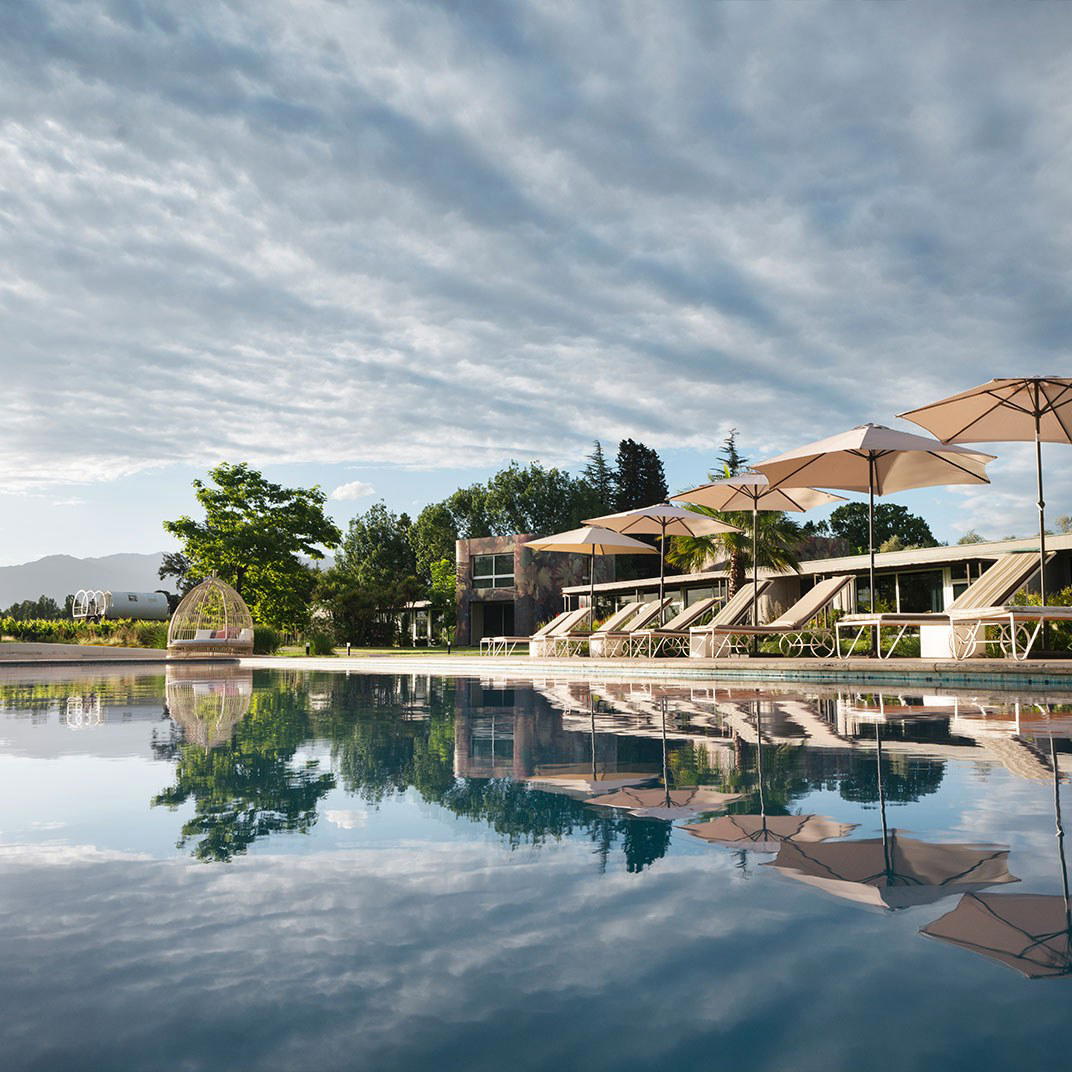
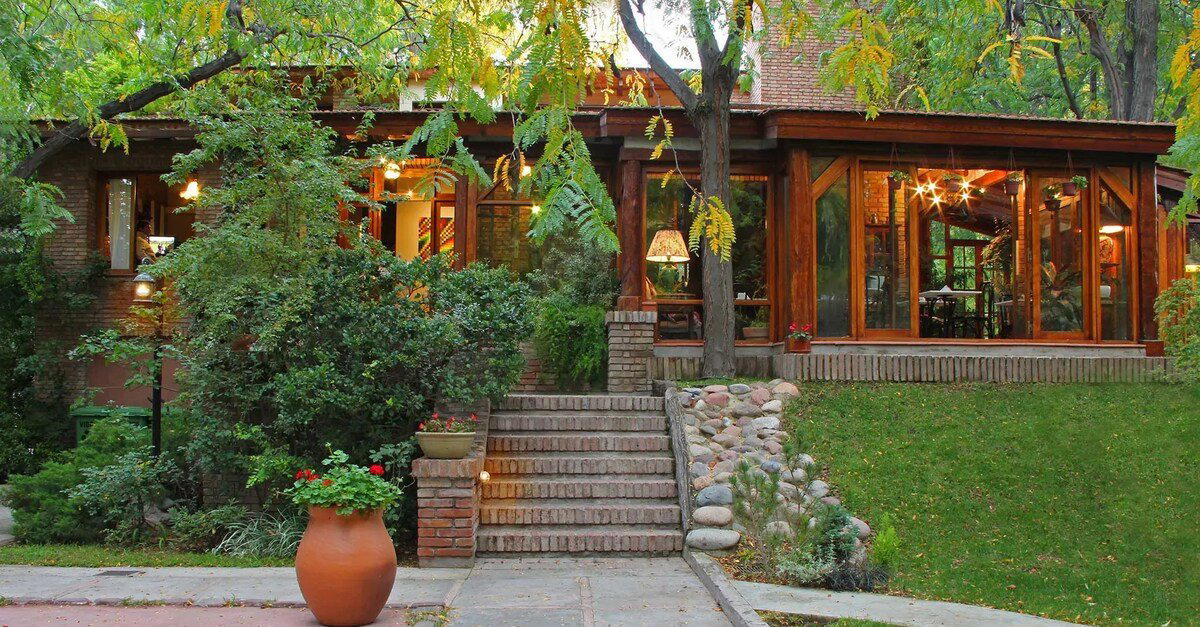
Refined and elegant atmosphere in a century-old Spanish-style winery with barrel rooms, garden settings, and mountain views; warm and knowledgeable staff create an educational yet relaxed experience.