Fratelli Branca Distillery

Fratelli Branca Distillery carries the weight of one of the world's most recognisable amaro lineages into the Buenos Aires production orbit, earning a Pearl 3 Star Prestige rating in 2025. Located in Tortuguitas on the provincial fringe of Buenos Aires, the facility sits at an intersection of Italian heritage distilling and Argentine industrial craft. For anyone tracking the Buenos Aires spirits scene seriously, this is a reference point.
 Discover on Pearl
Pearl is the En Primeur Club membership app — saves, bookings, and concierge access live there. Same editors, same standards.
- Address
- JUC, Costa Rica 4451, B1667 Tortuguitas, Provincia de Buenos Aires
- Phone
- +541149128961
- Website
- branca.com.ar
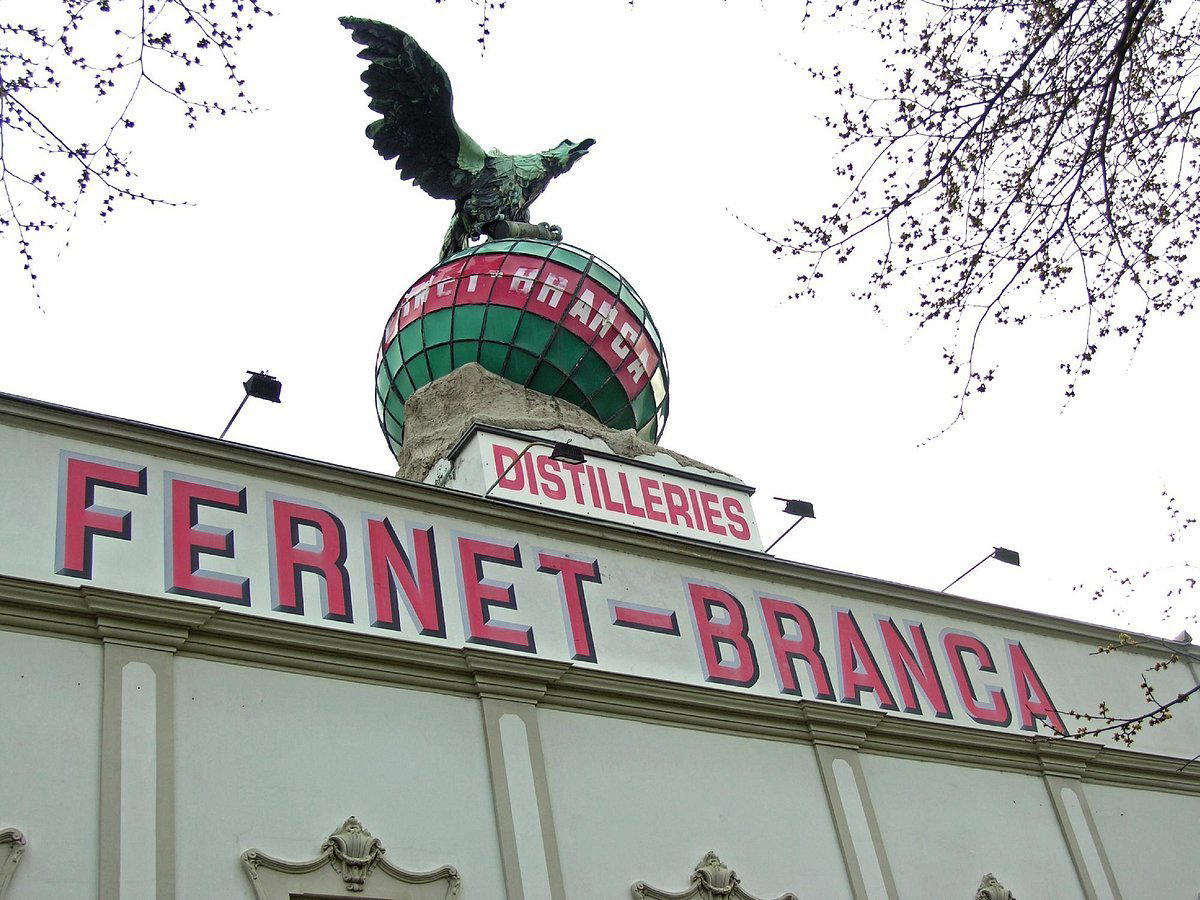
Where Italian Distilling Heritage Meets the Buenos Aires Periphery
The road out to Tortuguitas, in the Provincia de Buenos Aires, does not look like the approach to a prestige spirits site. Industrial parks and low-rise warehouses dominate the stretch of provincial road that leads to Costa Rica 4451, the address registered to Fratelli Branca Distillery. That tension between unremarkable surroundings and serious production credentials is, in a way, characteristic of how Argentine craft distilling has evolved: the most considered operations tend not to announce themselves through architecture or address.
Fratelli Branca is not a local upstart. The parent brand, Branca, is among the most globally distributed Italian amaro houses, with a production history stretching back to Milan in 1845. The Buenos Aires operation represents the South American footprint of that lineage, a localised production node that brings the brand's herbal complexity into direct contact with Argentine raw materials and market conditions. That context matters when placing the distillery within the broader Buenos Aires spirits conversation.
The Distillery in the Context of Buenos Aires Craft Spirits
Buenos Aires has developed a functioning craft spirits tier over the past decade, with producers ranging from gin-forward urban operations to more diversified distilleries working across categories. Destilería Dellepiane, Destilería Demian, and Destilería Spiritu Santo each occupy distinct positions within that tier, as do Sinestesia Destilería and Destilería Moretti. What distinguishes Fratelli Branca from these peers is the scale of its institutional backing and the depth of its botanical formula, a recipe that has not been materially altered since the nineteenth century and that draws on a botanical blend reported to include over forty herbs, roots, and spices.
That formula carries its own kind of sustainability logic. Longevity in a botanical recipe implies long-term sourcing relationships, consistency of supply chains, and an inherent resistance to trend-driven reformulation. Where newer Argentine distillers are building botanical sourcing frameworks from scratch, often with admirable attention to local and native species, Fratelli Branca operates from the opposite direction: a fixed formula with a global sourcing architecture that has been refined over generations. Neither approach is categorically superior; they represent different bets on what produces lasting quality.
The 2025 Pearl 3 Star Prestige award positions Fratelli Branca Distillery within the upper bracket of recognised Buenos Aires spirits producers. That recognition reflects production quality rather than brand heritage alone, which matters in a market where legacy names do not automatically translate into current performance.
Sustainability, Botanical Sourcing, and the Long View
Discussing sustainability in the context of a major international spirits brand requires more precision than the term usually gets. For a distillery operating within Branca's global supply chain, the sustainability question is less about small-batch local sourcing and more about the durability of ingredient pipelines across decades and geographies. A forty-plus botanical formula demands reliable access to plants sourced from multiple continents, and the stewardship of those supply chains, including the agricultural conditions of the farms and regions that produce them, constitutes a form of long-term resource management that the industry does not always frame in sustainability terms but that functions as one in practice.
Argentine distilleries operating in a different register, such as those producing terroir-driven spirits from native botanicals or Andean herbs, are making a different kind of sustainability argument: one rooted in local biodiversity, reduced freight, and direct producer relationships. Both models have merit, and the Buenos Aires spirits scene is large enough to accommodate both. Visitors interested in how Argentine producers are building botanical sourcing from the ground up should note that the wine regions further afield offer useful parallel cases. Bodega Colomé in Molinos and Bodega El Esteco in Cafayate have each developed strong positions around high-altitude viticulture and site-specific growing conditions, approaches that share a philosophical kinship with the botanical integrity argument Branca makes from the other direction.
What the Production Site Represents
Industrial-scale distillation on the Buenos Aires periphery is not a compromise position. The Tortuguitas site gives Fratelli Branca the physical scale to maintain production standards that a smaller urban facility could not, including the temperature-controlled storage and blending capacity that a multi-botanical formula demands. In the Argentine spirits industry, where climate variability across seasons can affect botanical yield and character, that infrastructure investment has direct quality implications.
Comparable thinking governs some of Argentina's most serious wine operations. Bodega Norton in Luján de Cuyo and Escorihuela Gascón in Godoy Cruz both operate at a scale that allows for production consistency across vintages, and their reputations rest partly on that infrastructure discipline. Rutini Wines in Tupungato, Familia Schroeder in San Patricio del Chañar, and Bodega DiamAndes in Tunuyán make similar cases for how site investment translates into product reliability. The distillery model at Fratelli Branca follows a parallel logic, even if the category and geography differ.
For those tracking prestige distilling traditions globally, the Branca lineage also invites comparison with the Scotch whisky segment. Aberlour in Aberlour represents the kind of production continuity across generations that Branca claims in the amaro category. Both operations sit within larger corporate structures while maintaining the production identity that earned their reputations. The institutional backing is a feature, not a compromise, when the underlying formula holds.
Planning a Visit
Fratelli Branca Distillery is located at Costa Rica 4451 in Tortuguitas, Provincia de Buenos Aires, which places it well outside the city centre. Getting there requires a private car or organised transport; the site is not walkable from any major rail or bus hub. Access is by appointment only, so arranging a visit directly with the distillery before travel is essential. This is not unusual for production-scale facilities in the Buenos Aires province, where visitor programmes, when they exist, tend to operate on a pre-arranged basis rather than open-door scheduling.
Travellers building a broader Buenos Aires drinks itinerary can anchor the city-side portion of their programme using our full Buenos Aires guide, which covers the urban spirits and dining scene in greater depth. For those extending into California, Accendo Cellars in St. Helena offers a useful counterpoint: another small-production prestige operation where access requires advance planning and the product identity is non-negotiable.
Reputation First
Comparable venues nearby, for context on price, style, and recognition.
| Venue | Cuisine | Notes |
|---|---|---|
| Fratelli Branca DistilleryThis venue — the venue you are viewing | Sangiovese | |
| Heráclito & Macedonio Gin | Winery | Buenos Aires |
| La Francesa Gin Distillery | Winery | Buenos Aires |
| Destilería Dellepiane | Winery | Avellaneda |
| Príncipe de los Apóstoles Gin | Winery | Buenos Aires |
| South Spirits Lab | Winery | Buenos Aires |
Continue exploring
More in Buenos Aires
Wineries in Buenos Aires
Browse all →

Bars in Buenos Aires
Browse all →

Restaurants in Buenos Aires
Browse all →



At a Glance
- Wine Education
- Historic Building
- Barrel Room
Industrial production facility with vast halls of oak maturation barrels and large-scale distilling operations.