Cheval des Andes

Falstaff Winery - Listed
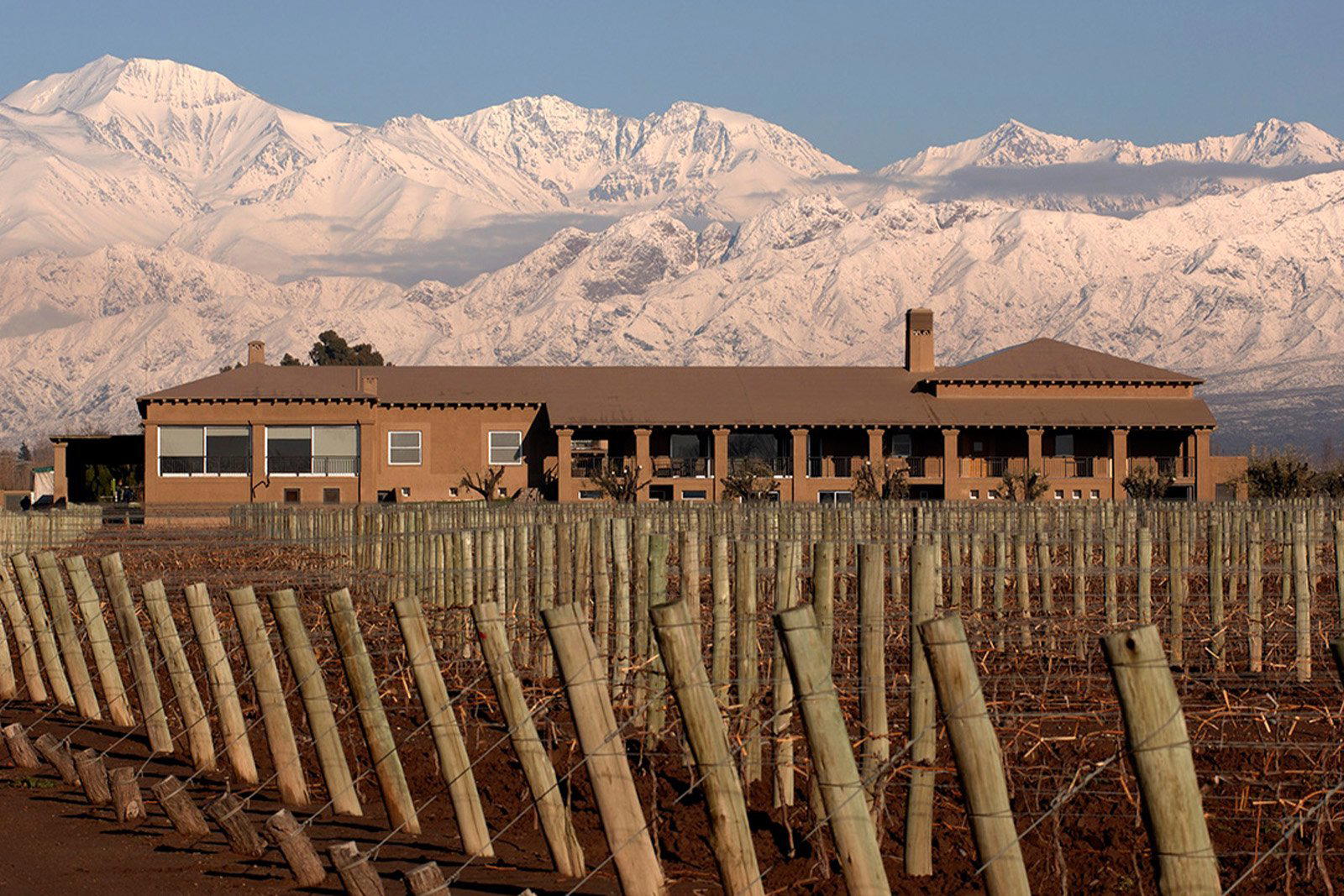
A Franco-Argentine joint venture between Cheval Blanc and Terrazas de los Andes, Cheval des Andes occupies the upper tier of Luján de Cuyo's prestige winery scene.
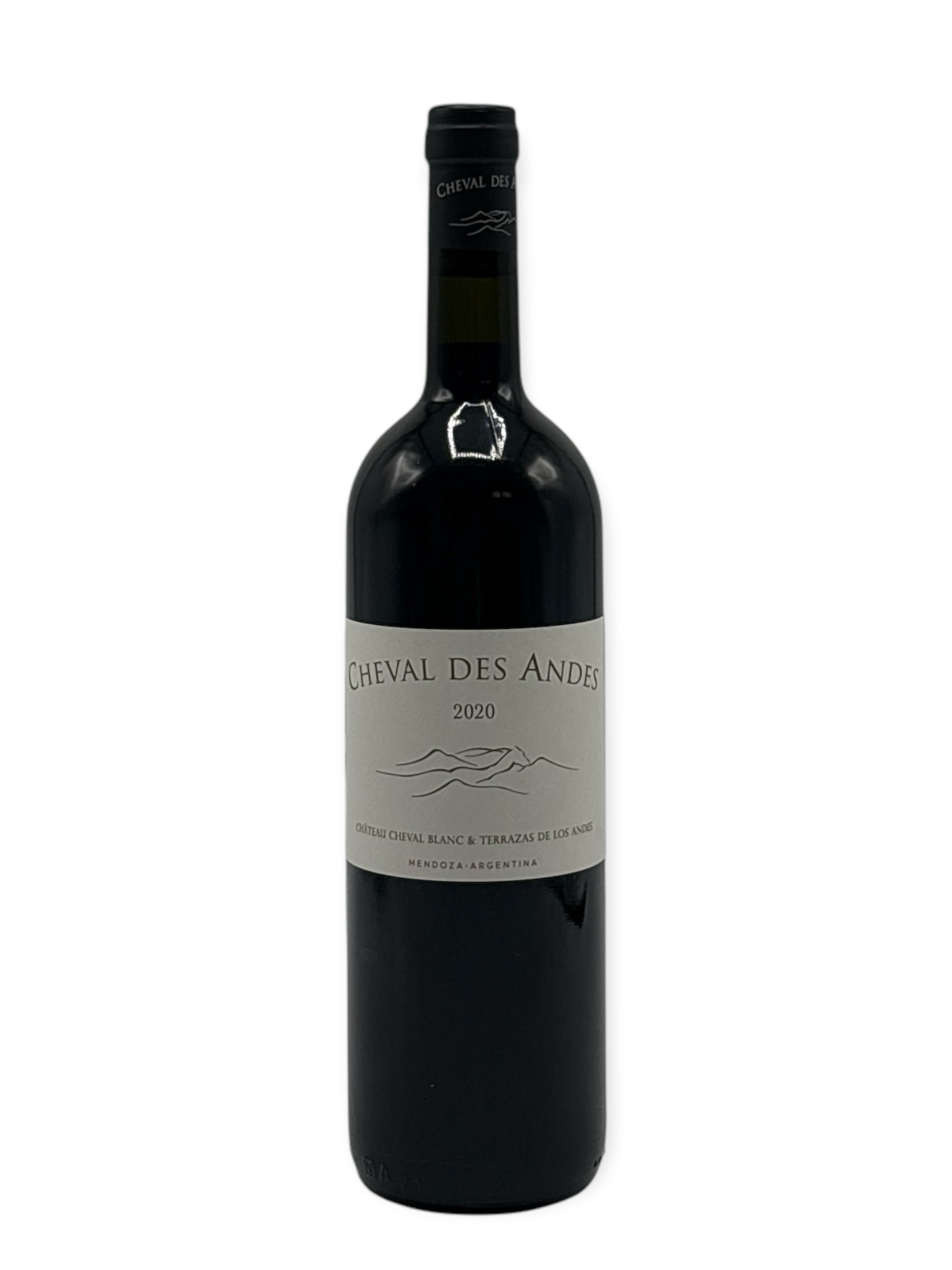
Where the Andes Frame Every Pour
Arrive at Luján de Cuyo on a clear morning and the Andes are not a backdrop, they are a presence. The snowline sits close enough to feel like a governing force over the vineyards below, and the altitude that defines this sub-region of Mendoza, generally between 900 and 1,100 metres above sea level, shapes what grows here more than almost any other variable. Among the estates that have taken that altitude seriously as a winemaking argument, Cheval des Andes operates at a particularly deliberate register. This is a Franco-Argentine joint venture between two houses with opposing but complementary reputations: Cheval Blanc, a Saint-Émilion property whose Cabernet Franc lineage runs through some of Bordeaux's most debated blends, and Terrazas de los Andes, a Mendoza producer that spent years identifying high-elevation parcels before committing to this collaboration. The resulting estate produces Malbec-dominant blends calibrated for the kind of attention that Bordeaux collectors apply to vintage tracking and vertical comparison.
The Ritual of Drinking in Luján de Cuyo
Mendoza's wine tourism has matured into a set of distinct tiers. At the volume end, large bodegas in Maipú and along the main Luján corridor offer cellar doors with coach parking and tasting menus designed for throughput. At the other end, a smaller cluster of estates, concentrated in Luján de Cuyo's upper reaches and in the Valle de Uco further south, operate more like appointment-only ateliers. The ritual of visiting the latter cohort is different in almost every respect: the pacing is slower, the pours are more considered, and the expectation is that you have come to understand a wine rather than simply to taste it. Cheval des Andes fits this second tier. Planning around it requires the same advance thought you would apply to visiting a classified Bordeaux château during harvest season, not because it is logistically complicated, but because the experience is structured around deliberate engagement rather than casual drop-in access.
The broader Luján de Cuyo winery circuit rewards that kind of forward planning. Estates like Bodega Lagarde, one of the sub-region's oldest continuously operating producers, and Bodega Norton, which sits at the higher-volume end of quality production, provide useful contrast when building an itinerary. Chakana Winery and Durigutti Winemakers represent the smaller, winemaker-driven properties that have multiplied across the appellation, while Nieto Senetiner covers the estate-scale middle ground.
The Franco-Argentine Blend as Editorial Argument
The argument that Malbec and Cabernet Sauvignon can produce wines of Bordeaux-comparable complexity is no longer novel, Mendoza made that case through the 1990s and 2000s across dozens of estates. What Cheval des Andes contributes to that argument is a specific institutional framework. The involvement of Cheval Blanc brings Bordeaux blending methodology, a house that has historically favoured structural restraint and age-worthiness over immediate fruit expression. Applied to Mendoza's high-altitude Malbec, which carries more acidity and tighter tannin than low-elevation fruit, the result is a wine positioned for cellaring rather than early consumption, a positioning that aligns it with allocation-model producers rather than tasting-room-sales models.
For comparison, the Valle de Uco's Bodega DiamAndes in Tunuyán pursues a similar Franco-Argentine identity, also drawing on French investment and Bordeaux methodology in a Mendoza context. The approaches share a logic: French technical frameworks applied to Argentine raw material, with the altitude providing the tension that holds both together. Further afield, Bodega Colomé in Molinos takes the high-altitude argument to its extreme in Salta's Calchaquí Valley, where Malbec vines grow above 2,000 metres and produce wines of an entirely different character. These are not competitors so much as points on a map of Argentine ambition, each making a different case for what altitude and origin can mean.
2025 Recognition and What It Signals
For the visitor or collector making decisions about where to direct attention in Mendoza, it is a useful data point rather than a headline, the quality argument was already implicit in the venture's structure, and the rating confirms it is being executed rather than merely stated.
Argentina's wine awards landscape has become more internationally legible over the past decade, with estates like Rutini Wines (La Rural) in Tupungato and Bodega El Esteco in Cafayate accumulating recognition across different category tiers. Cheval des Andes operates in the narrow band at the top of that distribution, alongside producers whose bottles reach European and Asian auction rooms rather than supermarket shelves.
Planning Around a Visit
Luján de Cuyo sits roughly 15 kilometres south of Mendoza city, making it a practical base for a multi-day itinerary that takes in the sub-region's full range of producers. The harvest window, typically March into April in the Southern Hemisphere, is the most atmospheric time to visit, when the vineyards are active and the temperature differential between day and night is at its sharpest. The shoulder months of October through November, as the vines come into leaf, offer cooler conditions and fewer visitors. Visiting Cheval des Andes alongside other estate-scale producers in the area, including Escorihuela Gascón in Godoy Cruz and Familia Schroeder in San Patricio del Chañar further north in Neuquén, provides the comparative depth that makes a serious Argentine wine itinerary worthwhile. Our full Luján de Cuyo restaurants guide covers the broader dining and drinking context for the sub-region.
For those building a longer South American wine circuit, the contrast between Mendoza's structured, altitude-driven reds and the intensity of producers in other Argentine appellations is part of the interest. Fratelli Branca Distillery in Buenos Aires offers a different register entirely, spirits rather than wine, and an urban industrial context rather than vineyard landscape, but it underlines how Argentine drinks culture spreads across the country rather than concentrating in one region. For Old World comparison points, Bordeaux methodology enthusiasts tracking how those frameworks translate to new terroirs might also find value in reviewing estates like Accendo Cellars in St. Helena and Aberlour in Aberlour, which each represent different expressions of prestige winemaking in their respective regions.
Frequently asked questions
What's Cheval des Andes's location?
Cheval des Andes is located at Luján de Cuyo, Mendoza Province, Luján de Cuyo.
What wines is Cheval des Andes known for?
Cheval des Andes is defined by its Malbec and Cabernet Sauvignon blend, a Franco-Argentine project rooted in Luján de Cuyo's high-altitude terroir. The pairing draws on Bordeaux blending logic applied to Mendoza's conditions, producing wines that sit in a distinct category from single-varietal Malbec expressions.
What's the standout thing about Cheval des Andes?
The defining characteristic is the Franco-Argentine ownership structure and its editorial argument: that Luján de Cuyo can produce Bordeaux-comparable complexity rather than merely Bordeaux-adjacent fruit. Few estates in Mendoza occupy the same structural position between two wine cultures.
Accolades, Compared
Comparable venues nearby, for context on price, style, and recognition.
| Venue | Cuisine | Price | Awards | Notes |
|---|---|---|---|---|
| Cheval des AndesThis venue (the venue you are viewing) | Malbec, Cabernet Sauvignon | Not listed | Falstaff Winery - Listed | Not listed |
| Achaval Ferrer | Malbec, Cabernet Sauvignon | $50–100 | Falstaff Winery - Listed | Luján de Cuyo |
| Bodega Casarena | Malbec, Cabernet Sauvignon | $50–100 | Not listed | Perdriel, Luján de Cuyo |
| Nieto Senetiner | Malbec, Bonarda | $50–100 | Falstaff Winery - Listed | Vistalba |
| Las Perdices | Malbec, Syrah | Not listed | Not listed | Agrelo |
Recognition history
Dated appearances from independent guides and award organizations, with the underlying list record or original source where available.
Falstaff Winery - Listed
Falstaff
Enquire about visiting Cheval des Andes or buying its wine
Visits to Cheval des Andes are usually kept for the estate's regular buyers and the wine trade. Tell us when you would like to go and a little about how you buy, and we put the request to the estate and reply to you by email. For buying, we source directly from the producer or from a licensed seller we know and vouch for, and tell you the route before you pay.
Continue exploring
More in Luján de Cuyo
Wineries in Luján de Cuyo
All wineries in Luján de Cuyo →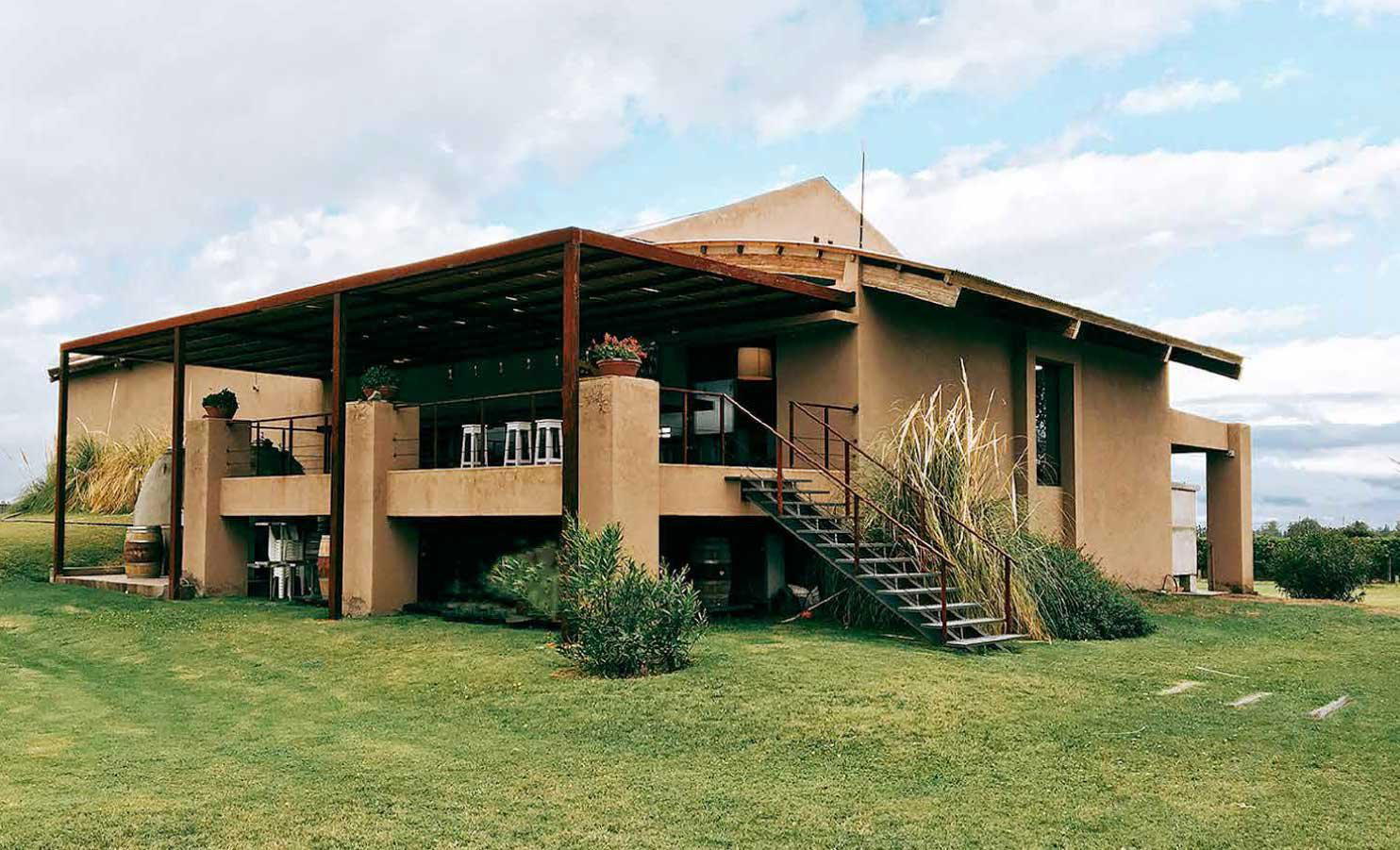
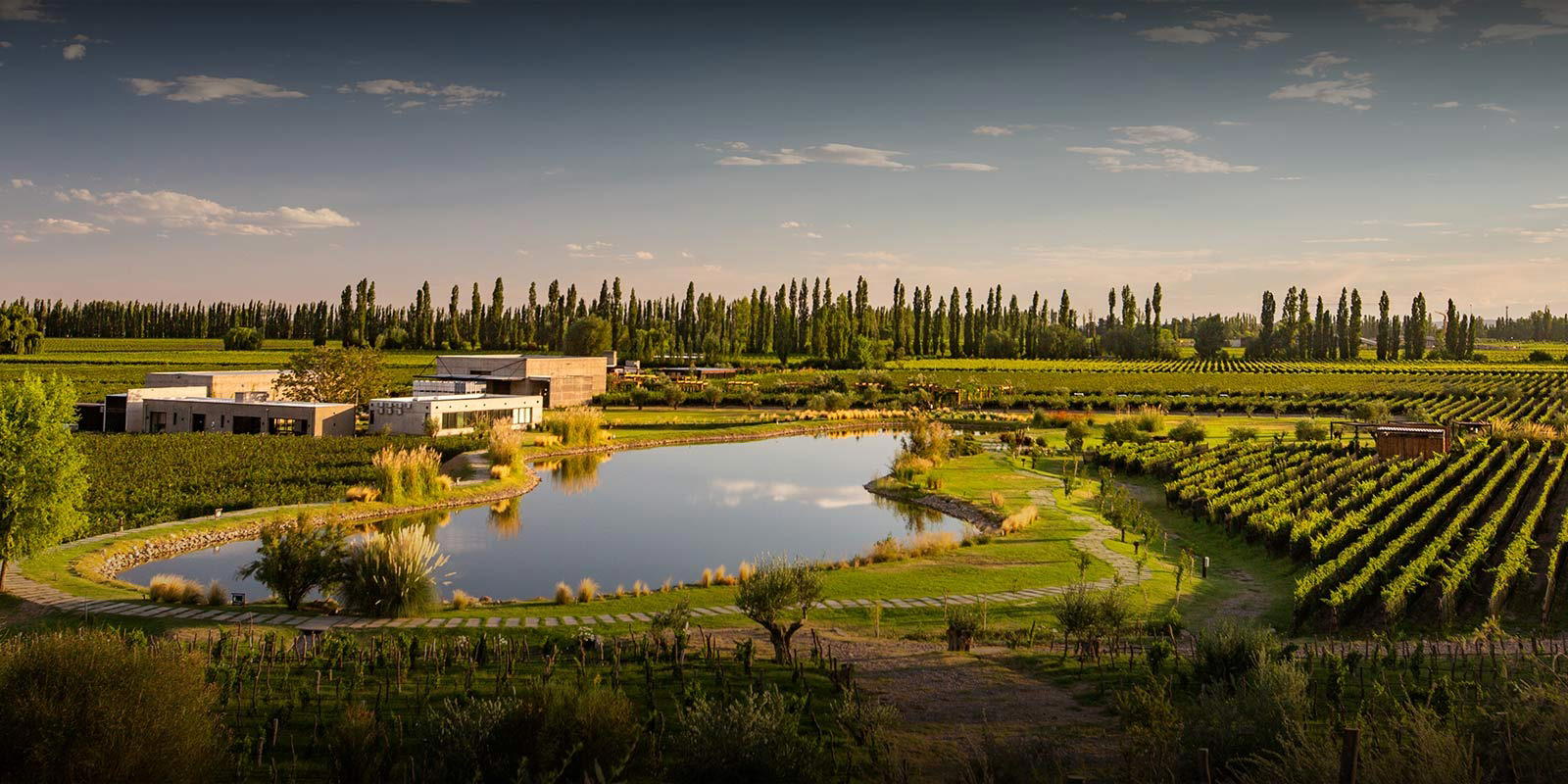
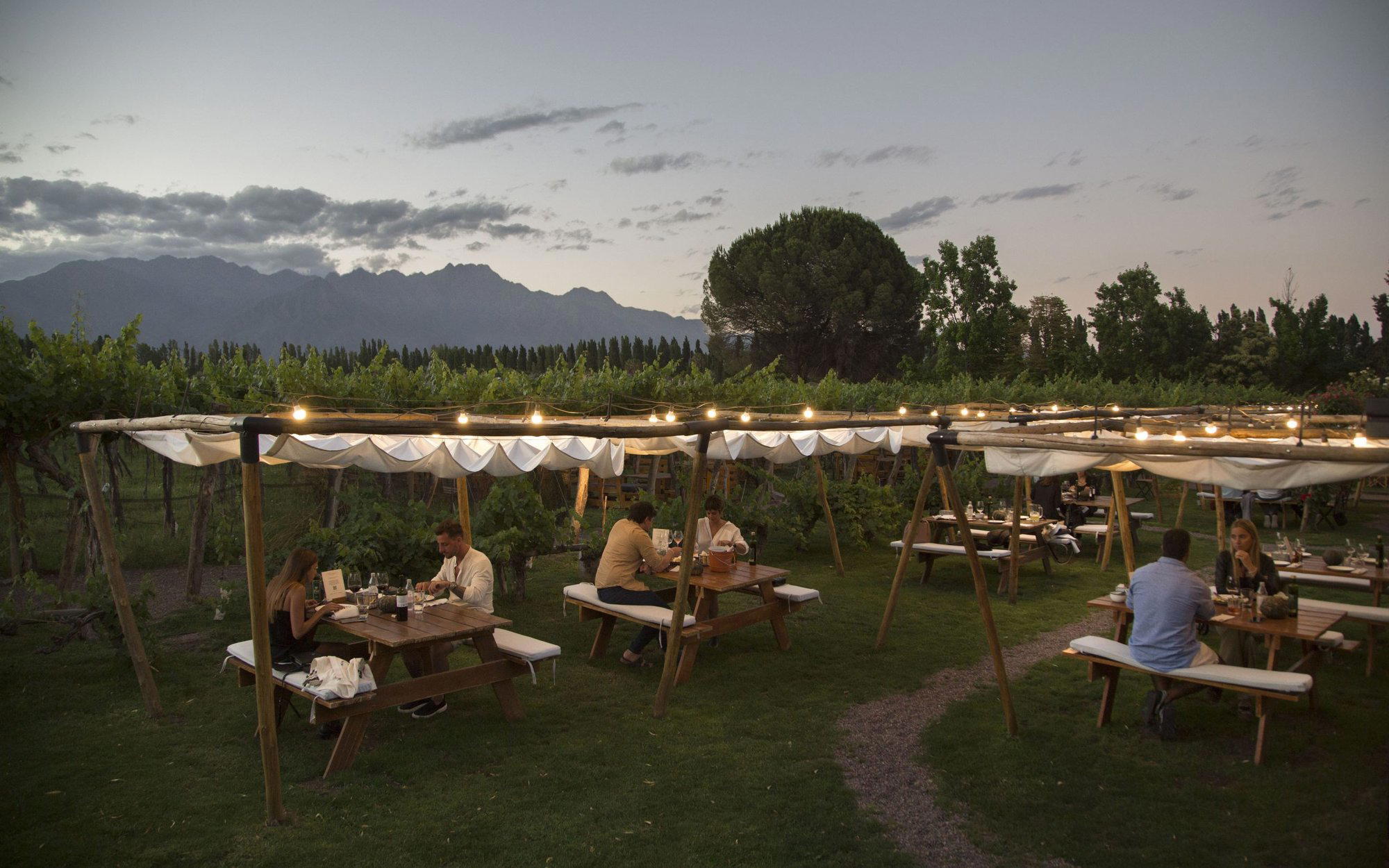
Bars in Luján de Cuyo
Browse all →
Restaurants in Luján de Cuyo
All restaurants in Luján de Cuyo →
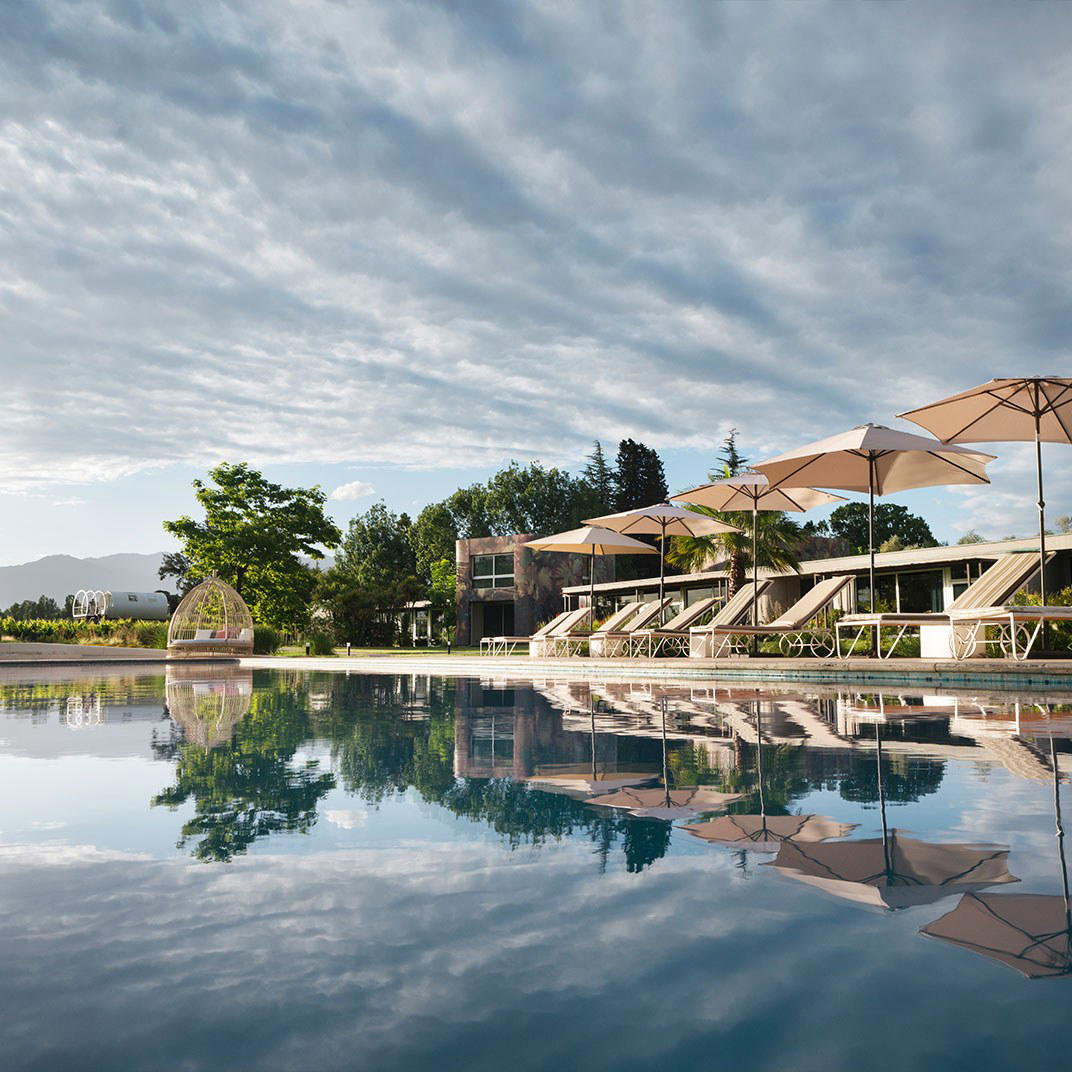
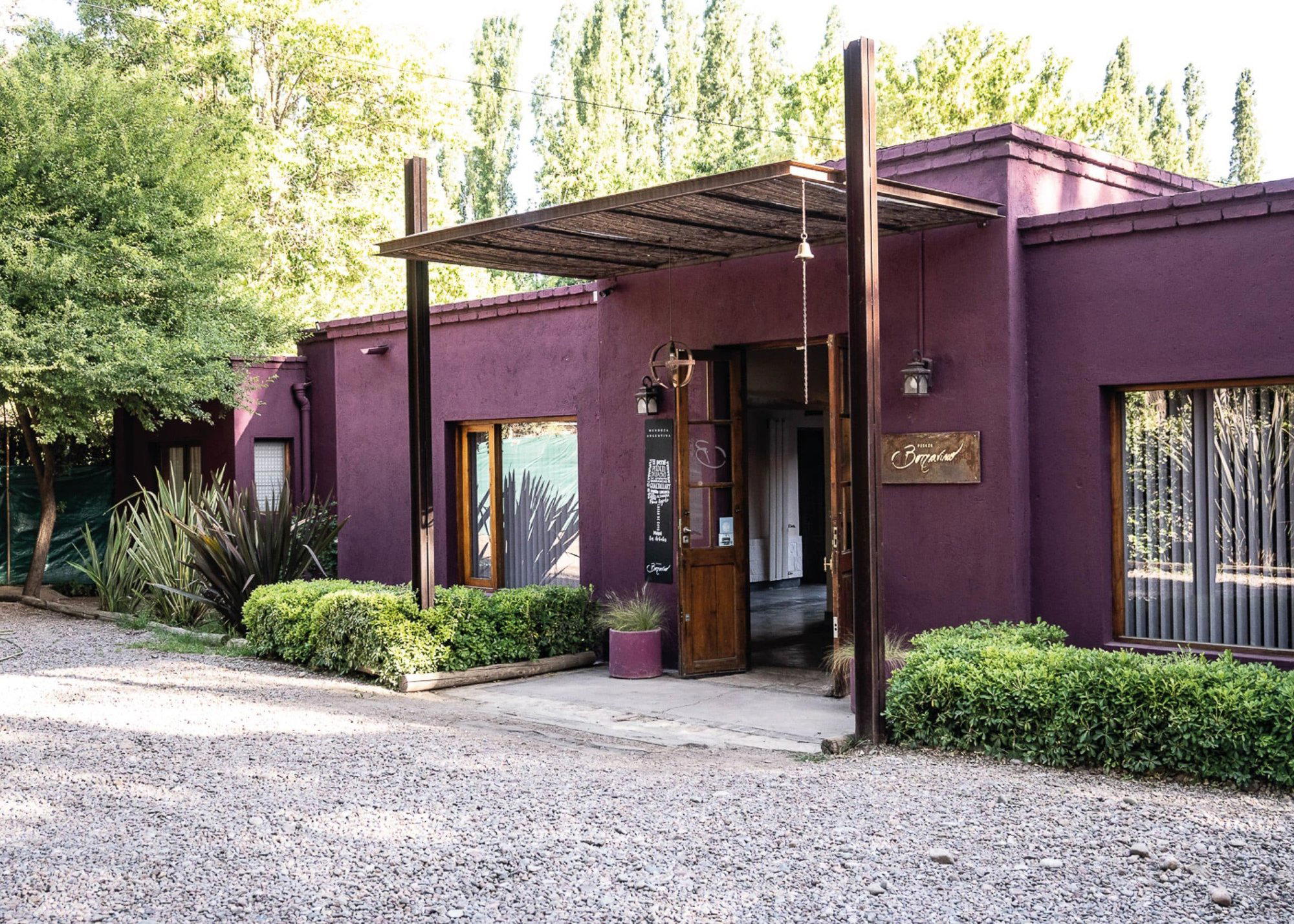
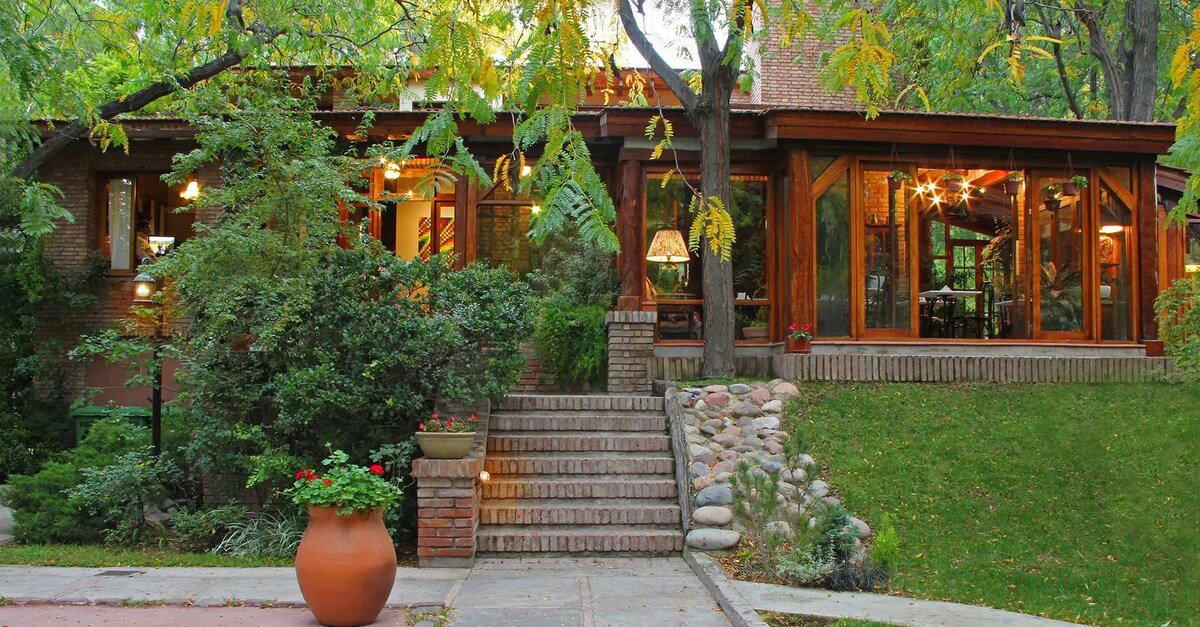
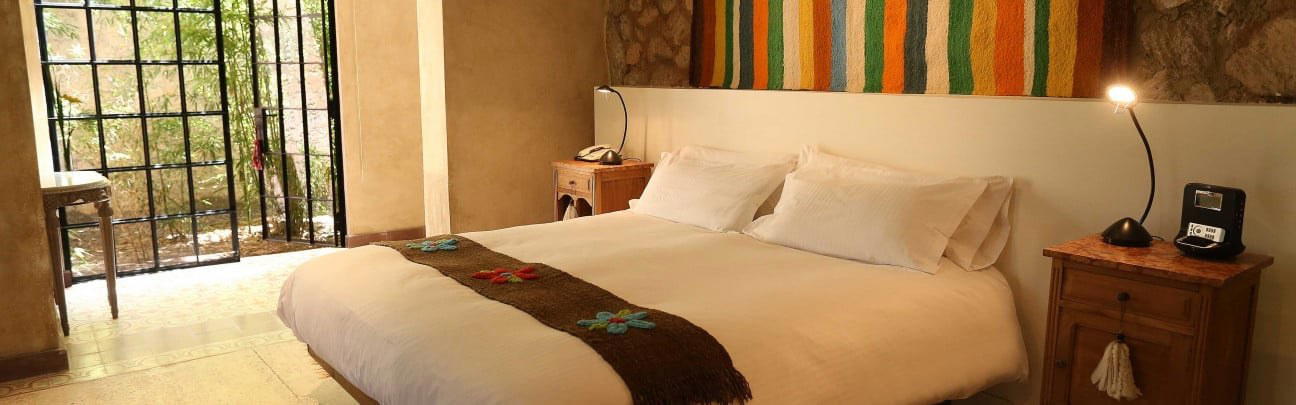
Details
- Elegant
- Sophisticated
- Scenic
- Rustic
- Wine Education
- Special Occasion
- Vineyard Tour
- Estate Grounds
- Panoramic View
- Sustainable
- Mountain
- Vineyard
- Malbec
- Cabernet Sauvignon
- Petit Verdot
- Still Red
- Private Tasting
- English
- Spanish
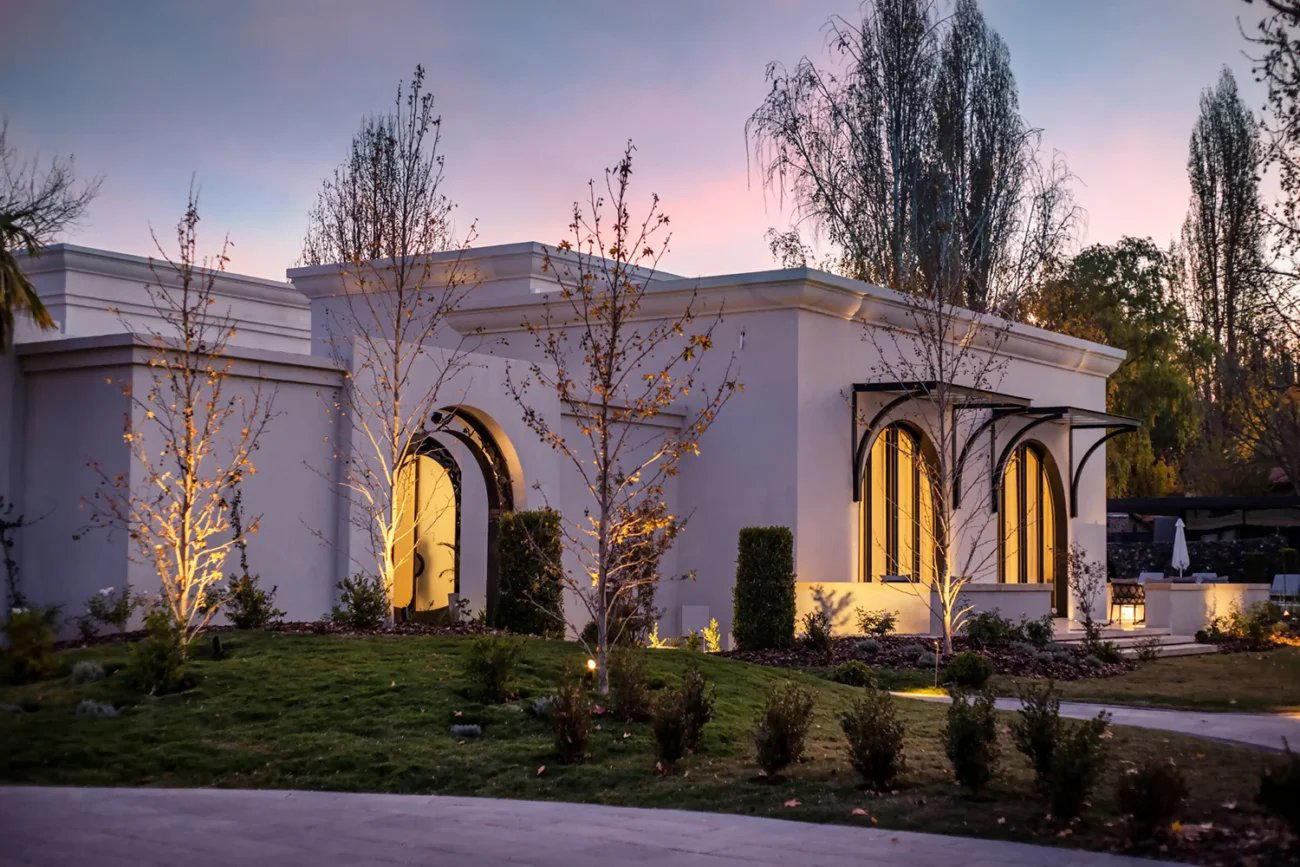
Refined and elegant with a focus on terroir expression, freshness, and complexity in a scenic vineyard setting.