Bodega Norton


Michelin Plate · Falstaff Winery - Listed
Set along Ruta Provincial 15 in Perdriel, it operates within a sub-region that has defined Mendoza's premium Malbec identity for decades. For visitors focused on food-and-wine pairing in a structured estate setting, Norton represents one of the district's more complete propositions.

Pearl is the En Primeur Club membership app — saves, bookings, and concierge access live there. Same editors, same standards.
- Address
- RP15 km 23, M5509 Perdriel, Mendoza
- Phone
- +54 9 261 372-8497
- Website
- norton.com.ar
- Directions
- Get directions
Perdriel's Estate Tradition and Where Norton Sits Within It
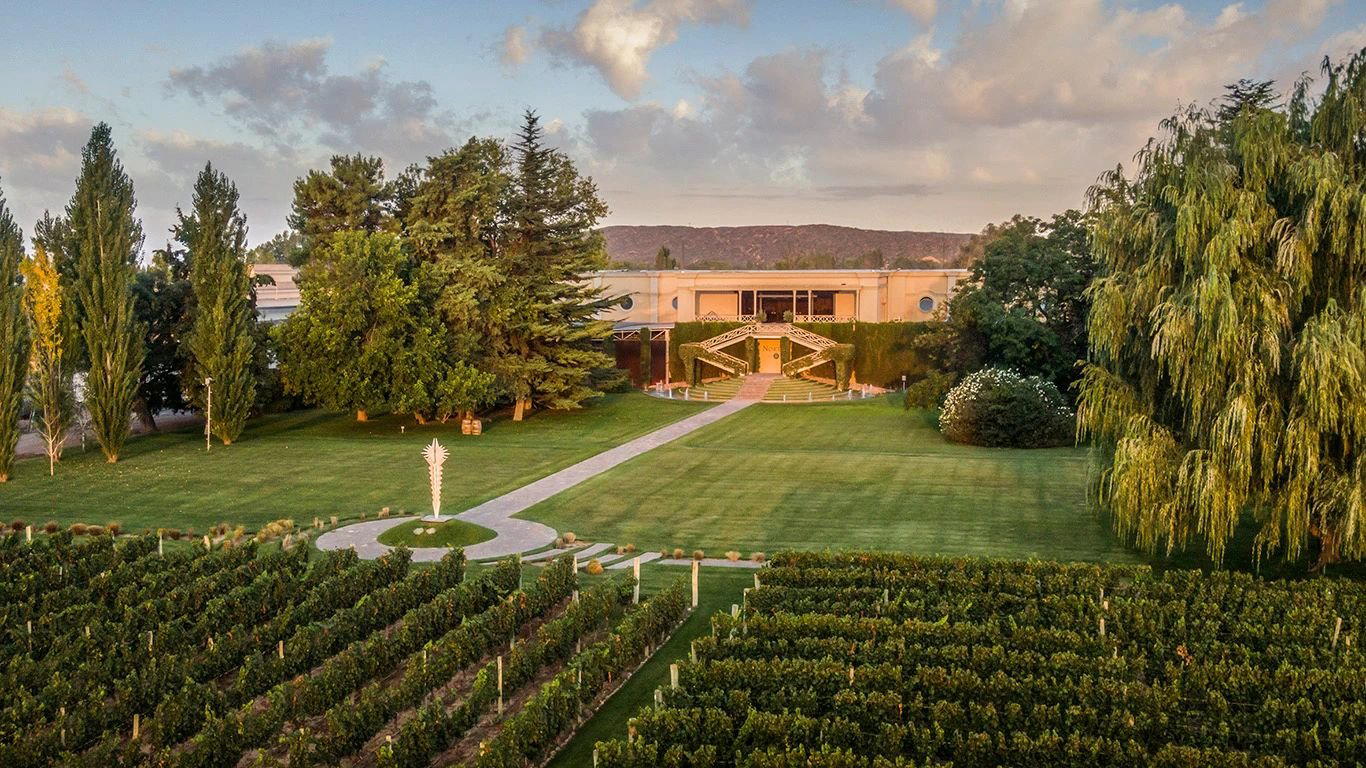
Luján de Cuyo's wine identity is built on altitude and alluvial soil, but what separates its leading estates from each other is less geology than ambition. The district's Perdriel corridor, running along Ruta Provincial 15, concentrates a cluster of producers that take the estate model seriously: land, cellar, and hospitality treated as integrated parts of the same proposition rather than separate departments. Bodega Norton, positioned at kilometre 23 on that road, belongs to this cohort.
The broader Mendoza wine map has fractured into distinct registers over the past two decades. High-altitude single-vineyard producers from the Uco Valley, such as Bodega DiamAndes in Tunuyán, have claimed a different kind of prestige. Estate operations in Luján de Cuyo compete on a different set of signals: scale, cellar depth, and the capacity to deliver a coherent food-and-wine experience on-site. Norton competes on those terms, and its standing within the Perdriel sub-region reflects that focus.
The Pairing Logic at a Mendoza Estate Winery
Argentina's wine tourism has matured considerably. The era when a winery tour meant a dusty barrel room and an afterthought of cheese is largely over at the serious end of the Luján de Cuyo market. Visitors now expect a programme: structured tastings, food pairings with identifiable logic, and cellar access that goes beyond the decorative. The estate wineries that have responded to this shift operate more like hospitality properties than production facilities, with food and wine integration treated as a deliberate curatorial decision rather than an amenity bolt-on.
Norton's position in Perdriel places it in direct comparison with neighbours operating under similar philosophies. Bodega Lagarde has long anchored this corridor with its heritage cellar and on-site restaurant model. Nieto Senetiner runs a comparable estate format a short distance away.
Across Argentina's wine regions, the estates that have invested in culinary programming have found it to be a durable differentiator. Bodega El Esteco in Cafayate built much of its premium identity on an integrated hospitality model in a very different terroir context. Familia Schroeder in San Patricio del Chañar took a similar approach in Patagonia. The pattern is consistent: estates that treat food as central to the visit, rather than incidental, tend to occupy a more durable position in the premium tourism market.
Choosing between Luján de Cuyo's estate producers requires some calibration. The sub-region's leading operations differ not in terroir ambition alone but in the hospitality register they've chosen. Cheval des Andes, the Franco-Argentine joint venture, operates at the prestige end of the market with a singular focus on its Cabernet-Malbec blend and a correspondingly narrow, exclusive visit format. Chakana Winery leans toward a biodynamic narrative and a more intimate tasting format. Durigutti Winemakers represents the boutique end of the spectrum, with a small-production focus that appeals to visitors seeking wines outside the commercial mainstream.
Norton occupies a different position: scale sufficient to offer a structured programme, prestige sufficient to credentialise the visit, and a location in Perdriel that puts it within range of a half-day or full-day Luján de Cuyo itinerary. That combination makes it a logical anchor for visitors constructing a serious multi-stop wine day rather than a single-property pilgrimage. For those building that kind of trip, our full Luján de Cuyo restaurants guide maps the broader options across the district.
Argentina's Malbec in Context
Luján de Cuyo's claim to wine significance rests on Malbec, specifically on the way the grape performs at altitude in alluvial soils with dramatic diurnal temperature swings. The variety arrived from France in the nineteenth century and found in Mendoza conditions that suited it better than its native Cahors: more sun, less humidity, lower yields at elevation. The resulting wines carry deeper colour and riper fruit than their French counterparts while retaining acidity at higher altitudes. This is the template that made Mendoza internationally legible, and it remains the foundation on which estates like Norton build their commercial and hospitality programmes.
The pairing tradition that has developed around Argentine Malbec reflects the country's own food culture: red meat, slow-cooked cuts, chimichurri-dressed proteins that require wines with enough structural presence to hold their ground. At premium estate wineries, the food programme typically develops around this logic, with asado technique and regional ingredients given as much curatorial attention as the wine selection. The leading estate dining in Mendoza does not feel like a wine-industry accessory; it reads as a coherent expression of provincial food culture.
Further afield, Argentina's wine geography extends well beyond Mendoza. Bodega Colomé in Molinos operates at extreme altitude in Salta, producing wines with a different structural profile than Luján de Cuyo's alluvial floor. Rutini Wines in Tupungato anchors a different expression from the Uco Valley's higher elevations. Placing Norton in this national context clarifies what it represents: a Perdriel estate playing the established Luján de Cuyo game rather than chasing altitude or boutique novelty.
Planning a Visit
Bodega Norton sits at RP15 km 23 in Perdriel, Mendoza, accessible by car from Mendoza city in under forty minutes. Given its position on the Ruta Provincial 15 corridor, it pairs logically with neighbouring estates for a structured half-day or full-day itinerary. Visitors planning a serious wine day in the district should treat the Perdriel road as a programme in itself rather than treating any single estate as the destination. Contact and booking information is best confirmed directly through current winery channels, as specific tour formats and pairing programme availability can change seasonally.
For comparative context across Argentine wine production, Escorihuela Gascón in Godoy Cruz represents a historically significant urban winery with a different hospitality model, while Fratelli Branca Distillery in Buenos Aires anchors the spirits end of the Argentine premium producer spectrum. Outside Argentina, Accendo Cellars in St. Helena and Aberlour in Aberlour represent contrasting premium estate models in Napa and Speyside respectively, useful reference points for visitors calibrating Mendoza's hospitality against international benchmarks.
Comparable Spots, Quickly
Comparable venues nearby, for context on price, style, and recognition.
| Venue | Cuisine | Awards | Notes |
|---|---|---|---|
| Bodega NortonThis venue — the venue you are viewing | Malbec, Cabernet Sauvignon | Michelin Plate · Falstaff Winery - Listed | Not listed |
| Lamadrid Estate Wines | Malbec, Cabernet Franc | Falstaff Winery - Listed | Agrelo |
| Chakana Winery | Malbec, Cabernet Franc | Falstaff Winery - Listed | Agrelo |
| Susana Balbo (Dominio del Plata) | Malbec, Torrontés | Falstaff Winery - Listed | Agrelo, Luján de Cuyo |
| Las Perdices | Malbec, Syrah | Not listed | Agrelo |
Recognition history
Dated appearances from independent guides and award organizations, with the underlying list record or original source where available.
Michelin Plate
Michelin
Falstaff Winery - Listed
Falstaff
Full recognition history (3 entries)
Michelin Plate
Michelin
Continue exploring
More in Luján de Cuyo
Wineries in Luján de Cuyo
Browse all →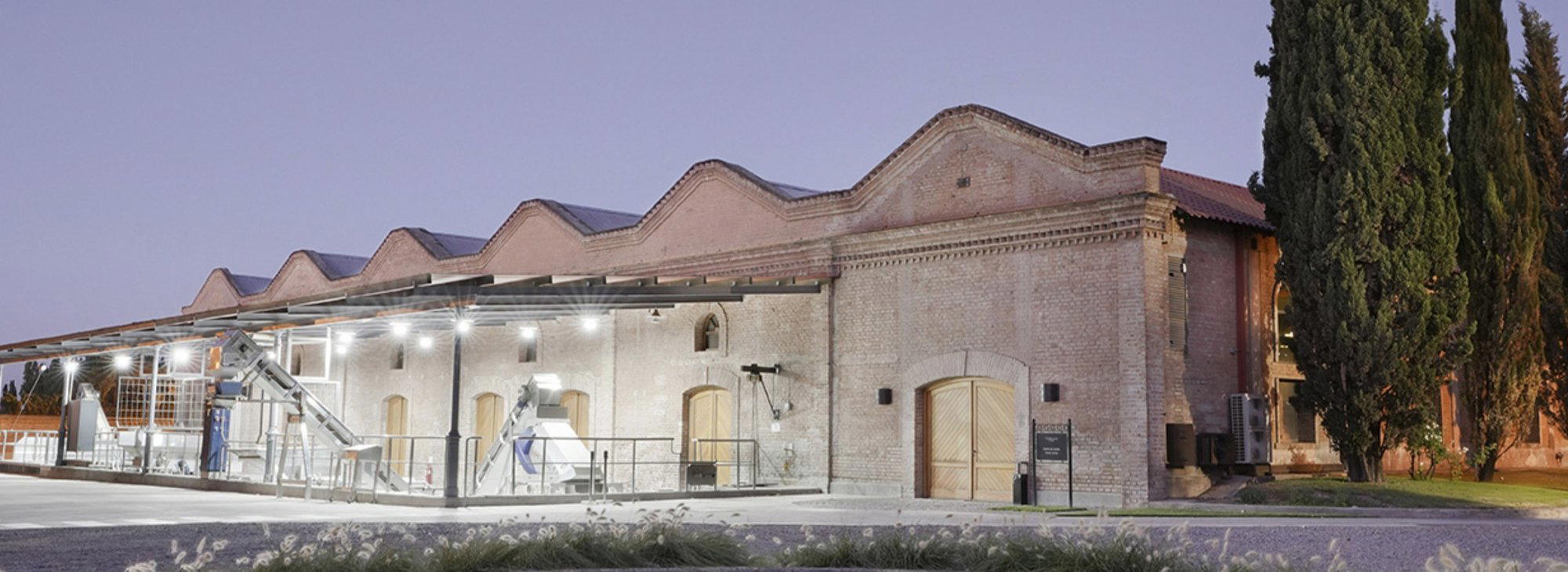
Bars in Luján de Cuyo
Browse all →
Restaurants in Luján de Cuyo
Browse all →
Details
- Classic
- Scenic
- Elegant
- Rustic
- Well Known
- Wine Education
- Group Outing
- Special Occasion
- Vineyard Tour
- Historic Building
- Panoramic View
- Estate Grounds
- Sustainable
- Mountain
- Vineyard
- Garden
- Malbec
- Cabernet Sauvignon
- Chardonnay
- Sauvignon Blanc
- Merlot
- Still Red
- Still White
- Cave Tasting
- Private Tasting
- Spanish
- English
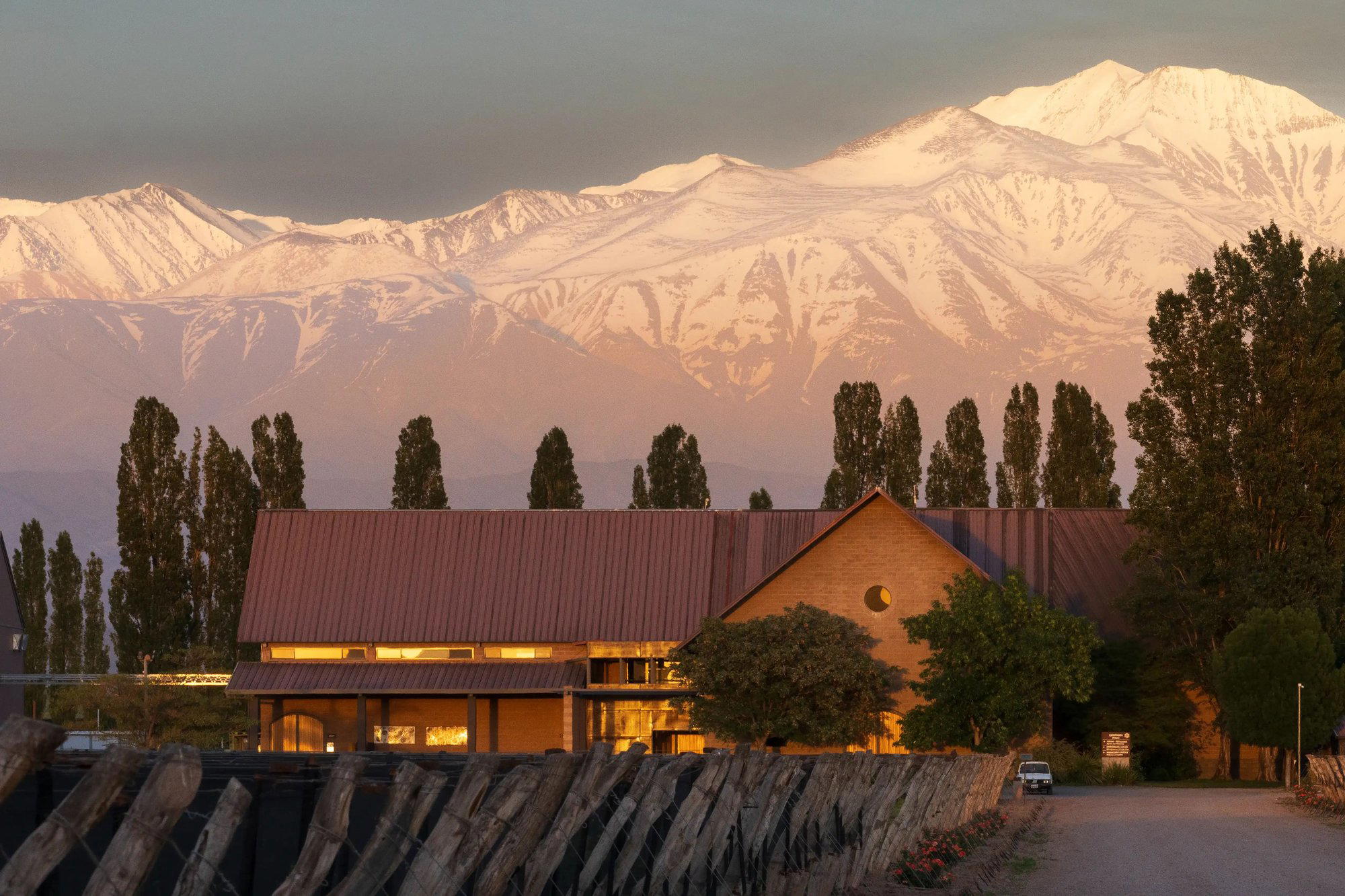
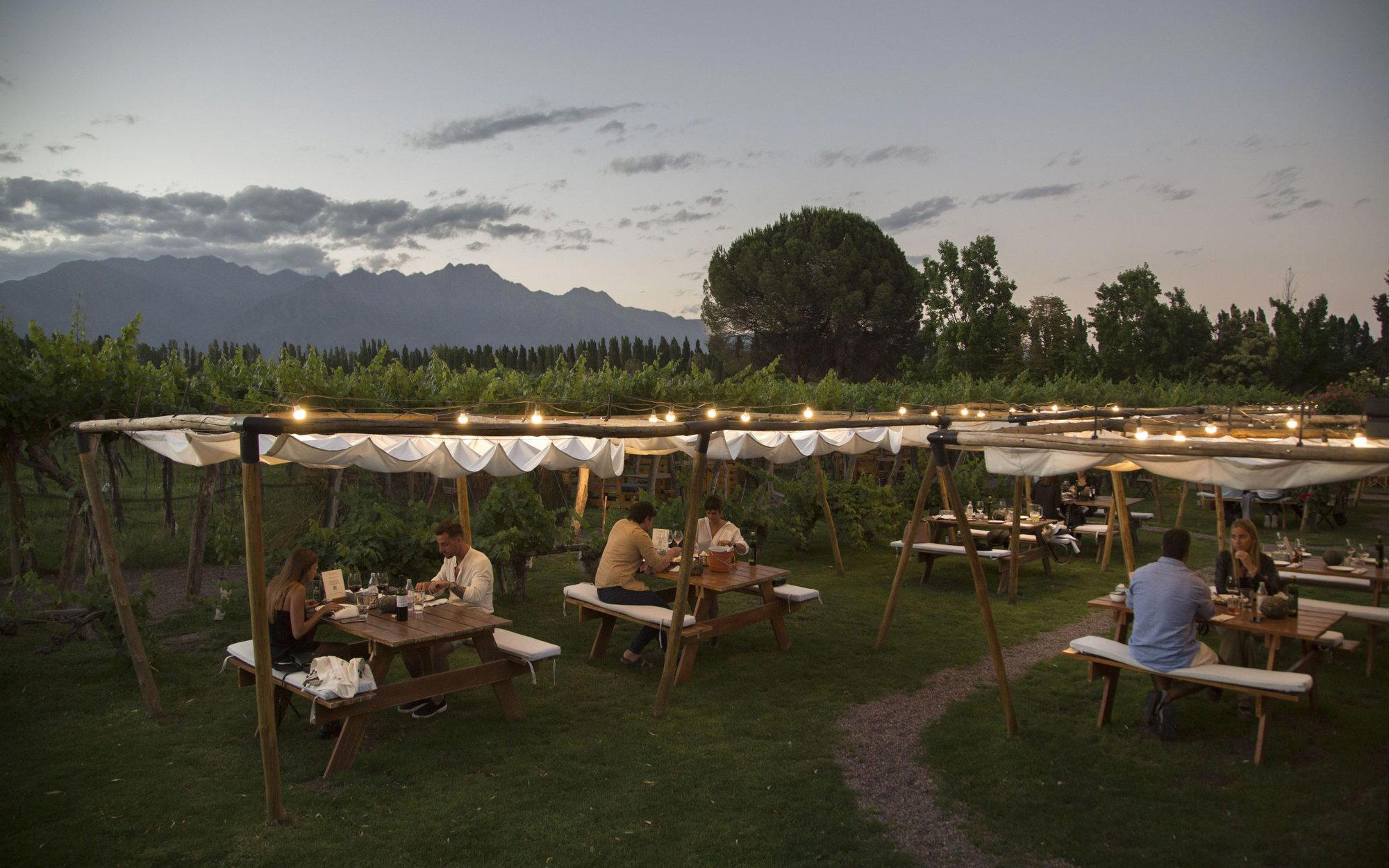
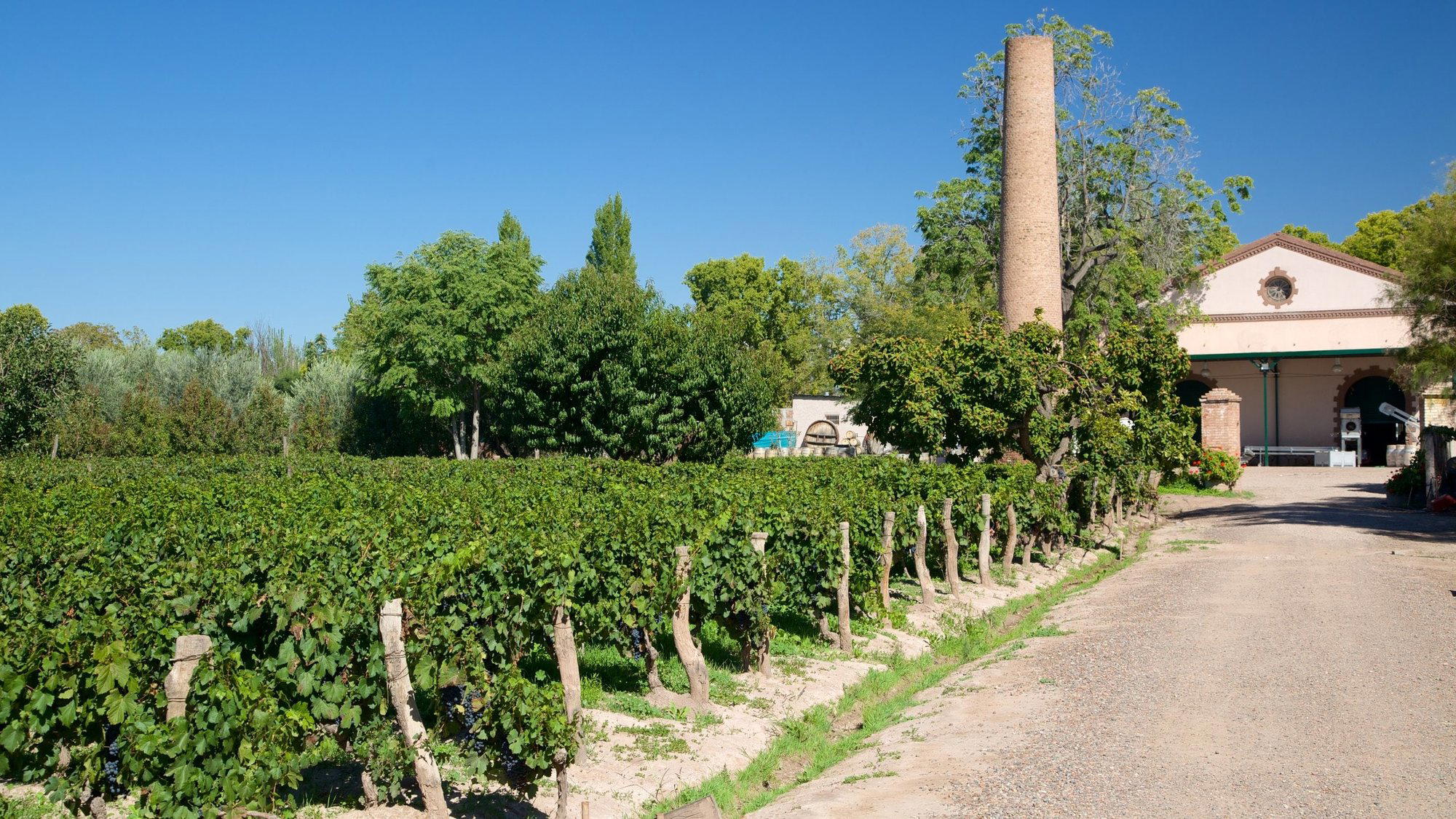
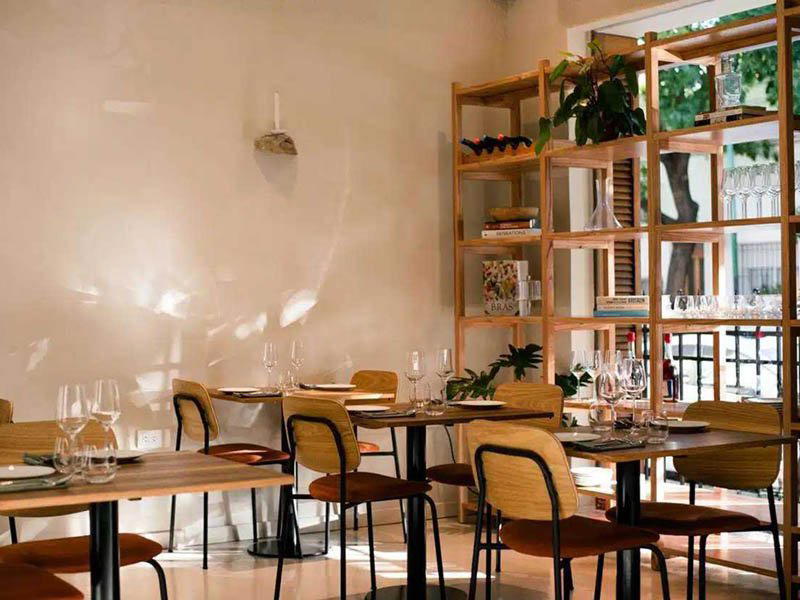
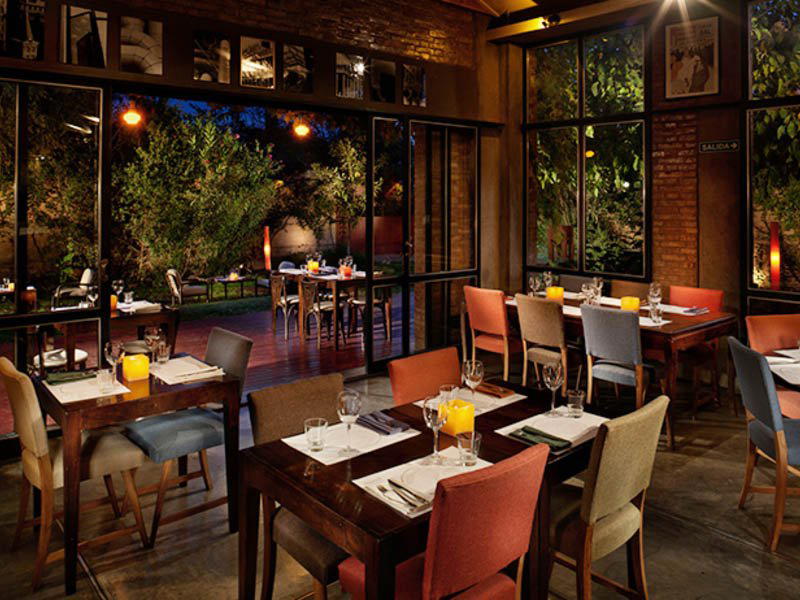
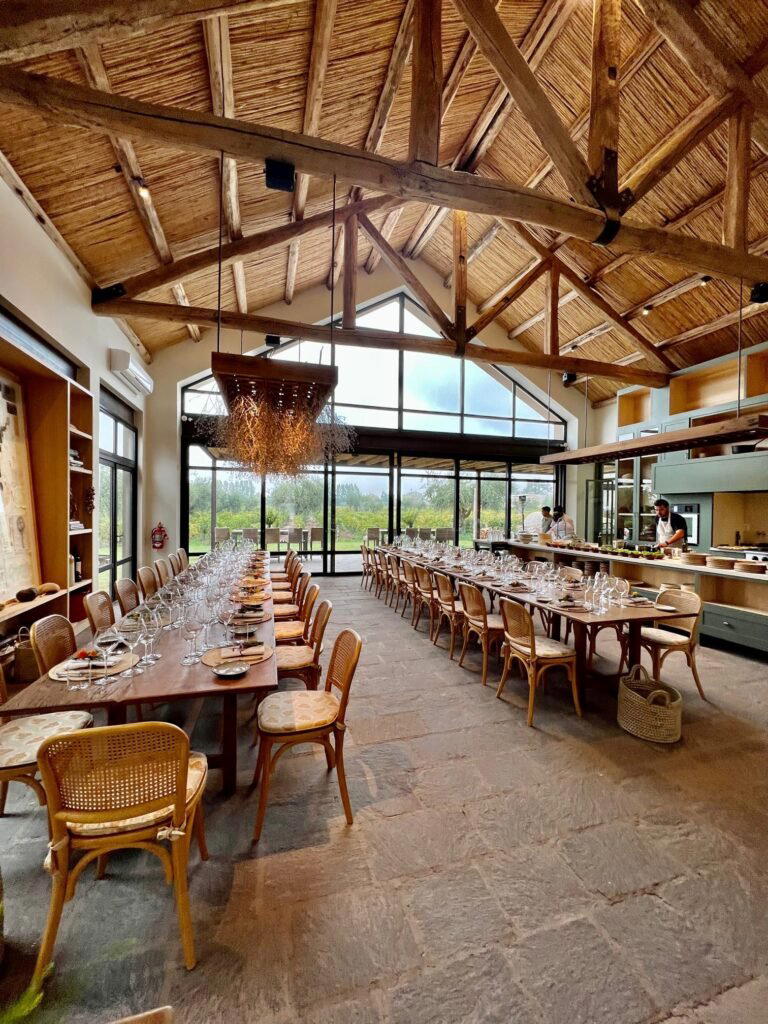
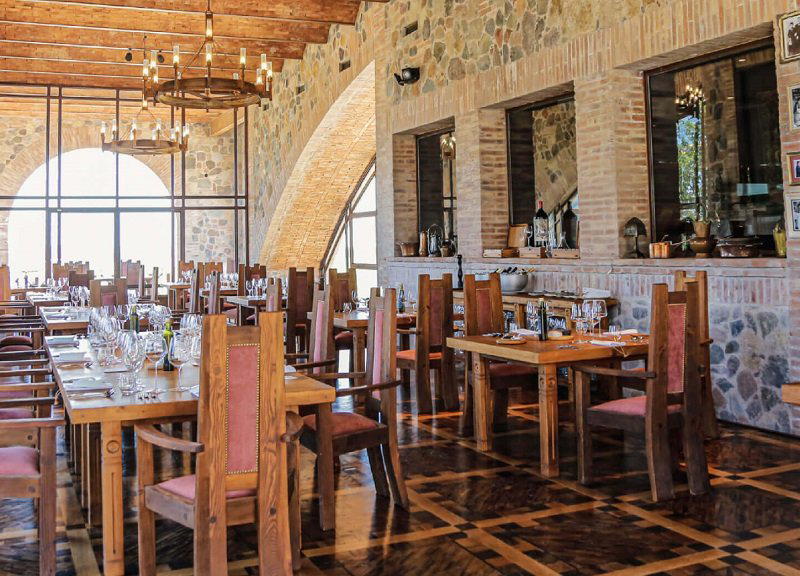
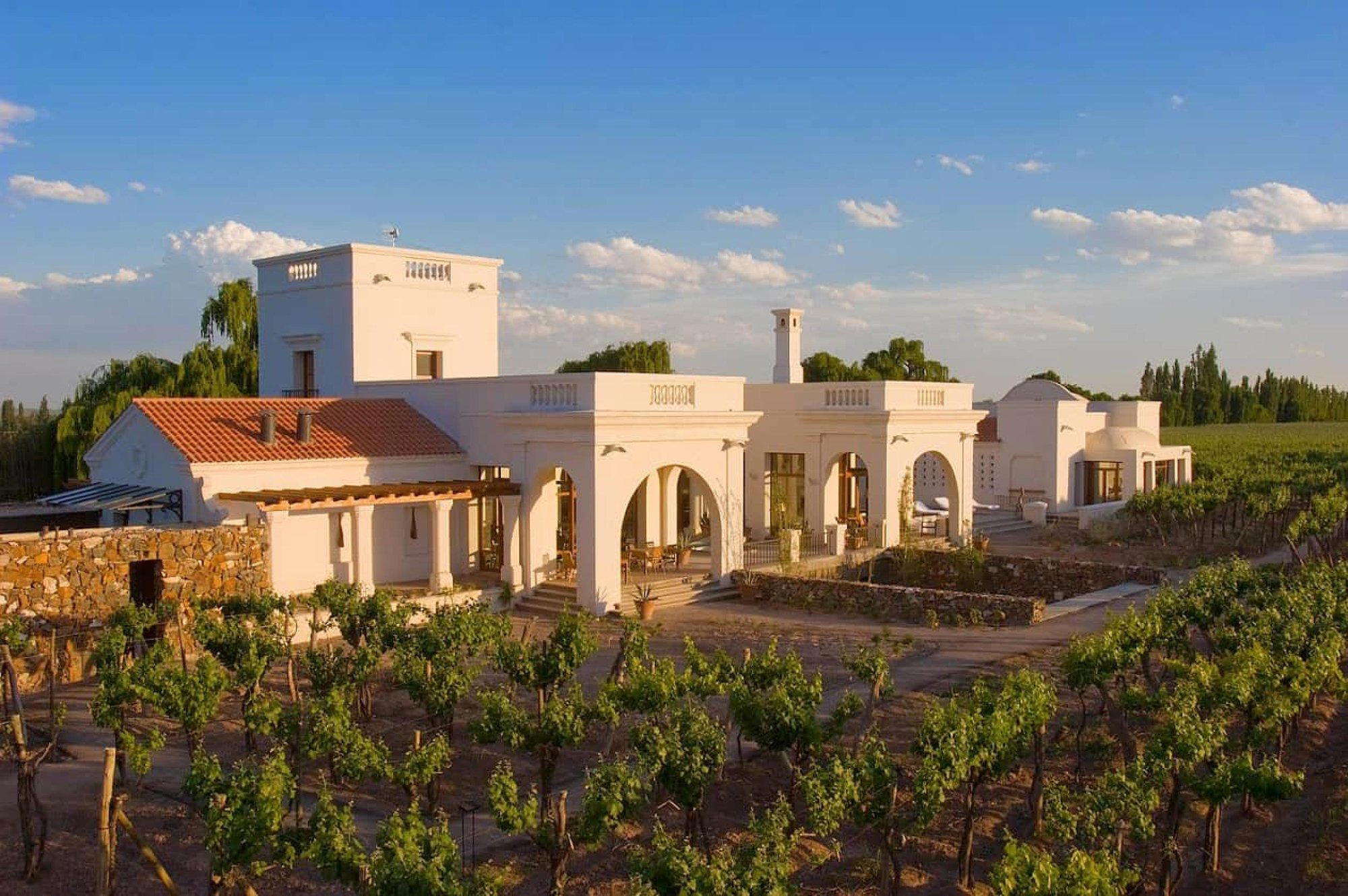
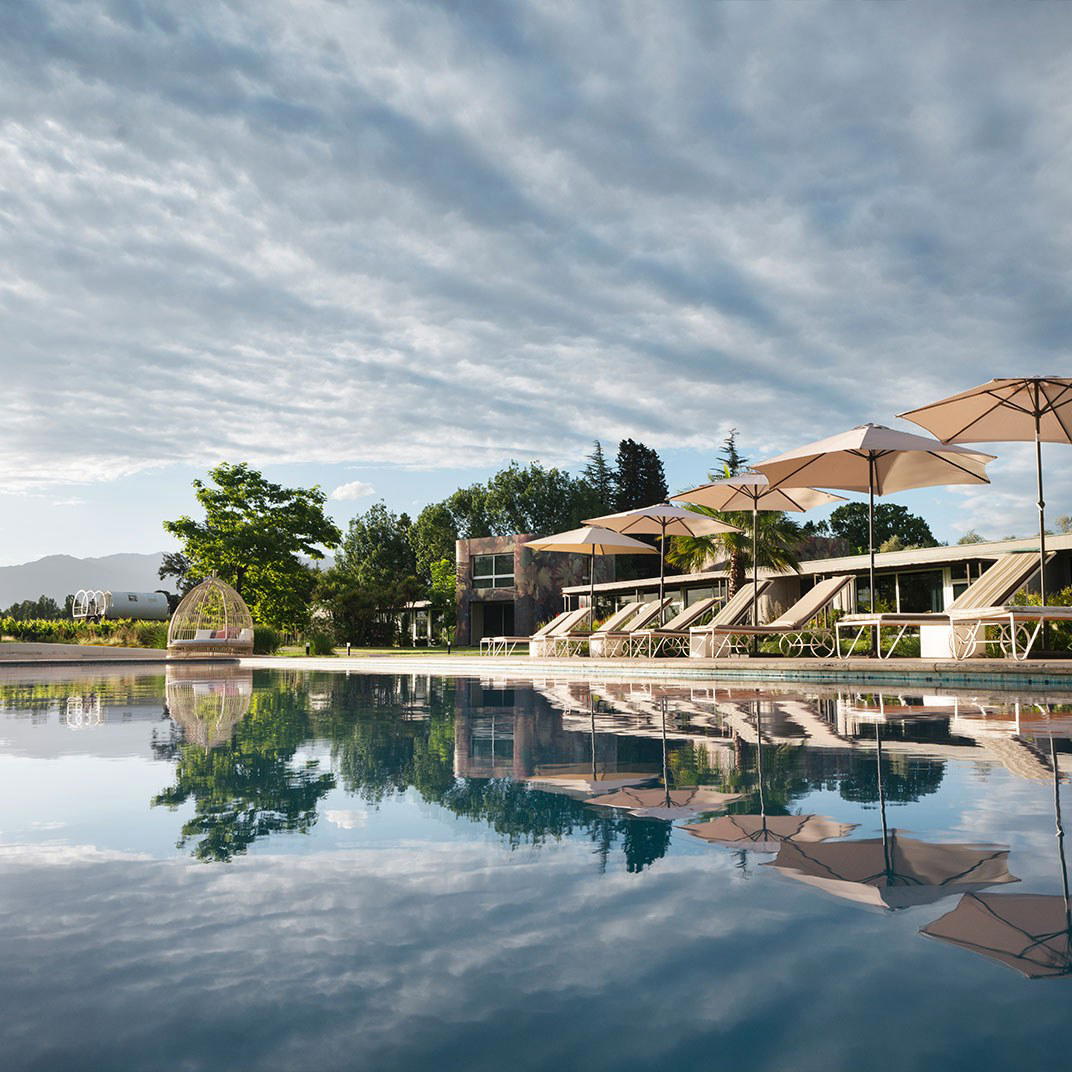
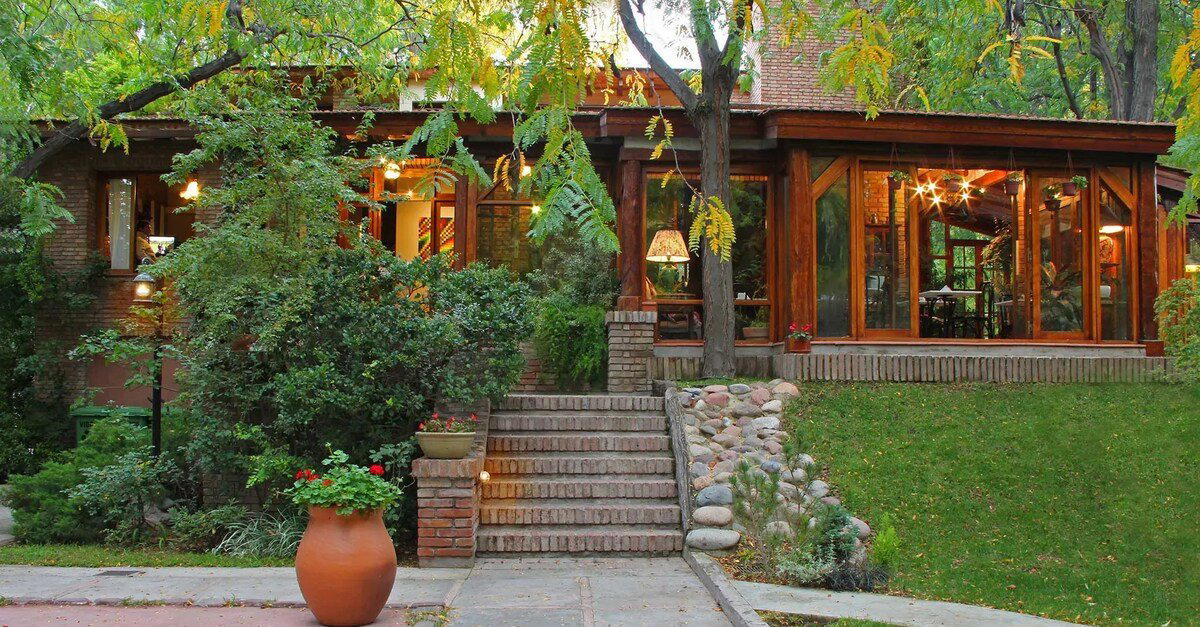
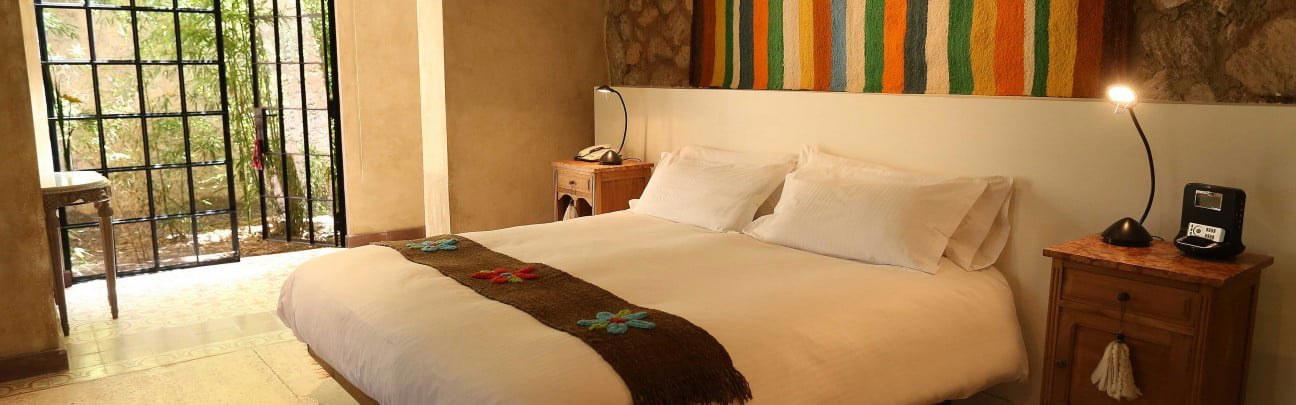
Restored colonial architecture, lush gardens, and natural surroundings framed by the Andes mountains create a distinctive, elegant atmosphere.