Ampora Wine Tours operates from Av. Sarmiento 647 in central Mendoza, offering guided wine experiences rooted in the Mendoza region's Malbec-dominated production. The format sits within a growing tier of specialist operators that trade volume for depth, positioning itineraries around vineyard access and curated pours rather than generic tastings. Visitors looking for structured wine education alongside regional context will find this a practical base for Mendoza wine country.
Pearl is the En Primeur Club membership app — saves, bookings, and concierge access live there. Same editors, same standards.
- Address
- Av. Sarmiento 647, M5500 Mendoza, Argentina
- Phone
- +54 261 681 9171
- Website
- mendozawinetours.com
- Directions
- Get directions
 Saves & bookings on Pearl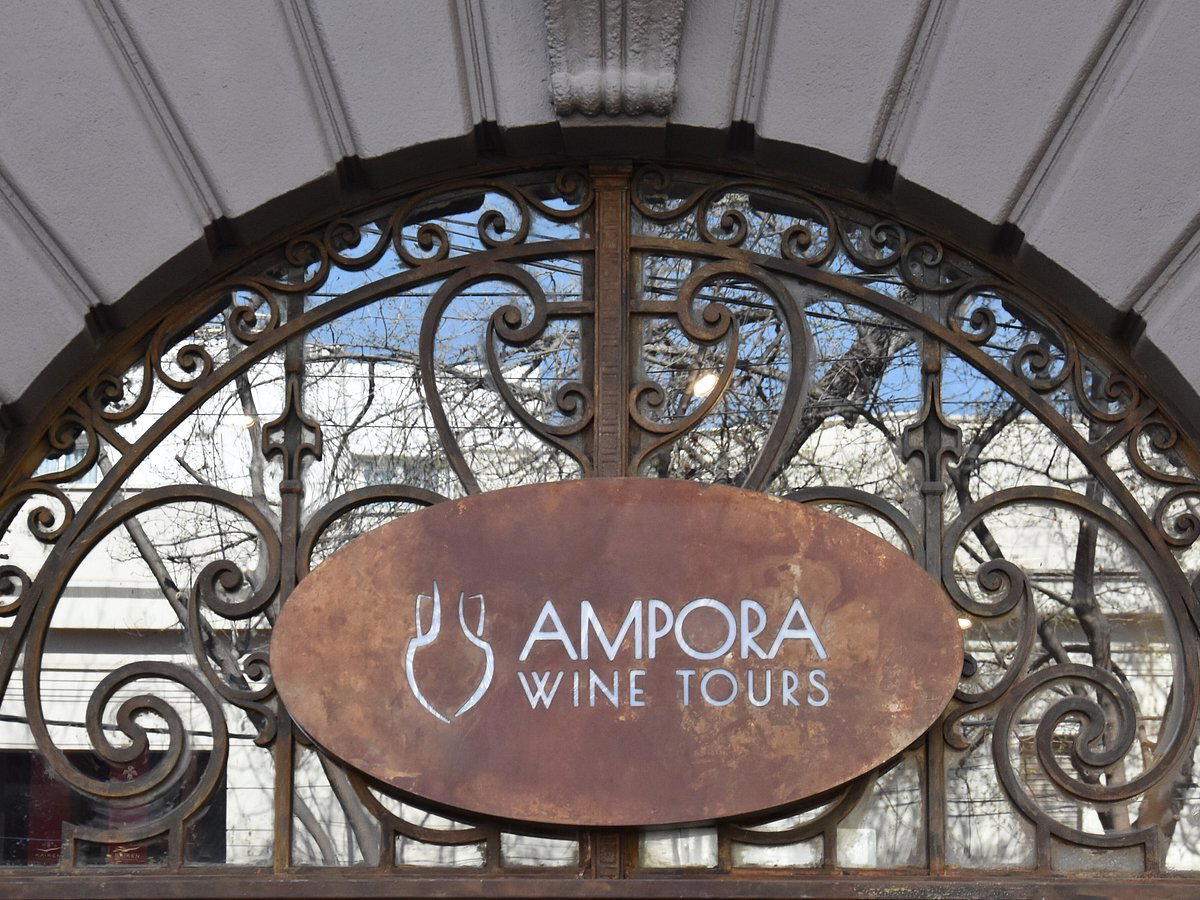
Mendoza's Wine Tour Circuit: Where Curation Matters
Ampora Wine Tours is a bar and wine tour operator in Mendoza, Argentina, at Av. Sarmiento 647. The province sprawls across nearly 150,000 square kilometres of high-altitude terrain, with wine regions ranging from Luján de Cuyo's Malbec heartland to the more remote Uco Valley floor. Most travellers arrive in the city, orient themselves around Avenida Sarmiento, and then face a familiar problem: the number of wineries, tour operators, and tasting formats on offer is significant enough to make meaningful selection difficult. The better-organised operators based in the city centre have learned to solve that problem through curation rather than volume.
The Case for a Guided Approach in Argentine Wine Country
A rented car, a printed map from the hotel, and a sequence of winery visits can blur together by mid-afternoon. The alternative, which a focused tour operator makes possible, is a pre-selected itinerary built around access, context, and the kind of tasting depth that comes from knowing which cellars are worth the drive. Argentina's wine production has shifted considerably over the past two decades, with altitude-driven Malbec from the Uco Valley commanding attention internationally alongside traditional Luján de Cuyo estates. Understanding which producers represent the more interesting end of that shift is not obvious from the outside, which is precisely where a specialist operator earns its keep.
This matters because the bottle selection at a properly curated tasting tells you something the label cannot. The difference between a Malbec produced at 900 metres and one grown above 1,200 metres is measurable in acidity, structure, and aging potential, and that difference is rarely communicated clearly in a standard cellar-door visit. A tour format that sequences those contrasts deliberately, with context provided at each stop, produces a different kind of understanding than self-guided exploration. Across Argentina's wine tourism circuit, the shift toward specialist curation has been consistent.
What the Sarmiento Address Signals
The Av. Sarmiento address places Ampora in the commercial and pedestrian core of Mendoza city, which is a practical advantage for visitors staying centrally. Mendoza's main plaza and the grid of streets surrounding it concentrate most of the city's better bars, restaurants, and wine-focused venues, making a central operator easy to reach before or after an out-of-city tasting day. For those spending time at venues like Azafran or Café Rumano in the evening, a centrally located tour departure point removes a logistical complication from an already full day.
The city-centre base also reflects a broader pattern in how Mendoza's wine tourism infrastructure has organised itself. Operators who work from within the city rather than from a single estate offer structural independence: they are not incentivised to route visitors exclusively through one producer's portfolio. That independence, when it functions correctly, is the difference between a curated experience and a branded one.
The Depth of the Back Bar: Argentine Producers Worth Knowing
The value of a wine tour operation is ultimately about the cellar list it provides access to. Argentina's wine identity remains Malbec-dominant internationally, but the domestic conversation has broadened. Cabernet Franc from the Uco Valley has attracted serious attention from producers and critics. Torrontés, the country's most distinctive white variety, is produced primarily in Salta and Cafayate but appears on the lists of better Mendoza-based wine programs. Blends incorporating Petit Verdot, Bonarda, and even Tempranillo represent a less-exported but genuinely interesting part of the production landscape.
Operators who build their identity around access to a rare or carefully assembled collection create a different kind of value proposition than those competing on price or volume. Venues like Kumiko in Chicago and Jewel of the South in New Orleans have built sustained recognition on exactly that basis: the depth of what they pour, not the breadth of what they offer. The same logic applies to wine tour curation in a region as production-rich as Mendoza. The operator who can route a visitor through a Malbec from a sub-appellation like Agrelo, followed by an old-vine Bonarda from Maipú, followed by a high-altitude Cabernet Franc from Gualtallary, is offering something qualitatively different from a generic cellar-door circuit.
Travellers who have experienced highly curated drink programs elsewhere may expect the region's leading producers to receive an equally considered presentation. The question for any tour operator is whether the selection they provide reflects genuine knowledge of the producer hierarchy or simply the easiest access.
Planning a Mendoza Wine Day: Practical Considerations
Mendoza's primary wine regions require transportation. Luján de Cuyo, the closest major zone to the city, sits roughly 20 to 30 kilometres south. The Uco Valley, which contains Tupungato, Tunuyán, and San Carlos, begins around 60 kilometres from the city centre and extends further south. A full Uco Valley day with meaningful stops at two or three producers is a long day; a half-day circuit through Luján de Cuyo is more manageable and still covers significant ground. Visitors who want to cover both regions should plan across two separate days rather than compressing both into one.
The harvest season, running roughly from late February through April, is one active period at Mendoza wineries and the point at which cellar access is most experiential. Outside that window, from May through August, the valley quiets considerably, tastings remain available, and the mountain backdrop takes on a different character as snow accumulates on the Andes. Both periods are worth considering depending on what kind of visit the reader is building.
Within the city itself, the wine conversation continues after hours. Antares Mendoza, Bianco & Nero Arístides, and the broader Sarmiento and Arístides corridor offer evening options for travellers who want to extend the day's tasting into a different register. For those travelling on to other wine-focused programs, the comparison with Julep in Houston suggests that particularly satisfying drink experiences in any city tend to share a commitment to provenance and producer knowledge that transcends the specific category being poured.
Price and Positioning
Comparable venues nearby, for context on price, style, and recognition.
| Venue | Price |
|---|---|
| Ampora Wine ToursThis venue — the venue you are viewing | This venue |
Continue exploring
More in Mendoza
Bars in Mendoza
Browse all →
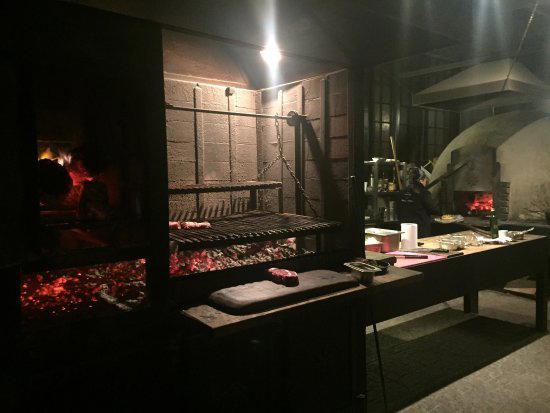
Restaurants in Mendoza
Browse all →
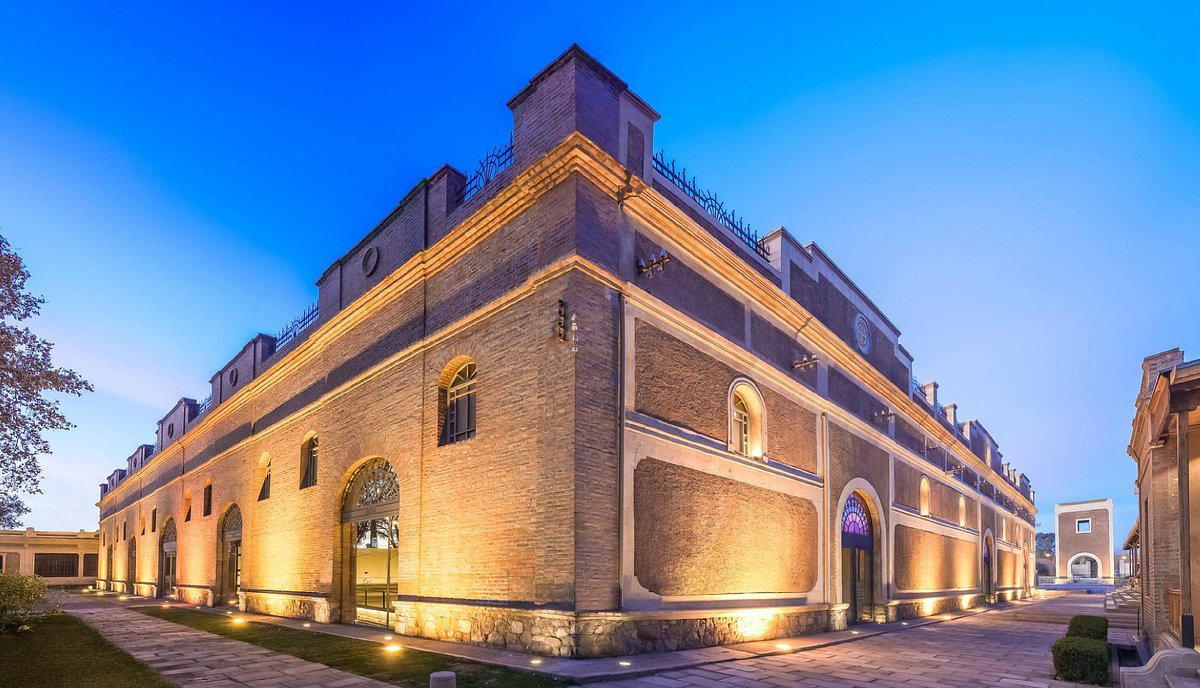
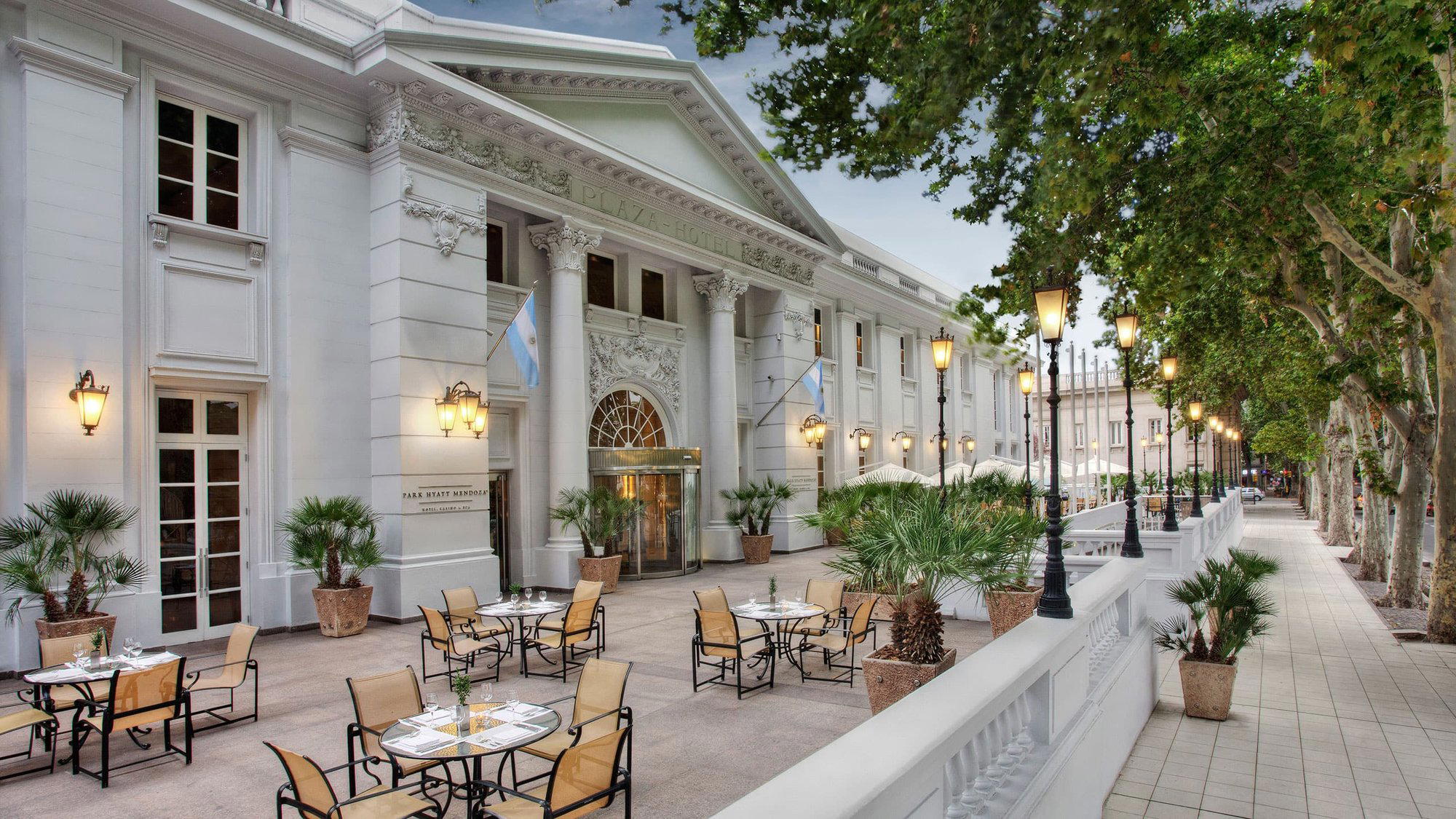
Hotels in Mendoza
Browse all →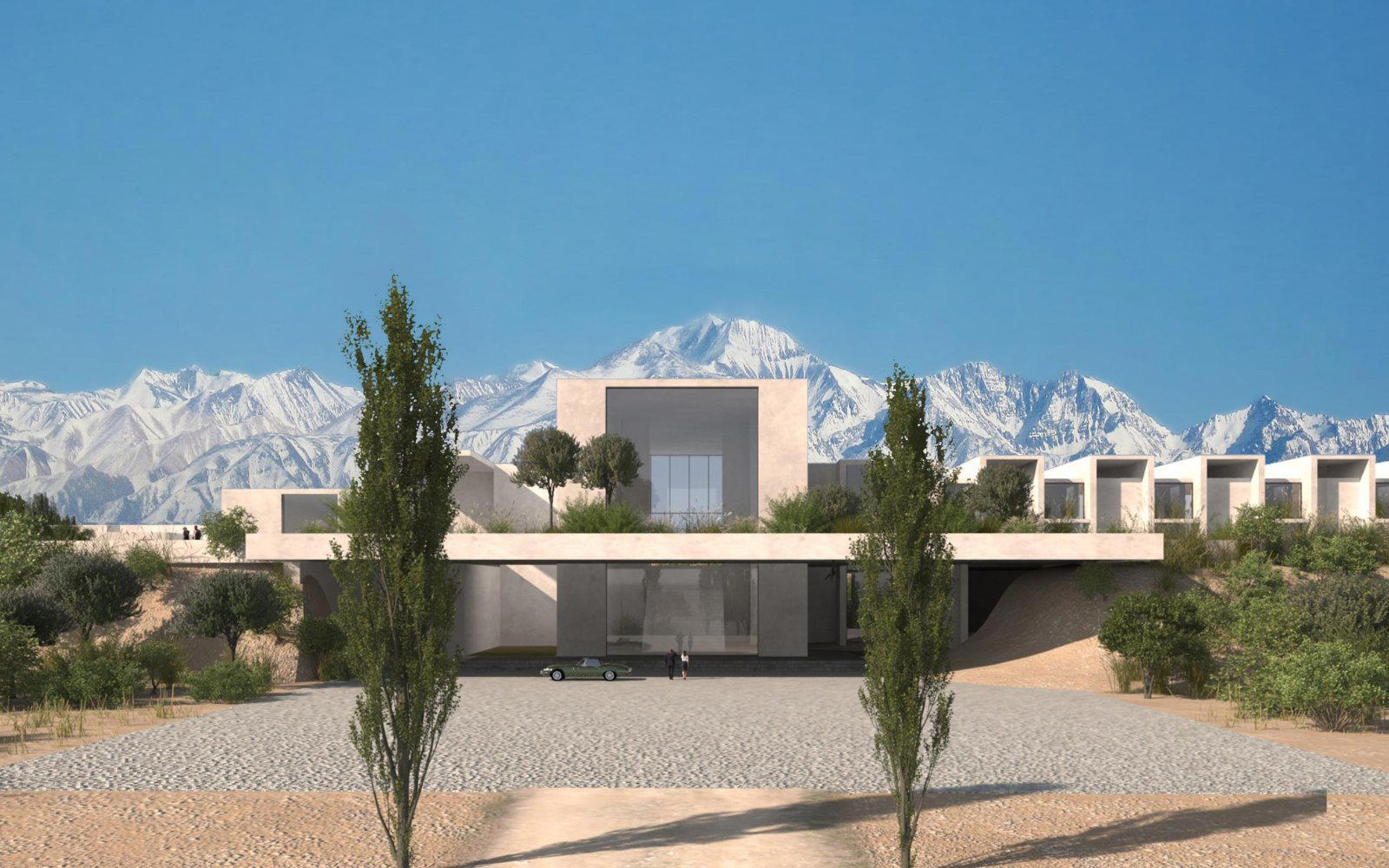
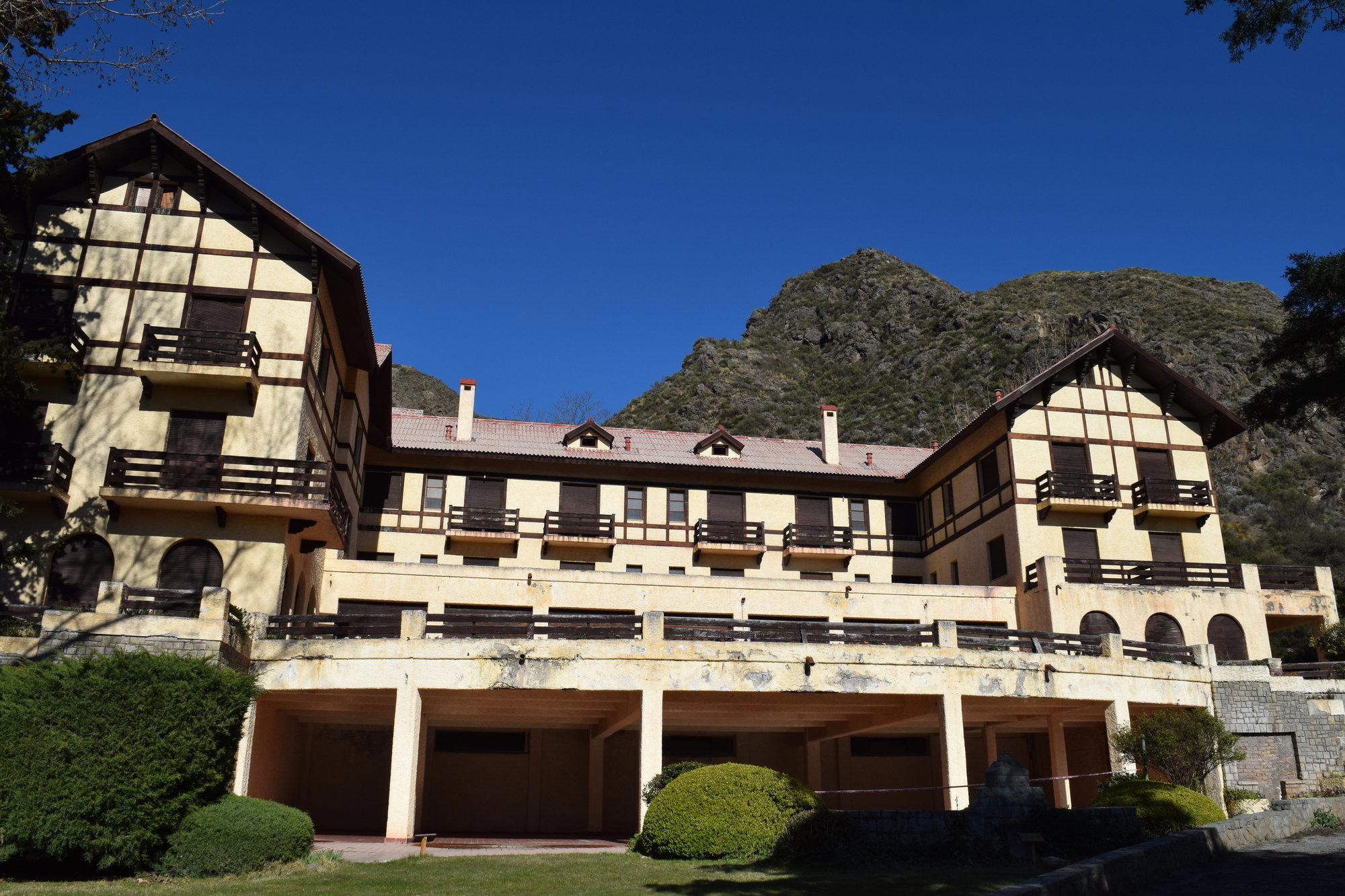
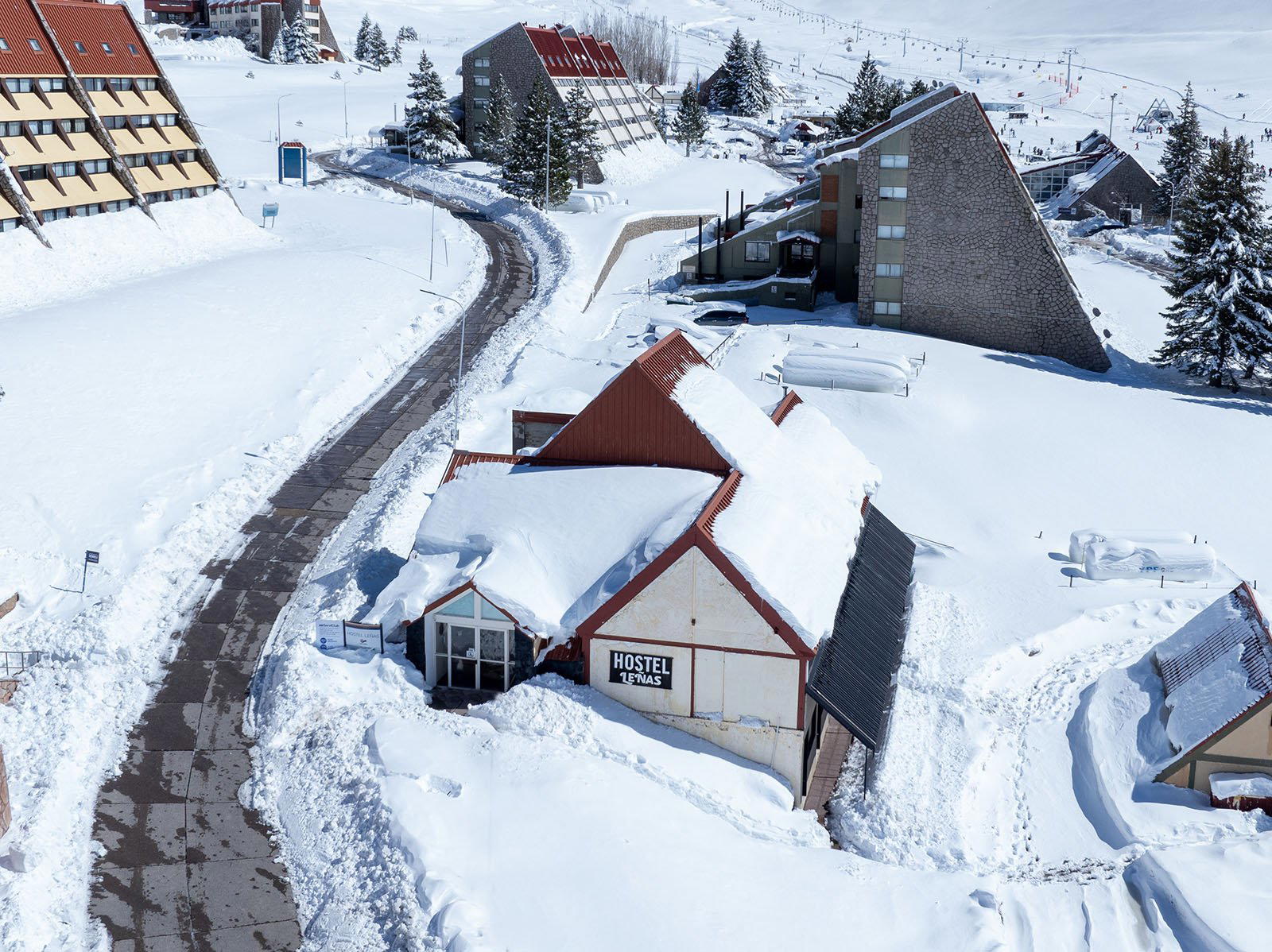
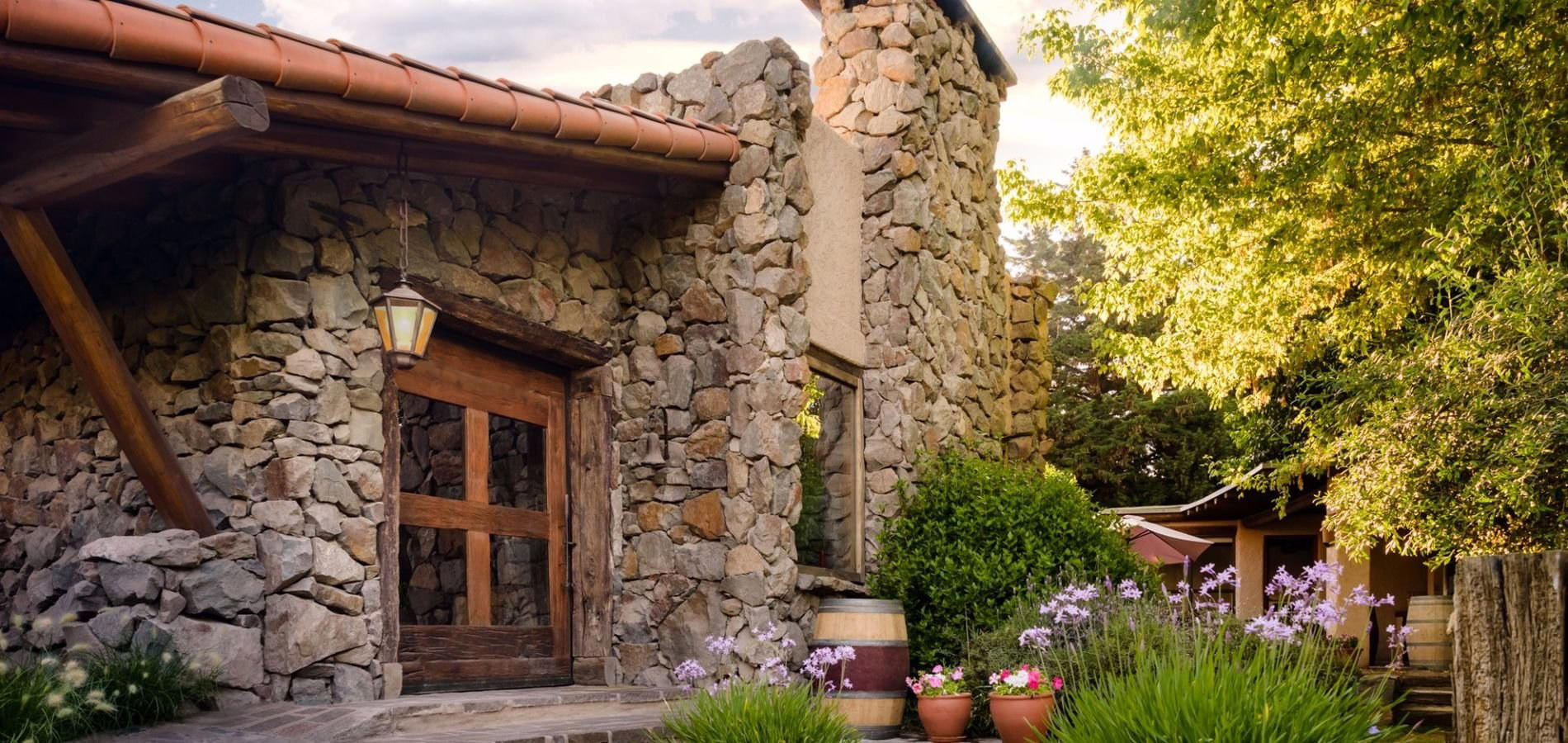
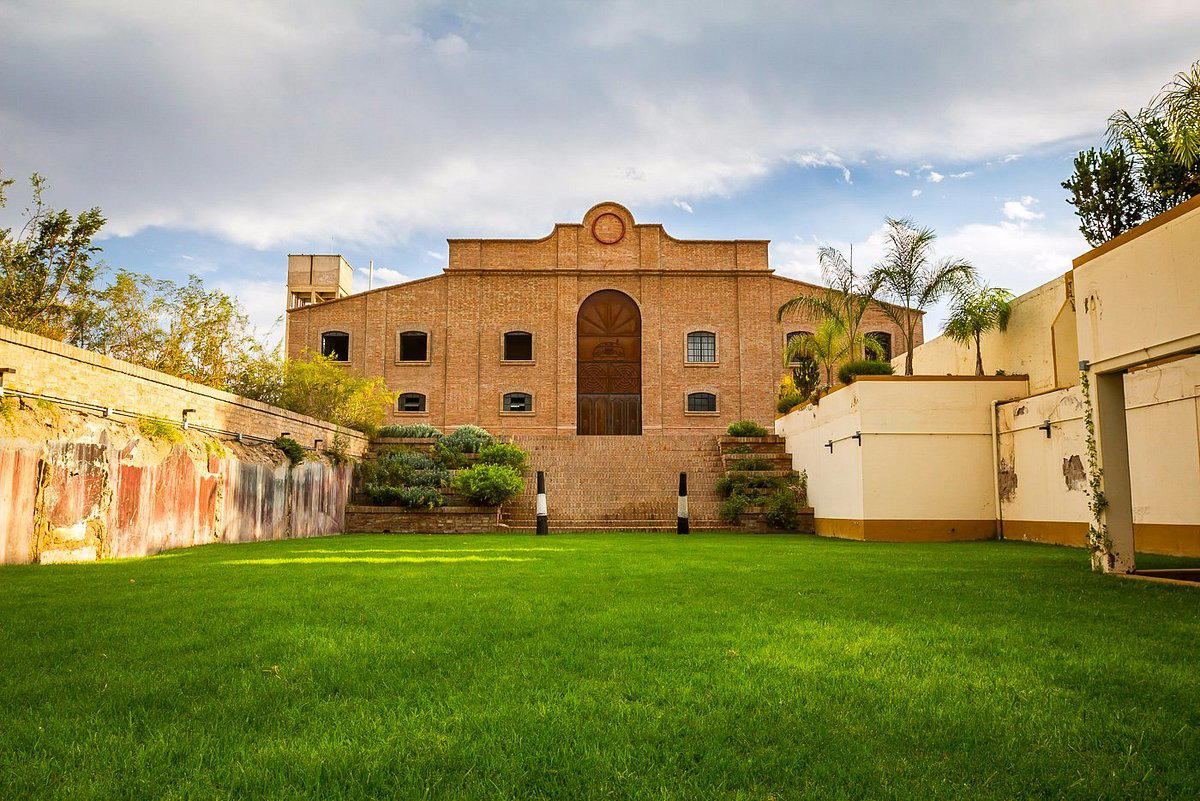
At a Glance
- Scenic
- Elegant
- Sophisticated
- Group Outing
- Special Occasion
- Celebration
- Panoramic View
- Garden
- Terrace
- Lounge Seating
- Outdoor Terrace
- Seated Bar
- Conventional Wine
- Natural Wine
- Vineyard
- Mountain
Current opening hours
- Monday
- 2–8 PM
- Tuesday
- 2–8 PM
- Wednesday
- 2–8 PM
- Thursday
- 2–8 PM
- Friday
- 2–8 PM
- Saturday
- Closed
- Sunday
- Closed
Hours can change for holidays and private events. Last verified .
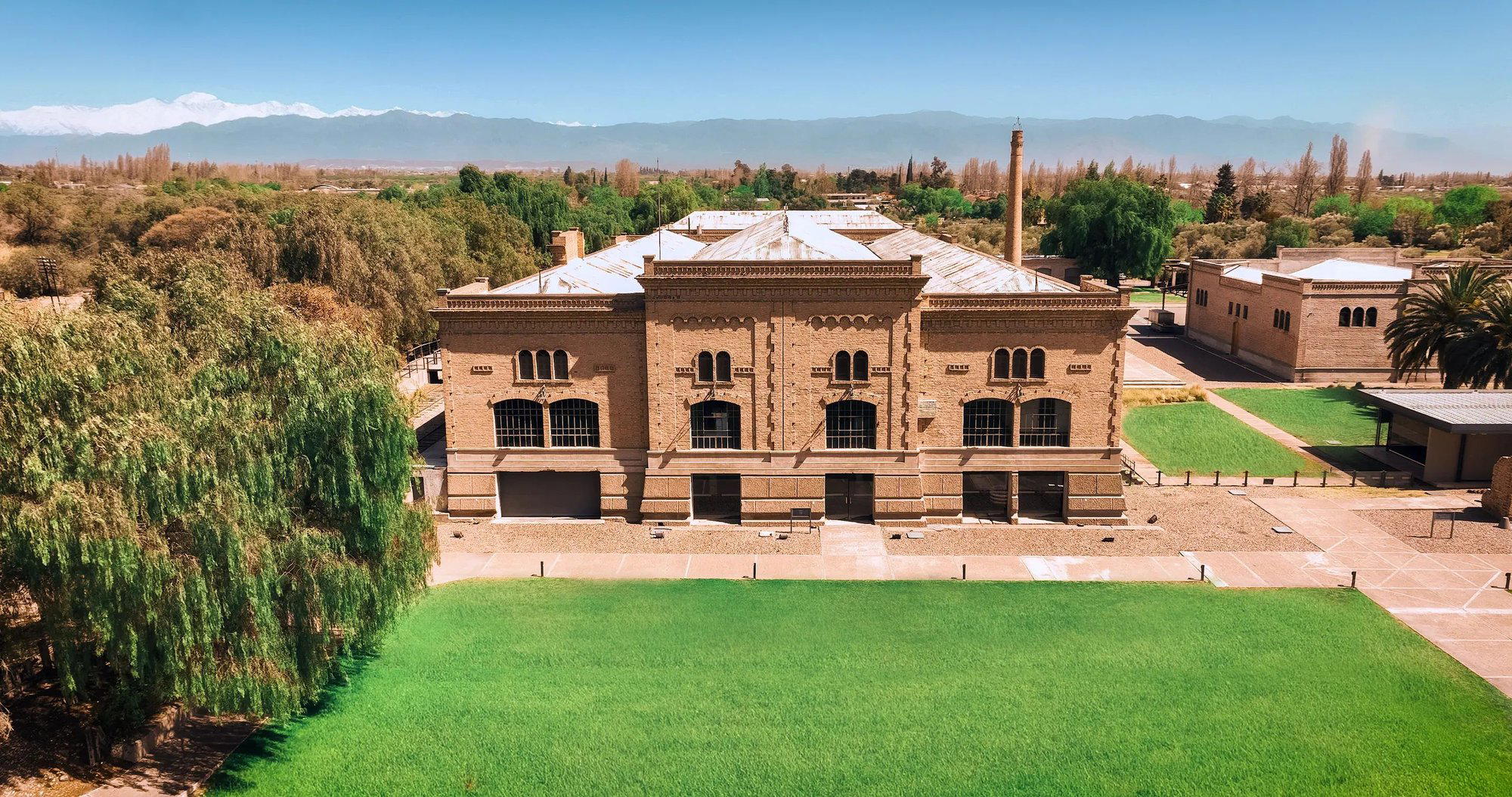
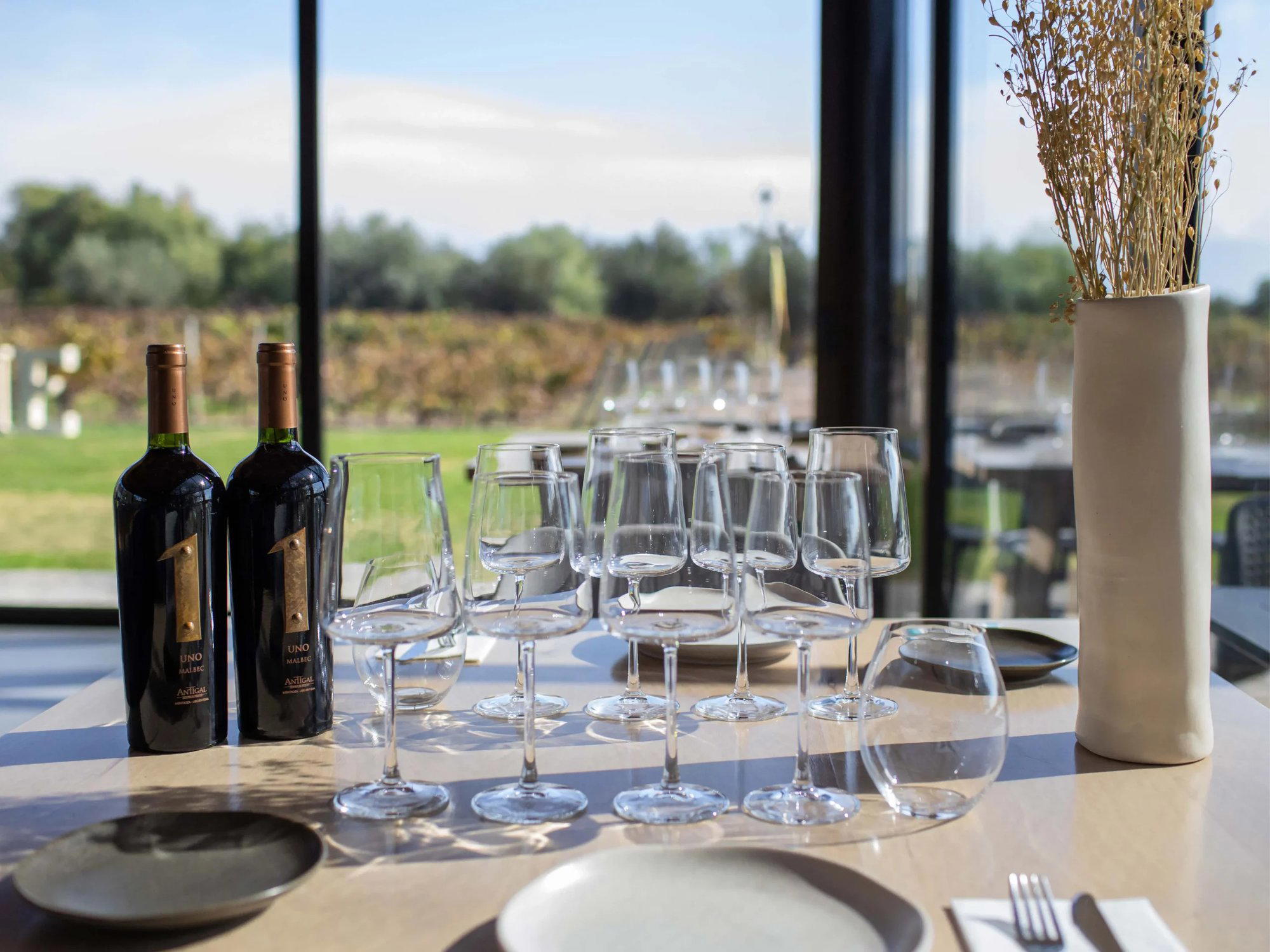
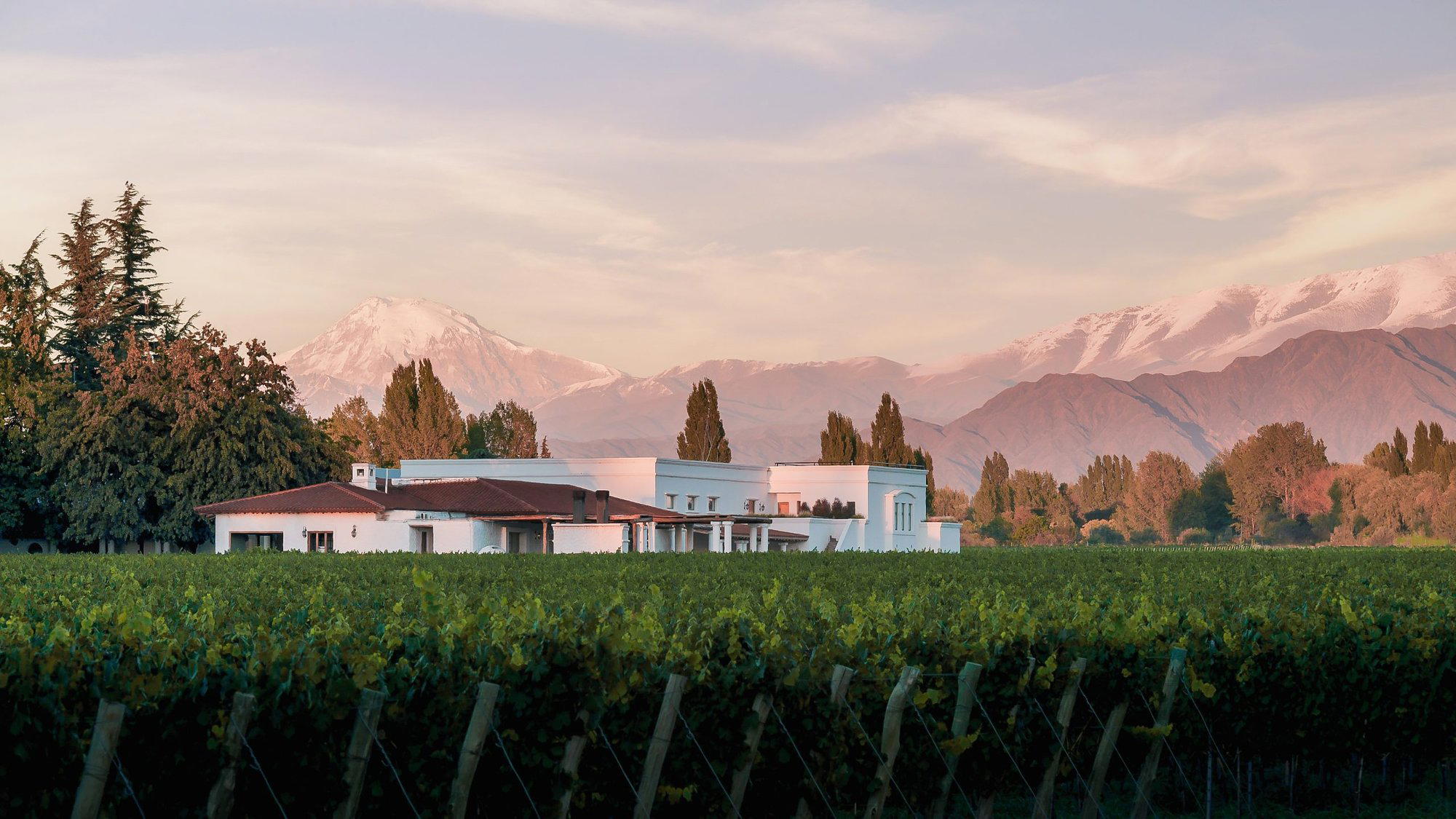
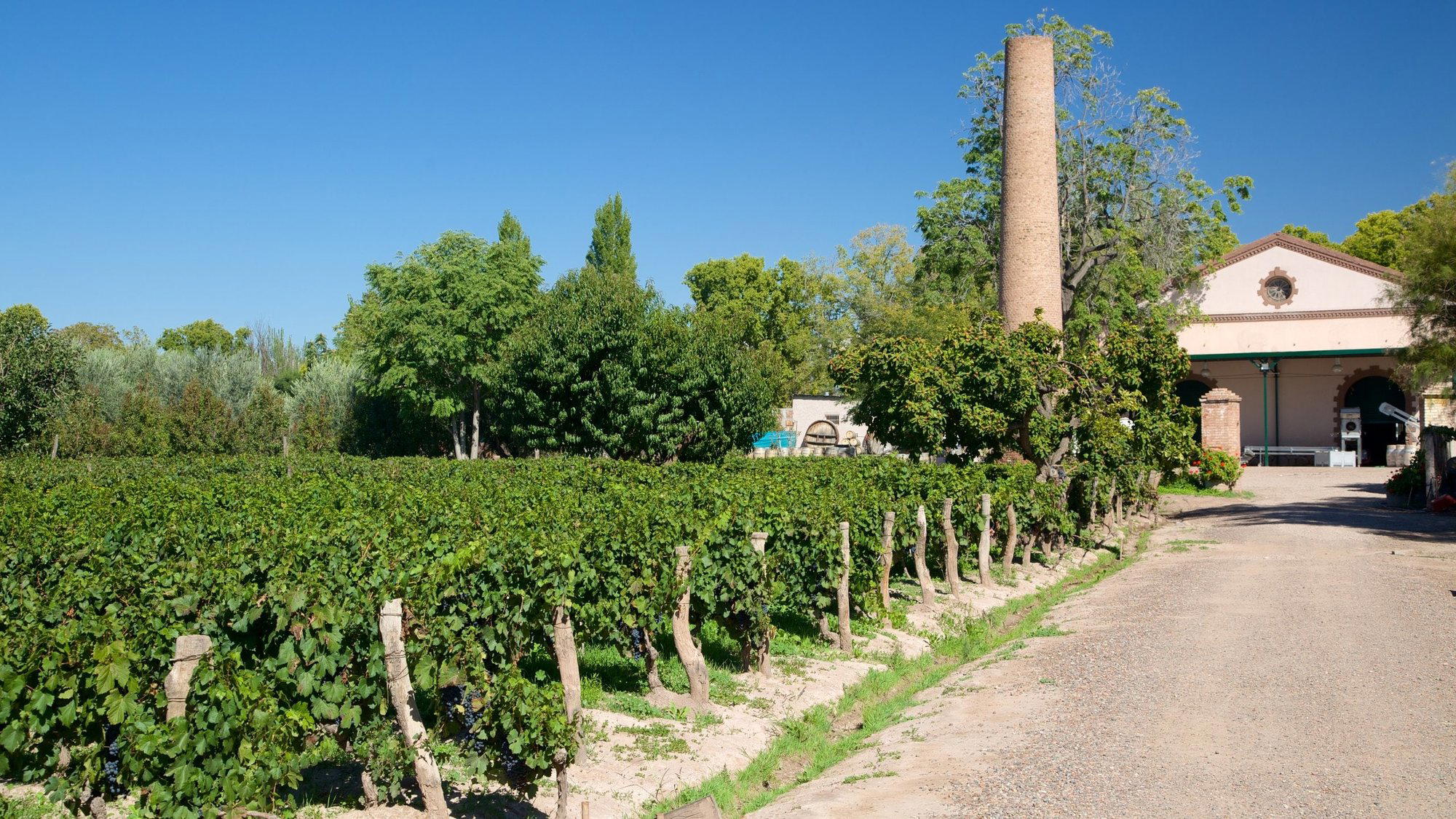
Sophisticated and relaxed vineyard setting with Andes mountain backdrop, combining traditional winemaking heritage with modern tasting experiences.