


1 Michelin Star · Wine Enthusiast Best Winery Restaurant 2026 · The Best Chef One Knife
Our verdict
Angélica Cocina Maestra earned Mendoza its first Michelin star in 2025, operating from Cobos in Luján de Cuyo at the upper end of the city's creative dining tier. Chefs Josefina Diana and Juan Manuel Feijoo run a format grounded in regional produce and deliberate pacing, placing the restaurant alongside Casa Vigil and Azafrán in the small cohort of Mendoza tables where the cooking matches the wine country setting.

Pearl is the En Primeur Club membership app — saves, bookings, and concierge access live there. Same editors, same standards.
- Address
- Cobos, Luján de Cuyo, Mendoza, Argentina
- Phone
- +54 261 507-6901
- Hours
- Mon–Tue 12–5 PMWed–Sat 12–10 PMSun 12–5 PM
- Website
- angelica.meitre.com
- Directions
- Get directions
The menu
What to order
- Beetroot and sweetbread
- Expression of the garden
- Goat and saffron arancini
Where the Meal Begins Before the First Course
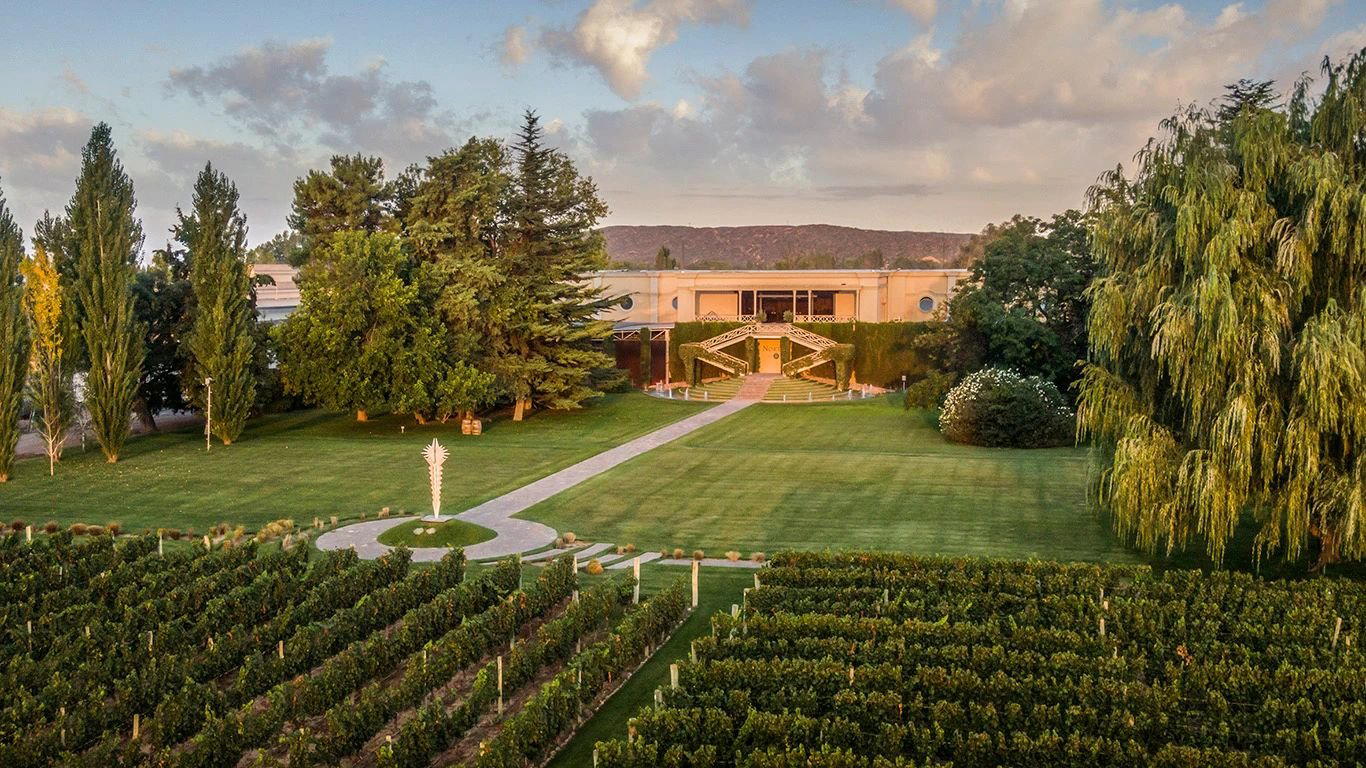
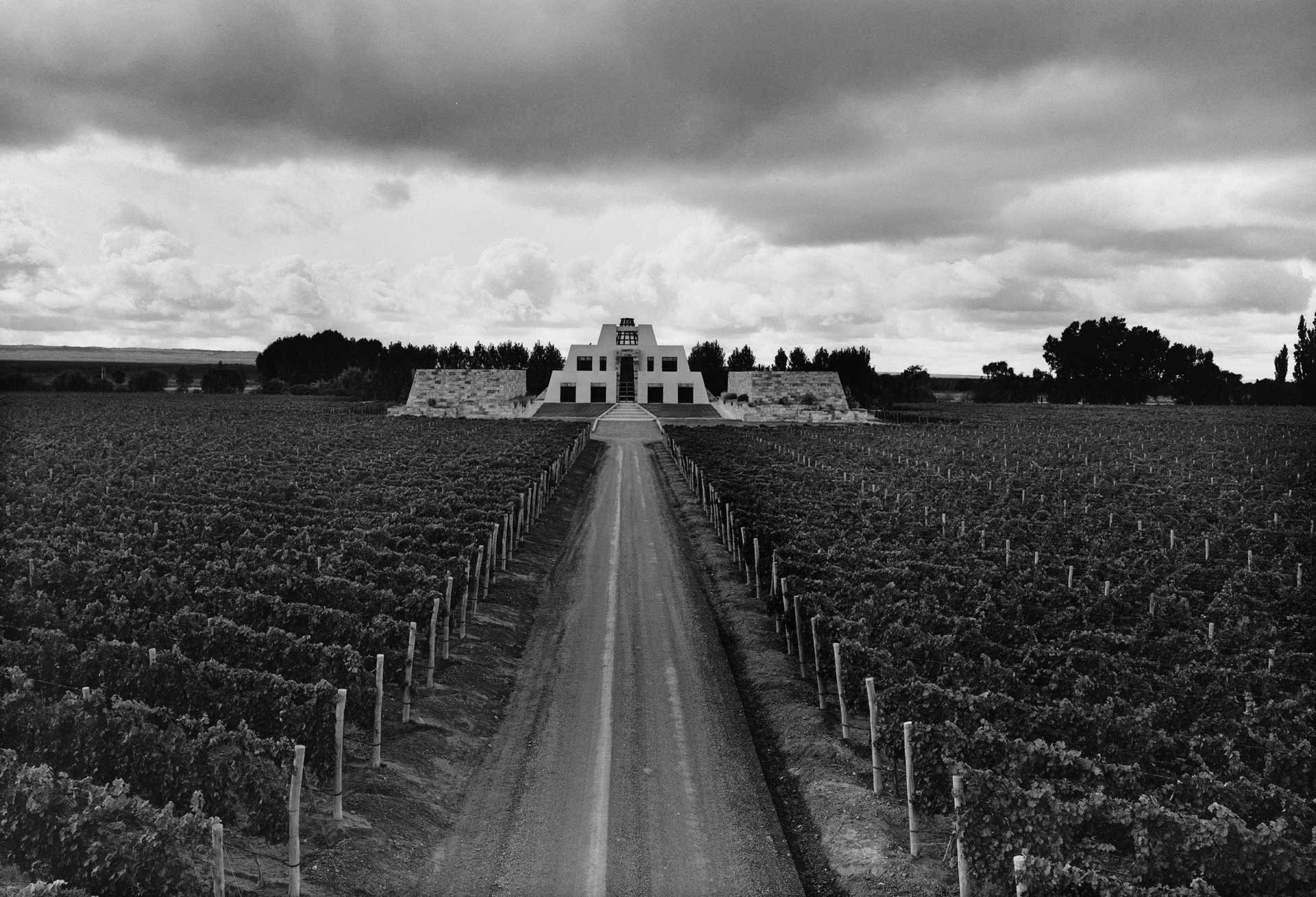
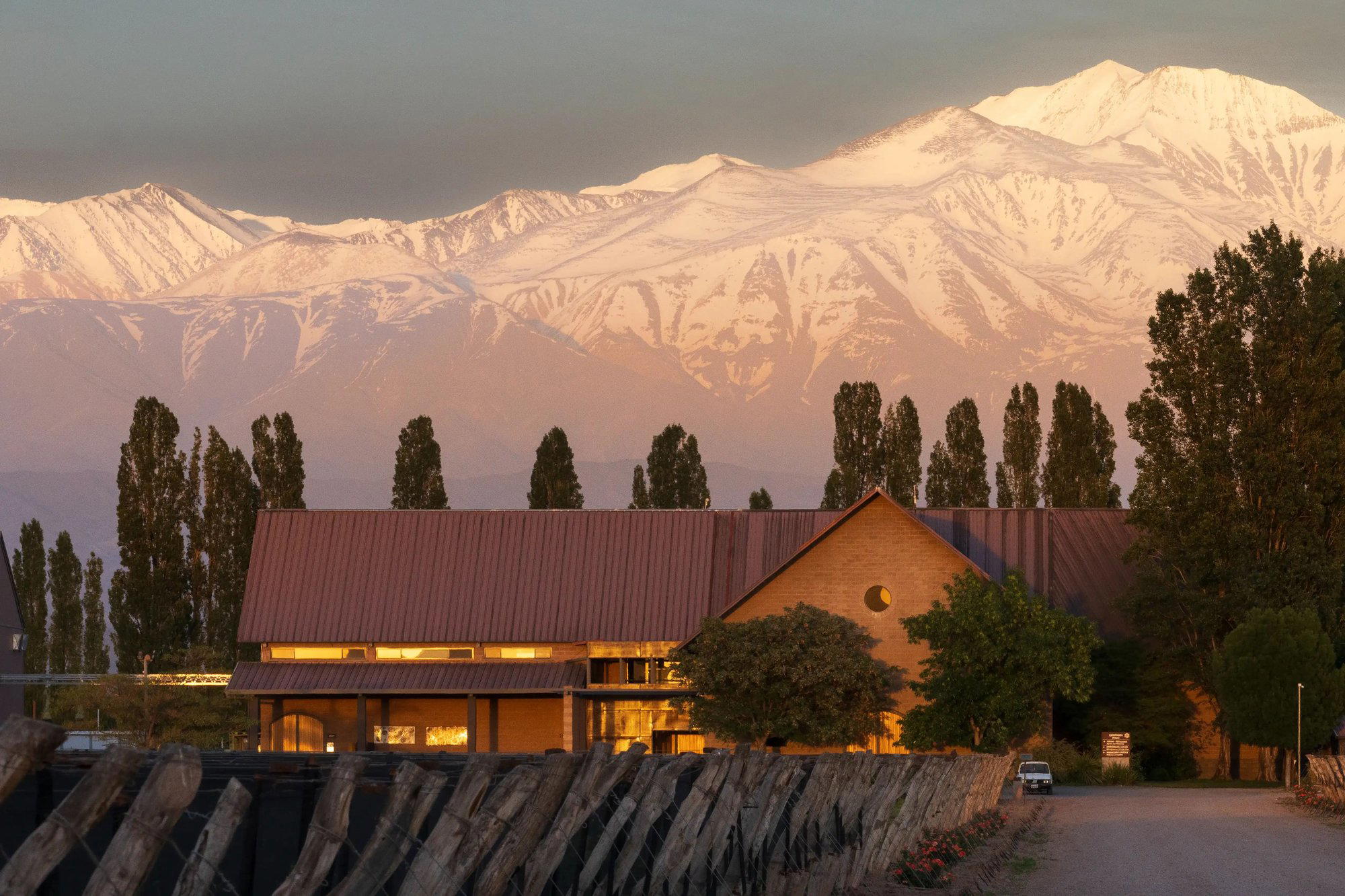
Cobos, the sub-district of Luján de Cuyo that sits south of Mendoza city amid vineyards and low adobe walls, sets a particular register before you reach the table. The drive out from downtown already signals a change of rhythm: populated boulevards give way to gravel roads lined with poplar trees, the Andes visible on clear days as a backdrop that no urban dining room can replicate. Angélica Cocina Maestra occupies this zone, and the physical context is not incidental. Creative restaurants that situate themselves in wine country rather than city centres tend to structure the meal around that distance from the everyday, using unhurried arrival as the first act of the dining ritual.
That pacing is the operative principle here. Unlike the city-centre tier represented by Azafrán (Modern Cuisine) or Brindillas (Modern Cuisine), where diners often arrive from nearby hotels or after a walk through Mendoza's park district, arriving at Angélica is a deliberate act. You have made a choice to come this far, and the kitchen appears to count on that commitment.
Mendoza's Michelin Moment and What It Actually Means
The 2025 Michelin Guide awarded Angélica Cocina Maestra one star, a distinction that carries specific weight in the Argentine context. Mendoza had not appeared in Michelin's South American coverage in any meaningful way before the guide's expansion onto the continent, so the star represents a benchmark rather than simply a restaurant-level accolade. It signals that the city's creative cooking tier has reached a technical and conceptual threshold that international reviewers consider competitive with starred tables elsewhere.
The same guide recognised Angélica with a Michelin Plate in 2024, the year before the full star arrived. That progression from Plate to Star in consecutive cycles is a useful data point: it suggests a kitchen that improved measurably under observation, not one that was simply swept up in a regional promotional exercise. Among Mendoza's current Michelin-recognised restaurants, Angélica occupies the $$$$ tier alongside Azafrán and Casa Vigil (Contemporary), while Brindillas and Riccitelli Bistró (Seasonal Cuisine) operate at the $$$ level. Price tier here is not just a cost signal; it reflects format depth, service staffing, and the degree to which the kitchen treats each course as a constructed statement rather than a satisfying plate.
The Dining Ritual: Pacing, Sequence, and the Role of the Cook
Creative restaurants at the starred level tend to impose a particular contract on the guest: the menu is fixed or guided, the sequence is intentional, and deviation from the kitchen's rhythm is actively discouraged. Angélica's classification as Creative cuisine places it in this tradition, which in the Argentine context sits at some distance from the country's dominant dining culture of parillas, shared cuts, and meals structured around communal choice rather than chef-directed progression.
That tension is generative. Argentina's ingredient landscape, from the high-altitude produce of Cuyo to the Andean herbs and game that appear in regional cooking, provides material that rewards the kind of systematic exploration a tasting-format kitchen enables. The pacing in this tier of restaurant typically runs long: two hours is a floor, not a ceiling, and the meal is designed to fill an evening rather than a slot in one. Arriving with that expectation, and understanding that the wine country setting amplifies the logic of a slow meal, is the relevant preparation.
Chefs Josefina Diana and Juan Manuel Feijoo are jointly credited, which is relatively uncommon at this level and shapes how the kitchen's creative direction is perceived. Joint authorship in a small creative kitchen tends to produce cooking that negotiates between two sensibilities rather than expressing one dominant voice, and at the starred level that negotiation usually produces greater range across a tasting sequence than a single-chef programme might.
Where Angélica Sits in the Regional Picture
Argentina's premium dining scene has concentrated historically in Buenos Aires, where restaurants like Don Julio have anchored international attention. The emergence of Michelin recognition in Mendoza reframes that geography. Wine country dining in Mendoza had long operated through a lodge-and-estate model, where restaurants existed primarily as amenities for wine tourists: see Cavas Wine Lodge in Alto Agrelo as an example of that format. Angélica positions itself differently, as a destination in its own right rather than an extension of a hospitality property.
The comparison extends across Argentina's premium dining geography. Properties like EOLO - Patagonia's Spirit in El Calafate and La Bamba de Areco in San Antonio de Areco operate in the estate-dining tradition, where landscape and accommodation frame the meal. Awasi Iguazu in Puerto Iguazu works similarly. Angélica's Michelin star places it in a different competitive conversation: it belongs to the tier of creative cooking that is evaluated on kitchen terms, not hospitality terms.
Within Mendoza's city and near-city tier, the comparison set is tight. Brutal and Casa Vigil address different segments of the premium market, and the steakhouse tradition represented by 1884 Francis Mallmann occupies a separate register entirely. Angélica's creative format and starred status give it a peer group that is effectively national rather than local: the relevant comparison is Buenos Aires' leading creative tables and, at the highest international level, the single-star creative tier in cities like Paris, where restaurants such as Alléno Paris au Pavillon Ledoyen and Arpège define what that designation requires.
Practical Intelligence: Planning the Visit
Angélica is located in Cobos, Luján de Cuyo, which places it roughly twenty minutes from Mendoza's city centre by car. This is not a walkable destination, and visitors without a rental vehicle should arrange transfers in advance, either through their hotel or a dedicated driver. The $$$$ price tier positions the restaurant at the higher end of Mendoza's dining range, and at this level most visitors allocate the evening as a primary event rather than part of a multi-stop night. Given the Michelin star and the limited capacity implied by a creative kitchen of this type, booking well in advance is advisable, particularly for weekend evenings or visits during the March harvest season when wine tourism peaks across Luján de Cuyo.
For a fuller picture of the city's dining and hospitality options, see our full Mendoza restaurants guide, our full Mendoza hotels guide, our full Mendoza bars guide, our full Mendoza wineries guide, and our full Mendoza experiences guide.
Frequently asked questions
Is Angélica Cocina Maestra Michelin-listed?
Angélica Cocina Maestra has received recognition including: Chef: Josefina Diana & Juan Manuel Feijoo document.addEventListener("DOMContentLoaded", function { var el = document.getElementById("Achievements_chefs"); if (el && el.parentNode) { el.parentNode.removeChild(el); } });; Michelin 1 Star (2….
What's Angélica Cocina Maestra's location?
Angélica Cocina Maestra is located at Cobos, Luján de Cuyo, Mendoza, Argentina, Mendoza.
What's the must-try dish at Angélica Cocina Maestra?
Angélica holds a 2025 Michelin Star for creative cuisine, and the kitchen is led by Josefina Diana and Juan Manuel Feijoo. Specific dishes are not published ahead of visits, which is consistent with the tasting menu format typical of starred restaurants at this level. The safest approach is to arrive without fixed expectations and let the sequence unfold as the chefs intend.
Is Angélica Cocina Maestra more mid-range or high-end?
Pricing at Angélica Cocina Maestra is listed as $$$$.
Who is the chef or culinary lead at Angélica Cocina Maestra?
The chef associated with Angélica Cocina Maestra is Josefina Diana & Juan Manuel Feijoo.
What's the best way to book Angélica Cocina Maestra?
No direct booking link or phone number is currently listed for Angélica. For a 2025 Michelin Star restaurant in Cobos, Luján de Cuyo, advance contact through the restaurant's own channels or a concierge service is advisable, particularly during peak Mendoza harvest season from February through April when demand across the wine region is highest.
The Short List
| Venue | Cuisine | Price | Awards | Notes |
|---|---|---|---|---|
| Angélica Cocina MaestraThis venue — the venue you are viewing | Modern Argentine Fine Dining | Not listed | 1 Michelin Star · Wine Enthusiast Best Winery Restaurant 2026 | Not listed |
| 1884 Francis Mallmann | Argentine Parrilla & Traditional Grilled Cuisine | $200–300 | Michelin Plate · World's 50 Best #45 | Argentinian Steakhouse, Traditional Cuisine |
| Azafrán | Modern Argentine Fine Dining | $50–100 | 1 Michelin Star · World's 50 Best #97 | Modern Cuisine |
| Brindillas | Modern Argentine Fine Dining | $50–100 | 1 Michelin Star | Modern Cuisine |
| Casa Vigil | Modern Argentinian Fine Dining | $150–200 | 1 Michelin Star · The Best Chef One Knife | Contemporary |
| Riccitelli Bistró | Farm-to-Table Argentine with Vegetable Focus | $100–150 | 1 Michelin Star | Seasonal Cuisine |
Recognition history
Dated appearances from independent guides and award organizations, with the underlying list record or original source where available.
Michelin 1 Star
Michelin
Wine Enthusiast Best Winery Restaurant 2026
Wine Enthusiast
The Best Chef One Knife
The Best Chef
Full recognition history (5 entries)
Michelin 1 Star
Michelin
Michelin Plate
Michelin
Continue exploring
More in Mendoza
Restaurants in Mendoza
Browse all →
Bars in Mendoza
Browse all →
Hotels in Mendoza
Browse all →
Details
- Elegant
- Sophisticated
- Scenic
- Intimate
- Special Occasion
- Date Night
- Celebration
- Wine Cellar
- Panoramic View
- Open Kitchen
- Historic Building
- Extensive Wine List
- Sommelier Led
- Local Sourcing
- Organic
- Farm To Table
- Vineyard
- Mountain
- Garden
- Tasting Menu
- Prix Fixe
- Wine Pairing
Current opening hours
- Monday
- 12–5 PM
- Tuesday
- 12–5 PM
- Wednesday
- 12–10 PM
- Thursday
- 12–10 PM
- Friday
- 12–10 PM
- Saturday
- 12–10 PM
- Sunday
- 12–5 PM
Hours can change for holidays and private events. Last verified .
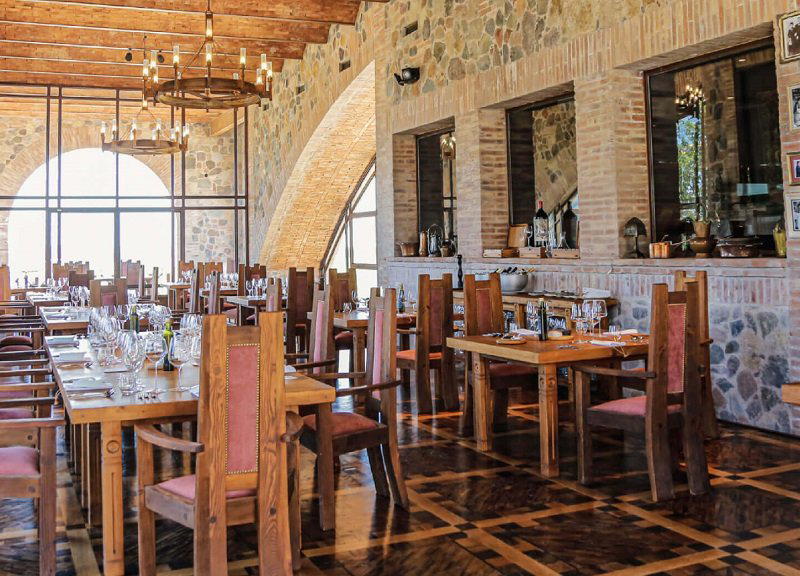
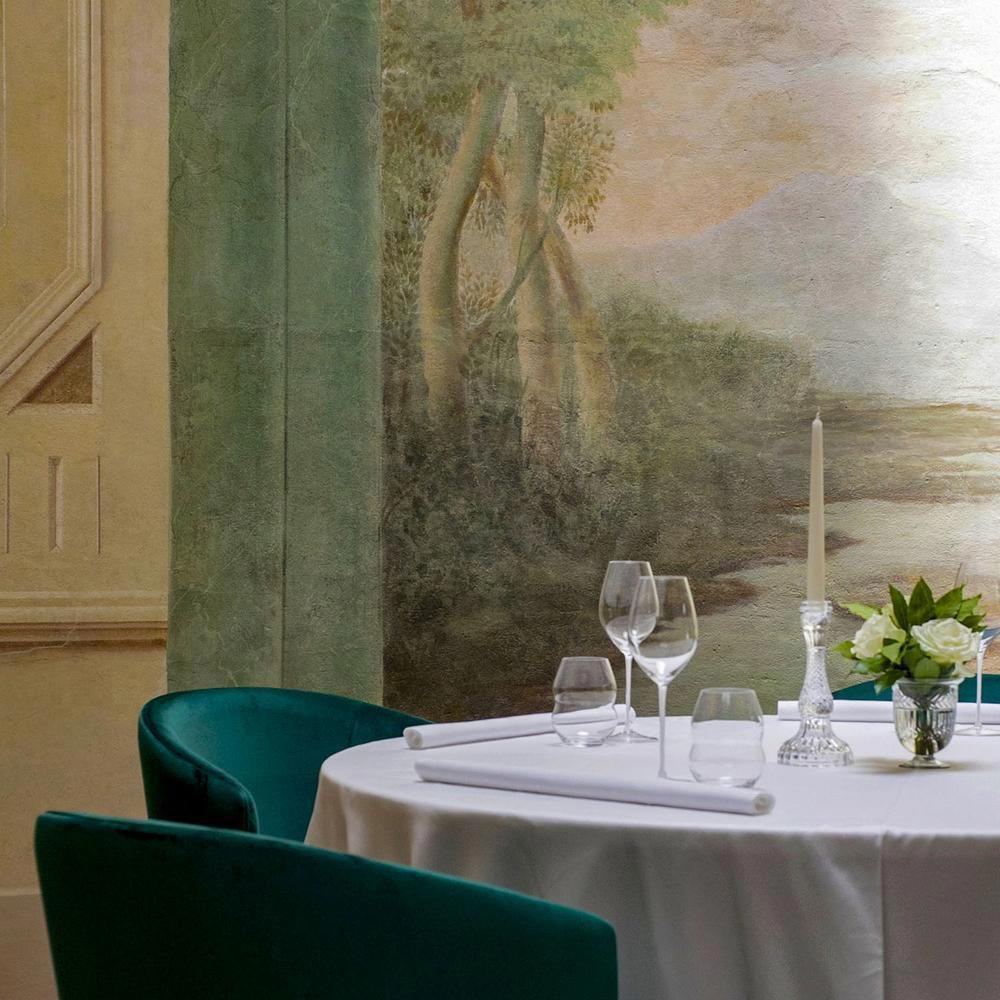
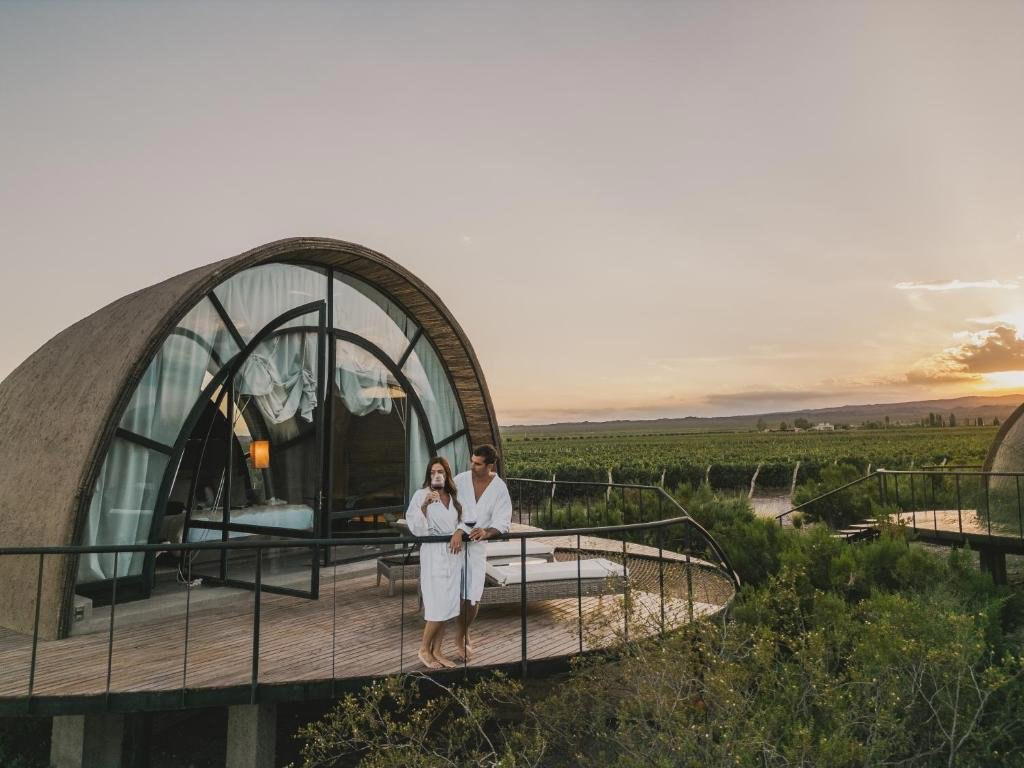
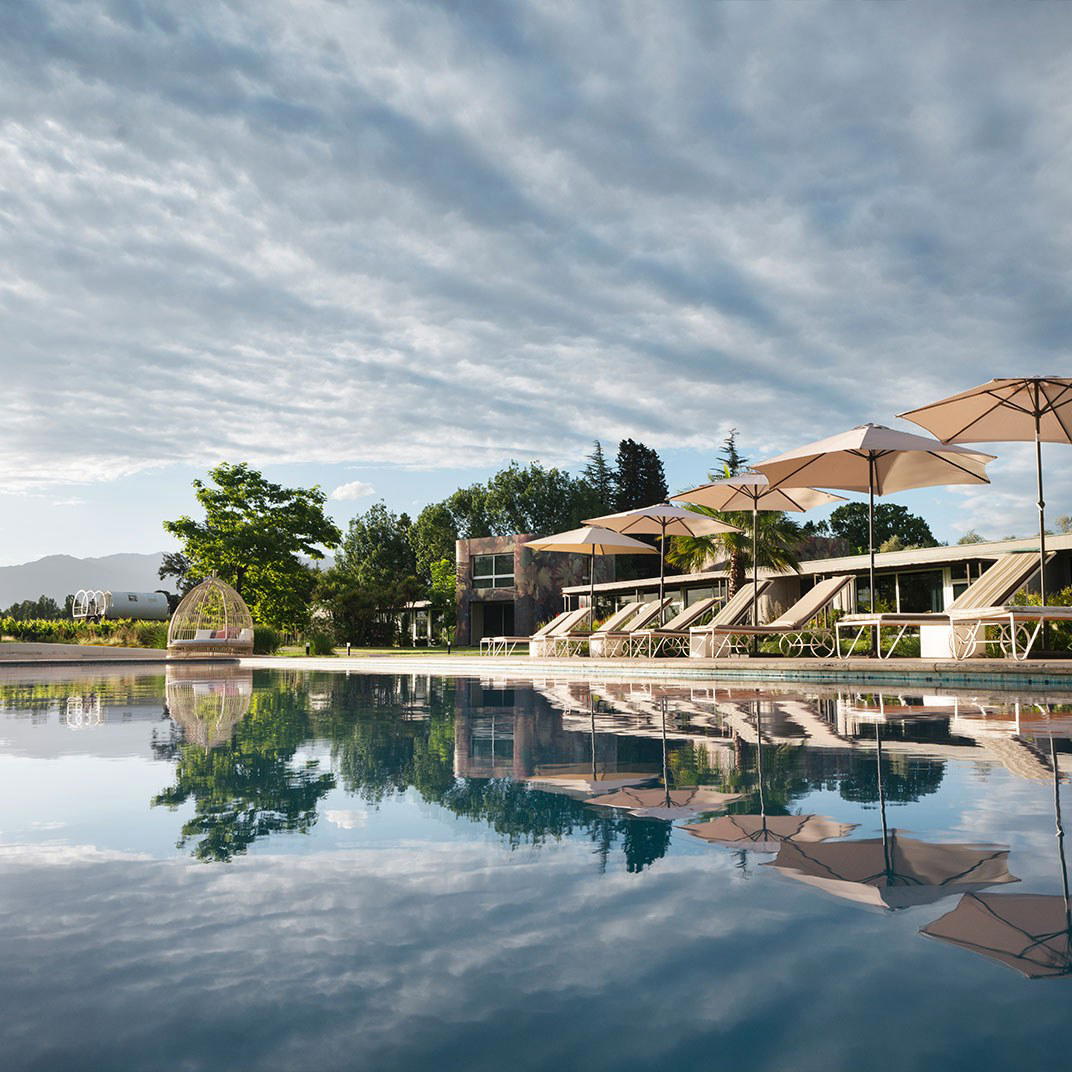
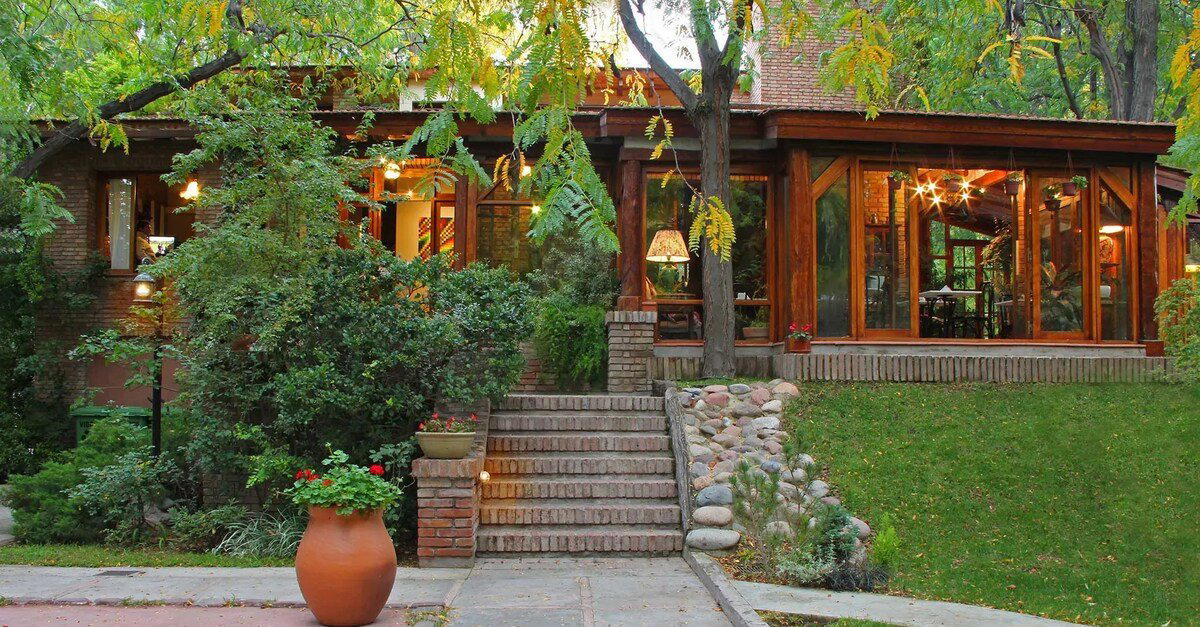
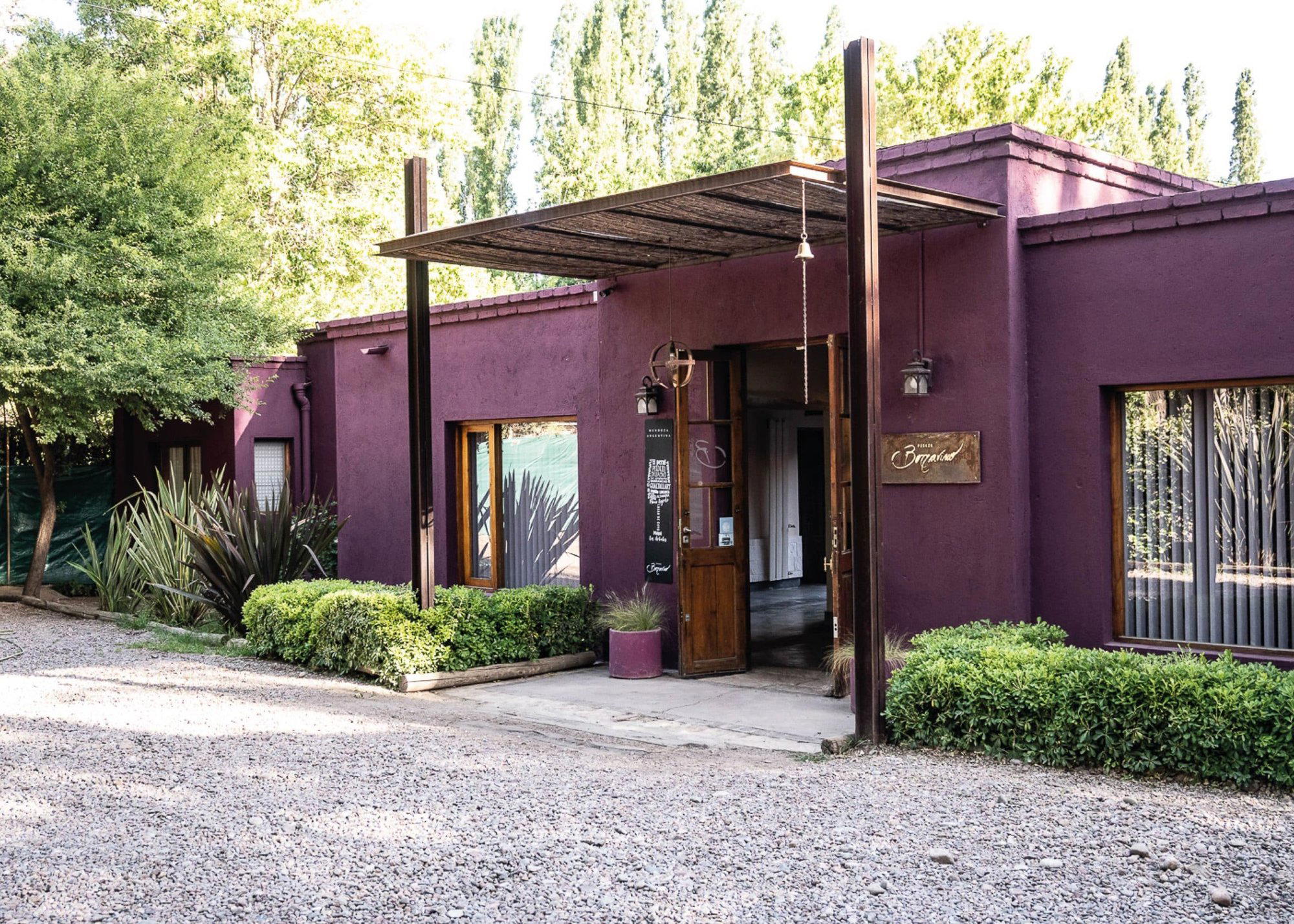
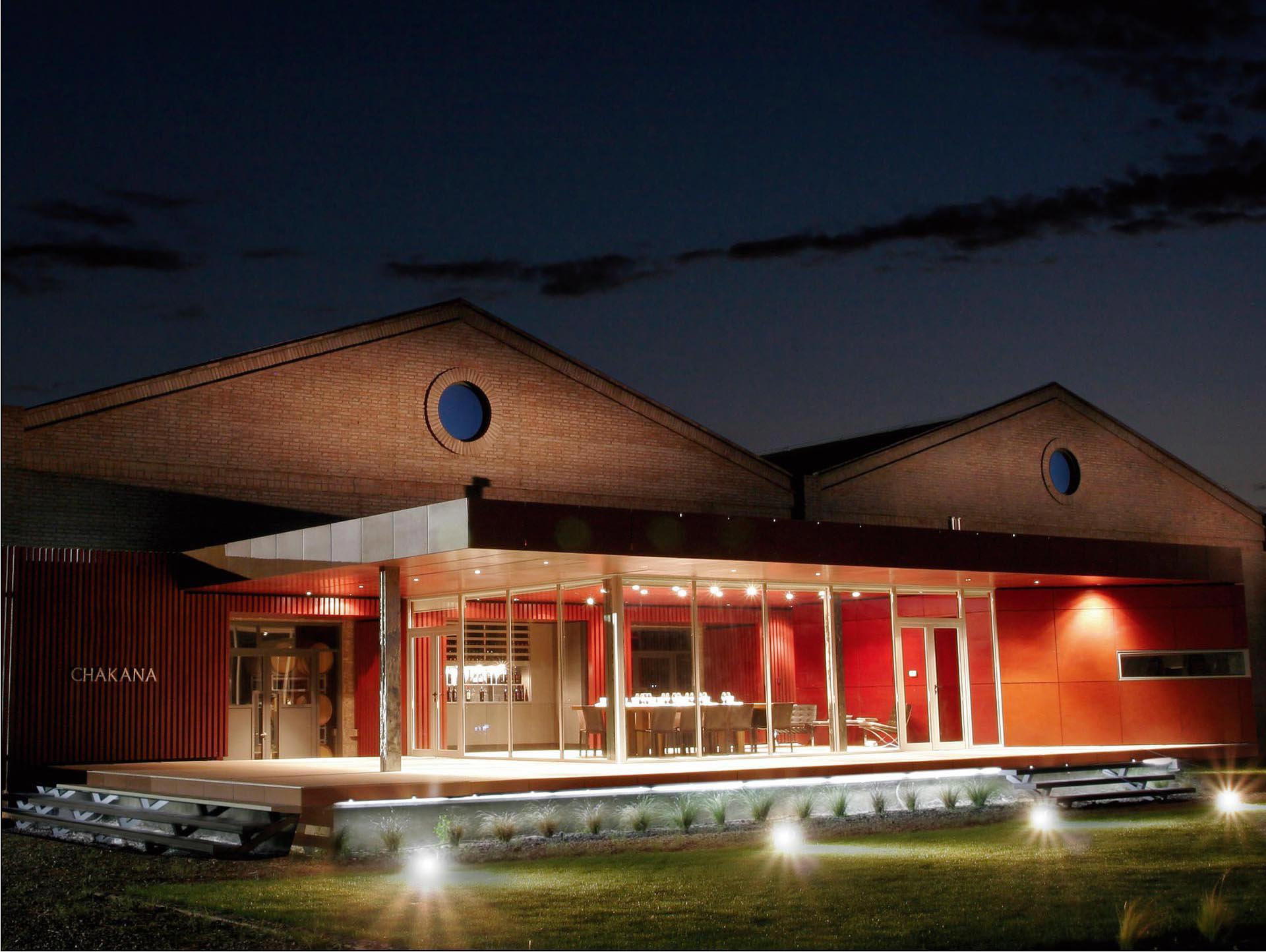
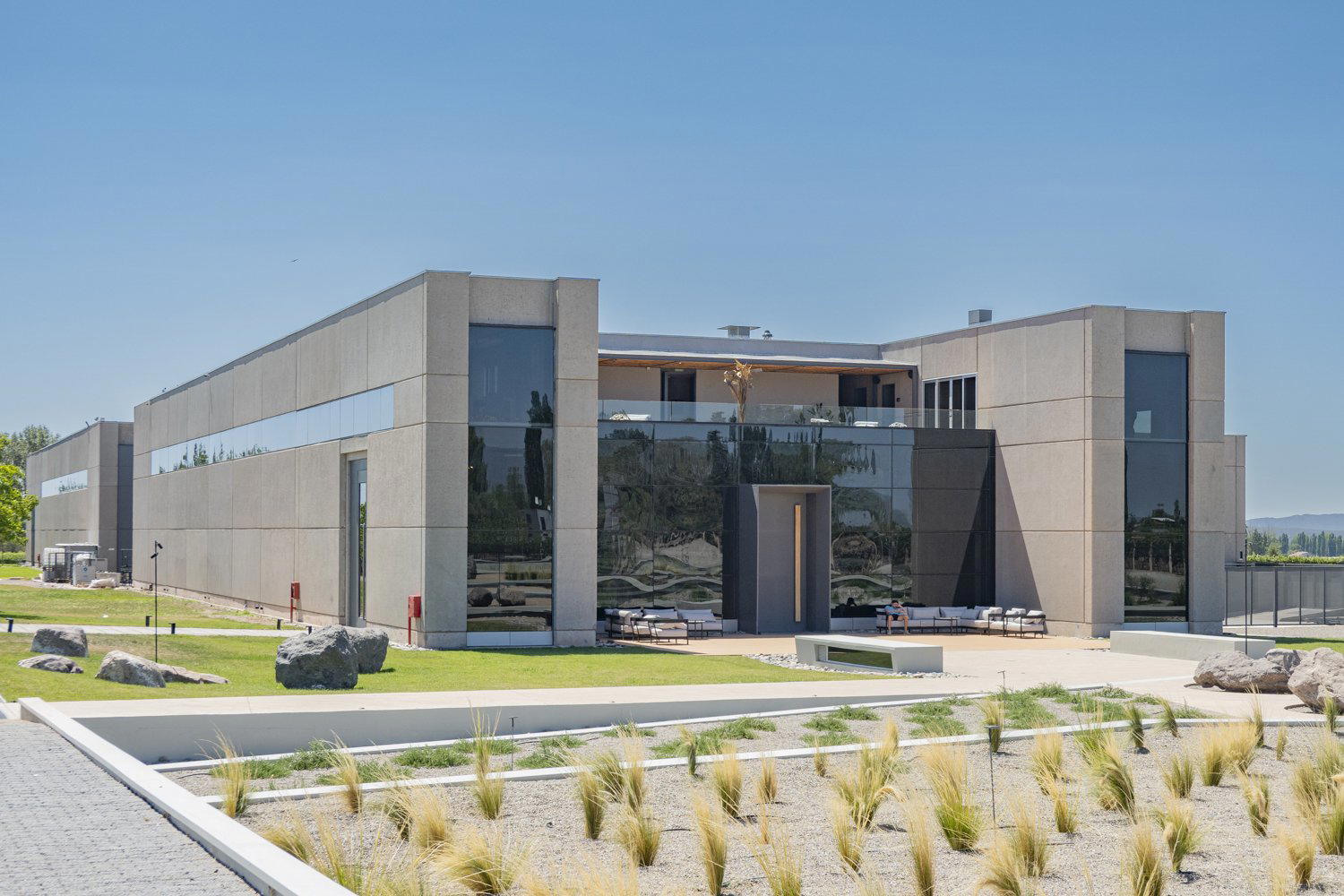
Elegant and inviting with ambient music, large windows offering panoramic views of vineyards, mountains, and organic garden, creating a sophisticated sensory experience.