Domaine Fontaine-Gagnard
The domaine sits within a peer group of family estates that collectively define the appellation's character, producing wines across premier and grand cru vineyards where the benchmark is set by terroir precision rather than production volume.

Pearl is the En Primeur Club membership app — saves, bookings, and concierge access live there. Same editors, same standards.
- Address
- 19 Rte de Santenay, 21190 Chassagne-Montrachet
- Phone
- +33 3 80 21 35 50
- Website
- domaine-fontaine-gagnard.com
- Directions
- Get directions
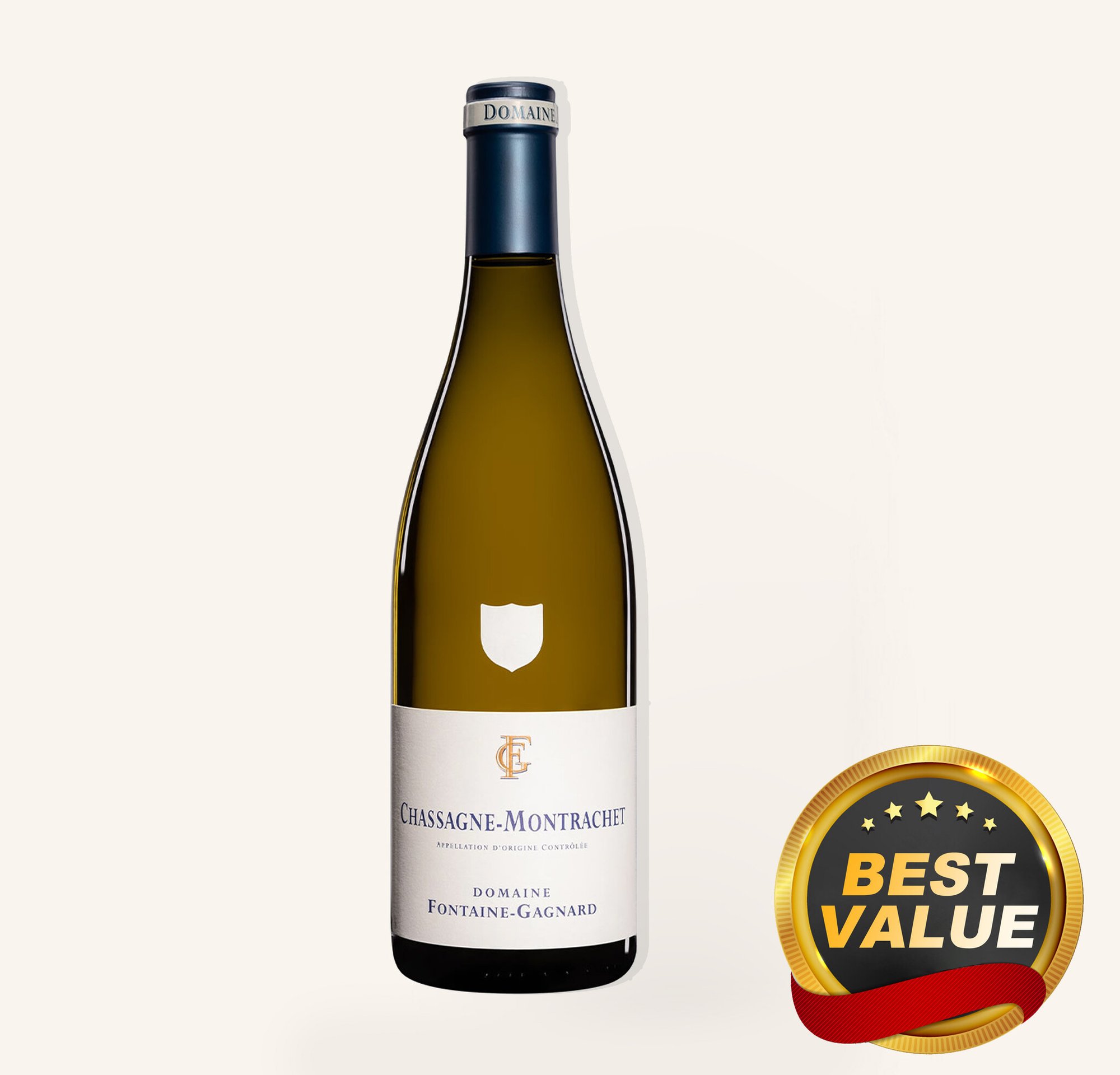
Where Chassagne-Montrachet's White Wine Identity Takes Shape
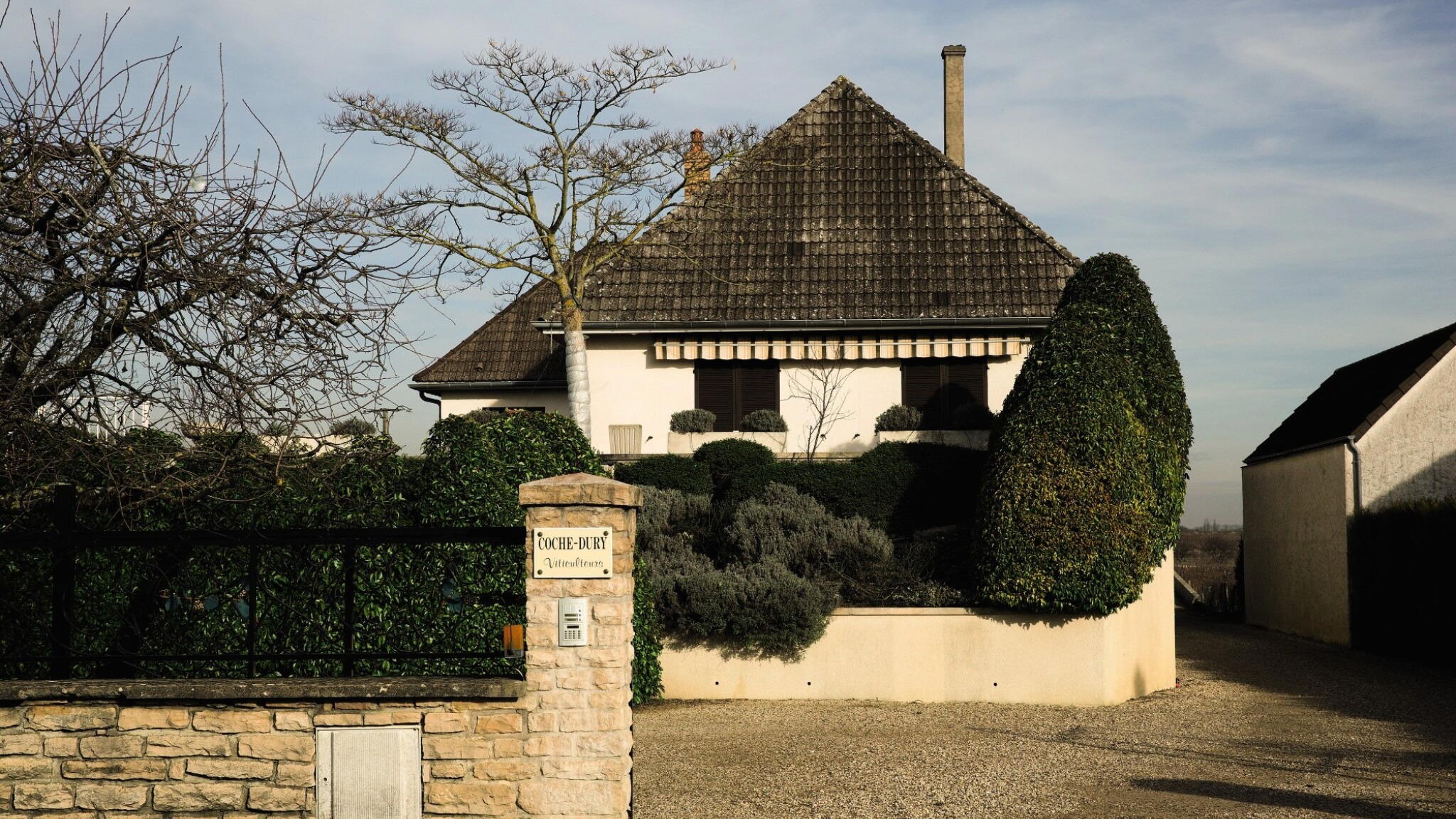
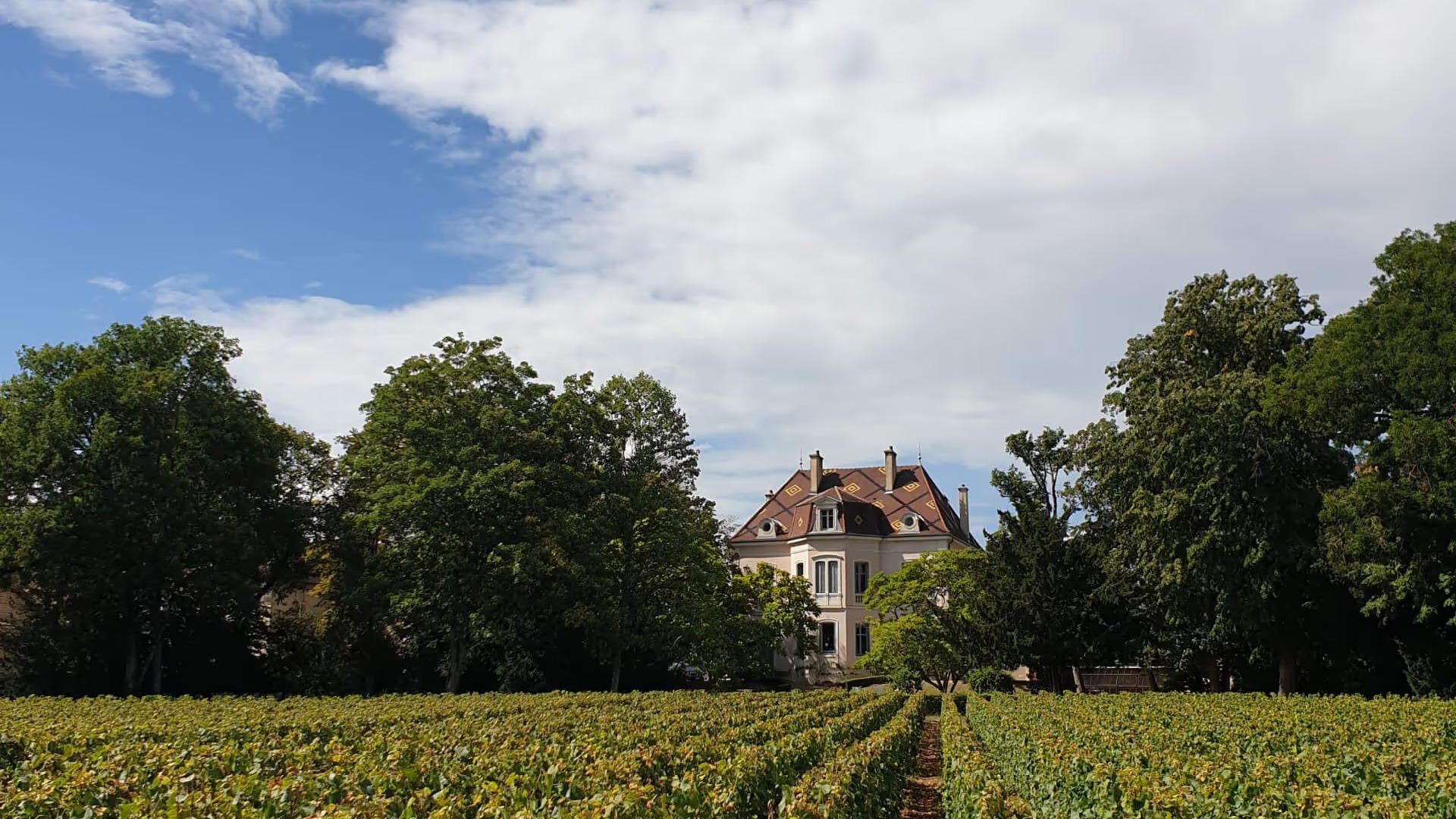
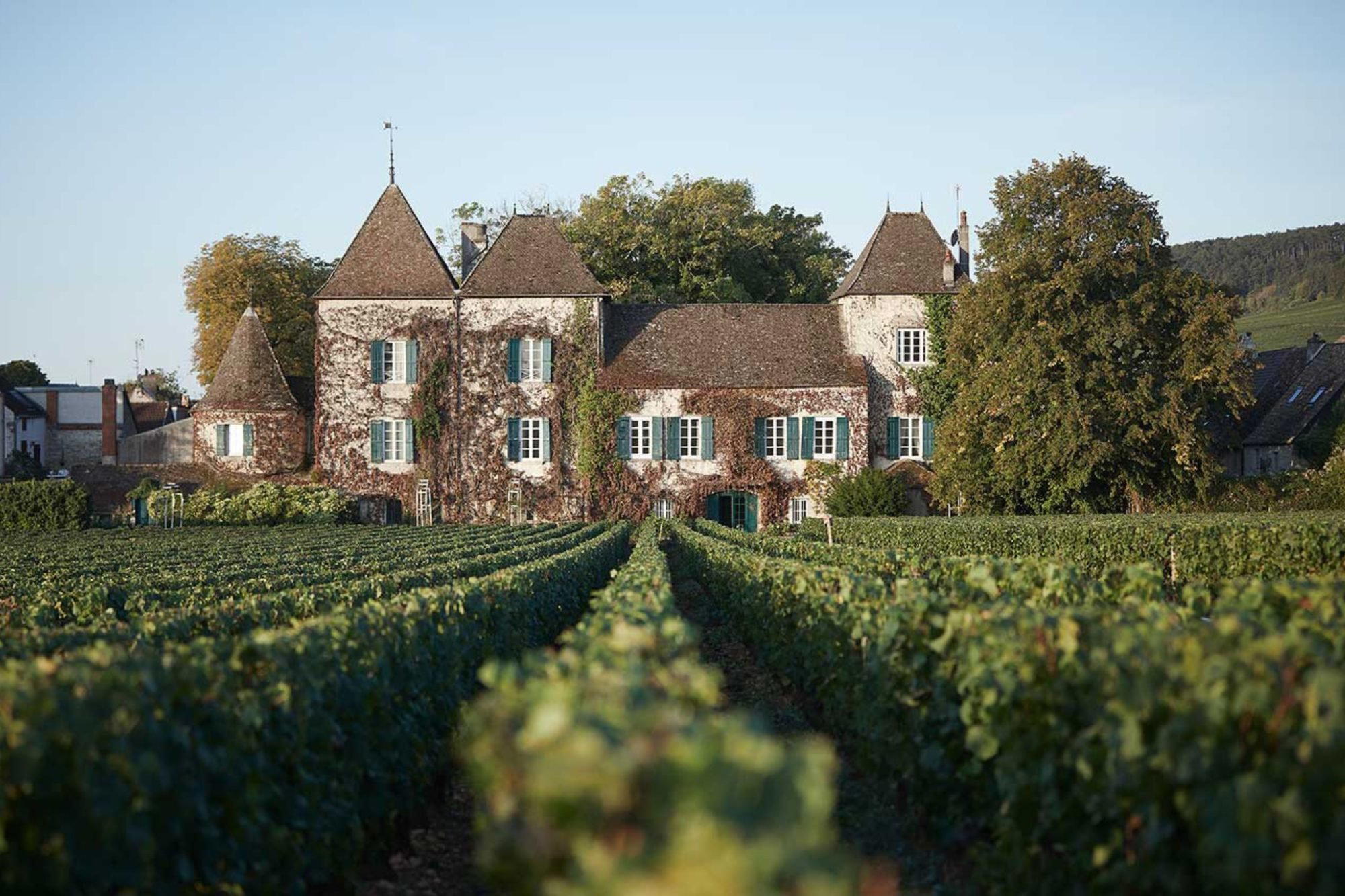
The village of Chassagne-Montrachet sits at the southern end of the Côte de Beaune, at a point where the limestone-clay soils shift in ways that have defined Chardonnay winemaking for centuries. Arriving along the Route de Santenay, the domaine's address at number 19 places it in the working heart of the village, among the family estates and stone-walled cellars that give Chassagne its character. This is not a wine region organised around visitor spectacle. The village's identity comes from the vineyards themselves, from the grands crus of Bâtard-Montrachet and Criots-Bâtard-Montrachet, from a dense network of premiers crus, and from the generational knowledge concentrated in a handful of family domaines that control those parcels.
That peer group includes names with long critical records: Domaine Ramonet, Domaine Pierre-Yves Colin-Morey, Domaine Jean-Marc Pillot, and Domaine Alex Moreau, each operating from the same village and drawing on similarly deep appellation roots. At this level of the market, the reference point for any wine is less about producer story and more about terroir precision: how faithfully does the wine translate the specific soil and exposition of each parcel?
The Winemaking Approach That Defines the Domaine
Chassagne-Montrachet's most respected producers share a general orientation toward restraint: careful yields, attentive cellar work, and a commitment to letting the vineyard parcels speak without heavy intervention. This is not a style born from fashion but from the logic of working with exceptional raw material. When a winemaker has access to premier and grand cru vines on the Côte de Beaune, the primary obligation is clarity, the kind that allows the minerality of Chassagne's limestone base and the tension of its Chardonnay to come through without distortion.
At Fontaine-Gagnard, the domaine's portfolio spans the full range of Chassagne appellation levels, from village wines through to premier cru parcels. This range matters because it allows a comparative reading of how the domaine interprets the same grape across different soil profiles and expositions. In Burgundy, the credibility of a producer is often assessed by exactly this: the ability to be consistent in approach while being transparent about difference in terroir.
The family estate model that Fontaine-Gagnard represents differs structurally from négociant houses. The domaine's holdings are its own, and the winemaking decisions, from harvest timing to élevage length, are made without the commercial pressure of sourcing fruit from multiple growers. That model, common to Domaine Simon Colin and other Chassagne family producers, gives the wines their coherence across vintages.
Chassagne-Montrachet in the Côte de Beaune Hierarchy
Understanding where Fontaine-Gagnard sits requires a clear sense of what Chassagne-Montrachet means within the broader Côte de Beaune structure. The village shares two of Burgundy's most celebrated white wine appellations with neighbouring Puligny-Montrachet: Le Montrachet and Bâtard-Montrachet straddle the village boundary, and Criots-Bâtard-Montrachet lies entirely within Chassagne. These grand cru vineyards set the ceiling against which all other Chassagne production is measured.
Below that ceiling, Chassagne's premier cru map is extensive: more than two dozen classified vineyard sites, each with its own soil composition and microclimate. The most traded names among collectors include La Boudriotte, Les Chenevottes, La Romanée, and Morgeot. A producer with credible premier cru holdings in Chassagne is operating in a market segment where bottles regularly trade above the village appellations of neighbouring communes.
For collectors and buyers who follow Burgundy across regions, the comparison set extends beyond Chassagne. Producers like Albert Boxler in Niedermorschwihr demonstrate how family domaines operating in tight appellation systems can achieve consistent critical recognition through generational terroir knowledge rather than expansion. The structural parallel is useful: both operate in villages where the vineyard name on the label carries more weight than the producer's marketing.
Visiting and Buying: What to Expect
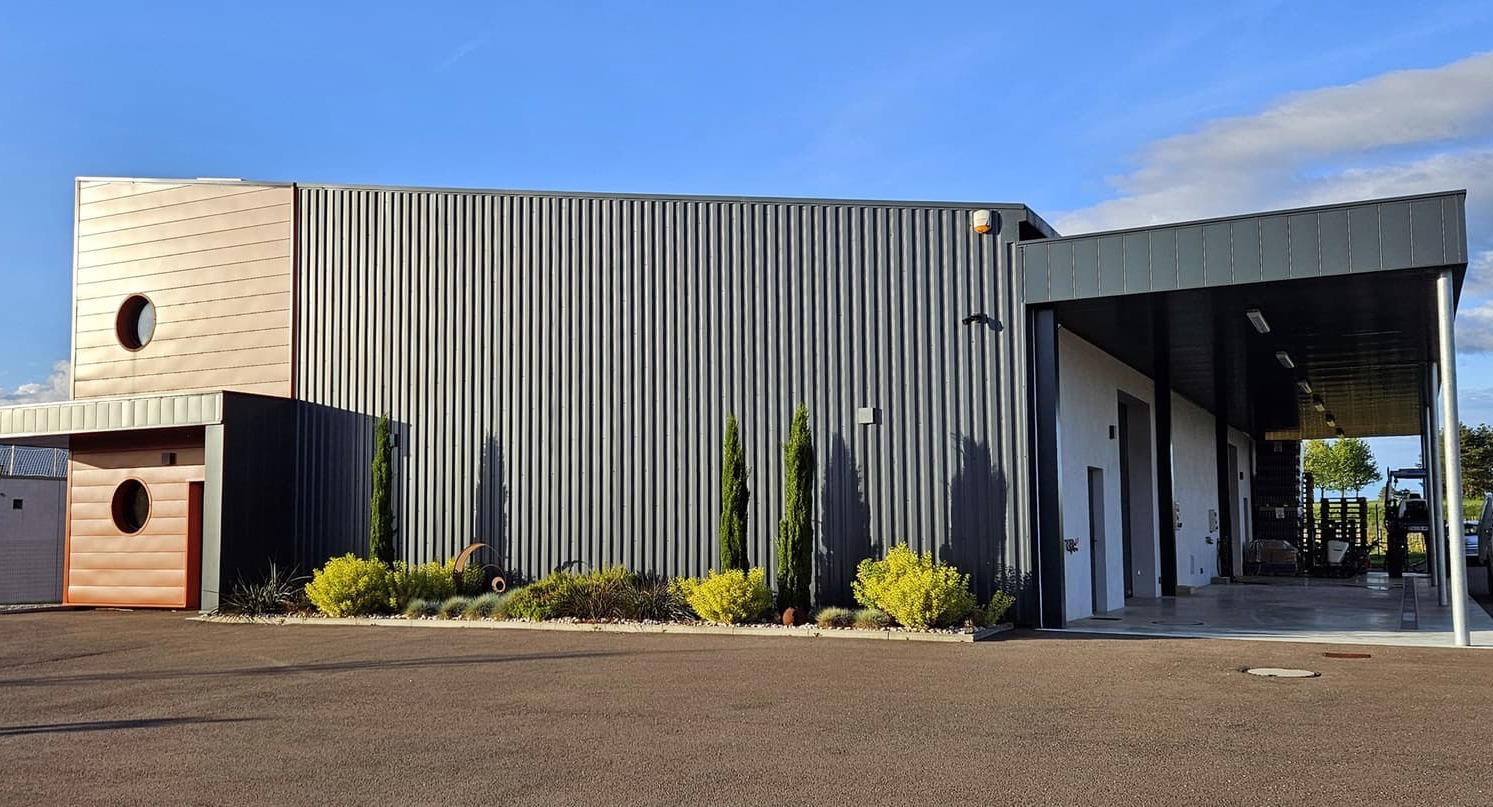
Chassagne-Montrachet is a working wine village, not a tourism infrastructure. Visitors arriving along the Route de Santenay will find that cellars here operate on appointment schedules and that the leading access typically comes through prior contact or through allocation relationships built over multiple vintages. The domaine's address at 19 Route de Santenay is in the village centre, accessible from Beaune by car in approximately twenty minutes along the N74 toward Chagny. The village itself has no major hotel infrastructure; most visitors base themselves in Beaune or in Meursault and travel south for appointments.
Buyers seeking allocation access would typically approach through a négociant relationship or directly through the domaine by prior arrangement. Releases follow the Burgundy calendar, with wines generally reaching merchant lists twelve to eighteen months after harvest. For those building a cellar focused on Chassagne-Montrachet, positioning within the allocation networks of family domaines at this level requires planning ahead of each vintage cycle.
For a broader orientation to what the village and its producers offer, our full Chassagne-Montrachet guide maps the key producer relationships, appellation boundaries, and the tier structure that separates village, premier cru, and grand cru production. Understanding that map is the practical starting point for any serious engagement with Chassagne wines.
Among other French producers holding comparable prestige-tier recognitions, Château Bélair-Monange in Saint-Emilion and Château Branaire Ducru in St-Julien represent the Bordeaux equivalents of that standing, while Château Batailley in Pauillac and Château Boyd-Cantenac in Cantenac occupy a similar position within their respective classification tiers. Beyond France, producers such as Accendo Cellars in St. Helena and Château Bastor-Lamontagne in Preignac show how prestige-tier recognition functions across different regulatory and stylistic contexts. For those whose collections extend to spirits and liqueurs, Chartreuse in Voiron and Aberlour in Aberlour represent parallel cases of production defined by place and tradition rather than volume.
Price and Positioning
Comparable venues nearby, for context on price, style, and recognition.
| Venue | Cuisine | Price | Awards | Notes |
|---|---|---|---|---|
| Domaine Fontaine-GagnardThis venue — the venue you are viewing | Not listed | Not listed | Not listed | Not listed |
| Domaine Pierre-Yves Colin-Morey | Not listed | Not listed | Michelin 1 Grape · Falstaff Winery - 4 Stars | Chassagne-Montrachet, Chardonnay, Pinot Noir |
| Domaine Alex Moreau | Not listed | Not listed | Michelin Main Selection | Chassagne-Montrachet, Chardonnay, Pinot Noir |
| Domaine Ramonet | Not listed | $150–200 | Michelin Main Selection · Falstaff Winery - Listed | Chassagne-Montrachet, Chardonnay, Pinot Noir |
| Domaine Simon Colin | Not listed | Not listed | Not listed | Chassagne-Montrachet, Chardonnay, Pinot Noir |
| Domaine Leflaive | Puligny-Montrachet, Chardonnay | Not listed | Michelin 2 Grapes · Falstaff Winery - 5 Stars | Not listed |
Continue exploring
More in Chassagne-Montrachet
Wineries in Chassagne-Montrachet
Browse all →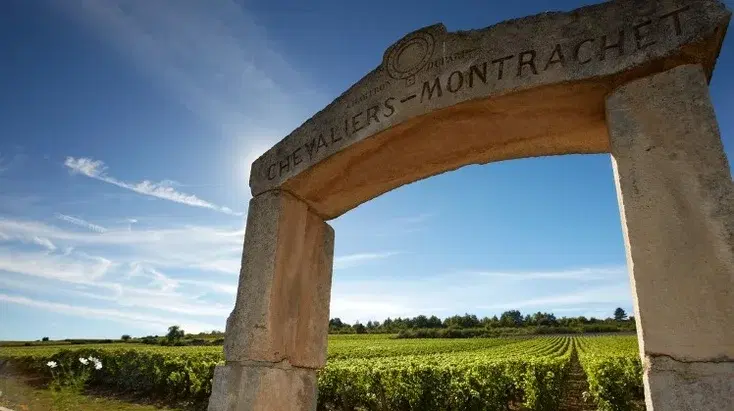
Bars in Chassagne-Montrachet
Browse all →
Restaurants in Chassagne-Montrachet
Browse all →
Details
- Elegant
- Sophisticated
- Classic
- Intimate
- Wine Education
- Special Occasion
- Cave Tasting
- Vineyard Tour
- Vineyard
- Chardonnay
- Pinot Noir
- Still White
- Cave Tasting