
1 Michelin Star
Our verdict
A Michelin-starred address on Place Carnot, Le Carmin has held its star through 2024 and 2025 under chef Christophe Quéant, placing it firmly in Beaune's small tier of destination fine dining. The cooking sits in the modern French register, precise enough to attract serious visitors yet rooted enough to hold a loyal local following. Book ahead, especially during harvest season.

Pearl is the En Primeur Club membership app — saves, bookings, and concierge access live there. Same editors, same standards.
- Address
- 4 Pl. Carnot, 21200 Beaune, France
- Phone
- +33 3 80 24 22 42
- Hours
- Mon ClosedTue 7–8:30 PMWed–Fri 12–1:15 PM, 7–8:30 PMSat 12–1:15 PM, 7–8:45 PMSun Closed
- Website
- restaurant-lecarmin.com
- Directions
- Get directions
- Booking
- Book on the venue's website
The menu
What to order
- Sole fillets with mushrooms
- Madagascan vanilla soufflé
- Foie gras
- Pigeon
A Square That Sets the Tone
Place Carnot is one of those Burgundian squares that does its work quietly. The Wednesday and Saturday markets pull in producers from across the Côte d'Or, the surrounding streets funnel visitors arriving from the Hôtel-Dieu, and by evening the square settles into something more composed. Le Carmin sits within this rhythm, its address on the place giving it a visibility that many of Beaune's fine dining addresses, tucked into side streets and walled courtyards, deliberately avoid. Arriving here, you are already oriented: this is Beaune operating at its most confident, a town that takes its position at the centre of one of France's greatest wine regions seriously and expects its restaurants to match.
Where Le Carmin Sits in Beaune's Fine Dining Tier
Beaune's upper restaurant tier is small and specific. The town draws a sophisticated visitor base — négociants, collectors, wine journalists, and the kind of traveller who plans itineraries around the Burgundy harvest calendar — and its Michelin-starred addresses reflect that. Le Carmin holds a one-star rating, confirmed in both the 2024 and 2025 Michelin guides, which places it alongside a handful of peers operating at this level in and around the appellation. Among the town's most serious kitchens, you will find Clos du Cèdre and L'Expression in a comparable price and ambition bracket, while Garum and L'Alentour occupy different points on the formality spectrum. L'Écusson rounds out the group of addresses worth considering seriously when building a Beaune itinerary.
What distinguishes Le Carmin's position within this set is the retention of the star across consecutive guide cycles. A single award can reflect a kitchen at a particular moment; two consecutive years signals consistency, and in Michelin's logic, consistency is the harder credential to earn. Chef Christophe Quéant's kitchen has managed that, which matters more to the regulars who return here than any single exceptional meal might.
The Regulars' Logic
The audience that returns to a place like Le Carmin is not primarily chasing novelty. Beaune's steady trade in serious visitors means the dining room will always contain first-timers, but the core of a Michelin-starred address in a wine-focused market town tends to be built on people who return seasonally: the négociant families who have been dining here for years, the international buyers who time annual visits around the Vente des Vins at the Hospices de Beaune in November, the couple from Lyon who makes the drive twice a year because the combination of kitchen and cellar justifies it.
For this audience, what builds loyalty is rarely spectacle. In a region where the wine almost always outpoints the food, a restaurant that treats the cellar as a co-equal to the kitchen rather than an afterthought occupies a different position in a regular's mental hierarchy.
Le Carmin's modern cuisine classification places it in a specific culinary register: French technique applied with contemporary restraint rather than the classical weight of a traditional Burgundian table. For the regulars, this matters because it means the kitchen is capable of evolving without abandoning the legibility that makes a meal here feel like a coherent statement rather than an experiment. The broader modern French tradition, visible at addresses ranging from Alléno Paris au Pavillon Ledoyen in Paris to Flocons de Sel in Megève, has increasingly moved toward technique in service of ingredient clarity rather than technique as demonstration. A kitchen that holds its Michelin star across two guide cycles in a market as wine-literate as Beaune is one that has resolved that question to its guests' satisfaction.
The Wider Context: Burgundy's Dining Expectations
Eating well in Burgundy comes with a particular set of pressures that don't apply in the same way elsewhere in France. The wine is so dominant in the region's identity that food risks becoming a supporting act. The restaurants that avoid this trap do so by committing to a similar level of rigour in the kitchen as the leading producers apply in the vineyard: obsessive sourcing, seasonal discipline, and a refusal to over-engineer what good ingredients already offer.
That tradition runs deep. The lineage of serious French cooking from kitchens like Paul Bocuse - L'Auberge du Pont de Collonges in Collonges-au-Mont-d'Or and Troisgros - Le Bois sans Feuilles in Ouches to destination addresses like Bras in Laguiole and Mirazur in Menton has shaped what serious diners expect from French fine dining: a relationship between land, season, and plate that feels inevitable rather than constructed. In Burgundy specifically, this expectation is sharpened by the fact that the same seasonal logic governs the vineyards and the kitchen, harvest, terroir, and the specific year all matter equally in both contexts.
Internationally, the modern cuisine template has also been adapted with considerable sophistication in other markets, as kitchens like Frantzén in Stockholm and FZN by Björn Frantzén in Dubai demonstrate. But in Beaune the standard of comparison remains resolutely local and regional: what does this kitchen do with Burgundy's larder, and does it earn a seat at the same table as the wines it is asked to accompany?
Timing and Planning
Beaune has enough at different price points, from the traditional cooking at L'Écusson to the more casual registers available across town, that a €€€€ meal here is a deliberate choice rather than a default.
Seasonality governs the calendar in ways that are worth understanding before you book. The Hospices de Beaune wine auction in mid-November is the most compressed and competitive period; the town fills with buyers, producers, and press, and a Michelin-starred table on Place Carnot will be among the first reservations to close. Spring and early autumn offer the combination of cooler temperatures, peak seasonal produce, and slightly more availability, though Beaune's Michelin-level restaurants never have much slack in the schedule. For the regulars, the autumn visit carries its own logic: the harvest energy in the air and the new-vintage conversations that run through every table in every serious dining room in the Côte d'Or.
Le Carmin's address at 4 Place Carnot puts it within easy walking distance of Beaune's central hotels and the Hôtel-Dieu. For broader orientation across the town's eating, drinking, and staying options, our full Beaune restaurants guide maps the range. For wine-focused excursions beyond the table, our full Beaune wineries guide and our full Beaune experiences guide cover the wider itinerary. If you are building a longer stay, our full Beaune hotels guide and our full Beaune bars guide complete the picture.
What to Eat at Le Carmin
Le Carmin's kitchen operates in the modern French register under chef Christophe Quéant, who has delivered consecutive Michelin-starred results in 2024 and 2025, the back-to-back recognition being the most reliable public signal of what to expect. Without specific menu data to draw from, the most useful guidance is structural: the modern cuisine format in a Burgundy fine dining context means seasonal menus built around the region's produce, composed with contemporary technique and designed to move with the wine list rather than against it. In practical terms, this is a kitchen where the sommelier conversation is worth having before you order, where the menu progression is built to accommodate serious bottles, and where restraint on the plate is a considered position rather than a limitation.
Frequently asked questions
What should I eat at Le Carmin?
Le Carmin operates in the modern French register under chef Christophe Quéant, who has maintained a Michelin star across both 2024 and 2025. The kitchen draws on Burgundy's produce tradition, which in this region means serious seasonal sourcing from one of France's most scrutinised food and wine corridors. At the €€€€ price point, expect a structured tasting format rather than à la carte flexibility. Specific dishes rotate with the season, so the most reliable approach is to book and let the current menu dictate the direction.
What price level is Le Carmin?
Pricing at Le Carmin is listed as €€€€.
Nearby-ish Comparables
| Venue | Cuisine | Price | Awards | Notes |
|---|---|---|---|---|
| Le CarminThis venue — the venue you are viewing | Modern French Gastronomic | $150–200 | 1 Michelin Star | Not listed |
| Caves Madeleine | Modern French Bistro | $50–100 | Michelin Plate | Wine Bar, Modern Cuisine |
| Le Bénaton | Modern French with Japanese Influences | $50–100 | Michelin Plate | French, Modern Cuisine |
| Clos du Cèdre | Modern French Burgundian Fine Dining | $150–200 | 1 Michelin Star | Modern Cuisine |
| 8 Clos | Modern Burgundian Bistro | $100–150 | Michelin Plate | Traditional Cuisine |
| Bistro de l'Hôtel | Traditional Cuisine | Not listed | Not listed | Not listed |
Recognition history
Dated appearances from independent guides and award organizations, with the underlying list record or original source where available.
Michelin 1 Star
Michelin
Full recognition history (3 entries)
Michelin 1 Star
Michelin
Michelin 1 Star
Michelin
Continue exploring
More in Beaune
Restaurants in Beaune
Browse all →
Bars in Beaune
Browse all →
Hotels in Beaune
Browse all →
Details
- Elegant
- Intimate
- Cozy
- Sophisticated
- Classic
- Date Night
- Special Occasion
- Business Dinner
- Open Kitchen
- Historic Building
- Standalone
- Extensive Wine List
- Natural Wine
- Sommelier Led
- Local Sourcing
- Street Scene
- Tasting Menu
- A La Carte
- Prix Fixe
- Wine
Current opening hours
- Monday
- Closed
- Tuesday
- 7–8:30 PM
- Wednesday
- 12–1:15 PM, 7–8:30 PM
- Thursday
- 12–1:15 PM, 7–8:30 PM
- Friday
- 12–1:15 PM, 7–8:30 PM
- Saturday
- 12–1:15 PM, 7–8:45 PM
- Sunday
- Closed
Hours can change for holidays and private events. Last verified .
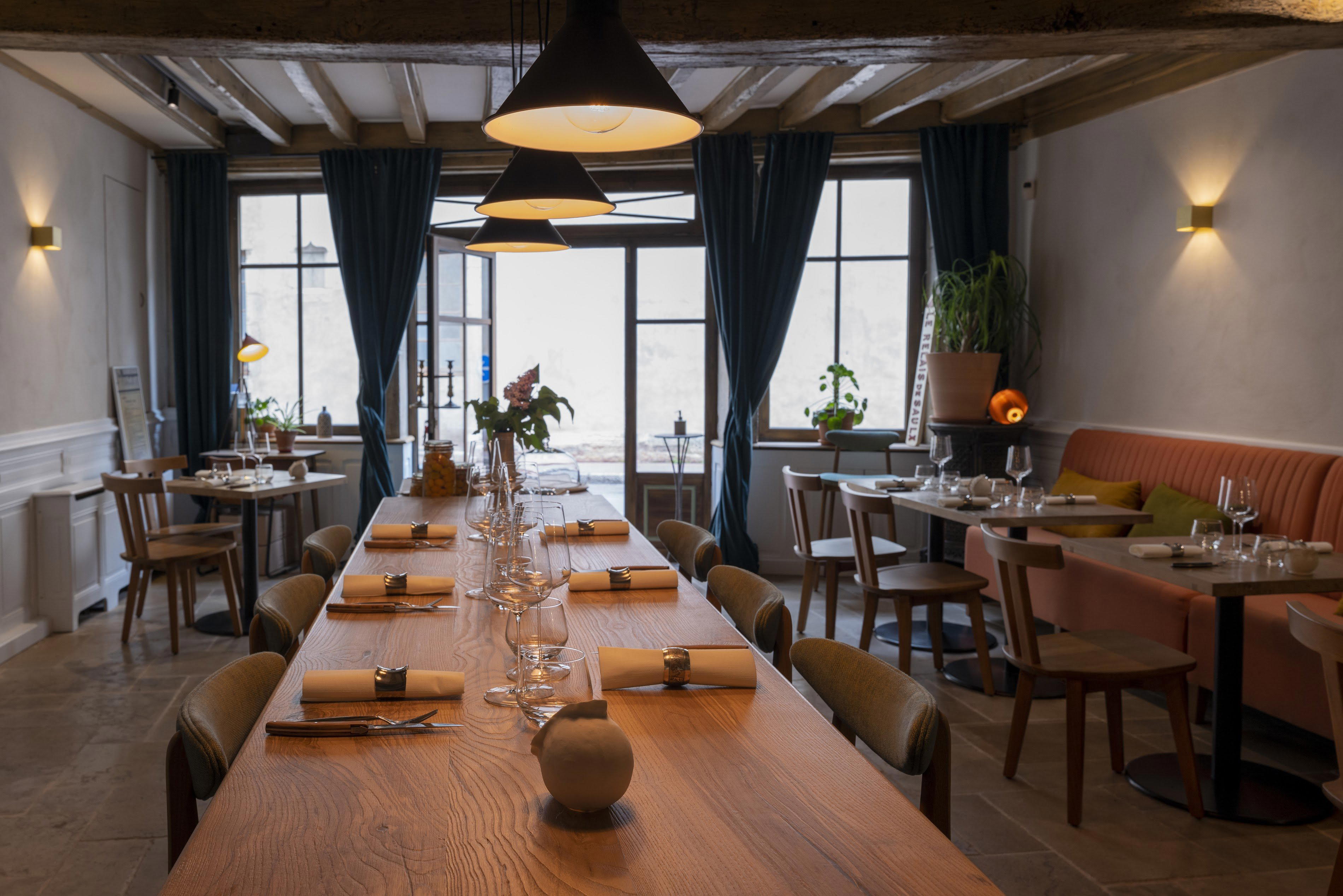
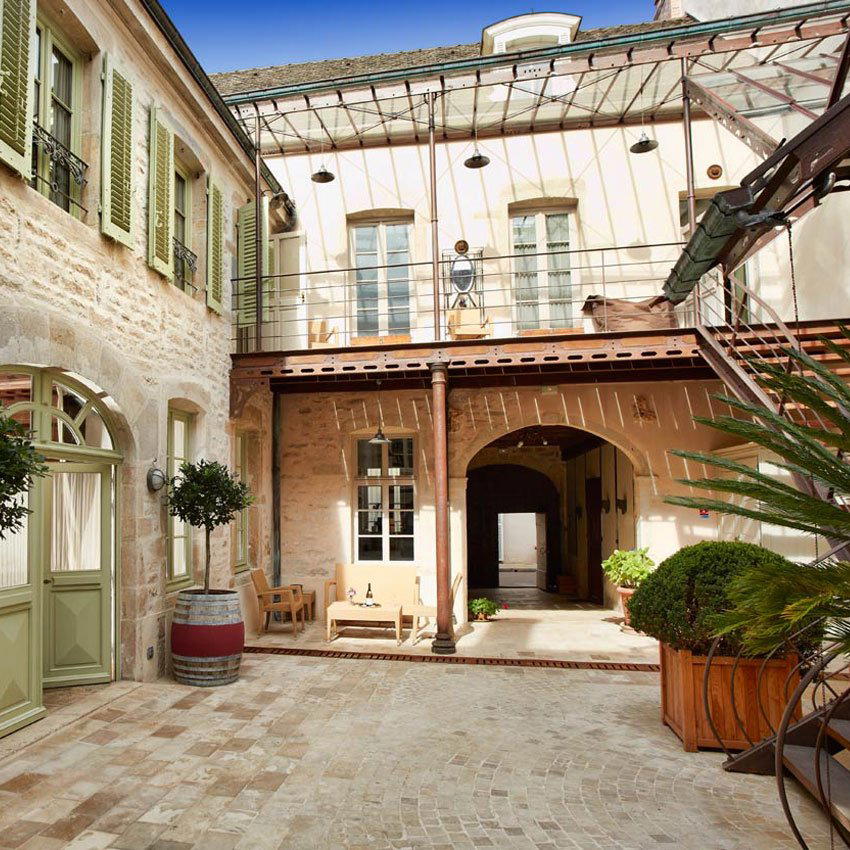
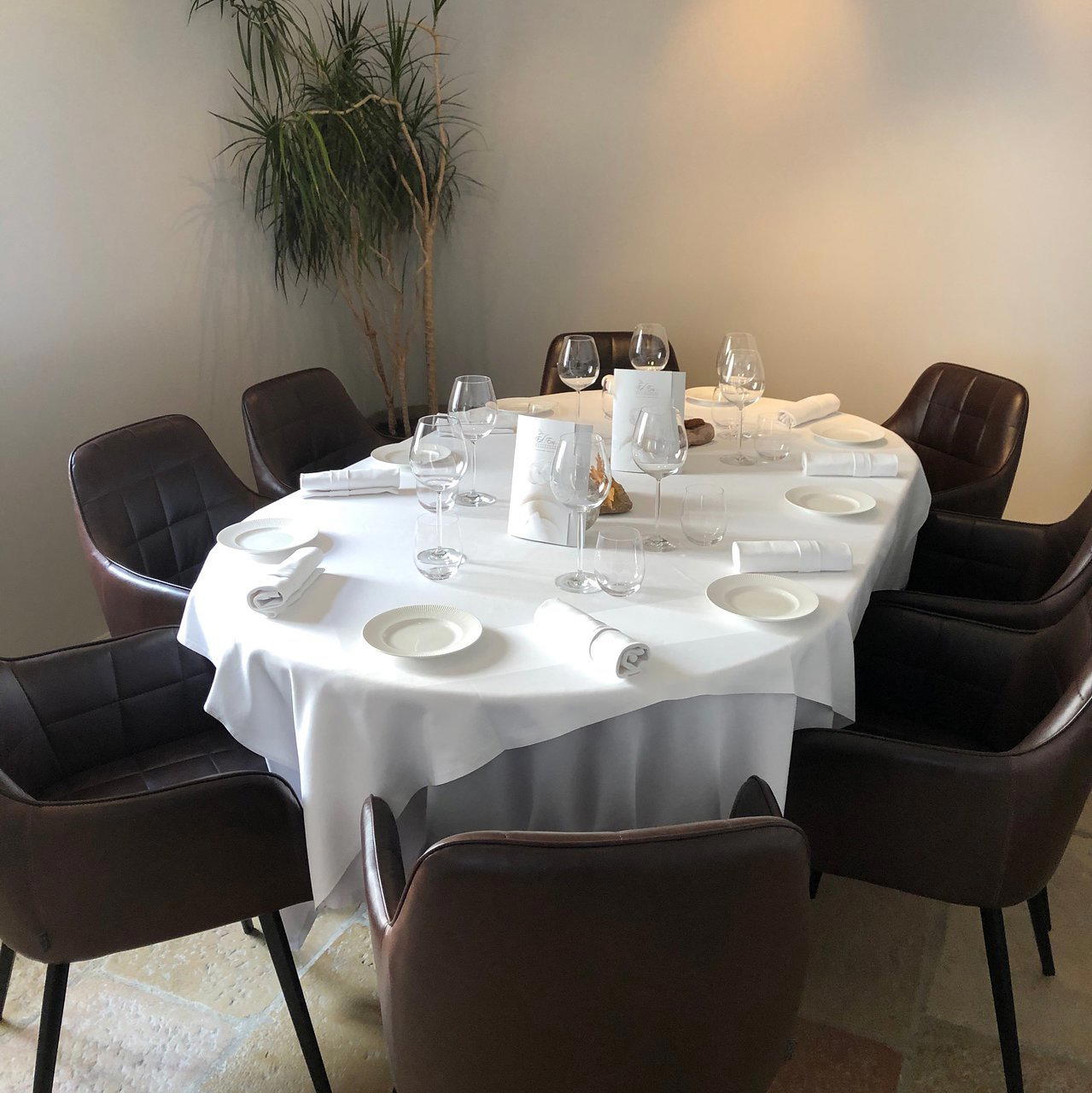
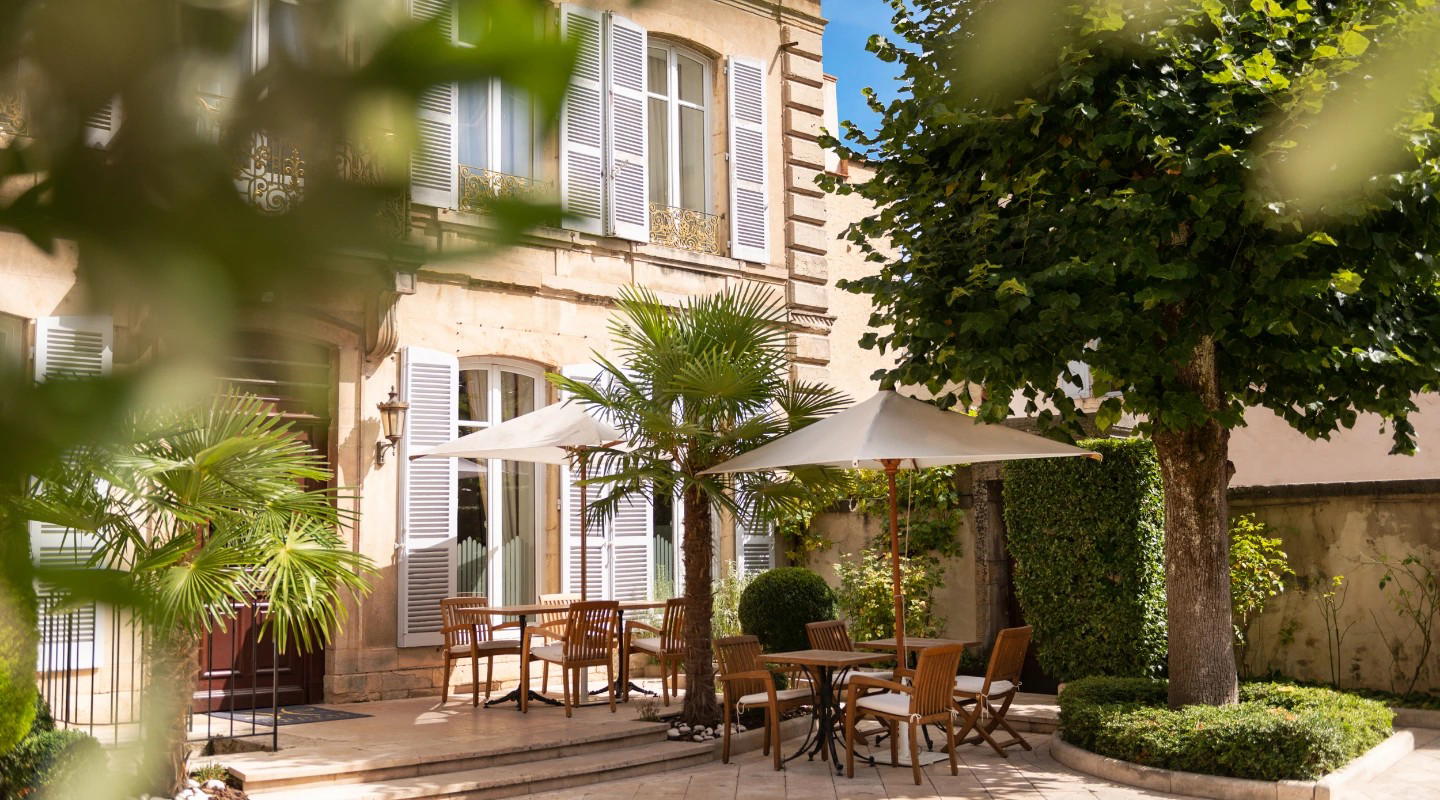
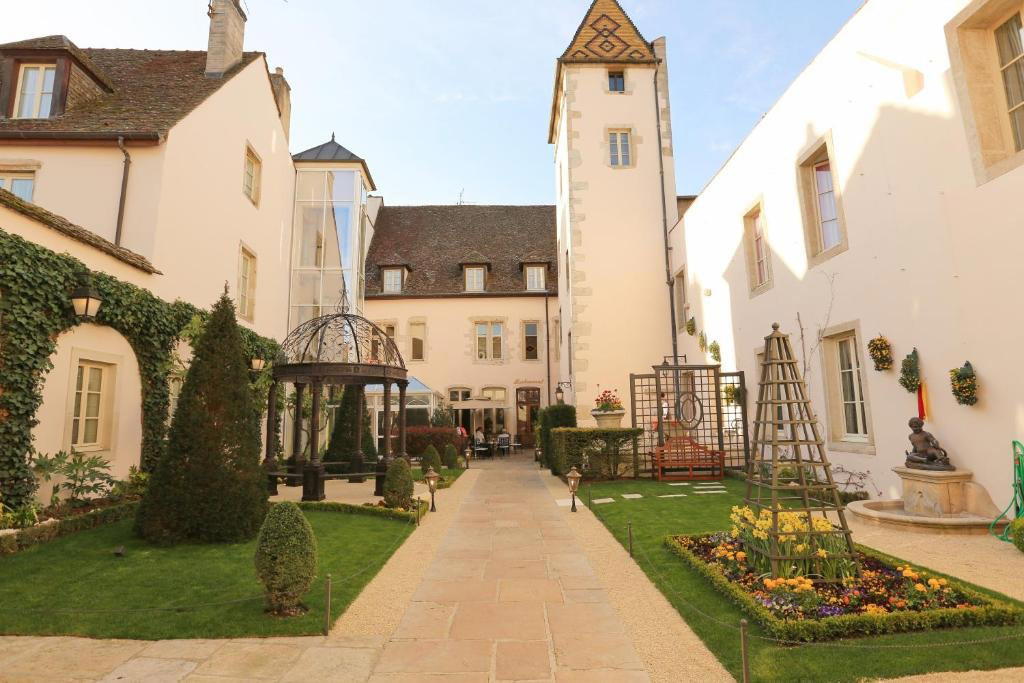
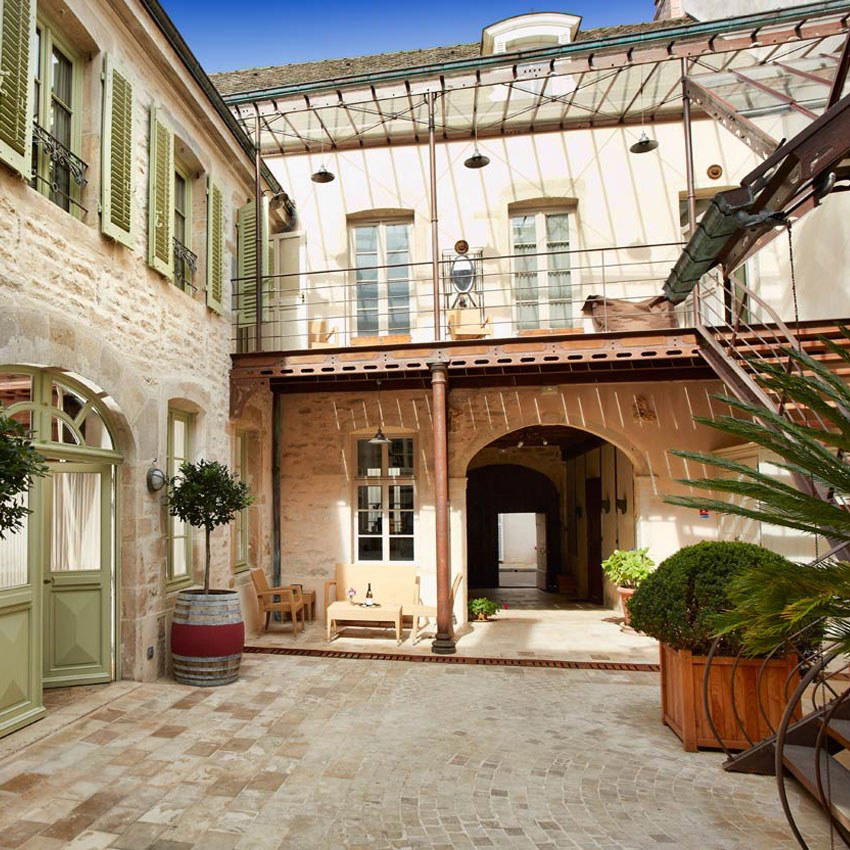
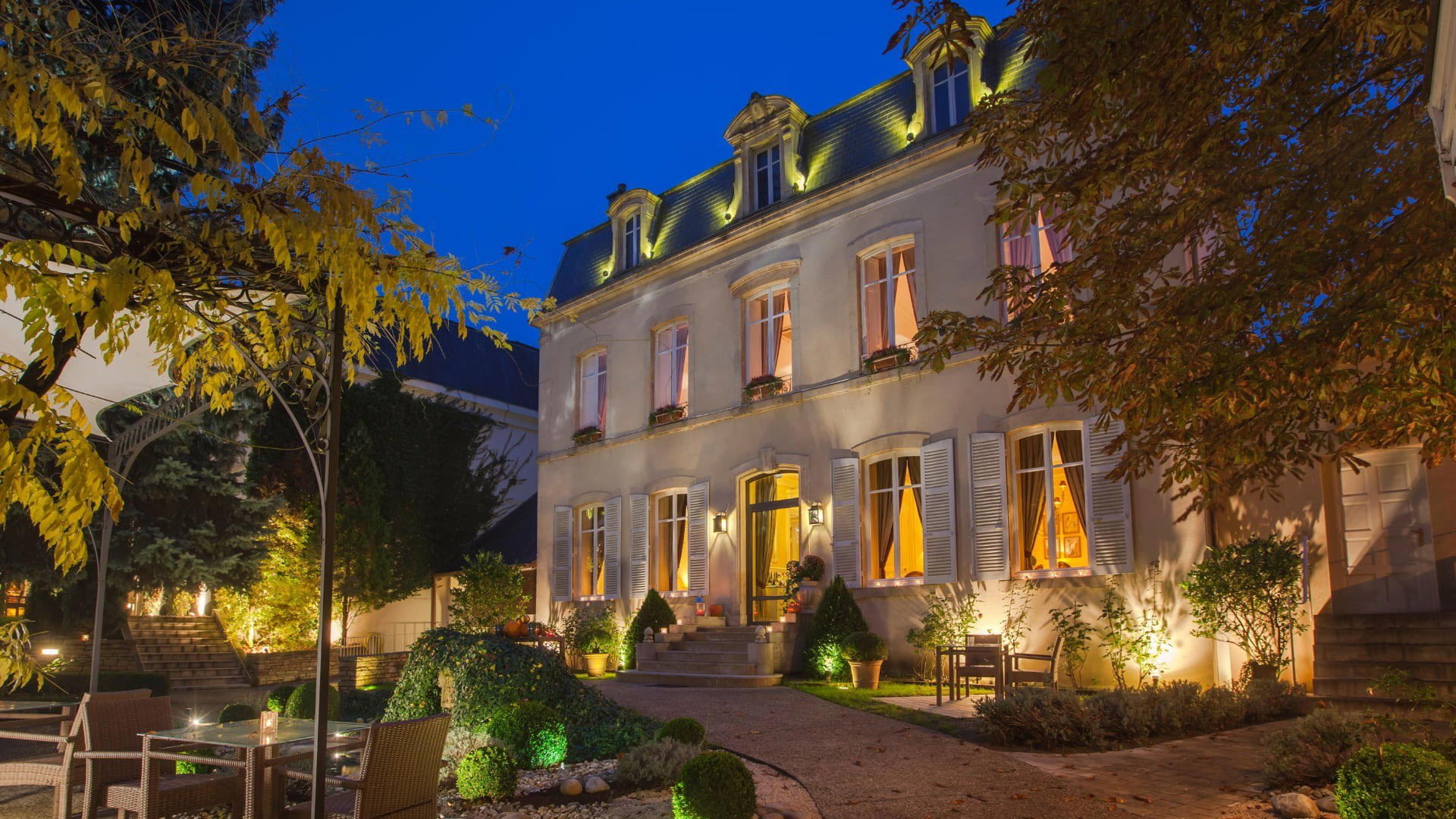
Refined intimate setting with light-toned decor, beige color scheme, exposed stonework, zen sober and luminous atmosphere described as a cocoon of serenity.