
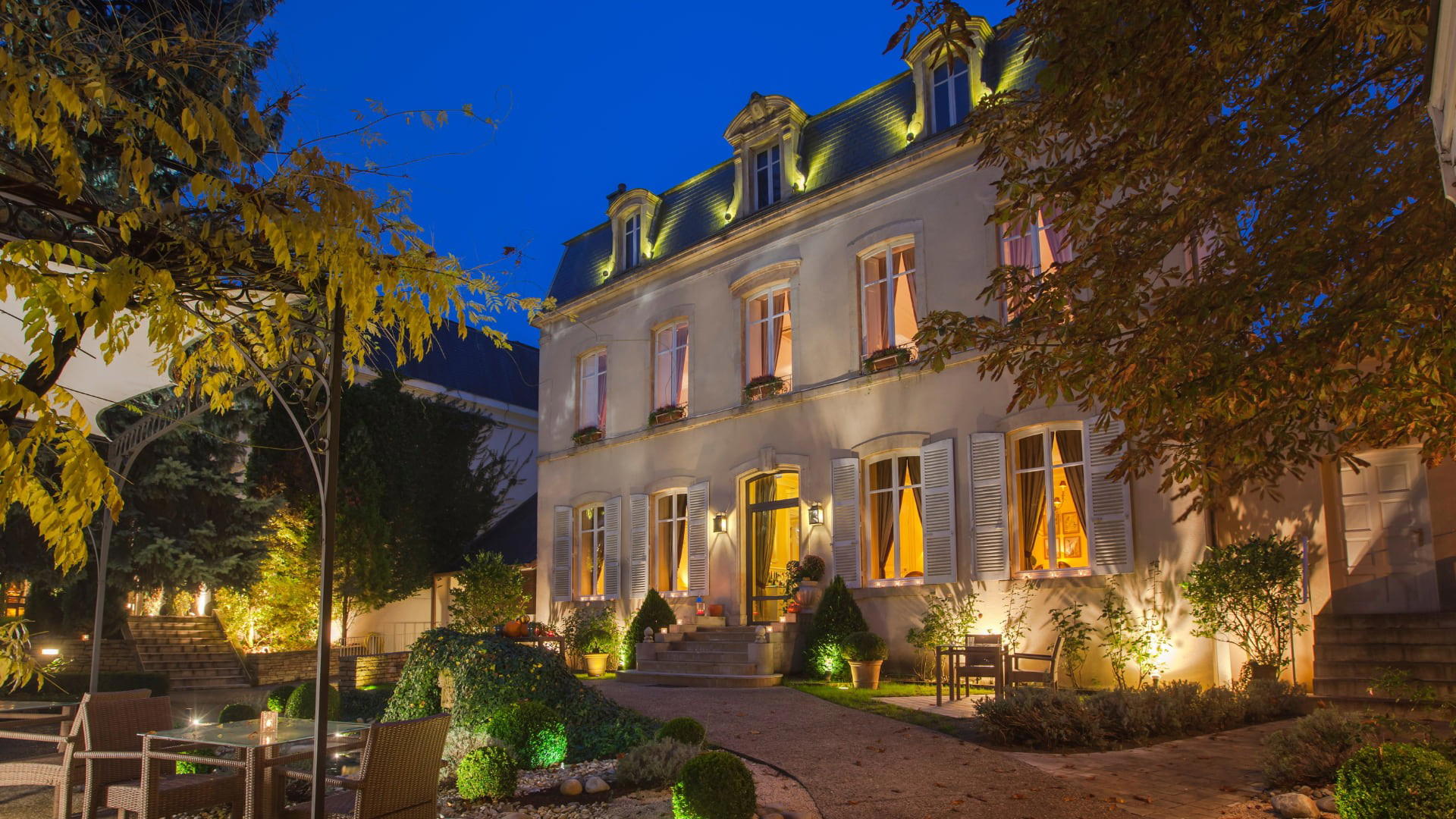
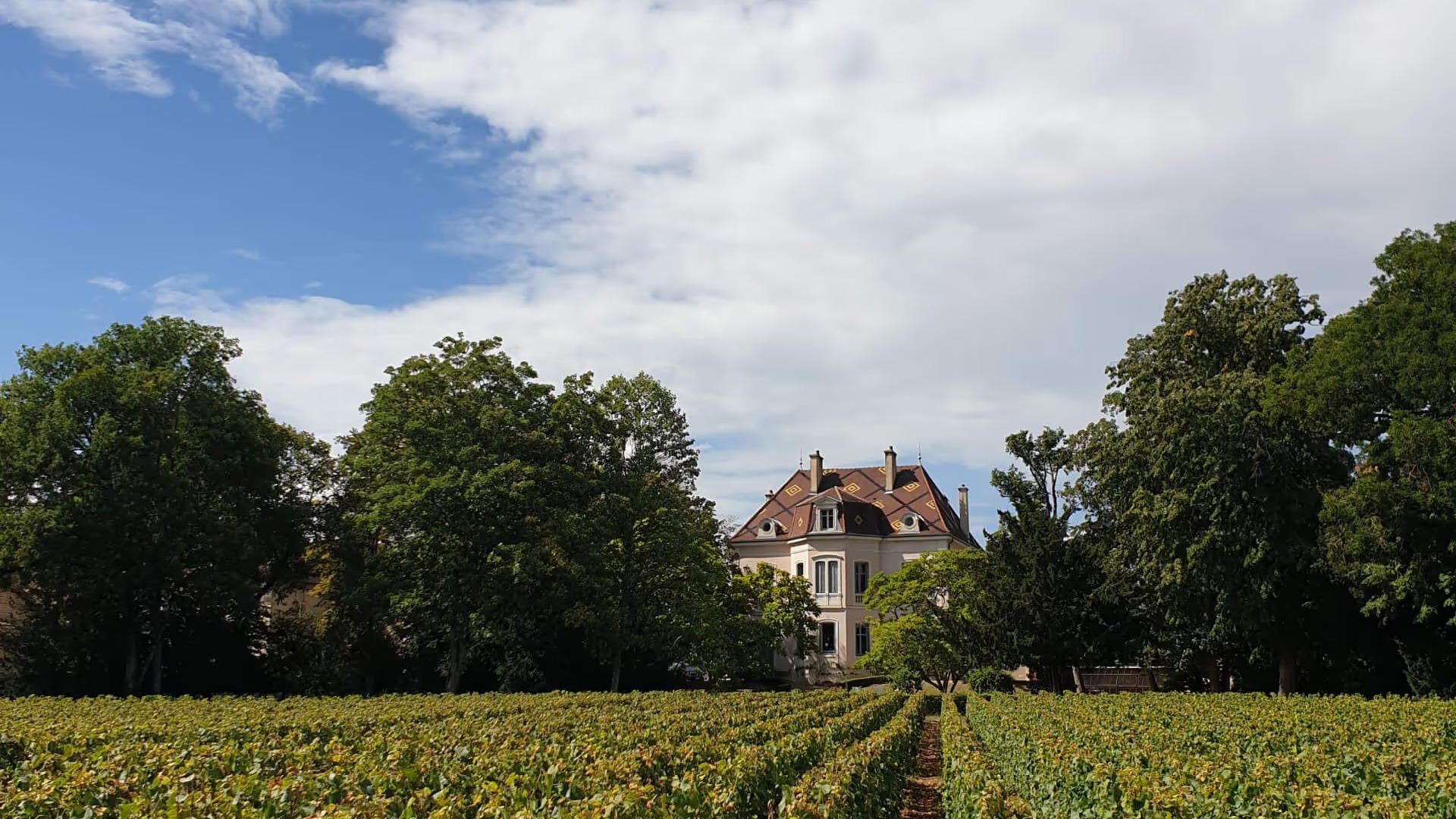
A Michelin Selected property on the village edge of Pommard, Le Clos du Colombier occupies a traditional Burgundian estate where stone architecture and vineyard proximity define the stay. For travellers using accommodation as a base for Côte de Beaune exploration, its position in one of the appellation's most recognised villages is the central argument for booking.
Pearl is the En Primeur Club membership app — saves, bookings, and concierge access live there. Same editors, same standards.
- Address
- 1 Rue du Colombier, 21630 Pommard, France
- Phone
- +33 3 80 22 00 27
- Website
- closducolombier.com
- Directions
- Get directions
 Saves & bookings on Pearl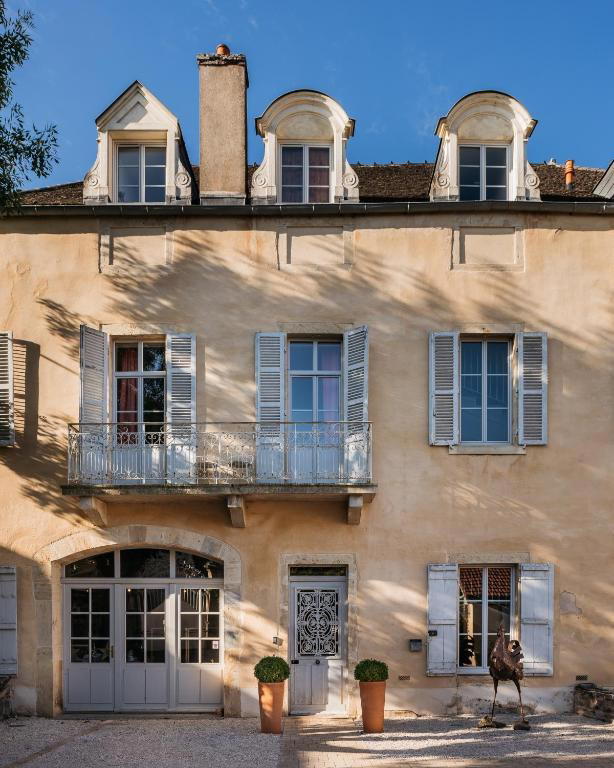
Stone, Silence, and the Logic of Pommard
The Côte de Beaune has a particular way of organising its accommodation. Villages like Beaune, Meursault, and Pommard have long attracted visitors who want proximity to the vineyards rather than distance from them, and the properties that succeed in this corridor tend to share an architectural grammar: Burgundian limestone, enclosed courtyard geometry, and a deliberate quietness that signals the stay is about the surrounding appellation, not the property itself. Le Clos du Colombier, a hotel in Pommard, sits at 1 rue du Colombier and carries a 2025 MICHELIN Selected designation. Its address places it at the edge of one of Burgundy's most closely studied villages, where the grand cru logic of the Côte runs through the soil under the surrounding walls.
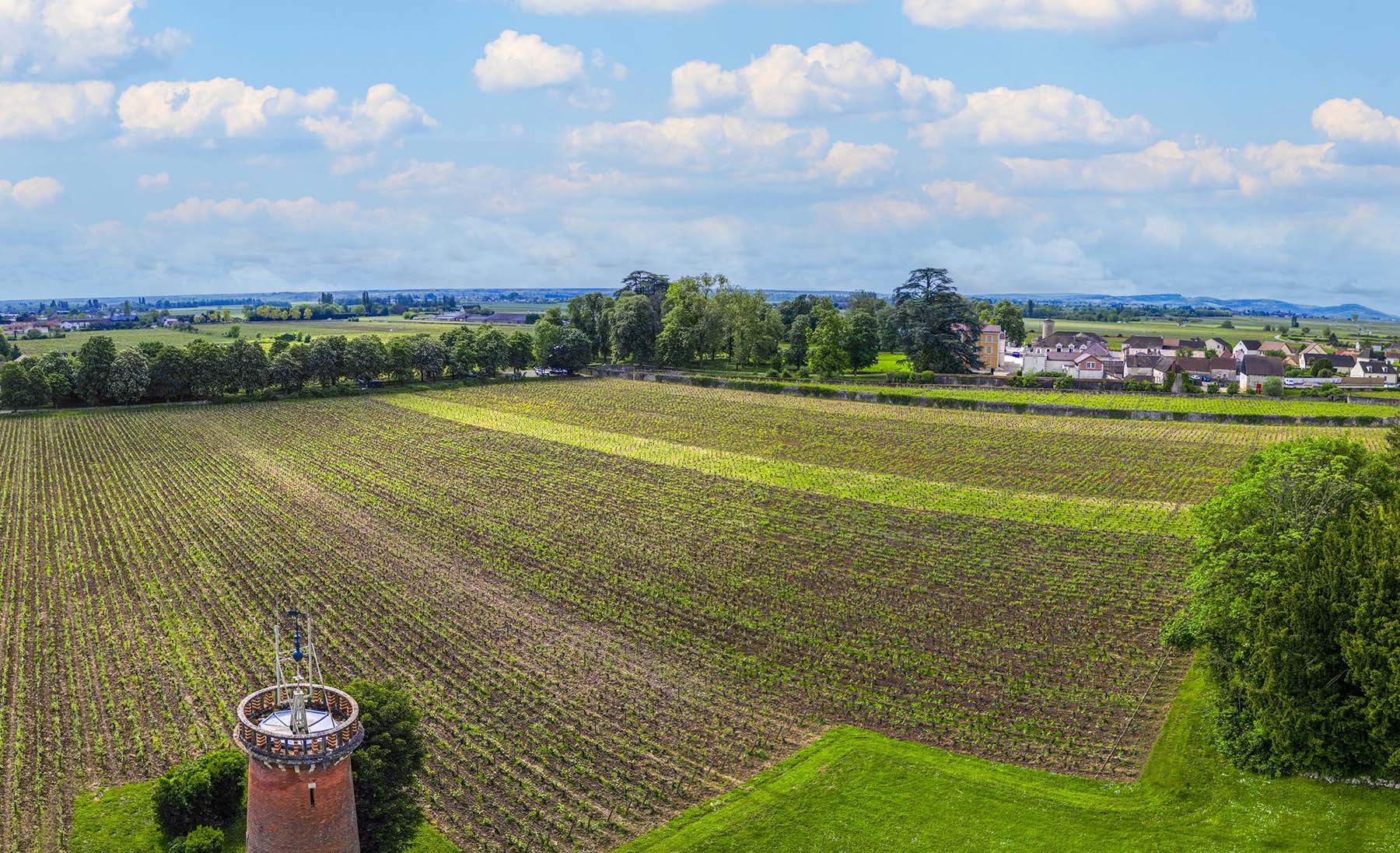
Pommard itself is a compact commune, walkable in under twenty minutes from one edge to the other, and its international reputation rests almost entirely on its wines rather than its infrastructure. That context matters when assessing what a property here offers. You are choosing it because the vineyards that produce some of the region's most structured Pinot Noir are immediately outside the door, and a stay here means the winery visits, walking the parcels between Rugiens and Epenots, and the evening light over the Côte become the texture of the trip.
The Architecture of a Burgundian Clos
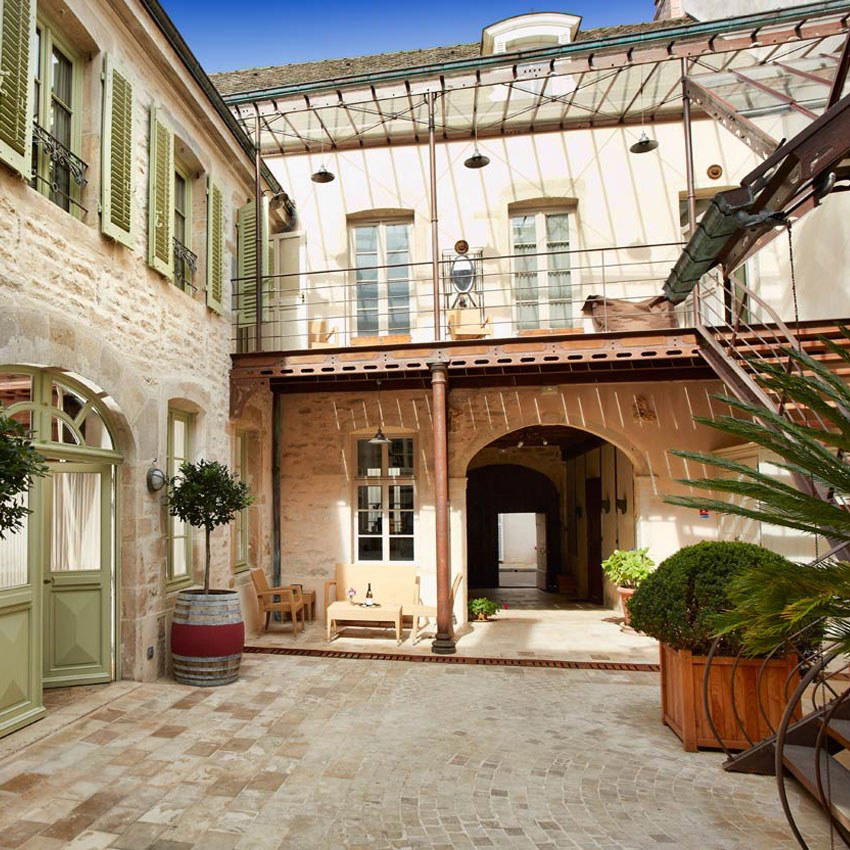
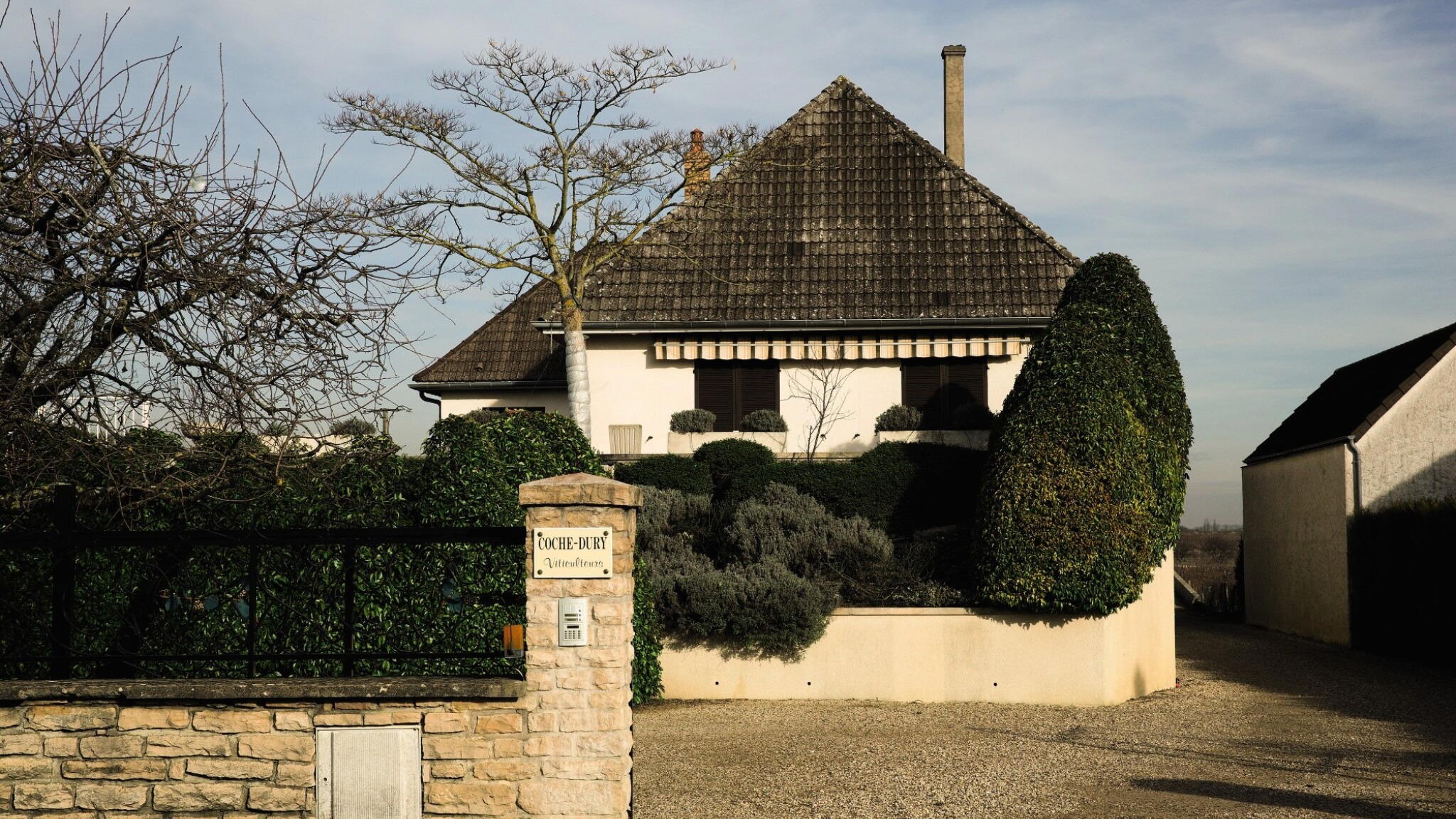
The clos typology is central to Burgundy's built identity. Enclosed by stone walls, these former religious or domaine properties were designed to separate and define parcels, and the same enclosing logic carried over into residential and estate architecture across the region. A property bearing the clos designation in its name operates inside that reading: the walls are not decorative but structural to the spatial experience, creating an interior world that reads as separate from the lane outside while remaining embedded in the village fabric.
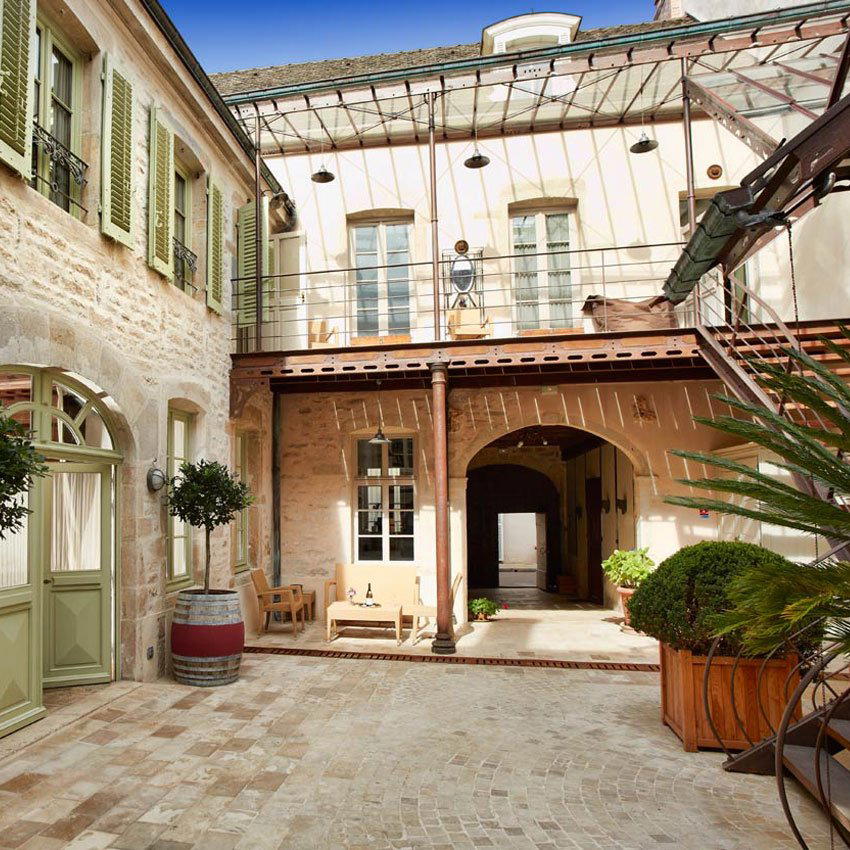
Burgundian estate properties in this register tend to favour material continuity over renovation spectacle. The stone used in the Côte de Beaune is the same limestone that underlies the vineyards, and buildings that use it without extensive surface treatment carry an authentic material relationship to the place that imported materials or contemporary cladding cannot replicate. The visual temperature of these spaces, the pale ochre of the stone against grey shutters and the deep green of courtyard planting, is consistent across well-preserved properties in Beaune, Volnay, and Pommard, and it is this consistency that gives the region its architectural coherence rather than any single landmark.
For comparable approaches to wine-region accommodation in France where architecture and appellation identity are deliberately fused, properties like Les Sources de Caudalie in Bordeaux and Royal Champagne Hotel & Spa in Champillon represent the more developed spa-and-resort end of that spectrum. Le Clos du Colombier operates at the smaller, quieter end, where the estate scale and the village address are the primary assets. Within Pommard specifically, Château la Commaraine represents the alternative format, a château property with its own vineyard identity.
Michelin Selection and What It Signals Here
Le Clos du Colombier carries a MICHELIN Selected designation in the 2025 Michelin Hotels guide. In the Michelin hotel framework, Selected status sits below the Passions and Keys tiers but represents a positive editorial endorsement, a property the inspectors found worth including on the basis of quality, character, or both. In a village like Pommard, where accommodation options are limited and the alternatives are largely chambres d'hôtes without any formal recognition, a Michelin Selected property occupies a distinct position in the local tier. It is the credential that separates this from an unvetted rural rental, not from a palace hotel.
That framing matters for how you assess the stay. Travellers expecting the infrastructure of a Le Bristol Paris or the design programme of a Hotel Du Cap-Eden-Roc are working in the wrong register. The appropriate comparison set is the wider category of Burgundy estate stays: properties in Meursault, Chassagne-Montrachet, and the villages of the Côte de Nuits that offer architectural character and appellation proximity as their primary value proposition. Against that set, the Michelin selection confirms Le Clos du Colombier meets a credible quality threshold.
Using Pommard as a Base
The practical logic of staying in Pommard rather than Beaune involves a trade-off that most visitors only fully understand on arrival. Beaune, eight kilometres to the south, has the restaurants, the wine bars, the weekly market, and the Hospices auction infrastructure. Pommard has the vines. Staying in the village means the first walk of the morning can be through the Rugiens or Pézerolles parcels before breakfast, which is a different kind of access to the appellation than driving in from a larger town.
The Côte de Beaune wine route connects Pommard to Volnay to the south and Beaune to the north by road and by foot path, and the pattern of most visits is a mix of domaine appointments, walking the appellation boundaries, and evening meals in Beaune. This rhythm suits a smaller, quieter property with genuine village embeddedness more than it suits a larger resort format. For full programme coverage of what to do during a stay in the area, the dining and visiting options across the commune and its immediate neighbours are best explored separately.
Travellers building a longer France itinerary around this type of stay might consider bookending with properties in other wine or heritage regions. The Provence end of the spectrum runs through Villa La Coste in Le Puy-Sainte-Réparade, Baumanière Les Baux-de-Provence, and La Bastide de Gordes. Normandy offers La Ferme Saint-Siméon in Honfleur. Loire Valley travellers might consider Château du Grand-Lucé. For coastal French properties, La Réserve Ramatuelle, The Maybourne Riviera in Roquebrune-Cap-Martin, Casadelmar in Porto-Vecchio, and Hôtel du Palais in Biarritz each occupy distinct coastal registers. Mountain alternatives include Le K2 Palace in Courchevel and Four Seasons Megève. In Champagne, Domaine Les Crayères in Reims offers a comparable estate-in-an-appellation format with considerably more dining infrastructure. For wider France context, the Riviera is also covered through Château de la Chèvre d'Or in Èze and Le Negresco in Nice. International alternatives for travellers comparing wine-region or château stays against urban palaces include Hôtel de Paris Monte-Carlo, Badrutt's Palace Hotel in St. Moritz, and The Fifth Avenue Hotel in New York City. Cognac travellers should note Hôtel Chais Monnet & Spa as a comparable French spirits-region conversion property, and Hôtel & Spa du Castellet for Provence with more resort infrastructure.
Planning a Stay
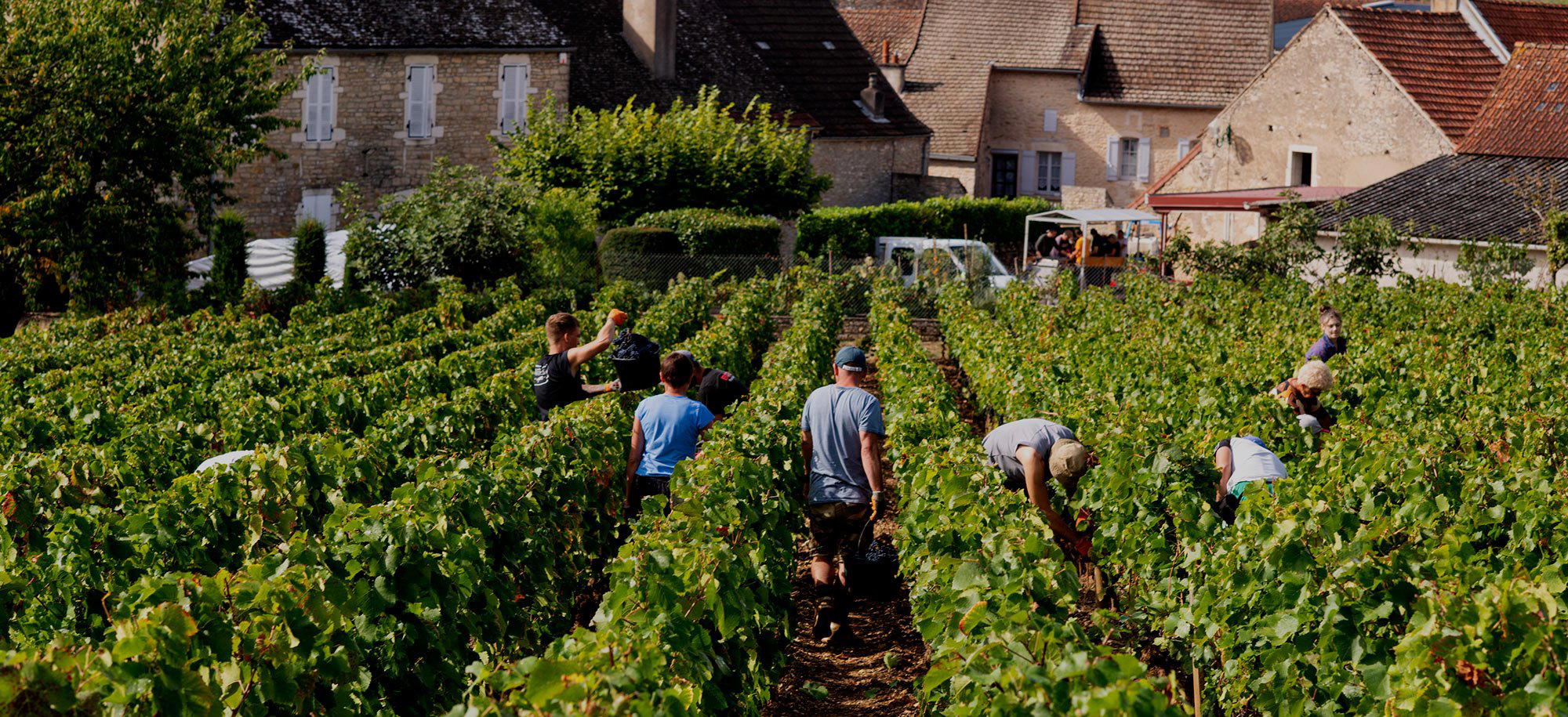
Pommard's main visiting season tracks with Burgundy's harvest and trade calendar. September and October bring greater activity, with domaine visits in highest demand and the village lanes busy with négociants and collectors. Spring, particularly April through June, offers a quieter window with the vines in early growth and the same architectural and landscape character without the autumn congestion. Booking for harvest period should be treated as a priority decision made well in advance; accommodation in the village is limited by the commune's size, and Michelin-endorsed properties fill across the season.
Quick Comparison
Comparable venues nearby, for context on price, style, and recognition.
| Venue | Cuisine | Price | Awards | Notes |
|---|---|---|---|---|
| Le Clos du ColombierThis venue — the venue you are viewing | Refined historic maison d'hôtes with chic, peaceful comfort embodying Burgundy spirit. | $$$$ | Not listed | Not listed |
| Château la Commaraine | Historic château blending Burgundian heritage with contemporary luxury | $$$$ | 5-Star | Pommard |
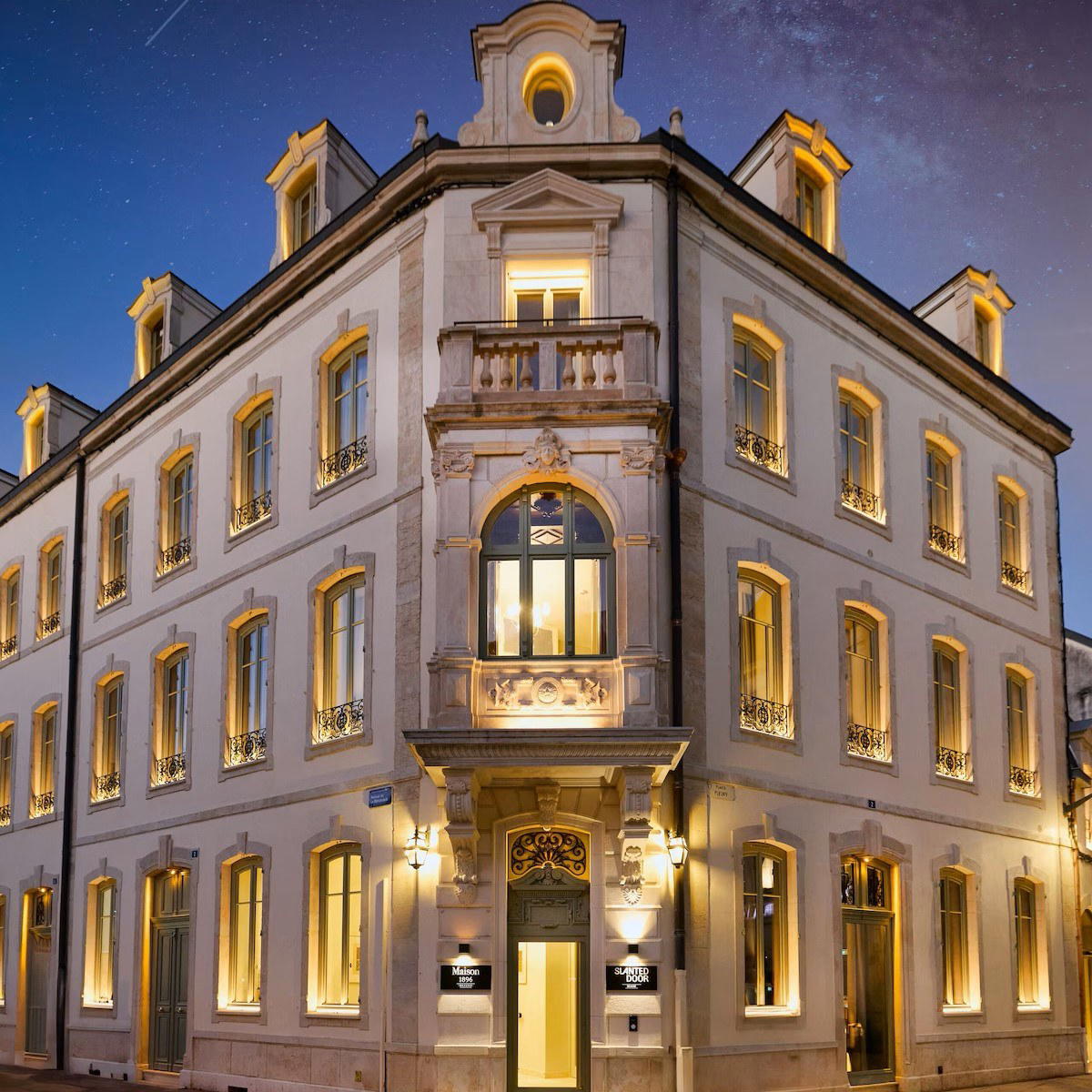
| Maison 1896 | luxury boutique in restored historic Beaux-Arts building | $$$$ | Not listed | historic center |
| Zoku Paris | hybrid home-office apartment hotel | $$$ | Not listed | 17th arrondissement |
| La Maison des Morainières | Boutique guest house with aesthetic appeal. | $$$ | Not listed | Saint Pierre de Curtille |
| La Divine Comédie | Restored historic Provençal mansion blending art and history | $$$$ | Not listed | Intra-muros |
Recognition history
Dated appearances from independent guides and award organizations, with the underlying list record or original source where available.
Michelin Selected
Michelin
Continue exploring
More in Pommard
Hotels in Pommard
Browse all →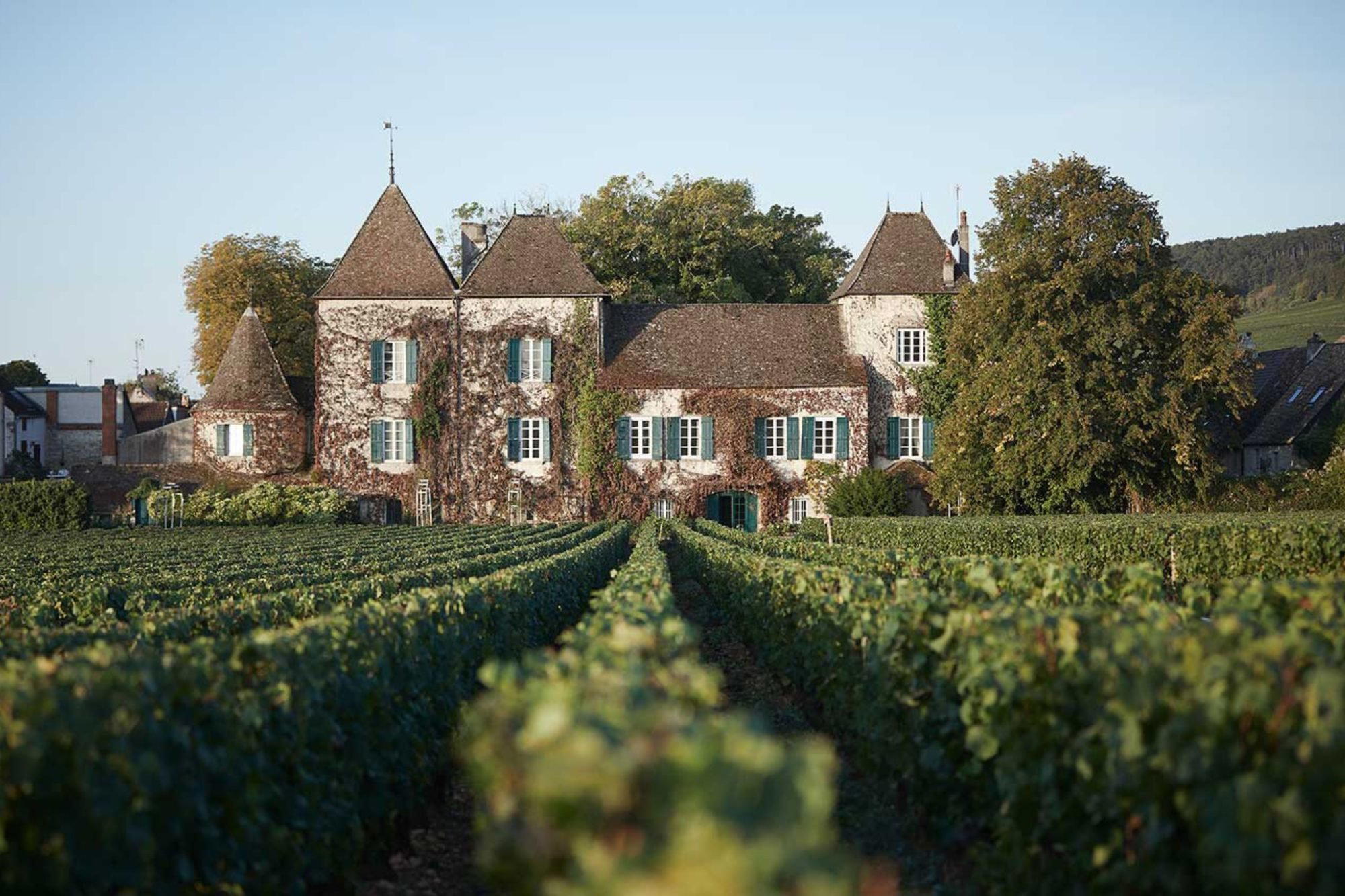
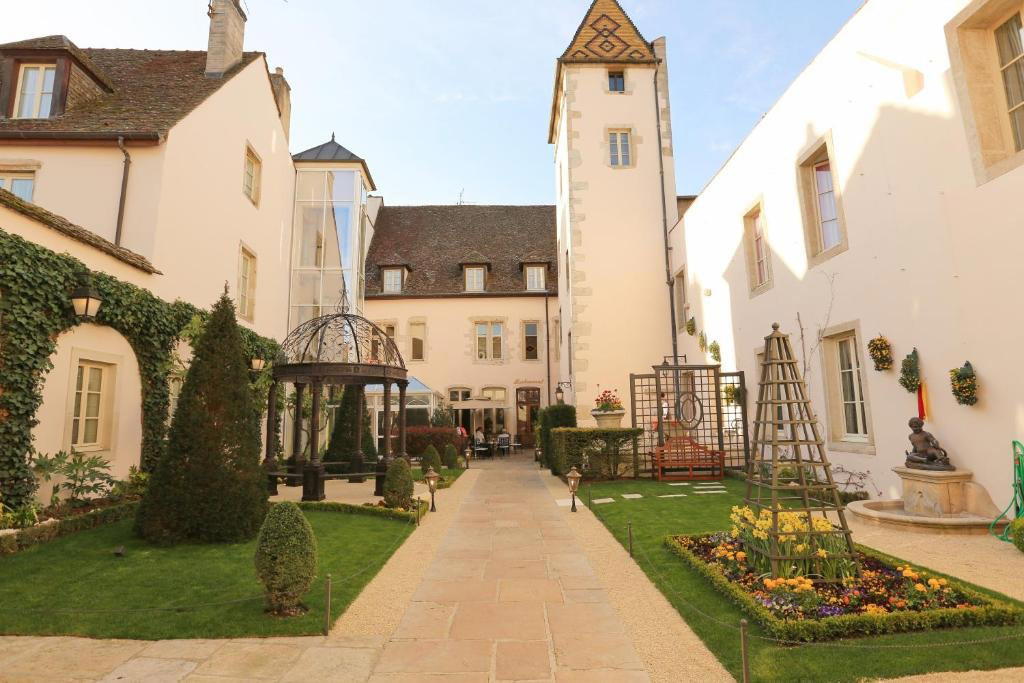
Bars in Pommard
Browse all →

Restaurants in Pommard
Browse all →

At a Glance
- Romantic
- Elegant
- Cozy
- Scenic
- Intimate
- Sophisticated
- Romantic Getaway
- Anniversary
- Weekend Escape
- Garden
- Historic Building
- Panoramic View
- Pool
- Spa
- Wi Fi
- Garden
- Parking
- Vineyard
- Garden
- Pool
- Spa
- Wi Fi
- Garden
- Parking
Cozy and elegant with contemporary style blended with preserved historic charm, spacious bright rooms, warm welcome in peaceful vineyard setting.