







3 Michelin Stars · La Liste Top Restaurants · Relais Chateaux Award
Our verdict
Maison Lameloise holds three Michelin stars in the small Burgundian town of Chagny, where Éric Pras has built a reputation for modern cuisine that draws on the region's exceptional produce. Ranked 85th in Opinionated About Dining's Classical Europe list for 2025 and awarded 95 points by La Liste, it sits among France's most consistent fine dining addresses. The dining room operates five days a week with both lunch and dinner service.

Pearl is the En Primeur Club membership app, where members save venues, book tables and use the concierge.
A Place d'Armes in Burgundy, and What It Signals
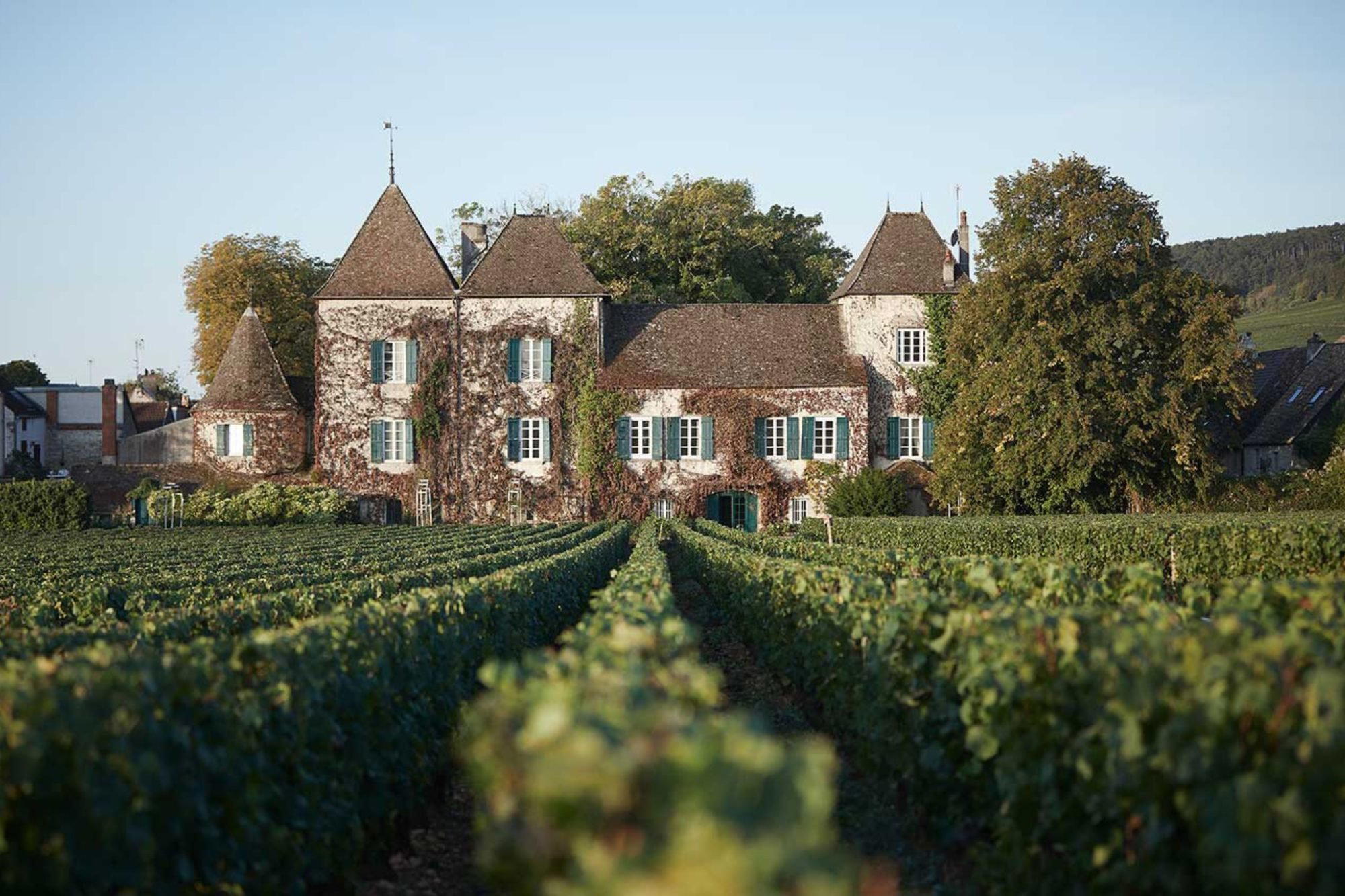
France has a particular category of provincial fine dining house that no metropolitan address can replicate: the landmark restaurant embedded in a small town, operating across generations, answerable not to a hotel group or a celebrity circuit but to the region itself. Maison Lameloise, occupying a 15th-century coaching inn on the Place d'Armes in Chagny, belongs to that category. Chagny sits at the southern end of the Côte de Beaune, where the Burgundy wine corridor begins to widen into the Côte Chalonnaise. The town has fewer than 6,000 residents. The restaurant has three Michelin stars.
That disjunction between town scale and culinary recognition is not unusual in Burgundy, which has produced a concentration of serious dining rooms relative to its population that few regions in France match. What distinguishes the addresses that sustain that recognition over decades is not spectacle but consistency of sourcing and technique. Maison Lameloise, now under the direction of chef Éric Pras, scored 95 points from La Liste in its 2026 rankings and held three Michelin stars through 2025. On Opinionated About Dining's Classical Europe ranking, it placed 83rd in 2024 and 85th in 2025, a position that places it in direct conversation with long-established provincial houses across France rather than the Parisian fine dining circuit represented by venues like Alléno Paris au Pavillon Ledoyen.
Éric Pras and the Logic of Continuity
Provincial three-star houses face a structural challenge that urban restaurants do not: the transition between chef generations carries reputational risk in proportion to the house's age and accumulated identity. Maison Lameloise has operated under the family name since the early 20th century, and when Éric Pras took over the kitchen, he inherited not just a brigade and a set of recipes but a narrative that predates him by several decades. The critical question in those transitions is always whether the incoming chef imposes a break or finds a way to absorb what exists and extend it.
La Liste's assessment of the 2026 edition provides a useful frame for where Pras has landed: "contemporary with respect for tradition" is their characterisation, and their reviewer noted that fruit and vegetables on the plate were given an importance that distinguished the cooking from the richer, more protein-centred classical Burgundian style. That shift towards produce-driven plates is a broad movement in high-end French dining, but executing it within a house that carries significant traditional expectations requires a particular kind of discipline. Pras has held three Michelin stars through 2025 and earned the Les Grandes Tables du Monde designation in the same year, suggesting the balance has been sustained rather than disrupted.
Each has had to manage the question of evolution versus continuity. Maison Lameloise sits in that same cohort, and Pras's OAD trajectory, which improved from 59th in 2023 to 83rd in 2024 before settling at 85th in 2025, reflects the usual fluctuation within a stable tier rather than directional decline.
Burgundian Terroir as the Plate's Foundation
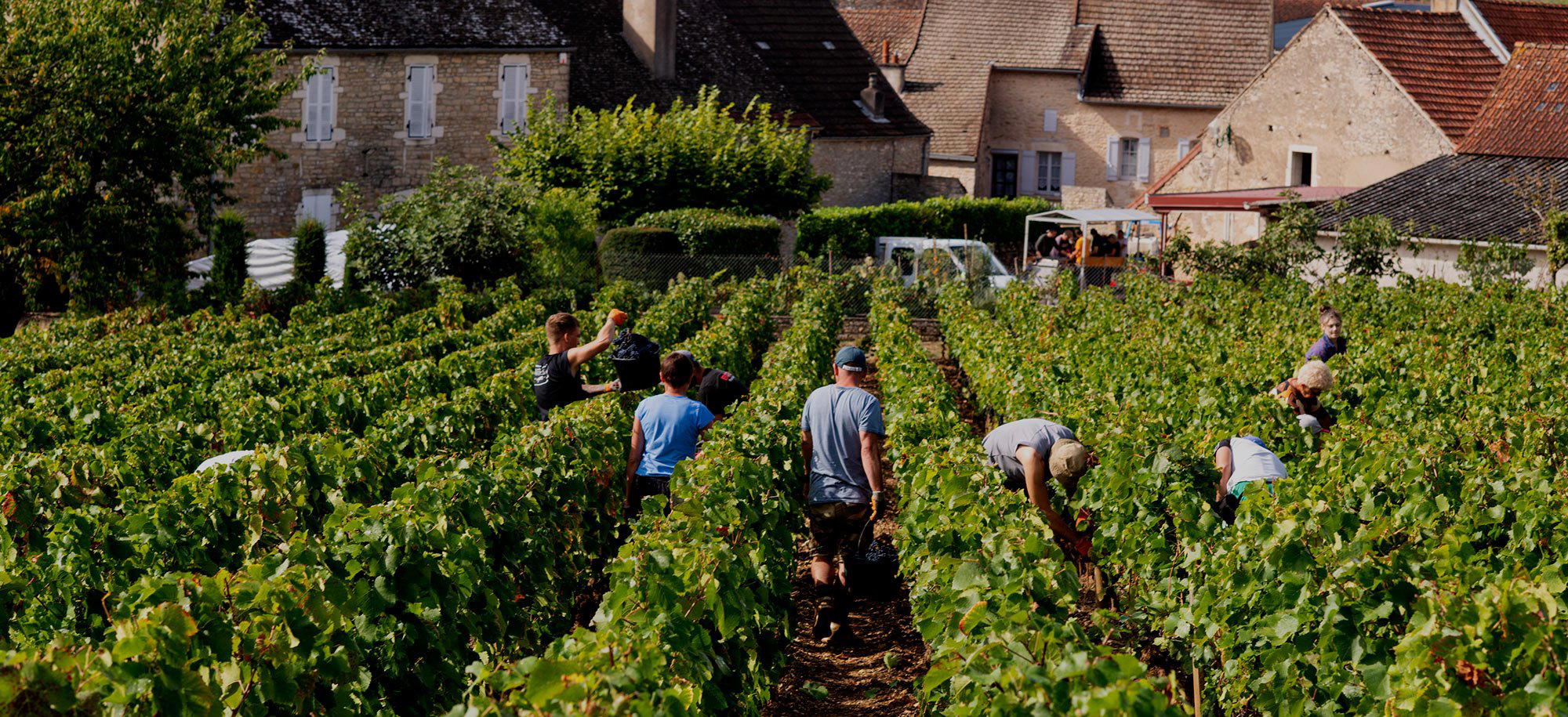
The phrase "Burgundian terroir" carries real weight in the context of this restaurant's cuisine and is not merely a marketing reference to wine. The Côte Chalonnaise and southern Côte de Beaune produce a range of agricultural ingredients, from Bresse poultry to Charolais beef to the vegetables and fruit that La Liste's reviewer singled out, that inform the kitchen's sourcing. This is not a kitchen importing luxury ingredients to construct a menu that could be served anywhere. The produce-centred approach that characterises current cooking at Lameloise is a specific response to what the region makes available across its growing calendar.
That seasonal grounding is what differentiates Maison Lameloise from, say, a technically similar address in a major city. For the comparable high-technique approach applied in an urban context, addresses like AM par Alexandre Mazzia in Marseille or Assiette Champenoise in Reims represent the pattern of serious fine dining embedded in mid-scale French cities. The distinction at Lameloise is the density of agricultural resource within a very short radius. Chagny is not a wine town in the touristic sense that Beaune is, but it is embedded in one of the most agriculturally specific regions in France, and the kitchen operates with that proximity as a working condition.
For those travelling the broader French fine dining circuit, mountain-rooted alternatives like Flocons de Sel in Megève illustrate how the same terroir-first logic plays out in a different landscape. The southern Mediterranean version appears in addresses like Mirazur in Menton. Maison Lameloise represents the Burgundian iteration: restrained in technique, specific in sourcing, unhurried in presentation.
The Setting and How It Functions
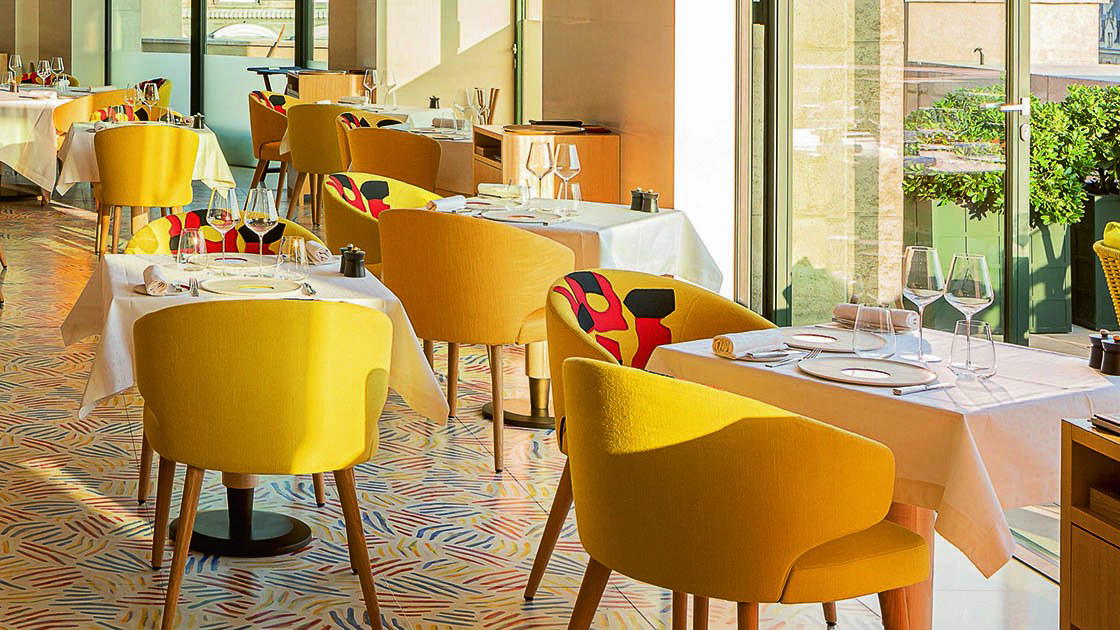
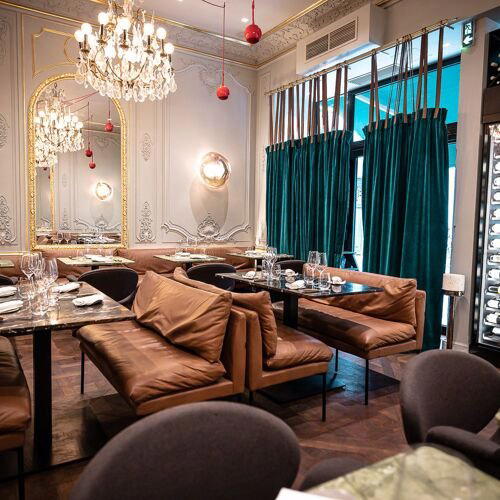
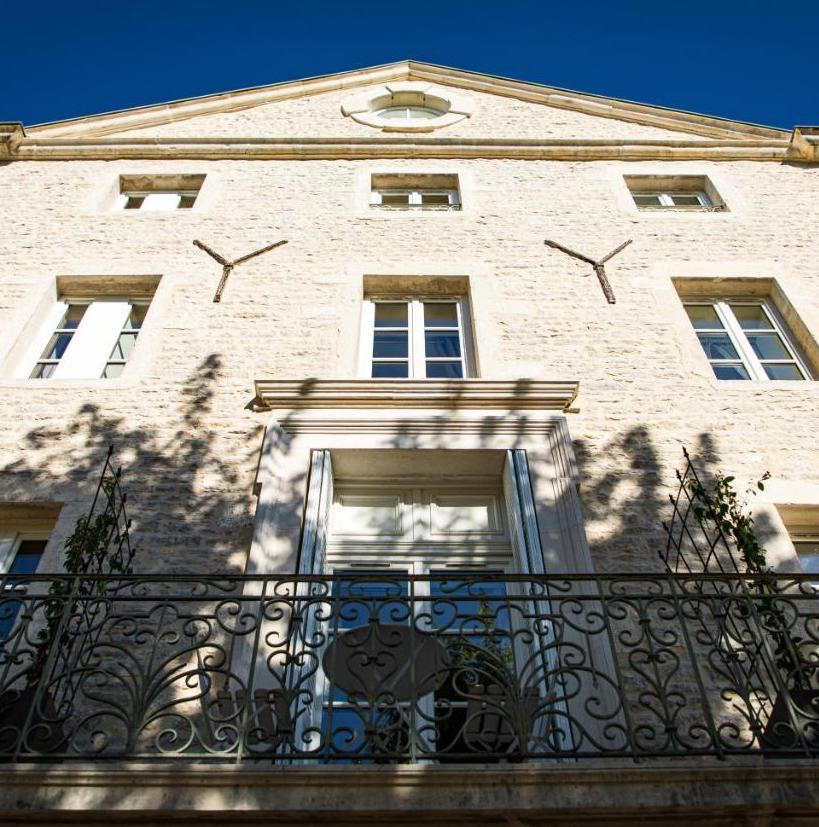
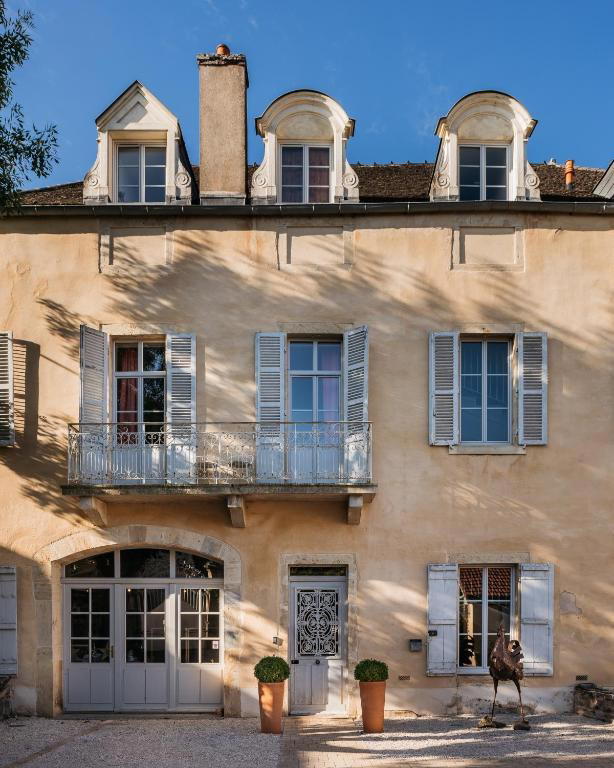
The physical address at 36 Place d'Armes places the restaurant on Chagny's central square, in a building that has served as a hospitality address since long before the current culinary identity was established. Provincial fine dining rooms of this generation tend toward formal interiors that read as accumulated rather than designed, and Maison Lameloise fits that pattern. The dining experience here is not structured around a theatrical counter, a chef's table performance, or the kind of immersive format that newer high-end addresses in major cities have developed. It is a seated, paced meal in a room with institutional weight behind it.
That weight functions differently for different diners. For those who have followed Burgundian hospitality across several visits, the room carries associative history. For those arriving for the first time, it reads as serious and still, which is appropriate for a kitchen that operates at this price tier and star level. The contrast with more visually contemporary peers like Frantzén in Stockholm or FZN by Björn Frantzén in Dubai is pronounced. Lameloise is emphatically not in the modern tasting-counter mode; it belongs to the older European tradition of the grande salle.
Planning the Visit
Maison Lameloise operates on a compressed weekly schedule: Monday, Thursday, Friday, Saturday, and Sunday for both lunch (12 to 1 pm) and dinner (7:30 to 9 pm), with Tuesday and Wednesday closed entirely. The closure pattern is standard for kitchens operating at this intensity with a small brigade, and it shapes trip planning in ways that visitors should account for early. Chagny is accessible by TGV from Paris Gare de Lyon in approximately one hour and forty minutes to Chalon-sur-Saône, the nearest rail junction, and by road the restaurant is roughly 20 minutes from Beaune and under two hours from Lyon. Given the operating hours and travel logistics, most serious visitors build Lameloise into a wider Burgundy itinerary rather than treating it as a standalone day trip from Paris. The restaurant is affiliated with Relais & Châteaux, and accommodation options in and around Chagny make an overnight stay practical.
Booking is handled through the restaurant's own channels at lameloise.fr, and reservations should be made several weeks in advance, particularly for weekend lunch service, which draws both the regional wine-trip audience and diners making longer journeys. For broader orientation to the area's dining and hospitality scene, see our full Chagny restaurants guide, as well as our guides to hotels, bars, wineries, and experiences in the region. For comparison with the older generation of French provincial landmark, Paul Bocuse - L'Auberge du Pont de Collonges and Auberge du Vieux Puits round out the pattern of serious French houses operating far outside the capital. Au Crocodile in Strasbourg provides a further regional reference point from Alsace.
Frequently asked questions
What should I budget for a meal at Maison Lameloise?
Pricing at Maison Lameloise is listed as €€€€.
Comparable Spots, Quickly
| Venue | Cuisine | Price | Awards | Notes |
|---|---|---|---|---|
| Maison LameloiseThis venue (the venue you are viewing) | Classic French Fine Dining with Burgundian Terroir | $200–300 | 3 Michelin Stars · La Liste Top Restaurants | Not listed |
| Alléno Paris au Pavillon Ledoyen | Modern French Fine Dining | $150–200 | 3 Michelin Stars · World's 50 Best #79 | Creative |
| Kei | Contemporary French, Modern Cuisine | Not listed | Michelin 3 Star | Not listed |
| L'Ambroisie | Classic French Haute Cuisine | $300–500 | 2 Michelin Stars · World's 50 Best #23 | French, Classic Cuisine |
| Le Cinq - Four Seasons Hôtel George V | Modern French Fine Dining | $300–500 | 3 Michelin Stars · World's 50 Best #24 | French, Modern Cuisine |
| Plénitude | Modern French Sauce-Led Fine Dining | $300–500 | 3 Michelin Stars · World's 50 Best #14 | Contemporary French |
Recognition history
Dated appearances from independent guides and award organizations, with the underlying list record or original source where available.
Michelin 3 Stars
Michelin
La Liste Top Restaurants
La Liste
Falstaff Restaurant - 100 Falstaff Points
Falstaff
Les Grandes Tables du Monde Member
Les Grandes Tables du Monde
Relais Chateaux Award
Relais Chateaux
Full recognition history (13 entries)
Gault & Millau Prestige Restaurant
Gault & Millau
La Liste Top Restaurants
La Liste
Michelin 3 Stars
Michelin
Opinionated About Dining Classical in Europe Ranked #85
Opinionated About Dining
Relais Chateaux Award
Relais Chateaux
We're Smart World 3 Radishes
We're Smart World
Opinionated About Dining Classical in Europe Ranked #83
Opinionated About Dining
Opinionated About Dining Classical in Europe Ranked #59
Opinionated About Dining
Continue exploring
More in Chagny
More from Chef Éric Pras
Browse all →
Restaurants in Chagny
All restaurants in Chagny →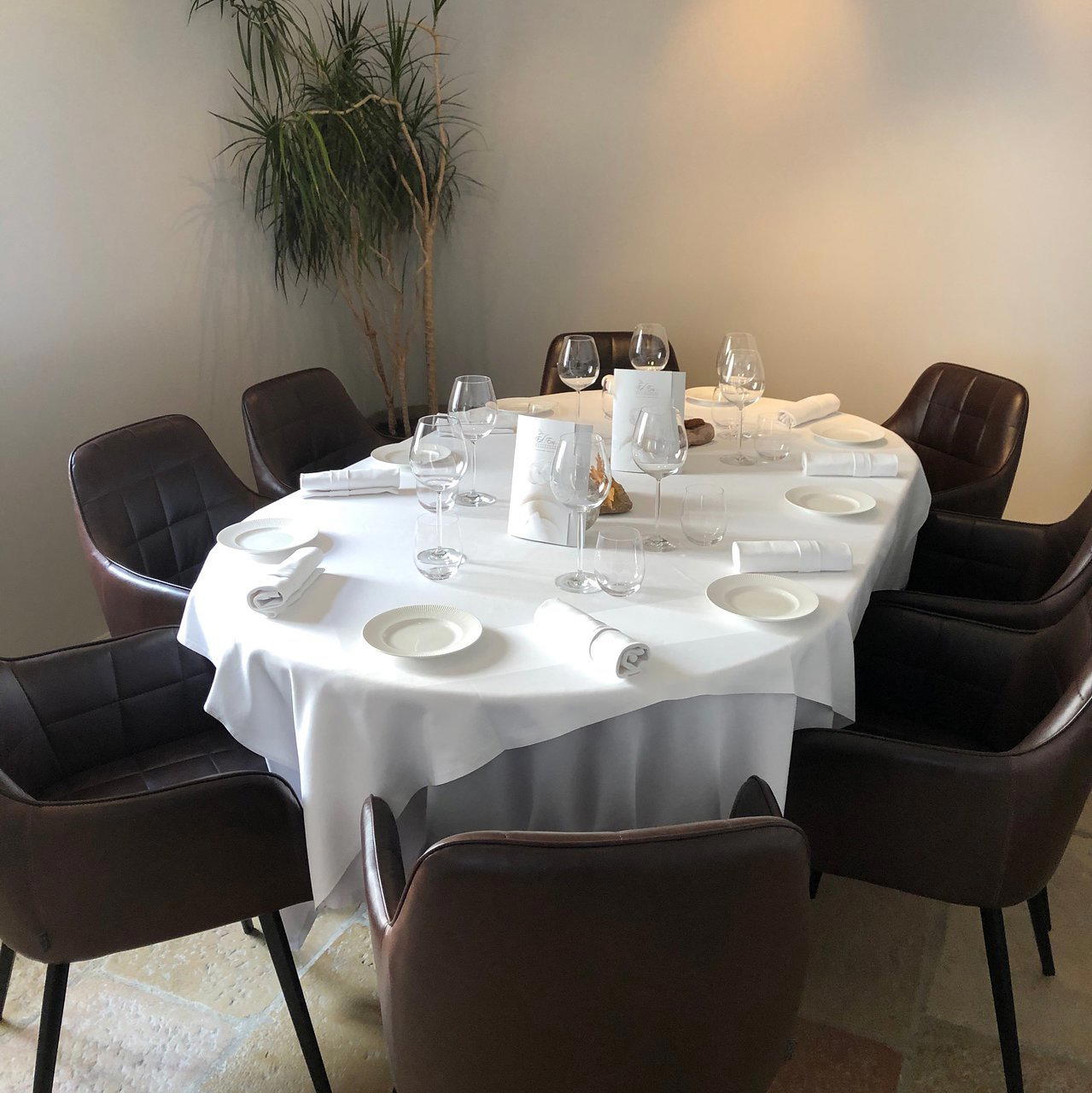
Bars in Chagny
Browse all →
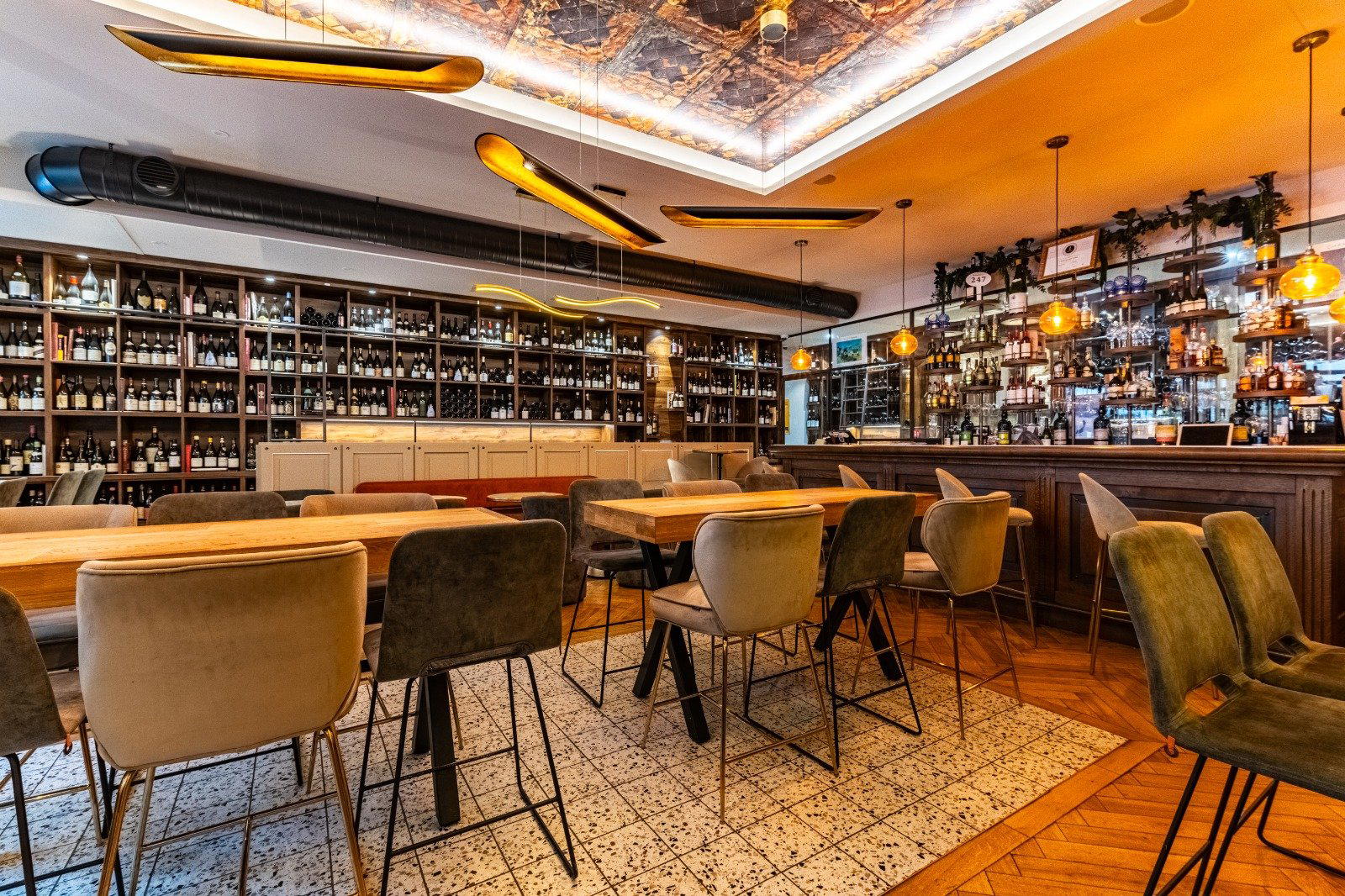
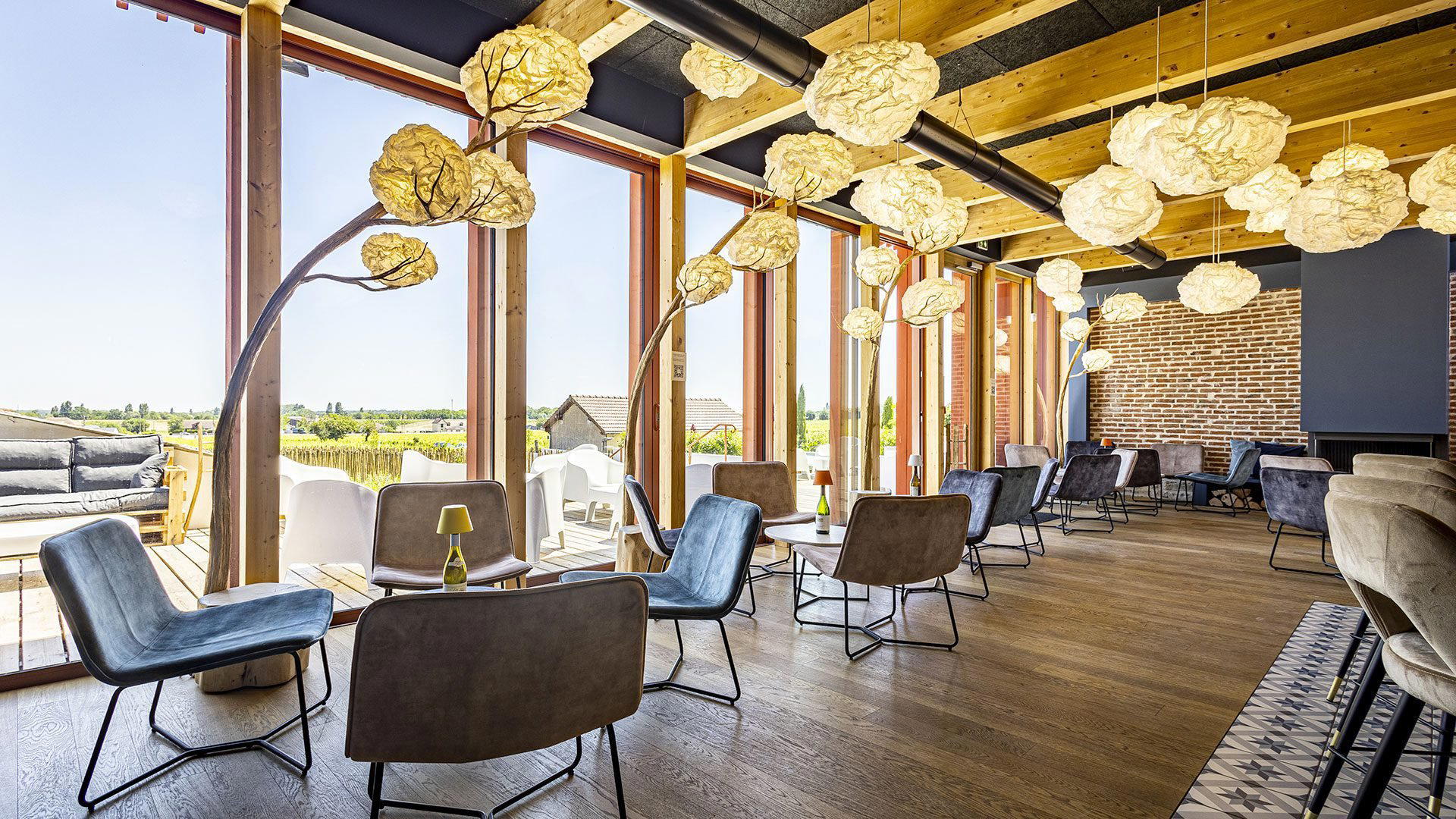
Hotels in Chagny
All hotels in Chagny →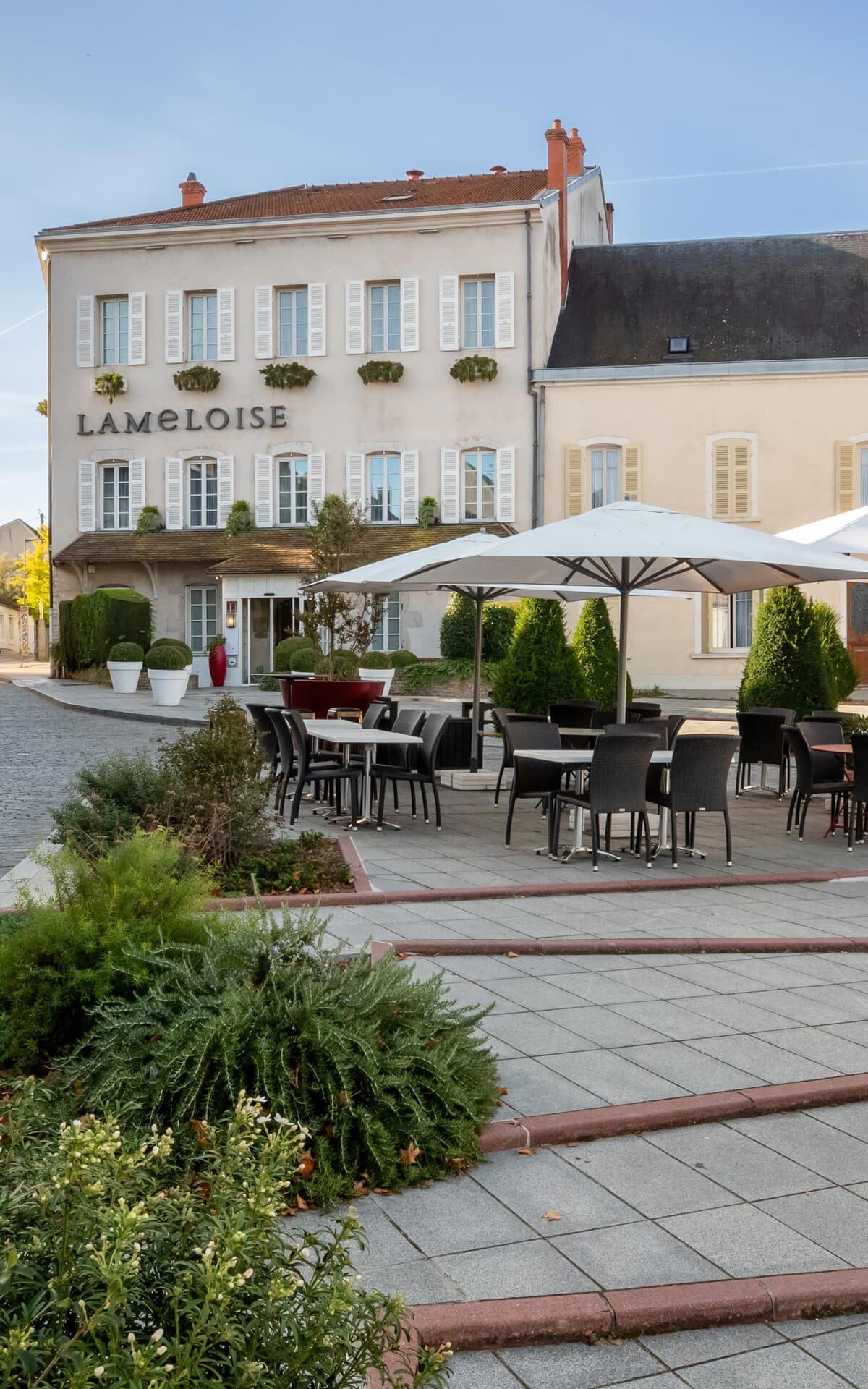
Maison Lameloise
The wine
- Wine program
- Deep wine list
- Extensive wine list
- Sommelier-led
Details
- Elegant
- Sophisticated
- Intimate
- Classic
- Special Occasion
- Date Night
- Business Dinner
- Celebration
- Private Dining
- Historic Building
- Extensive Wine List
- Sommelier Led
- Local Sourcing
- Tasting Menu
- Prix Fixe
- Wine
- Vegetarian Friendly
- Vegan Options
- Gluten Free Options
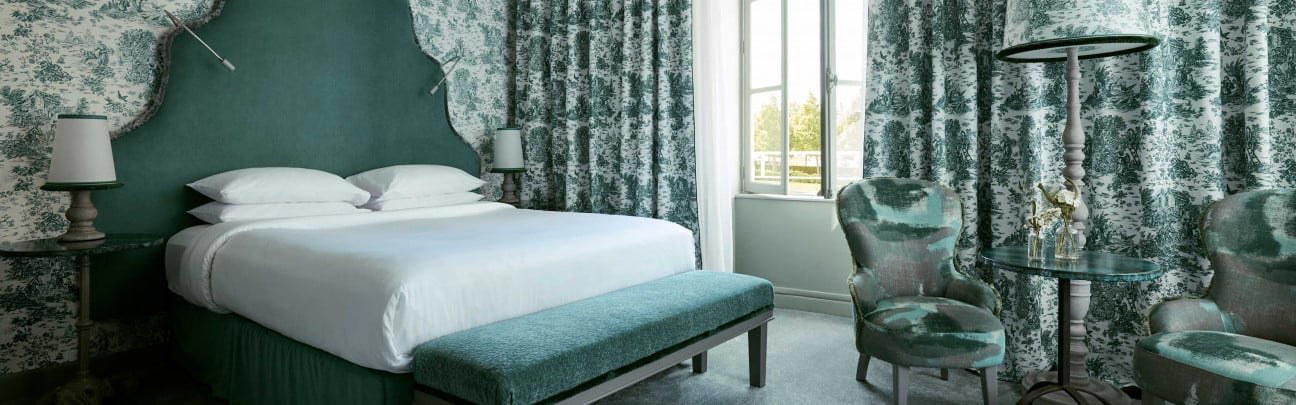
Warm, cozy dining rooms individually appointed, creating an elegant yet intimate atmosphere.