Domaine Simon Colin
Domaine Simon Colin sits among a concentrated tier of family-run estates in Chassagne-Montrachet, a village whose limestone soils produce some of Burgundy's most discussed white Burgundy..

Pearl is the En Primeur Club membership app — saves, bookings, and concierge access live there. Same editors, same standards.
- Address
- Le Haut des Champs, 21190 Chassagne-Montrachet
- Phone
- +33 3 80 21 92 73
- Website
- domainesimoncolin.com
- Directions
- Get directions
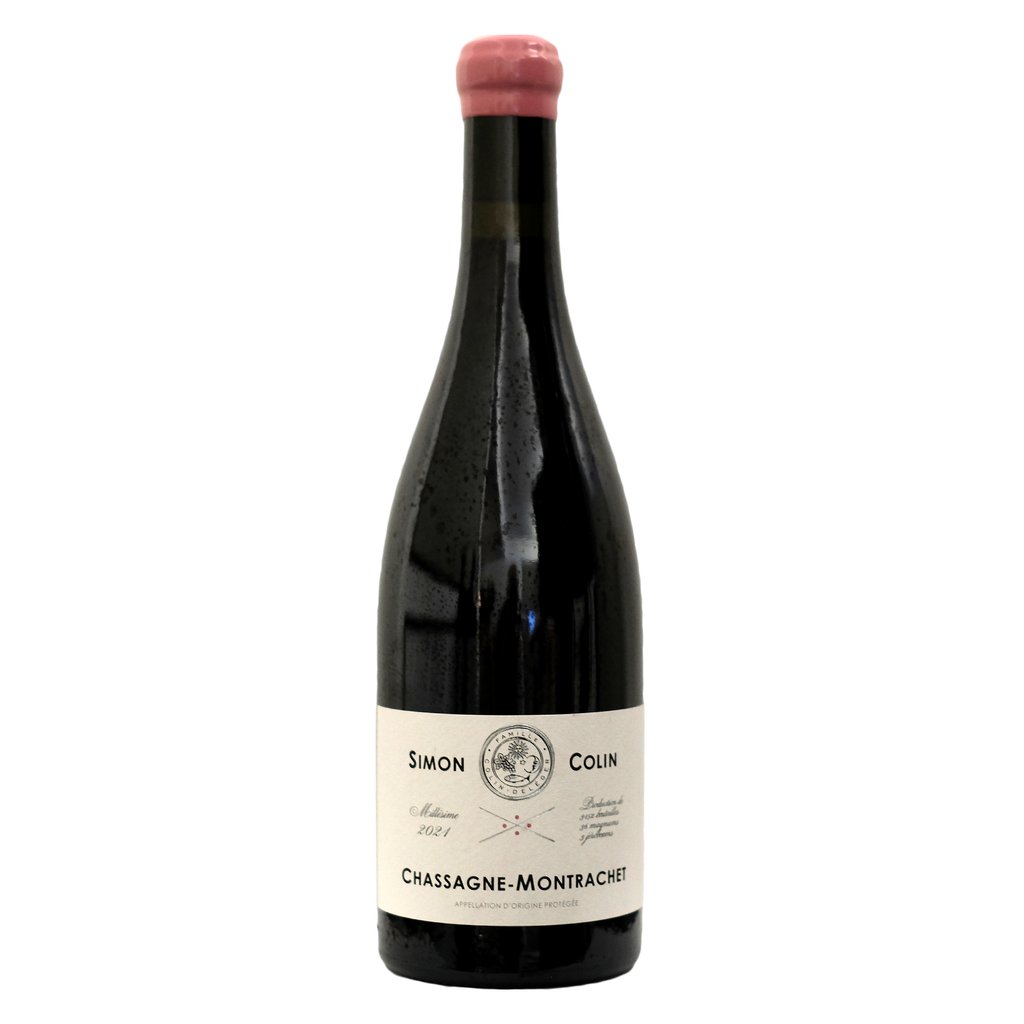
Limestone, Lineage, and the Chassagne Model
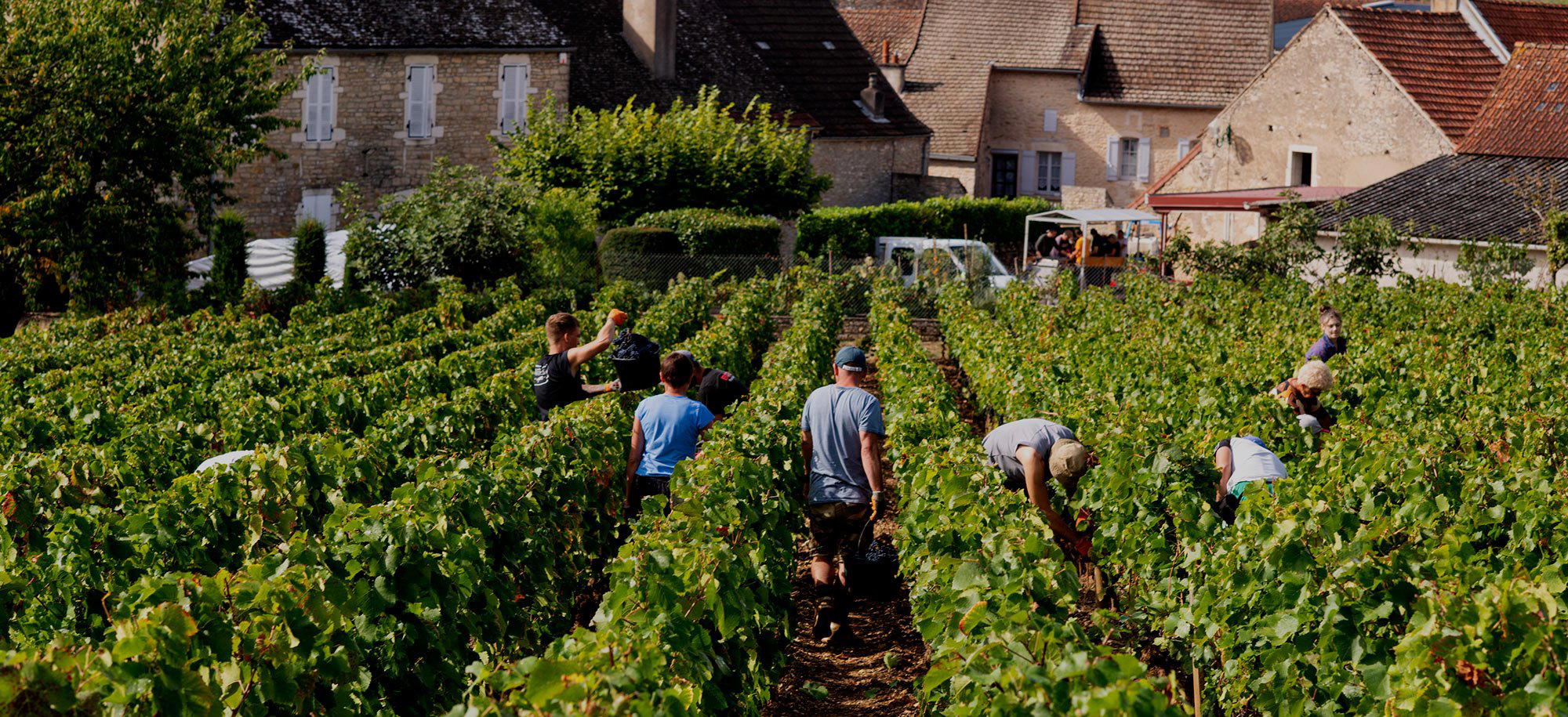
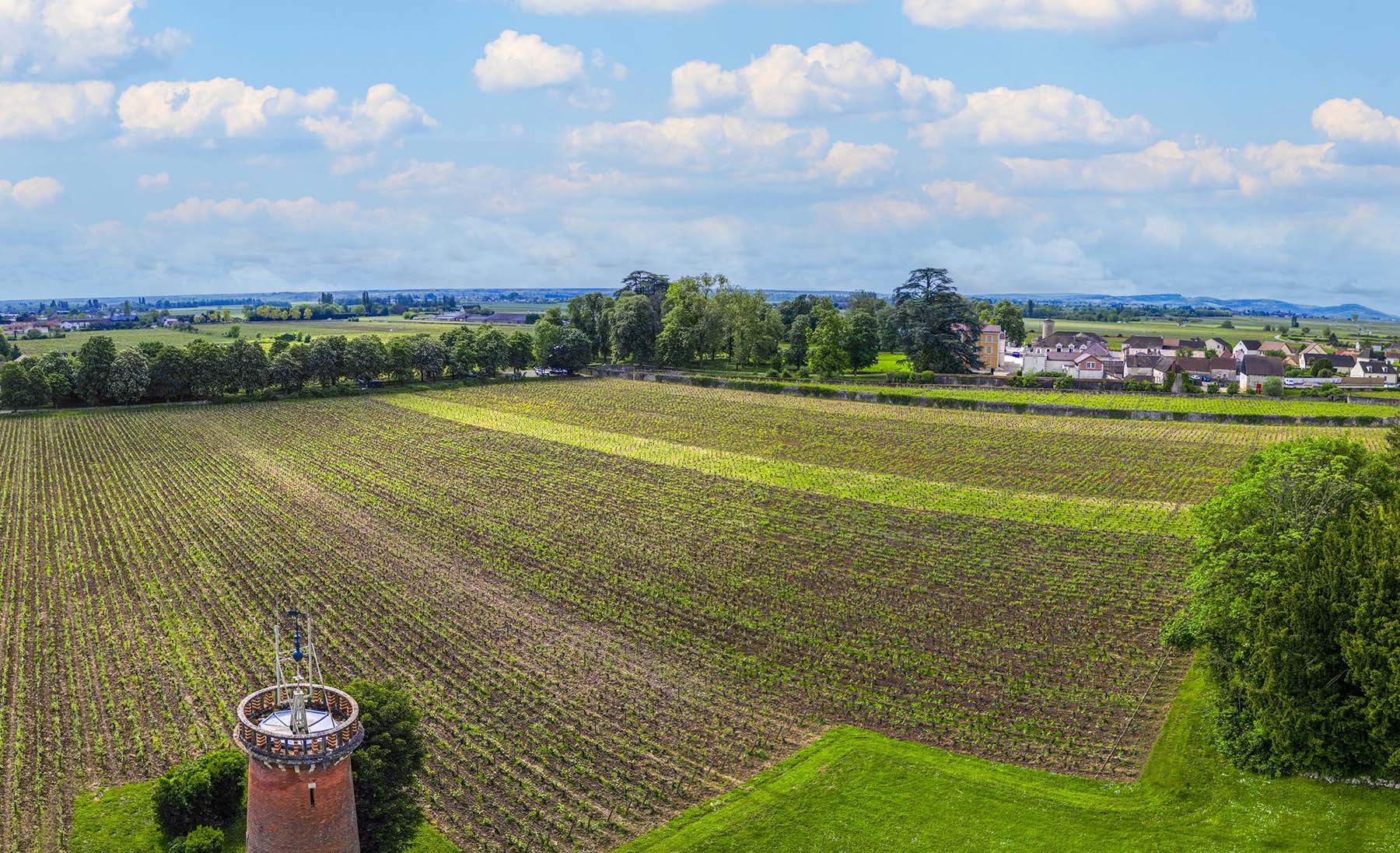
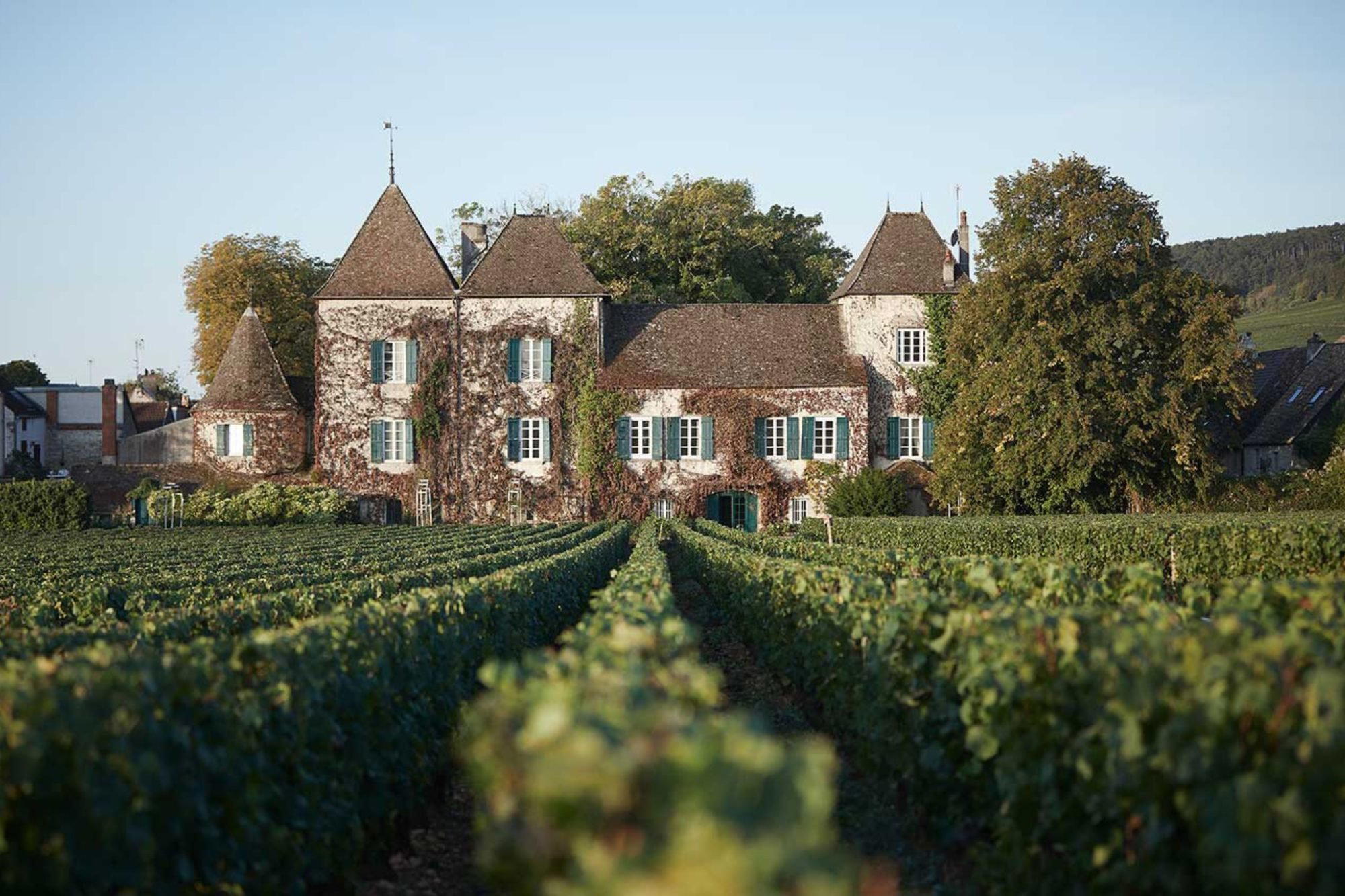
The road into Chassagne-Montrachet from the north descends through vine rows so tightly planted they read as a single green surface from a distance. By the time the village itself comes into focus, the scale of what happens here becomes clear: a cluster of family estates, many of them multi-generational, operating from stone buildings set directly against the vineyards they farm. Le Haut des Champs, where Domaine Simon Colin is based, sits within this compact geography, its address placing it at the upper edge of the village where the slope begins to assert itself and the limestone composition that underlies Chassagne's most discussed plots starts to define everything about the wines produced above it.
This physical setting is not incidental. Chassagne-Montrachet's reputation rests almost entirely on its relationship between geology and viticulture. The Côte de Beaune's southern stretch concentrates a set of premier and grand cru vineyards whose chalk-limestone mix produces Chardonnay of a particular weight and mineral character, and the village itself has become a reference point for producers who treat that terroir as the primary argument.
Where Domaine Simon Colin Sits in the Appellation Hierarchy
Chassagne-Montrachet has more working estates per square kilometre than almost any comparably prestigious address in Burgundy. The competitive set is genuinely dense: Domaine Ramonet occupies the long-established prestige position, with a following built over decades of bottling from Montrachet and Bâtard-Montrachet; Domaine Pierre-Yves Colin-Morey has attracted significant critical attention for its precision-driven whites; and Domaine Jean-Marc Pillot and Domaine Alex Moreau represent the village's broader community of serious, allocation-driven producers. Domaine Fontaine-Gagnard adds further depth to the village's white Burgundy pedigree.
Two prestige stars within that tier narrow the field further. In practical terms, this positions the domaine in a peer group that includes allocation-only bottlings, mailing-list access, and the kind of collector interest that makes certain Chassagne appellations difficult to acquire through conventional retail channels.
The Pairing and Hospitality Dimension in Chassagne-Montrachet
One of the more underappreciated aspects of visiting Chassagne-Montrachet as a wine destination is how directly the village's physical compactness shapes the tasting experience. Unlike larger appellations where the hospitality infrastructure is separated from production, estates here typically receive visitors within the actual working environment: the cave, the cellar, the bottling hall. Tasting at this level is not a curated brand experience in a visitor centre; it is an encounter with a working farm that happens to produce some of Burgundy's most discussed bottles.
This matters for the food and wine pairing question, which is central to how many visitors approach the Côte de Beaune. White Burgundy from Chassagne-Montrachet, particularly from premier cru vineyards, occupies a specific position in the pairing canon: it is rich enough to carry dishes with fat and umami (classic preparations involving cream, poultry, or freshwater fish), but structured enough through its natural acidity to avoid the flatness that can affect lower-acid whites in the same situation. Visitors who understand this context arrive with a clearer sense of what they are evaluating during a cellar tasting. The wines function as both an end in themselves and as a reference point for understanding how Chassagne's specific limestone profile differs from, say, Puligny-Montrachet's cooler, more austere expression or Meursault's noticeably richer register.
Chassagne also produces red Burgundy, a fact that often surprises first-time visitors. The village's pinot noir, while overshadowed internationally by its whites, represents a category worth attention: lighter in body than Gevrey or Vosne, it pairs differently and is often positioned as an entry point into red Burgundy drinking for audiences more accustomed to the village's white wine identity.
Approaching a Visit: Practical Orientation
Chassagne-Montrachet is approximately 15 kilometres south of Beaune, making it a viable day stop from either Beaune or Nuits-Saint-Georges. The village is small enough that Le Haut des Champs is accessible without significant navigation from the main road through the appellation. For visitors planning a structured Côte de Beaune itinerary, the concentration of prestige estates in Chassagne means that a single morning or afternoon can reasonably include two or three cellar visits, provided appointments are confirmed in advance.
Estates at this tier in Chassagne typically operate by appointment, and contact should be initiated well before any planned travel, particularly during the spring and autumn periods when producer schedules are compressed around harvest, bottling, and international tastings. Contact in the base; reaching the domaine through our full Chassagne-Montrachet guide as a starting point for wider itinerary planning is advisable.
Visitors arriving with a broader French wine itinerary might also find comparative value in understanding how Chassagne's pricing model differs from analogous prestige tiers in regions further afield: Albert Boxler in Niedermorschwihr offers an Alsatian reference point for small-production, terroir-specific white wine at prestige tier, while the Bordeaux first-growth model represented by estates like Château Bélair-Monange in Saint-Emilion or Château Batailley in Pauillac shows how differently prestige is priced when production scale increases.
The Broader Context: Why Chassagne Remains a Reference
Burgundy's village appellation system has been under commercial pressure for the better part of two decades, as global demand for the Côte d'Or's upper-tier bottles has compressed allocations and driven prices to levels that make casual exploration difficult. Chassagne-Montrachet has been part of that story, but it retains something that more commercially saturated appellations sometimes lose: a working village character that has not been entirely consumed by wine tourism infrastructure. The estates here still function as farms first, and the tasting experience reflects that.
The address at Le Haut des Champs, the limestone slopes above the village, and the appellation's accumulated reputation across generations of serious producers constitute the framework within which the domaine's wines are made and should be understood. For visitors who approach Chassagne with that context in hand, an appointment at this level offers something more substantive than a tasting: it is a direct encounter with the geological and agricultural logic that makes this corner of the Côte de Beaune one of France's most studied wine addresses.
For those building a wider French wine itinerary, further reference points within the EP Club network include Château Branaire Ducru in St-Julien, Château Boyd-Cantenac in Cantenac, Château Bastor-Lamontagne in Preignac, Chartreuse in Voiron, and Accendo Cellars in St. Helena for a cross-regional perspective on how prestige-tier producers present themselves to serious visitors.
Comparison Snapshot
Comparable venues nearby, for context on price, style, and recognition.
| Venue | Cuisine | Price | Awards | Notes |
|---|---|---|---|---|
| Domaine Simon ColinThis venue — the venue you are viewing | Chardonnay, Pinot Noir | Not listed | Not listed | Not listed |
| Domaine Ramonet | Chardonnay, Pinot Noir | $150–200 | Michelin Main Selection · Falstaff Winery - Listed | Chassagne-Montrachet |
| Domaine Jean-Marc Pillot | Chardonnay, Pinot Noir | Not listed | Falstaff Winery - Listed | Chassagne-Montrachet |
| Domaine Pierre-Yves Colin-Morey | Chardonnay, Pinot Noir | Not listed | Michelin 1 Grape · Falstaff Winery - 4 Stars | Chassagne-Montrachet |
| Domaine Fontaine-Gagnard | Chardonnay, Pinot Noir | Not listed | Not listed | Chassagne-Montrachet |
| Domaine Alex Moreau | Chardonnay, Pinot Noir | Not listed | Michelin Main Selection | Chassagne-Montrachet |
Continue exploring
More in Chassagne-Montrachet
Wineries in Chassagne-Montrachet
Browse all →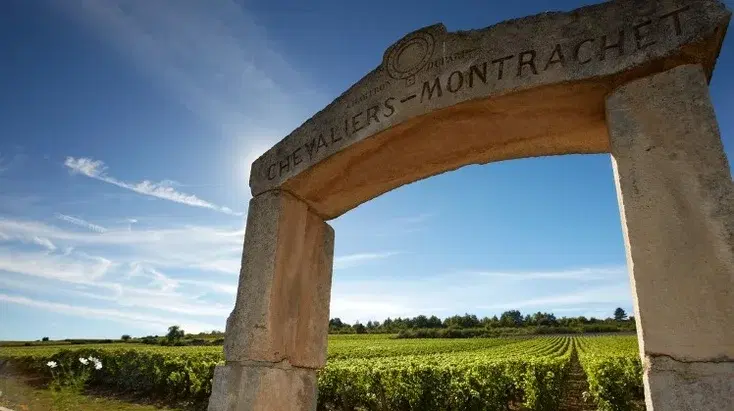
Bars in Chassagne-Montrachet
Browse all →
Restaurants in Chassagne-Montrachet
Browse all →
Details
- Elegant
- Classic
- Rustic
- Intimate
- Sophisticated
- Wine Education
- Solo Exploration
- Special Occasion
- Cave Tasting
- Vineyard Tour
- Barrel Room
- Organic
- Biodynamic
- Sustainable
- Vineyard
- Chardonnay
- Pinot Noir
- Aligote
- Still White
- Still Red
- Cave Tasting
- Private Tasting
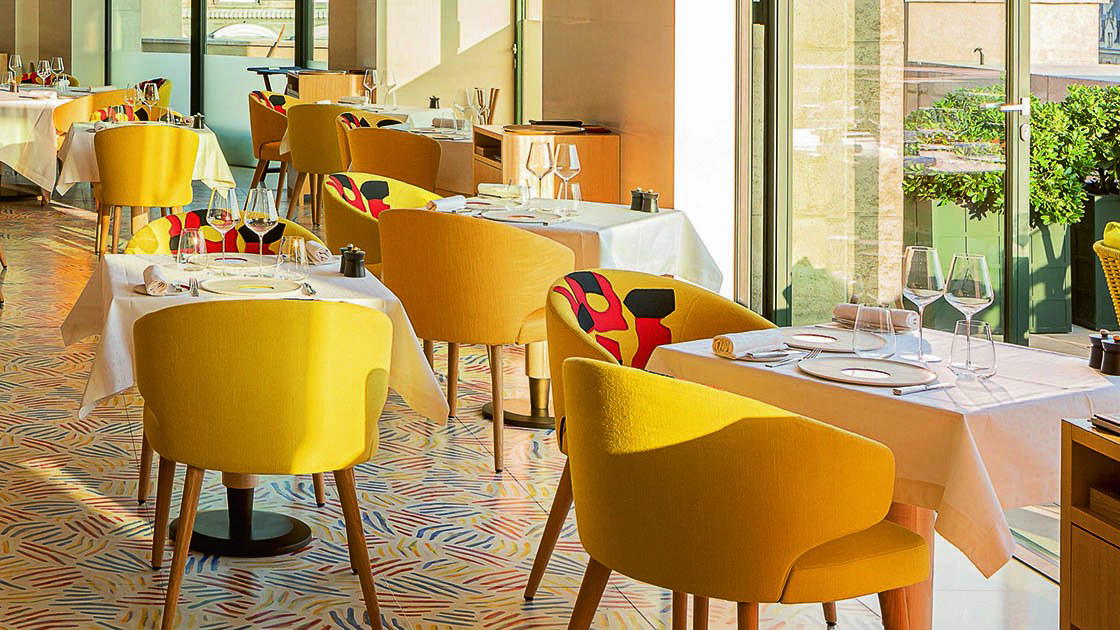
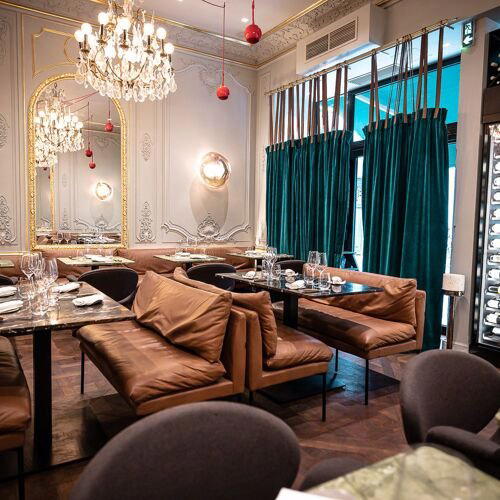
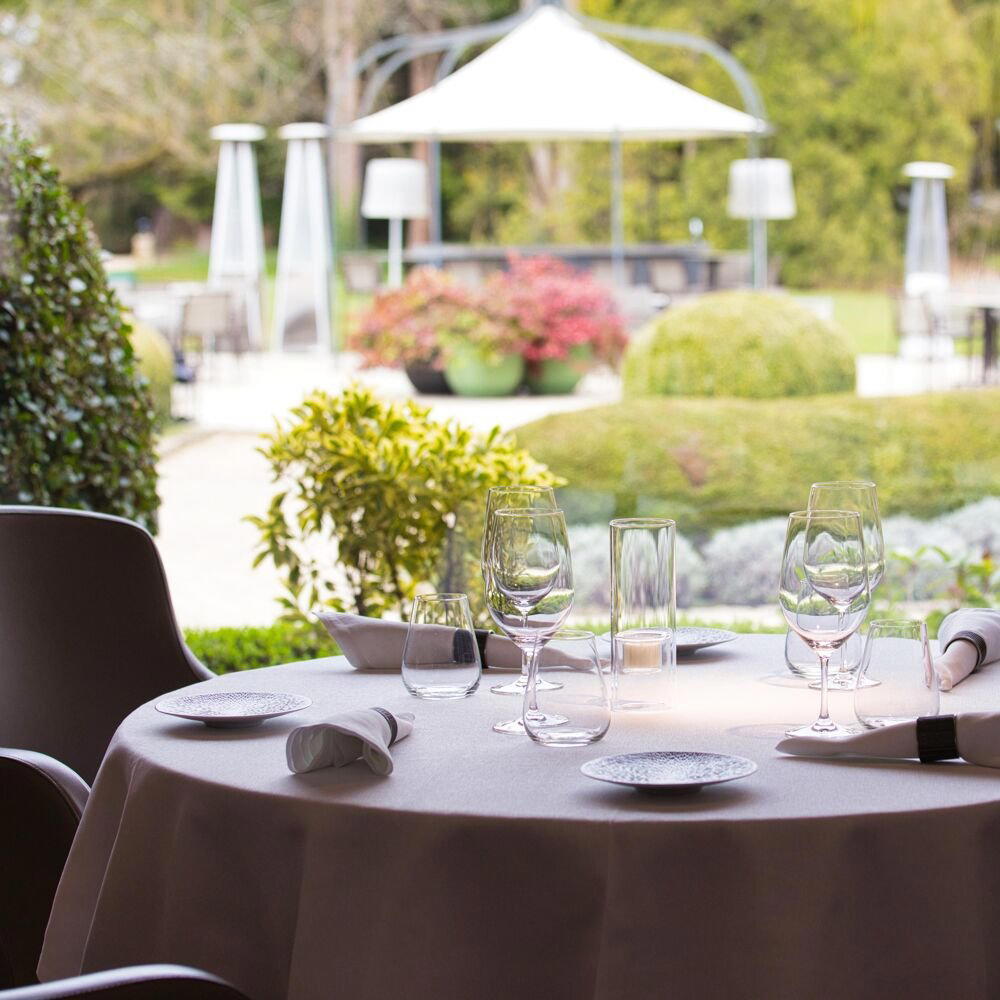
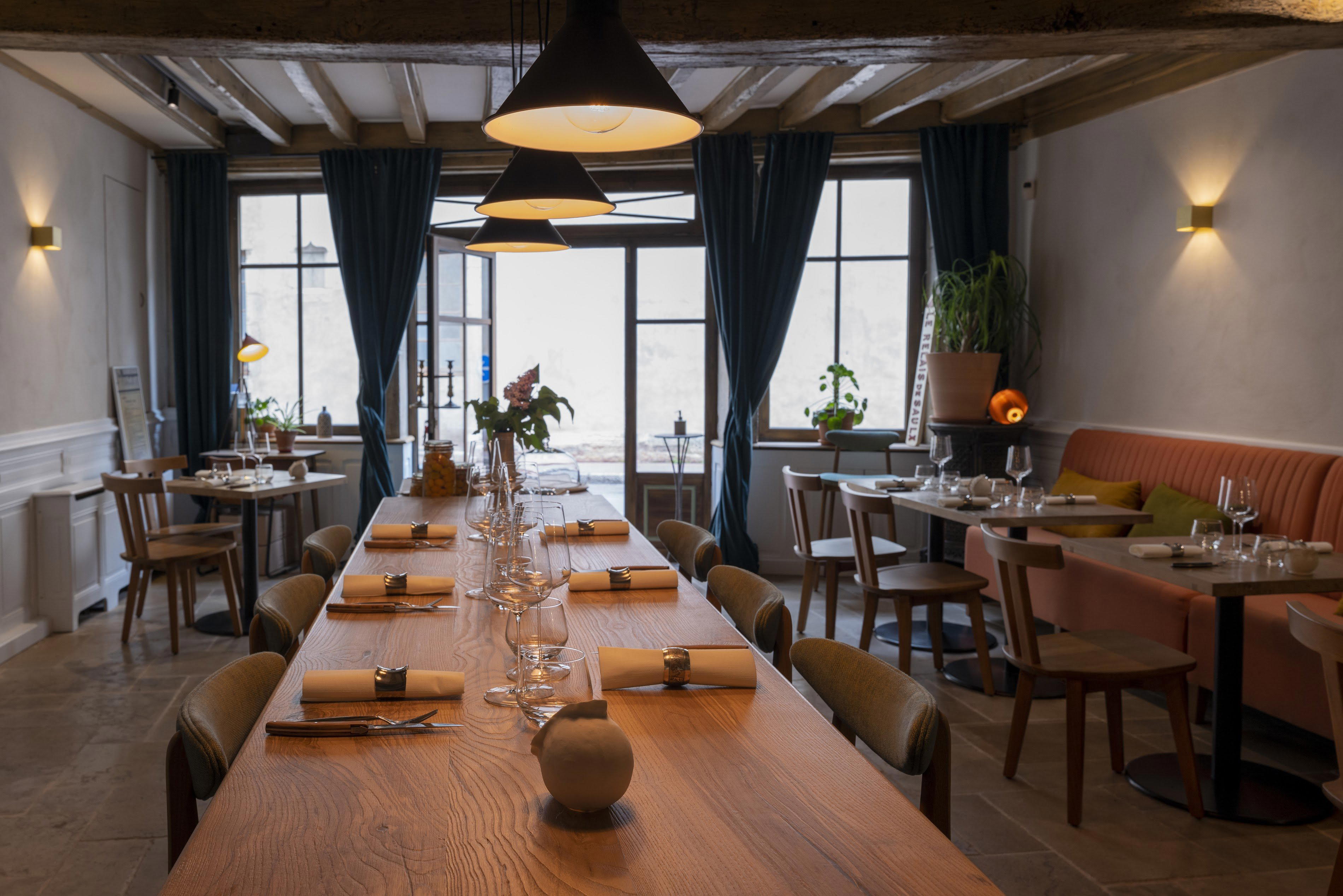
Refined and pure with bright minerality, subtle oak influence, and fresh stone fruit aromas in a traditional cellar setting.