

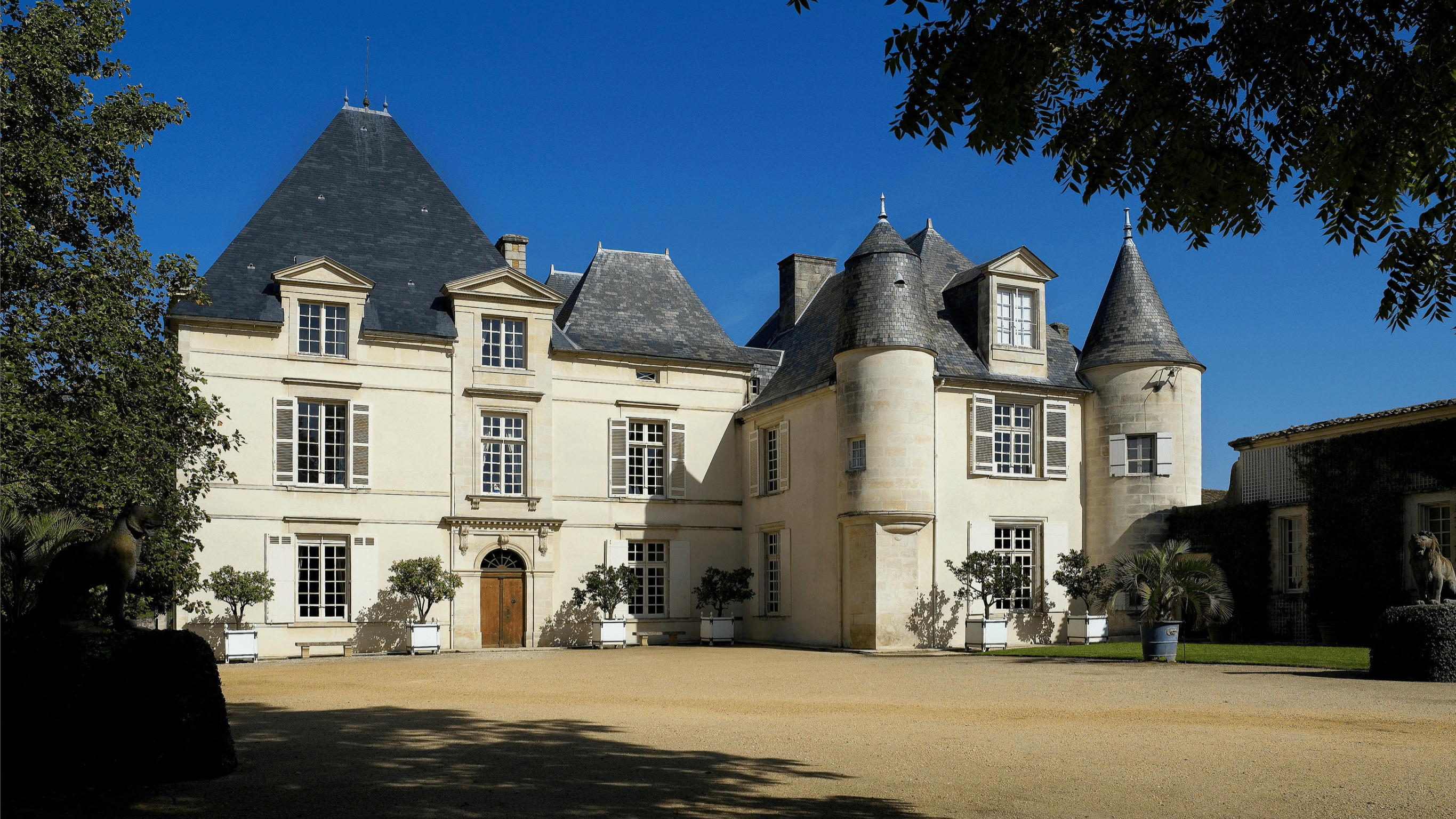
One of the Graves appellation's most historically grounded estates, Château Haut-Bailly has been producing red Bordeaux from Léognan since 1570.
Pearl is the En Primeur Club membership app — saves, bookings, and concierge access live there. Same editors, same standards.
- Address
- 48 Rue de la Liberté, 33850 Léognan
- Phone
- +33 5 56 64 75 11
- Website
- haut-bailly.com
- Directions
- Get directions
 Saves & bookings on Pearl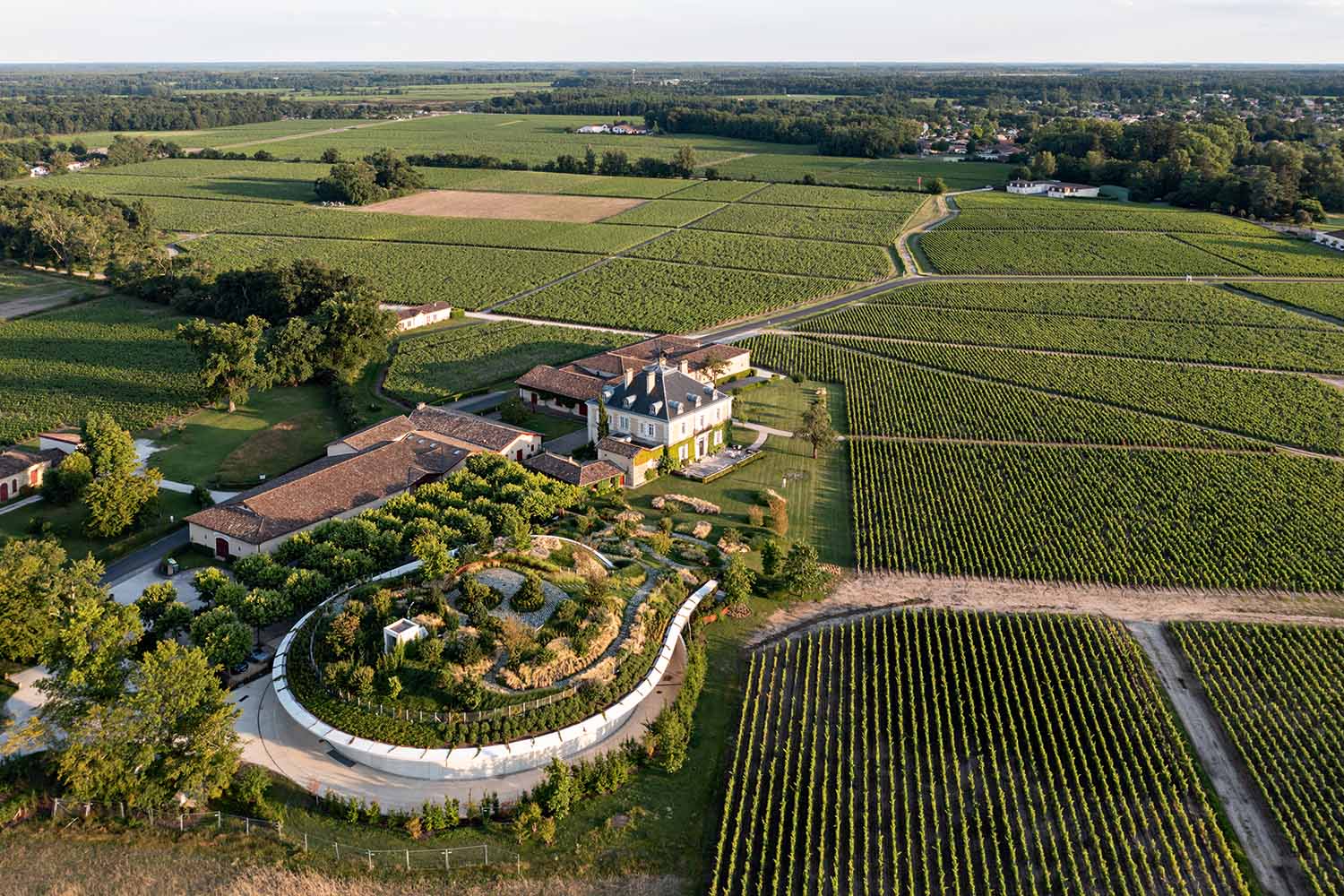
Gravel, Time, and the Léognan Character
The Pessac-Léognan appellation occupies a narrow strip south of Bordeaux city where the Garonne's ancient alluvial deposits have left deep beds of gravel over clay and sand. In that context, Léognan sits at the cooler, more southerly end of the appellation, where Atlantic winds off the Landes forest moderate temperatures and extend the growing season by several weeks relative to the warmer northern communes. This is not incidental geography. It is the structural reason why the reds produced here tend toward finesse over power, and why estates like Château Haut-Bailly have long attracted attention from collectors who track wines that age rather than those that impress young.
Haut-Bailly, addressed at 48 Rue de la Liberté in Léognan, carries one of the longer unbroken production histories in Bordeaux. Its first recorded vintage dates to 1570, placing it among a very small group of estates that predate the modern classification era by centuries. That duration matters not as a marketing credential but as a record of site consistency: the same parcel, the same drainage patterns, the same interaction between the Cabernet Sauvignon-dominant plantings and the underlying gravel. Few wine regions offer that kind of longitudinal argument for terroir, and fewer estates have the archival record to support it. For context on how other long-established Bordeaux estates have handled continuity versus reinvention, the profiles of Château Batailley in Pauillac and Château Branaire Ducru in St-Julien provide useful comparison points within the Médoc tradition.
What Gravel Soils Actually Do
The Pessac-Léognan classification, established in 1987 and the only official cru classification in the Graves region to include both red and white wines, recognised Haut-Bailly as a classified growth for red wine. The classification was not awarded and cannot be revised, which places a fixed premium on estates that have maintained quality since 1987 without that external pressure point changing. In that static framework, the real differentiator becomes viticultural and winemaking consistency over decades.
Gravel soils drain rapidly and warm early in the season, pushing vines toward deep root development as a survival mechanism. In a wet year, that drainage prevents the waterlogging that produces dilute fruit across clay-heavy appellation areas. In a dry year, the deep root system accesses subsoil moisture that shorter-rooted vines cannot reach. The practical effect, visible in vertical tastings across difficult vintages like 2013 and 2017, is narrower vintage variation than many peers in heavier soils.
Véronique Sanders and Gabriel Vialard oversee winemaking at the estate. Their combined tenure represents the kind of institutional knowledge that shapes subtle decisions: harvest timing calls in ambiguous September weather, blending ratios when secondary grape varieties perform unevenly, the choice of new oak percentage in years when fruit concentration runs lighter. Those decisions aggregate over time into a house style that sits at the quieter, more structured end of the Pessac-Léognan spectrum. For readers tracking how winemaker continuity functions differently across Bordeaux's right and left banks, Château Bélair-Monange in Saint-Emilion and Château Clinet in Pomerol offer contrasting case studies from Merlot-dominated appellations where soil and grape variety pull the style in a different direction.
Pessac-Léognan's classified reds form a tight peer group of sixteen estates, all operating in roughly the same price tier and all drawing on the same gravel-over-clay geology with minor variations in aspect and drainage. Within that group, Haut-Bailly has historically been positioned toward the structured, age-worthy end rather than the approachable-young end. That positioning carries practical implications for how the wine is purchased and cellared. Collectors buying on release are typically projecting ten to twenty years of development, which means the en primeur market remains the primary commercial mechanism for serious allocation.
The comparison with Domaine de Chevalier, another Léognan classified cru, is instructive here. Both estates work with gravel soils and both produce reds with notable structural longevity, but Domaine de Chevalier's reputation for white wine has historically drawn a different buyer profile to its cellar door, while Haut-Bailly's identity remains almost entirely centred on its red. That specialisation is neither advantage nor disadvantage in isolation; it reflects how the estate's parcel composition, with a higher proportion of older Cabernet Sauvignon vines, has developed over the estate's long history. For broader Bordeaux region context, see our full Léognan restaurants guide, which maps the appellation's key estates and dining options together.
Other classified Graves estates worth tracking alongside Haut-Bailly for comparative purposes include Château Boyd-Cantenac in Cantenac and Château Cantemerle in Haut-Médoc, both of which operate within the Médoc classification structure and present a different stylistic baseline against which Graves finesse can be measured. For those interested in how sweet wine estates have adapted within the broader Bordeaux framework, Château Bastor-Lamontagne in Preignac and Château d'Arche in Sauternes provide relevant contrast from the Sauternes appellation.
Visiting and Planning
Haut-Bailly's address at 48 Rue de la Liberté places it in central Léognan, roughly thirty kilometres south of Bordeaux city by road. The estate does not publish general visitor hours or a booking contact in its standard communications; approaches are typically made through the négociant network or via allocation lists managed through the estate directly. Those planning a Graves itinerary should factor this into logistics. The Pessac-Léognan classified châteaux as a group are not uniformly open for casual visits, and Haut-Bailly occupies a tier where advance arrangement is the norm rather than the exception. For regional comparison on how premium French wine estates structure access differently, the profiles of Albert Boxler in Niedermorschwihr and Chartreuse in Voiron illustrate alternative models from Alsace and the Rhône corridor. For those approaching from the Napa side of the structural conversation, Accendo Cellars in St. Helena represents the allocation-focused, relationship-driven model that Haut-Bailly's tier parallels in a different continent and climate. Rosé collectors may also find useful context in the profile of Château d'Esclans in Courthézon, which operates at the premium end of Provence rosé with a similarly tight allocation structure. Those tracking Scottish whisky production at a comparable prestige tier can reference Aberlour in Aberlour for a different category's approach to heritage and controlled distribution.
The 2025 Rating in Context
At this tier in the Pessac-Léognan appellation, the rating signals competitive alignment with the upper classified cru bracket, where the gap between estates often comes down to micro-vintage decisions rather than systemic quality differences. Haut-Bailly's depth of archival vintages means the rating can be cross-referenced against a meaningful historical record, which is not always the case at this tier across Bordeaux.
Recognition history
Dated appearances from independent guides and award organizations, with the underlying list record or original source where available.
Falstaff Winery - 4 Stars
Falstaff
Michelin 1 Grape
Michelin
Continue exploring
More in Léognan
Wineries in Léognan
Browse all →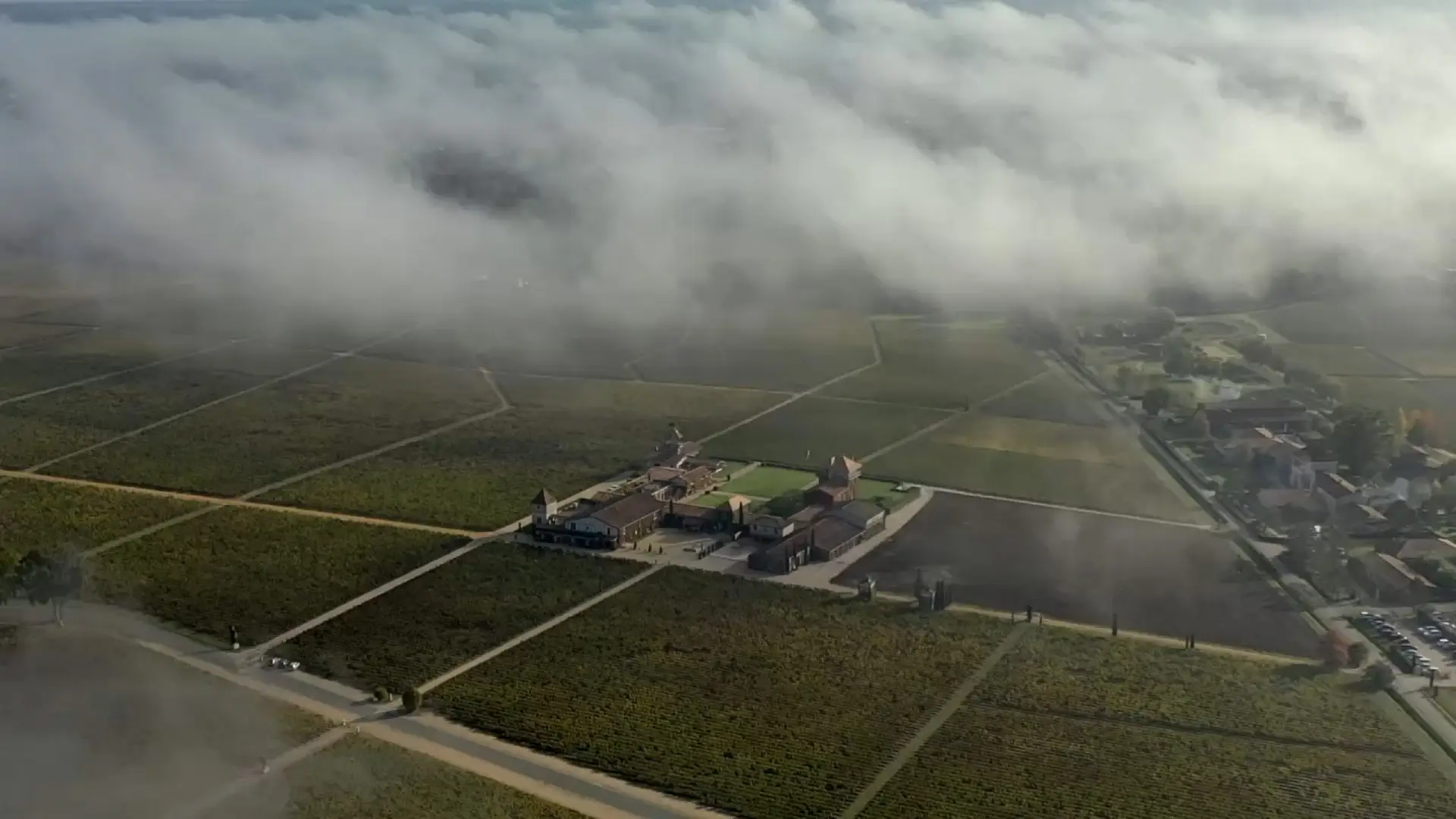
Bars in Léognan
Browse all →
Restaurants in Léognan
Browse all →
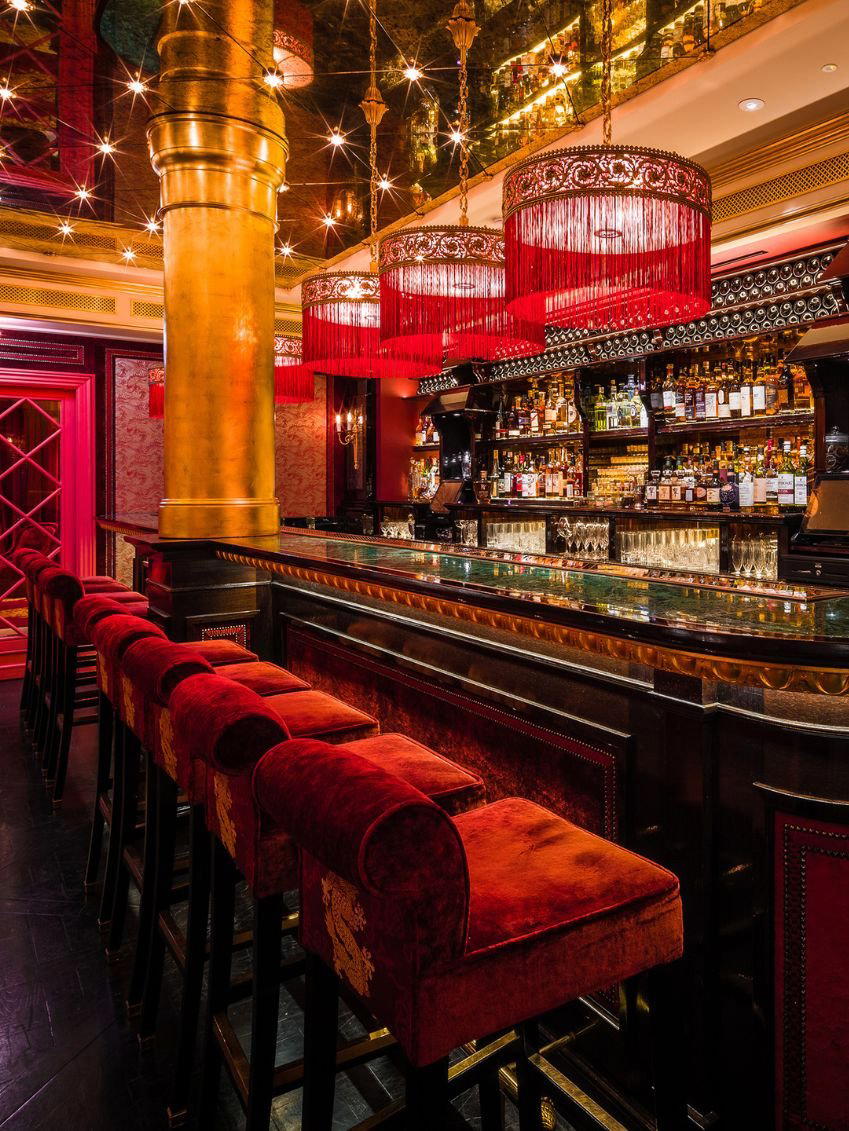
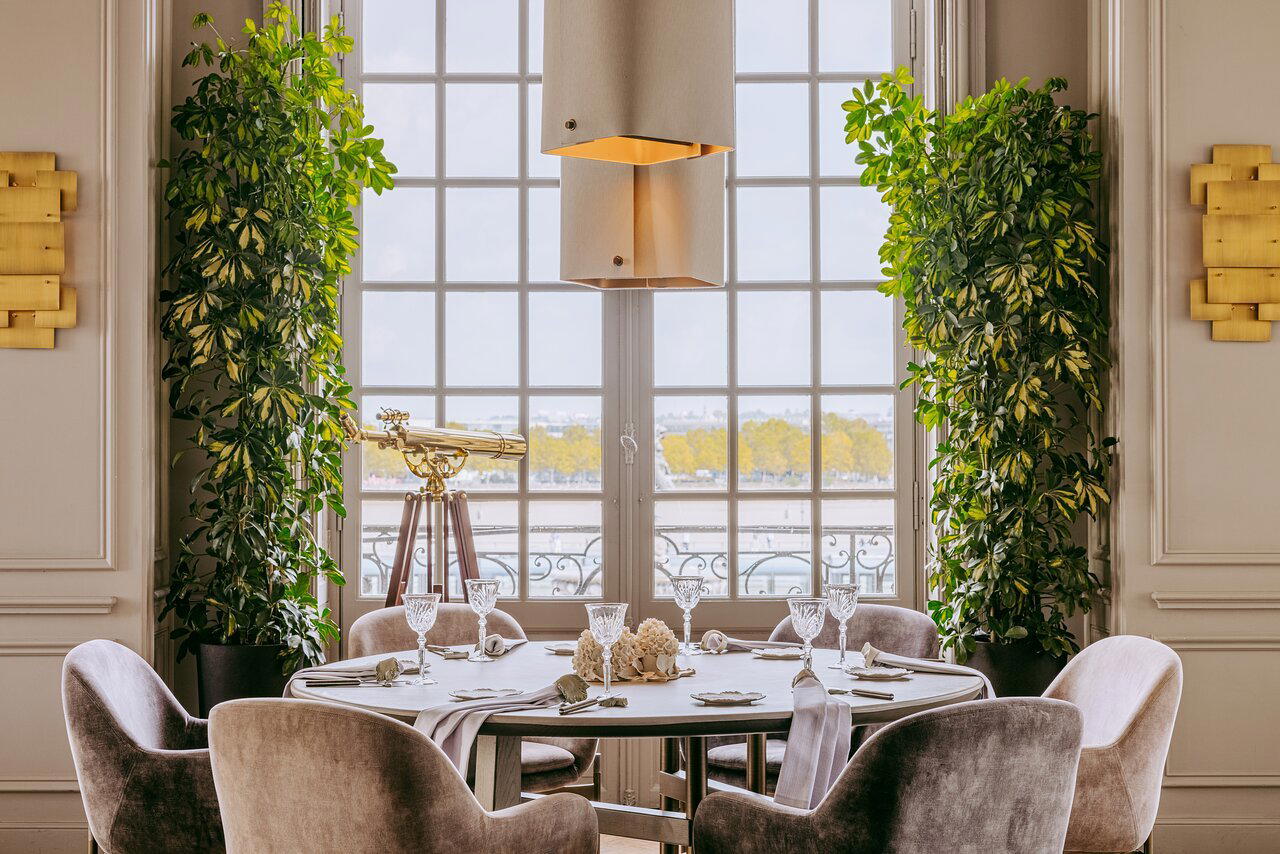
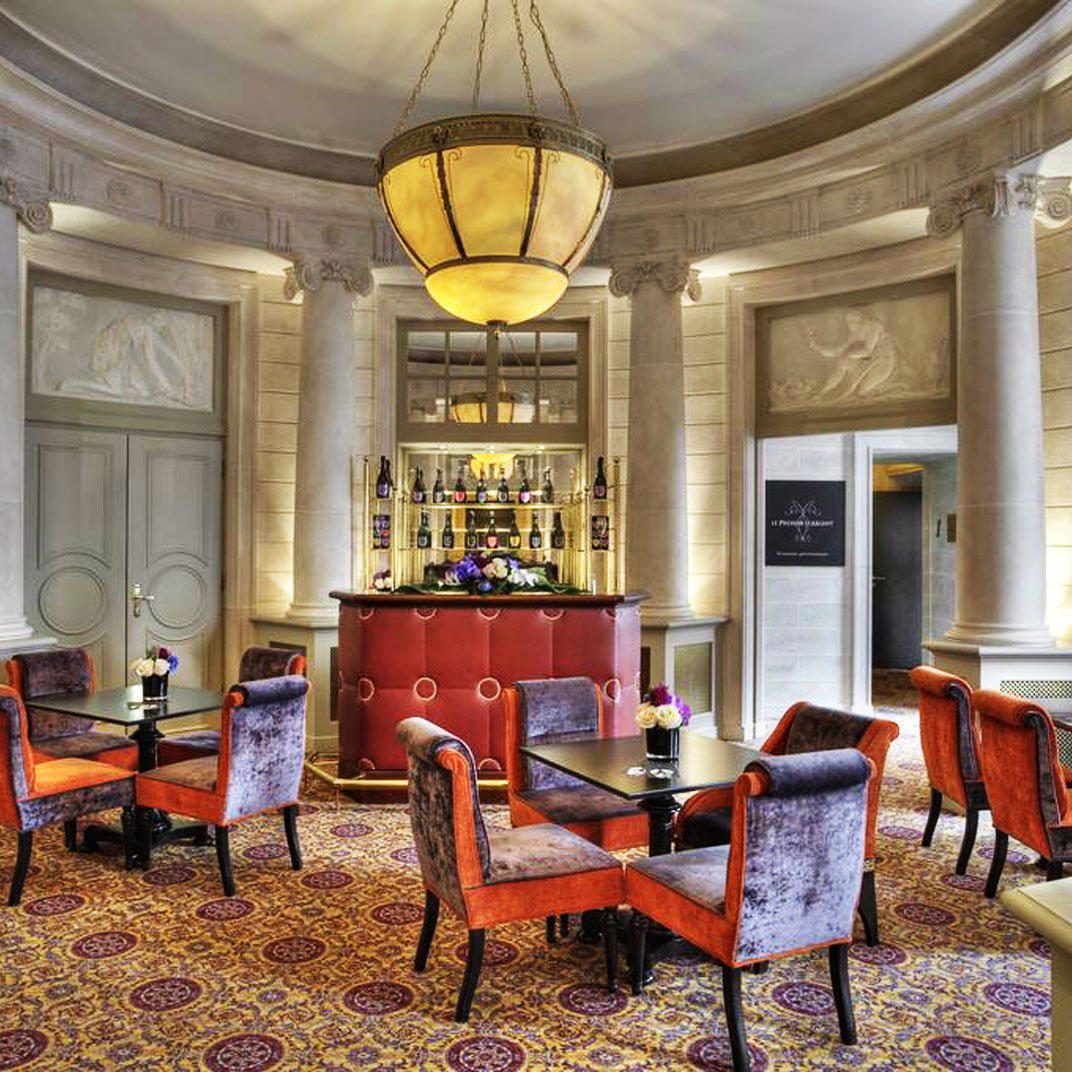
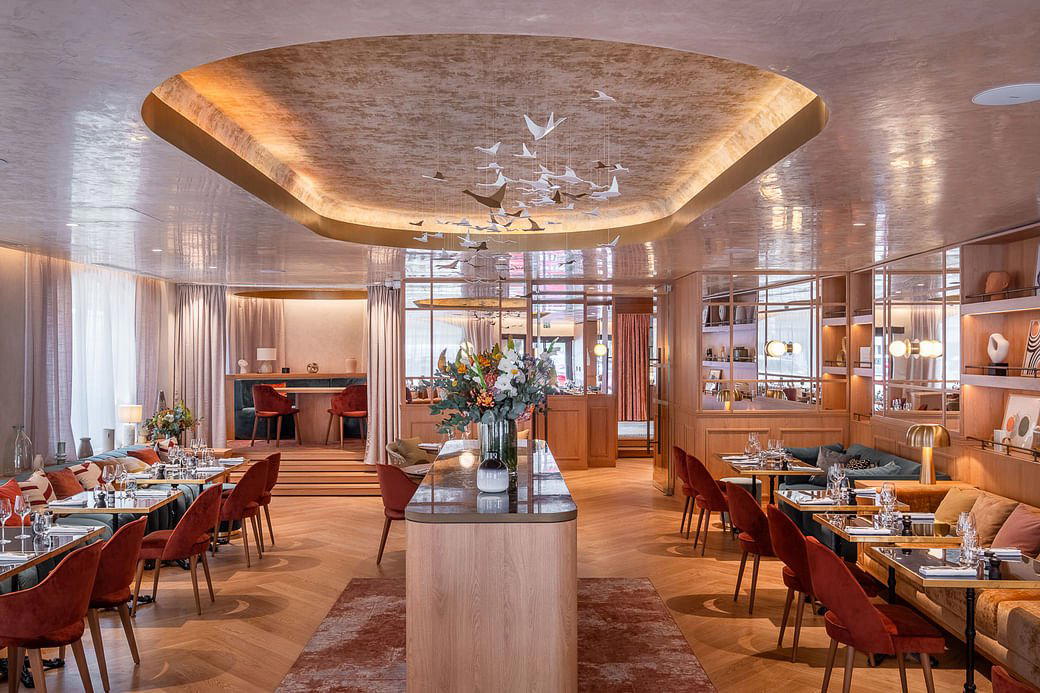
At a Glance
- Elegant
- Classic
- Sophisticated
- Scenic
- Wine Education
- Special Occasion
- Corporate Event
- Vineyard Tour
- Cave Tasting
- Barrel Room
- Estate Grounds
- Historic Building
- Vineyard
- Garden
- Pessac Léognan
- Cabernet Sauvignon
- Merlot
- Cabernet Franc
- Petit Verdot
- Carmenère
- Malbec
- Still Red
- Private Tasting
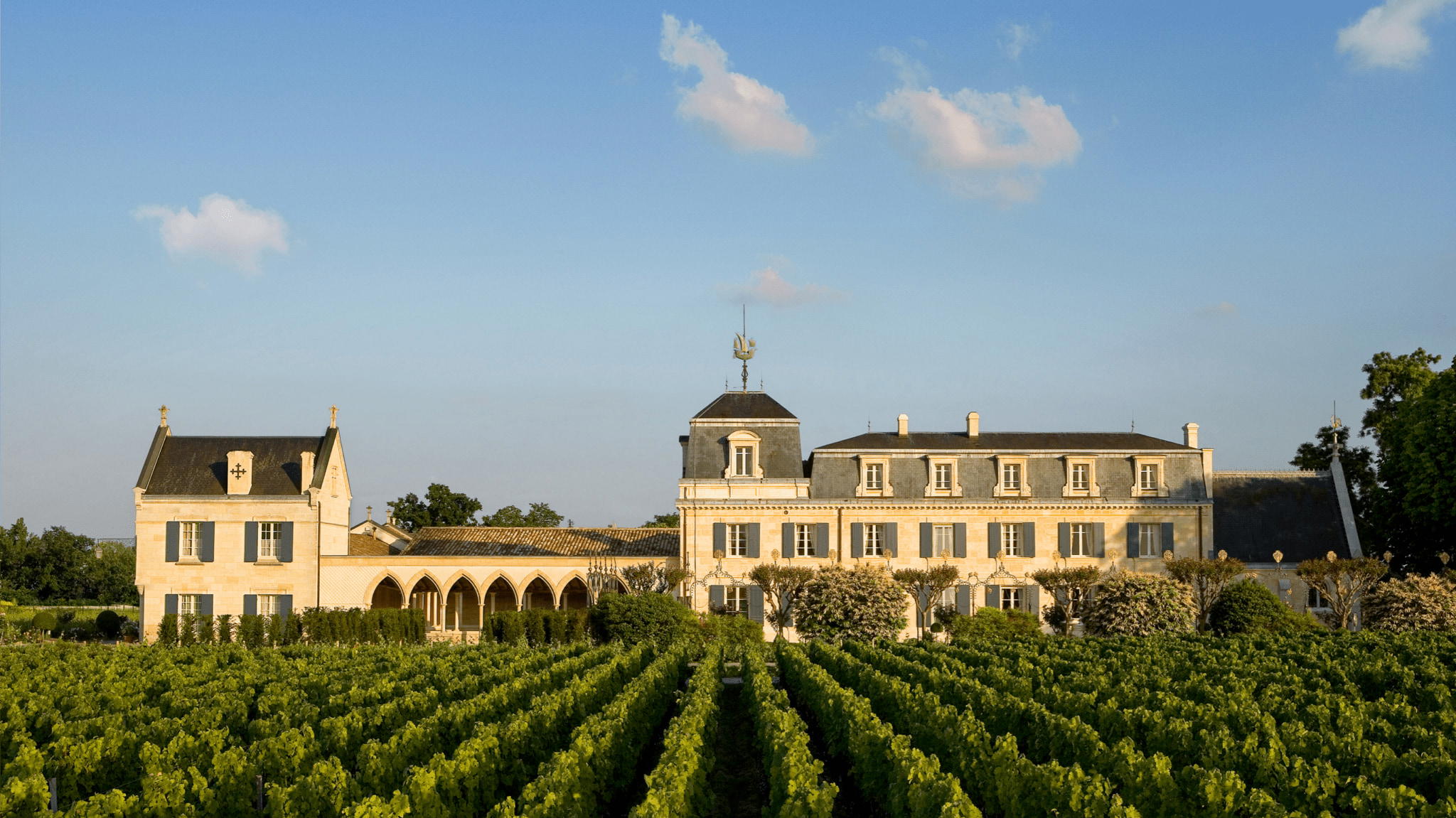
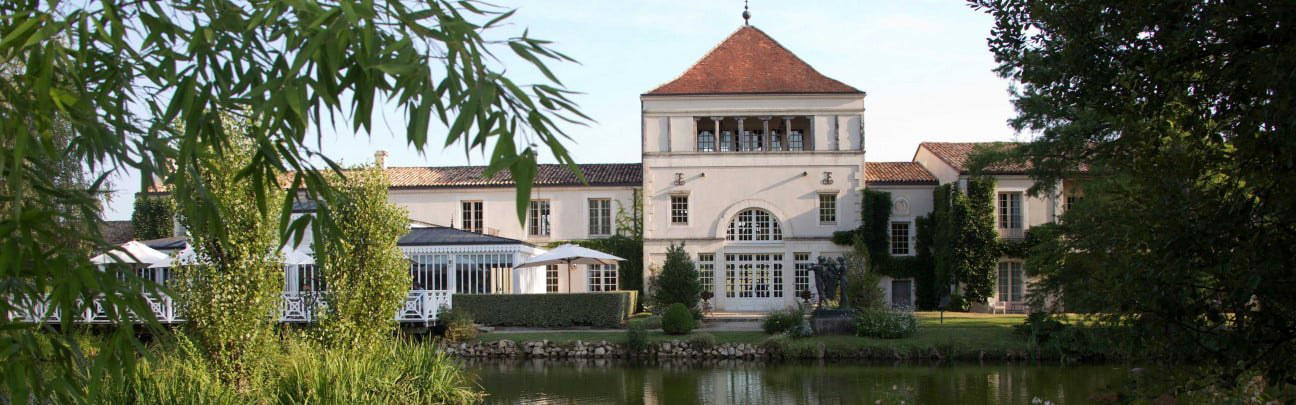
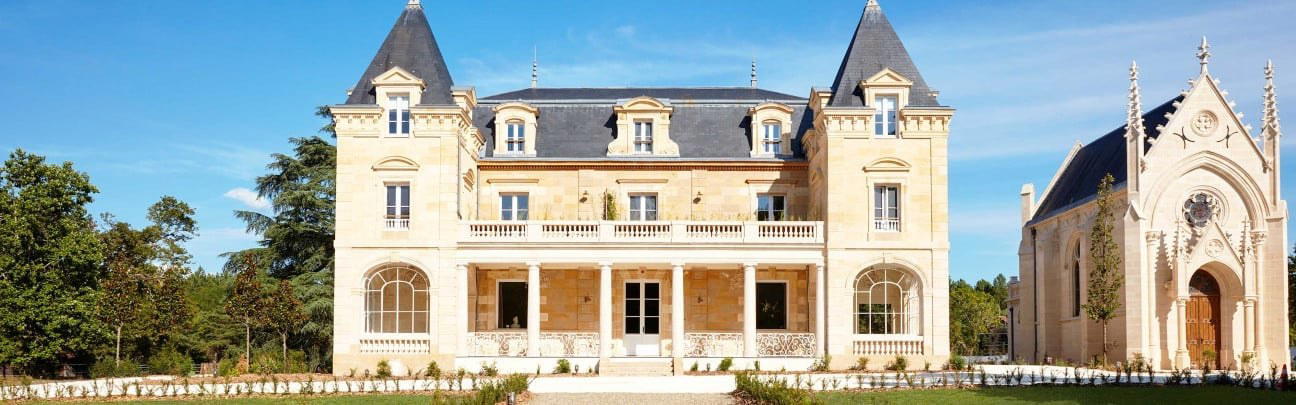
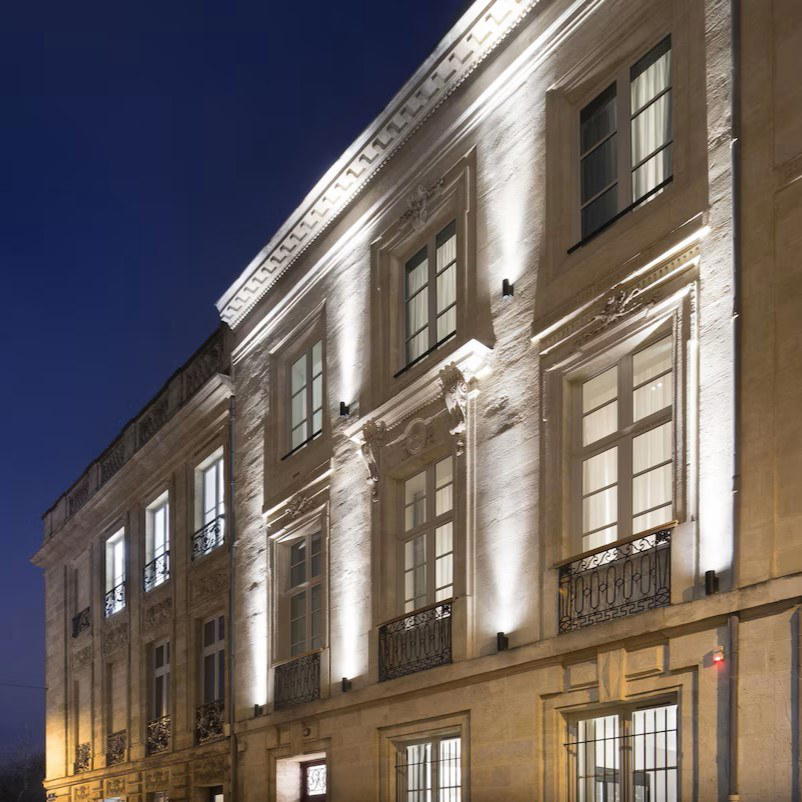
Elegant and timeless with far-reaching vineyard views, serene gardens, and a sophisticated atmosphere blending historic charm with modern winery architecture.
Know Before You Go
- Getting there
- 48 Rue de la Liberté, 33850 Léognan