Convite (single palenque)

Convite operates as a single-palenque mezcal producer in San Baltazar Guelavila, one of the Oaxacan villages where the agave distillation tradition runs deepest. Awarded a Pearl 2 Star Prestige rating in 2025, the operation represents the kind of site-specific production that defines mezcal at its most place-bound. For anyone tracing the geography of Zapotec spirits, this is a primary source.
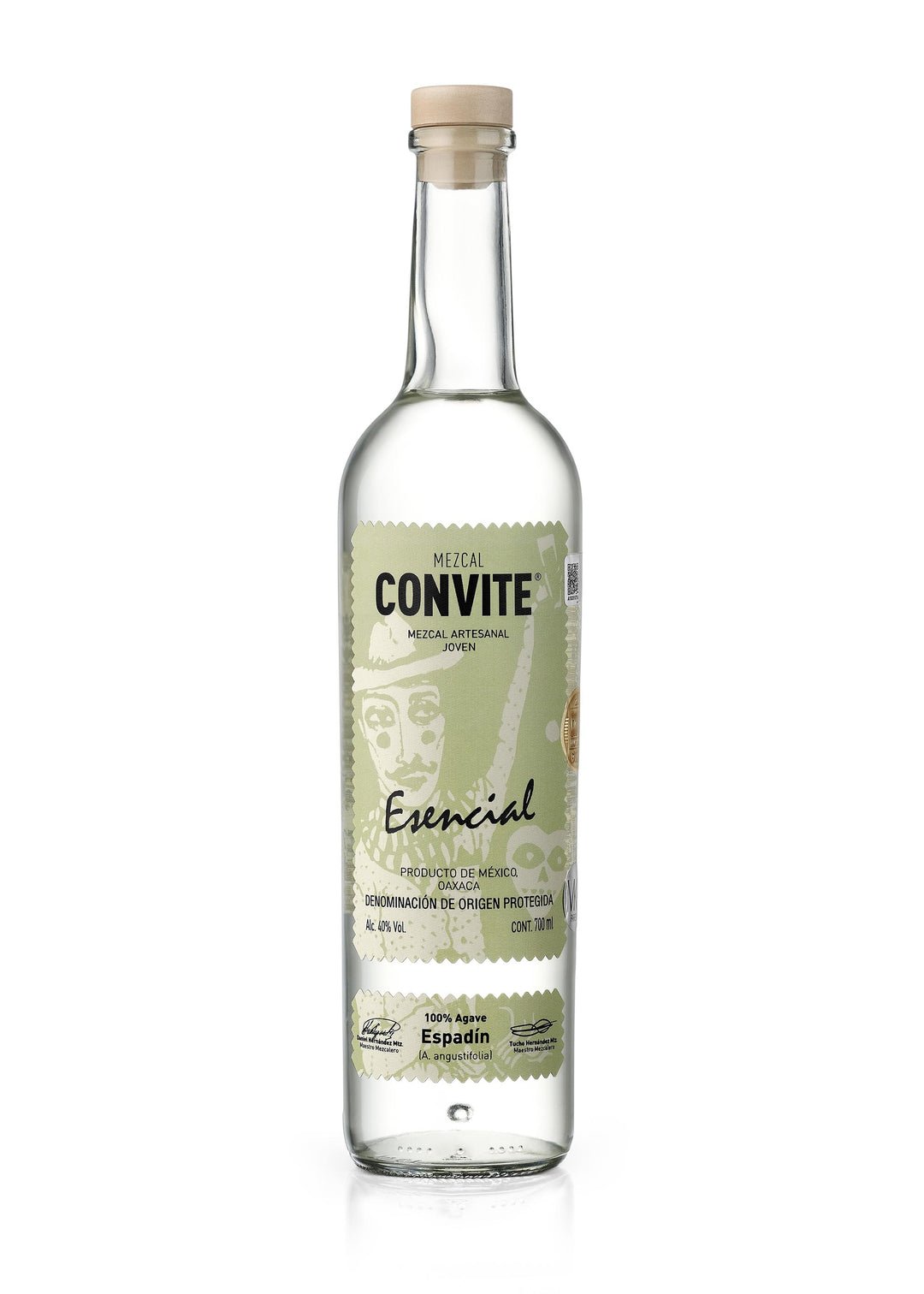
San Baltazar Guelavila and the Logic of Single-Palenque Mezcal
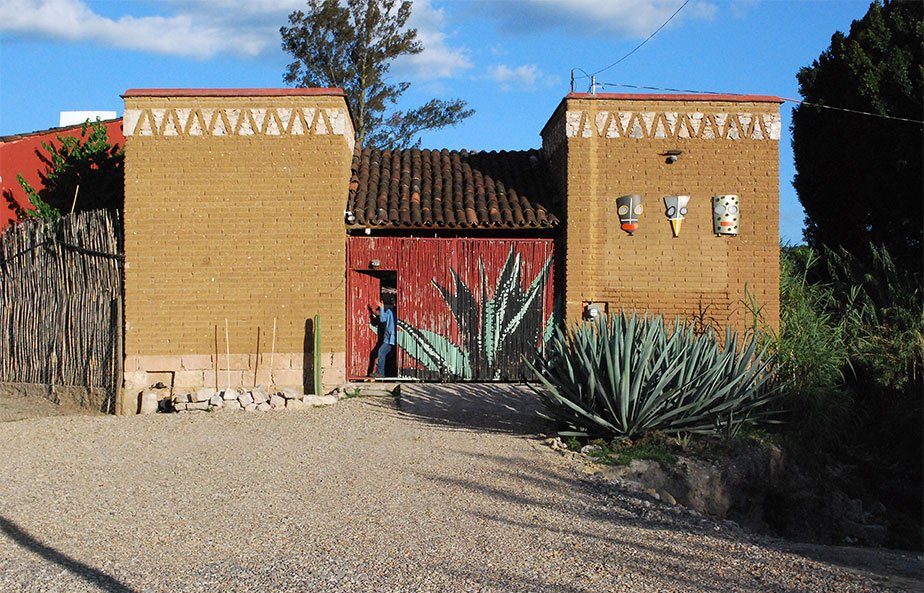
The village of San Baltazar Guelavila sits in the Cañada Yegolé valley of Oaxaca, in the Sierra Juárez mountain zone where agave grows across a steep altitudinal range and the air carries a dryness that shapes every stage of fermentation. This is not one of the towns that appears in casual mezcal coverage. It lacks the infrastructure of Santiago Matatlán, which markets itself as the world capital of mezcal and houses operations like Los Danzantes, and it sits far outside the tourist radius of Oaxaca City. What it has instead is a production tradition tied to specific microclimates, specific agave populations, and small-batch palenque culture that precedes the commercial mezcal boom by generations.
The single-palenque model matters here as a category distinction. A palenque is a mezcal production site, typically a compact operation with a stone or earthen pit for roasting, a tahona or wooden mallets for crushing, open-air wooden fermentation vats, and a clay or copper still. When a producer designates output as single-palenque, they are making a claim analogous to single-vineyard wine: that the spirit is the product of one specific site, one set of hands, one local agave population, and one micro-environmental context. That claim carries weight in proportion to how traceable and consistent those variables actually are.
What a Pearl 2 Star Prestige Rating Implies
Convite holds a Pearl 2 Star Prestige designation from EP Club's 2025 ratings, which positions it within a cohort of producers recognised for precision and place-specificity rather than volume or distribution breadth. Across the Oaxacan mezcal category, the producers that reach Prestige-tier assessment tend to share certain characteristics: limited annual output, agave sourced within a defined geographical radius, fermentation without commercial additives, and distillation that preserves rather than homogenises the character of the raw material.
For context within Mexican spirits production more broadly, that standard sits at a considerable remove from the industrial end of the category. Operations like Jose Cuervo (La Rojeña) in Tequila and La Primavera (Don Julio) in Atotonilco El Alto represent the industrialised tequila model, with production scales and supply chains that are structurally incompatible with what Convite represents. Even within the mezcal category, cooperative and multi-site models such as Banhez (UPADEC cooperative) in San Miguel Ejutla operate on a different logic from a producer committed to a single named palenque. The single-palenque designation is a deliberate narrowing — a restriction that trades volume for traceability.
Terroir as a Functional Concept in Agave Spirits
The application of terroir thinking to mezcal has moved from a marketing talking point into something with genuine technical grounding over the past decade. Soil composition, altitude, rainfall patterns, and ambient wild yeast populations all measurably affect the character of agave as raw material and the fermentation that follows. San Baltazar Guelavila's elevation and the specific agave varieties that thrive there produce raw material with a chemical profile distinct from lowland or valley-grown plants of the same species. The roasting process, conducted in earthen pits using local wood, introduces smoke compounds that vary depending on the fuel source and roast duration — variables that, at single-palenque scale, remain in the hands of one producer rather than being standardised across a supply chain.
Fermentation in open wooden vats is where ambient microbiology enters the equation. Unlike controlled-temperature stainless steel fermentation with inoculated yeast, traditional wooden vat fermentation draws on the local microbiome: yeast and bacteria present in the wood, on the agave fibre, and in the surrounding air. The result is that two palenques in different villages, even using the same agave species, can produce spirits with measurably different ester and fusel alcohol profiles. This is the biological mechanism behind single-palenque specificity, and it is why a producer's physical location functions as more than a postal address.
That same logic, applied to spirits rather than wine, is what makes a place like San Baltazar Guelavila worth the effort to reach. The village does not have the name recognition that draws mezcal tourists to the valley floor, and that relative obscurity is precisely what has allowed its production traditions to develop without the pressure to standardise for export markets. Compare that with what happened in parts of the Tequila denomination, where industrial scale reshaped not just production volume but the underlying flavour profile of the category, or look at how Casa Herradura (Hacienda San José del Refugio) in Amatitán, for all its heritage, now operates within a global corporate framework. Single-palenque mezcal from a village like San Baltazar Guelavila sits at the opposite end of that spectrum.
Placing Convite Within the Guelavila Palenque Scene
San Baltazar Guelavila is home to more than one mezcal producer, and the village's output reaches the international market through several channels. Mezcal Unión (bottled of origin) represents one model of how Guelavila production enters the market, with its own set of commitments around sourcing and bottling transparency. Convite's single-palenque designation signals a different positioning: where bottled-of-origin frameworks can aggregate across multiple production sites within a town or region, the single-palenque claim stakes everything on one location and one production unit.
That distinction matters for the specialist buyer or the serious traveller who makes the trip to the village to understand what they are tasting. A single palenque visit, when the operation is the size implied by this designation, is closer to a working-farm visit than a winery tour: you are seeing the actual site where the spirit in your glass was made, by the people who made it, using the pit and vats and still that are the only ones involved. There is no sister facility, no overflow capacity, no blending across sites. What the palenque produces is what exists.
Planning a Visit to San Baltazar Guelavila
San Baltazar Guelavila is a rural Zapotec village, not a destination with developed tourism infrastructure, and reaching it requires either a private vehicle or local transport connections from Oaxaca City. Direct booking information for Convite is not publicly listed at the time of writing, so the most practical approach is to contact local mezcal specialists or tour operators based in Oaxaca who work with village producers in the Sierra Juárez zone. Visits to single-palenque operations at this scale are typically arranged in advance and should be treated as working-site visits rather than scheduled experiences.
For those building a broader Oaxaca spirits itinerary, the full San Baltazar Guelavila wineries guide maps the production range of the village, while the restaurants guide, bars guide, hotels guide, and experiences guide cover the practical dimensions of spending time in and around the village. Beyond Oaxaca, comparative reference points for single-site spirits production , in a completely different tradition , include Aberlour in Scotland and Abadía Retuerta in Spain, both of which demonstrate how site-specific production credentials translate across categories. Similarly, Cazadores Distillery in Arandas and Casa Cortés – La Soledad Palenque in Ejutla provide useful points of comparison within the Mexican spirits category for understanding the range between artisanal palenque production and larger-scale operations.
Peer Set Snapshot
These are the closest comparables we have in our database for quick context.
| Venue | Awards | Notes |
|---|---|---|
| Convite (single palenque) | Pearl 2 Star Prestige | This venue |
| Mezcal Unión (bottled of origin) | Pearl 1 Star Prestige | |
| Banhez (UPADEC cooperative) | Pearl 2 Star Prestige | |
| Casa Armando Guillermo Prieto (AGP) | Pearl 1 Star Prestige | |
| Casa Cortés – La Soledad Palenque | Pearl 2 Star Prestige | |
| Casa Herradura (Hacienda San José del Refugio) | Pearl 2 Star Prestige |
Continue exploring
More in San Baltazar Guelavila
Wineries in San Baltazar Guelavila
Browse all →
Bars in San Baltazar Guelavila
Browse all →

Restaurants in San Baltazar Guelavila
Browse all →
At a Glance
- Rustic
- Intimate
- Scenic
- Wine Education
- Vineyard Tour
- Estate Grounds
- Panoramic View
- Sustainable
- Mountain
- Garden
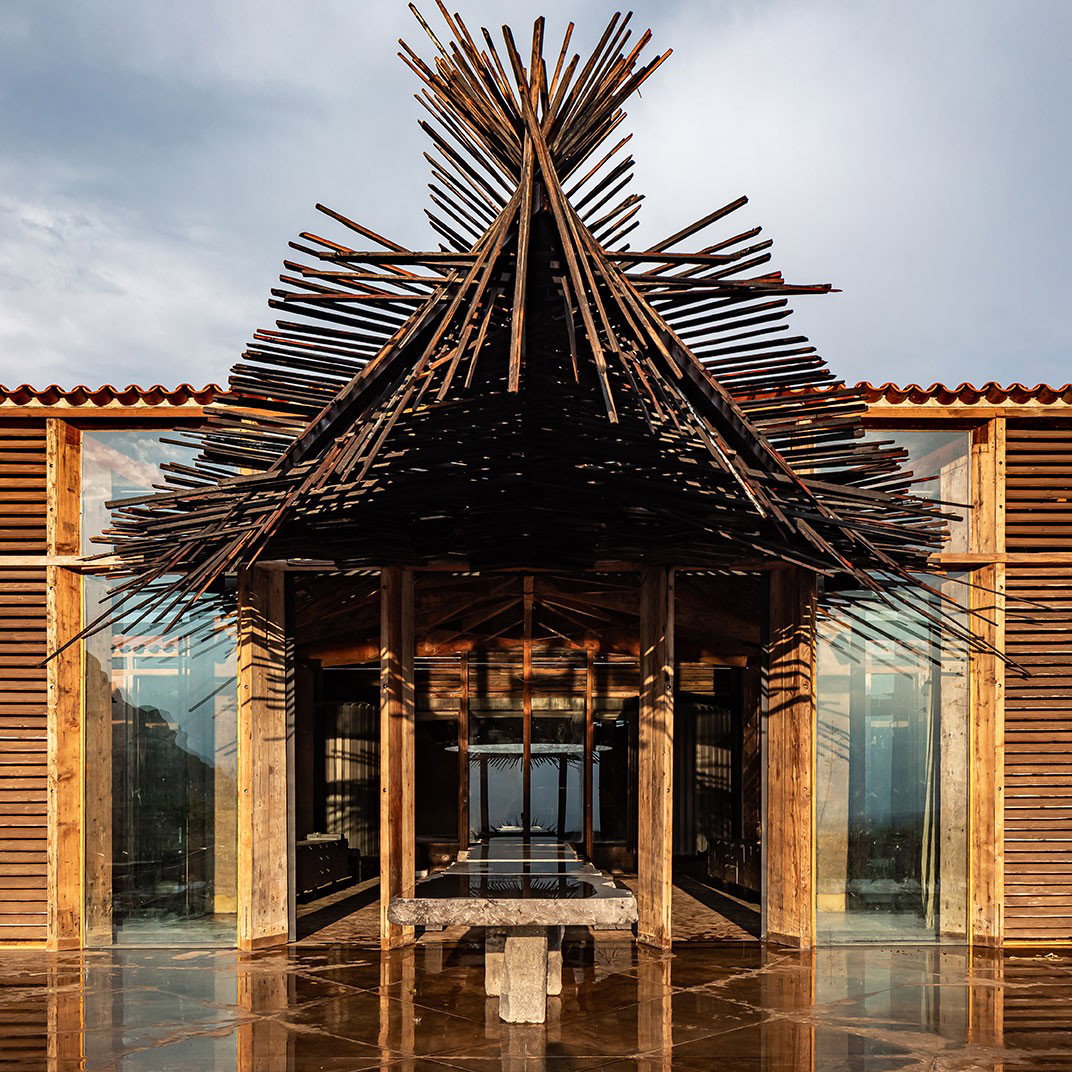
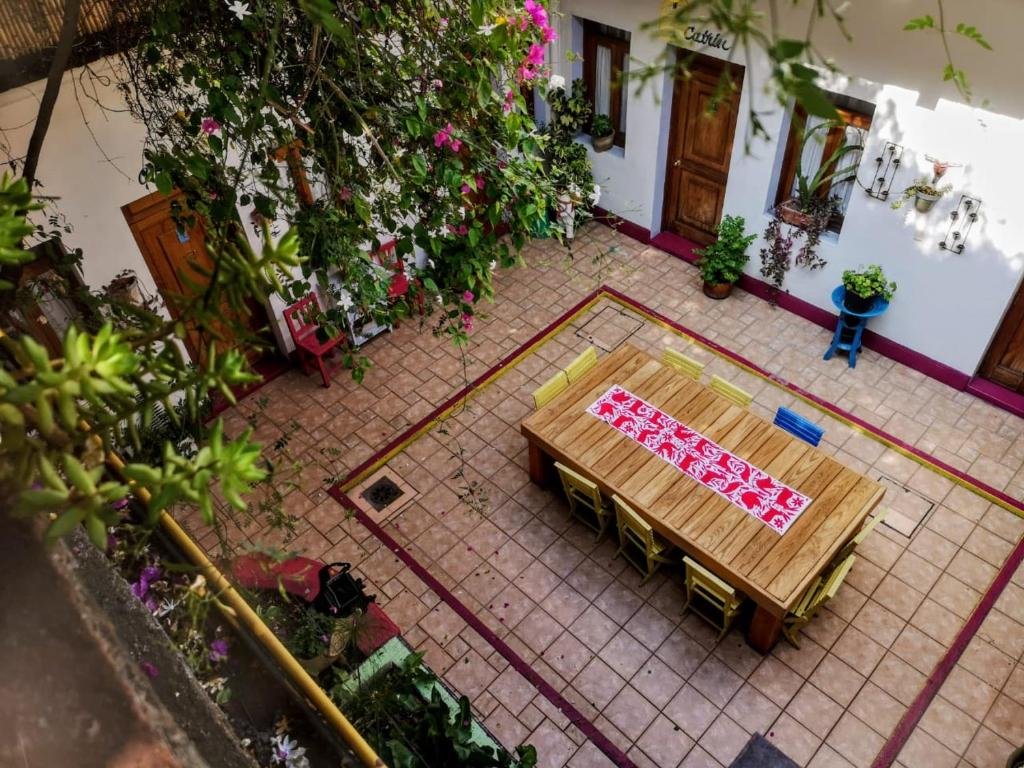
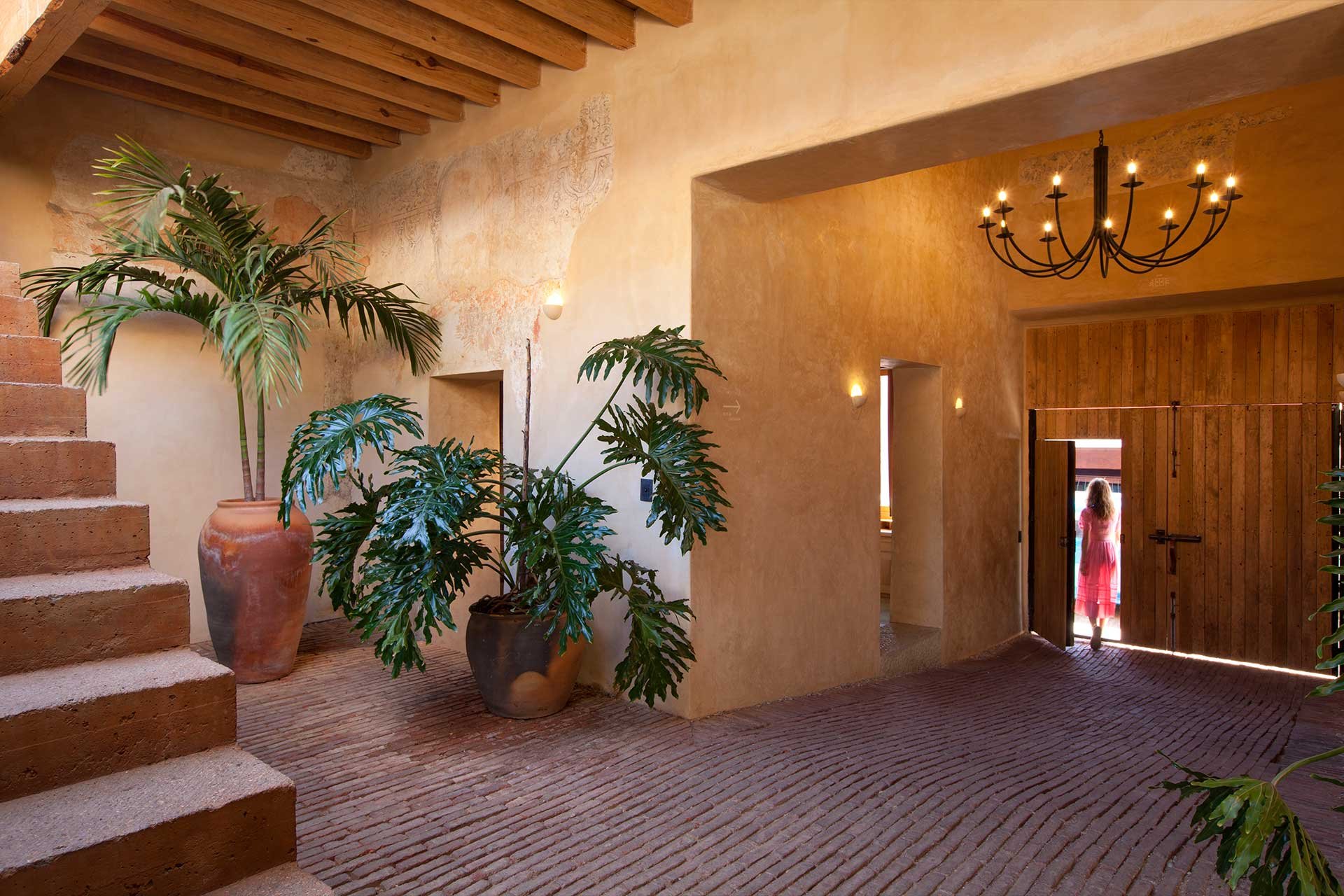
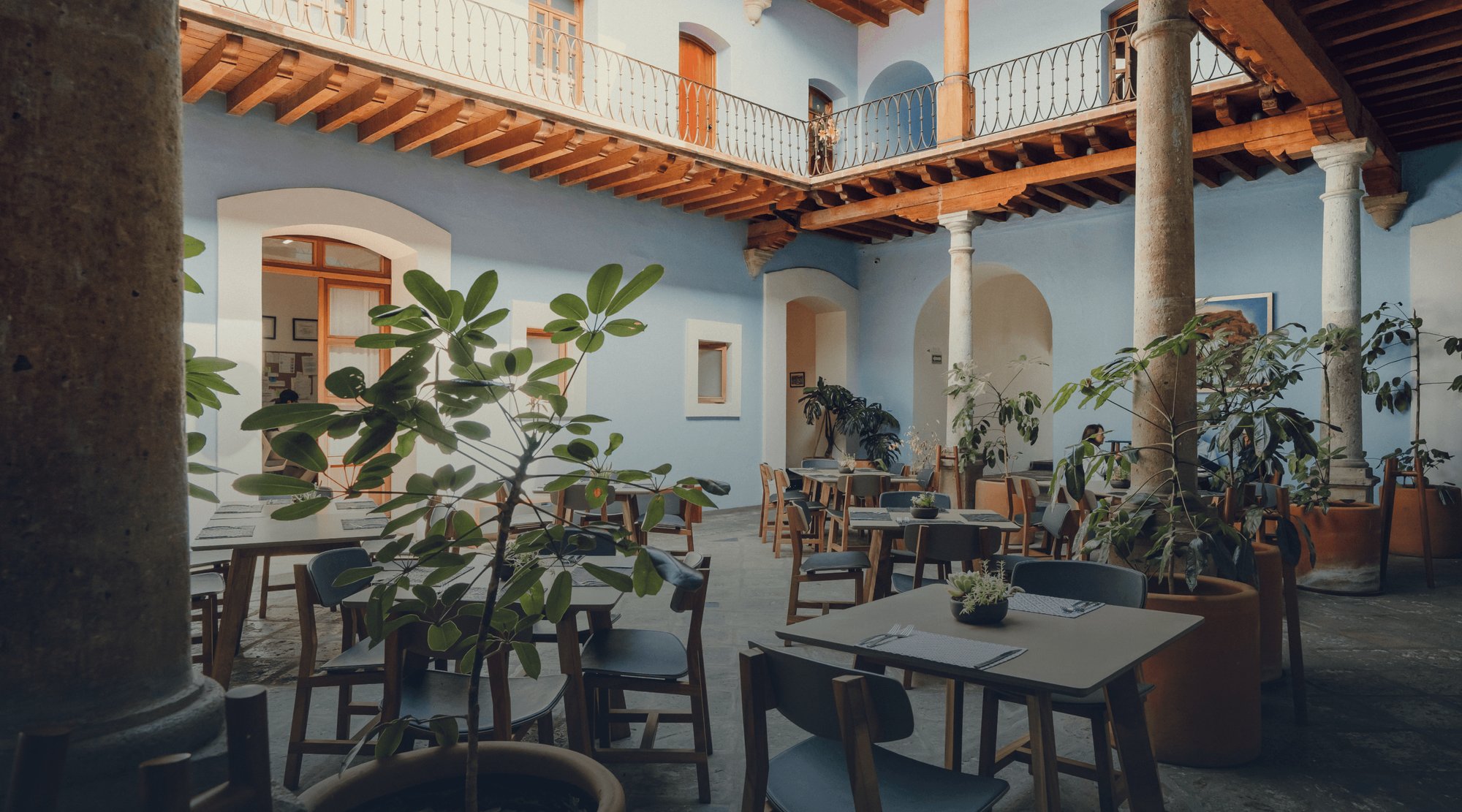
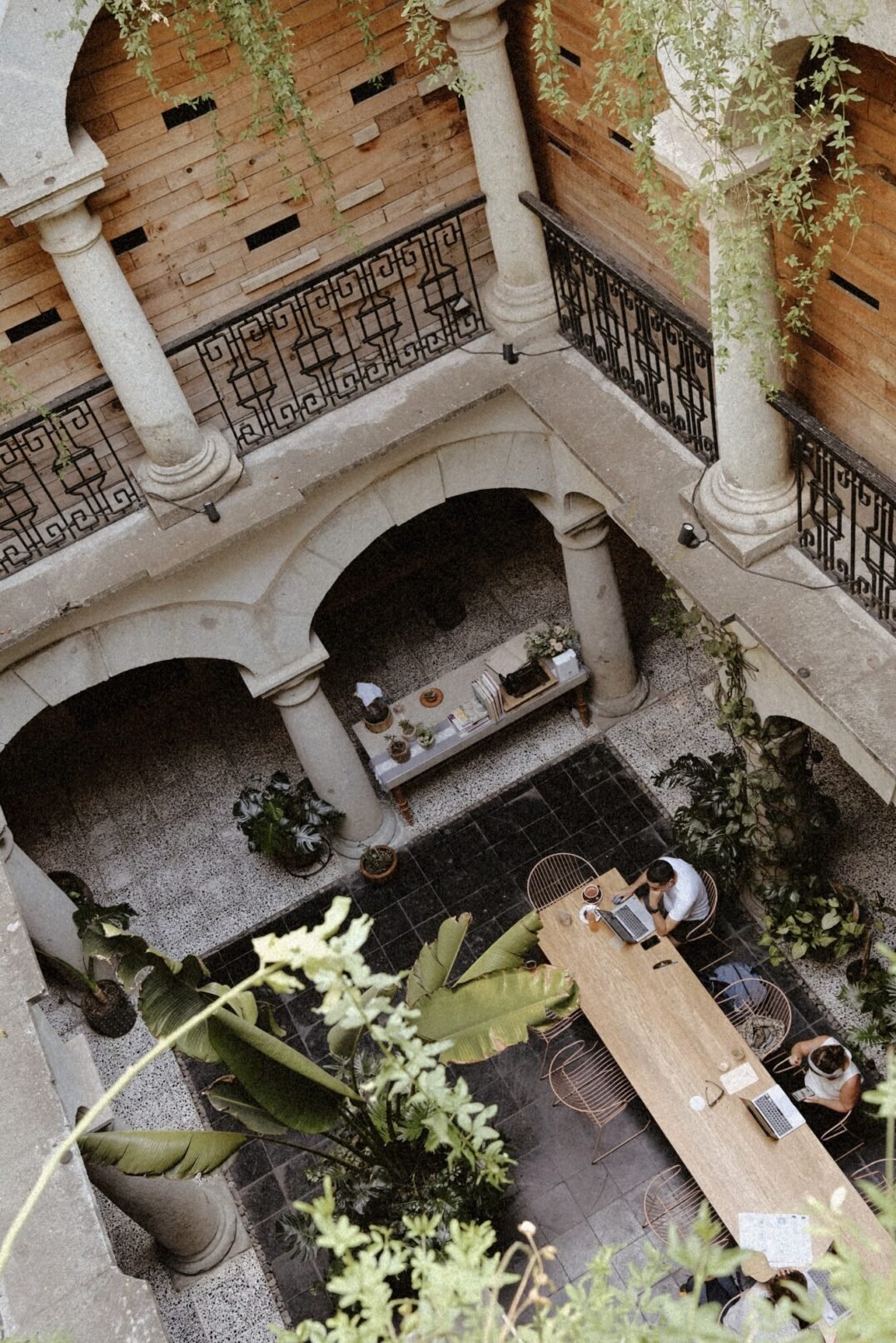
Serene mountain setting at 1900m elevation surrounded by waterfalls and lush gardens, with an artisanal, rustic atmosphere rooted in traditional production without electricity.