On Calle de Los Libres in the heart of Oaxaca City's historic Centro, El Diablo y la Sandia occupies a corner of the neighborhood where colonial-era street life and contemporary local culture overlap. The address alone situates it within walking distance of the city's most significant 18th-century architecture, placing it in a part of Centro that rewards explorers willing to move a few blocks beyond the zócalo's immediate orbit.
Pearl is the En Primeur Club membership app — saves, bookings, and concierge access live there. Same editors, same standards.
- Address
- C. de Los Libres 205, RUTA INDEPENDENCIA, Centro, 68000 Oaxaca de Juárez, Oax., Mexico
- Phone
- +52 951 514 4095
- Website
- eldiabloylasandia.com
- Directions
- Get directions
 Saves & bookings on Pearl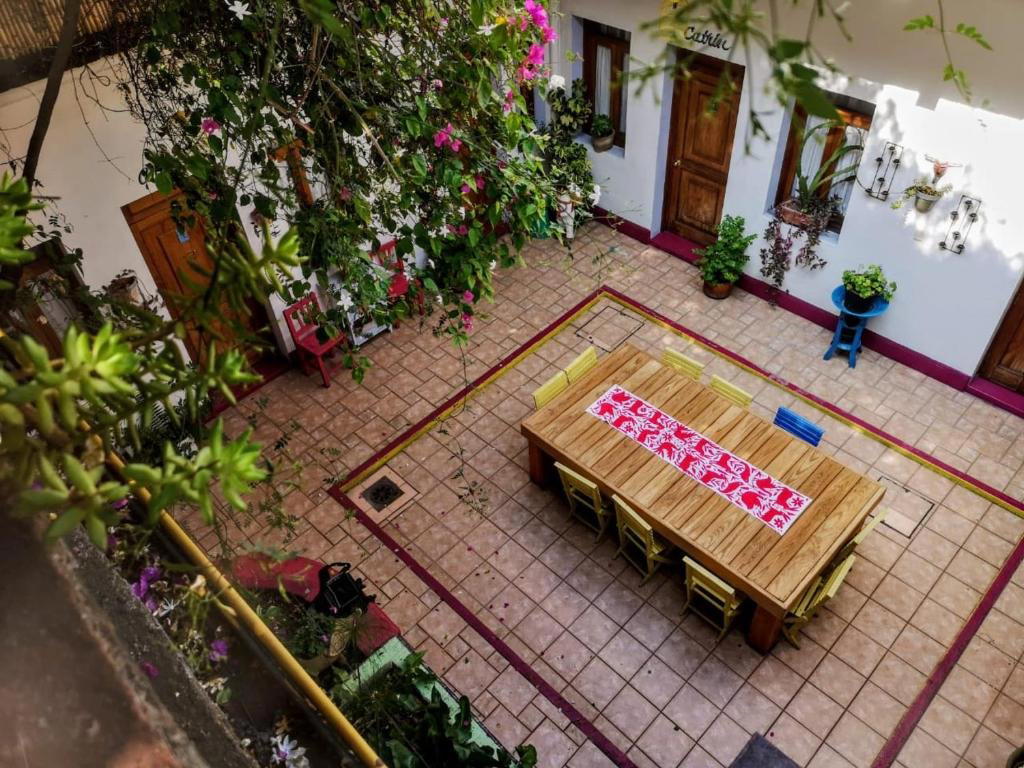
Where Calle de Los Libres Meets Oaxaca's Centro
The streets around Oaxaca City's Centro historic district carry a particular weight in the early morning and again at dusk, when the ochre and terracotta facades catch the Sierra Norte light at angles that make the colonial architecture feel freshly constructed rather than centuries old. Calle de Los Libres, the address where El Diablo y la Sandia sits at number 205, runs through the Ruta Independencia corridor, a stretch of Centro that has retained much of its 18th- and 19th-century street grain even as the blocks closer to the zócalo have absorbed more commercial pressure. Arriving on foot from the Alameda de León, you pass through a transition the city's planners never quite engineered but time produced anyway: tourist-facing retail giving way to neighborhood-facing life.
That positioning matters in Oaxaca City more than it might in other Mexican cities. Centro's heritage zone is one of the better-preserved colonial urban grids in southern Mexico, a UNESCO World Heritage Site designation that has protected the proportions of streets, the height limits on buildings, and the relationship between interior courtyards and public facades. Venues that occupy this fabric are not simply tenants of a neighborhood; they inherit a physical argument about how a city should look and how its residents should move through it. El Diablo y la Sandia's address on Calle de Los Libres 205 places it squarely inside that argument.
The Centro Heritage Context
Oaxaca City's Centro was laid out in the Spanish grid pattern following the 1529 founding, with the cathedral and zócalo at its center and residential and commercial streets radiating outward in the pattern characteristic of colonial urban planning across New Spain. The buildings that survive along streets like Los Libres represent successive layers of that history: colonial-era stone construction, 19th-century interventions during the Juárez period (Oaxaca is Benito Juárez's home state, and that civic identity runs deep in the city's self-presentation), and 20th-century adaptations that, in the better examples, respected the scale and materiality of what came before.
The Ruta Independencia corridor where the venue sits has a particular civic resonance. The independence-era street naming across this part of Centro reflects the 19th-century republican project of embedding political memory into urban geography, a practice that makes walking the neighborhood as much a history lesson as an aesthetic experience. For visitors staying in Centro's boutique properties, including options like Casa Oaxaca Hotel, Casa de Siete Balcones Hotel Boutique, or Casa Antonieta, the walk to Calle de Los Libres is a short pass through the layered street fabric that defines why Centro earned its heritage protections in the first place.
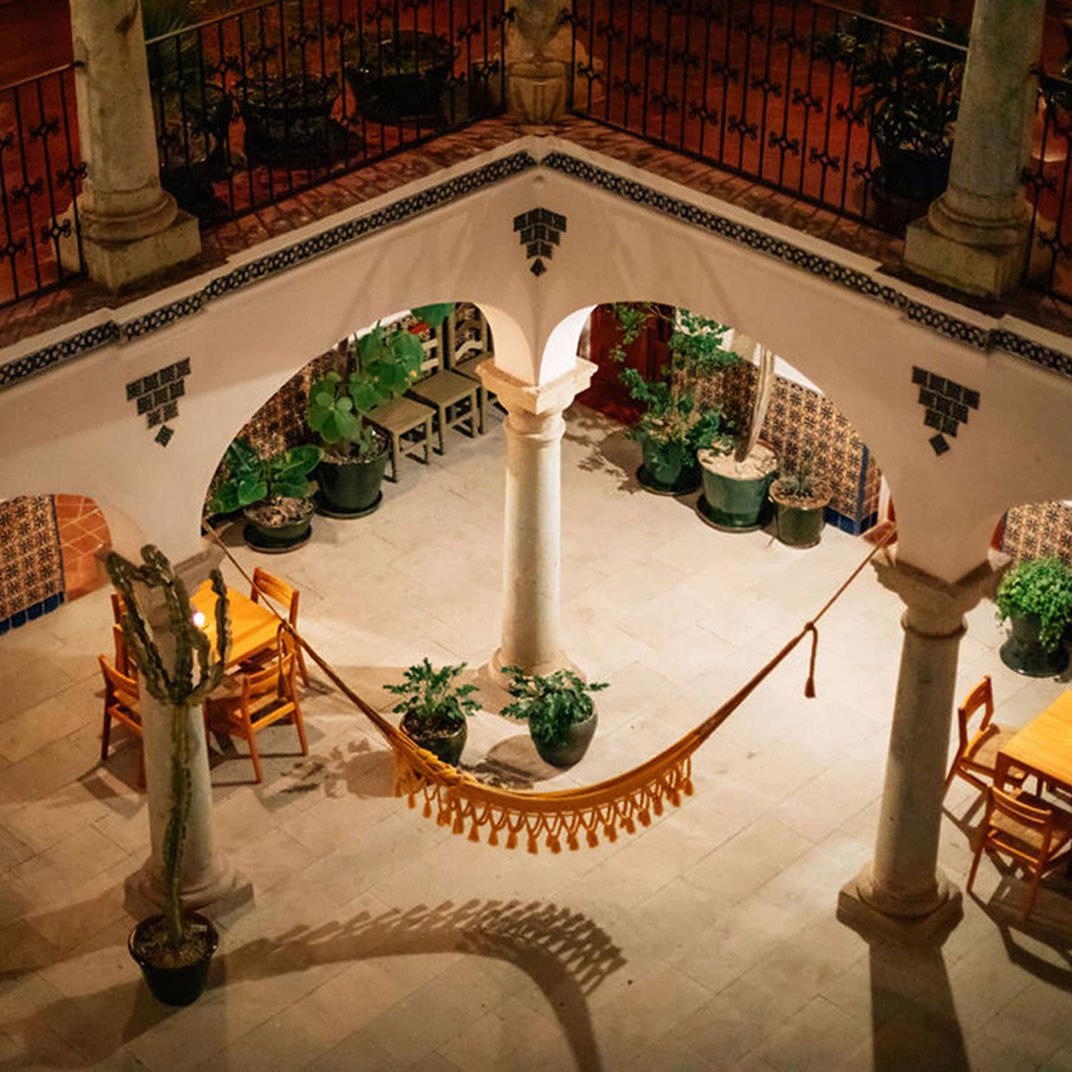
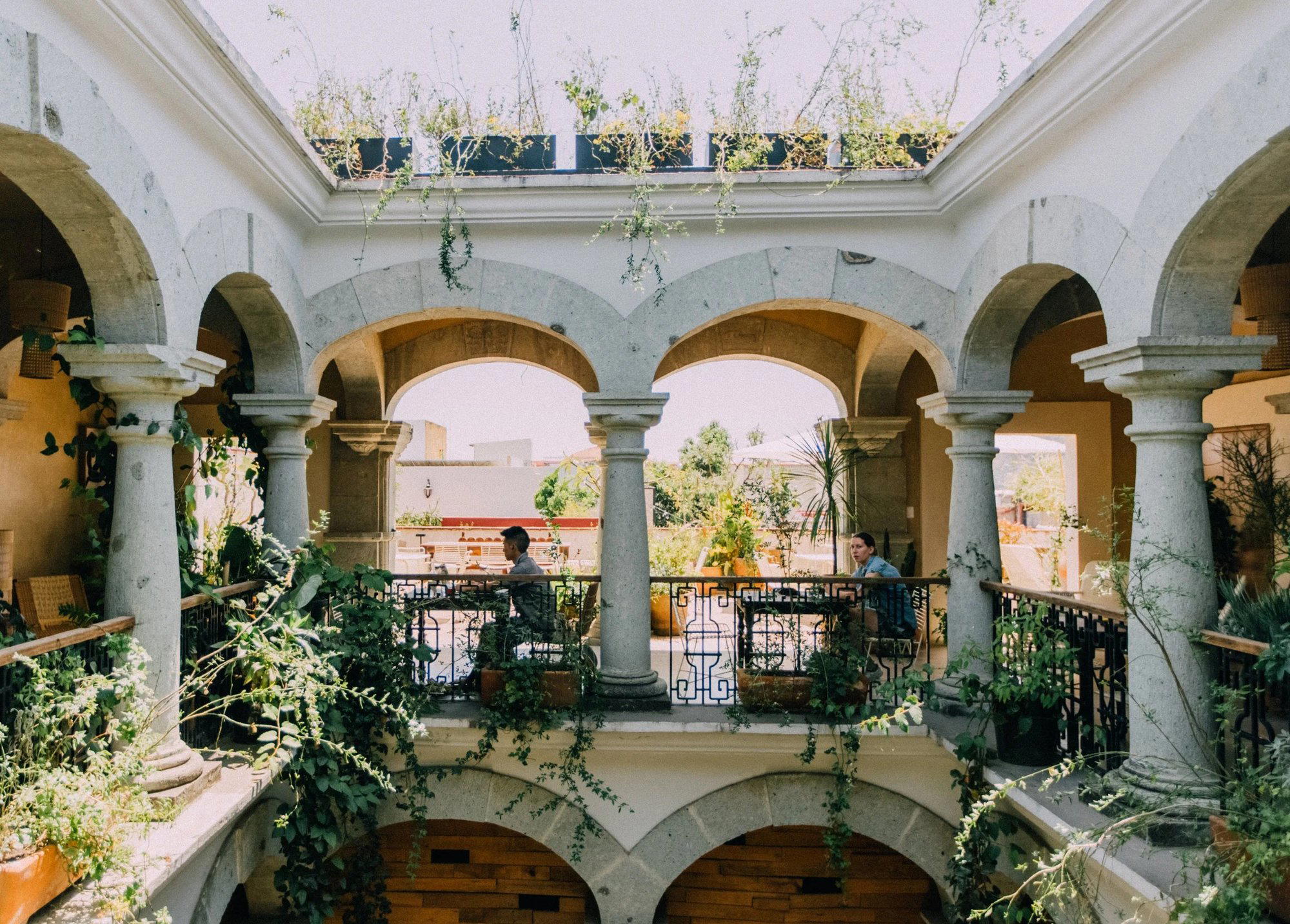
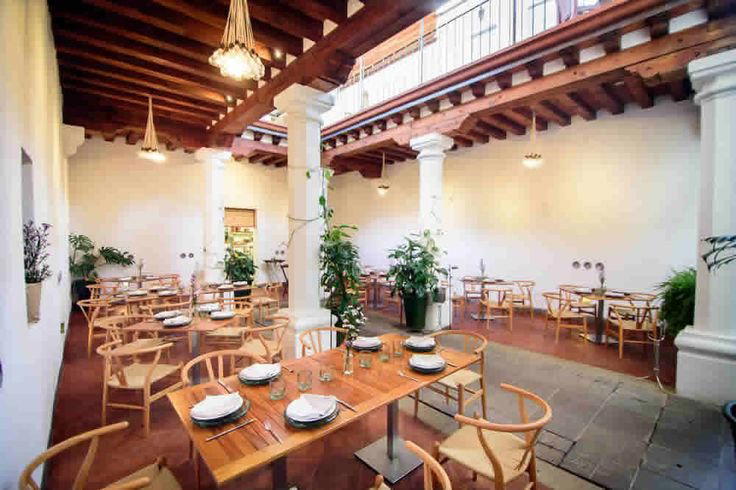
That heritage context also shapes what any venue in this corridor inherits by occupation. Buildings along these streets frequently contain interior courtyards, high-ceilinged rooms with thick stone or adobe walls, and proportions calibrated for a pre-air-conditioning climate where shade, cross-ventilation, and thermal mass did the work that mechanical systems do elsewhere. These are not incidental architectural details; they are the reason that eating, drinking, or simply sitting in Centro Oaxaca has a physical character distinct from almost anywhere else in Mexico.
Oaxaca's Food Scene and the Streets Around Los Libres
Any venue in this part of Centro operates within one of Mexico's most closely watched food cities. Oaxaca City has drawn sustained international attention for its ingredient culture, its mole traditions, its mezcal production infrastructure, and the density of serious cooking within a relatively compact urban area. That attention has brought both opportunity and pressure: the dining public that arrives in Oaxaca now is better informed than it was a decade ago, and the city's leading kitchens have responded by anchoring their menus more deliberately in regional specificity rather than moving toward the pan-Mexican or international formats that international attention sometimes produces.
The streets immediately surrounding Calle de Los Libres sit in a part of Centro where the food offer tilts toward local use rather than tourist capture, a distinction that matters when reading any venue's likely positioning. Visitors who base themselves at properties like Hotel Escondido, Casa de las Bugambilias B&B;, or Hotel Azul and walk to this address are moving through a neighborhood where the dining decisions feel less curated and more contingent, in the way that interesting food cities tend to work when you step slightly off the main circuit.
For travelers who have previously anchored their Mexican travel to resort-focused properties, such as Hotel Esencia in Tulum, One&Only; Mandarina in Riviera Nayarit, or Las Ventanas al Paraíso in San José del Cabo, Oaxaca City's Centro represents a different register of Mexican travel entirely: urban, walkable, and oriented around cultural density rather than coastal seclusion. The contrast is instructive. Properties like Montage Los Cabos, Zadun, A Ritz-Carlton Reserve, or Maroma in Riviera Maya offer a self-contained luxury that Oaxaca City's boutique-hotel-and-neighborhood-restaurant model deliberately does not attempt to replicate.
Planning a Visit to Calle de Los Libres 205
The practicalities of visiting El Diablo y la Sandia require some flexibility given the information currently available.
Seasonally, Oaxaca City's two major festival periods, the Guelaguetza in late July and the Noche de Rábanos and Día de Muertos in late October through early November, significantly change the rhythm of Centro. During these windows, foot traffic in the historic district increases substantially, tables at known spots fill earlier, and the neighborhood's character shifts toward spectacle in ways that are both compelling and logistically demanding. Visitors whose primary interest is in the quieter, more everyday texture of a street like Calle de Los Libres might find the shoulder months, February through April or September, give them closer access to the neighborhood's baseline character.
For travelers comparing Oaxaca City with other culturally dense Mexican destinations, the city occupies a distinct tier. It sits closer in feel to San Miguel de Allende's boutique-hotel-and-arts-culture model than to the coastal luxury represented by Four Seasons Resort Punta Mita or Xinalani in Quimixto, and it shares some of the compact walkable-city logic that makes Chablé Yucatán guests return to Merida. The heritage-zone infrastructure of Oaxaca's Centro, including the street like Los Libres that this venue occupies, is the city's primary asset and the context within which any visit to an address on this block should be understood.
Comparable Venues
Comparable venues nearby, for context on price, style, and recognition.
| Venue | Cuisine | Price | Notes |
|---|---|---|---|
| El Diablo y la Sandia, LibresThis venue — the venue you are viewing | Renovated 1940s colonial house B&B | $$$ | Not listed |
| Hotel Azul | Contemporary design-led boutique hotel that preserves traditional Oaxacan warmth through collaboration with local artists and artisans. | $$$ | 2006700010897 |
| Hotel Casa Santo Origen | Secluded boutique hideaway blending luxury with Oaxacan cultural richness. | $$$ | 2006700011772 |
| Flavia Hotel | Brutalist boutique hotel harmonizing with natural surroundings on mountain slopes. | $$$ | 2006700010331 |
| Majagua Hotel Boutique | Adults-only boutique hotel in a restored midcentury Art Deco mansion in Oaxaca’s historic center. | $$$ | Centro Histórico |
| Casa Oaxaca Hotel | Intimate colonial boutique hotel in restored 18th-century mansion. | $$$$ | 2006700010933 |
Continue exploring
More in Oaxaca
Hotels in Oaxaca
Browse all →
Bars in Oaxaca
Browse all →
Restaurants in Oaxaca
Browse all →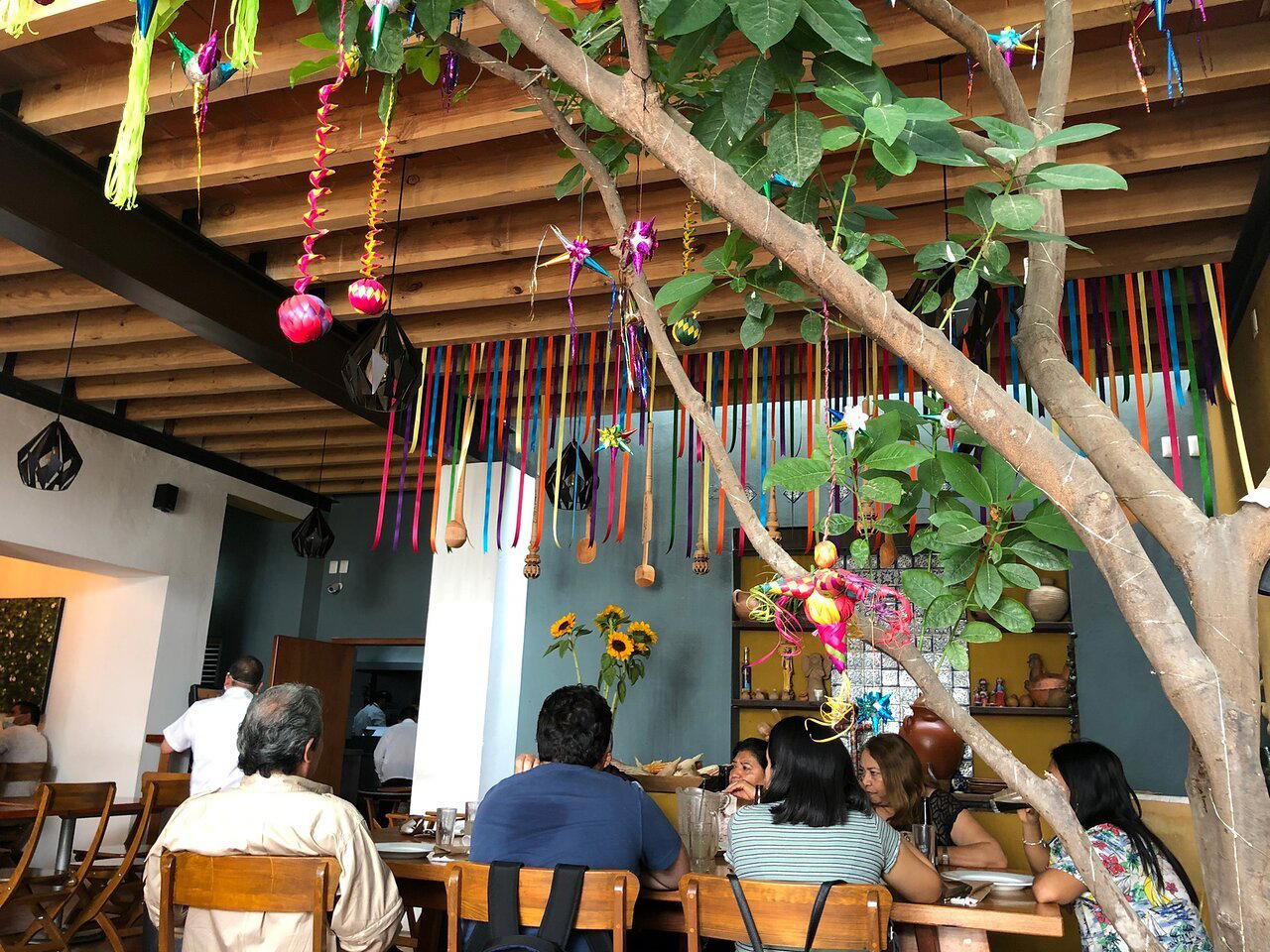
At a Glance
- Cozy
- Whimsical
- Rustic
- Bohemian
- Romantic Getaway
- Weekend Escape
- Terrace
- Wi Fi
- Breakfast Included
- Concierge
- Garden
- Wi Fi
- Breakfast Included
- Concierge
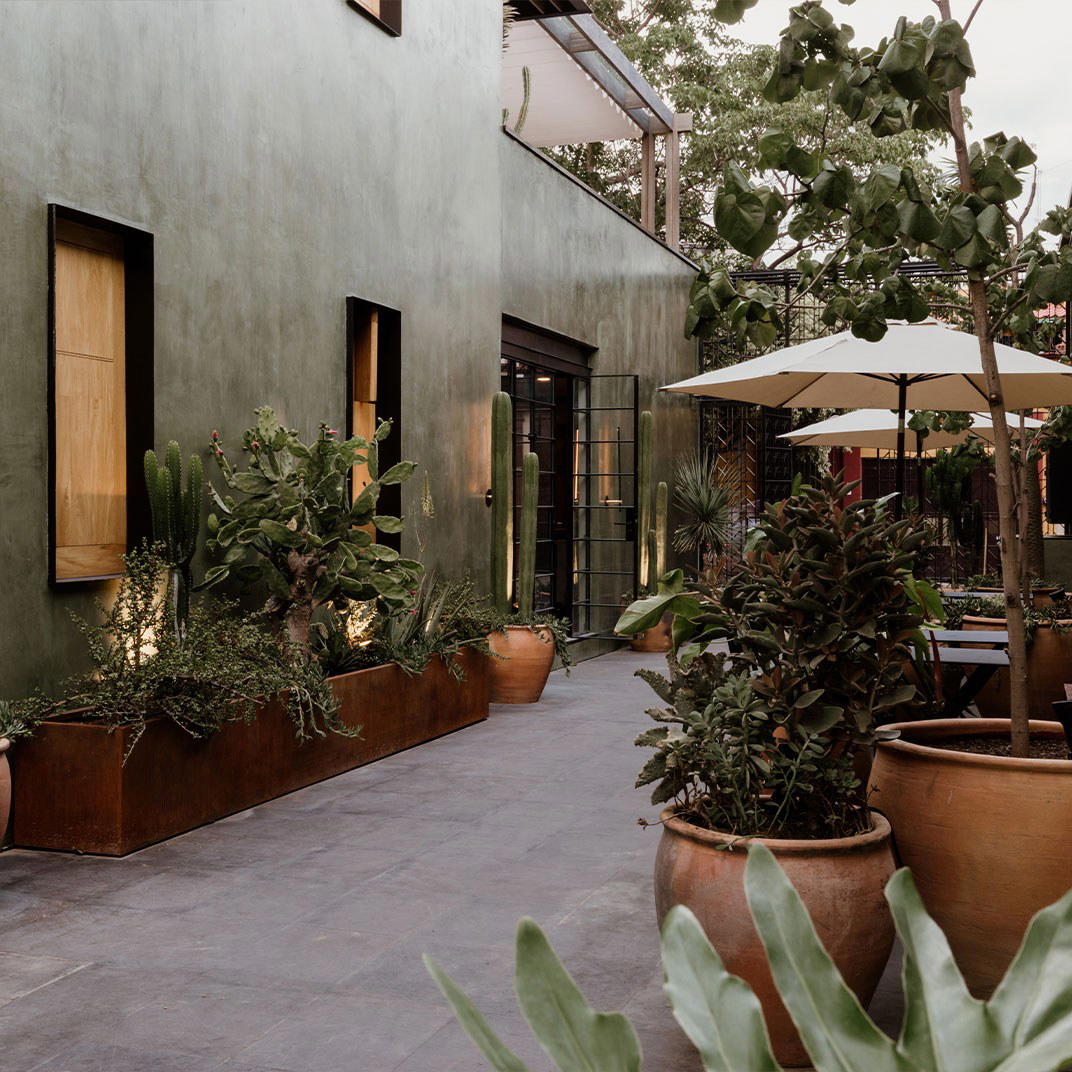
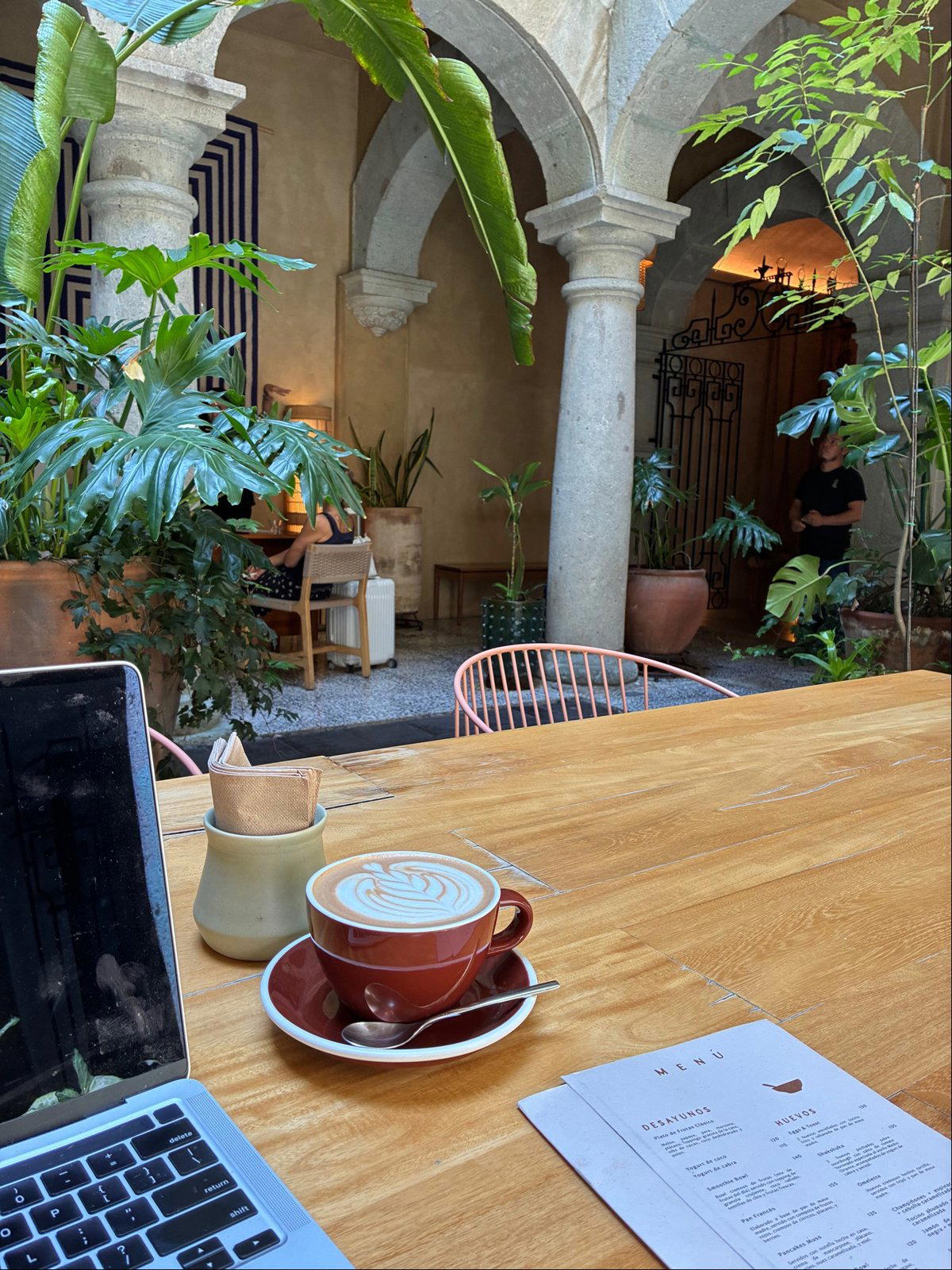
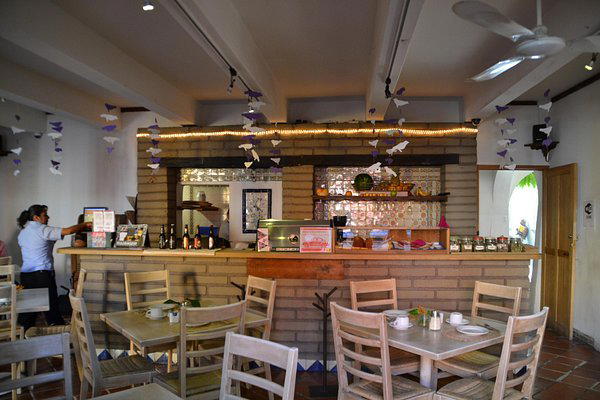
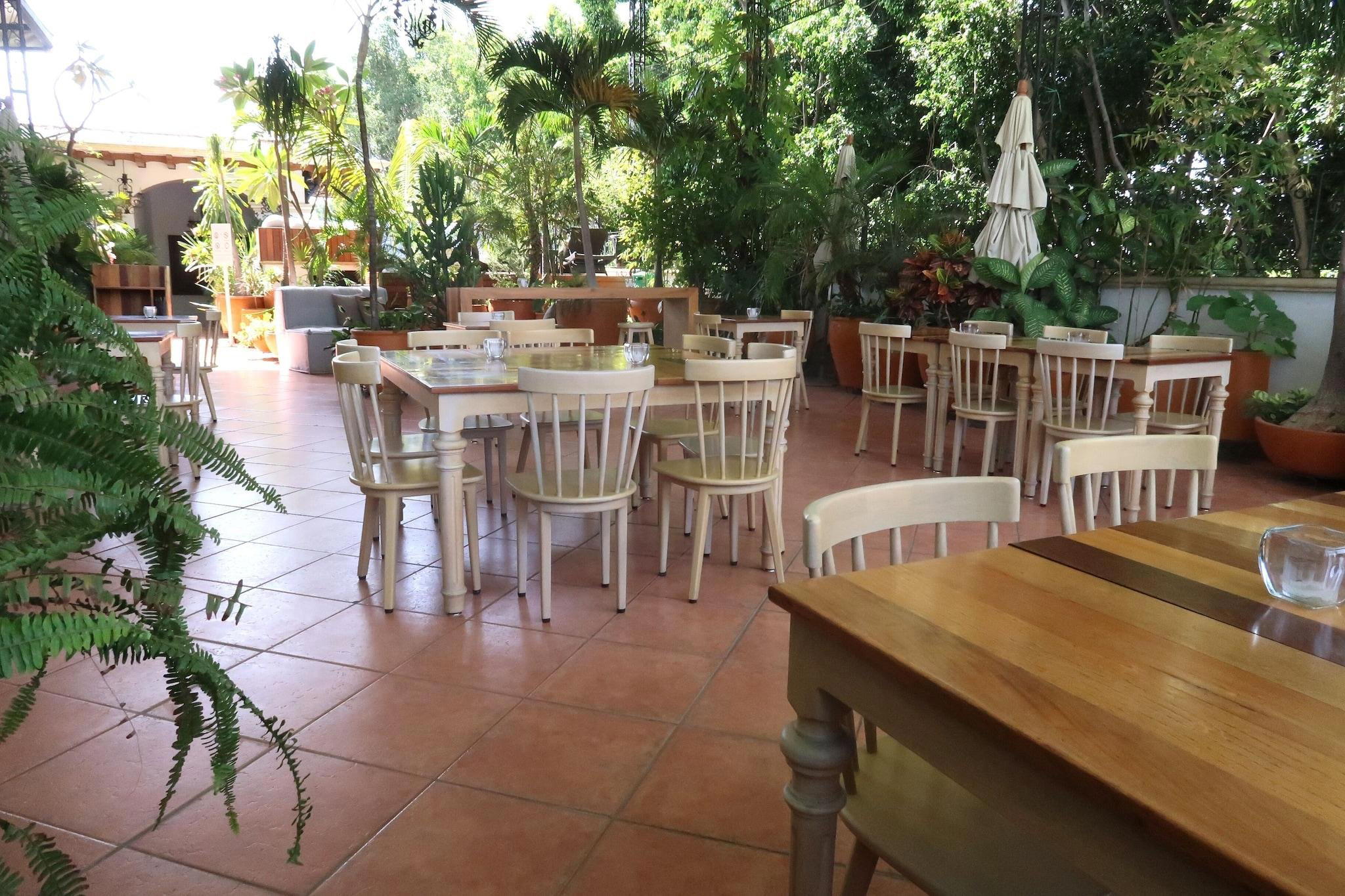
Cozy and eclectic atmosphere with colorful accents, natural light from the green patio, and relaxed home-like lounging spaces.