
Hotel Azul occupies a colonial-era address on Calle Mariano Abasolo in Oaxaca City's Centro Histórico, placing guests within walking distance of the Zócalo and the city's most active mezcal and textile corridors. The property sits in a tier of intimate Centro stays that trade scale for proximity to the architectural and culinary core of one of Mexico's most food-serious cities.
Pearl is the En Primeur Club membership app — saves, bookings, and concierge access live there. Same editors, same standards.
- Address
- C. de Mariano Abasolo 313, RUTA INDEPENDENCIA, Centro, 68000 Oaxaca de Juárez, Oax., Mexico
- Phone
- +52 951 501 0016
- Website
- hotelazuloaxaca.com
- Directions
- Get directions
 Saves & bookings on Pearl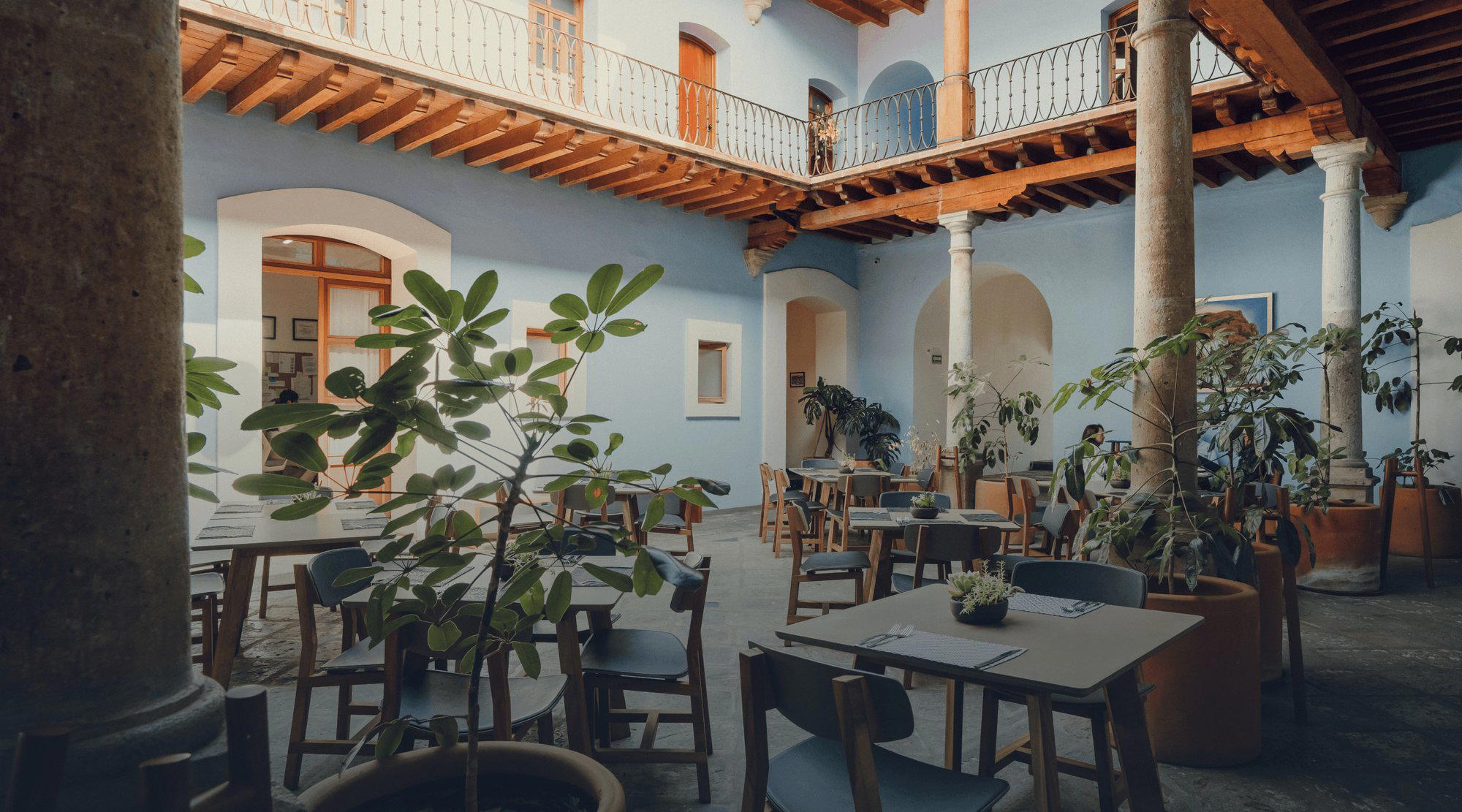
A Colonial Address in Oaxaca's Most Contested Accommodation Tier
Oaxaca City's Centro Histórico has become one of the more competitive small-hotel markets in Mexico. Over the past decade, a wave of design-conscious boutique conversions have taken over colonial mansions along streets like Cinco de Mayo, García Vigil, and Macedonio Alcalá, each competing for a traveller who wants proximity to the city's food and craft culture without the anonymity of a larger property. Hotel Azul sits at C. de Mariano Abasolo 313, in the RUTA INDEPENDENCIA quarter of Centro, a location that puts the Zócalo, the Mercado Benito Juárez, and the Templo de Santo Domingo within a navigable walk. That address is, in its own way, a positioning statement.
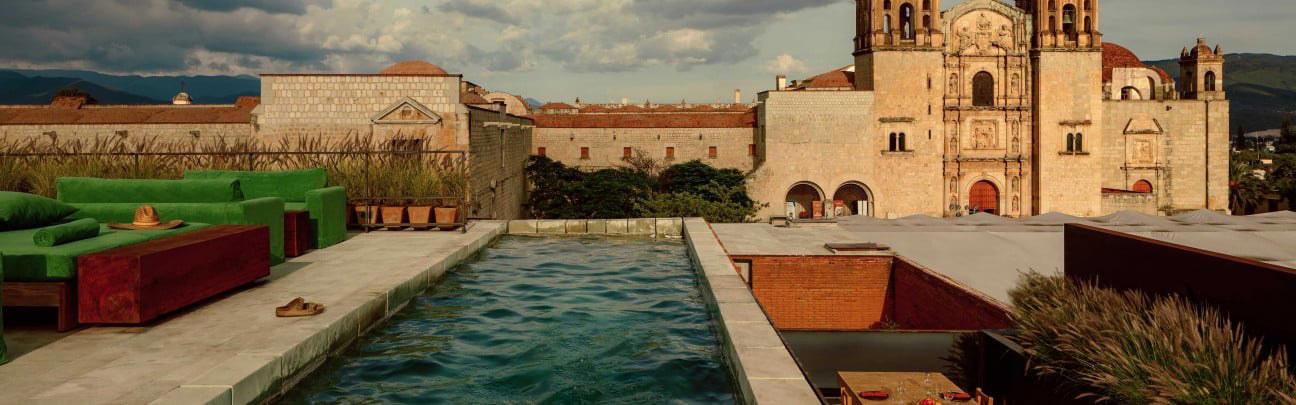
The broader comparable set in this neighbourhood includes properties like Casa Oaxaca Hotel, which has long anchored the high end of Centro's boutique tier, and Casa de Siete Balcones Hotel Boutique, known for its rooftop views over the city's terracotta rooflines. Hotel Hacienda Los Laureles Spa takes a different angle, anchoring its identity in wellness programming south of the centre. Hotel Azul's Abasolo address keeps it within the cultural and gastronomic core, which for most visitors is where the logic of staying in Oaxaca City actually begins.
What the Room Experience Means in a Colonial Context
Across Oaxaca's Centro boutique tier, the overnight experience is shaped less by brand amenity programmes and more by how well a property has handled the tension between colonial architecture and contemporary comfort. These are buildings with thick adobe or stone walls, internal courtyards, and room proportions dictated by centuries-old construction logic rather than modern hospitality briefs. The better properties in this category have learned to let that architecture do the atmospheric work while quietly upgrading the functional layers: bedding weight and quality, bathroom finish, light control, and acoustic insulation from street noise on a city block that doesn't fully go quiet until late.
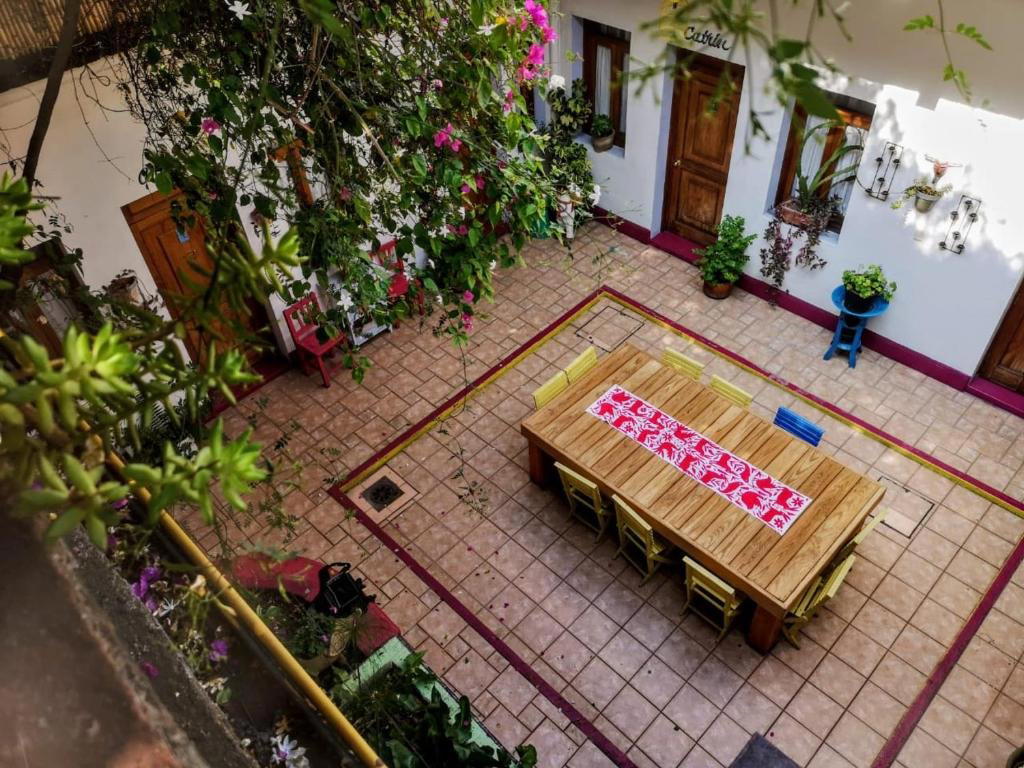
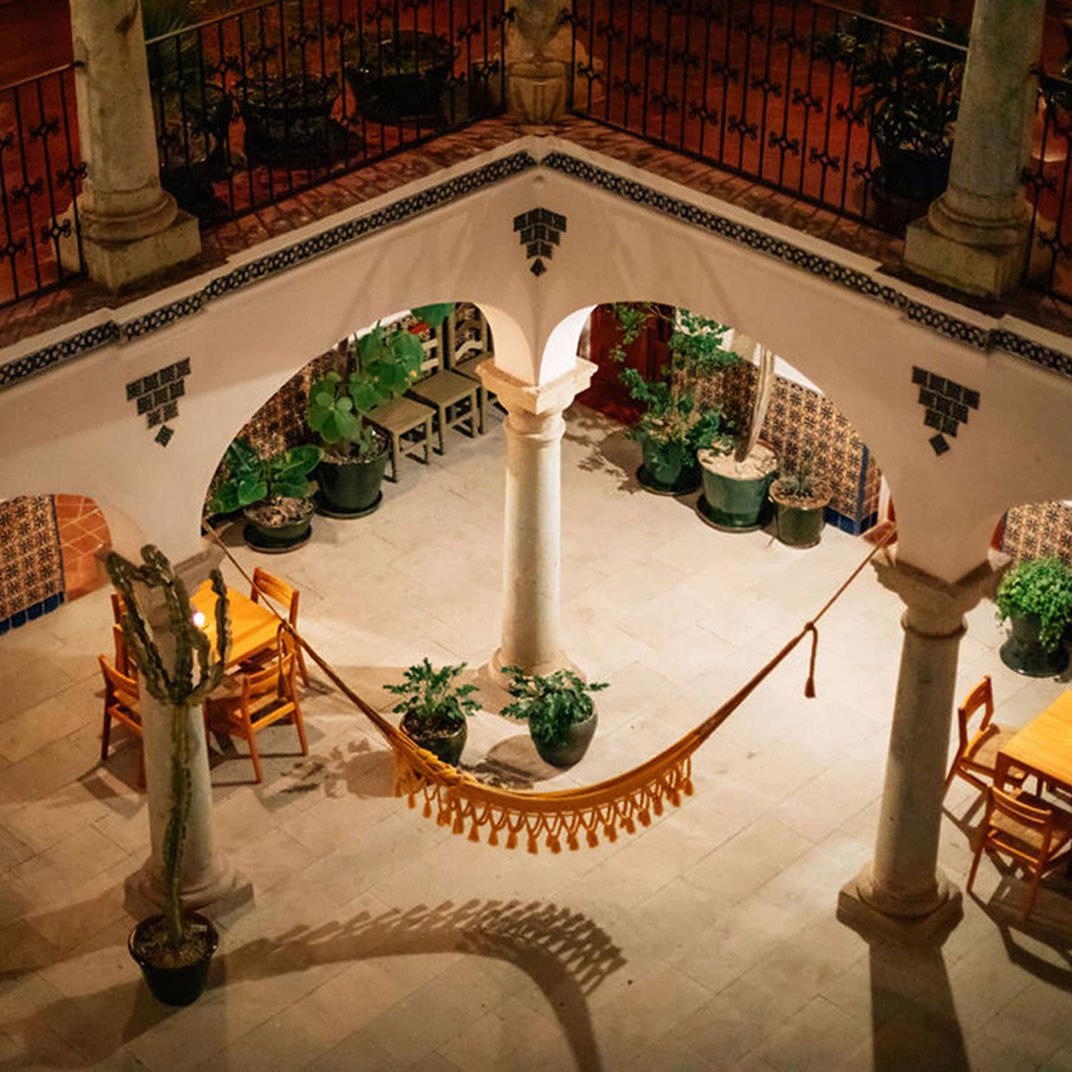
In Oaxaca, the courtyard is typically the heart of the experience. Colonial houses were built around a central open-air or semi-covered patio, and the leading room-design decisions in this tier preserve that relationship, giving guests either direct courtyard access or views that make the interior feel connected to the building's original spatial logic. Properties like Casa Antonieta and Casa de las Bugambilias B&B; each approach this in their own way, with the latter leaning into a garden-heavy courtyard identity. El Diablo y la Sandia, Libres represents a more art-forward take on the same colonial-conversion format. Hotel Azul's position on Abasolo places it in this conversation.
Oaxaca City as Context for the Stay
The case for staying in Oaxaca City's Centro is partly architectural and partly gastronomic, and the two are not easily separated. The city has developed among the more discussed food scenes in Latin America over the past fifteen years, driven by a combination of deep pre-Hispanic ingredient traditions, chiles, chocolate, corn, chapulines, and a generation of chefs who have used Oaxacan produce as a platform for technically serious cooking. The mole tradition alone, with its seven canonical variants ranging from negro to amarillo, represents a culinary depth that rewards several days of deliberate eating rather than a single representative meal.
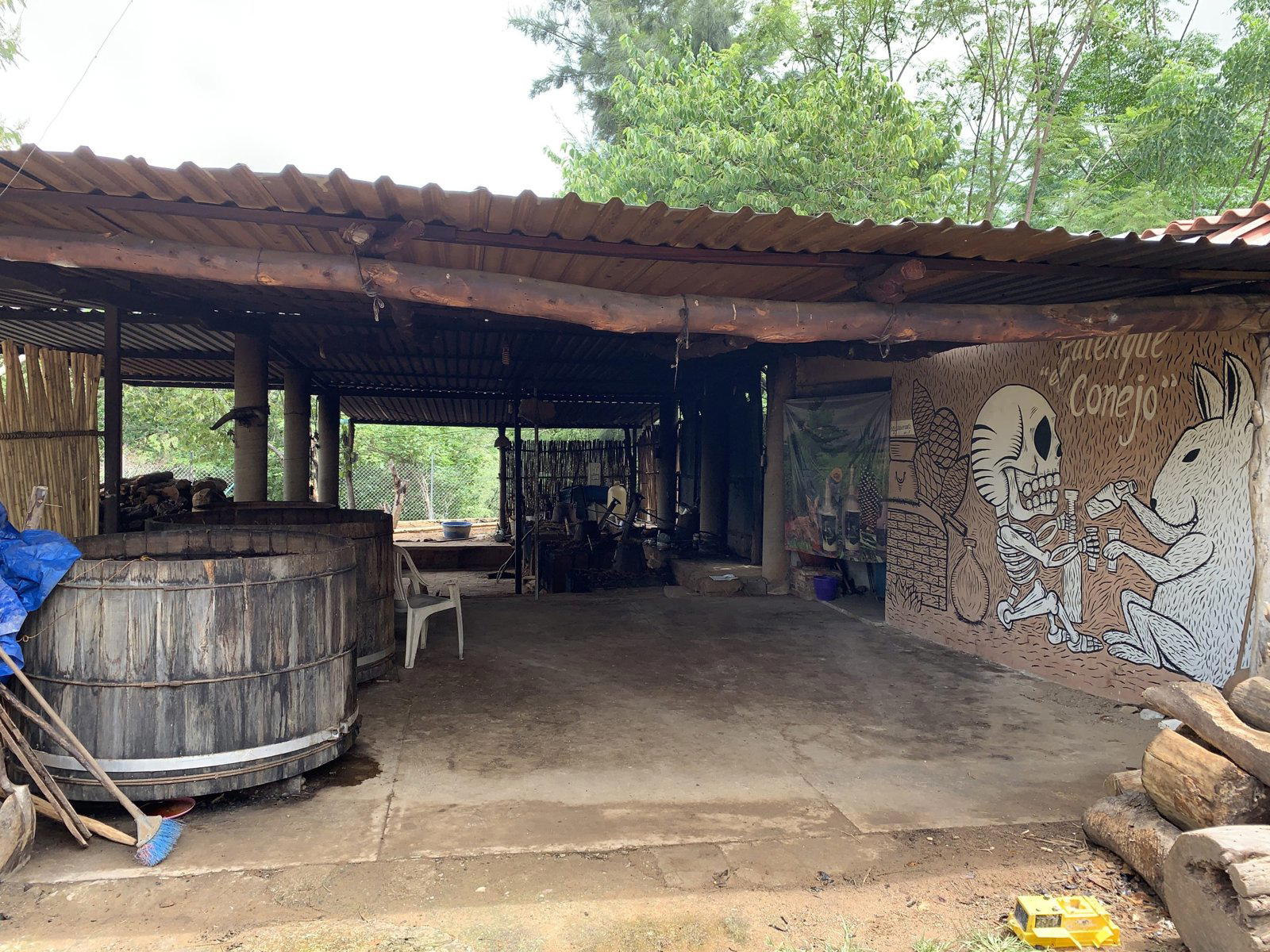
A Centro address puts guests inside this without requiring transport decisions for every meal. The Mercado 20 de Noviembre, where tlayudas and memelas are cooked on charcoal grills in a smoke-filled hall, is walkable. The mezcal bars along Murguía and García Vigil, where single-village expressions from palenques in San Luis del Río or Miahuatlán are poured by people who can explain the production chain from agave species to still type, are similarly accessible.
How Hotel Azul Fits the Mexico Boutique Conversation
At the national scale, Mexico's premium independent hotel market has split into two recognisable cohorts: the coastal resort tier, represented by properties like Hotel Esencia in Tulum, Maroma in Riviera Maya, or One&Only; Mandarina in Riviera Nayarit; and the colonial-city interior tier, concentrated in destinations like Oaxaca, San Miguel de Allende, and Mérida. The interior tier operates on different logic: what matters here is location specificity, architectural authenticity, and access to a dense cultural programme that unfolds on foot. Casa de Sierra Nevada, A Belmond Hotel in San Miguel and Chablé Yucatán near Mérida represent that tier at its most resourced end. Oaxaca's boutique properties, including the hotel, typically operate at a more independent scale, where the trade-off between facilities and neighbourhood immersion tilts firmly toward the latter.
Travellers comparing the hotel against the broader Centro field should account for the property's 21 rooms and 4-star status, alongside its location logic. The Abasolo address, within Centro's RUTA INDEPENDENCIA quarter, is a factual anchor. Everything else warrants verification before arrival.
Planning the Stay
Oaxaca City is accessible from Mexico City via a roughly one-hour flight on carriers serving OAX airport, or by overnight bus from the capital on services that take approximately six hours through the Sierra Madre del Sur. The leading climate window runs from October through February, when the rainy season has ended and the city's major cultural calendar, including the Día de los Muertos observances in late October and early November, which draw significant visitor numbers, has either passed or is approaching. Booking well ahead of that period is advisable given how quickly the city's limited Centro room stock absorbs demand.
Side-by-Side Snapshot
Comparable venues nearby, for context on price, style, and recognition.
| Venue | Cuisine | Price | Awards | Notes |
|---|---|---|---|---|
| Hotel AzulThis venue — the venue you are viewing | Contemporary design-led boutique hotel that preserves traditional Oaxacan warmth through collaboration with local artists and artisans. | $$$ | 4-Star | Not listed |
| Majagua Hotel Boutique | Adults-only boutique hotel in a restored midcentury Art Deco mansion in Oaxaca’s historic center. | $$$ | 4-Star | Centro Histórico |
| Casa Antonieta | Historic colonial mansion with contemporary boutique hospitality. | $$$ | 4-Star | 2006700010204 |
| Grana B&B | Historic 18th-century residence with modern updates | $$$ | 3-Star | 2006700010204 |
| Casa de Siete Balcones Hotel Boutique | Colonial-era boutique hotel with traditional Oaxacan design and modern amenities, positioned as a romantic and intimate retreat in the historic center. | $$$ | 4-Star | 2006700010204 |
| El Diablo y la Sandia, Libres | Renovated 1940s colonial house B&B | $$$ | 3-Star | 2006700010204 |
Recognition history
Dated appearances from independent guides and award organizations, with the underlying list record or original source where available.
Michelin Selected
Michelin
Continue exploring
More in Oaxaca
Hotels in Oaxaca
Browse all →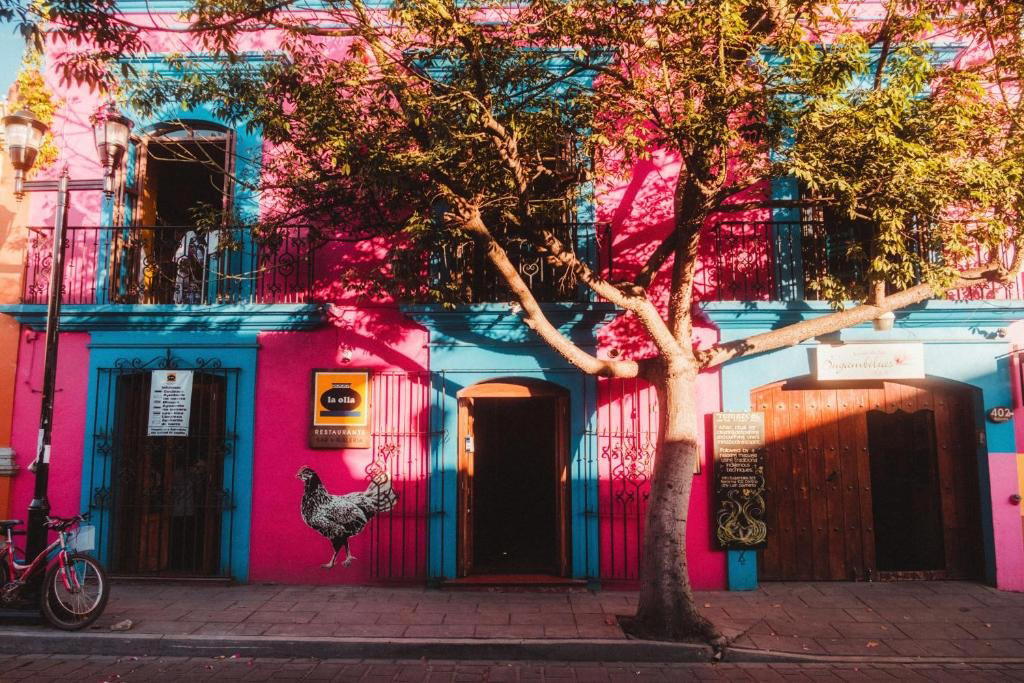
Bars in Oaxaca
Browse all →
Restaurants in Oaxaca
Browse all →
At a Glance
- Trendy
- Modern
- Bohemian
- Intimate
- Romantic Getaway
- Weekend Escape
- Celebration
- Design Destination
- Terrace
- Historic Building
- Panoramic View
- Garden
- Wi Fi
- Restaurant
- Bar
- Concierge
- Airport Shuttle
- Laundry Service
- Skyline
- Garden
- Wi Fi
- Restaurant
- Bar
- Concierge
- Airport Shuttle
- Laundry Service
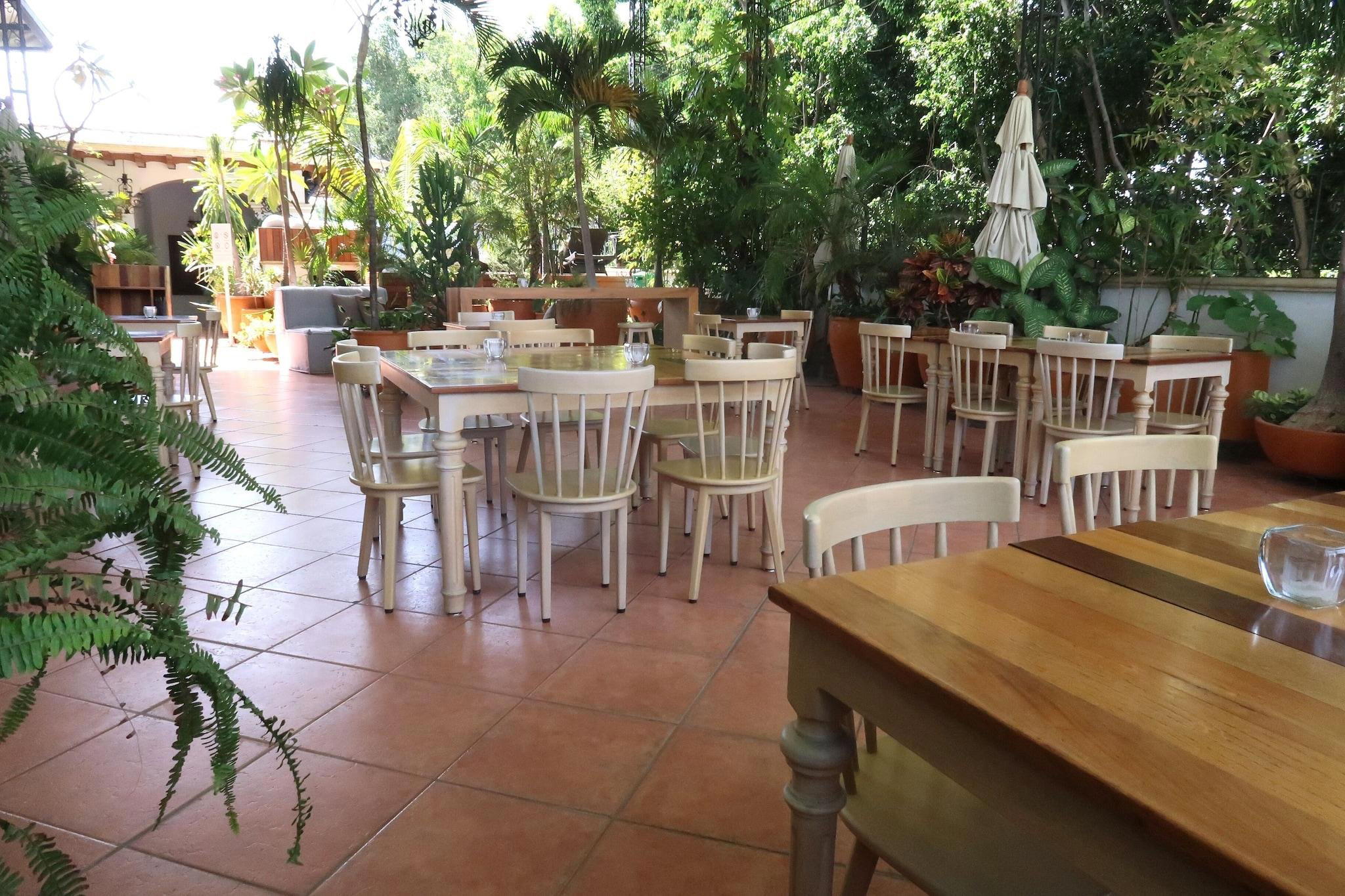
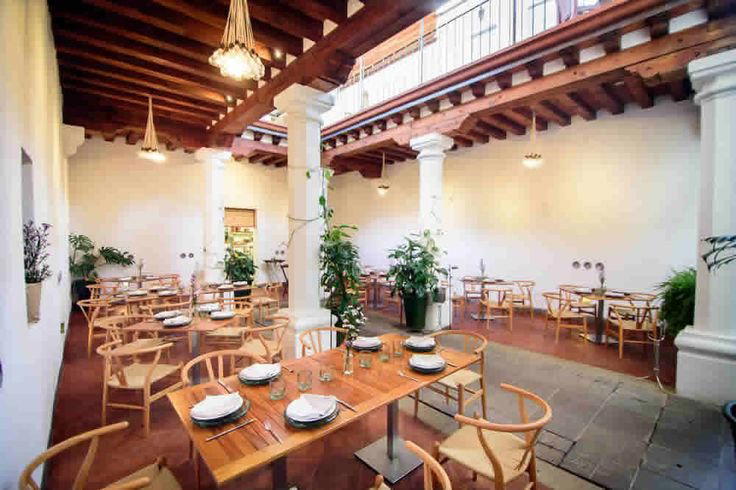
Serene and artistic with clean Scandinavian-style wooden design, contemporary Mexican-tiled floors, soft natural light in courtyards, and intimate pod-like rooms with slatted wood doors that create peaceful retreats from the bustling city.