L'Auberge Saint Jean

1 Michelin Star
Our verdict
On the banks of the Dordogne in the village of Saint-Jean-de-Blaignac, L'Auberge Saint Jean holds a Michelin Plate for chef Thomas L'Hérisson's ingredient-driven modern cooking. Expect dishes where precise sourcing does visible work, miso-marinated veal sweetbreads alongside soy-dressed beetroot, salmon confit paired with dill yoghurt and vinegar-preserved mushrooms, backed by a wine list of some 550 labels with strong regional representation.

Pearl is the En Primeur Club membership app, where members save venues, book tables and use the concierge.
The menu
What to order
- Foie gras with fig and Sauternes
- Roasted pigeon with barbecue and confited leg
- Veal sweetbreads marinated in miso
- Saint Pierre fish with sarrette butter
Where the Dordogne Does the Framing
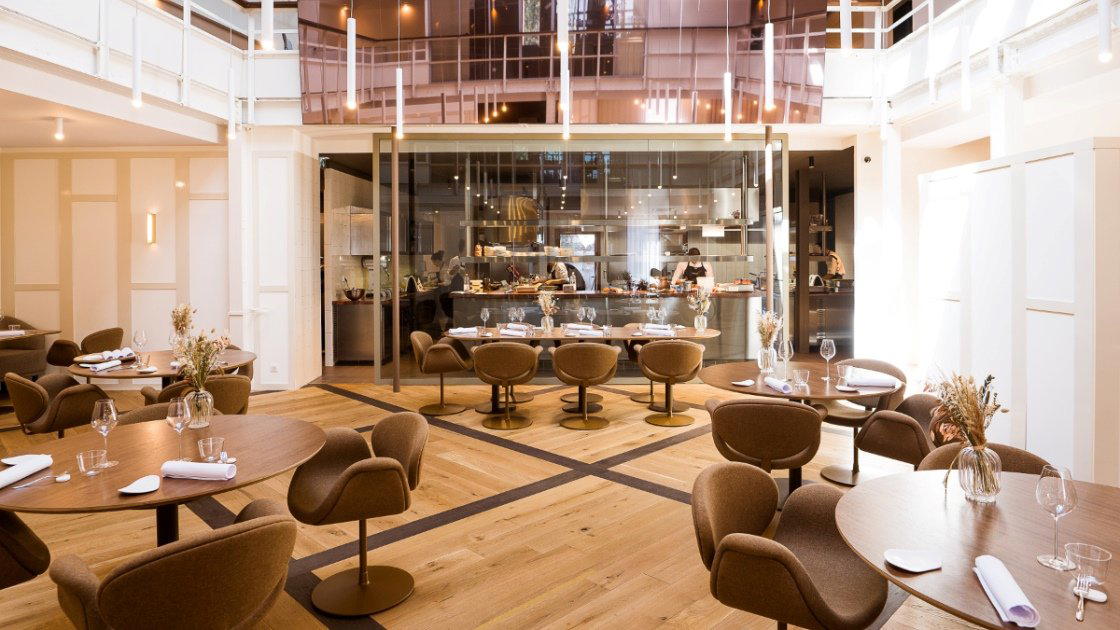
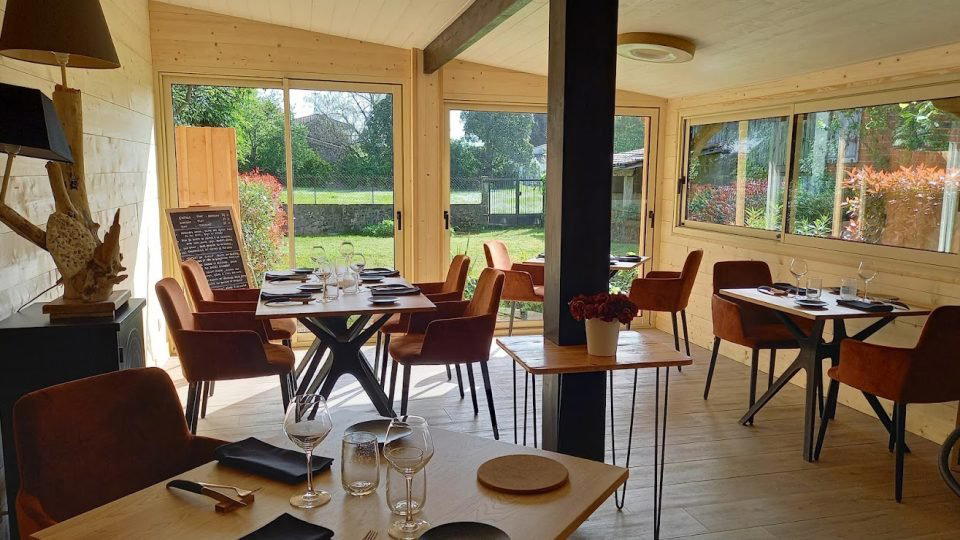
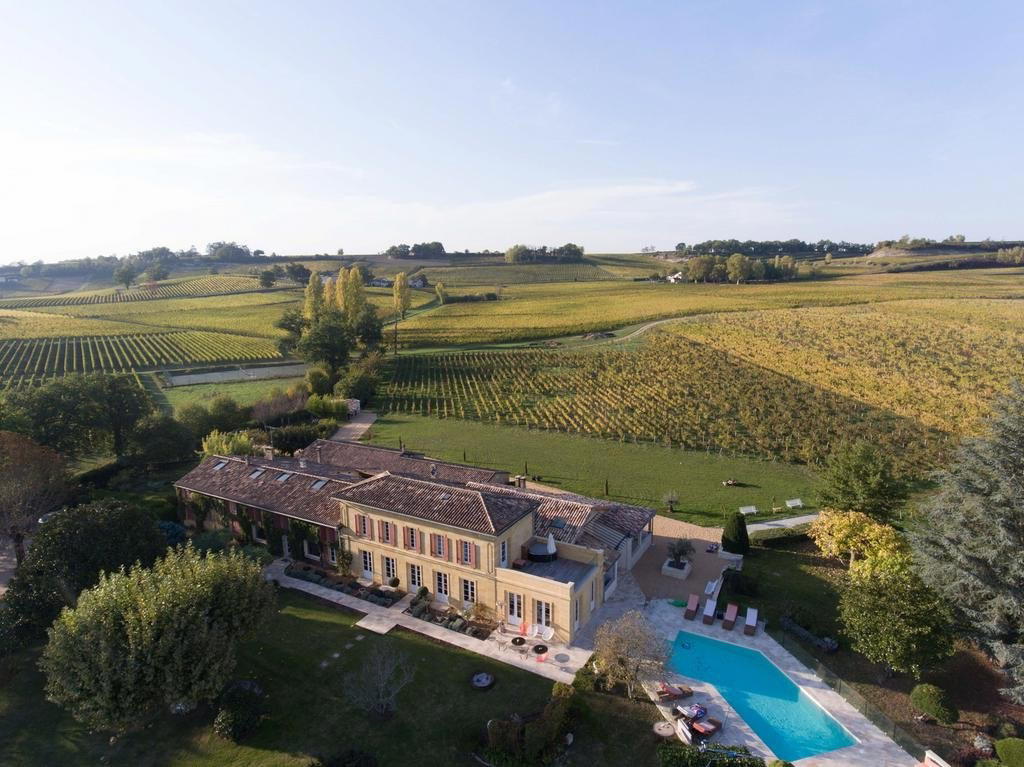
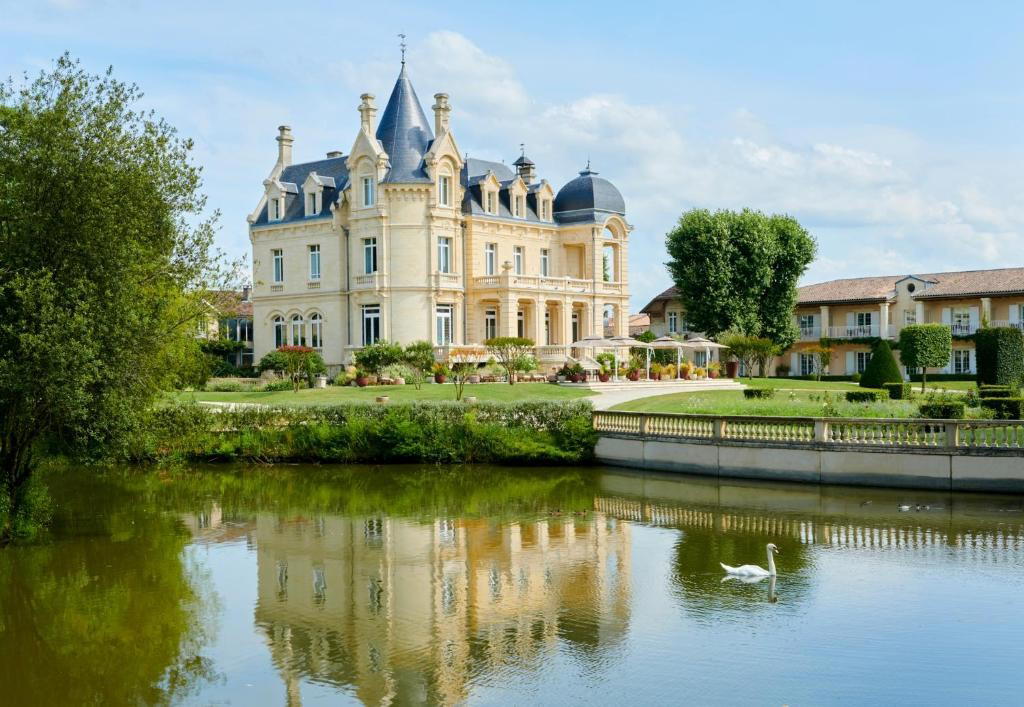
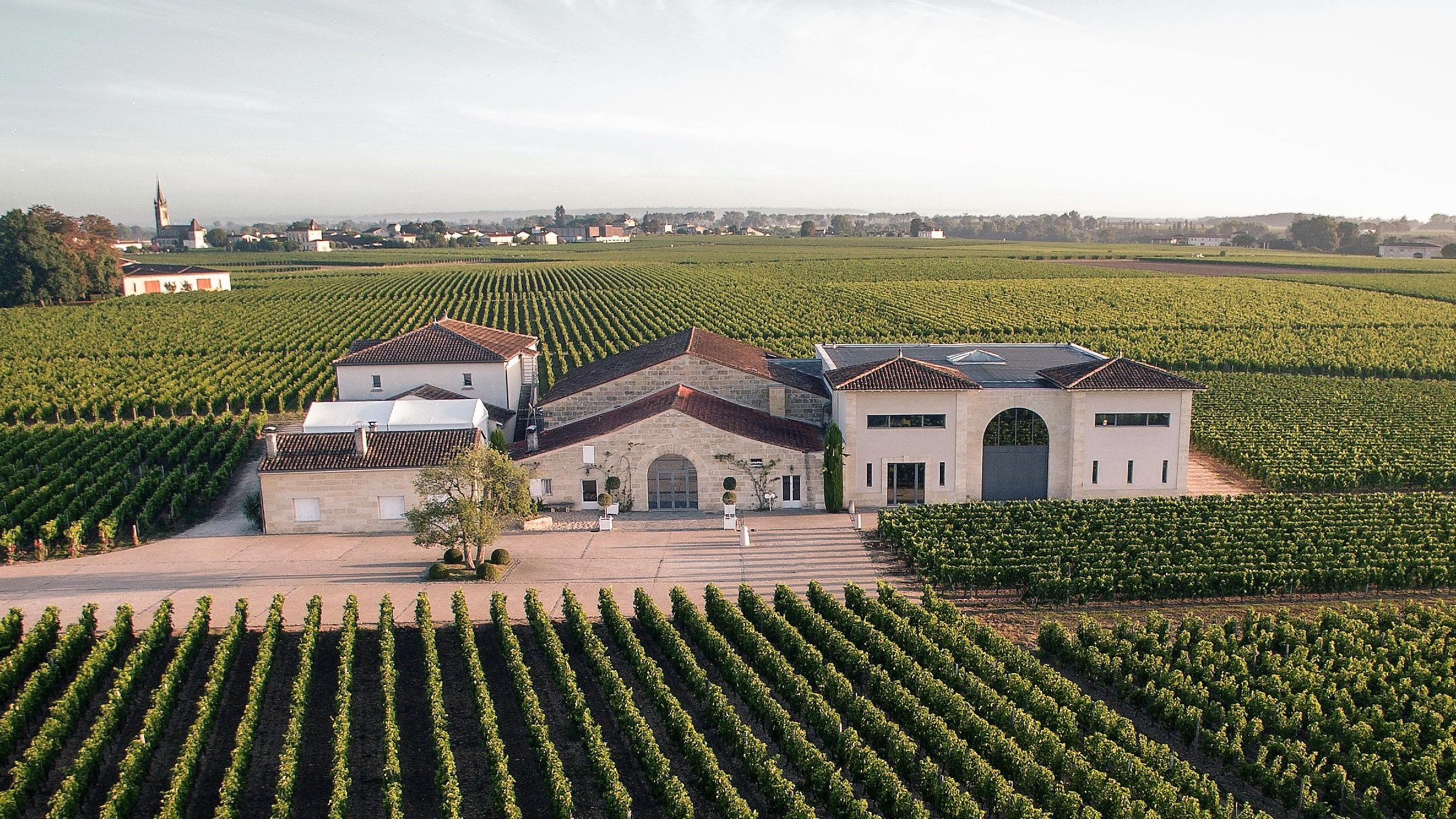
There is a particular type of French restaurant that earns its place not through urban visibility or award accumulation, but through the discipline of cooking seriously in a small village where nobody would notice if you didn't. L'Auberge Saint Jean, at 8 Rue du Pont in Saint-Jean-de-Blaignac, sits in that category. The dining room looks directly onto the Dordogne through picture windows, the river doing considerable atmospheric work before a dish arrives. It is the kind of setting that can either excuse mediocre cooking or sharpen a kitchen's ambitions, and here it appears to do the latter.
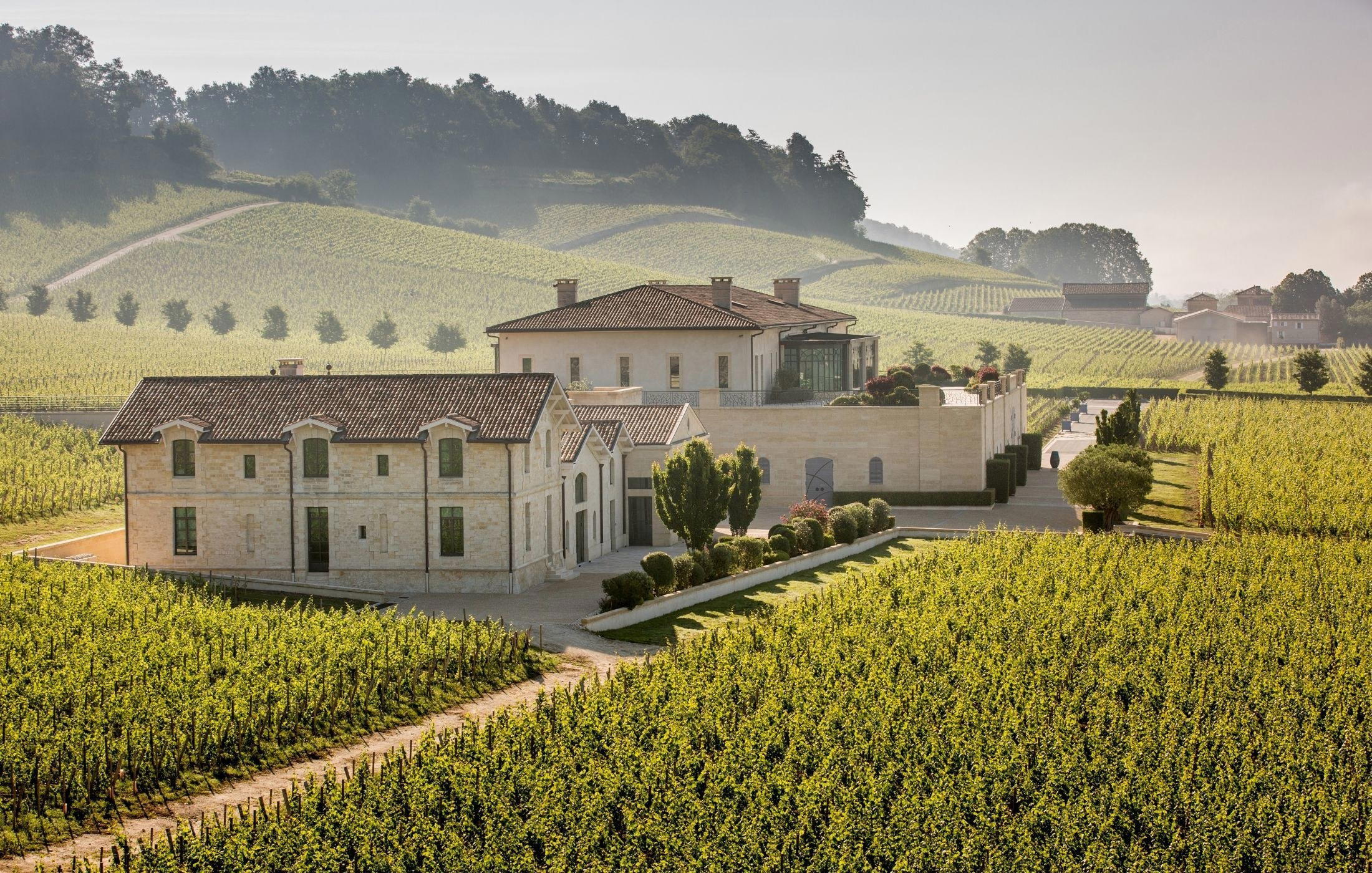
The village itself sits in the Entre-Deux-Mers zone of Bordeaux, a stretch of land between the Garonne and the Dordogne that remains far better known for its wine production than its dining rooms. Reaching Saint-Jean-de-Blaignac from Bordeaux takes around 45 minutes by car, and the town sees a fraction of the tourist traffic that flows through Saint-Émilion to the northeast. That relative obscurity has a practical consequence: restaurants here must earn local loyalty rather than coasting on passing international trade. For a kitchen running a genuinely ambitious menu, that pressure tends to concentrate the cooking.
The Ingredient Argument on the Plate
Modern French cooking at the regional level has split broadly into two approaches: kitchens that apply contemporary technique to traditional local produce, and kitchens that range further, pulling influences and ingredients from outside the immediate territory. L'Hérisson's menu at L'Auberge Saint Jean sits clearly in the second camp, though without abandoning regional logic. The salmon confit with dill yoghurt, green aniseed baby turnips, and vinegar-preserved mushrooms demonstrates a kitchen where preservation technique, confit, ferment, pickle, is doing structural work rather than decorative work. Each element carries an acidic or herbal counterpoint that keeps the dish from collapsing into richness.
The veal sweetbreads dish is where the sourcing argument becomes most legible. Sweetbreads marinated in miso, then floured and fried, served alongside soy-sauce beetroot and artichokes: this is a combination that works because the offal can absorb the fermented depth of the miso without losing its own texture, and the soy-dressed root vegetables provide a bitter, earthy anchor. It is a dish that reads as creative but holds together through considered ingredient logic. The Michelin Plate recognition L'Hérisson earned in 2024 reflects cooking at this level of consistency rather than occasional flourish. For regional context, French restaurant cooking has produced some of the country's most significant ingredient-led work outside Paris, from Michel Bras's vegetable-focused kitchen at Bras in Laguiole to the terrain-rooted approach at Auberge du Vieux Puits in Fontjoncouse. L'Auberge Saint Jean operates at a different price tier and with less institutional recognition than those addresses, but the underlying logic, that sourcing decisions should be visible in the finished dish, is shared.
The Wine List as a Separate Consideration
A list of 550 labels in a village restaurant is not incidental. In the Entre-Deux-Mers, surrounded by appellations that include Saint-Émilion, Pomerol, and the broader Bordeaux AC, a serious wine program is both geographically logical and competitively expected. What the depth of the list signals is that the front-of-house operation treats wine service as a primary concern rather than an afterthought to the kitchen's agenda. Manuela, who manages the room, is noted specifically in Michelin's assessment as attentive and generous with diners. That kind of service continuity matters in a two-person-led restaurant, where the floor's character is entirely shaped by one person's presence and knowledge.
For diners arriving with an interest in regional Bordeaux, the cellar depth offers obvious appeal. For those wanting to explore further afield, 550 labels across price points means there is navigable range regardless of budget. The restaurant's price positioning at €€€ places it in a tier where the wine spend can reasonably match or exceed the food spend, and the list appears structured to accommodate both modest and ambitious selections. France's provincial fine-dining rooms have historically maintained stronger wine programs than their equivalents in other European countries, a pattern that holds in the Bordeaux region particularly. Our full guide to Saint-Jean-de-Blaignac wineries covers the broader appellation picture for visitors wanting to pair a meal here with cellar visits.
The Competitive Position in French Modern Cuisine
To understand what the Michelin Plate represents in the current French recognition hierarchy, it is worth placing it in context. The Plate sits below Michelin Star level but indicates cooking that Michelin inspectors consider worth a detour. It is a credential that carries more meaning in a small village than in a city where dozens of Plate-level restaurants operate within walking distance of each other. Regionally, the gap between a Plate-level address like L'Auberge Saint Jean and a three-star kitchen such as Mirazur in Menton or the historic Auberge de l'Ill in Illhaeusern is substantial in ambition and price. But within the Entre-Deux-Mers, a kitchen producing miso-marinated sweetbreads and a 550-label wine list represents a meaningfully different offer from the area's standard bistro trade.
Places like Flocons de Sel in Megève occupy the starred tier of that format. L'Auberge Saint Jean operates below that recognition level, but the structural similarity, river setting, ingredient-forward menu, and personal service model, places it in a recognisable tradition of French provincial cooking done with genuine seriousness. For visitors exploring France's starred dining rooms more broadly, Troisgros in Ouches, AM par Alexandre Mazzia in Marseille, and Assiette Champenoise in Reims each represent distinct regional expressions of the same modern French framework, albeit at higher recognition tiers.
Planning a Visit
L'Auberge Saint Jean is closed Monday and Tuesday. Wednesday through Saturday, the kitchen runs a lunch service from around 12:00 to 14:00 and dinner from 19:30 to 21:15. Sunday lunch runs from 12:15 to 13:45, with no Sunday dinner service. The Wednesday opening is the narrowest window for those planning around working schedules. Given the village's limited accommodation infrastructure, most visitors will base themselves in Bordeaux or in the Saint-Émilion area and drive out. The address at 8 Rue du Pont places the restaurant directly in the village center, adjacent to the Dordogne's edge.
The €€€ price range positions L'Auberge Saint Jean as a considered spend rather than an everyday local. At this level in the French provincial market, expect to pay meaningfully more than a bistro lunch but substantially less than starred urban dining rooms in Paris such as Alléno Paris au Pavillon Ledoyen. The combination of Dordogne views, a 550-label wine list, and a kitchen operating at Michelin Plate level makes this the most ambitious dining option in the immediate area. Those building a broader Bordeaux-area itinerary will find our full Saint-Jean-de-Blaignac restaurants guide, hotels guide, bars guide, and experiences guide useful for structuring time in the region.
Frequently asked questions
What price level is L'Auberge Saint Jean?
Pricing at L'Auberge Saint Jean is listed as €€€.
What days is L'Auberge Saint Jean closed?
Hours at L'Auberge Saint Jean: Monday closed Tuesday closed Wednesday 12 PM-2 PM 7:30 PM-9:15 PM Thursday 12:15 PM-2 PM 7:30 PM-9:15 PM Friday 12:15 PM-2 PM 7:30 PM-9:15 PM Saturday 12:15 PM-2 PM 7:30 PM-9:15 PM Sunday 12:15 PM-1:45 PM.
At-a-Glance Comparison
| Venue | Cuisine | Price | Awards | Notes |
|---|---|---|---|---|
| L'Auberge Saint JeanThis venue (the venue you are viewing) | Modern French Fine Dining | $50–100 | 1 Michelin Star | Not listed |
| Alléno Paris au Pavillon Ledoyen | Modern French Fine Dining | $150–200 | 3 Michelin Stars · World's 50 Best #79 | Creative |
| Kei | Contemporary French, Modern Cuisine | Not listed | Michelin 3 Star | Not listed |
| L'Ambroisie | Classic French Haute Cuisine | $300–500 | 2 Michelin Stars · World's 50 Best #23 | French, Classic Cuisine |
| Le Cinq - Four Seasons Hôtel George V | Modern French Fine Dining | $300–500 | 3 Michelin Stars · World's 50 Best #24 | French, Modern Cuisine |
| Plénitude | Modern French Sauce-Led Fine Dining | $300–500 | 3 Michelin Stars · World's 50 Best #14 | Contemporary French |
Recognition history
Dated appearances from independent guides and award organizations, with the underlying list record or original source where available.
Michelin 1 Star
Michelin
Full recognition history (3 entries)
Michelin 1 Star
Michelin
Michelin Plate
Michelin
Continue exploring
More in Saint-Jean-de-Blaignac
Restaurants in Saint-Jean-de-Blaignac
All restaurants in Saint-Jean-de-Blaignac →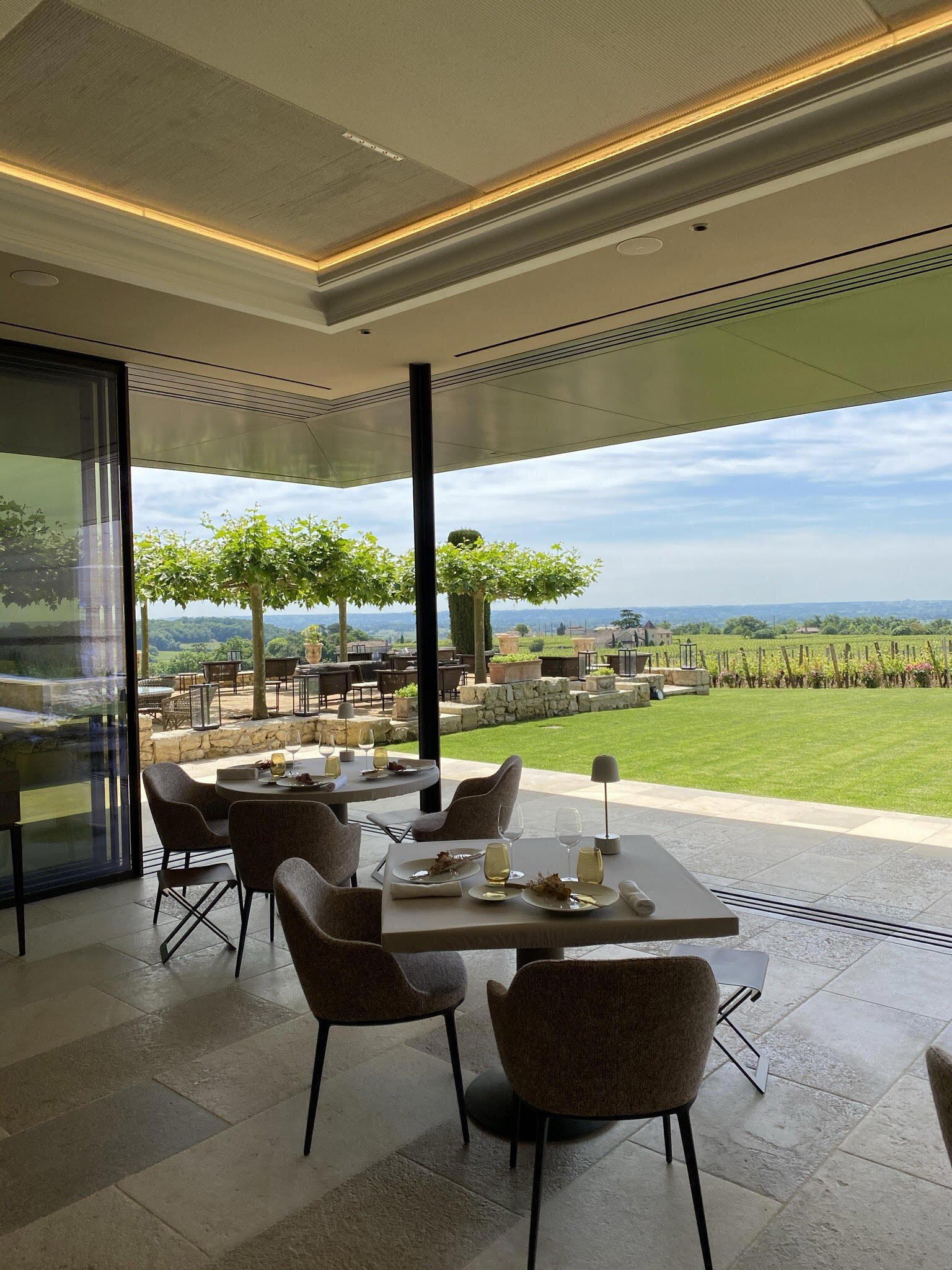
Bars in Saint-Jean-de-Blaignac
Browse all →
Hotels in Saint-Jean-de-Blaignac
Browse all →
L'Auberge Saint Jean
The wine
- Wine program
- Deep wine list
- Extensive wine list
- Sommelier-led
Details
- Romantic
- Scenic
- Elegant
- Sophisticated
- Date Night
- Special Occasion
- Celebration
- Business Dinner
- Waterfront
- Private Dining
- Panoramic View
- Standalone
- Extensive Wine List
- Sommelier Led
- Local Sourcing
- Waterfront
- Tasting Menu
- Prix Fixe
- A La Carte
- French Wine
- Wine Pairings
- Vegetarian Friendly
- Allergy Accommodating
Current opening hours
- Monday
- Closed
- Tuesday
- Closed
- Wednesday
- 12–2 PM, 7:30–9:15 PM
- Thursday
- 12:15–2 PM, 7:30–9:15 PM
- Friday
- 12:15–2 PM, 7:30–9:15 PM
- Saturday
- 12:15–2 PM, 7:30–9:15 PM
- Sunday
- 12:15–1:45 PM
Hours can change for holidays and private events. Hours as of .
Modern and tranquil with natural elements and contemporary design, characterized by far-reaching river vistas and a welcoming, refined atmosphere.