

Occupying the Grand Théâtre's eastern flank on Place de la Comédie, InterContinental Grand Hôtel Bordeaux earned a Michelin One Key in 2024 and anchors one of France's most wine-focused cities with two restaurants, a Guerlain spa, and 130 rooms designed by Jacques Garcia. Gordon Ramsay's Le Pressoir d'Argent holds two Michelin stars, placing this IHG property in a narrow tier of French hotels where the dining programme carries as much weight as the rooms.
Pearl is the En Primeur Club membership app — saves, bookings, and concierge access live there. Same editors, same standards.
- Address
- 2 Pl. de la Comédie, 33000 Bordeaux
- Phone
- +33 5 57 30 44 44
- Website
- ihg.com
- Directions
- Get directions
 Saves & bookings on Pearl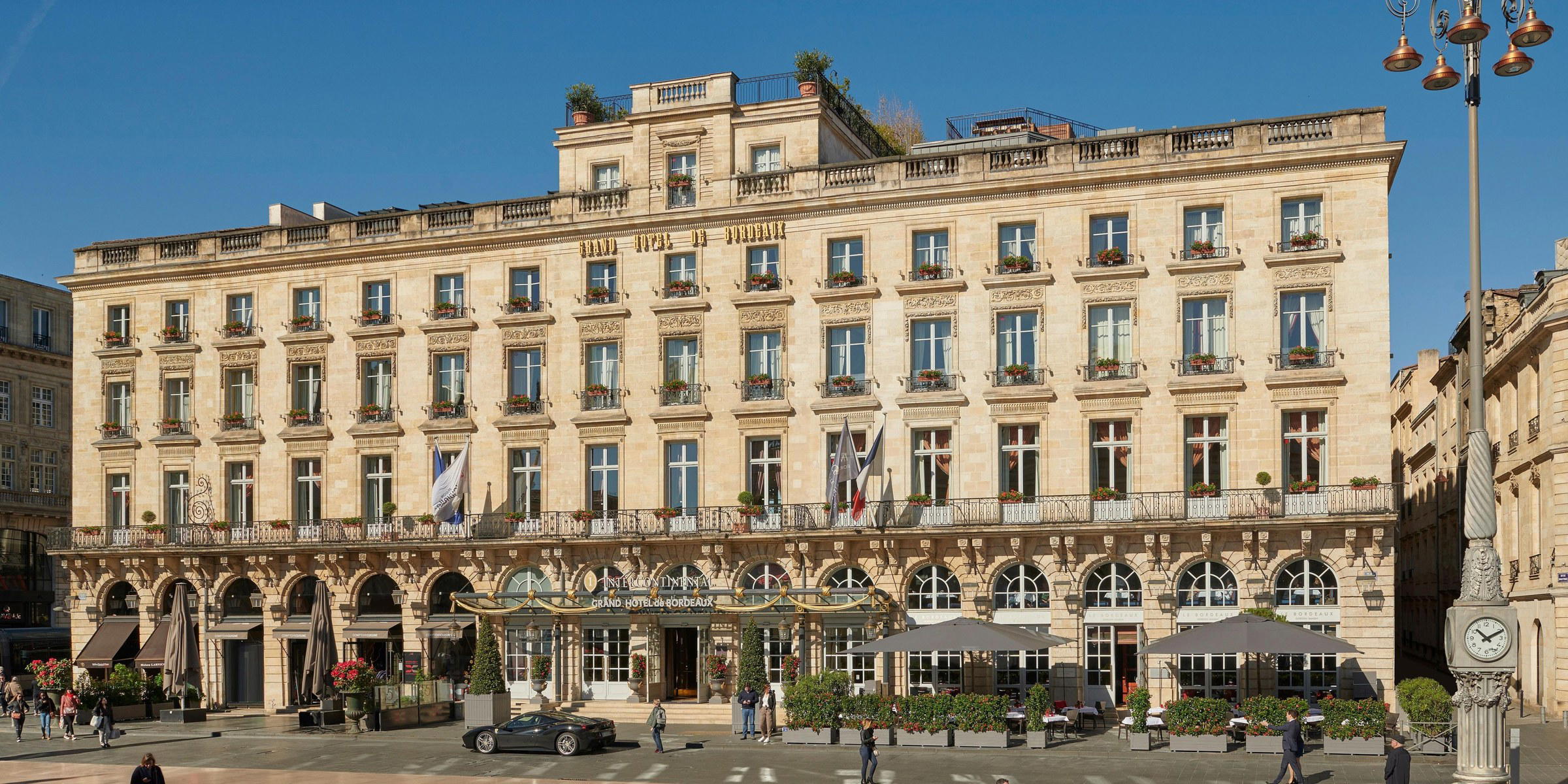
Place de la Comédie and the Architecture of Arrival
Bordeaux's Place de la Comédie is one of the most formally composed public squares in provincial France. The Grand Théâtre, a neoclassical structure completed in 1780 and widely cited as a model for Paris's Palais Garnier, occupies the western edge. Directly opposite, the InterContinental Grand Hôtel Bordeaux fills the corresponding wing with 130 rooms and a street presence that makes the relationship between the two buildings legible the moment you step off a tram at Grands Théâtres. The hotel's position is not incidental: it sits at the civic and commercial centre of a UNESCO World Heritage city, and the approach from the quays or from the Cours de l'Intendance deposits you into what functions as the drawing room of Bordeaux's historic core.
Jacques Garcia's interior design programme works within that civic logic. Garcia, whose commissions have ranged from Parisian palace hotels to private residences, brings a layered, reference-heavy approach that reads as period-specific without being museological. The 130 rooms span several categories, with premium rooms offering balconies over the Opera House and a suite collection running from Junior to Prestige configurations. Among the most distinctive offerings are the Wine Bar Suites, a format that responds directly to Bordeaux's identity as the world's most commercially significant fine-wine city, placing the cellar at the centre of the room concept rather than treating it as an amenity.
The Dining Programme: Two Restaurants, Two Registers
French palace hotels and grand urban properties have long used their restaurants as primary positioning tools, and the InterContinental Grand Hôtel Bordeaux operates within that tradition at a high level. The property carries two distinct restaurant identities that serve different functions without competing with each other.
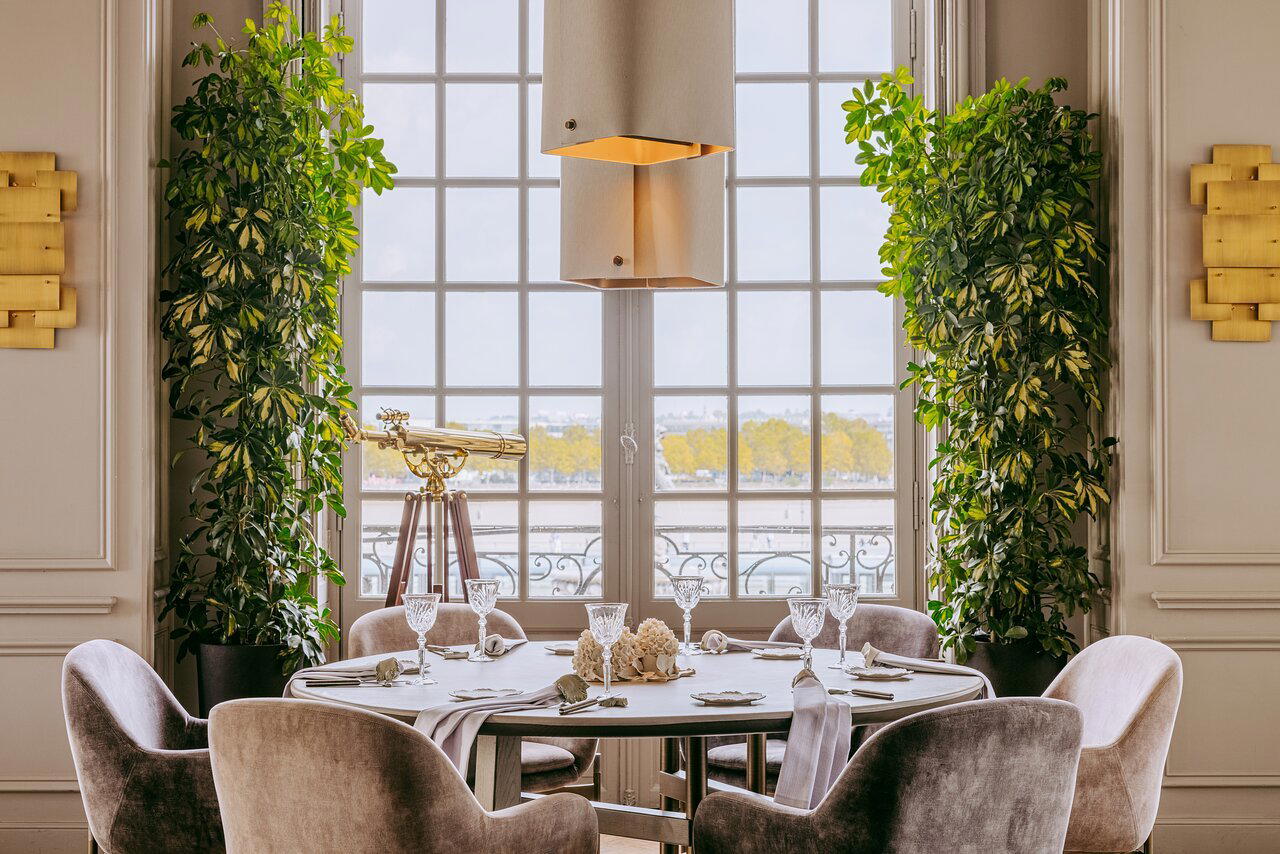
Le Pressoir d'Argent operates under Gordon Ramsay's name and holds two Michelin stars, a credential that places it in a small peer group nationally. Two-starred hotel restaurants in France's secondary cities are relatively uncommon; the concentration of that tier remains Paris and Lyon. In Bordeaux specifically, Le Pressoir d'Argent anchors the best of the formal dining bracket, and its presence gives the hotel a gravitational pull that extends well beyond overnight guests. The restaurant's name references an antique silver wine press, an object that connects the kitchen's identity to the wine culture surrounding the city. Guests seeking this level of formal gastronomy in Bordeaux will find the competitive set thin, which is both an argument for booking and a realistic assessment of the city's current Michelin footprint relative to, say, Domaine Les Crayères in Reims or Baumanière Les Baux-de-Provence in Les Baux, where hotel dining at that starred tier is embedded in a denser regional gastronomic tradition.
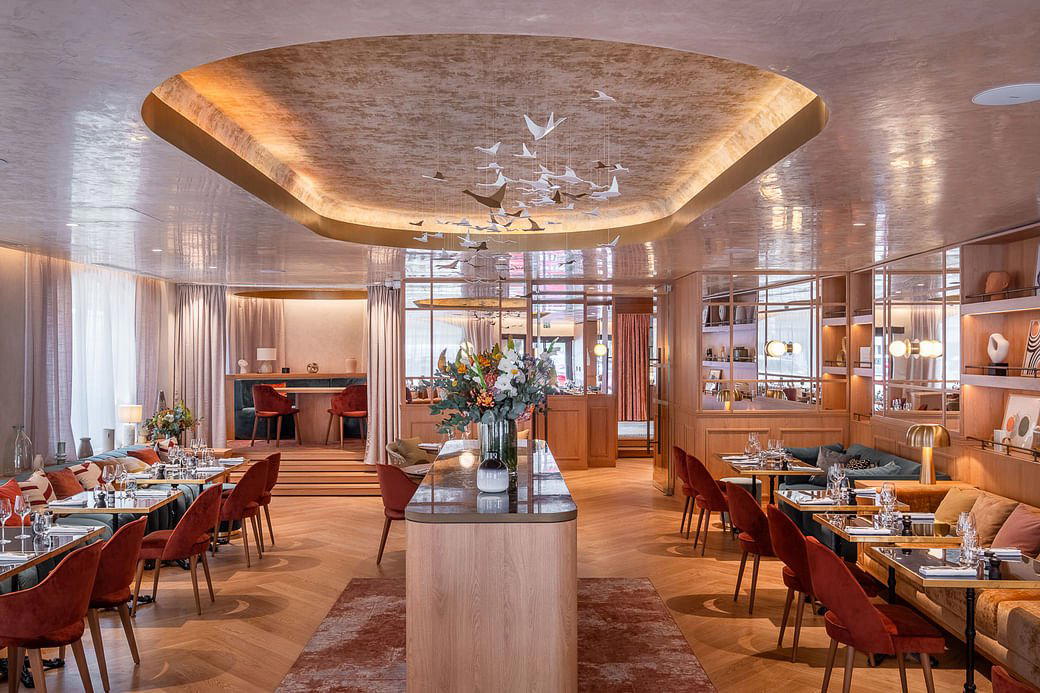
Le Bordeaux, the property's second restaurant, operates in a different register: modern French cooking anchored in local produce and regional identity. This format has become standard at well-positioned French hotels as a counterweight to the formality of starred dining, and it functions practically as the daily option for guests who aren't treating every dinner as an occasion. The contrast between the two restaurants gives the property a usable range that a single-concept dining programme would not.
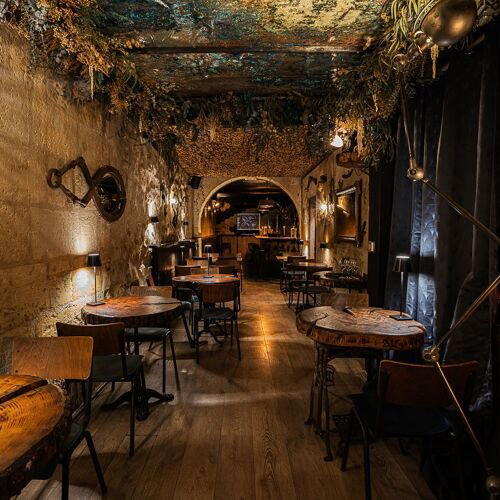
The Orangerie Bar completes the food and beverage picture with a format borrowed from British club culture: an English-style bar offering a gourmet selection throughout the day and a Guerlain-branded afternoon tea. Afternoon tea has expanded considerably as a standalone hotel product across European luxury properties, and the Guerlain partnership here is a specific differentiator, connecting the bar's programme to the spa identity downstairs. For the broader context of Bordeaux's dining scene, see our full Bordeaux restaurants guide.
The Rooftop and Its Seasonal Logic
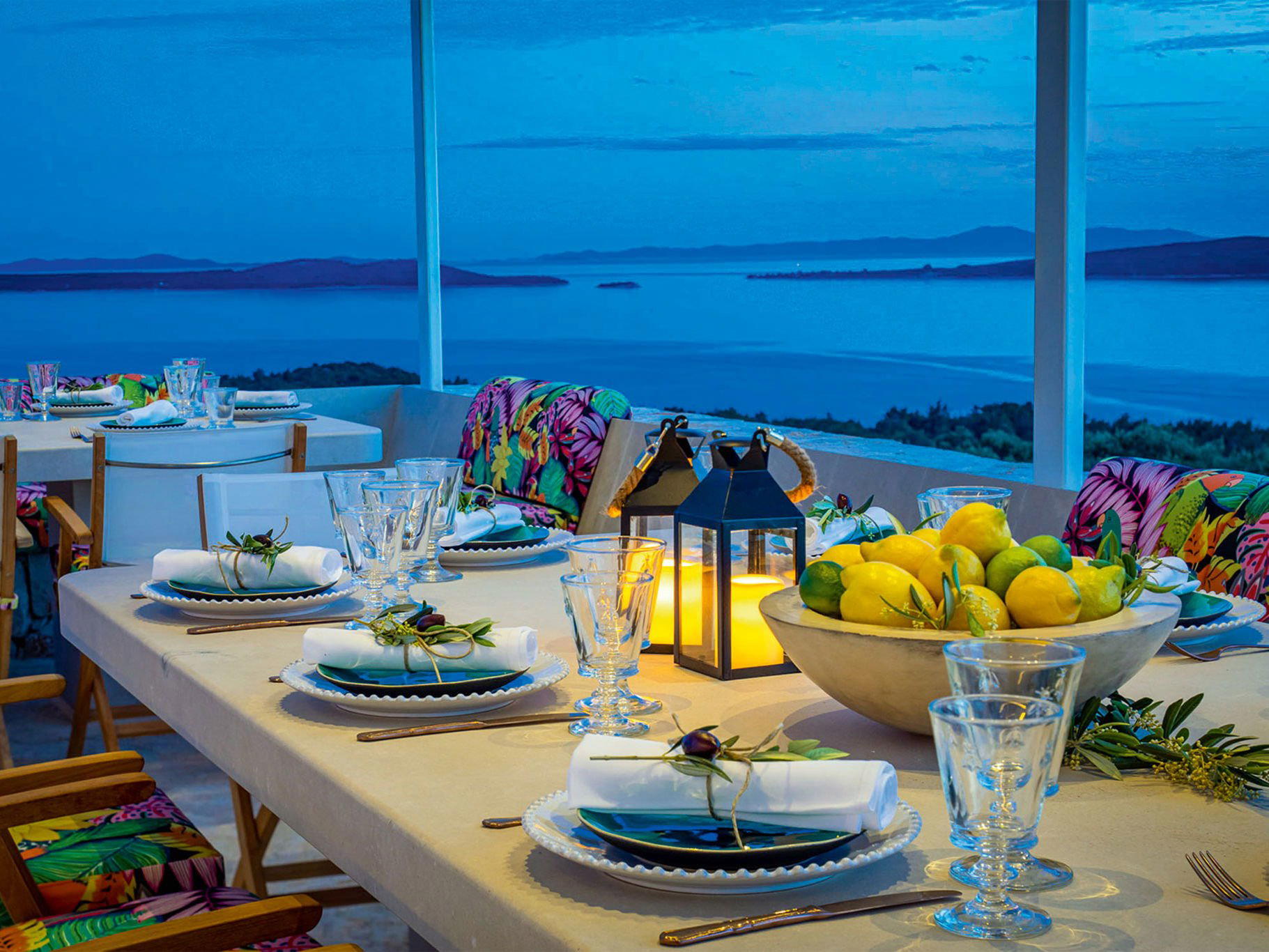
European urban hotels with rooftop access have multiplied over the past decade, but the format's value depends almost entirely on what the rooftop offers beyond the view. The InterContinental Grand Hôtel Bordeaux's 360-degree rooftop shifts its programming by season: a warm-weather terrace with a jacuzzi in summer, and a Grand Crus wine bar format through the colder months. The winter pivot toward wine programming is a coherent response to the city's identity. Bordeaux in October through March, between harvest and the following spring en primeur campaign, is a quieter city but one still oriented around the châteaux and négociants. A rooftop wine bar at that time of year speaks directly to the trade visitors, collectors, and oenotourists who constitute a significant portion of the hotel's non-leisure traffic.
Guerlain Spa and the Wellness Tier
Among French luxury hotel spas, Guerlain partnerships represent a specific tier that trades on brand recognition and product exclusivity rather than on scale. The InterContinental Grand Hôtel Bordeaux's Guerlain Spa operates with a Roman bath-style pool, steam room, and hammam, alongside treatments using Guerlain products. This configuration sits within a broader pattern: French palace and grand hotel spas increasingly require a named partner to compete in the international luxury market, where guests reference spa brands as travel criteria. Properties like La Réserve Ramatuelle and Hotel Du Cap-Eden-Roc in Cap d'Antibes operate in similarly branded wellness frameworks, reflecting how that segment of the French luxury hotel offer has professionalised.
Bordeaux as the Frame
Any serious engagement with this hotel requires understanding what Bordeaux offers as a destination, because the concierge programme is built around it. The city's wider region encompasses more than 300 châteaux, and the hotel's concierge team positions itself as an access point to the most prominent estates. This is not a casual claim: access to First Growth and other classified properties in Médoc, Saint-Émilion, and Pomerol is controlled and often invitation-dependent. Whether the concierge team can genuinely open those doors depends on relationships that are not publicly verifiable, but the claim reflects how the hotel positions itself within Bordeaux's wine tourism infrastructure.
Beyond the vineyards, the region's appeal includes the Atlantic coast at Arcachon and Cap Ferret, reachable by car in approximately an hour from the city, and the Dune du Pilat, which at roughly 100 metres is the tallest sand dune in Europe. Oyster farming in the Arcachon Basin has been commercially active for over a century, and the boat-and-farm-visit format is a well-established day excursion from Bordeaux. These elements give the hotel a legitimate regional programme that extends the stay logic beyond a single night around a château visit.
For travellers comparing this property against Bordeaux's other upper-tier options, the competitive set is distinct. Les Sources de Caudalie operates on a wine estate near Pessac-Léognan and offers a fundamentally different proposition: countryside immersion rather than urban centrality. Mondrian Bordeaux Les Carmes and YNDŌ occupy a design-led boutique tier. Hôtel Le Palais Gallien and Villas Foch offer smaller-footprint alternatives for guests who prefer a less institutional scale. The InterContinental's case rests on its address, its two-starred restaurant, and the breadth of programming that a 130-room IHG property can sustain.
The hotel received a Michelin One Key designation in 2024, placing it in Michelin's inaugural cohort of recognised hotel properties. That award reflects the guide's assessment of the hospitality experience as a whole, not solely the restaurant, and it gives the property a trust signal that sits alongside Le Pressoir d'Argent's two stars as a dual credential. Among French hotels at this intersection of central city location and starred dining, comparisons naturally extend to properties like Cheval Blanc Paris or Royal Champagne Hotel & Spa in Champillon, though those operate at different price points and in different urban or rural contexts. Other French references worth considering include Château de la Chèvre d'Or in Èze, Casadelmar in Porto-Vecchio, Castelbrac in Dinard, Villa La Coste in Le Puy-Sainte-Réparade, La Bastide de Gordes in Gordes, Hôtel & Spa du Castellet in Le Castellet, The Maybourne Riviera in Roquebrune-Cap-Martin, Airelles Saint-Tropez Château de la Messardière in Saint-Tropez, Four Seasons Megève, and Cheval Blanc Courchevel for a broader map of what French luxury hotels do at different price and format tiers. Beyond France, travellers familiar with Aman New York, The Fifth Avenue Hotel in New York City, or Aman Venice will find the Grand Hôtel Bordeaux occupies a more conventionally grand-hotel format than those properties, with programming depth that rewards multi-night stays.
Planning Your Stay
The hotel sits at 2 Place de la Comédie, reachable directly by Bordeaux's tram network via the Grands Théâtres stop. Booking for Le Pressoir d'Argent, given its two Michelin stars and limited covers at that level, warrants advance planning; weekend and harvest-season tables (September through October) will fill earliest. The hotel operates under IHG's Hotels & Resorts umbrella, which means IHG One Rewards members can apply points and status benefits across the booking.
How InterContinental Grand Hôtel Bordeaux compares with similar nearby venues.
| Venue | Awards |
|---|---|
| InterContinental Grand Hôtel Bordeaux | Michelin 1 Key |
Recognition history
Dated appearances from independent guides and award organizations, with the underlying list record or original source where available.
Virtuoso Luxury Hotel Partner
Virtuoso
Michelin Selected
Michelin
Michelin 1 Key
Michelin
Continue exploring
More in Bordeaux
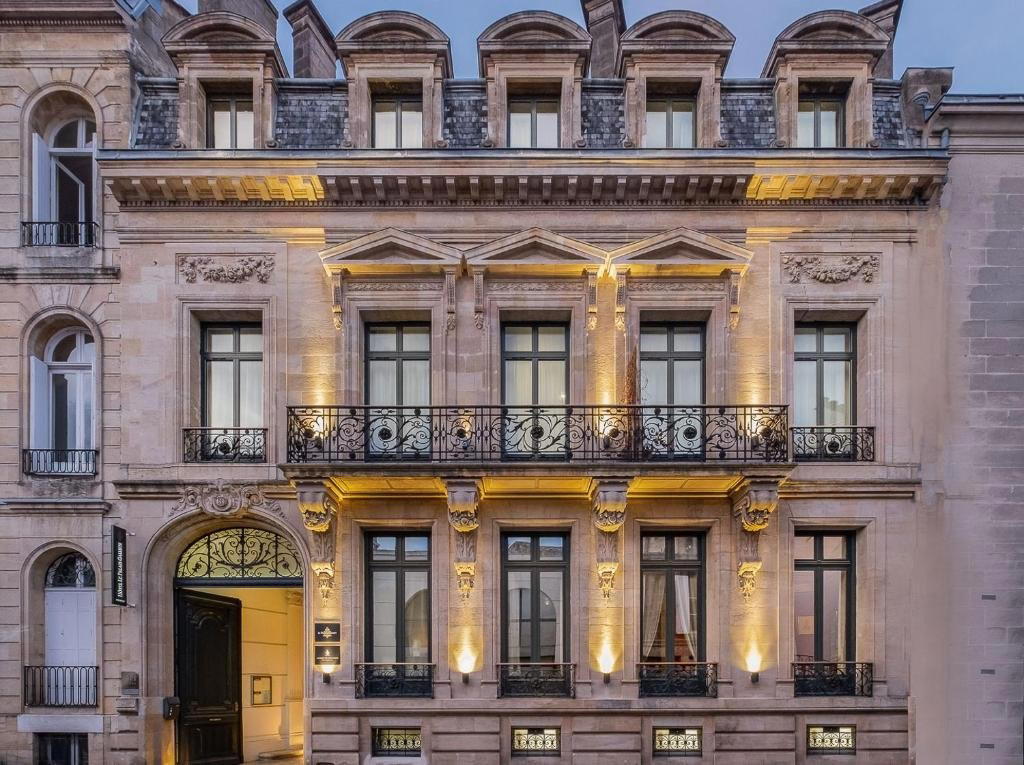
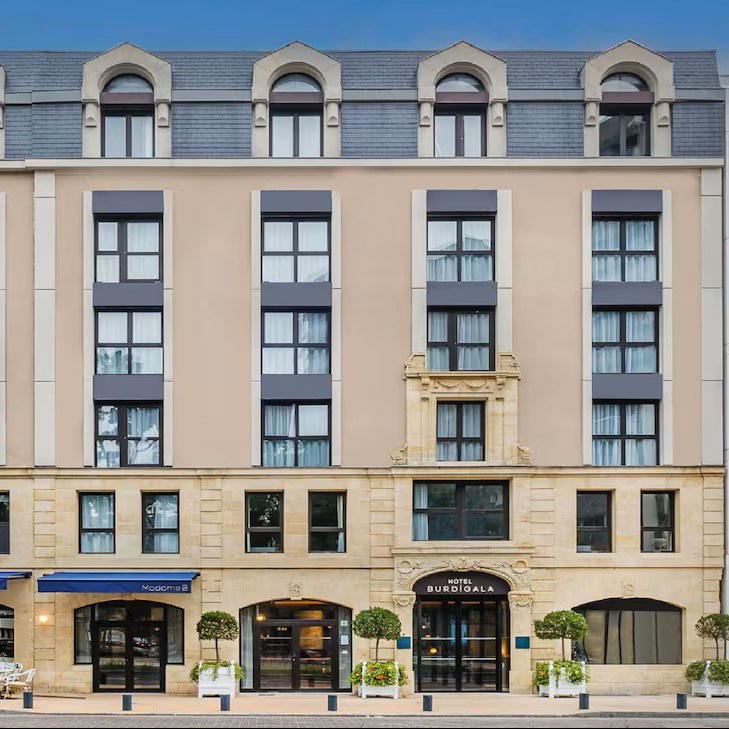
Hotels in Bordeaux
Browse all →
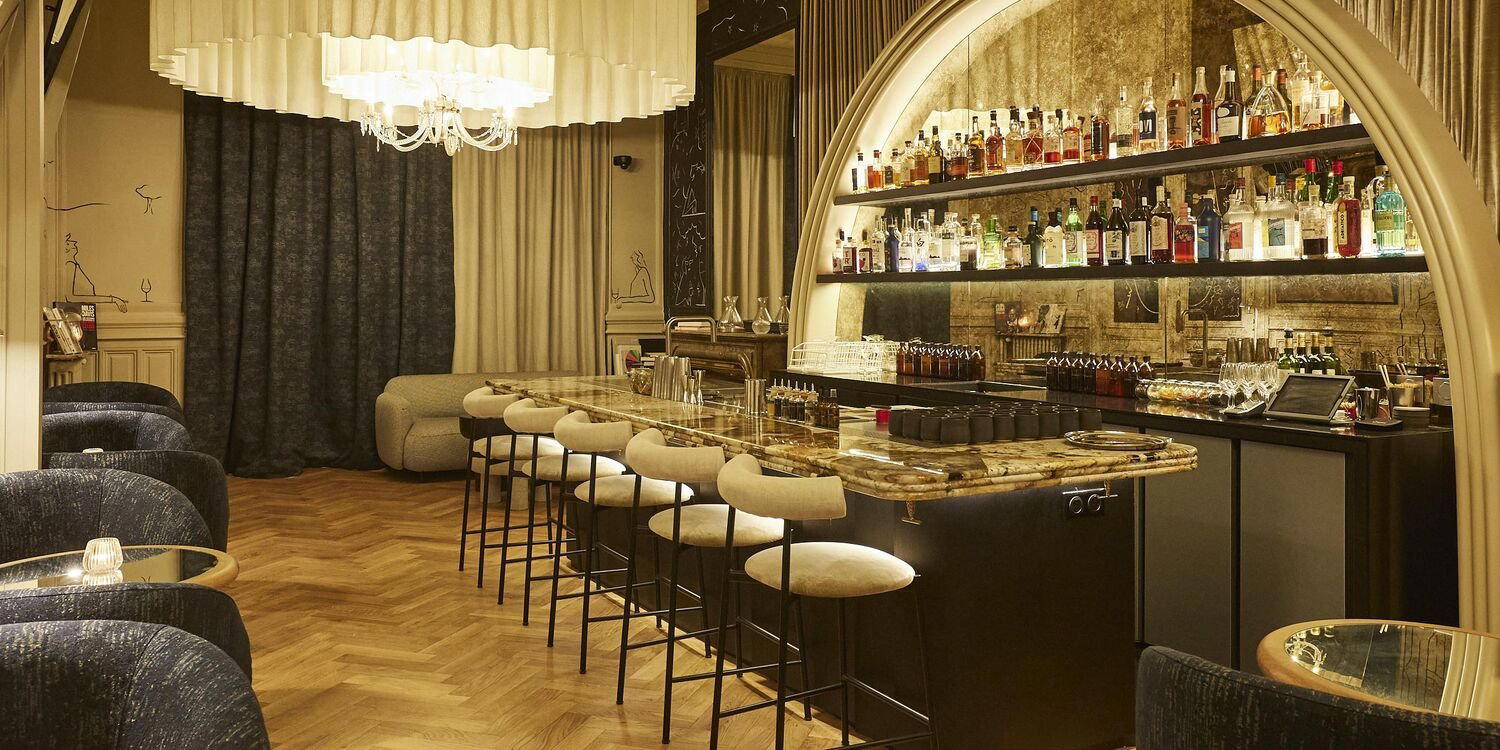
Bars in Bordeaux
Browse all →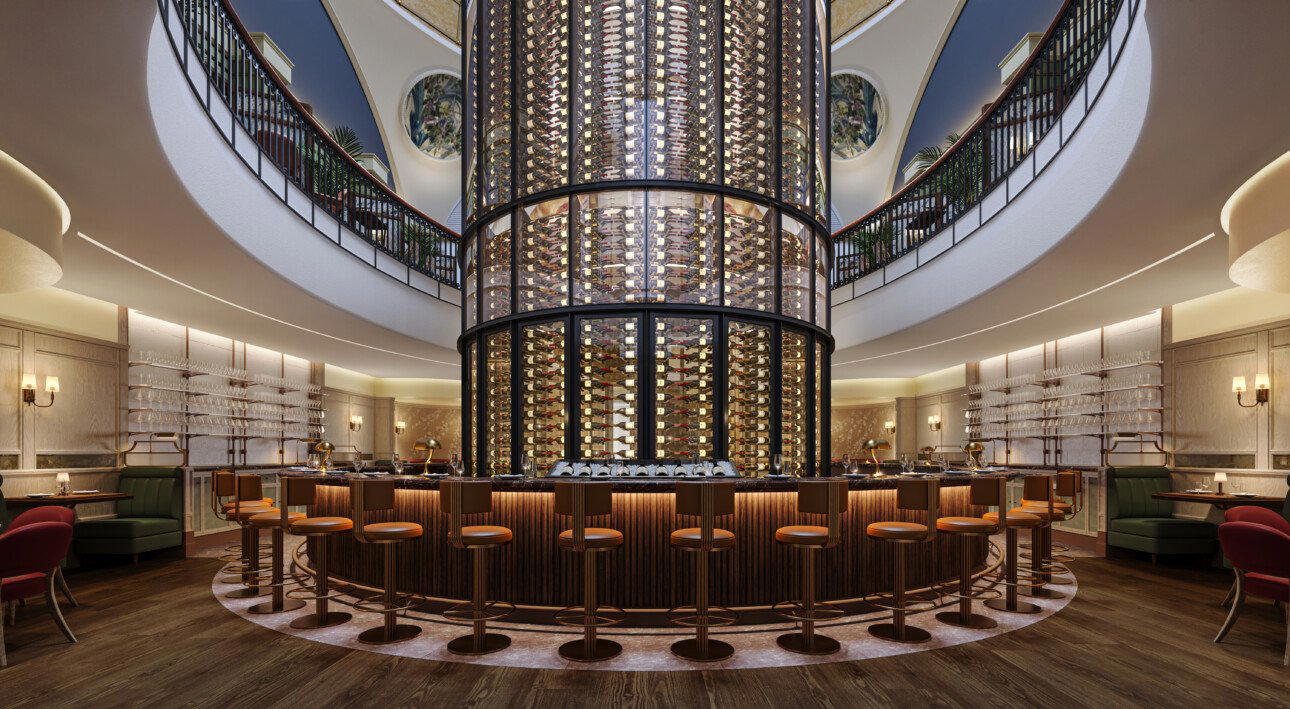
Restaurants in Bordeaux
Browse all →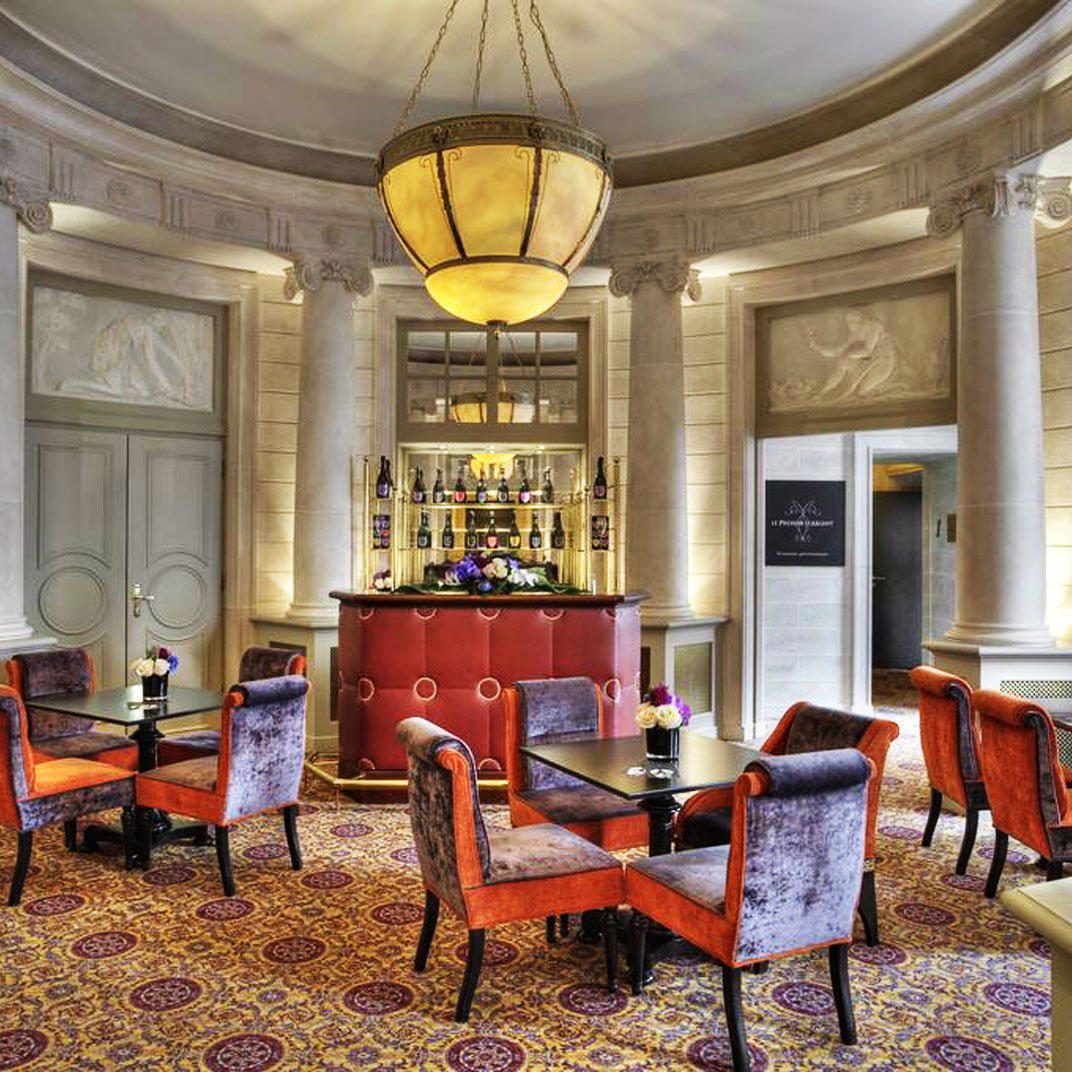
At a Glance
- Elegant
- Sophisticated
- Ornate
- Classic
- Romantic Getaway
- Business Trip
- Anniversary
- Celebration
- Historic Building
- Panoramic View
- Terrace
- Rooftop Pool
- Wi Fi
- Pool
- Spa
- Fitness Center
- Room Service
- Concierge
- Business Center
- Valet Parking
- EV Charging
- Skyline
- Street Scene
- Wi Fi
- Pool
- Spa
- Fitness Center
- Room Service
- Concierge
- Business Center
- Valet Parking
- EV Charging
Refined and ornate with voluptuous jewel-toned fabrics, natural light in winter garden atrium, and mellow rooftop lighting overlooking the city skyline.
Know Before You Go
- Getting there
- 2 Pl. de la Comédie, 33000 Bordeaux