

1 Michelin Star · We're Smart World 2 Radishes
Our verdict
Inside a Renaissance-frescoed dining room within a 16th-century Périgord château, Les Fresques earns its Michelin star through deep engagement with southwest France's larder. Chef Didier Casaguana builds surprise menus around line-caught fish, Blonde d'Aquitaine beef, and vegetables sourced from small-scale regional producers, placing this rural Dordogne address in a distinct tier of ingredient-driven French cooking.

Pearl is the En Primeur Club membership app — saves, bookings, and concierge access live there. Same editors, same standards.
- Address
- Lieu dit Le Vigier, 644 Rte Lars Urban Petersson, 24240 Monestier, France
- Phone
- +33 5 53 61 50 00
- Website
- vigiers.com
- Directions
- Get directions
- Booking
- Book on the venue's website
The menu
What to order
- Salade de homard bleu et foie poêlé
- Caviar Prunier et huître Ostra-régal
- Filet de Blonde d'Aquitaine
A Dining Room That History Built
The triangle where Dordogne, Gironde, and Lot-et-Garonne converge is one of southwest France's most agriculturally dense zones, a region that has long supplied the country's finest restaurants with duck, walnut, river fish, and some of France's most characterful beef. What it has rarely offered is fine dining of comparable ambition within its own borders. Les Fresques, the restaurant at Château des Vigiers, makes a credible case that the gap is closing.
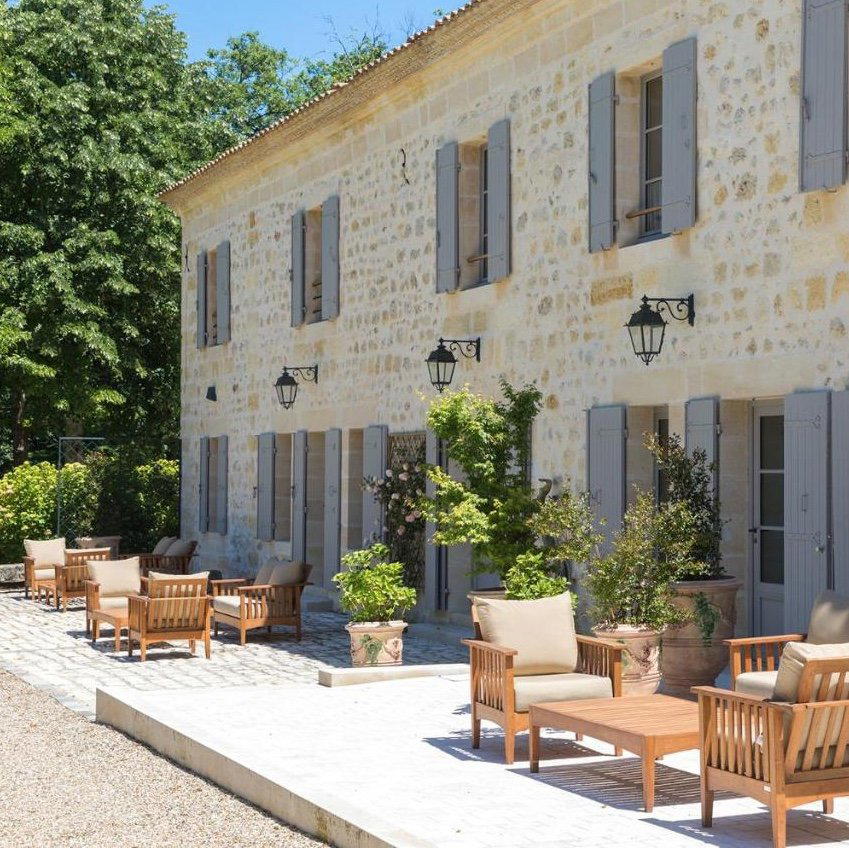
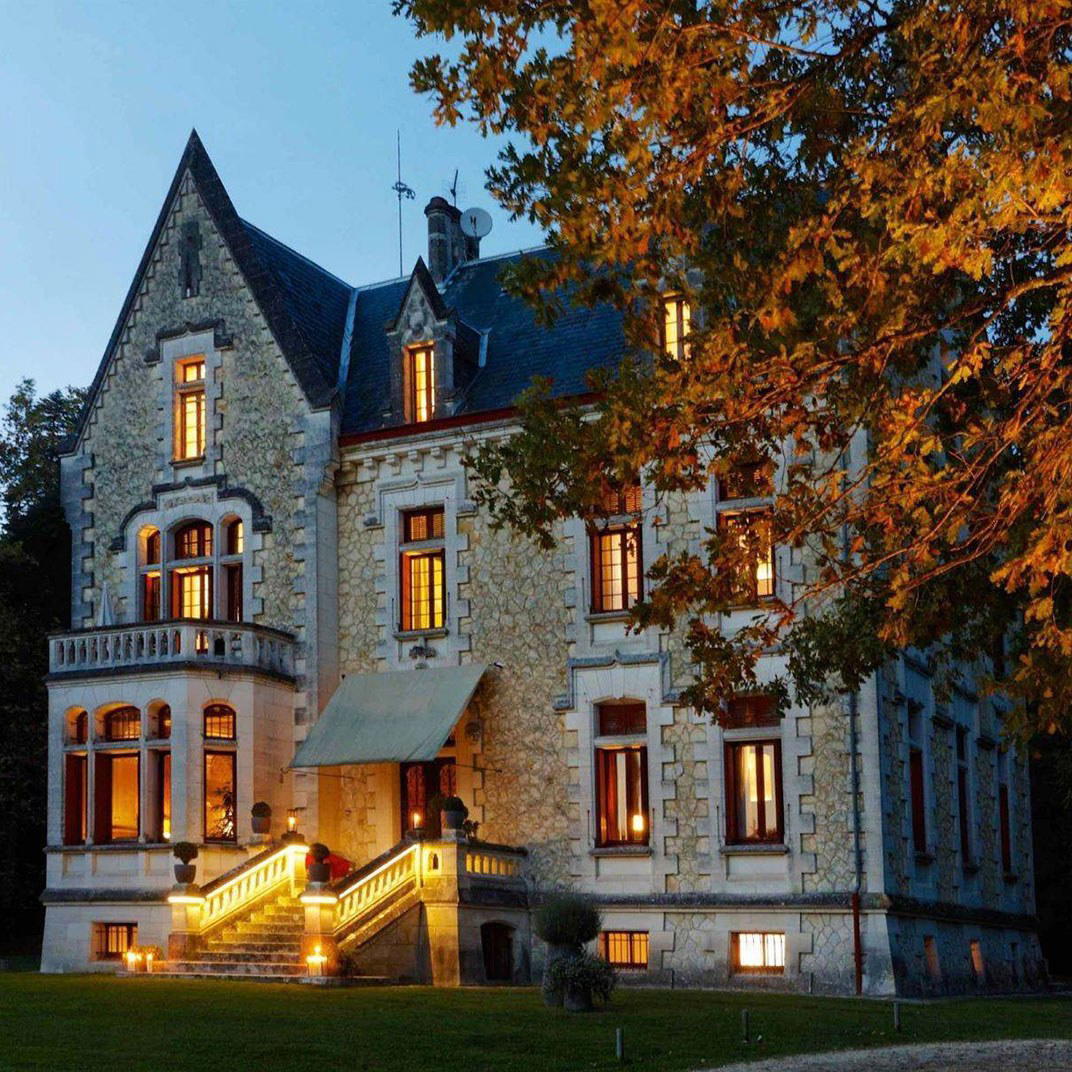
Approach the château and the architecture does its work before the kitchen gets a chance. The building dates from the 16th century, a Périgord stone edifice whose proportions speak to the kind of landed permanence that most of Europe long ago converted into boutique hotels and wedding venues. Château des Vigiers has done some of that too, pairing its restaurant with a vineyard and a golf course. But the dining room called Les Fresques earns its name from Renaissance-era frescoes that line the walls, and it is here that the tension between heritage setting and forward-leaning sourcing becomes the real subject of the meal.
Southwest France as Kitchen Garden
Ingredient-led cooking has become a default positioning claim for restaurants across France, but in southwest France the claim carries more weight than in most regions. The land between the Dordogne and Garonne rivers produces Blonde d'Aquitaine cattle, widely regarded as among France's finest beef breeds for its lean musculature and depth of flavour. The rivers themselves yield line-caught fish in a stretch of water that has sustained artisan fishing for centuries. The forests provide seasonal mushrooms, and the market gardens of the Périgord Noir remain among the country's most productive for fruit and vegetables grown at small scale.
At Les Fresques, the kitchen engages with this supply chain as a structural commitment rather than a menu footnote. Chef Didier Casaguana, a Toulouse-trained cook who has publicly described his relationship with small-scale producers as central to his approach, builds his menus around what the region's land and water yield at a given moment. The Michelin inspectors who awarded the restaurant its star in 2024 noted this regional grounding explicitly, describing a kitchen that uses vegetables, fruit, meat, and fish in combinations that read as genuinely connected to place. The inspector note that Casaguana should now be considered a vegetable chef alongside his work with more conventionally prestigious proteins is a pointed observation: in a region famous for foie gras and confit, a Michelin voice calling out vegetable work is worth registering.
This places Les Fresques in an interesting position relative to the broader French fine dining map. Restaurants at the upper tier, from Alléno Paris au Pavillon Ledoyen in the capital to rural addresses like Bras in Laguiole, have each developed distinct philosophies around sourcing and terroir. What distinguishes the southwest France tier is the sheer density of agricultural resource available within a short radius, and Les Fresques draws on that density more deliberately than most château restaurants at its price point.
What the Menu Signals
Les Fresques operates on a surprise menu format, meaning the kitchen determines the sequence based on what the sourcing has yielded. The Michelin record references specific combinations that illustrate the approach: line-caught John Dory paired with mushrooms, a fillet of Blonde d'Aquitaine beef with stuffed artichoke and oxtail pressé, and a dessert built around grand cru dark chocolate sourced from Peru. These combinations reflect a kitchen that does not default to safe pairings. Fish with mushrooms is an earthy, textured match that requires confidence. The beef dish layering fillet with an oxtail preparation is a technique common in kitchens that want to extract every dimension from a single animal rather than rely on the cut alone doing the work.
The surprise format also signals something about the restaurant's relationship to its supply chain. A fixed menu printed weeks in advance cannot respond to what the producer delivered that morning. A carte blanche format, built around daily supply, reflects a genuine commitment to ingredient primacy rather than a stylistic pose. For diners accustomed to restaurants where the menu is the product, this is a different kind of contract with the kitchen.
For context on how this approach sits within French fine dining more broadly, the same sourcing discipline operates at a different scale and register at properties like Flocons de Sel in Megève and Mirazur in Menton, both of which have built their identities around hyper-local and seasonal supply. Les Fresques occupies a less internationally visible position than either but operates with comparable seriousness at the one-star level.
The Setting's Role in the Experience
The frescoes in the dining room are not decorative background. Renaissance wall painting in a private château of this age is an uncommon survival, and the room's visual weight shapes the register of the meal. This is not the stripped-back, natural-material aesthetic that defines many ingredient-forward restaurants in France and elsewhere. It is instead a room that insists on history as context, which makes the kitchen's contemporary sourcing choices feel like a deliberate counterpoint rather than a default.
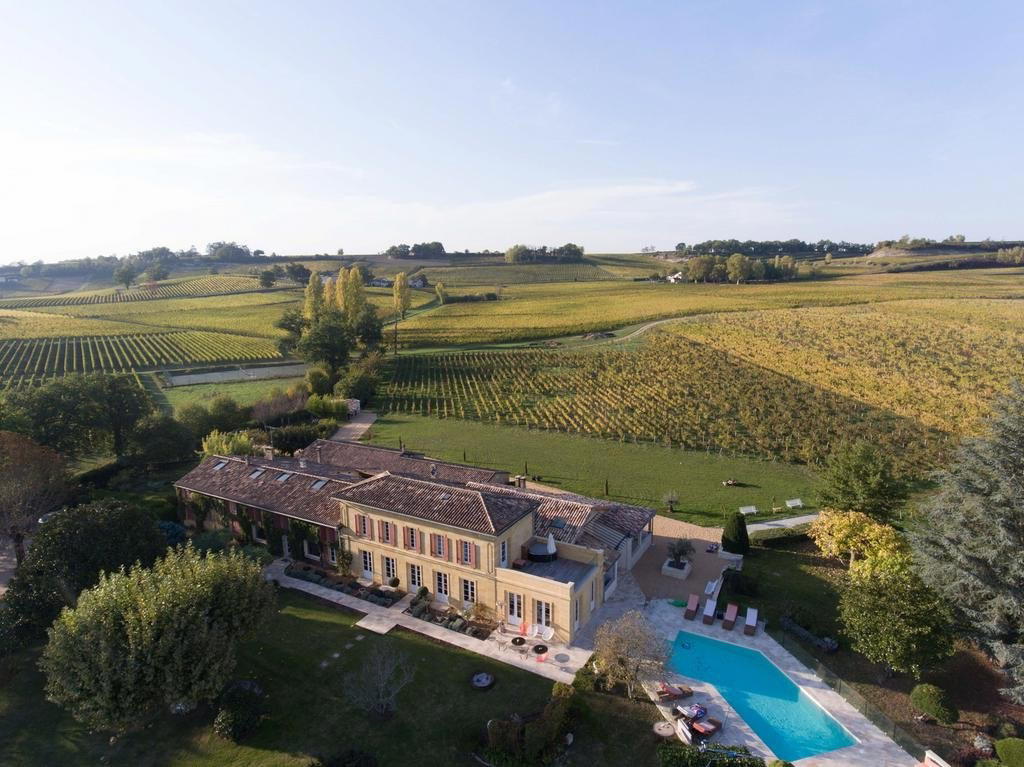
The estate itself includes a vineyard, which situates the wine program within the same terroir logic as the food. Southwest France produces appellations including Bergerac and Monbazillac in the immediate vicinity, with Pécharmant red wines from nearby Bergerac carrying some regional prestige. For those planning around wine, exploring Monestier's wine scene before or after a meal adds a coherent layer to the visit.
Planning a Visit
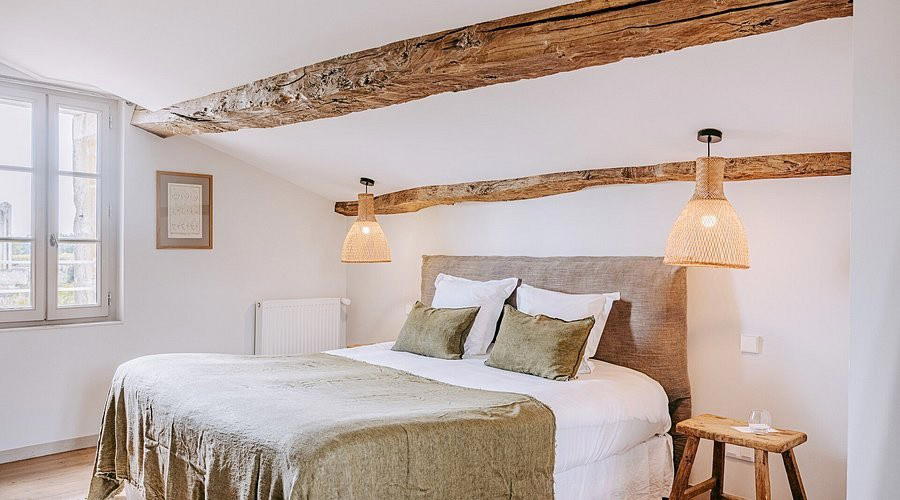
Château des Vigiers sits in Monestier, a commune in the Dordogne department of the Nouvelle-Aquitaine region. The address is rural by design: Lieu dit Le Vigier, 644 Route Lars Urban Petersson, 24240 Monestier. Guests arriving from Bordeaux are roughly 90 minutes east by road, placing the restaurant within day-trip range of the city but better suited to those staying on the estate or in the surrounding Périgord Pourpre area. The hotel at the château provides that option, and for the full context of the experience, an overnight stay sharpens the sense of place considerably. For accommodation options in the area, see our Monestier hotels guide.
The price point sits at €€€ on a three-tier scale, which positions it above casual dining but below the four-tier prestige pricing of Paris addresses like Assiette Champenoise or Auberge de l'Ill. For a Michelin-starred meal in a 16th-century setting in one of France's most food-rich regions, that pricing reflects genuine value relative to comparable addresses. Advance booking is advisable, particularly through summer and autumn when the estate's golf course draws additional visitors to the property. For broader context on dining in the area, see our full Monestier restaurants guide.
Frequently asked questions
What should I budget for a meal at Les Fresques - Château des Vigiers?
Pricing at Les Fresques - Château des Vigiers is listed as €€€.
What's the address for Les Fresques - Château des Vigiers?
Les Fresques - Château des Vigiers is located at Lieu dit Le Vigier, 644 Rte Lars Urban Petersson, 24240 Monestier, France, Monestier.
Comparison Snapshot
| Venue | Cuisine | Price | Awards |
|---|---|---|---|
| Les Fresques - Château des VigiersThis venue — the venue you are viewing | Modern French Fine Dining | $100–150 | 1 Michelin Star · We're Smart World 2 Radishes |
| Alléno Paris au Pavillon Ledoyen | Creative | Not listed | Michelin 3 Star |
| Kei | Contemporary French, Modern Cuisine | Not listed | Michelin 3 Star |
| L'Ambroisie | French, Classic Cuisine | Not listed | Michelin 3 Star |
| Le Cinq - Four Seasons Hôtel George V | French, Modern Cuisine | Not listed | Michelin 3 Star |
| Plénitude | Contemporary French | Not listed | Michelin 3 Star |
Recognition history
Dated appearances from independent guides and award organizations, with the underlying list record or original source where available.
Michelin 1 Star
Michelin
We're Smart World 2 Radishes
We're Smart World
Full recognition history (4 entries)
Michelin 1 Star
Michelin
Michelin 1 Star
Michelin
Continue exploring
More in Monestier
Restaurants in Monestier
Browse all →
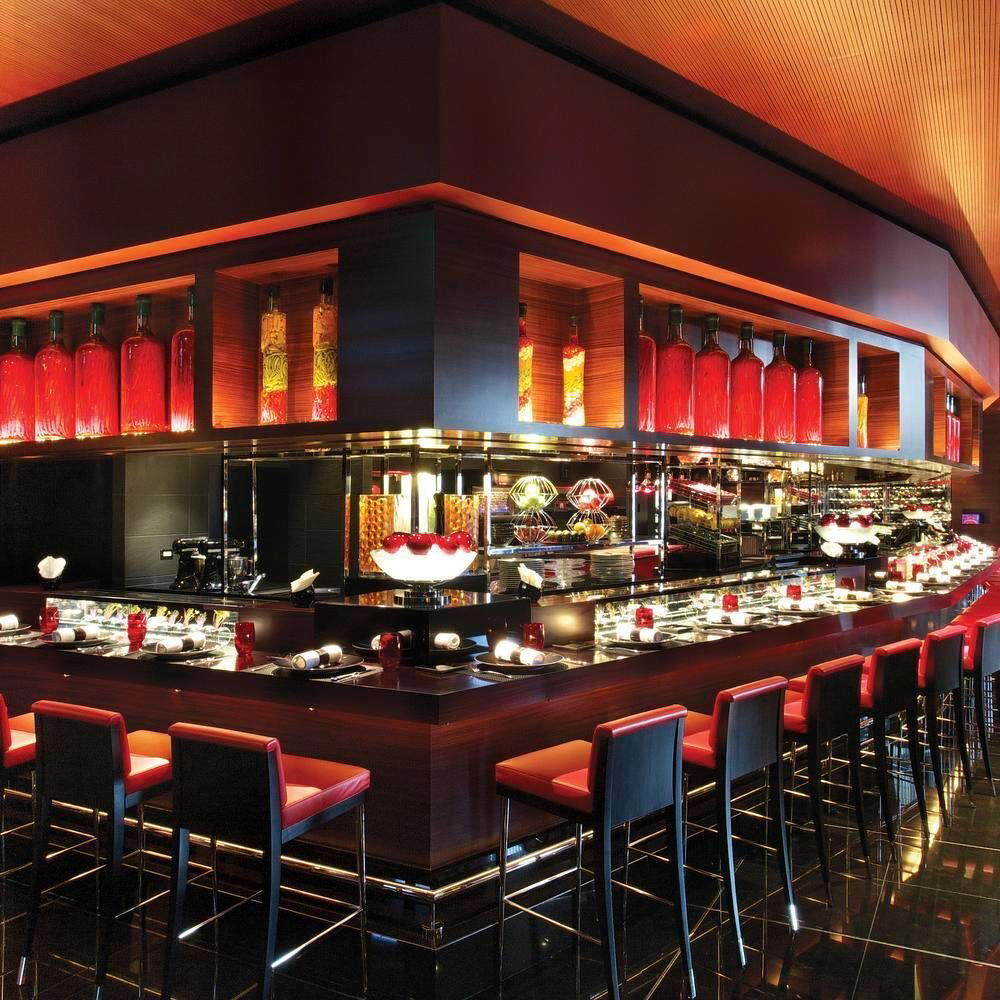
Bars in Monestier
Browse all →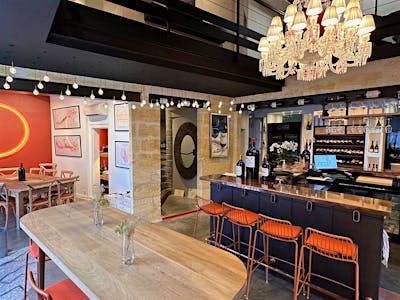
Hotels in Monestier
Browse all →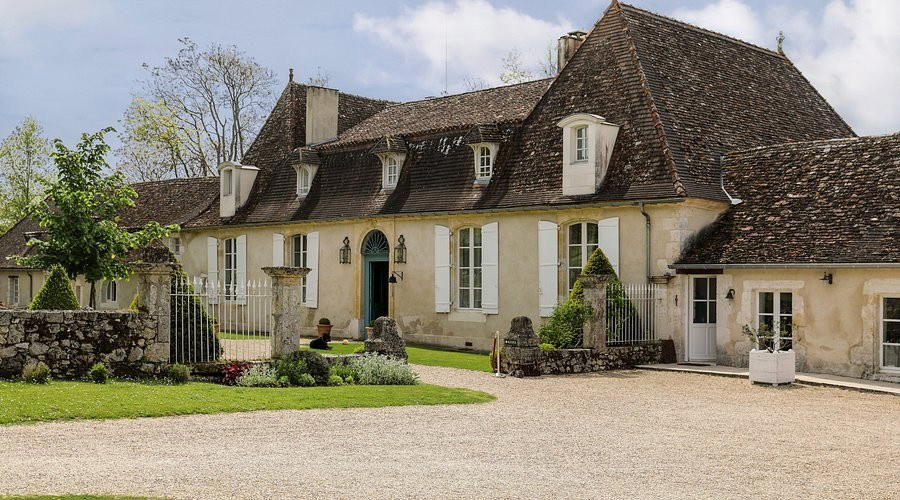
Details
- Elegant
- Intimate
- Sophisticated
- Scenic
- Special Occasion
- Date Night
- Celebration
- Historic Building
- Hotel Restaurant
- Terrace
- Panoramic View
- Extensive Wine List
- Sommelier Led
- Local Sourcing
- Vineyard
- Garden
- Tasting Menu
- Prix Fixe
- Wine
- Vegetarian Friendly
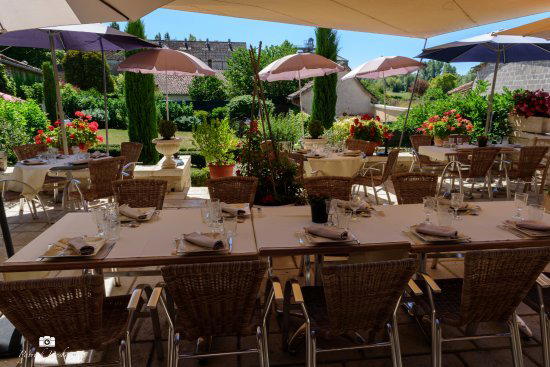
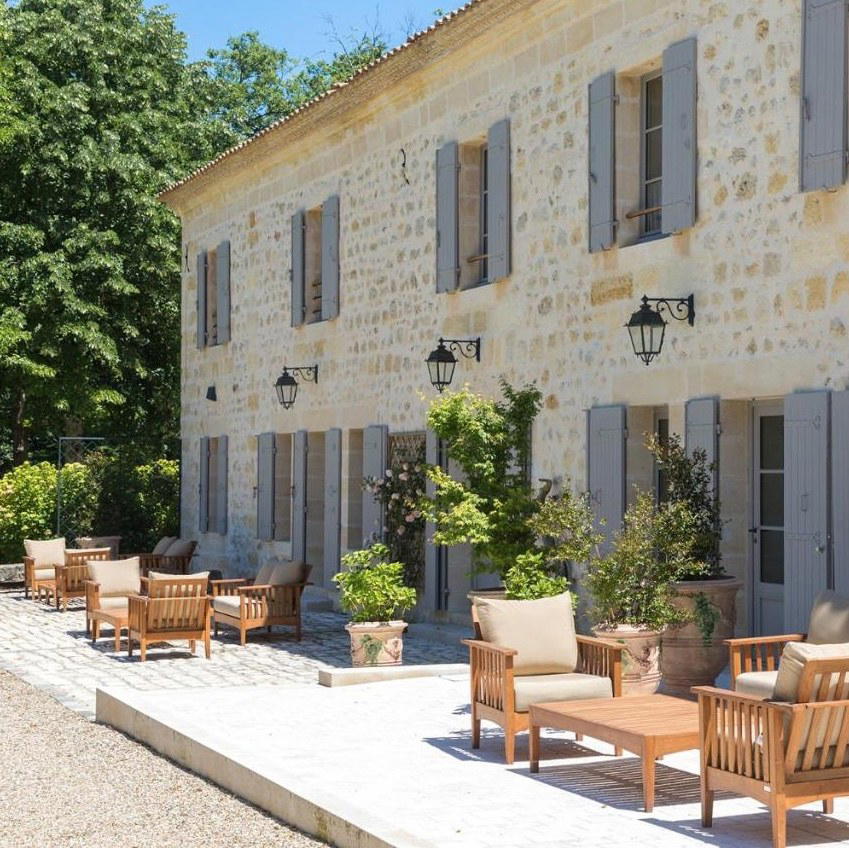
Enchanting and elegant with Renaissance frescoed walls, warm color shades, picture windows, and an intimate inviting atmosphere enhanced by terrace views over lake and vineyards.