Château la Thuilière

Michelin Selected
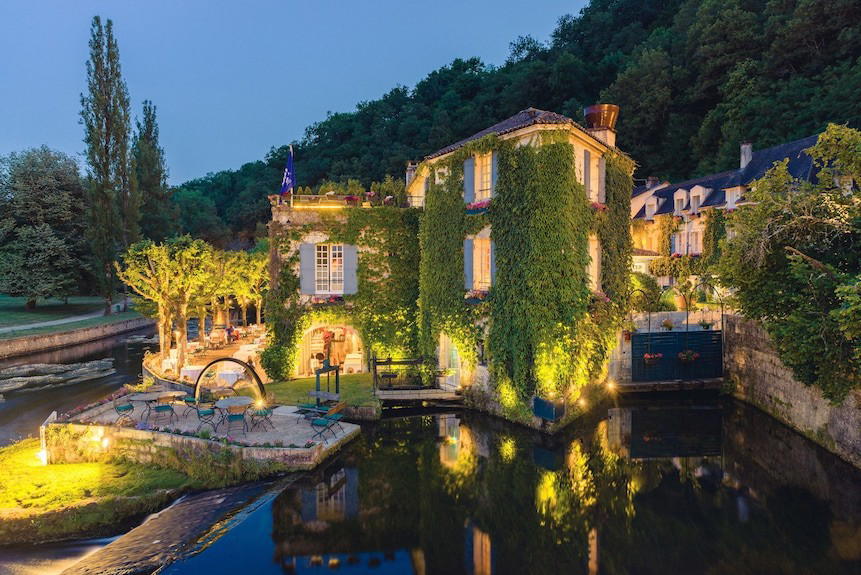
A Michelin Selected château property in the Dordogne countryside of Saint-Front-de-Pradoux, Château la Thuilière represents the quieter register of rural French hospitality: stone architecture, agricultural surroundings, and a setting that trades urban proximity for genuine seclusion. For travellers who find the manicured château circuit too polished, this is a credible alternative rooted in southwest France's pastoral character.

Pearl is the En Primeur Club membership app — saves, bookings, and concierge access live there. Same editors, same standards.
- Address
- 38 Route de St Martin, 24400 Saint-Front-de-Pradoux, France
- Phone
- +33 6 99 92 45 69
- Website
- chateaulathuiliere.com
- Directions
- Get directions
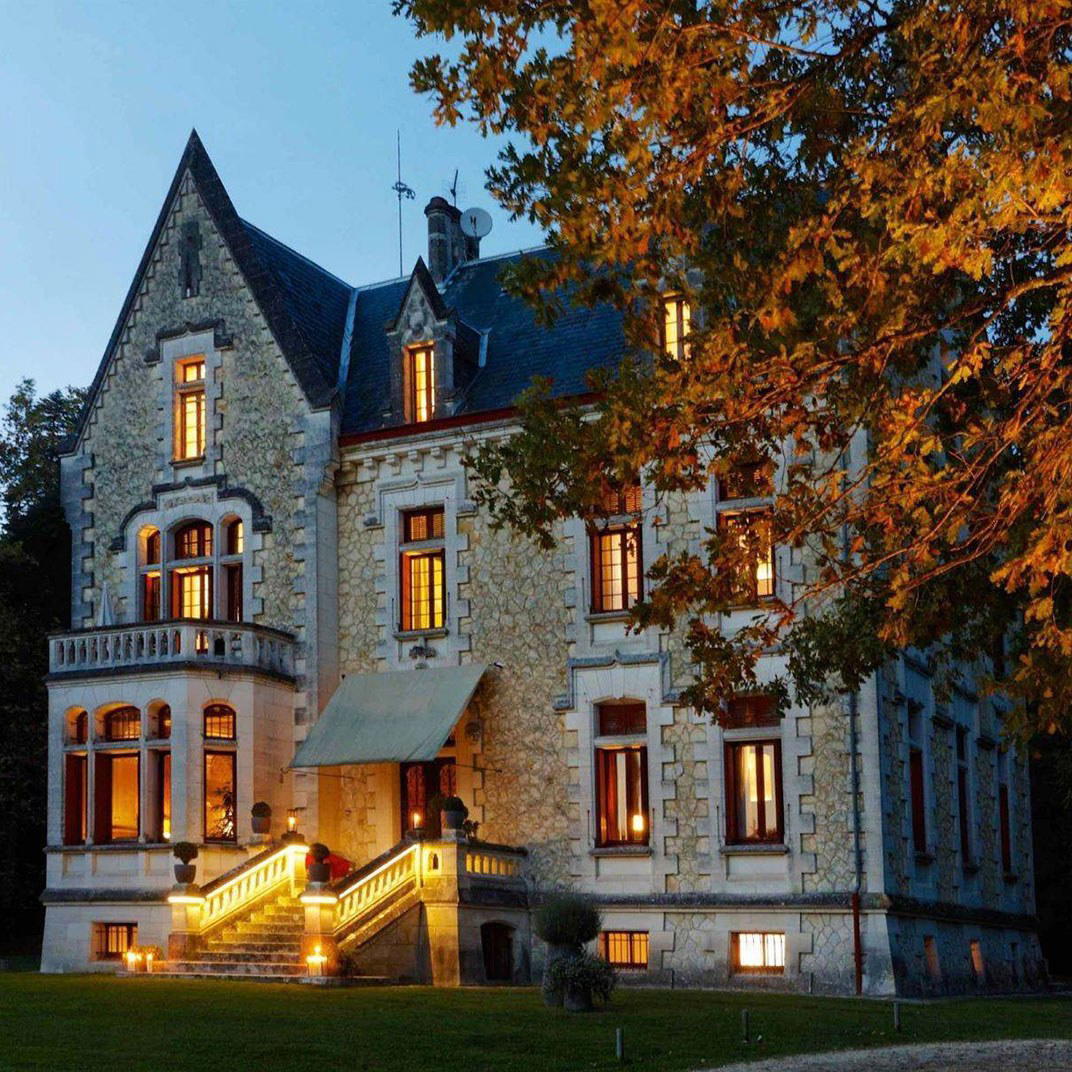
Stone, Silence, and the Dordogne Countryside
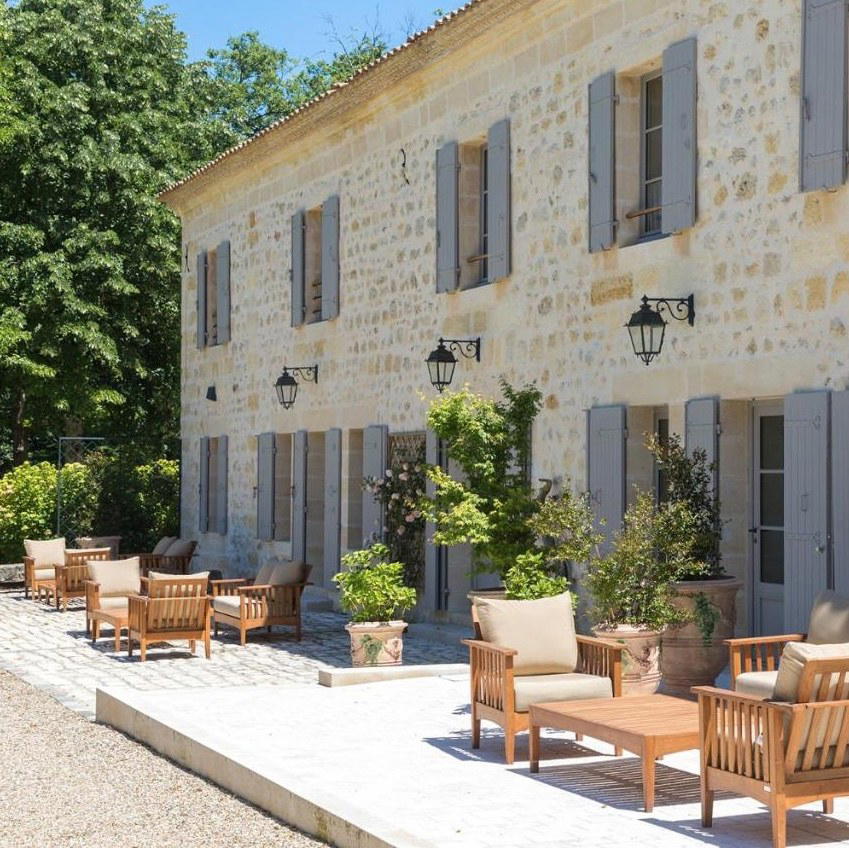
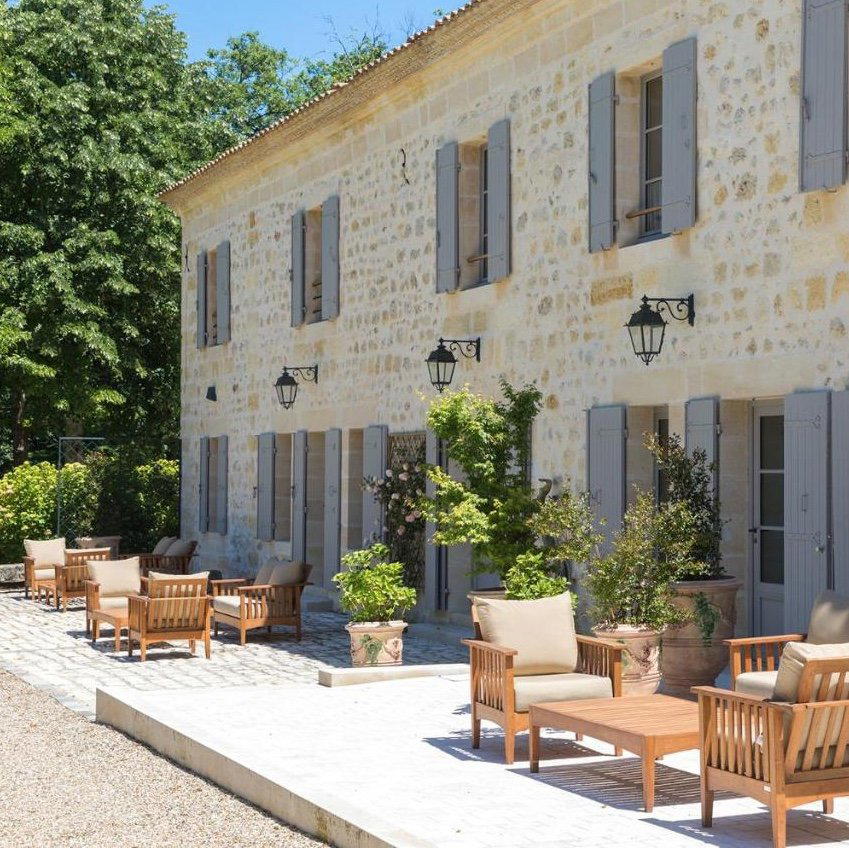
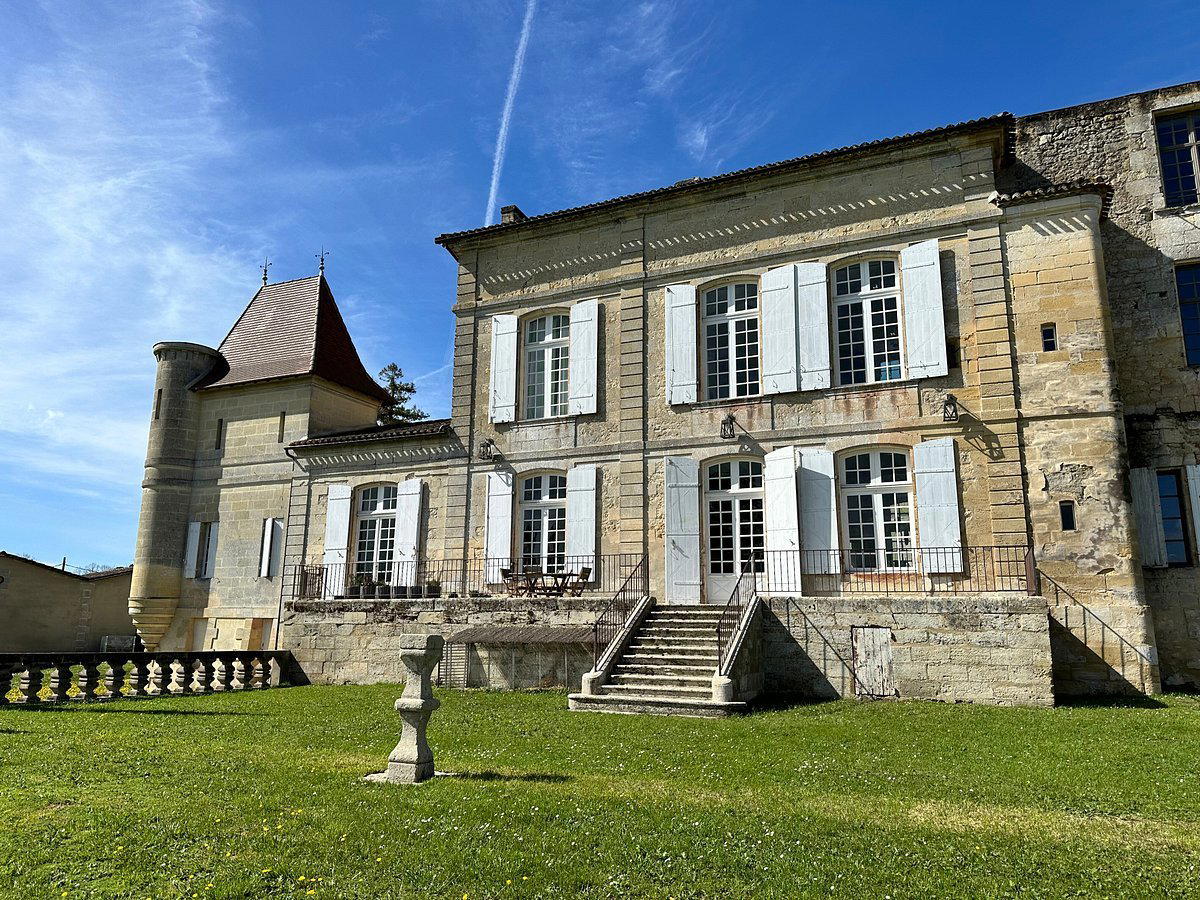
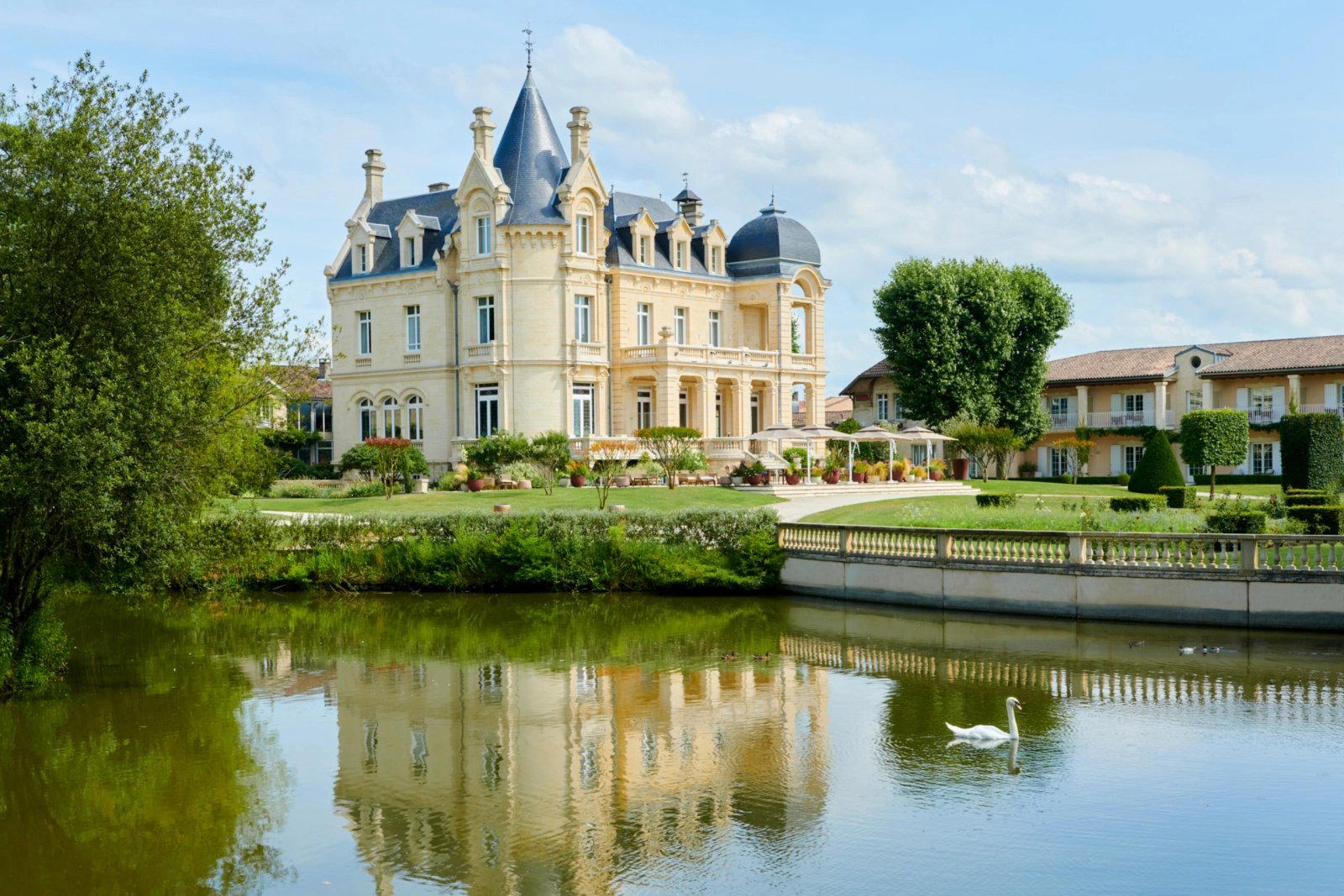
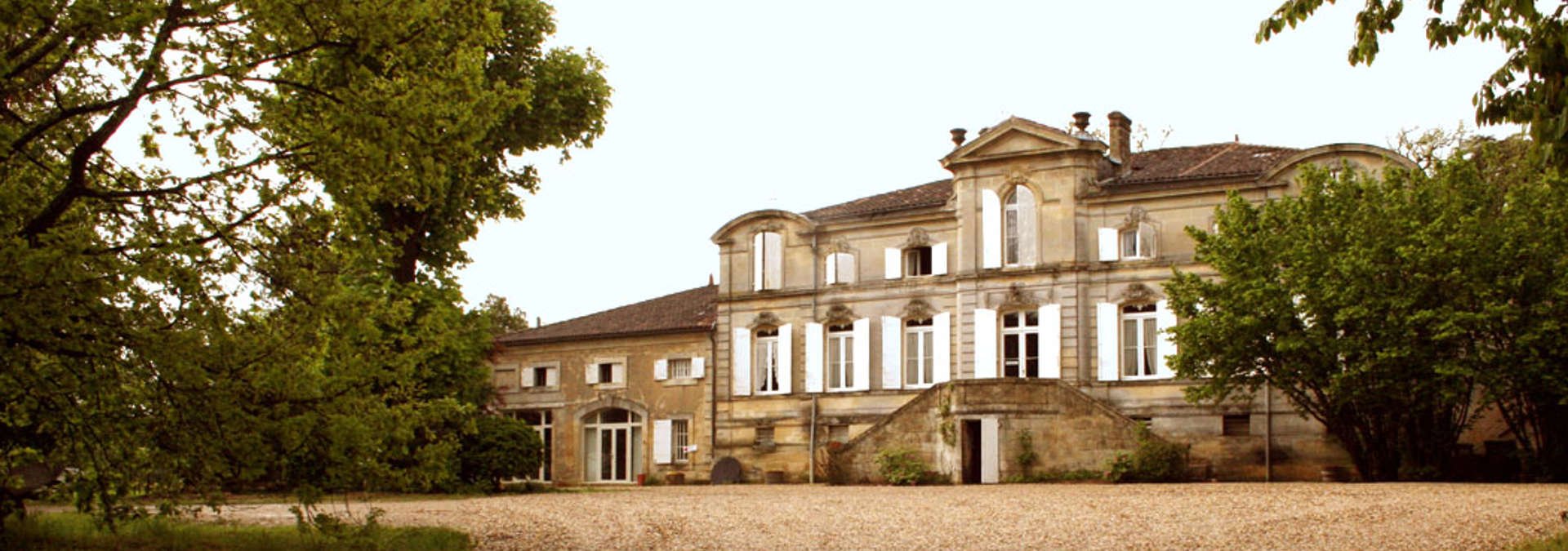
The approach to a French château property sets its terms before you reach the door. At Château la Thuilière in Saint-Front-de-Pradoux, the surrounding terrain of the Périgord region does most of the framing: agricultural land, oak and chestnut cover, a light that shifts through the day in ways that no city property can replicate. The building itself belongs to the vernacular château tradition of southwest France, where dressed stone, pitched rooflines, and proportions calibrated to the land define architectural identity more than any decorative gesture could.
This part of the Dordogne sits outside the more trafficked château belt. Saint-Front-de-Pradoux is a commune of modest scale, which means the property operates without the footfall pressure that reshapes hospitality in better-known French destinations. That context matters. The quieter geography of the Double Périgord, the forested plateau between the Dronne and the Isle rivers, has historically attracted visitors interested in the region's prehistoric cave art, medieval bastide towns, and a food culture anchored in duck confit, foie gras, and Bergerac wines rather than in Michelin-starred restaurant density.
Where Château la Thuilière Sits in the French Rural Hospitality Market
Michelin's hotel selection program, from which Château la Thuilière holds a 2025 designation, operates on a different logic than its star system for restaurants. A MICHELIN Selected property signals that inspectors found the accommodation credible on comfort, character, and welcome, without necessarily placing it in the tier occupied by properties like Les Sources de Caudalie in Bordeaux or Royal Champagne Hotel & Spa in Champillon, both of which carry deeper awards architecture. The designation is a floor, not a ceiling, and for a rural château in a low-profile commune, it functions primarily as a quality assurance marker for travellers approaching the region without local knowledge.
The competitive set for a property like this runs differently than for urban French luxury. The reference point is not Le Bristol Paris or Hôtel de Paris Monte-Carlo. It is instead the cluster of privately owned château conversions across the Périgord and Lot-et-Garonne that have repositioned agricultural estates as hospitality properties over the past three decades. Within that group, Michelin selection represents measurable external validation. For comparison, château properties with similar rural positioning but stronger awards depth, such as Château du Grand-Lucé in Le Grand-Lucé or La Bastide de Gordes in Gordes, indicate what additional investment in hospitality programming can produce in the category.
The Architecture of Place
Rural château properties in southwest France tend to resolve into two architectural registers. The first is the formally restored manor, where period rooms, antique furnishings, and symmetrical gardens signal preservation as the primary value. The second is the working-estate conversion, where the agricultural bones of the property remain visible and the hospitality layer sits more lightly on the structure. The Périgord has examples of both. Without detailed room-level data available, the character of Château la Thuilière's interiors cannot be specified here, but the region's building tradition and the property's rural address suggest a relationship with stone, exposed beam work, and the uneven textures of a pre-industrial structure that no amount of renovation fully erases.
That architectural honesty is one reason this part of France continues to attract visitors who find the more heavily curated end of French rural hospitality unconvincing. A château in the Périgord can be read as a building that has simply persisted through centuries of agricultural use, rather than as a period room assembled for contemporary comfort. The distinction matters to a specific traveller profile, one that values patina over polish and prefers the room count of a private estate over the programmed amenities of a destination resort.
The Dordogne as a Travel Context
Saint-Front-de-Pradoux sits in the western Dordogne, roughly equidistant between Périgueux to the northeast and Bergerac to the south. Bergerac's airport receives seasonal connections from several northern European cities, which makes this corner of the Périgord more accessible than its low international profile would suggest. The nearest significant town, Mussidan, is a market centre on the Isle river with the practical infrastructure a rural stay requires.
The regional draw here is layered. Périgord Noir, to the east, holds the concentration of prehistoric sites including Lascaux and Les Eyzies that give the Dordogne its deepest cultural claim. The western Périgord is quieter in this regard, more agricultural, less visited by international touring itineraries. For travellers who have already moved through the more documented parts of the region, or who are building a southwest France circuit that combines Bordeaux wine country with Dordogne countryside before tracking south toward Gascony, the positioning of a property in this western sector makes logistical sense. Properties like Hôtel Chais Monnet & Spa in Cognac to the northwest indicate the hospitality standard the broader region is now capable of sustaining.
For context on how château and estate properties elsewhere in France have developed their hospitality identity, the range is wide. Château de la Gaude in Aix-en-Provence, Villa La Coste in Le Puy-Sainte-Réparade, and Baumanière Les Baux-de-Provence each represent different solutions to the problem of placing a historic estate in contemporary hospitality. The Dordogne operates at a different register than Provence, with lower price benchmarks, less international media attention, and a food culture that remains more functionally regional than trend-driven.
Planning a Stay
Reaching Saint-Front-de-Pradoux by car from Bergerac takes under thirty minutes, and the property is reachable from Bordeaux in roughly ninety minutes by road, making it viable as part of a wider southwest France itinerary that might also include the wine estates of the Entre-Deux-Mers or the market towns of the Lot valley. Given the rural address, a car is not optional. The scale of the commune means that dining beyond the property itself requires driving to Mussidan or Périgueux. See our full Saint Front De Pradoux restaurants guide for the wider local context.
Travellers building a France itinerary at a higher budget tier who want the full French château register alongside deeper hospitality programming might look at Domaine Les Crayères in Reims, La Ferme Saint-Siméon in Honfleur, or Hôtel du Palais in Biarritz as reference points for what the category can deliver when award depth and hospitality investment align. For the Riviera end of the French luxury spectrum, Hotel Du Cap-Eden-Roc in Cap d'Antibes, The Maybourne Riviera, and La Réserve Ramatuelle occupy a different tier entirely. Château la Thuilière makes its case on a different basis: a Michelin-validated rural property in a part of France that rewards unhurried attention over curated programming.
Comparable Venues
Comparable venues nearby, for context on price, style, and recognition.
| Venue | Cuisine | Price | Awards | Notes |
|---|---|---|---|---|
| Château la ThuilièreThis venue — the venue you are viewing | 19th-century Tudor-style manor house in the Aquitaine countryside | $100–200 | Michelin Selected | Not listed |
| Domaine de Chalvêches | Contemporary classic secluded estate blending modern comfort with authentic charm. | Not listed | Michelin Selected | Faugères |
| Fahrenheit Seven Courchevel | neo-vintage lifestyle hotel | $200–300 | Michelin Selected | Courchevel 1650 |
| A Speranza | Eco-friendly boutique extension of A Cheda with original Corsican architecture. | $300–500 | Michelin Selected | Bonifacio |
| Villa Seren | Lakefront boutique hotel with spa | $100–200 | Michelin Selected | Soorts-Hossegor |
| Le Manoir du Lys | Historic hunting lodge reimagined as a luxury countryside retreat with modern sensibilities and refined French hospitality. | $100–200 | Michelin Selected | Bagnoles-de-l'Orne |
Recognition history
Dated appearances from independent guides and award organizations, with the underlying list record or original source where available.
Michelin Selected
Michelin
Continue exploring
More in Saint Front De Pradoux
Hotels in Saint Front De Pradoux
Browse all →
Restaurants in Saint Front De Pradoux
Browse all →
Details
- Romantic
- Quiet
- Elegant
- Rustic
- Scenic
- Cozy
- Sophisticated
- Romantic Getaway
- Honeymoon
- Anniversary
- Weekend Escape
- Garden
- Terrace
- Historic Building
- Wi Fi
- Pool
- Spa
- Room Service
- Concierge
- Garden
- Bicycle Rental
- Garden
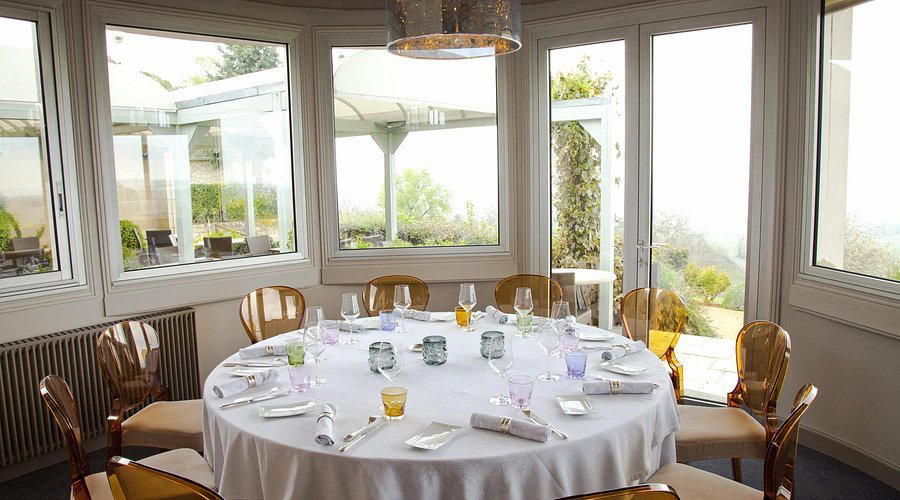
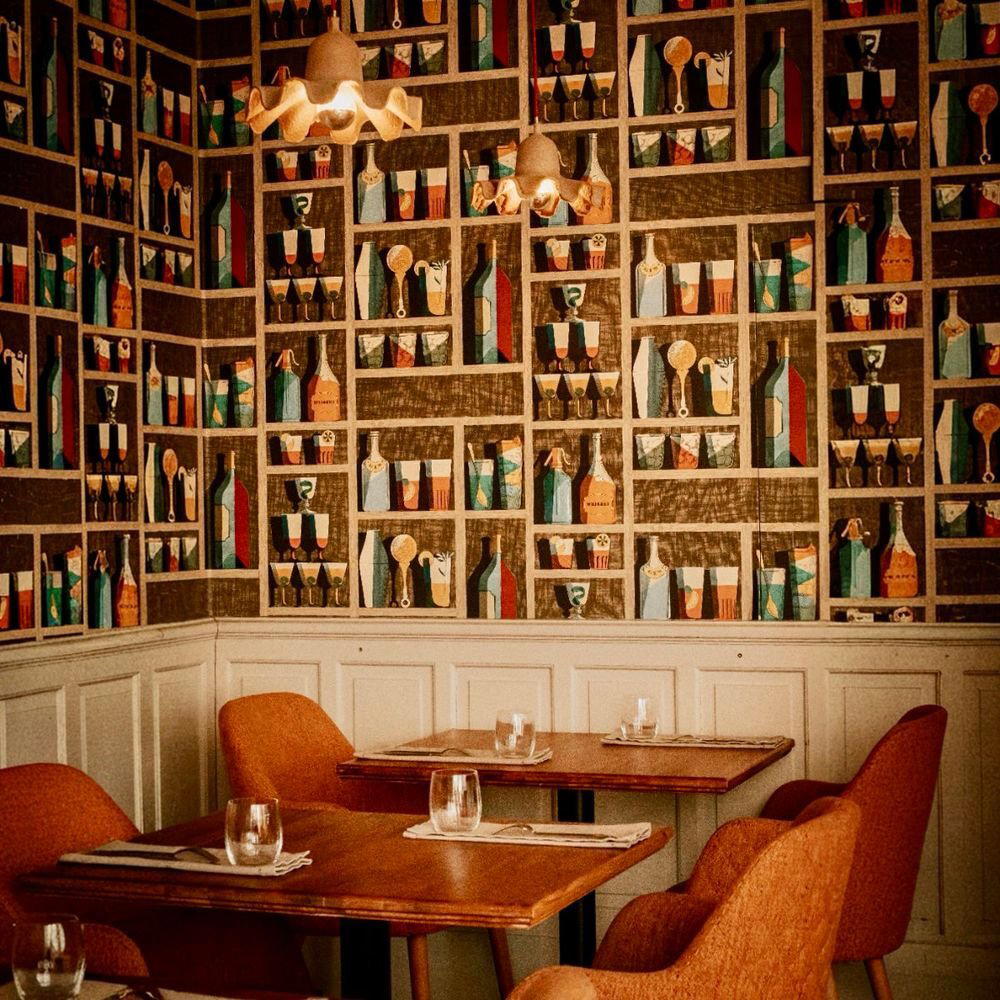
Cozy and elegant with 19th-century wall hangings, magnificent fireplaces, wood paneling, and a British style in communal areas; bright, luminous bedrooms with king-size beds create a voluptuous, peaceful atmosphere.