Cédric Burtin




2 Michelin Stars · La Liste Top Restaurants · We're Smart World 5 Radishes
Our verdict
A two-Michelin-star address in the Burgundy countryside, Cédric Burtin sits quietly off the main arterial routes between Mâcon and Chalon-sur-Saône, drawing guests with creative plant-forward menus and a waterside terrace that earns its own reputation. La Liste scored it 79.5 points in 2025, and the We're Smart Green Guide places it among its five-radish tier. The setting does much of the talking before a single dish arrives.

Pearl is the En Primeur Club membership app — saves, bookings, and concierge access live there. Same editors, same standards.
- Address
- Chem. de Martorez, 71100 Saint-Rémy, France
- Phone
- +33 3 85 48 12 98
- Website
- cedricburtin.com
- Directions
- Get directions
The menu
What to order
- Escargots poêlés au vinaigre balsamique
- Cannellonis de cèpes
- Bœuf de Charolles tartare
- Artichaut confit
Where Burgundy Goes Quiet
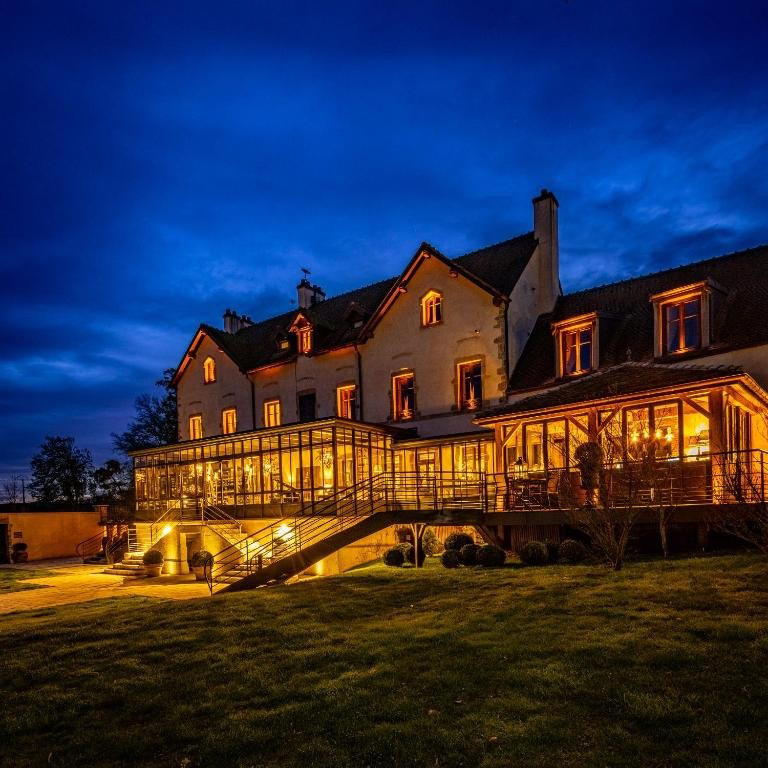
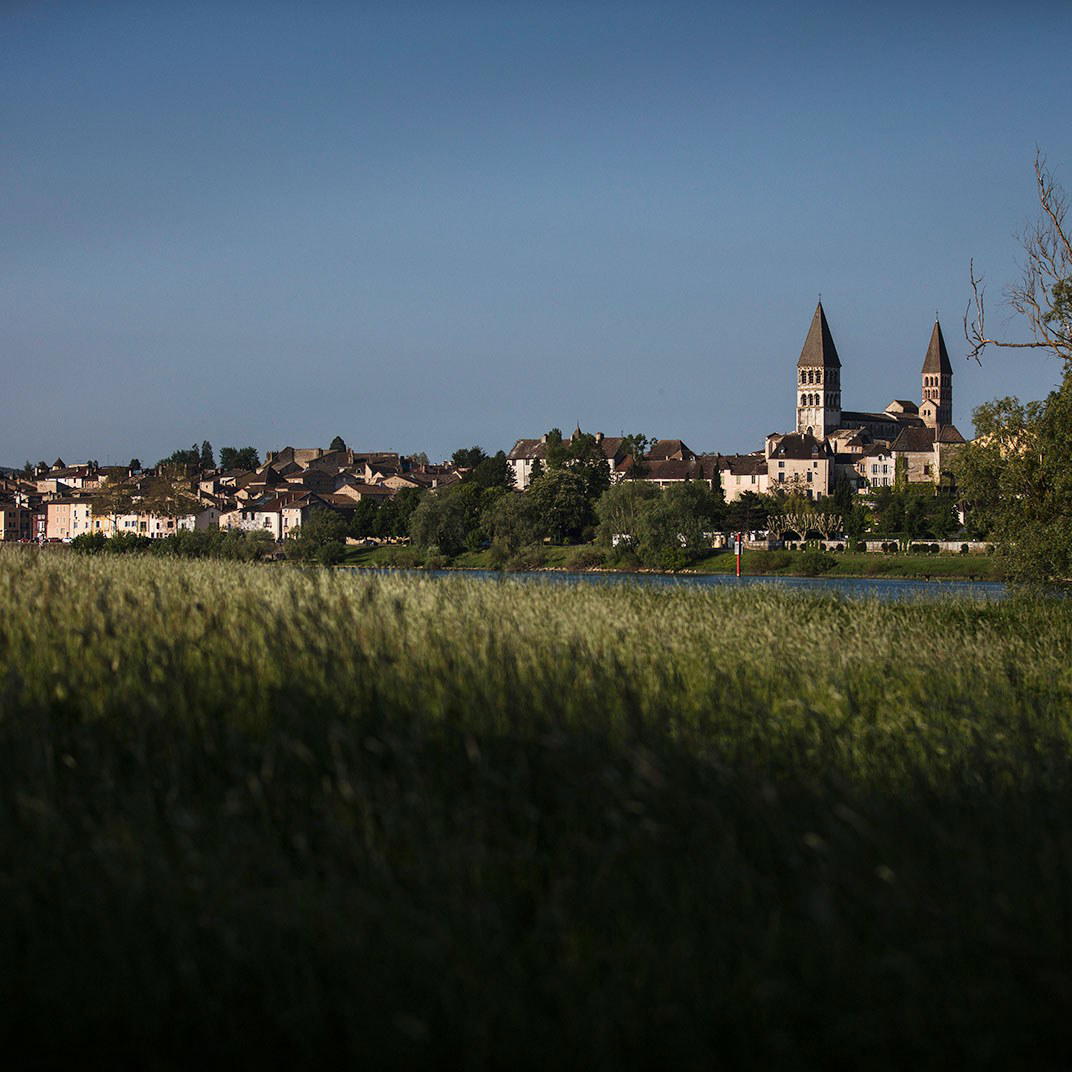
The approach to Cédric Burtin tells you something before you sit down. The Chemin de Martorez in Saint-Rémy runs away from the noise of the A6 corridor, past agricultural land and toward a waterside setting that belongs to a different register than the stone-village dining rooms most visitors associate with Burgundy haute cuisine. The terrace, positioned above the water on a fine day, functions as both stage and argument: the restaurant earns its reputation not through urban density or adjacency to famous appellations, but through deliberate remove. That positioning is increasingly rare in a region where two-Michelin-star properties tend to cluster around Beaune, Dijon, or the Côte de Nuits.
French regional dining has long operated on the logic that the leading cooking follows the leading ingredients, rather than the most trafficked addresses. Cédric Burtin fits that model precisely. It holds two Michelin stars, confirmed in both 2024 and 2025, and a La Liste score of 79.5 points in 2025, dropping marginally to 78 points in 2026, while maintaining placement in that guide's top-restaurant tier. The We're Smart Green Guide, which evaluates vegetable-focused and plant-forward kitchens across Europe, rates it among its five-radish destinations, a designation reserved for the category's most committed practitioners. That combination of credentials places it in a distinct competitive band: a double-starred address with a declared plant programme and a physical setting that does not rely on wine-country pilgrimage traffic to fill seats.
The Plant Menu as a Structural Choice
In two-Michelin-star dining across France, the creative menu has become almost standardised in format while diverging sharply in content emphasis. Properties like Alléno Paris au Pavillon Ledoyen and Mirazur in Menton have each staked out recognisable philosophical territories within creative cooking. At Cédric Burtin, the plant-forward menu is not a supplementary option or a seasonal gesture; it functions as the kitchen's primary statement. The We're Smart five-radish rating confirms that this commitment is read as structural rather than cosmetic by specialist evaluators.
That distinction matters within the broader French dining context. The country's most decorated kitchens have historically built their reputations on protein-centric technique, with vegetables serving as garnish or accent. A regional property choosing to orient its creative menu around plant material, and to hold two Michelin stars while doing so, reflects the degree to which Michelin's own evaluation criteria have shifted in the past decade. Bras in Laguiole established an early template for plant-led fine dining in France; Cédric Burtin operates in a similar philosophical neighbourhood, though the Burgundy context, the waterside setting, and the creative classification mark it as its own variant on that approach.
For comparison, Flocons de Sel in Megève and Troisgros - Le Bois sans Feuilles in Ouches similarly operate outside major urban centres while sustaining the highest Michelin ratings in France, suggesting a pattern: the most enduring regional addresses tend to define their own context rather than compete with city dining on the same terms.
The Chef as the Restaurant's Name
There is a specific category of French restaurant where the chef's name and the restaurant's name are identical, and the implications of that alignment run deeper than branding. It signals a kitchen where the identity cannot be separated from the individual behind the pass, and where the menu is expected to express a continuous, coherent point of view rather than the rotating philosophy of a changing team. Auberge du Vieux Puits in Fontjoncouse follows the same logic, as does Auberge de l'Ill in Illhaeusern, where generational continuity has done the work of brand-building over decades.
At Cédric Burtin, that name-as-restaurant structure anchors what the La Liste evaluators describe as a coherent creative vision expressed across both food and setting. The chef's personal involvement, including what observers note as direct engagement with guests, contributes to an atmosphere that reads as attentive without the formality common to peer-tier addresses in larger cities. That register, accessible authority rather than ceremonial distance, is increasingly a differentiator among two-star properties. AM par Alexandre Mazzia in Marseille and JAN in Munich demonstrate similar approaches in their respective cities: highly personal creative kitchens where the chef's direct presence shapes the tone of service.
Reading the Terrace
The waterside terrace at Cédric Burtin functions as one of the property's most discussed attributes in published accounts, and it is worth understanding why that physical fact carries editorial weight. Burgundy's most recognised fine-dining addresses are mostly interior experiences: stone-vaulted rooms, candlelit cellars, or converted farmhouses where the architecture does the atmospheric work. A terrace positioned above water, open in summer and dependent on good weather, introduces an element of contingency and pleasure that changes the experience of eating there.
In this sense, Cédric Burtin operates in conversation with its natural environment in a way that the category's urban counterparts cannot replicate. The terrace is not an amenity in the hotel-amenity sense; it is a functional part of how the restaurant communicates its identity.
Situating It in the Burgundy Canon
Burgundy's dining reputation rests disproportionately on a handful of addresses: Paul Bocuse - L'Auberge du Pont de Collonges near Lyon at the region's southern edge, and the concentration of quality around Beaune and the Côte d'Or. Saint-Rémy sits in the Saône-et-Loire department, in a less-trafficked corridor that does not benefit from the wine-tourism infrastructure that drives bookings at Beaune's peer properties. That relative obscurity is exactly what makes the double-star credential meaningful here: it was earned without the automatic footfall that appellation-adjacent restaurants can depend on.
Within the wider French creative dining scene, Assiette Champenoise in Reims and Au Crocodile in Strasbourg represent similar cases of high-credential addresses in French regional cities that operate outside the Parisian gravitational pull. Enrico Bartolini in Milan offers a cross-border comparison in the creative category, where a chef-name restaurant sustains top-tier recognition through consistent kitchen output rather than metropolitan visibility.
Guests planning a broader Burgundy itinerary can use [our full Saint-Rémy restaurants guide]() to map the local dining context, and [our full Saint-Rémy hotels guide]() for accommodation that works with an evening at Cédric Burtin. For the wider Saint-Rémy area, [our full Saint-Rémy bars guide](), [our full Saint-Rémy wineries guide](), and our full Saint-Rémy experiences guide cover the surrounding options.
Planning Your Visit
The restaurant is located on the Chemin de Martorez in Saint-Rémy, in the Saône-et-Loire department of Burgundy, and is positioned close enough to the motorway network to be reachable as a deliberate detour on a longer journey south. Given the two-star profile and the terrace's reputation during summer months, advance booking is advisable; demand at this level of the French regional market typically outpaces availability at short notice. The price range falls at the top end of the spectrum, consistent with a €€€€ classification that reflects the tasting-menu format standard at two-star addresses in France. Guests who make the journey specifically for the plant menu should note that the We're Smart Green Guide credential suggests this is a kitchen that takes vegetable-forward cooking seriously at the structural level, not as an alternative add-on.
Frequently asked questions
Can I bring kids to Cédric Burtin?
At the €€€€ price tier with a tasting-menu format standard to two-Michelin-star kitchens, Cédric Burtin is structured around adult-paced dining. The waterside terrace and plant-led menu create a contemplative setting that rewards attention rather than speed. Families with children who are comfortable with multi-course formats in a formal environment may find it manageable, but it is not designed with younger guests in mind.
What should I expect atmosphere-wise at Cédric Burtin?
The setting does most of the work: a waterside terrace on the Chemin de Martorez in Saint-Rémy, away from the wine-tourism circuit that dominates Burgundy's dining conversation. Published accounts consistently note the calm of the natural surroundings as central to the experience rather than incidental to it. The tone is focused without being stiff — the kind of two-Michelin-star room where the food takes precedence over theatrical service rituals.
Is Cédric Burtin award-winning?
Cédric Burtin has received recognition including: La Liste Top Restaurants (2026): 78pts; Yes, the name of the restaurant and the chef-owner is the same: Cédric Burtin. On a beautiful summer’s day, we were lucky enough to sit on the stunning terrace and enjoy a pure plant menu. Everything ….
What do people recommend at Cédric Burtin?
The plant-forward menu is the consistent reference point across reviews, and the We're Smart Green Guide's five-radish rating — its highest designation — positions the restaurant among France's leading plant-led kitchens. La Liste placed Cédric Burtin at 79.5 points in 2025 and 78 points in 2026, confirming sustained performance rather than a one-year result. The terrace in good weather is regularly cited as the optimal way to experience it.
| Venue | Cuisine | Awards |
|---|---|---|
| Cédric BurtinThis venue — the venue you are viewing | Modern French Fine Dining | 2 Michelin Stars · La Liste Top Restaurants |
| Alléno Paris au Pavillon Ledoyen | Creative | Michelin 3 Star |
| Kei | Contemporary French, Modern Cuisine | Michelin 3 Star |
| L'Ambroisie | French, Classic Cuisine | Michelin 3 Star |
| Le Cinq - Four Seasons Hôtel George V | French, Modern Cuisine | Michelin 3 Star |
| Plénitude | Contemporary French | Michelin 3 Star |
Recognition history
Dated appearances from independent guides and award organizations, with the underlying list record or original source where available.
Michelin 2 Stars
Michelin
La Liste Top Restaurants
La Liste
Gault & Millau Remarkable Restaurant
Gault & Millau
We're Smart World 5 Radishes
We're Smart World
Full recognition history (7 entries)
La Liste Top Restaurants
La Liste
Michelin 2 Stars
Michelin
Michelin 2 Stars
Michelin
Continue exploring
More in Saint-Rémy
Restaurants in Saint-Rémy
Browse all →
Bars in Saint-Rémy
Browse all →
Hotels in Saint-Rémy
Browse all →
Details
- Elegant
- Intimate
- Scenic
- Rustic
- Sophisticated
- Special Occasion
- Date Night
- Garden
- Terrace
- Extensive Wine List
- Sommelier Led
- Local Sourcing
- Farm To Table
- Garden
- Street Scene
- Tasting Menu
- Vegetarian Friendly
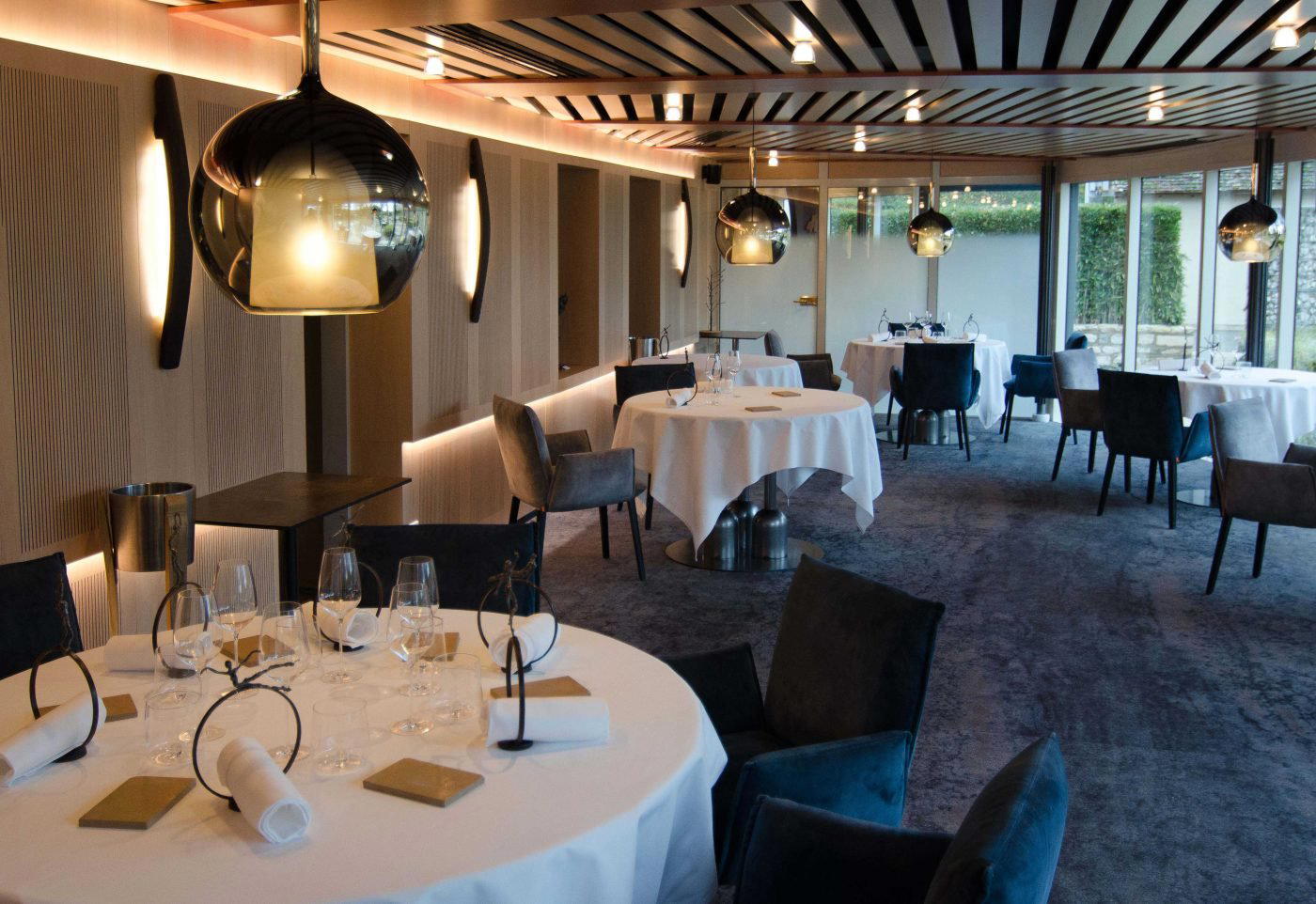
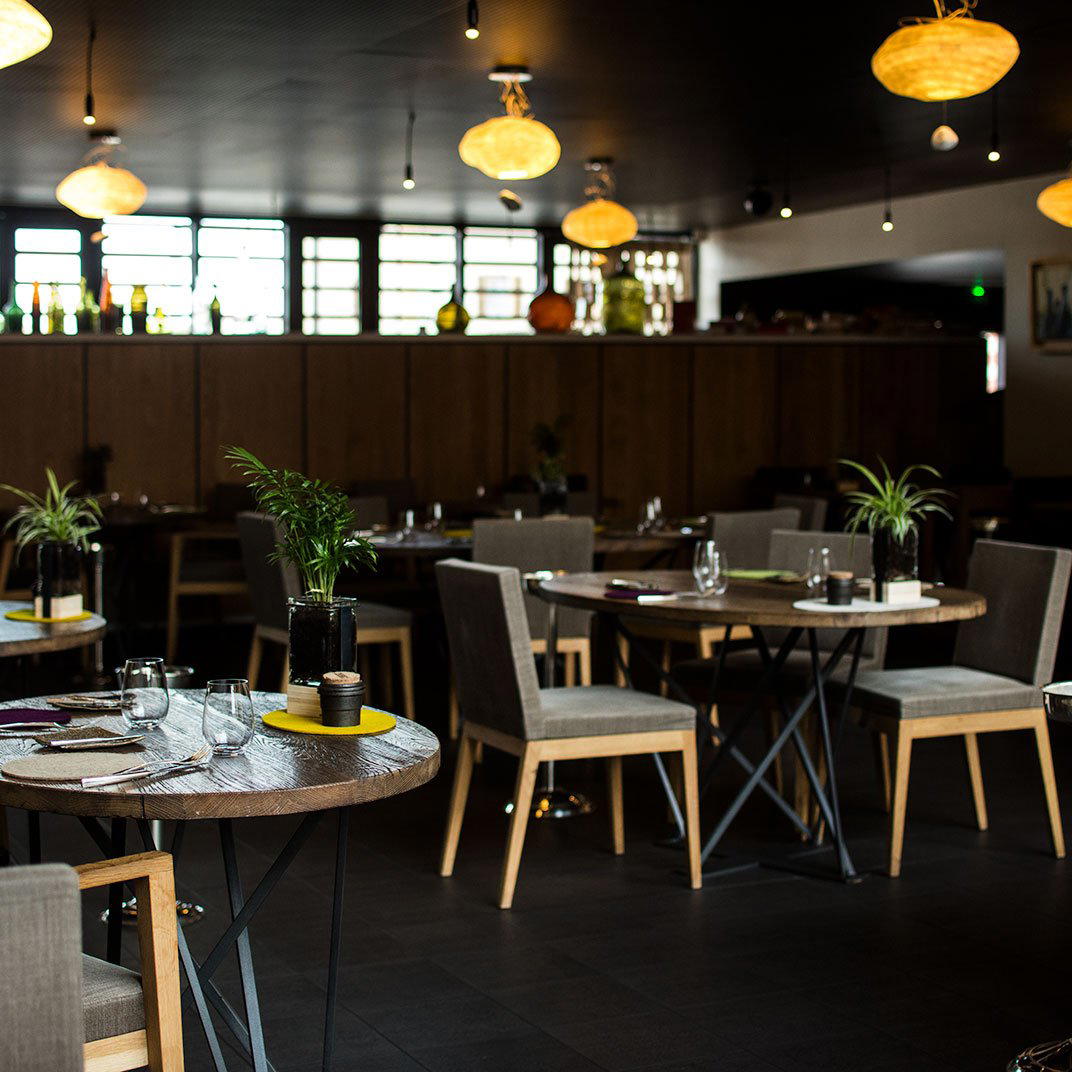
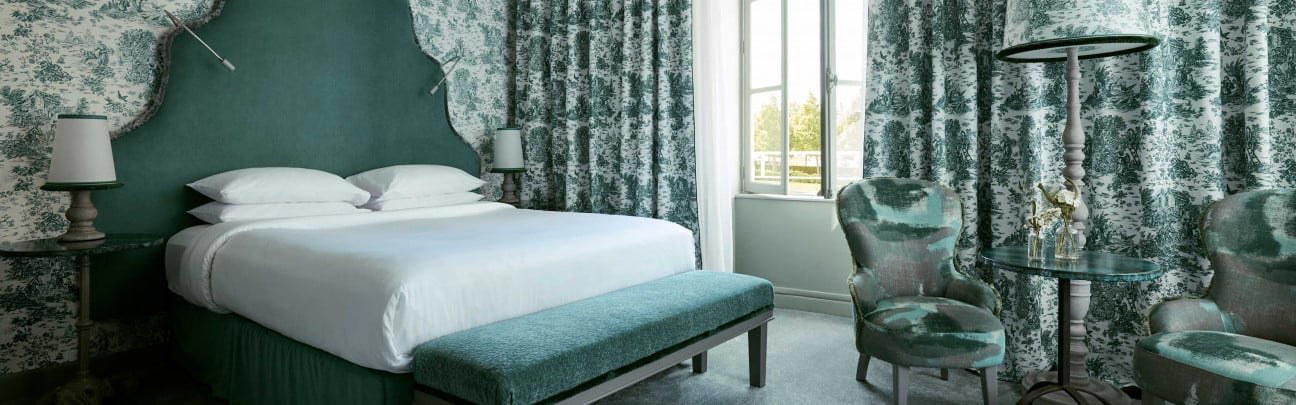
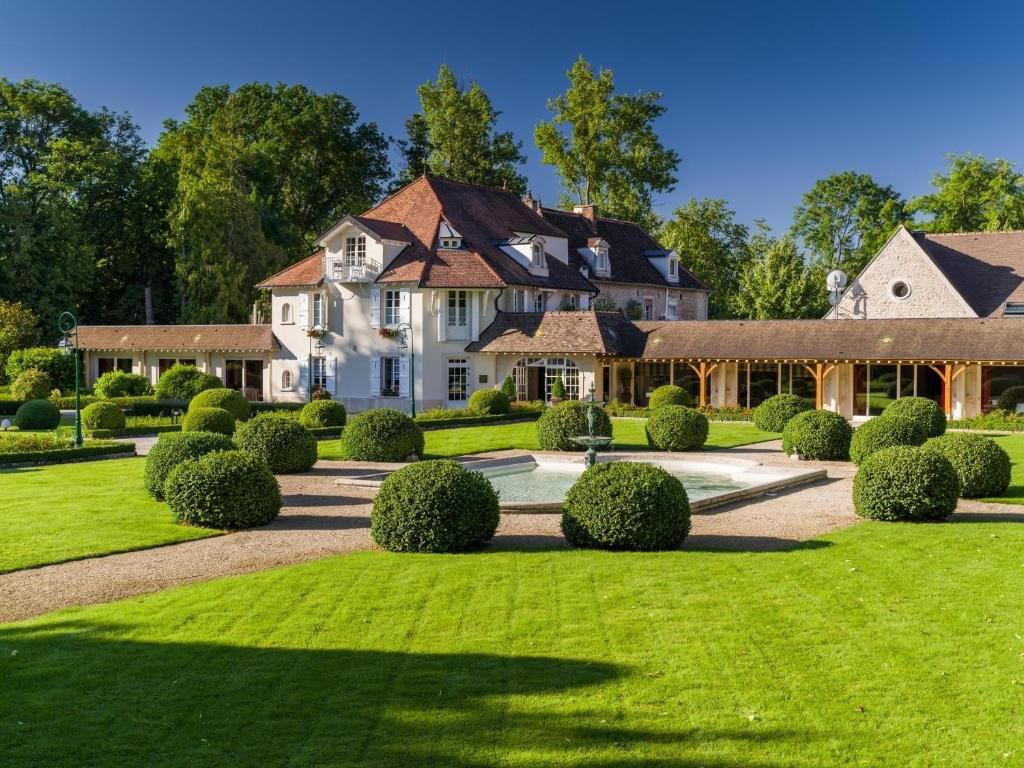
Tranquil and elegant with warm wood and stone decor, natural light from verrière overlooking the river, and a bucolic garden setting.