Castilla Termal Monasterio de Valbuena


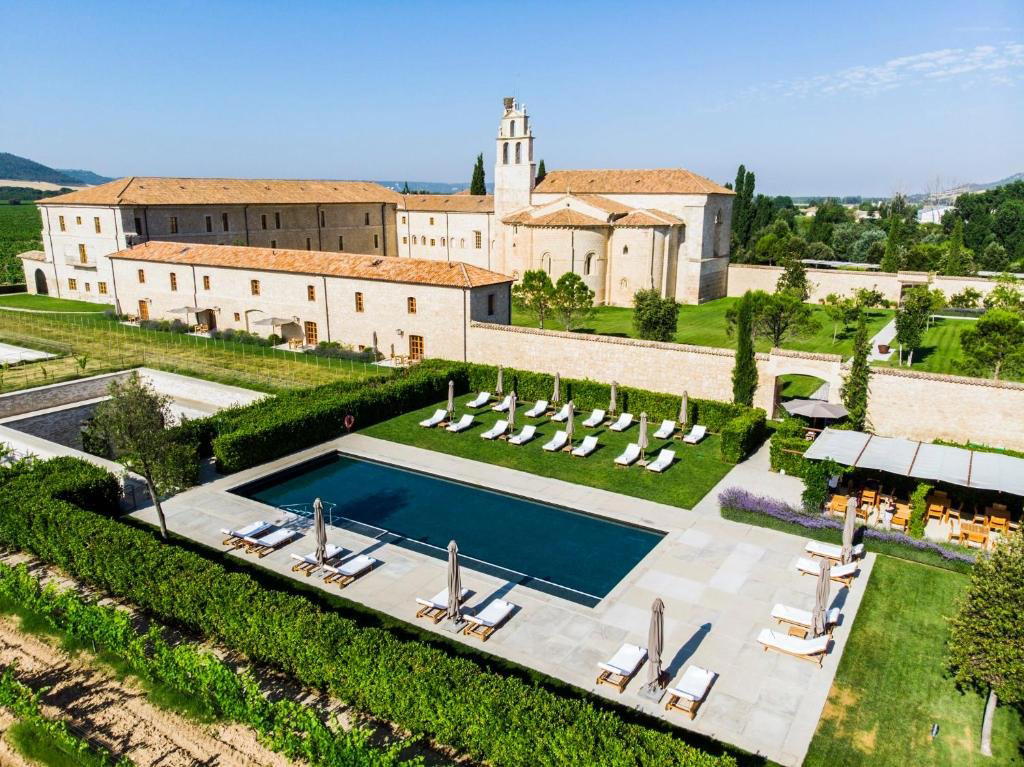
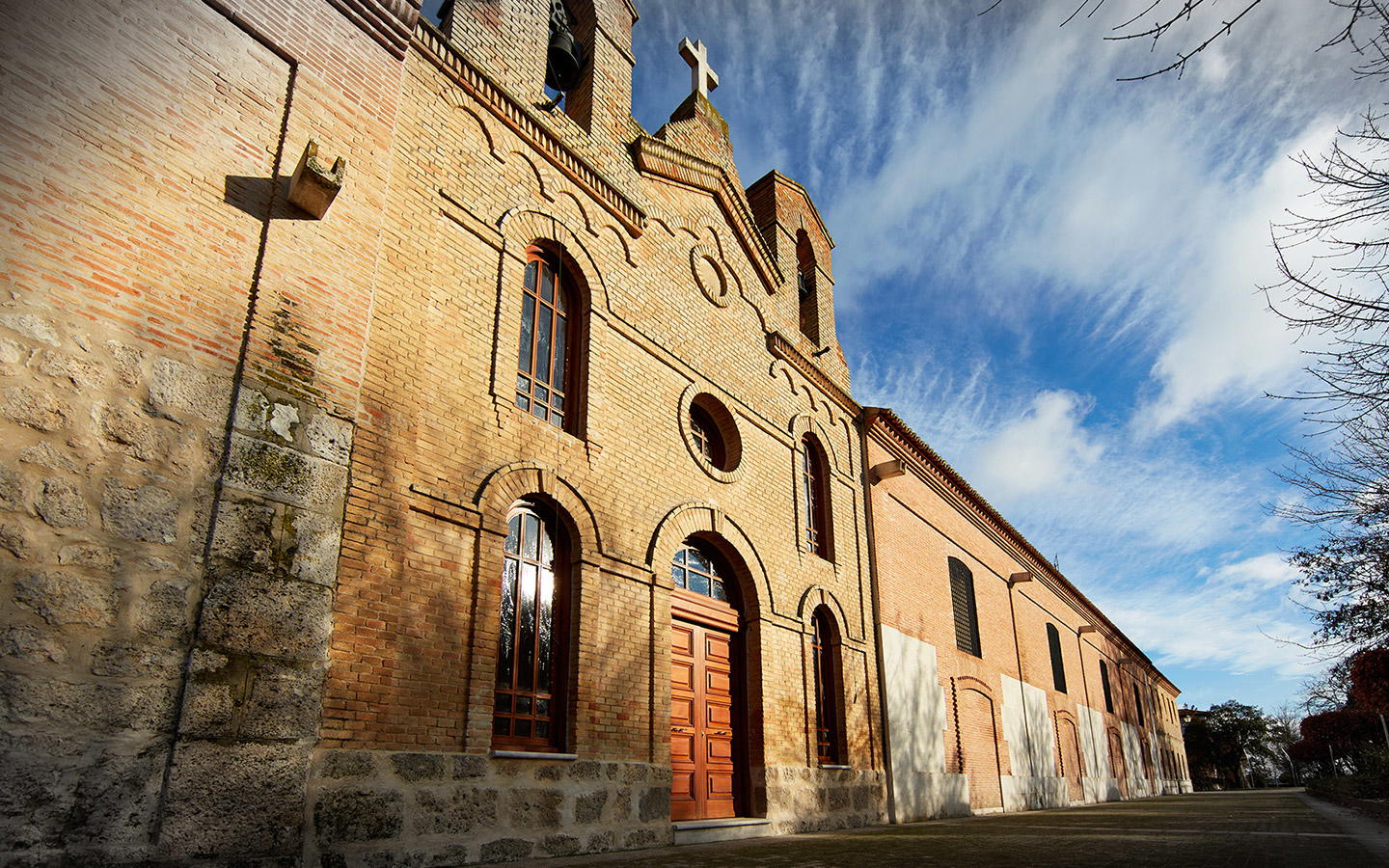
A 12th-century Cistercian monastery in the Ribera del Duero wine country, Castilla Termal Monasterio de Valbuena converts its Romanesque stone architecture into a thermal spa hotel without erasing the building's monastic character. Stone cloisters, vaulted corridors, and vineyard surroundings position it as one of Castile's more architecturally serious retreats, where the spa programme draws on the monastery's historic water heritage.
Pearl is the En Primeur Club membership app — saves, bookings, and concierge access live there. Same editors, same standards.
- Address
- C. Murallas, s/n, 47359 San Bernardo, Valladolid
- Phone
- +34 983 68 30 40
- Website
- castillatermal.com
- Directions
- Get directions
 Saves & bookings on Pearl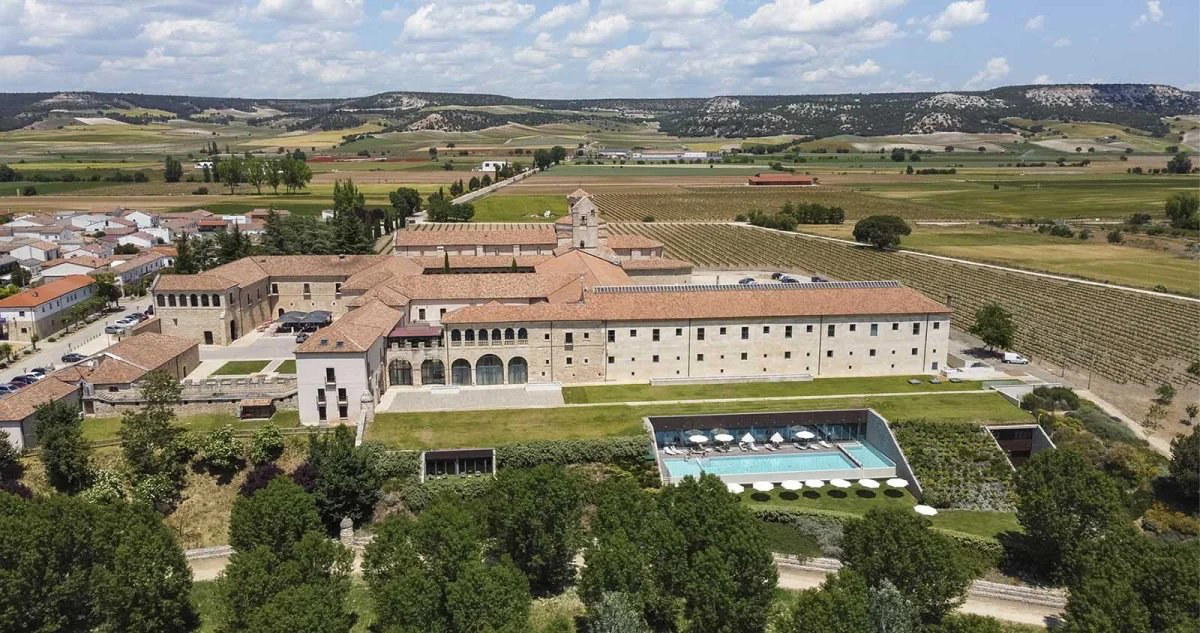
A Monastery in the Vineyards of Ribera del Duero
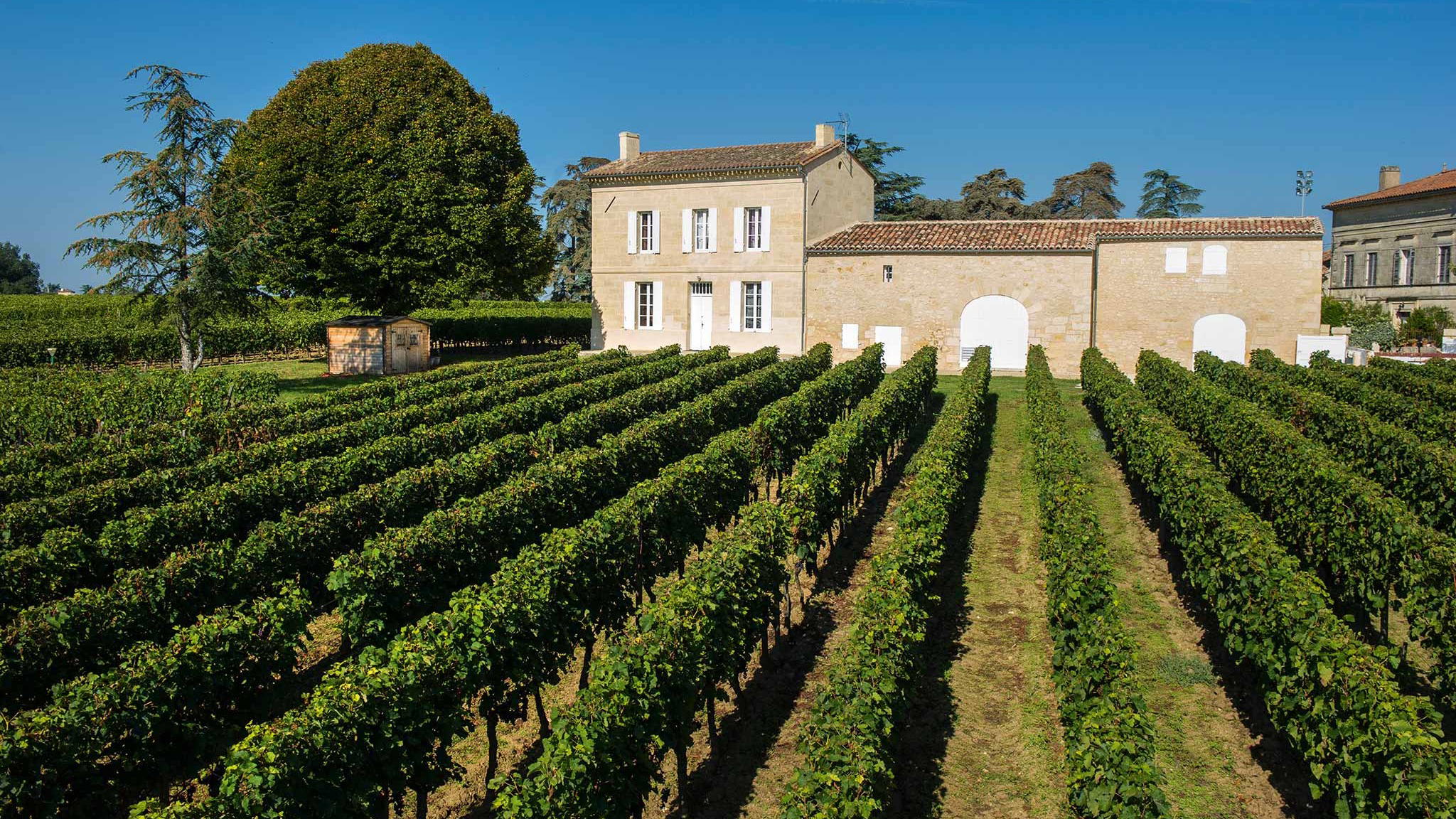
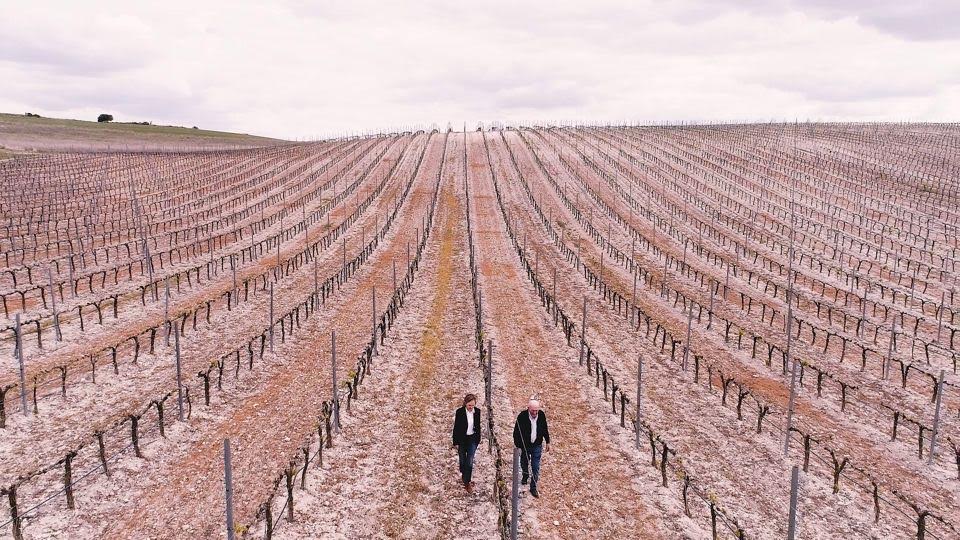
The road into San Bernardo, a hamlet in the Valladolid province, runs through vine country rather than through anything resembling a resort corridor. That geography is the first signal that Castilla Termal Monasterio de Valbuena operates on different terms from the city-centre luxury hotels that define most travellers' reference points for Spain. Valbuena takes the opposite approach: distance from urban noise is the product, and a 12th-century Cistercian monastery is the vessel for it.
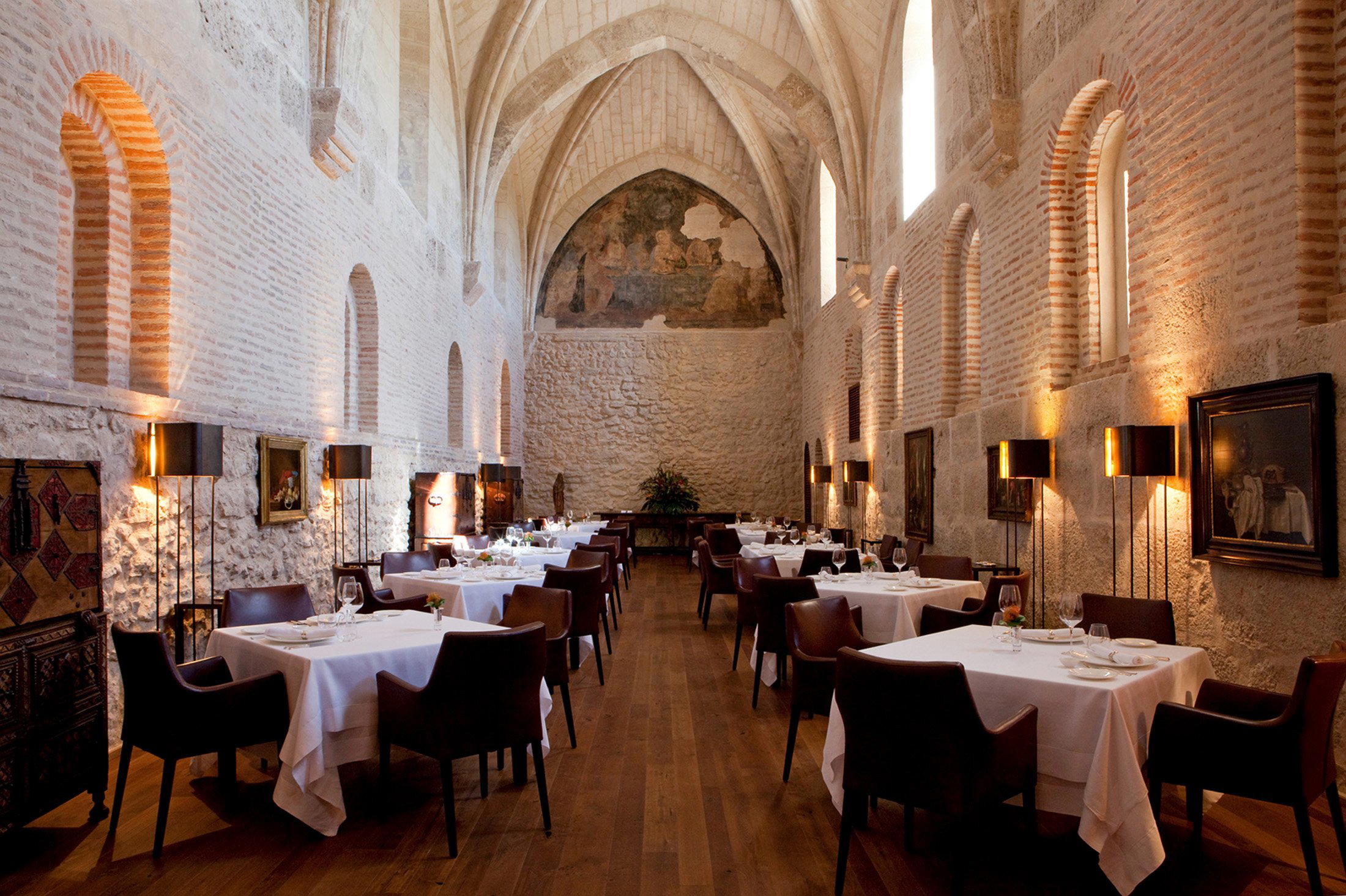
The building itself dates to the 1100s, which places it within the early Cistercian expansion across Castile and León, a movement that favoured austerity of form and agricultural self-sufficiency over ecclesiastical grandeur. That heritage is legible in the architecture: the stone cloisters, vaulted ceilings, and enclosed courtyards were built to be functional rather than decorative, and the conversion into a hotel has retained rather than softened that quality. Stone is stone here, not a finish applied over concrete. It was preserved.
The Dining Programme: Cooking in Ribera del Duero's Kitchen
Editorial case for placing a hotel in wine country rests almost entirely on whether the food and drink programme can match the setting's ambitions. Ribera del Duero is one of Spain's defining red wine territories, producing Tempranillo-dominant wines that sit in a different stylistic register from Rioja: darker, denser, with a structural weight that suits long ageing. Any hotel dining room in this corridor operates in the shadow of that reputation, whether it acknowledges the pressure or not.
Castilla Termal's kitchen anchors itself in Castilian cooking, a tradition built around roasted meats, legumes, and bread-thickened stews that developed over centuries in the plateau's harsh climate. The cooking of this region is not delicate. It is calibrated to cold winters and agricultural rhythms, and the leading versions of it in this province tend to arrive without concession to modernist plating. That directness, when executed well, carries an authority that more curated tasting menus in urban settings rarely achieve. Guests at the monastery eat within a stone building designed by monks for communal life, which lends the dining room a weight of context that no amount of interior design budget can manufacture elsewhere.
The wine list in this position should, logically, anchor to Ribera del Duero producers. The appellation runs from Burgos through Valladolid and into Soria, and the range of producers across those three provinces offers enough variation in altitude, soil composition, and winemaking approach to support a serious by-the-glass and bottle programme without leaving the region. What Valbuena offers instead is access to the wider appellation rather than a single-estate perspective.
The Thermal Spa and the Cistercian Water Tradition
Cistercian monasteries were built near water. The order's architecture consistently incorporated mill streams, fish ponds, and water management systems as practical infrastructure, and the monastic sites that have converted most successfully into spa hotels are often those where the relationship between the building and its water source was already structurally embedded. Valbuena's thermal programme extends that logic rather than contradicting it.
The spa at a converted monastery of this age occupies a different position from the spa at a purpose-built resort. It is not an amenity added to justify a room rate. At Valbuena, the thermal programme sits within the physical structure of a building whose original inhabitants treated water, silence, and physical restoration as interconnected. That context does not make the spa treatments categorically better, but it does make the experience of using them less arbitrary. Here, the distinctiveness is architectural and historical.
Where Valbuena Sits in Spain's Converted-Heritage Hotel Category
Spain has a well-documented network of converted historic properties operating across the luxury tier, from the state-managed Paradores to privately operated conversions. Valbuena belongs to the Castilla Termal group, which operates several spa-oriented properties in Castile and León, all centred on historic buildings with thermal water access. Within that portfolio logic, Valbuena is the flagship: the oldest building, the significant architectural heritage, and the direct immersion in Ribera del Duero wine country.
Within the broader category of Spanish wine-country hotel stays, the comparison set includes Abadia Retuerta LeDomaine, which draws its identity from its own D.O. Sardon de Duero estate, and Torre del Marqués Hotel Spa & Winery in Sardoncillo, which integrates a working winery into the guest experience directly. Valbuena offers neither an estate wine programme nor a purpose-built wine facility, but it provides something both of those alternatives lack: a building with eight centuries of continuous physical presence in this landscape. Whether that constitutes a trade-off or an advantage depends entirely on what the traveller is purchasing.
Further afield in the Iberian luxury hotel category, properties like Atrio Restaurante Hotel in Cáceres demonstrate how a converted historic building can build its reputation around a two-Michelin-starred dining programme, which represents one model for what wine-country heritage hotels can achieve when the food programme is treated as the primary draw rather than an amenity. Valbuena's positioning is more thermal-spa-forward, which suits a different traveller priority.
Planning Your Stay
The monastery is located in San Bernardo, Valladolid. Guests arriving by train from Madrid would typically connect through Valladolid and arrange a transfer from there. The surrounding Ribera del Duero wineries are accessible by car, and a self-drive itinerary through the appellation is one practical way to use the hotel as a base for producer visits. Spring and autumn are particularly climatically comfortable seasons for this part of Castile, and the harvest period from late September into October adds the practical interest of active winery operations across the appellation.
For travellers comparing against other heritage-conversion stays across Spain's hotel spectrum, the La Residencia, A Belmond Hotel, Mallorca in Mallorca and Pepe Vieira Restaurant & Hotel in Poio offer different architectural and culinary contexts that illustrate how widely the category varies across regions.
Budget and Context
Comparable venues nearby, for context on price, style, and recognition.
| Venue | Price | Awards | Notes |
|---|---|---|---|
| Castilla Termal Monasterio de ValbuenaThis venue — the venue you are viewing | $$$$ | 5-Star | Not listed |
| Abadia Retuerta LeDomaine | $$$$ | 5-Star | Sardon de Duero, Restored 12th-century abbey blending historical architecture with modern luxury |
| Palacio de Sancti Petri, Gran Meliá | $$$$ | 5-Star | Novo Sancti Petri, Andalusian palace resort |
| Royal Hideaway Corales Villas | $$$$ | 5-Star | Costa Adeje, Grand luxury resort combining minimalist elegance with quiet luxury positioning, designed as a contemporary architectural statement inspired by coral reef formations. |
| Seaside Grand Hotel Residencia | $$$$ | 5-Star | Maspalomas, Low-rise villa-style resort integrated into palm groves with Spanish-colonial elegance. |
| Royal Hideaway Corales Resort 5*GL | $$$$ | 5-Star | Costa Adeje, La Caleta, Modern luxury resort with boat-shaped architecture inspired by Tenerife's marine landscape and coral reefs, positioned as an exclusive adults-only destination. |
Recognition history
Dated appearances from independent guides and award organizations, with the underlying list record or original source where available.
Michelin Selected
Michelin
Small Luxury Hotels of the World Member
Small Luxury Hotels of the World
Continue exploring
More in Valladolid
Hotels in Valladolid
Browse all →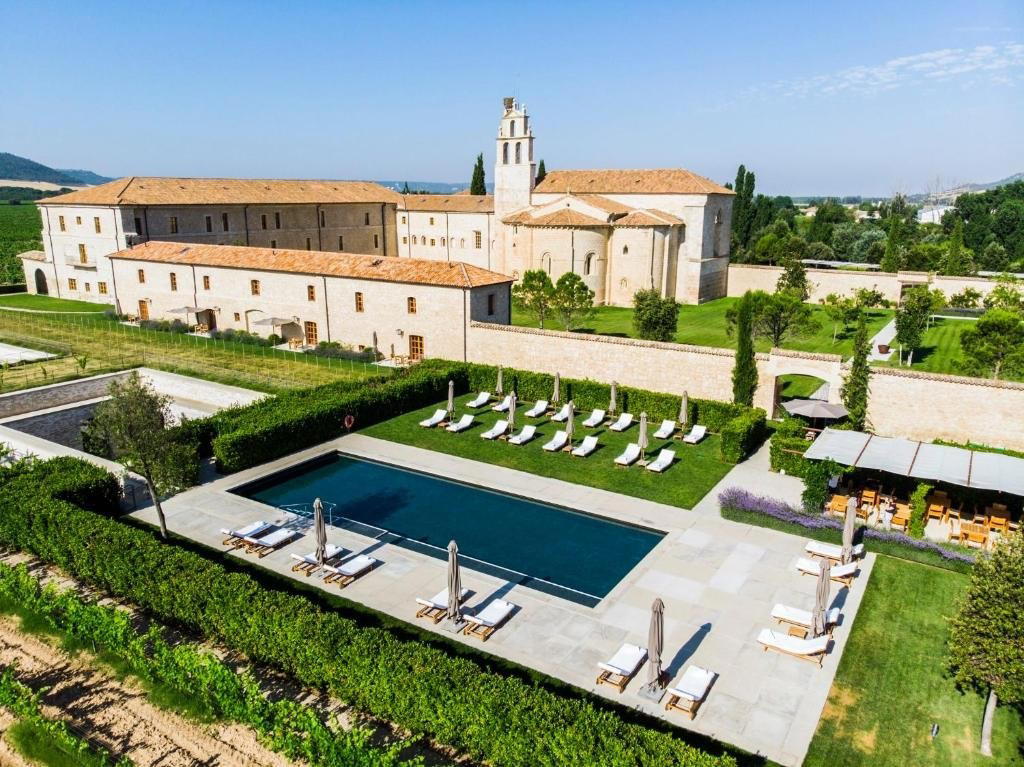
Restaurants in Valladolid
Browse all →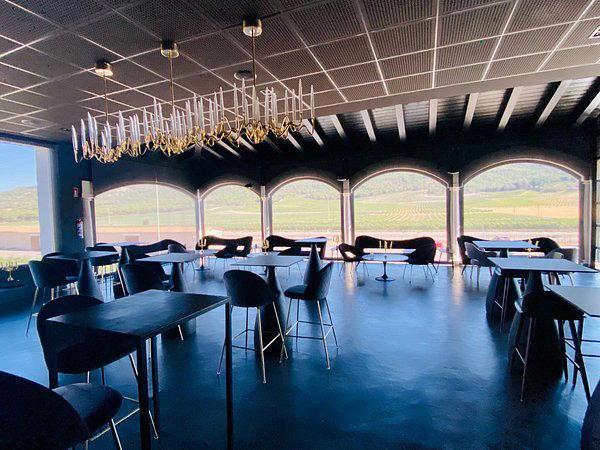
At a Glance
- Quiet
- Elegant
- Rustic
- Scenic
- Sophisticated
- Romantic Getaway
- Wellness Retreat
- Weekend Escape
- Historic Building
- Destination Spa
- Panoramic View
- Terrace
- Wi Fi
- Pool
- Spa
- Fitness Center
- Room Service
- Concierge
- Business Center
- EV Charging
- Vineyard
- Garden
- Wi Fi
- Pool
- Spa
- Fitness Center
- Room Service
- Concierge
- Business Center
- EV Charging
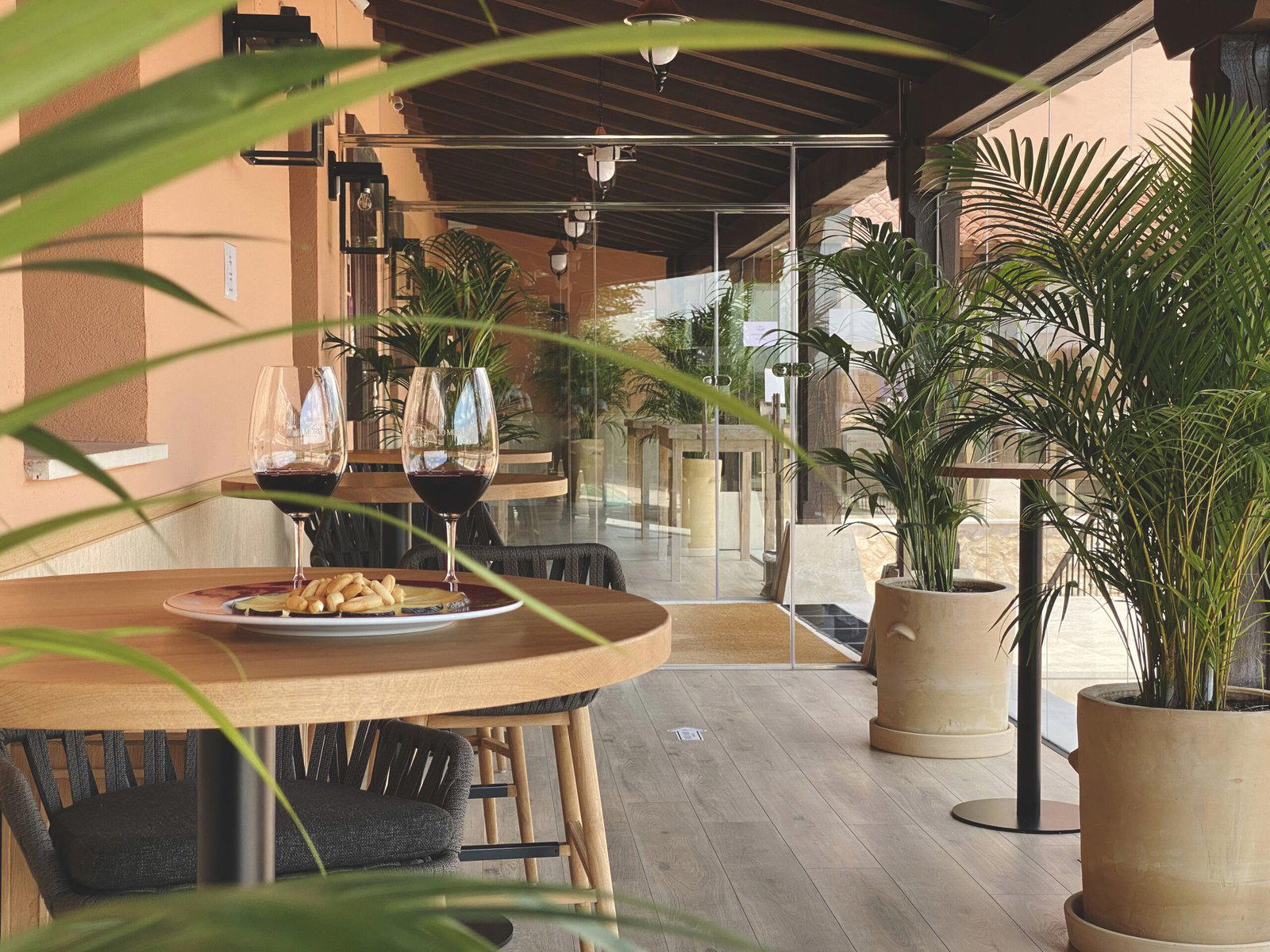
Tranquil and historic atmosphere with romantic stone cloisters, vaulted ceilings, peaceful courtyards, and soft lighting in restored monastic spaces.