Refectorio


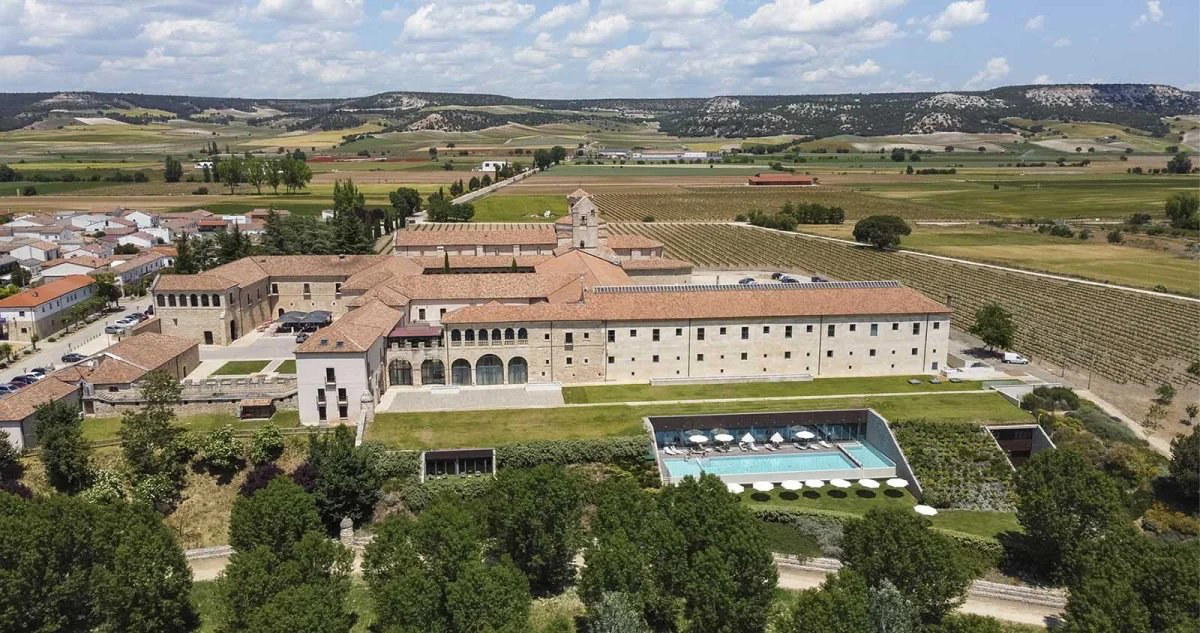
Set inside a 12th-century monastery at the Abadía Retuerta estate in Sardón de Duero, Refectorio holds a Michelin star and frames its creative menus around estate-grown produce, small-scale local suppliers, and the winery's own fermentation byproducts. Three menu formats, cellar-aged wine pairings, and an aperitif in the private-collection cave make it the most complete dining proposition in Castilla y León's wine country.
Pearl is the En Primeur Club membership app — saves, bookings, and concierge access live there. Same editors, same standards.
- Address
- Monastery of Santa María de Retuerta, 122 Km. 332, 5, 47340 Retuerta, Valladolid, Spain
- Phone
- +34 983 68 76 00
- Website
- abadia-retuerta.com
 Saves & bookings on Pearl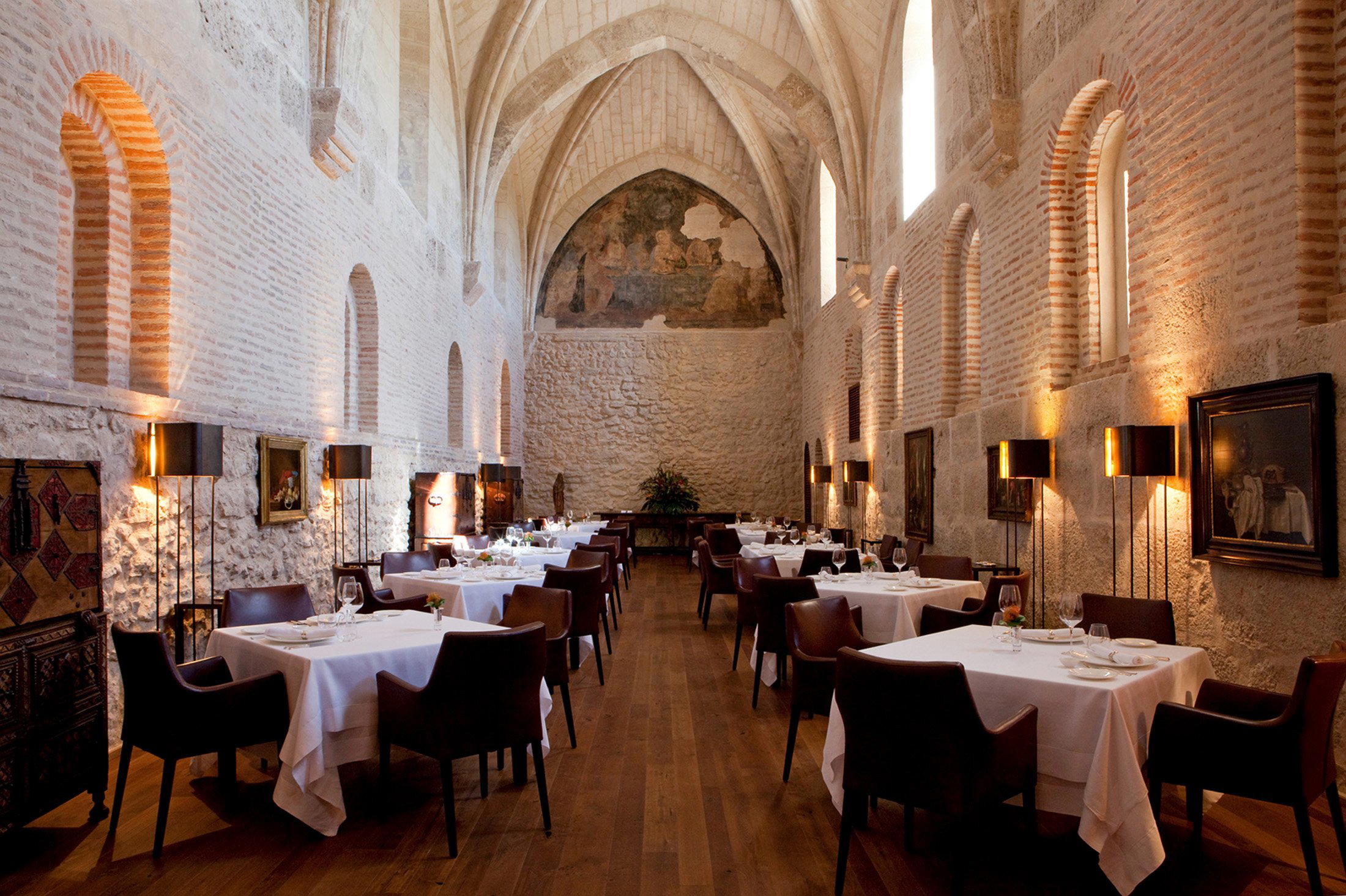
Dining Inside Castilla y León's Wine Country
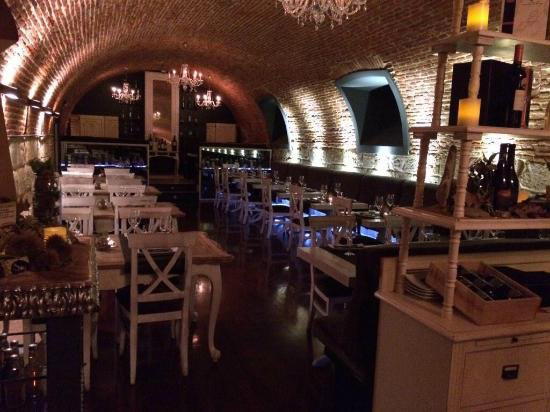
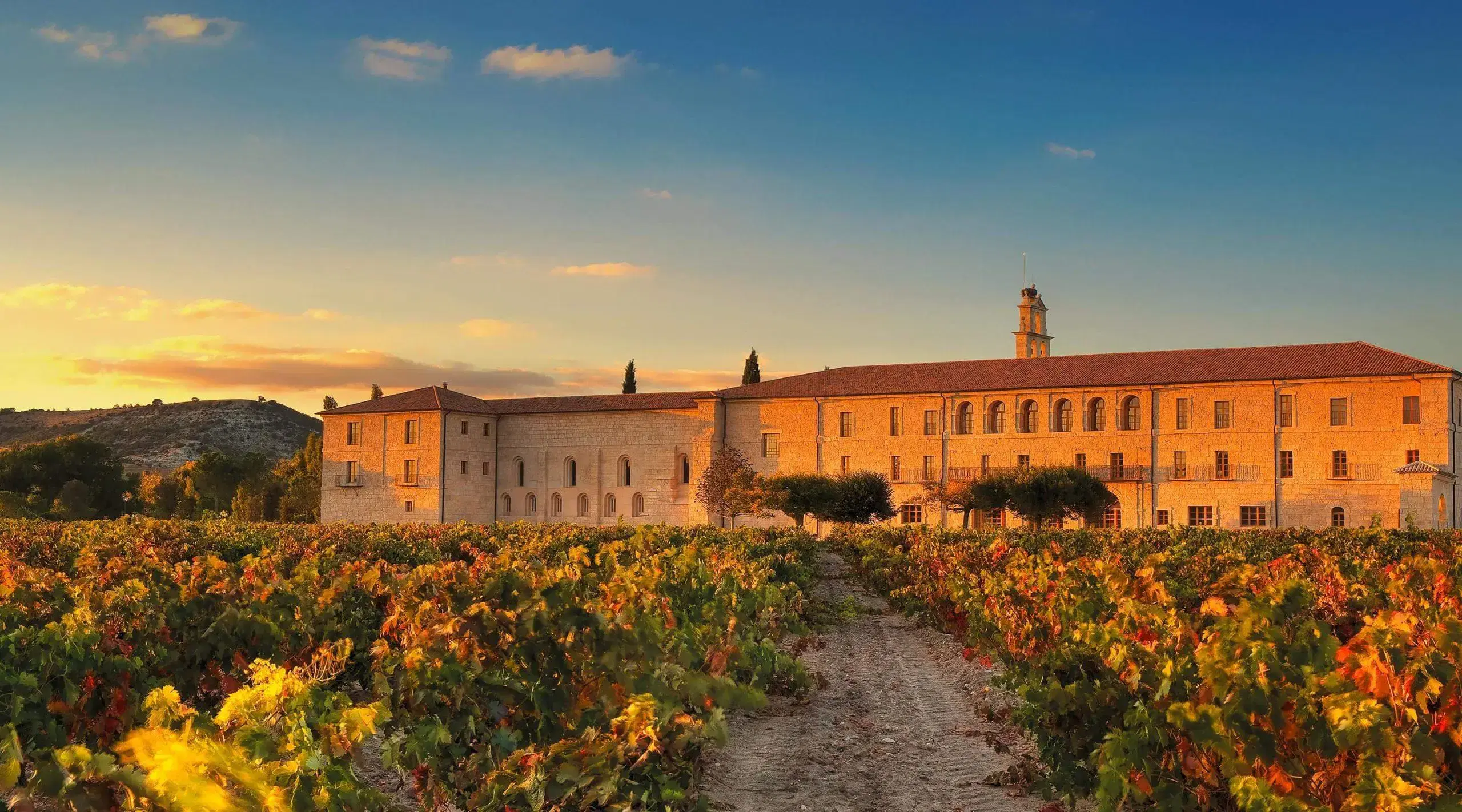
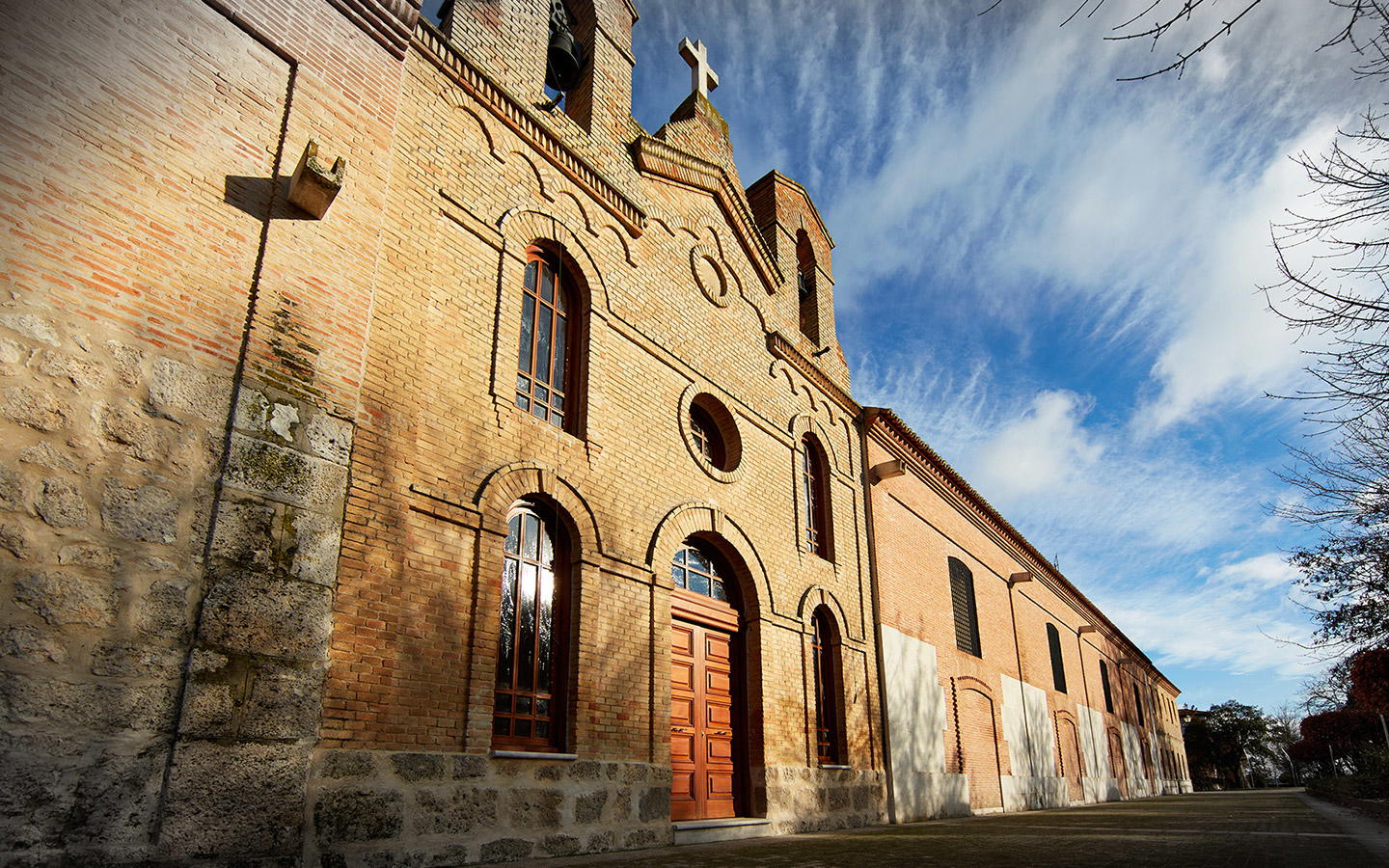
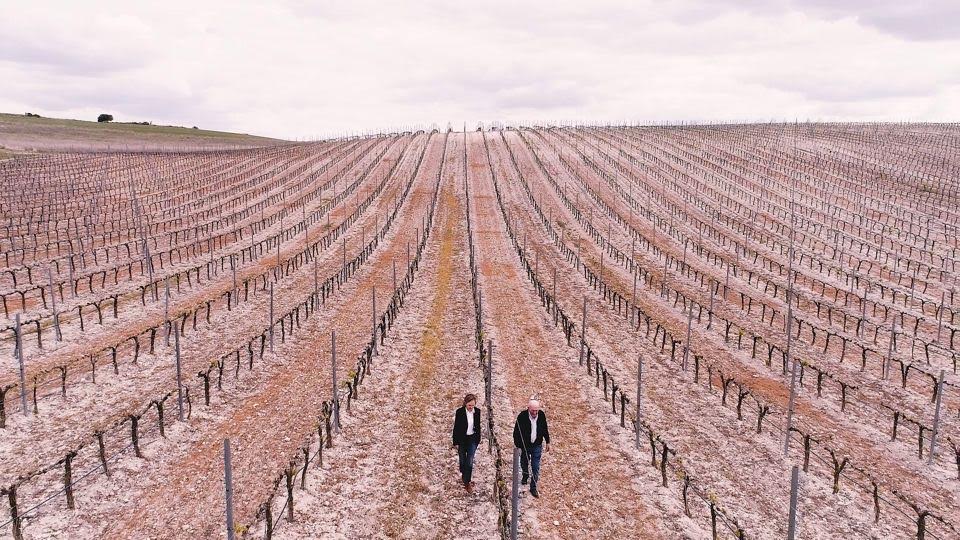
The road into the Abadía Retuerta estate follows the Duero river through a corridor of vineyards that have been cultivated here since the 12th century. Before you reach the restaurant, you pass the abbey itself, a Romanesque structure whose stonework predates most of the wine regions that now define this part of Spain. That physical context is not incidental to the meal at Refectorio. It shapes the entire logic of the restaurant, from the sourcing philosophy that anchors the kitchen to the way service unfolds across the old monastic refectory, where the ceiling vaults and the proportions of the room do most of the atmospheric work without any help from a designer.
Spain's creative fine dining tier has concentrated heavily in the coastal regions and the Basque Country, with houses like Arzak in San Sebastián, Disfrutar in Barcelona, and El Celler de Can Roca in Girona representing that comparable set most visibly. Inland Castilla y León operates on different terms. The estate model here integrates agriculture, viticulture, and gastronomy in a way that coastal city restaurants cannot replicate. Refectorio's Michelin star recognises not only the cooking but also a format that uses the estate's own land as its primary creative resource.
What Grows Here, What Gets Made Here
The sourcing structure at Refectorio is worth understanding before you arrive, because it explains why the menus read the way they do. The estate maintains its own farm, which supplies seasonal produce directly to the kitchen. That on-site agriculture puts Refectorio in a different position from restaurants that source locally in the conventional sense. The distance between growing and cooking is measured in metres rather than supply chain links, and that compression is legible on the plate in ways that are structural rather than decorative.
Beyond the farm, the kitchen works with small-scale local producers whose output aligns with what the estate cannot grow itself. This is a sourcing posture common to a small number of estate-based restaurants across Europe, you see comparable frameworks at properties in Burgundy and in parts of northern Italy, where the winery or the agricultural estate functions as the anchor institution and the restaurant draws its identity from that relationship. In Spain, Azurmendi in Larrabetzu and Ricard Camarena in València have pursued related ideas around producer relationships and seasonal constraint, though neither operates from inside a working wine estate with its own farmland.
One of the more technically interesting expressions of this integration is the use of lees, the natural sediment that accumulates during wine fermentation, as an ingredient in the kitchen. The monkfish with emulsion and the butter both incorporate lees in their preparation. This is not a gimmick. Lees carry residual yeast and tartrate compounds that contribute depth and a faint savouriness. Using them in savoury cooking is a coherent way to draw the winery and the kitchen into genuine dialogue, rather than simply putting a bottle on the table and calling it pairing. The approach has precedents in natural wine cooking and in certain Nordic kitchens, but applying it with Ribera del Duero lees in a 12th-century monastery adds a specificity that is difficult to replicate elsewhere.
Three Menus, One Estate
Reus-born chef Marc Segarra organises the Refectorio experience around three distinct menus: Terroir, Origin, and Legacy. The structure reflects a deliberate decision to offer entry points at different levels of commitment and depth rather than a single set tasting format. Terroir is the most immediate expression of the estate's agricultural calendar. Origin reaches further into the cooking's reference points. Legacy, presumably the most expansive of the three, positions the meal inside a longer historical frame that the monastery setting makes available almost automatically.
Each menu carries wine-pairing options drawn from the Abadía Retuerta cellar. The estate produces wines in the Sardon de Duero appellation, a relatively small designation that sits just outside the Ribera del Duero DO boundary but shares much of the same terroir logic. Pairing within the estate means the sommelier team has direct knowledge of the vintages on offer, including production decisions and ageing trajectory, rather than curating across a broader market. That insider knowledge tends to produce pairings with more internal coherence than a standard sommelier list assembled from purchased stock.
Recommended dishes from the kitchen's current output include the 14C escabeche, a preparation that takes its name from the medieval preservation technique and connects the contemporary cooking to the historical period the building itself represents. The escabeche format, which uses acidulation to extend ingredient life, was central to Iberian cooking well before refrigeration changed the kitchen's relationship with time. Presenting it as a reference point rather than a nostalgia piece is the kind of editorial move that distinguishes creative restaurants with a genuine sense of place from those that deploy heritage imagery as decoration. Atrio in Cáceres plays similarly with the long history of Extremaduran cooking, and Mugaritz in Errenteria has long used conceptual framing to give dishes a temporal dimension beyond the ingredients themselves.
La Cueva and the Service Architecture
The meal at Refectorio begins before you enter the dining room. Aperitifs are served in La Cueva, the name given to the space that houses the bodega's private collection. Moving through the winery's storage environment before sitting down to eat is a form of orientation that narrows your attention to the estate itself: the humidity, the temperature shift, the bottles that represent the full production history of the property. It is service design that uses physical space to do the work that a printed menu or a sommelier introduction cannot fully accomplish.
The broader service approach has been recognised as one of Refectorio's distinguishing features. At this price tier, the €€€€ bracket, service consistency is a competitive variable as significant as the cooking. Houses like Quique Dacosta in Dénia, DiverXO in Madrid, and Aponiente in El Puerto de Santa María operate in the same price tier and with comparable creative ambition. Refectorio's separation from that group is partly geographical, Sardón de Duero draws a different kind of traveller than a city restaurant, and partly structural, in that the estate context gives service a set of reference points that a standalone urban restaurant cannot access. Comparable estate-integrated dining formats, if you want to broaden the frame, include Alléno Paris au Pavillon Ledoyen and Enrico Bartolini in Milan, both of which operate inside historic built environments with their own institutional weight. And Martin Berasategui in Lasarte-Oria similarly benefits from a destination-outside-the-city positioning that rewards the deliberate journey. Ricard Camarena and other producer-forward kitchens in Spain share the sourcing ethos but not the physical setting.
Planning Your Visit
Refectorio is located within the Abadía Retuerta LeDomaine hotel at Km. 332.5 on the A-11 highway in Sardón de Duero, Valladolid province. The estate sits roughly 35 kilometres east of Valladolid city, which has rail connections from Madrid. Arriving by car is the practical default for most guests, given the rural location; the estate provides full accommodation for those who want to extend the visit across a night or more, which at this level of destination dining is the more coherent approach. A same-day return from Madrid or Valladolid is possible but compresses the experience considerably.
Booking should be treated as a forward-planning exercise rather than a spontaneous decision, particularly for the Legacy menu and for visits aligned with the estate's wine release calendar or harvest season. Autumn, when the vineyard cycle reaches its conclusion, brings an additional layer of context to the agricultural sourcing narrative that defines the cooking.
A Quick Peer Check
Comparable venues nearby, for context on price, style, and recognition.
| Venue | Cuisine | Price | Awards | Notes |
|---|---|---|---|---|
| Refectorio | Contemporary Spanish Fine Dining | $$$$ | Michelin 1 Star | Sardón de Duero |
| Ricardo Temiño | Modern Spanish Fine Dining | $$$$ | Michelin 1 Star | San Juan |
| La Botica de Matapozuelos | Contemporary Castilian | $$$$ | Michelin 1 Star | Matapozuelos |
| Alquimia - Laboratorio | Creative Modern Spanish Molecular | $$$$ | Michelin 1 Star | Historic Center |
| Ola Martín Berasategui | Modern Basque Haute Cuisine | $$$$ | Michelin 1 Star | Old Town (Casco Viejo) |
| El Ermitaño | Modern Traditional Castilian | $$$ | Michelin 1 Star | Arrabal de la Huerta de los Salados |
Continue exploring
More in Sardón de Duero
Restaurants in Sardón de Duero
Browse all →
Hotels in Sardón de Duero
Browse all →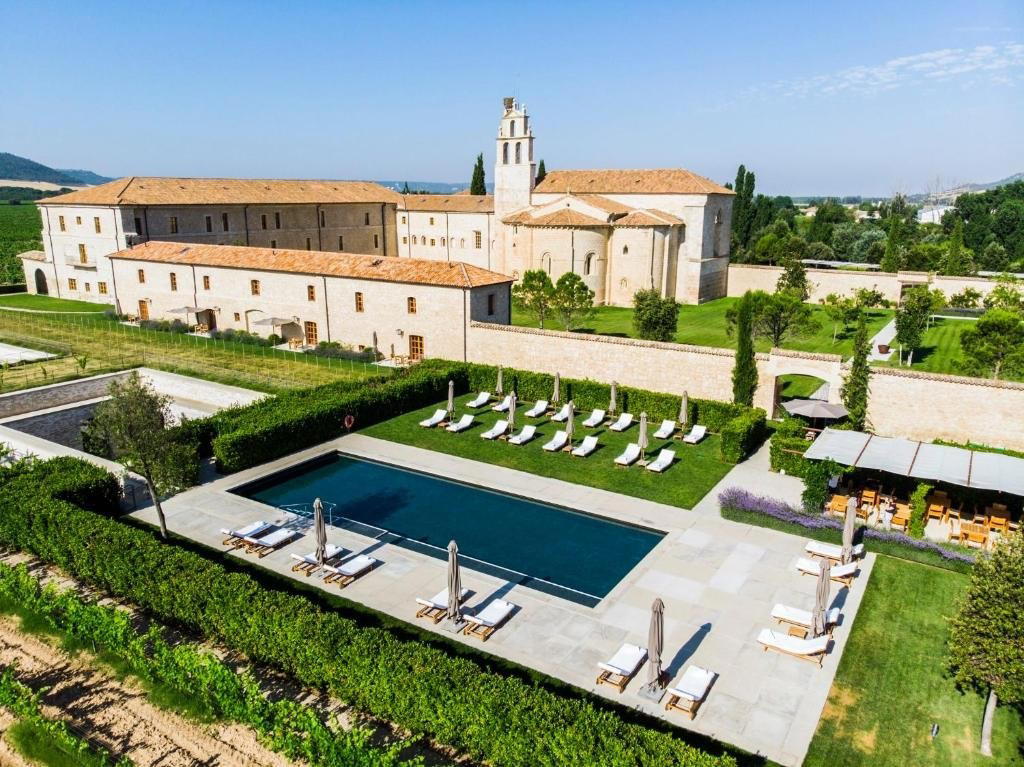
At a Glance
- Elegant
- Romantic
- Sophisticated
- Historic
- Date Night
- Special Occasion
- Celebration
- Business Dinner
- Wine Cellar
- Private Dining
- Historic Building
- Garden
- Terrace
- Hotel Restaurant
- Extensive Wine List
- Sommelier Led
- Local Sourcing
- Farm To Table
- Organic
- Vineyard
- Garden
Elegant and historic with grand vaulted ceilings, soft lighting, and a refined atmosphere that feels both luxurious and contemplative, housed in a former monks' refectory.