Taller Arzuaga


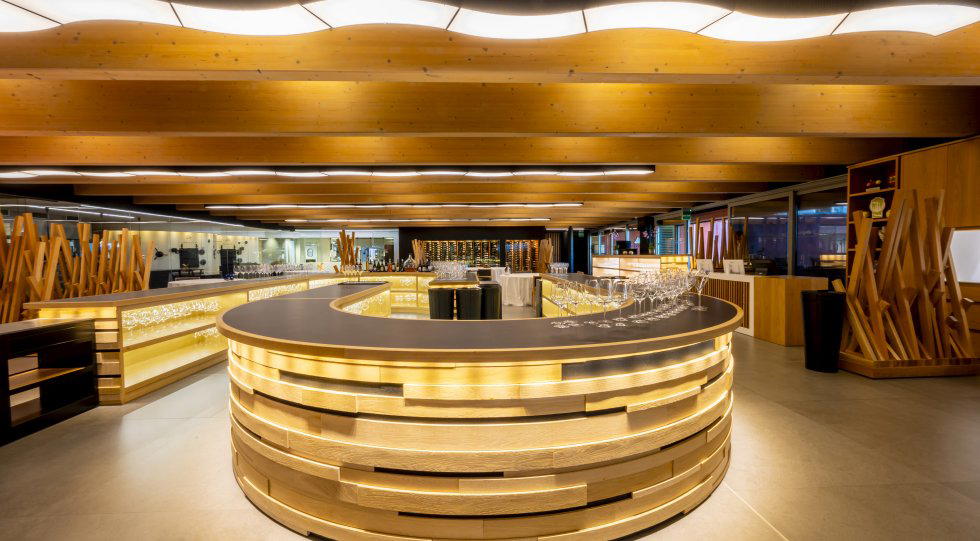
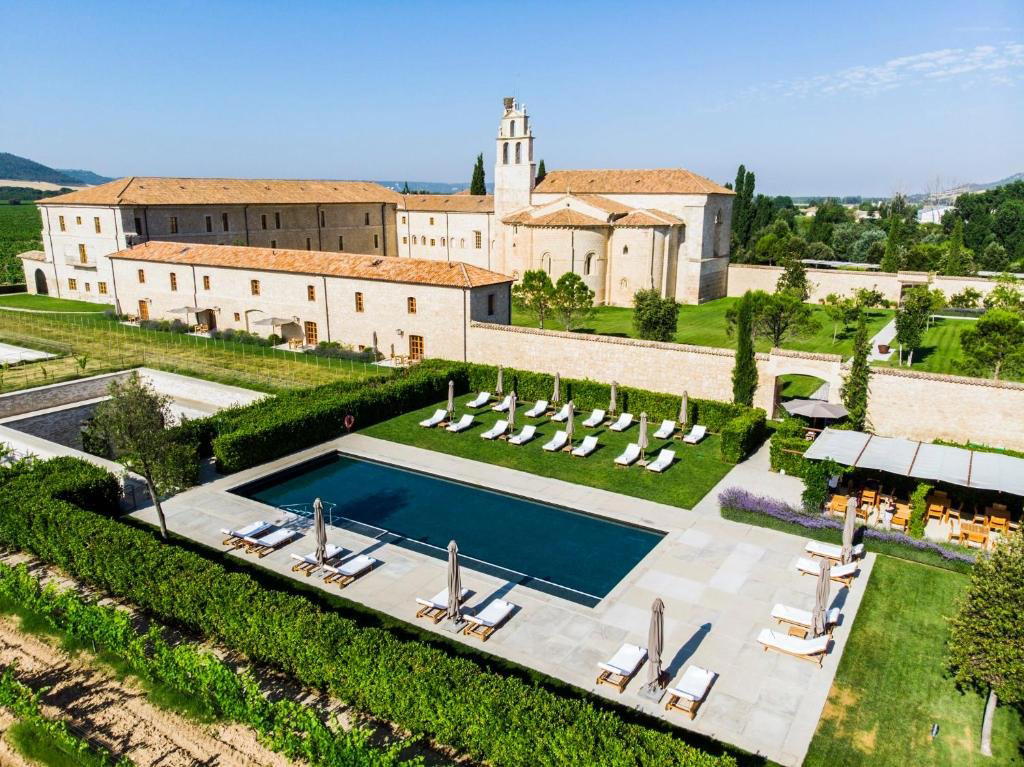
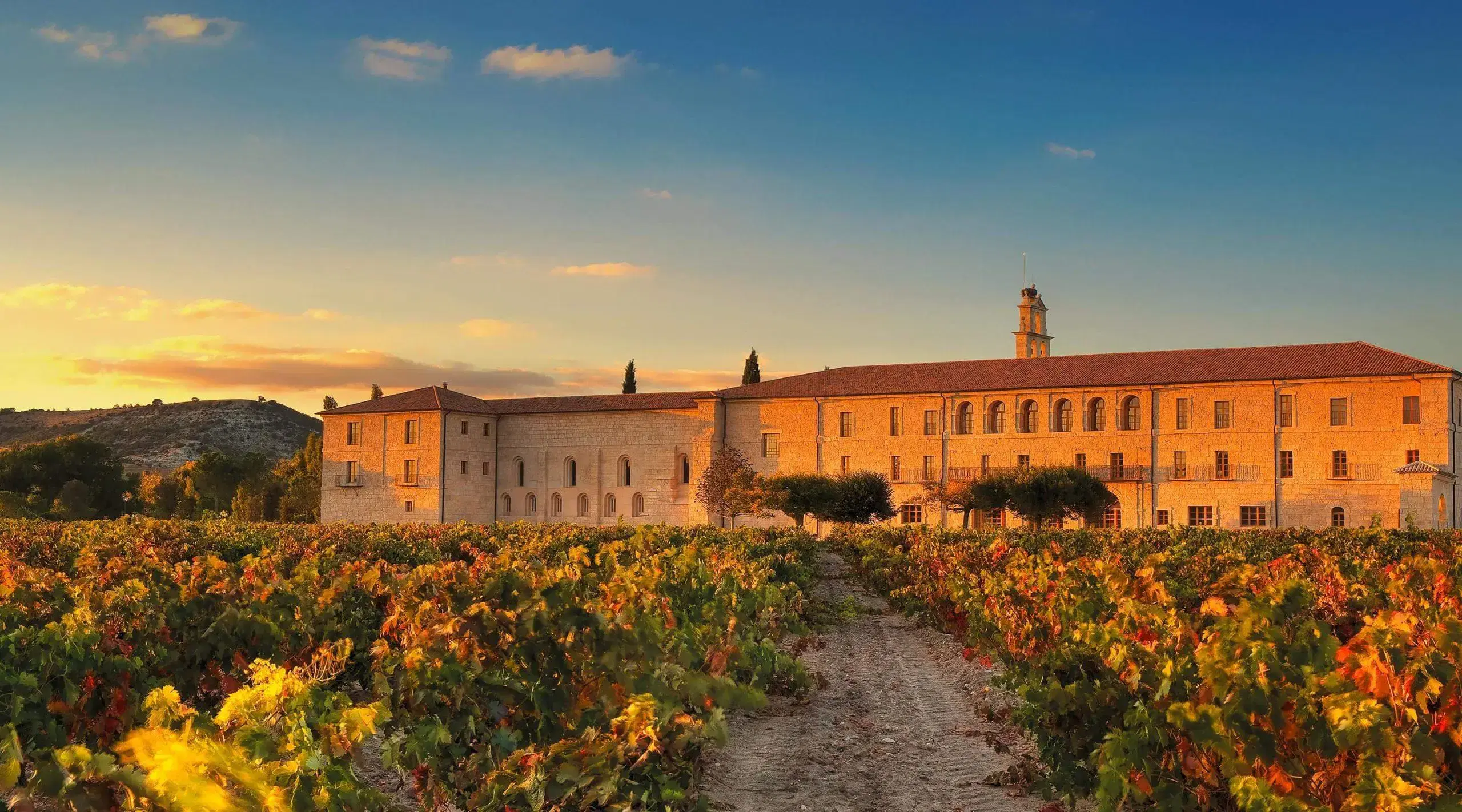
Taller Arzuaga holds a Michelin star and sits within the Arzuaga wine estate in Quintanilla de Onésimo, Ribera del Duero. The creative menu draws on the estate's organic garden and a strong wine integration, with à la carte and two tasting menu formats. Entry is through a corridor-tunnel that feeds into a dining room overlooking the bodega floor.
Pearl is the En Primeur Club membership app — saves, bookings, and concierge access live there. Same editors, same standards.
- Address
- N-122, 325, Km 325, 47350 Quintanilla de Onésimo, Valladolid, Spain
- Phone
- +34 983 68 11 46
- Website
- tallerarzuaga.com
 Saves & bookings on Pearl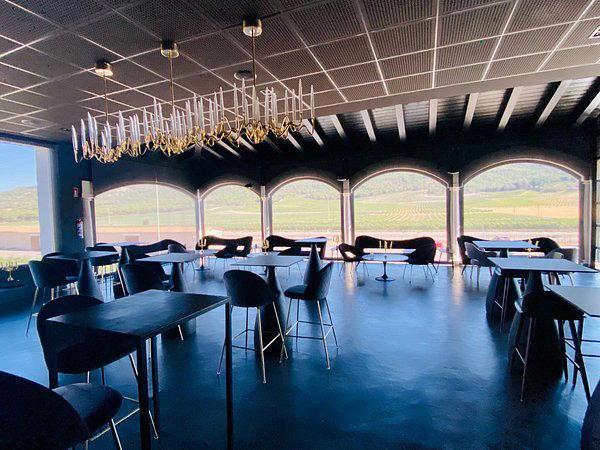
Where Ribera del Duero's Wine Country Meets the Creative Kitchen
The Ribera del Duero corridor along the Duero river has long been defined by its Tempranillo-driven bodegas, and for most of its history the gastronomy here followed a conservative line: roast suckling lamb, slow-braised game, and the kind of cooking that needed no introduction. That pattern has shifted over the past two decades, as a handful of estates began treating the dining room as seriously as the cellar. Taller Arzuaga, which earned a Michelin star in 2024, sits at the sharper end of that shift, bringing a format more commonly associated with the Basque Country or Barcelona into a village of fewer than a thousand people on the N-122 highway.
The Estate as Context
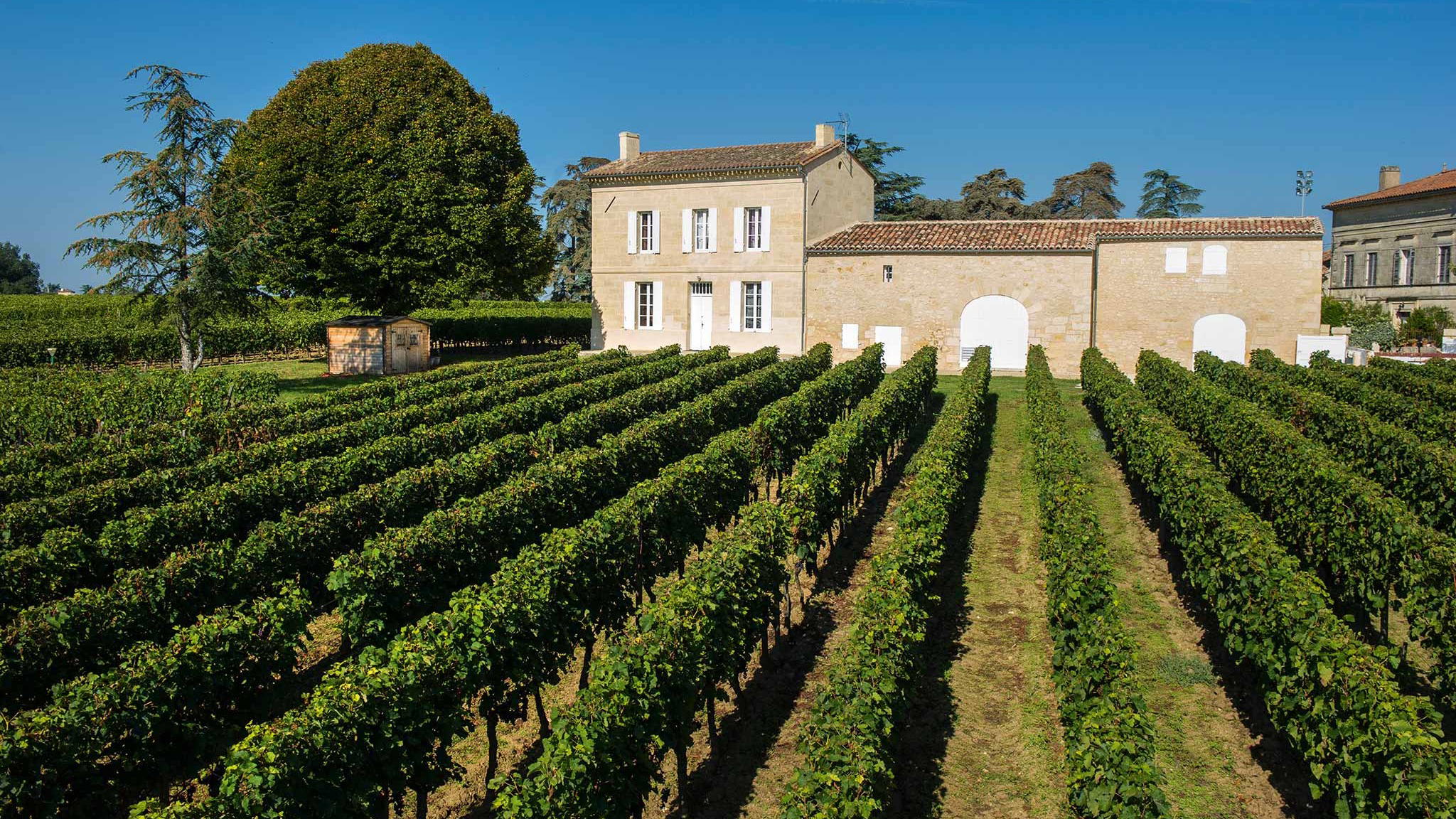
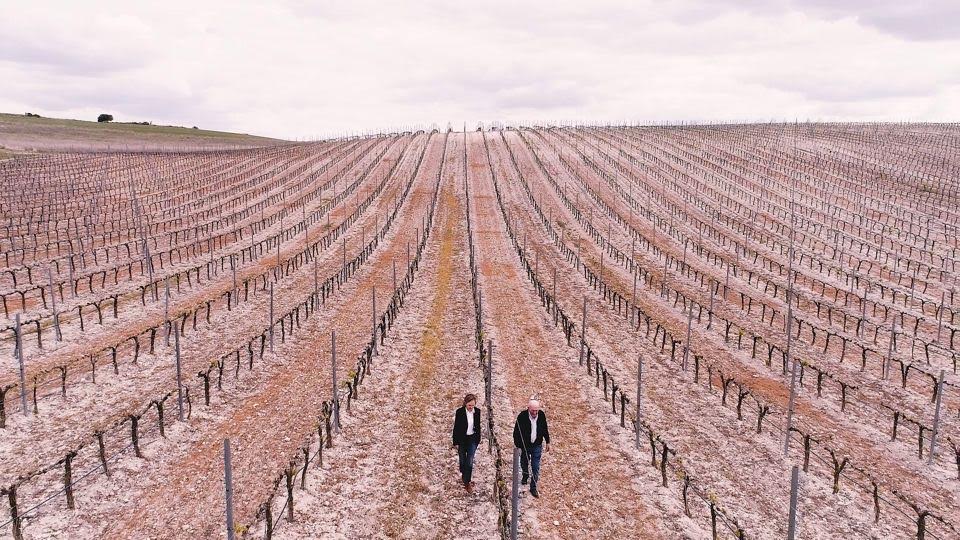
Spain's creative restaurant scene has historically concentrated in a small number of cities and coastal regions. The multi-starred addresses at Arzak in San Sebastián, El Celler de Can Roca in Girona, and Disfrutar in Barcelona share an urban or coastal setting and a dense infrastructure of suppliers, collaborators, and food media attention. The wine-estate restaurant occupies a different category entirely. Its credibility rests not on proximity to a culinary cluster but on the depth of its own terroir, the quality of its production calendar, and the coherence between what is grown, pressed, and plated on the same ground. At Taller, that coherence is structural: the organic garden on the estate supplies over 100 species of produce to the kitchen, game from the property's deer reserve at Finca La Planta appears in the cooking, and the wine list draws directly from the bodega below the dining room. This is not a tasting menu that happens to be located near a winery. The estate is the source material.
Arriving and the Dining Room
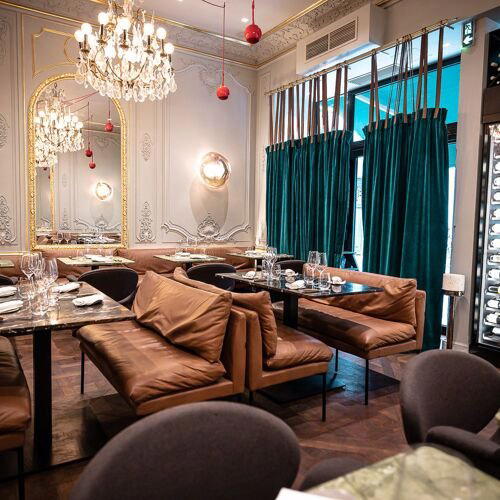
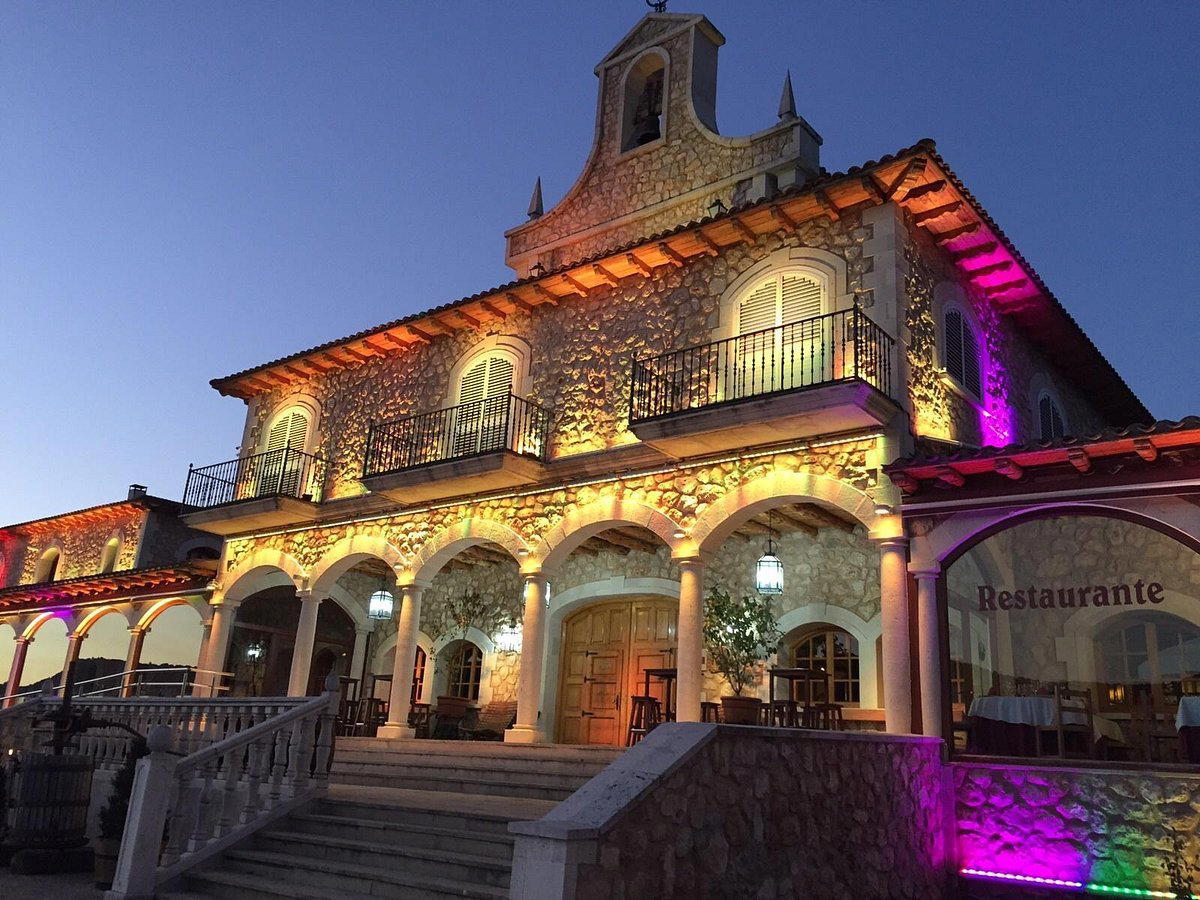
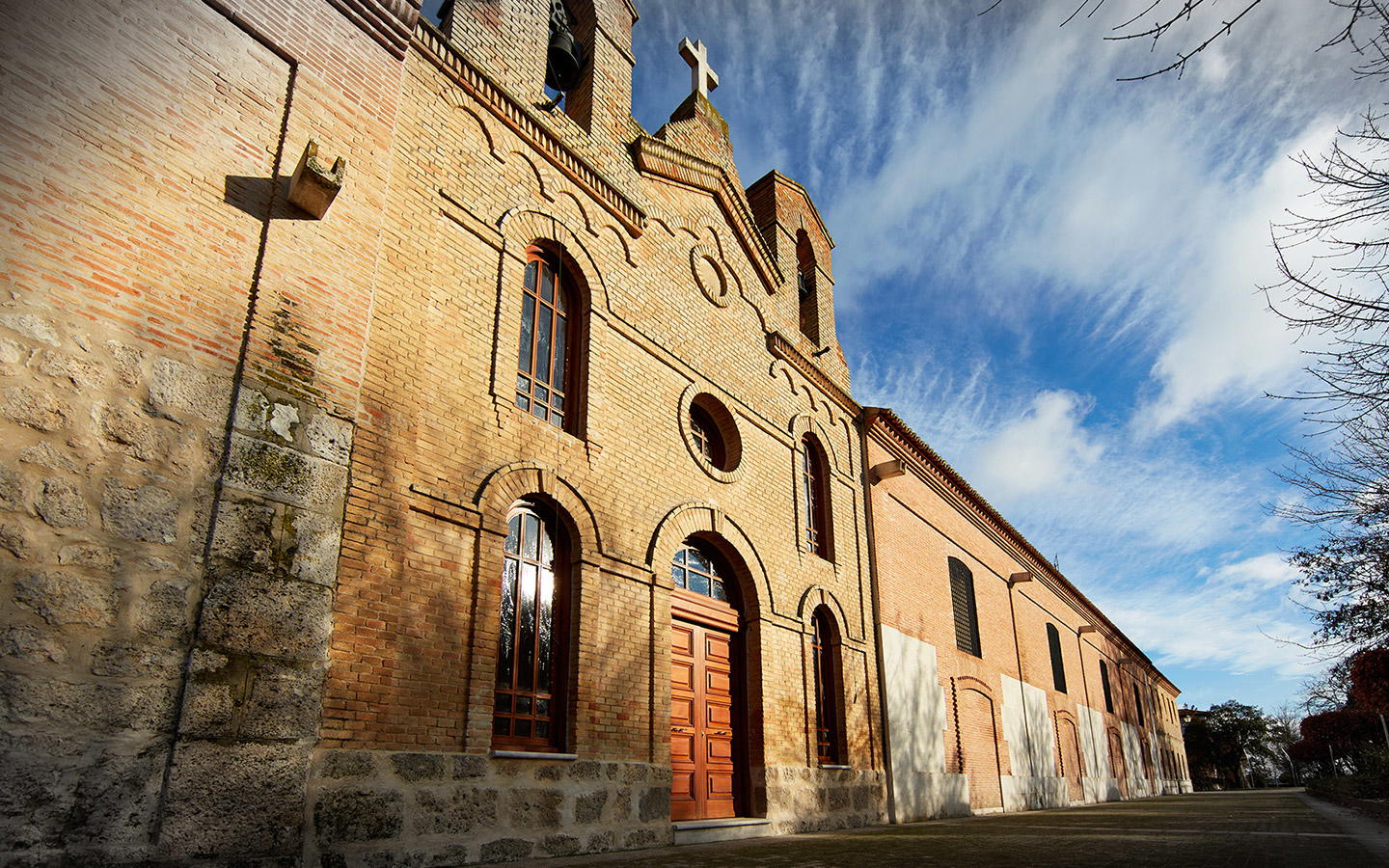
The entry sequence here does more than stage the arrival. An interactive corridor-tunnel separates the exterior world from the dining room in a way that physically marks the transition. It is an architectural gesture that you see occasionally at high-concept restaurants in Madrid, DiverXO uses staging and visual surprise differently but to similar effect, yet at Taller it works because what follows the tunnel is not pure spectacle. The dining room opens onto views of the bodega interior, the kitchen, and the surrounding estate. The three sightlines matter: they embed the meal in its production context rather than sealing it off from it. The kitchen is visible, the wine operation is visible, the land is visible. That transparency is, in itself, an editorial statement about what the cooking is trying to do.
The Cooking and Its Cultural Roots
The creative Spanish restaurant genre that emerged from the late 1990s and carried through the following two decades drew on a shared set of commitments: technical invention, ingredient primacy, and a willingness to treat the meal as an extended argument about place. Taller's kitchen operates within that tradition but inflects it with Castilian specificity. Game has always been central to the cooking of interior Spain in a way it has not been for the coastal regions. The deer reserve at Finca La Planta is not decorative. It connects the restaurant's creative program to a culinary identity rooted in the meseta, the high central plateau where hunting, herding, and agriculture shaped what ended up on the table for centuries.
Menu structure runs across two tasting formats, Reserva and Gran Reserva, plus an à la carte option. The naming convention is borrowed directly from the bodega's own tiering system, which positions the cooking within the wine estate's production hierarchy rather than in the generic language of tasting menu pricing. For a restaurant sitting on a wine estate, that is a coherent choice. It signals that the two programs, kitchen and cellar, are being treated as parallel rather than supplementary. Spain's most ambitious estate-restaurant pairings elsewhere, such as the integration of food and wine programs at Azurmendi in Larrabetzu or the terroir-focused approach at Quique Dacosta in Dénia, share this structural ambition, even if their settings and styles differ considerably.
Organic garden's 100-plus species give the kitchen a level of ingredient diversity unusual outside the largest urban supply chains. In Castile, where the dominant agricultural produce tends toward cereals, legumes, and root vegetables, an estate garden of that scale represents a genuine logistical commitment to the creative program rather than a cosmetic footnote. The kitchen's stated interest in extracting maximum flavour from those ingredients aligns with a broader movement across Spanish gastronomy toward what might be called productive restraint: fewer luxury imports, deeper use of local and estate material. You see the same tendency at Ricard Camarena in València and, at a different register entirely, at Aponiente in El Puerto de Santa María.
The Broader Experience Format
Estate-restaurant formats at this level increasingly operate as full-day or multi-stage visits rather than single-meal bookings. At Taller, this takes the shape of optional wine tastings, sessions with Arzuaga's winemaking team, and access to Finca La Planta for the deer reserve. The appearance of designer Amaya Arzuaga, a figure with a public profile well outside the wine world, adds a cultural dimension that the estate is clearly conscious of and positions as part of what visiting here means. Whether or not a guest takes up any of those additions, they frame the restaurant visit within a wider programme of estate engagement, which changes the nature of what you are booking. This is closer to the format of Martin Berasategui in Lasarte-Oria or destination creative restaurants in Europe such as Mugaritz in Errenteria, where the journey itself and the surrounding context are understood to be part of the proposition, than it is to a city restaurant where the meal stands entirely on its own.
For international reference, the estate-restaurant model here shares structural logic with properties like Alléno Paris au Pavillon Ledoyen or Enrico Bartolini in Milan, where the setting contributes as much to the experience as the kitchen's technical program. The difference at Taller is that the setting is agricultural and productive rather than architectural and historic.
Positioning in the Local Scene
Quintanilla de Onésimo is not a dining destination in the conventional sense. The village sits on the Ribera del Duero wine route and draws visitors primarily through the bodegas. Fuente Aceña represents the Spanish end of the local food offer. Taller operates in a different tier and, given its Michelin recognition, draws from a regional and national visitor base rather than a local one. That asymmetry is common to estate-restaurant formats: the restaurant functions as a destination event for visitors who have already committed to a journey to the wine region, rather than as a neighbourhood anchor.
Planning Your Visit
Taller Arzuaga sits at the €€€ price point, which places it below the top tier of Spain's multi-starred creative addresses but above the regional casual dining range. The address is at N-122, Km 325, Quintanilla de Onésimo, Valladolid. Given the estate's optional supplementary activities and the multiple menu formats, planning the visit as a half-day or full-day commitment is more practical than arriving for a single sitting and departing immediately. The Google rating stands at 4.2 from 201 reviews, which for a restaurant of this format and remoteness suggests a consistent experience rather than a polarised one. Reservations are recommended.
Price and Recognition
Comparable venues nearby, for context on price, style, and recognition.
| Venue | Cuisine | Price | Awards | Notes |
|---|---|---|---|---|
| Taller Arzuaga | $$$$ | Michelin 1 Star | Quintanilla de Onésimo, Creative Spanish Fine Dining | |
| Fuente Aceña | Spanish | , | ||
| Cobo Evolución | $$$$ | Michelin 1 Star | Plaza de la Libertad, Modern Spanish Evolution Tasting | |
| Alquimia - Laboratorio | $$$$ | Michelin 1 Star | Historic Center, Creative Modern Spanish Molecular | |
| Solana | Ampuero, Modern Spanish Fine Dining | $$$$ | Michelin 1 Star | |
| El Invernadero | $$$$ | Michelin 1 Star | Rios Rosas, Modern Vegetable-Focused Spanish Fine Dining |
Continue exploring
More in Quintanilla de Onésimo
Restaurants in Quintanilla de Onésimo
Browse all →
Hotels in Quintanilla de Onésimo
Browse all →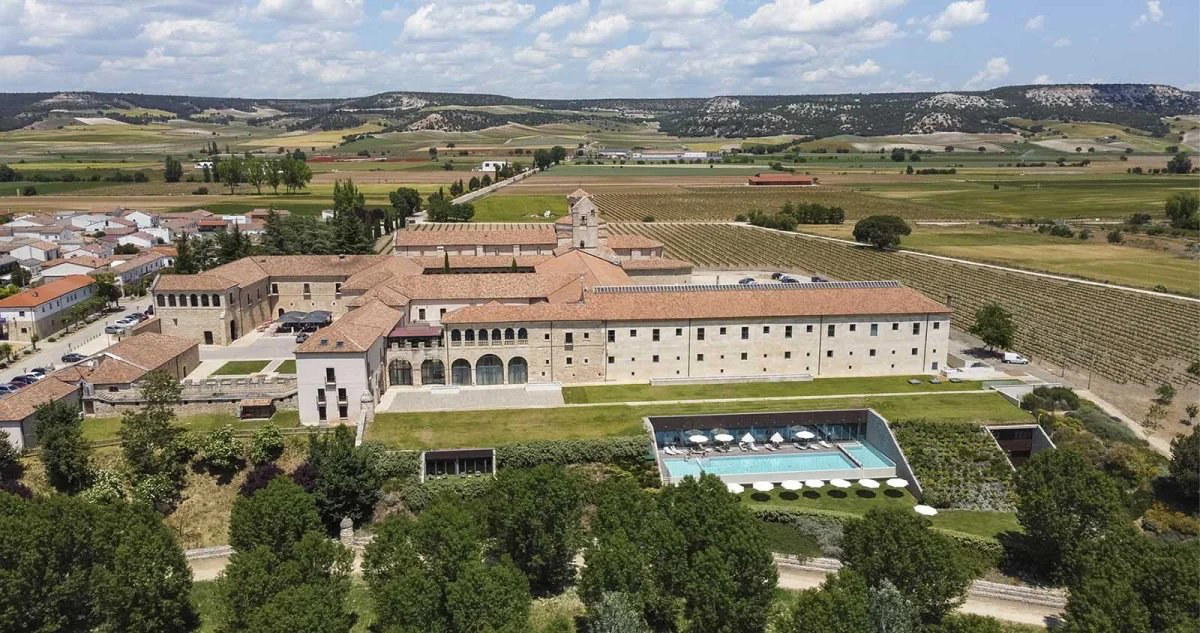
At a Glance
- Elegant
- Sophisticated
- Rustic
- Special Occasion
- Date Night
- Extensive Wine List
- Sommelier Led
- Local Sourcing
- Vineyard
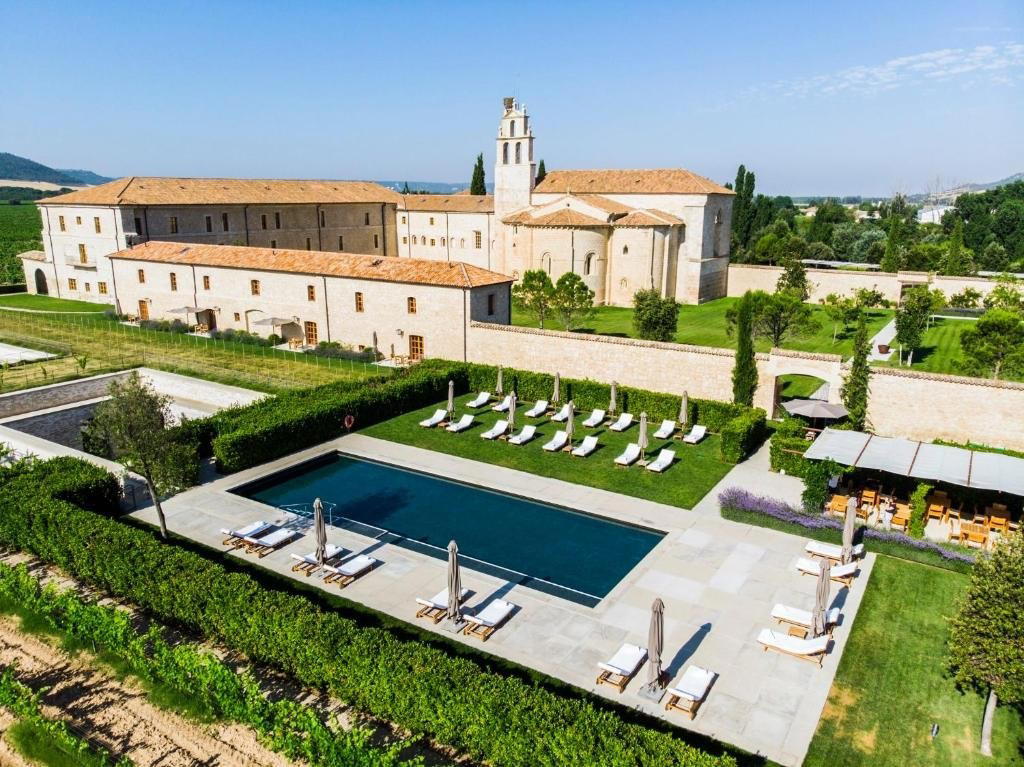
Sophisticated winery estate atmosphere with innovative dining amid vineyard scenery.