Gramona


Gramona has produced sparkling wine in Sant Sadurní d'Anoia since the early twentieth century, drawing on vineyards the family has farmed since 1850. The house sits in the traditional Cava heartland yet operates with the patience of a prestige-focused producer, holding wines through extended aging programs that set it apart from the region's volume houses..
Pearl is the En Primeur Club membership app — saves, bookings, and concierge access live there. Same editors, same standards.
- Address
- Carrer de la Indústria, 36, 08770 Sant Sadurní d'Anoia, Barcelona
- Phone
- +34 938 91 01 13
- Website
- gramona.com
- Directions
- Get directions
 Saves & bookings on Pearl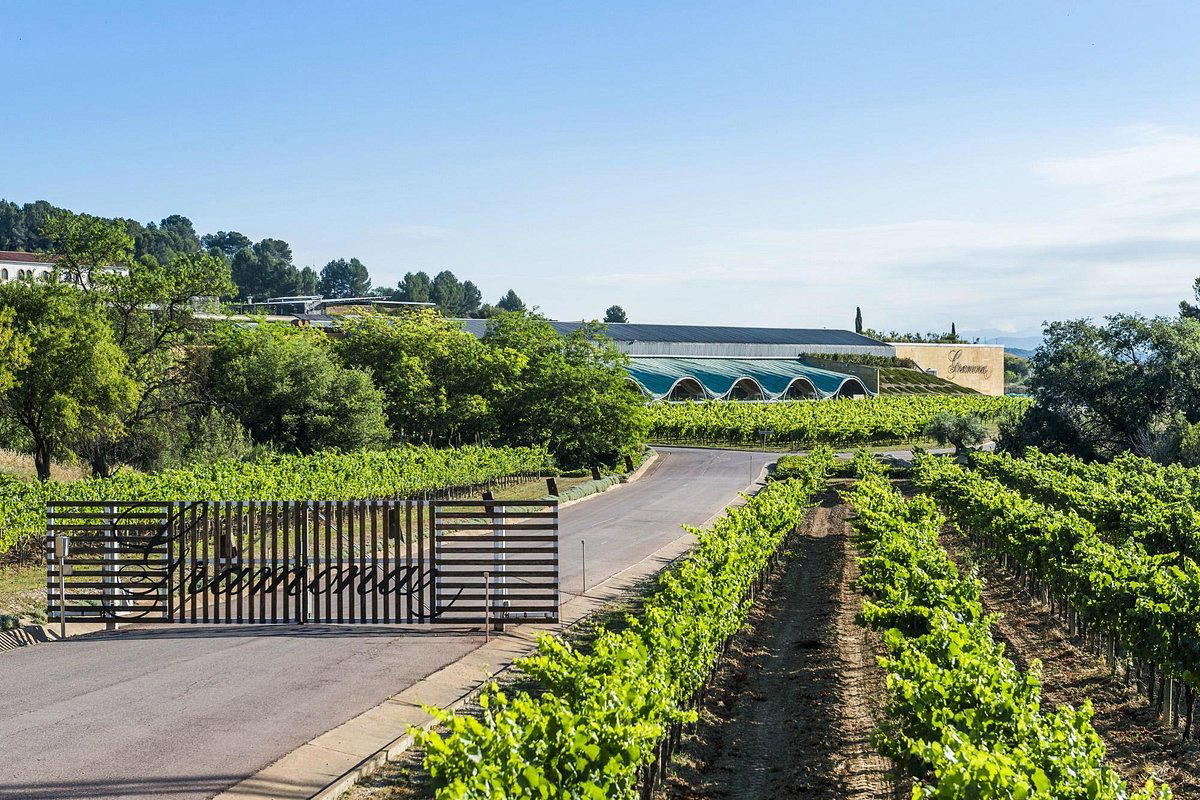
Sant Sadurní d'Anoia and the Case for Patience
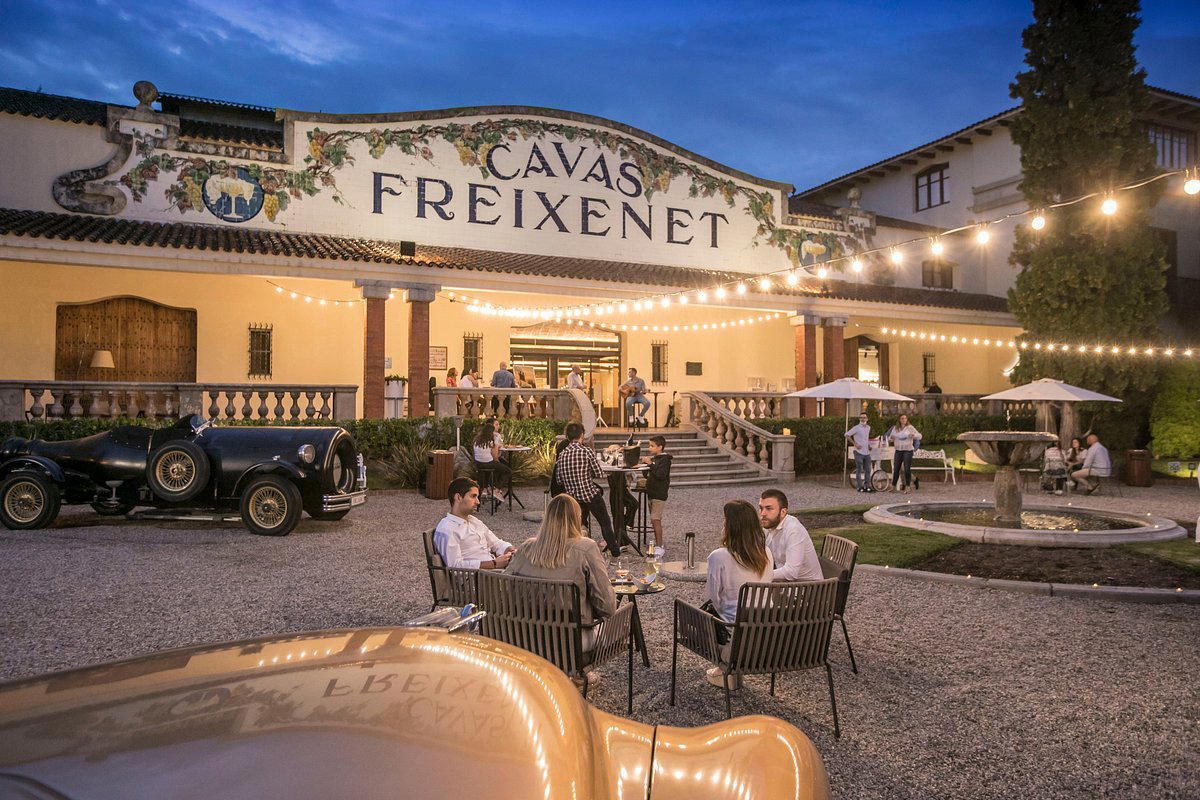
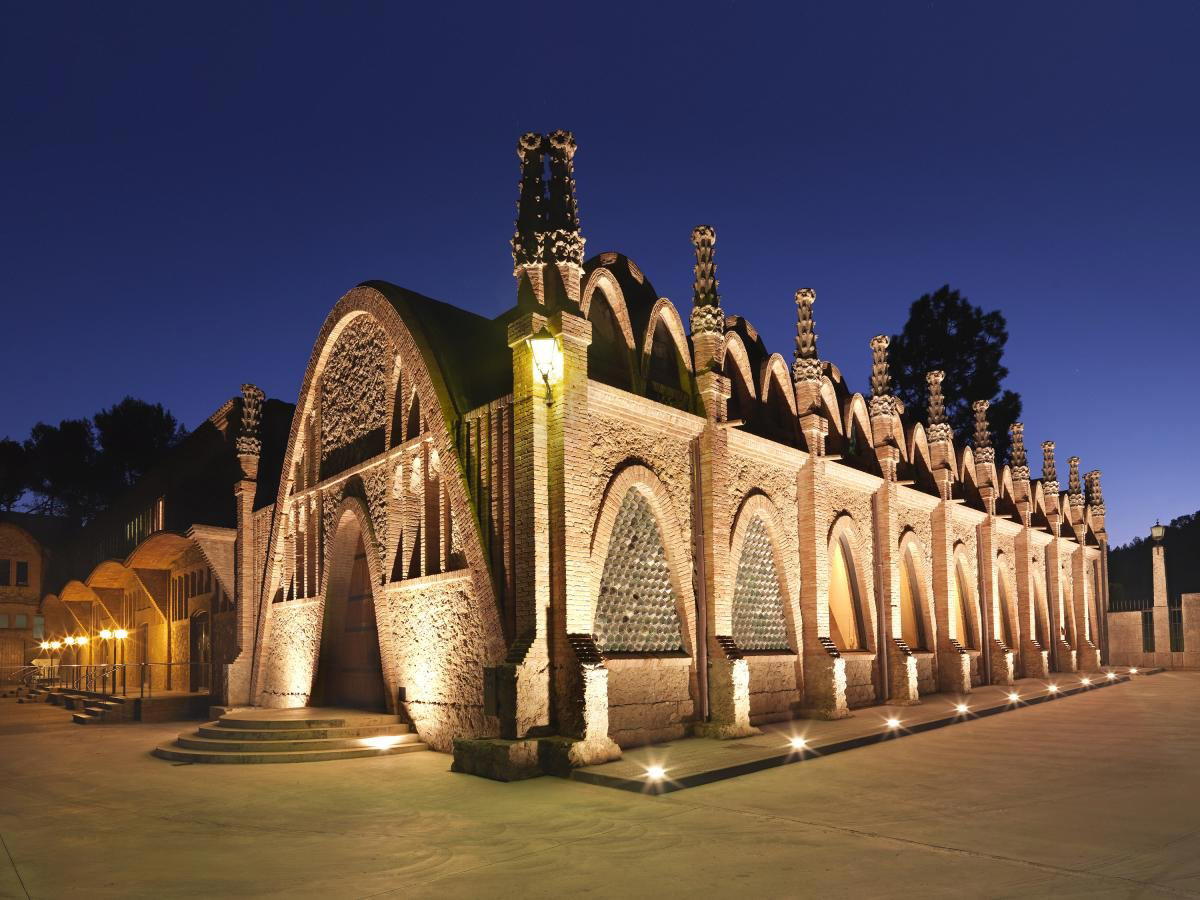
Gramona is a winery in Sant Sadurní d'Anoia, Barcelona, and a World’s 50 Best Vineyards selection ranked 25th in 2024. The drive into Sant Sadurní d'Anoia along the Penedès corridor tells you something before you arrive. The town sits roughly forty kilometres southwest of Barcelona, surrounded by vineyards that have supplied sparkling wine to the world for well over a century. But not all of those wines have been made the same way. The volume end of the appellation, represented at industrial scale by houses like Codorníu and Freixenet, operates on a fundamentally different philosophy from the small to mid-sized producers who measure quality in years of cellar time rather than units shipped. Gramona, headquartered at Carrer de la Indústria 36, belongs firmly to the latter camp.
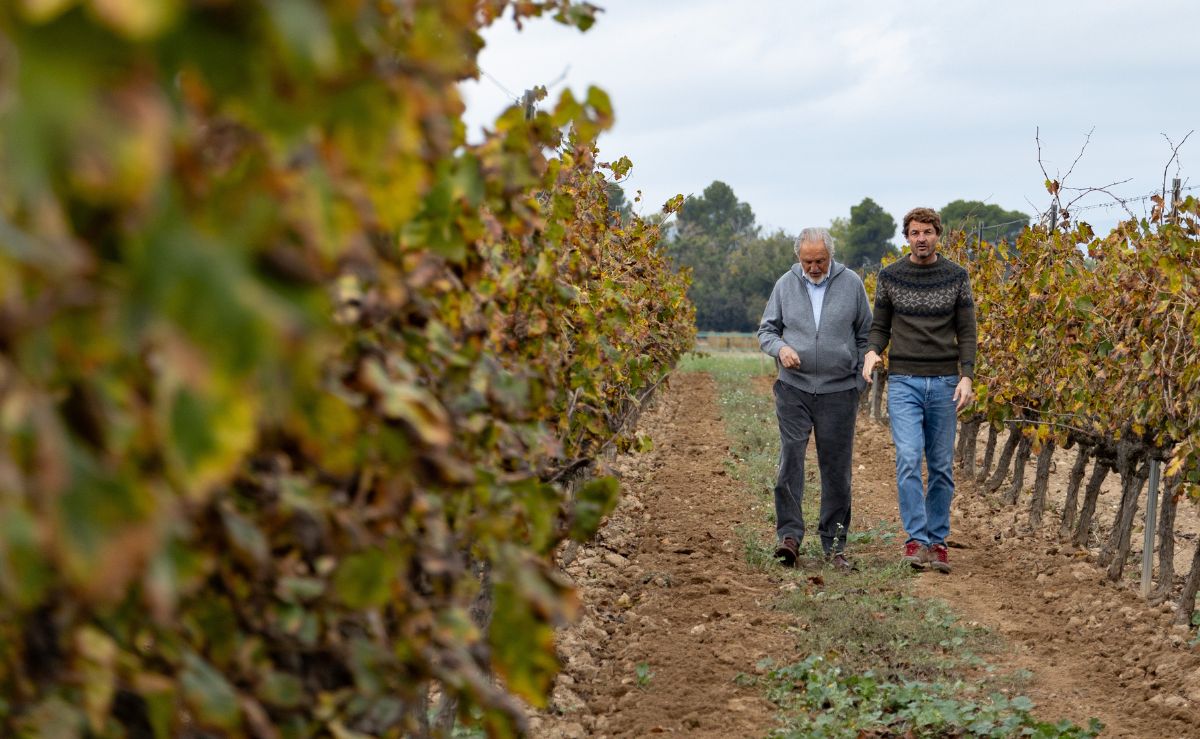
The family has been farming vines in this territory since 1850, and sparkling wine has been part of its output since the early twentieth century. That continuity matters in a region where some of the largest houses are owned by multinationals and production decisions are made quarterly. For Gramona, the relationship between land and cellar has accumulated across generations, and it shapes what ends up in the bottle in ways that are difficult to replicate quickly.
What Happens After the Harvest
Editorial angle on Gramona is not about the harvest, it is about what comes afterward. In the broader Cava appellation, minimum aging requirements run to nine months for non-vintage wines, with Reserva status requiring fifteen and Gran Reserva thirty. Gramona's positioning within the prestige tier implies aging well beyond those thresholds. Extended lees contact, the period during which wine sits on the dead yeast cells from secondary fermentation, transforms the base texture of a sparkling wine in ways that shorter aging cannot approximate. Autolysis, the process by which those yeast cells break down and release compounds into the wine, is responsible for the brioche, toast, and creamy textural qualities that distinguish the leading traditional-method sparkling wines from direct, fruit-forward expressions.
This is also where the blending calculus becomes consequential. Extended-aging programs require producers to make long-horizon decisions: which parcels hold their acidity through multi-year cellaring, which base wines develop complexity rather than flatness, and what proportion of reserve wines from previous vintages can build continuity across releases. These decisions are not made at the winery's commercial convenience, they are made in the cellar, over time, with the wine telling the story.
In this respect, Gramona's approach has more in common with grower-driven Champagne houses operating on small-parcel discipline than with the large Cava cooperatives sourcing broadly across the region. The comparison to Recaredo, another Sant Sadurní d'Anoia producer operating at the serious end of extended aging, is instructive. Both houses have staked their identities on cellar patience at a time when much of the Cava market still competes primarily on price. Juvé & Camps and Raventós i Blanc occupy adjacent territory in the premium tier, each with their own approach to method and provenance, but Gramona's generational depth in sparkling production gives it a particular kind of reference point in the region's history.
Prestige Recognition in Context
Awards of this structure are not given for consistent volume or commercial reach, they signal that the wines are performing at a level where critics are paying attention to what the cellar is doing, not just what the label says.
For sparkling wine specifically, prestige-tier recognition has become an important differentiator as the Cava category has fragmented. The introduction of Cava de Paraje Calificado and Corpinnat classifications in recent years reflects an industry-wide acknowledgment that the old single-appellation model was not adequately communicating quality distinctions to consumers. Gramona's credentials as a land-rooted, family-operated house sit well within the logic of these quality-tier arguments, even as the appellation politics around them remain contested.
Comparable prestige-oriented Spanish producers operating in different wine regions, houses like Clos Mogador in Gratallops or Emilio Moro in Pesquera de Duero, have built international reputations on a similar combination of family continuity, terroir specificity, and production decisions that prioritise long-term quality over short-term yield. The reference points extend further: CVNE in Haro has used its position in Rioja's historic core to anchor a prestige identity across generations, while Bodegas Protos in Peñafiel and Marqués de Cáceres in Cenicero demonstrate how age and regional rootedness function as credibility signals across Spanish wine culture broadly. Gramona is the sparkling wine equivalent of this longer-arc model.
For those who want to set Gramona against producers from entirely different traditions, the comparison to Lustau in Jerez de la Frontera is revealing in structural terms: both houses operate aging-led programs in which the cellar is the defining variable, and both have managed to position legacy and craft simultaneously, though the wine styles are entirely distinct. Even further afield, the allocation-driven model at Accendo Cellars in St. Helena or the single-malt age-statement framework at Aberlour echo the same fundamental principle: time in vessel as a primary quality argument.
Planning a Visit to Gramona
Sant Sadurní d'Anoia is served directly by the R4 Rodalies line from Barcelona's Passeig de Gràcia, with a journey time of roughly fifty minutes. The town is compact enough to walk between its main producers, and the concentration of serious Cava houses within a short radius makes it a logical base for a day focused on the Penedès sparkling wine tradition. Gramona's address at Carrer de la Indústria 36 places it within the town's winery district. Visitors planning to include Gramona alongside the broader Sant Sadurní d'Anoia scene should check the full Sant Sadurní d'Anoia guide for context on the town's other producers and how the different houses compare in style and format. Spring and autumn are the quieter visiting seasons, when cellar tours at Penedès houses tend to operate with smaller groups and greater access depth than the summer peak. Advance contact with the winery is advisable given that prestige-tier houses in this region often manage visits by appointment rather than walk-in. Direct enquiry to the winery is recommended.
Nearby-ish Comparables
Comparable venues nearby, for context on price, style, and recognition.
| Venue | Cuisine | Price | Notes |
|---|---|---|---|
| GramonaThis venue — the venue you are viewing | Xarel-lo, Macabeo | $$$ | Not listed |
| Juvé & Camps | Xarel·lo, Macabeo | $$$ | Sant Sadurní d'Anoia |
| Raventós i Blanc | Xarel·lo, Macabeu | $$$ | Sant Sadurní d'Anoia |
| Codorníu | Macabeo, Xarel·lo | $$$ | Sant Sadurní d'Anoia |
| Recaredo | Xarel·lo, Macabeu | $$$ | Sant Sadurní d'Anoia |
| Freixenet | Macabeo, Xarel-lo | $$ | Sant Sadurní d'Anoia |
Recognition history
Dated appearances from independent guides and award organizations, with the underlying list record or original source where available.
Falstaff Winery - 5 Stars
Falstaff
World's 50 Best Best Vineyards #25
World's 50 Best
World's 50 Best Best Vineyards #45
World's 50 Best
Continue exploring
More in Sant Sadurní d'Anoia
Wineries in Sant Sadurní d'Anoia
Browse all →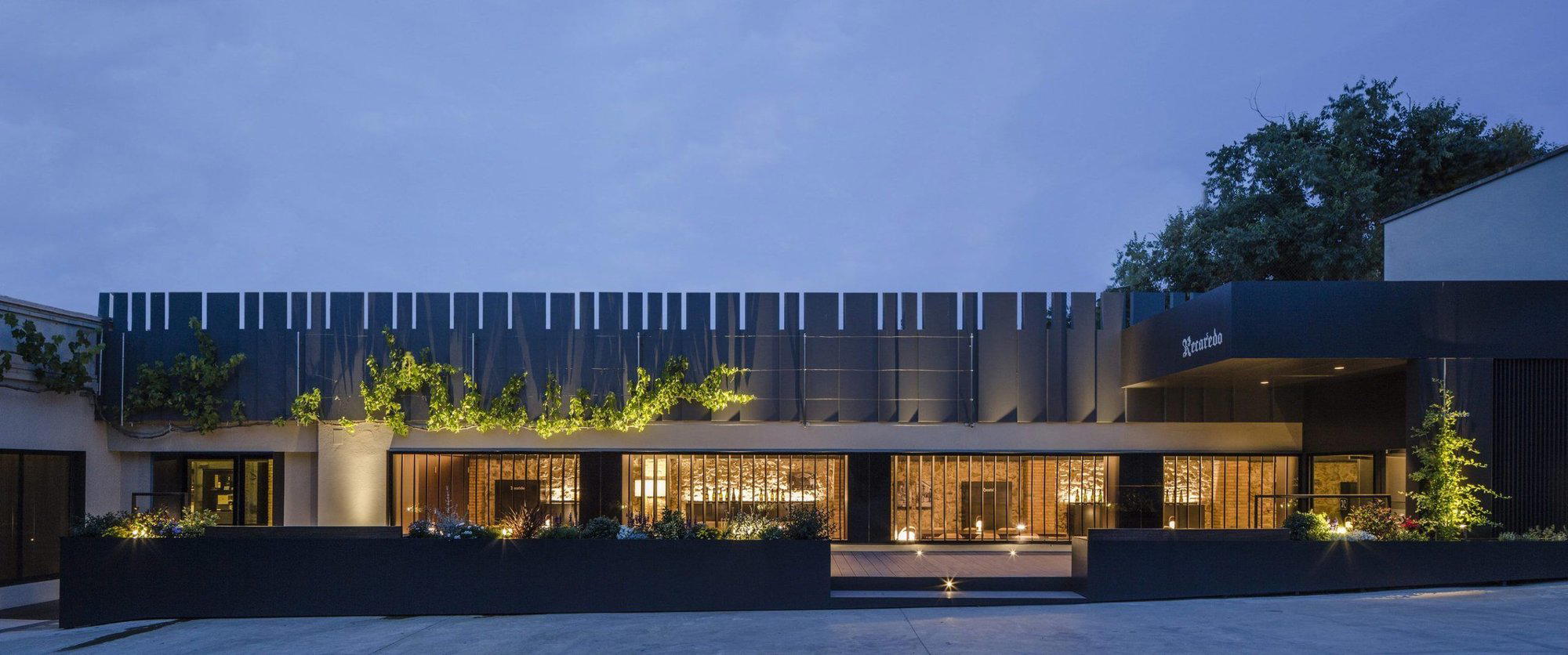
Bars in Sant Sadurní d'Anoia
Browse all →
Restaurants in Sant Sadurní d'Anoia
Browse all →

At a Glance
- Classic
- Elegant
- Rustic
- Scenic
- Wine Education
- Special Occasion
- Cave Tasting
- Vineyard Tour
- Historic Building
- Organic
- Biodynamic
- Sustainable
- Vineyard
- Penedès Corpinnat
- Xarel Lo
- Macabeo
- Parellada
- Chardonnay
- Pinot Noir
- Sparkling
- Cave Tasting
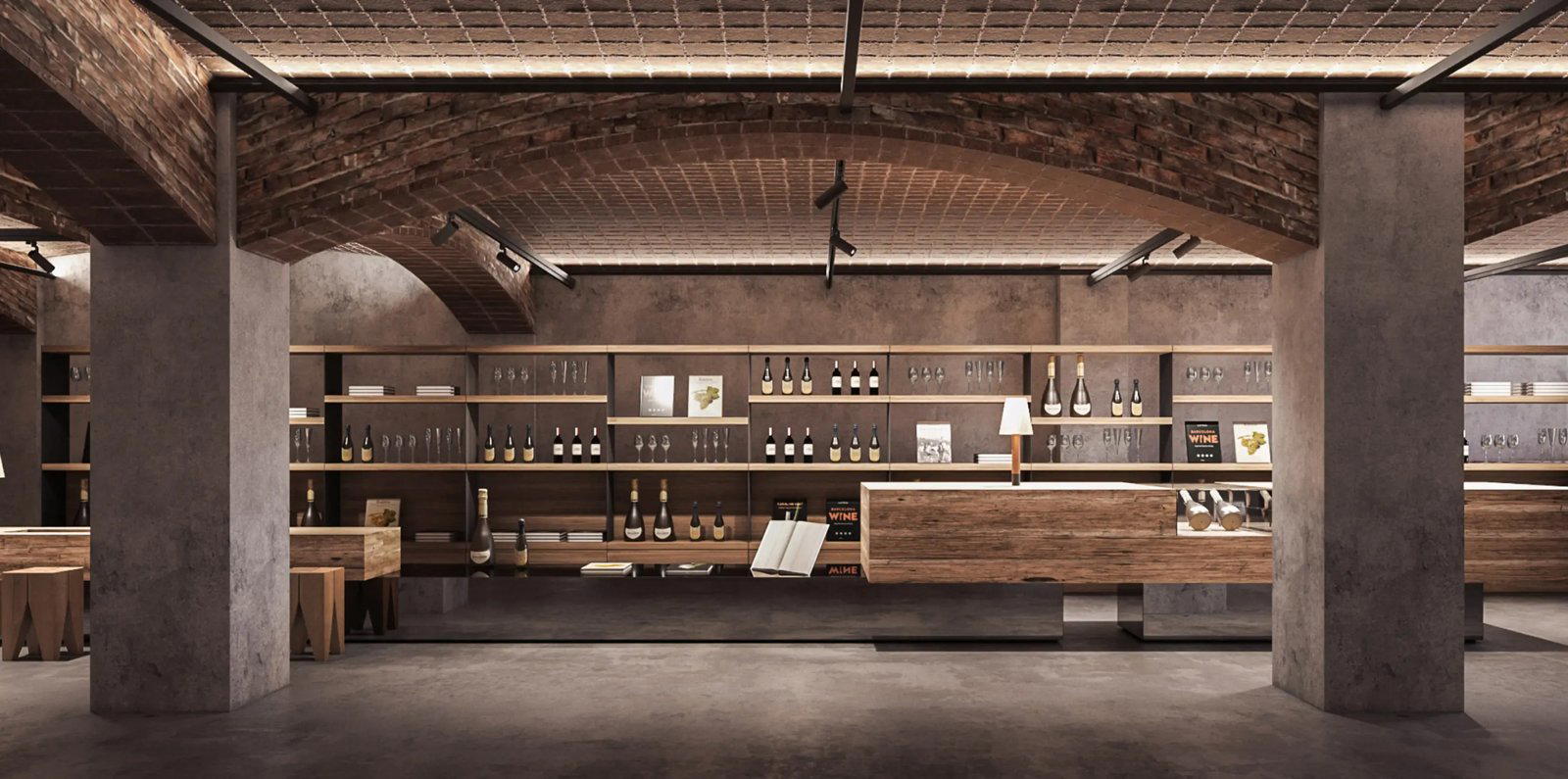
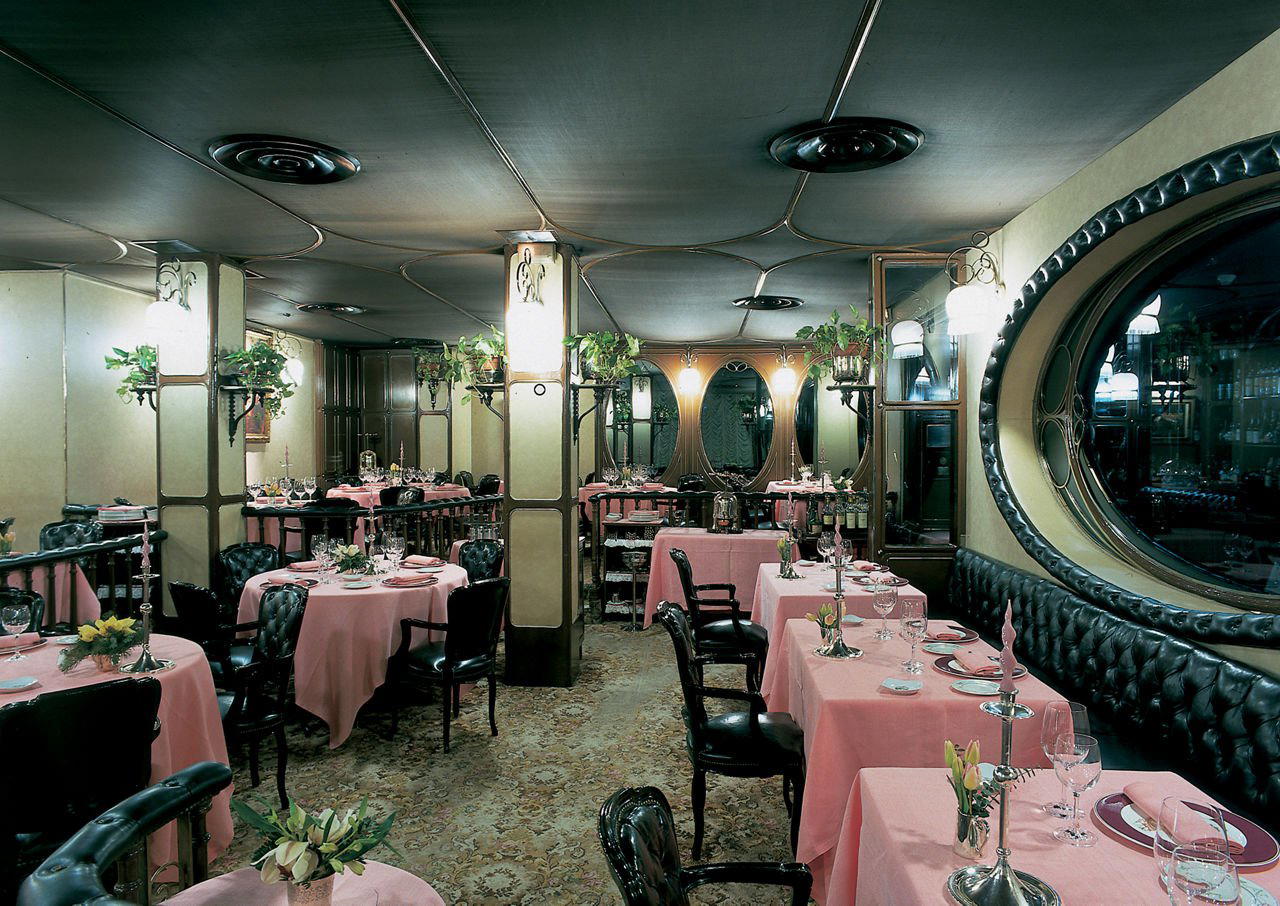
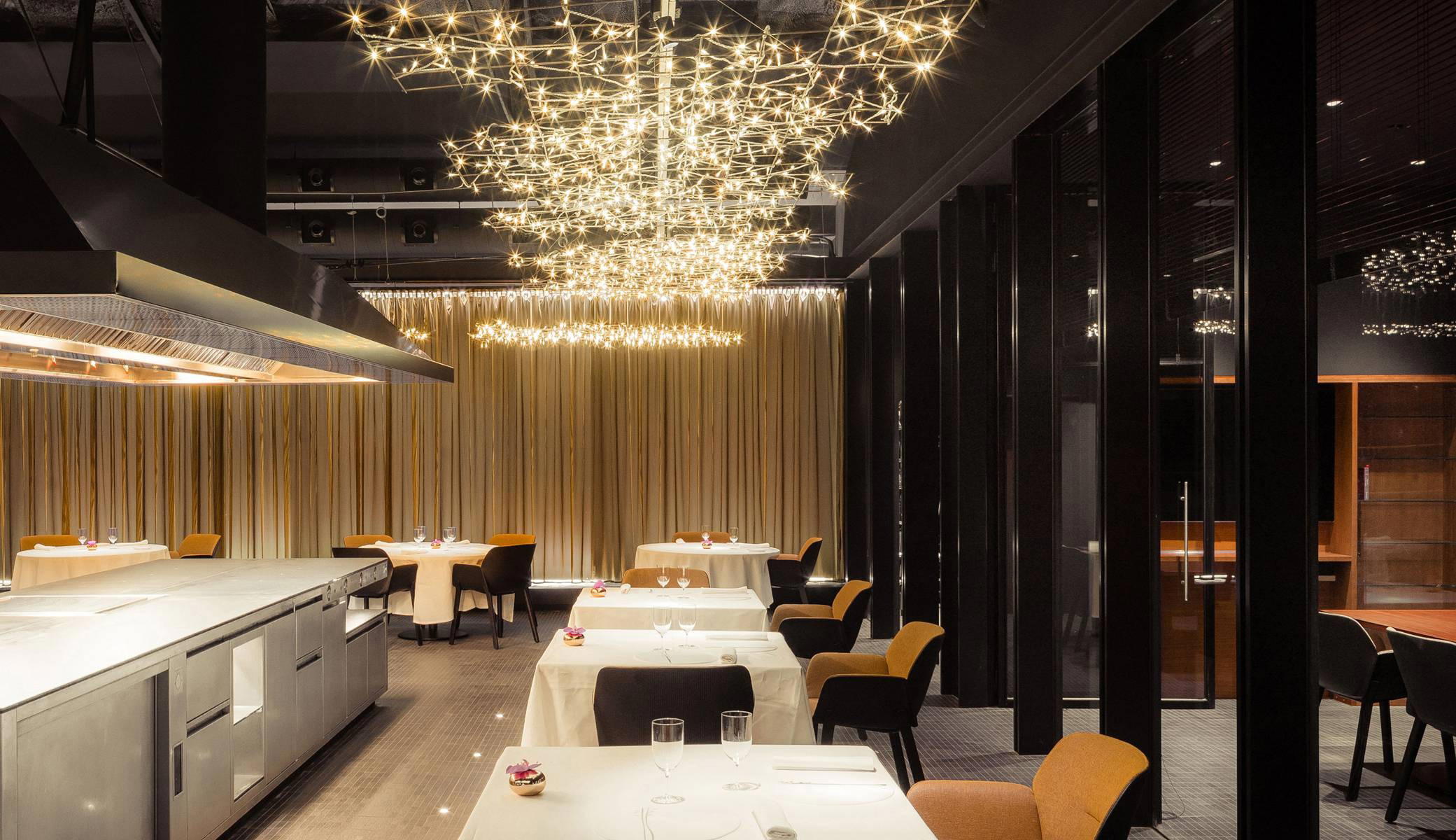
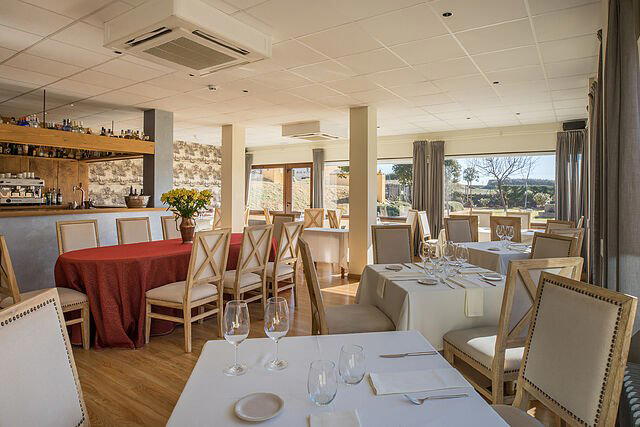
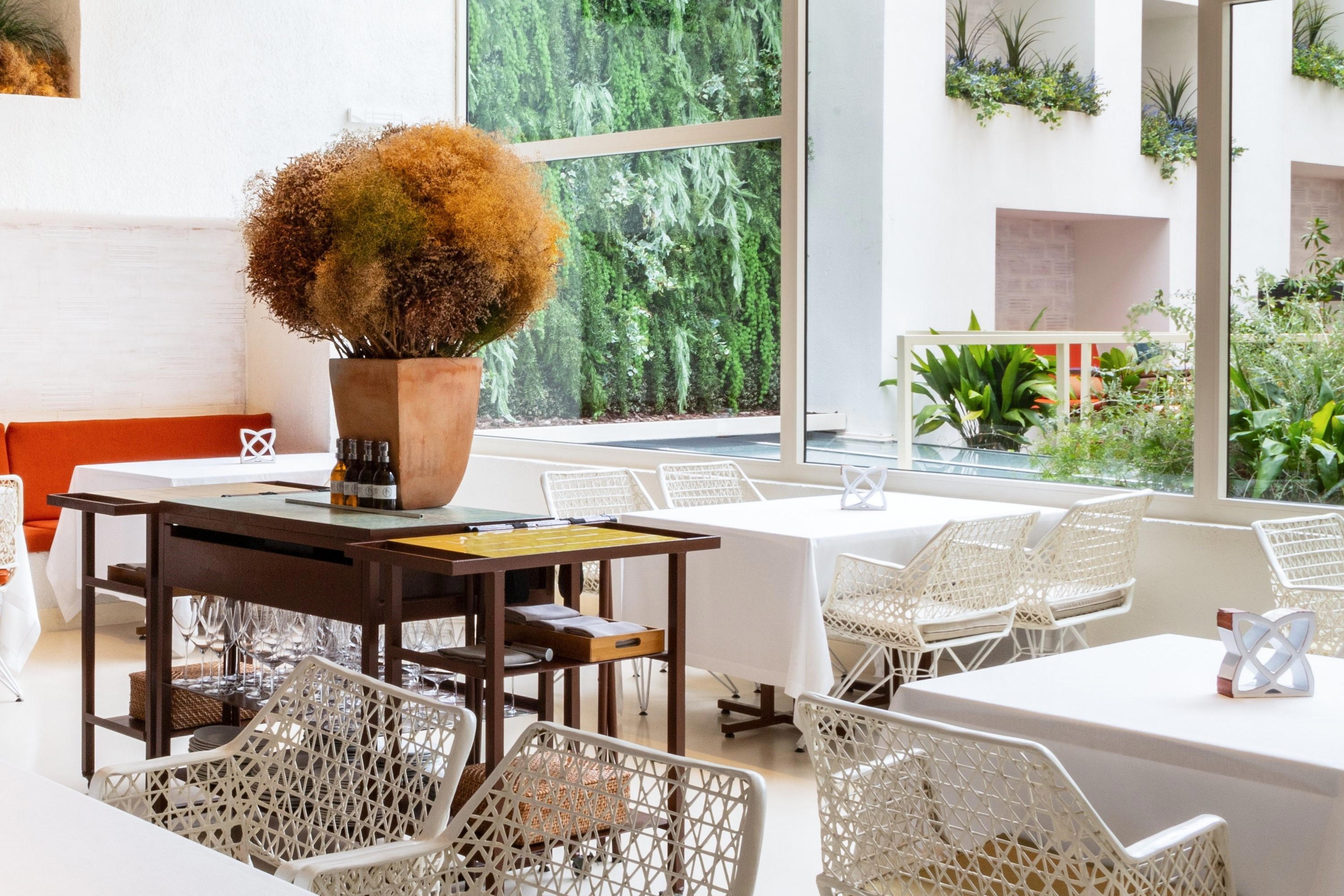
Historic cellars with cool, humid underground atmosphere blending tradition and innovation, creating an intimate and sophisticated setting.