Antica Distilleria Quaglia
Antica Distilleria Quaglia operates from Castelnuovo Don Bosco in the Monferrato hills of Piedmont, where the region's aromatic herb traditions and clay-rich soils have shaped distillation for generations..
Pearl is the En Primeur Club membership app — saves, bookings, and concierge access live there. Same editors, same standards.
- Address
- Viale Europa, 3, 14022 Castelnuovo Don Bosco AT
- Phone
- +39 011 987 6159
- Website
- distilleriaquaglia.it
- Directions
- Get directions
 Saves & bookings on Pearl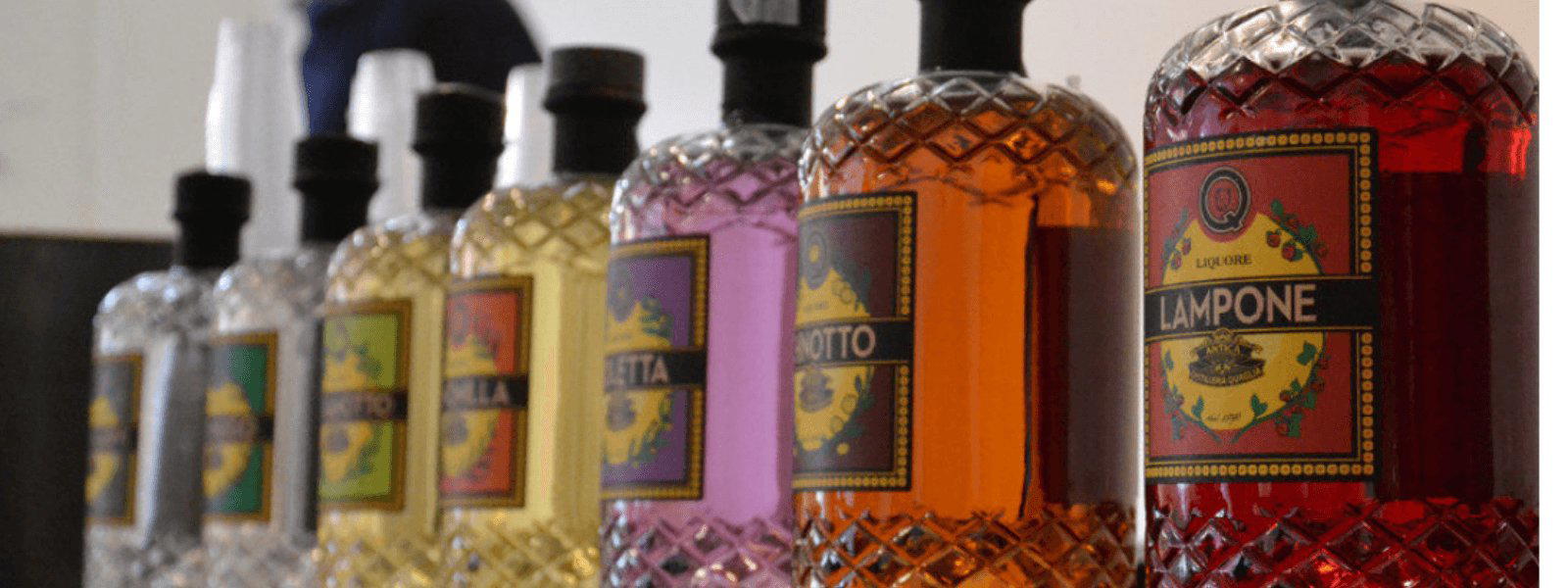
Piedmont's Distilling Tradition and Where Castelnuovo Don Bosco Fits
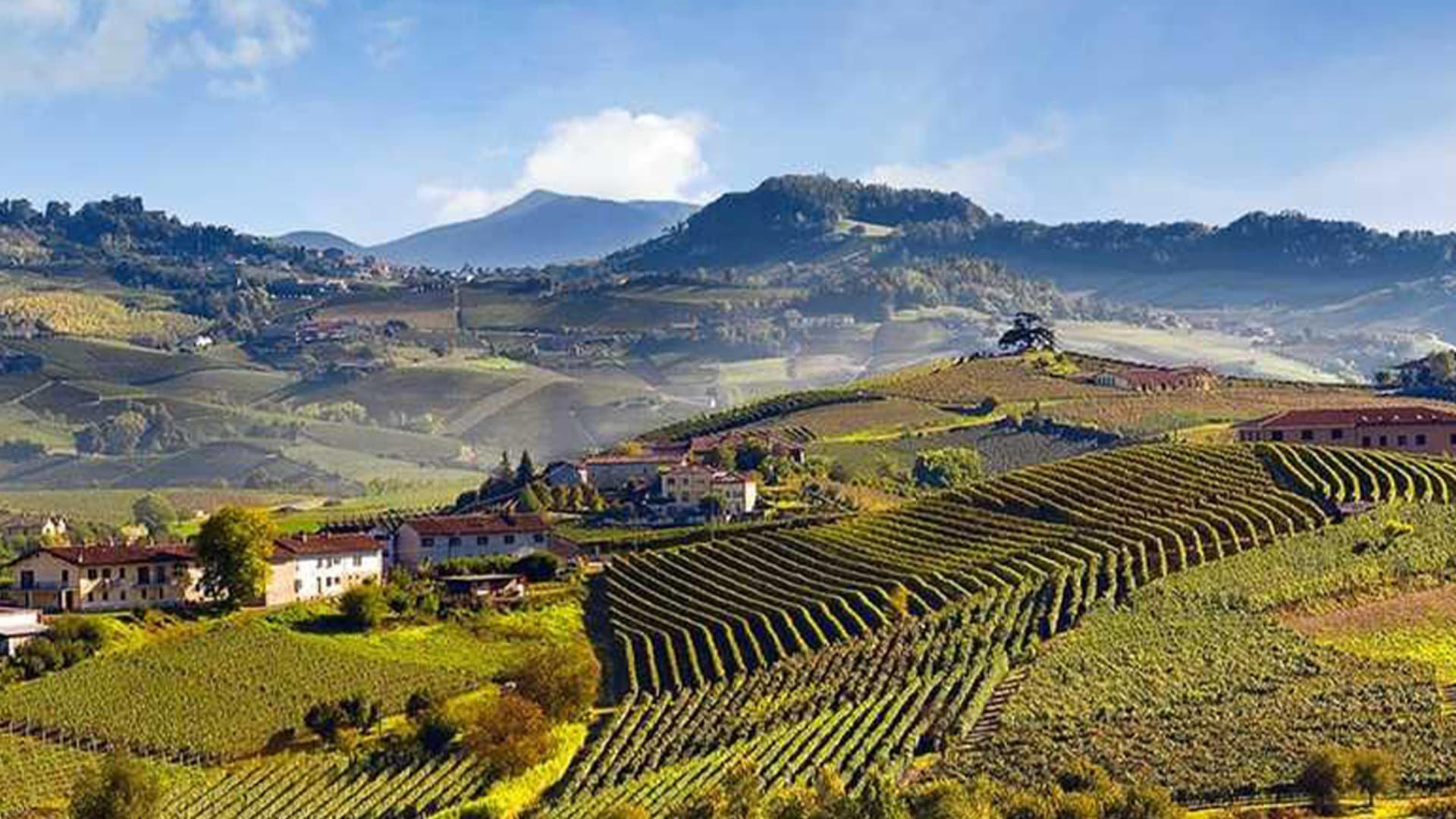
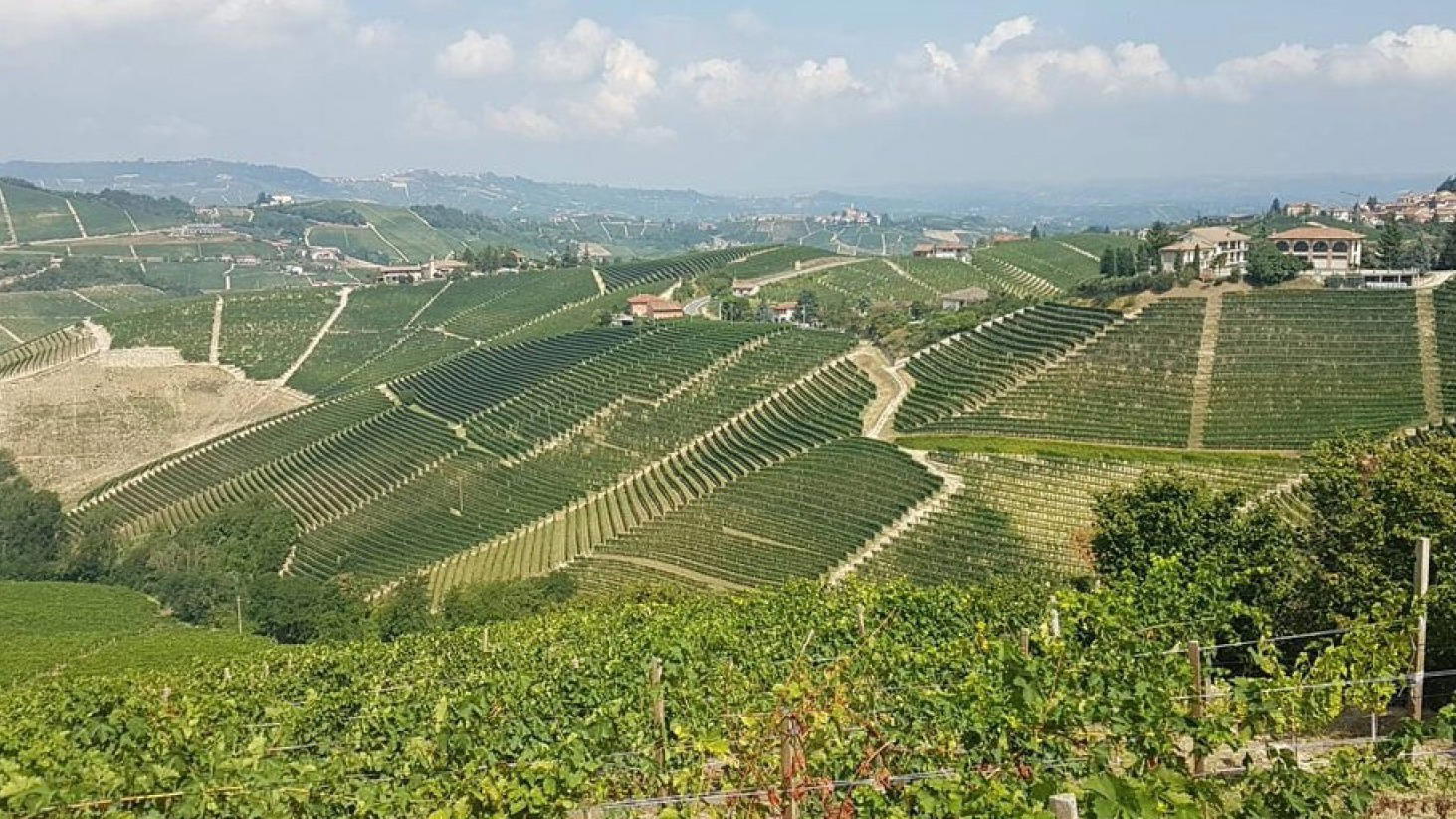
The hills southeast of Turin do not advertise themselves the way Barolo country does. No single grape variety has turned the area into a shorthand for Italian excellence, and that relative anonymity has, paradoxically, preserved something worth seeking out. Castelnuovo Don Bosco sits within the Monferrato arc of southern Piedmont, a range of clay-heavy soils, sharp seasonal contrasts, and a long memory for aromatic botanicals. It is this terroir, as much as any individual producer, that gives the zone its distilling character.
Italy's premium distilling tier has, over the past two decades, fractured along geographic and philosophical lines. Some producers pursue volume and national distribution; others anchor themselves to a specific place and a specific way of working with what the land provides.
Terroir in a Glass: What Piedmontese Distillation Actually Means
The concept of terroir, when applied to spirits, is not a marketing convenience borrowed from wine. In Piedmont, it carries practical meaning. The region's clay and calcareous soils support an unusual density of aromatic plant life, and the combination of cold winters, hot summers, and significant diurnal temperature shifts produces botanicals with pronounced volatile compounds. These characteristics translate directly into distillate character when producers work with locally sourced material.
This is the tradition Antica Distilleria Quaglia operates within. Piedmontese distilleries in this tier are not generalist producers chasing neutral grain spirit volume; they are, by definition, place-expressive operations. Compare this to Nonino Distillery in Pavia di Udine, which built its reputation on single-varietal grappa that could only exist in the context of Friuli's winemaking culture, or to Poli Distillerie in Schiavon, where Veneto viticulture provides the raw material for grappa that speaks to a specific viticultural corridor. In each case, the distillery's credibility is inseparable from the agricultural ground beneath it.
Distilleria Marzadro in Nogaredo offers another useful point of comparison. Set in Trentino, it illustrates how Italy's premium distilling houses tend to cluster around wine-producing zones, drawing on pomace and botanical material that carry the imprint of specific valleys and elevations. Castelnuovo Don Bosco occupies a comparable logic within Piedmont's geography.
Awards in the spirits category function differently from restaurant recognition. A Michelin star implies a repeatable dining experience evaluated against a global framework. For Antica Distilleria Quaglia, the 2025 recognition places it alongside Italian producers whose peer comparisons run less through volume rankings and more through the kind of critical attention that serious spirits buyers and sommeliers pay to provenance.
This matters for how the distillery should be understood relative to Italian spirits more broadly. Names like Campari in Milan represent the national brand tier, where heritage and marketing scale define positioning. Quaglia operates in a different register entirely, one where the conversation is about botanical sourcing, distillation method, and how a specific Piedmontese address leaves a legible mark on the finished spirit.
How Italian Regional Distilling Compares Across the Country
Italy's spirits geography is worth mapping, because it clarifies where a producer like Antica Distilleria Quaglia sits within a wider national picture. The northeast, from Friuli through Veneto and into Trentino, has the longest tradition of grappa production and particularly internationally recognised export names. Central Italy's distilling identity is less consolidated; Tuscany's wine-focused producers, represented by estates like Castello di Volpaia in Radda in Chianti, sometimes extend into distillate production, though wine remains the primary focus. Further south, Planeta in Menfi and other Sicilian producers work in a entirely different climatic register, where summer heat and volcanic soils produce botanical and viticultural character that bears no resemblance to Piedmontese production.
Piedmont's position in this geography is distinctive. The region is Italy's most complex wine zone by any measure, and that complexity extends to its spirits culture. The same network of small growers, artisan producers, and multigenerational family operations that underpins Barolo and Barbaresco production provides the material and cultural substrate for distilleries like Quaglia. The Aldo Conterno estate in Monforte d'Alba illustrates the depth of that winemaking tradition nearby; the distilling tradition in Castelnuovo Don Bosco runs parallel rather than subordinate to it.
For comparison across Piedmont's artisan spirits circuit, Distilleria Romano Levi in Neive provides one culturally resonant reference. Levi's operation became among the more discussed in Italian grappa history, less for volume than for the specificity of its process and the Langhe terroir that shaped its character.
Understanding the Approach: Botanicals, Process, and Place
Piedmont's climate produces a botanical palette with particular intensity in its aromatic herbs and stone-fruit-adjacent varietals. The diurnal temperature range in the Monferrato hills, steep enough to stress plants and concentrate their volatile compounds, gives locally sourced material a more pronounced aromatic profile than botanicals grown in flatter, more temperate zones. For a distillery working with this material, the imperative is not to neutralise or smooth those characteristics but to preserve and amplify them through controlled distillation.
This is the opposite logic from industrial spirits production, where consistency across large volumes requires rounding out geographic variation. It is closer, conceptually, to what Ca' del Bosco in Erbusco does with Franciacorta, or what Lungarotti in Torgiano achieves with Umbrian Sangiovese: the goal is a product whose character is inseparable from its specific address. In each case, the terroir is not a background detail but the central argument the producer is making.
Planning a Visit
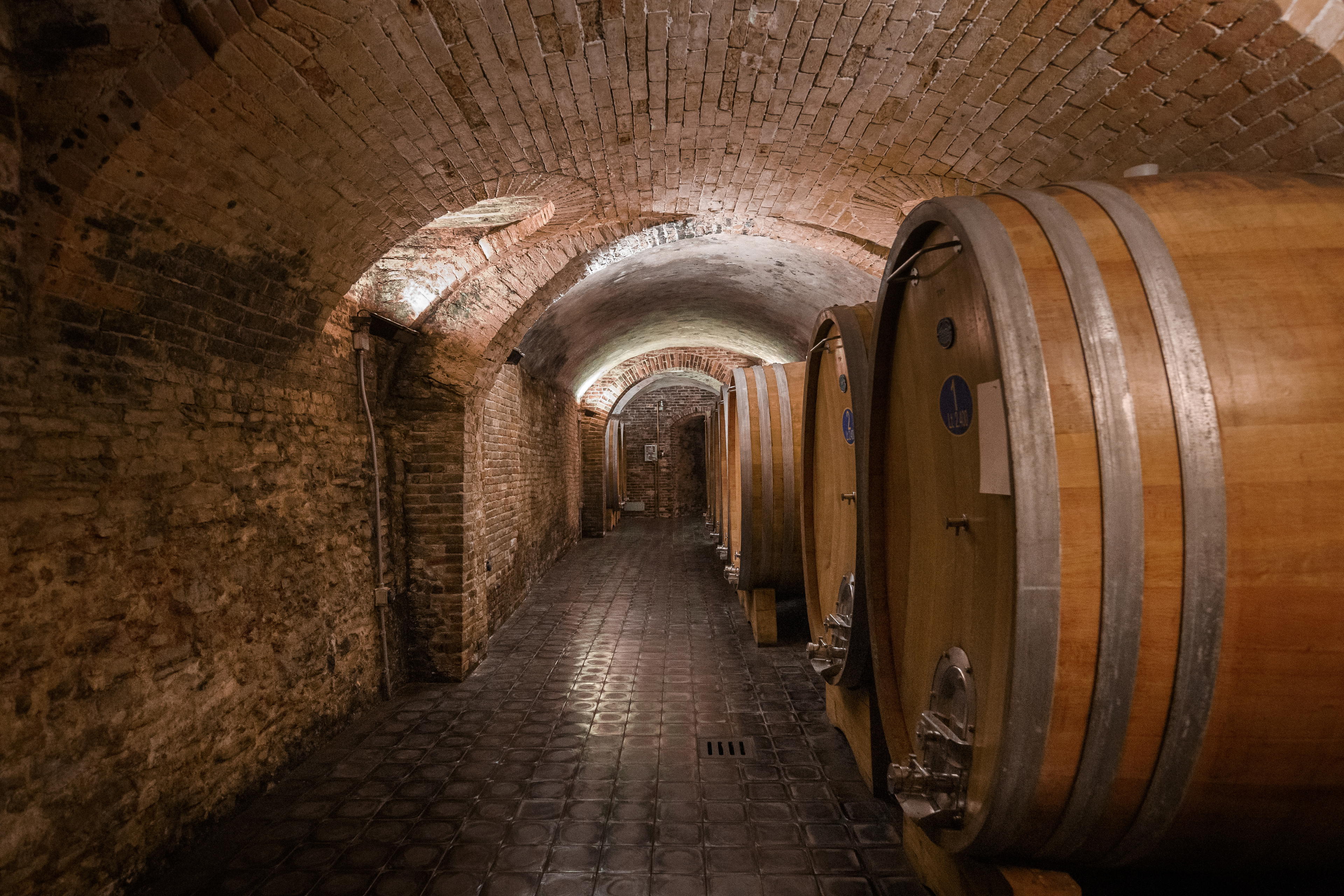
Antica Distilleria Quaglia is located at Viale Europa, 3, in Castelnuovo Don Bosco, a small town in the Asti province of Piedmont. The town is accessible from Turin by road, with the journey running through the eastern edge of the Monferrato hills. Given the distillery's profile as a specialist, award-recognised producer rather than a large-scale visitor attraction, advance contact is worth considering before arrival; producer visits at this tier in Piedmont typically operate on appointment rather than open-door formats. The distillery operates by appointment.
For those building a wider Piedmont itinerary around premium Italian producers, the distillery pairs logically with wine-focused visits to the Langhe or Monferrato wine estates, and sits within driving distance of the broader network of artisan producers that makes this corner of northwestern Italy among the more concentrated zones for serious Italian food and drink culture. See L'Enoteca Banfi in Montalcino and Poggio Antico in Monte San Vito for reference points in Tuscany's comparable producer tier, and Accendo Cellars in St. Helena for an international comparison that illustrates how small-production, terroir-specific spirits and wine operations position themselves globally.
At-a-Glance Comparison
Comparable venues nearby, for context on price, style, and recognition.
| Venue | Cuisine | Price | Notes |
|---|---|---|---|
| Antica Distilleria QuagliaThis venue — the venue you are viewing | Nebbiolo | $$ | Not listed |
| Stock Spirits (Stock 84) | Winery | Not listed | Trieste |
| Distilleria Alpe | Valle d'Aosta | $$ | Hône |
| Fernet-Branca | Milan | $$ | northern Milan |
| Amaro Santa Maria al Monte | Winery | Not listed | Chiavari |
| Bruno Giacosa | Nebbiolo, Arneis | $$$ | Neive |
Continue exploring
More in Castelnuovo Don Bosco
Wineries in Castelnuovo Don Bosco
Browse all →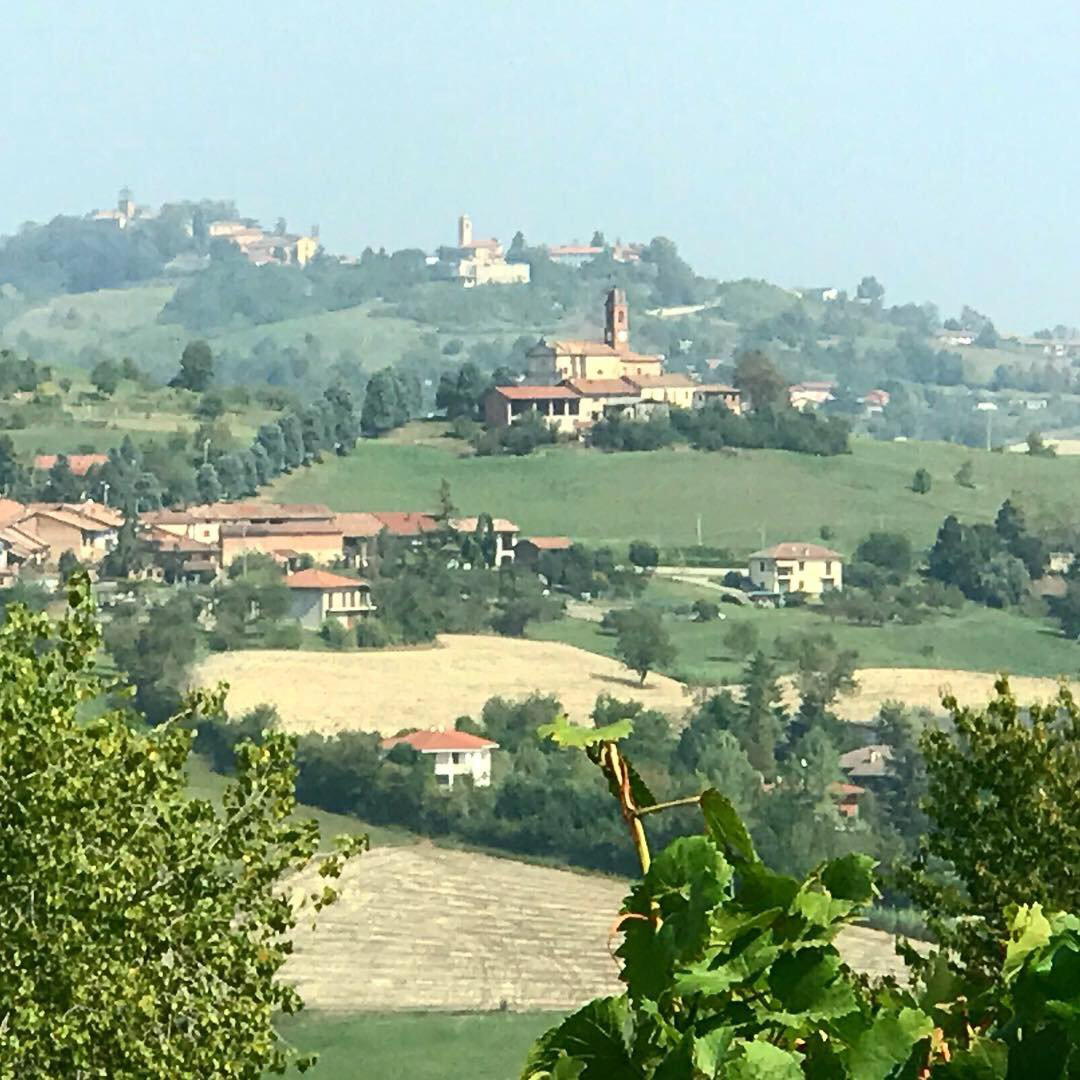
Bars in Castelnuovo Don Bosco
Browse all →
Restaurants in Castelnuovo Don Bosco
Browse all →
At a Glance
- Rustic
- Classic
- Historic
- Wine Education
- Solo Exploration
- Historic Building
- Vineyard
- Piemonte
- Nebbiolo
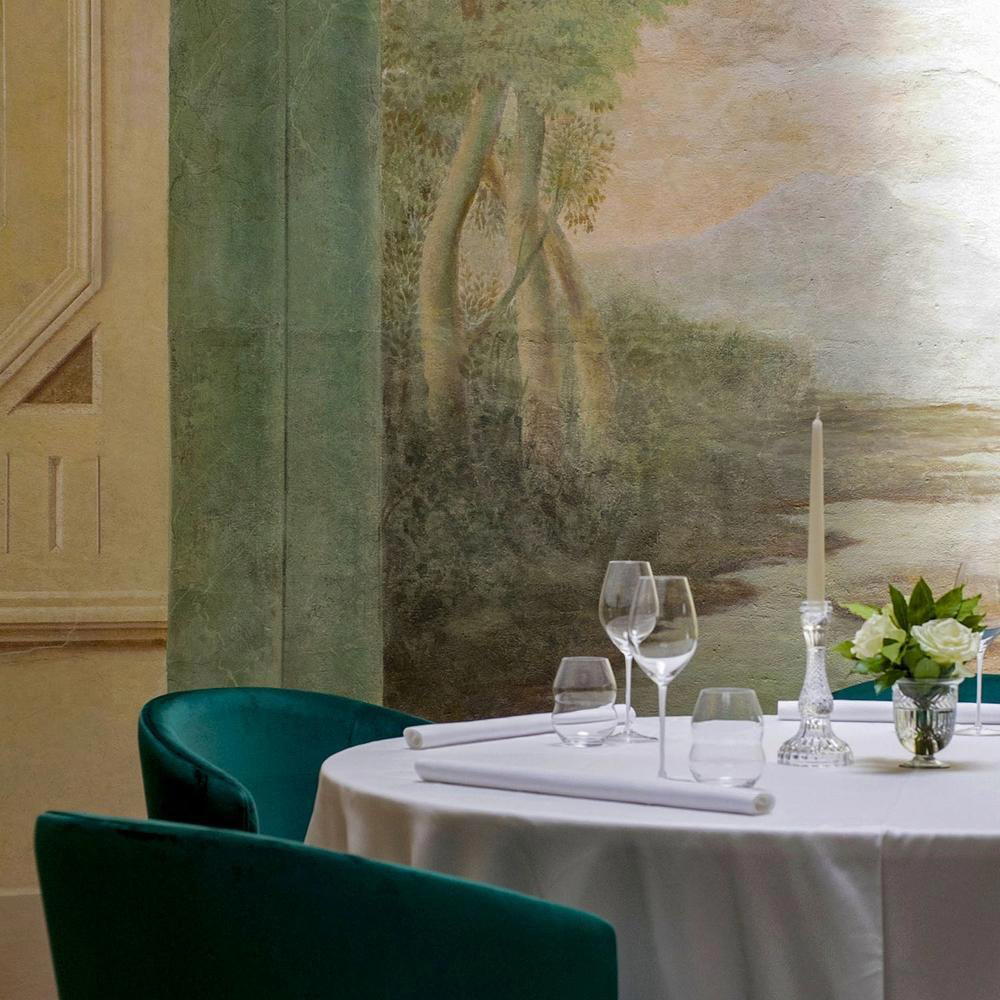
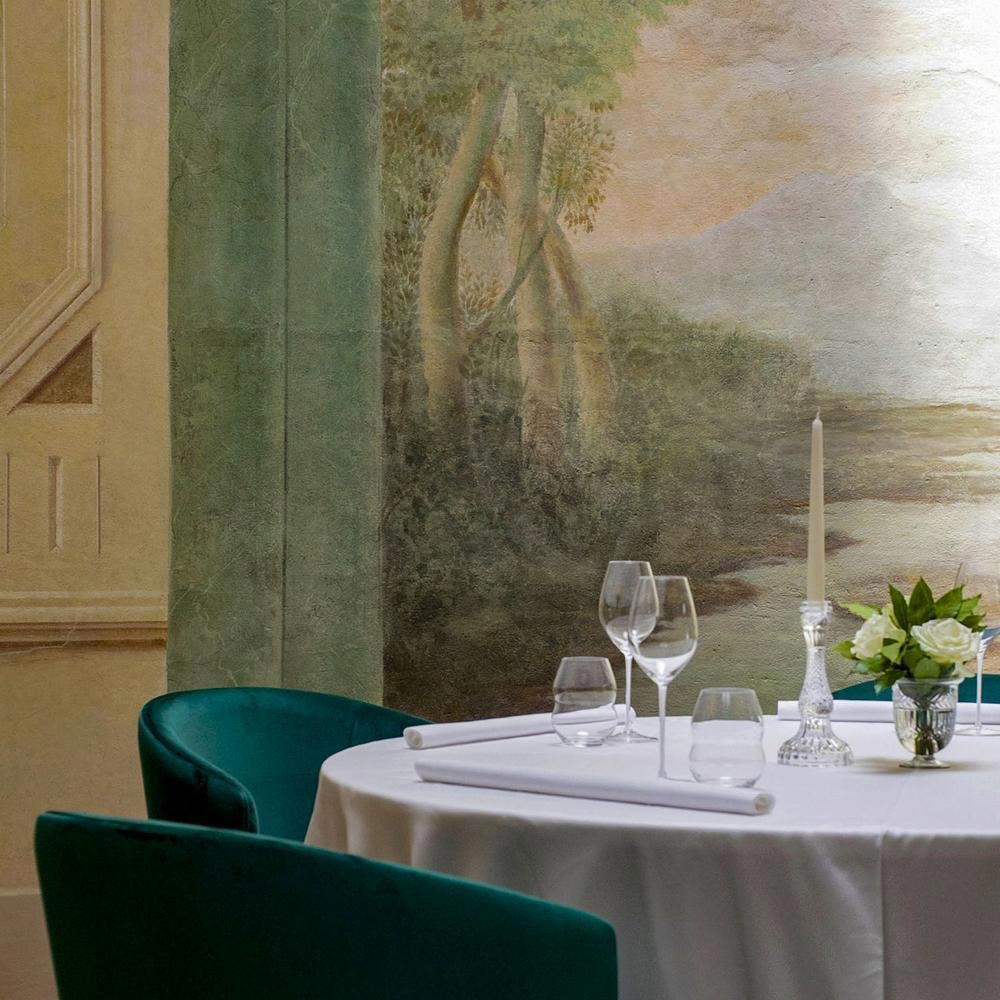
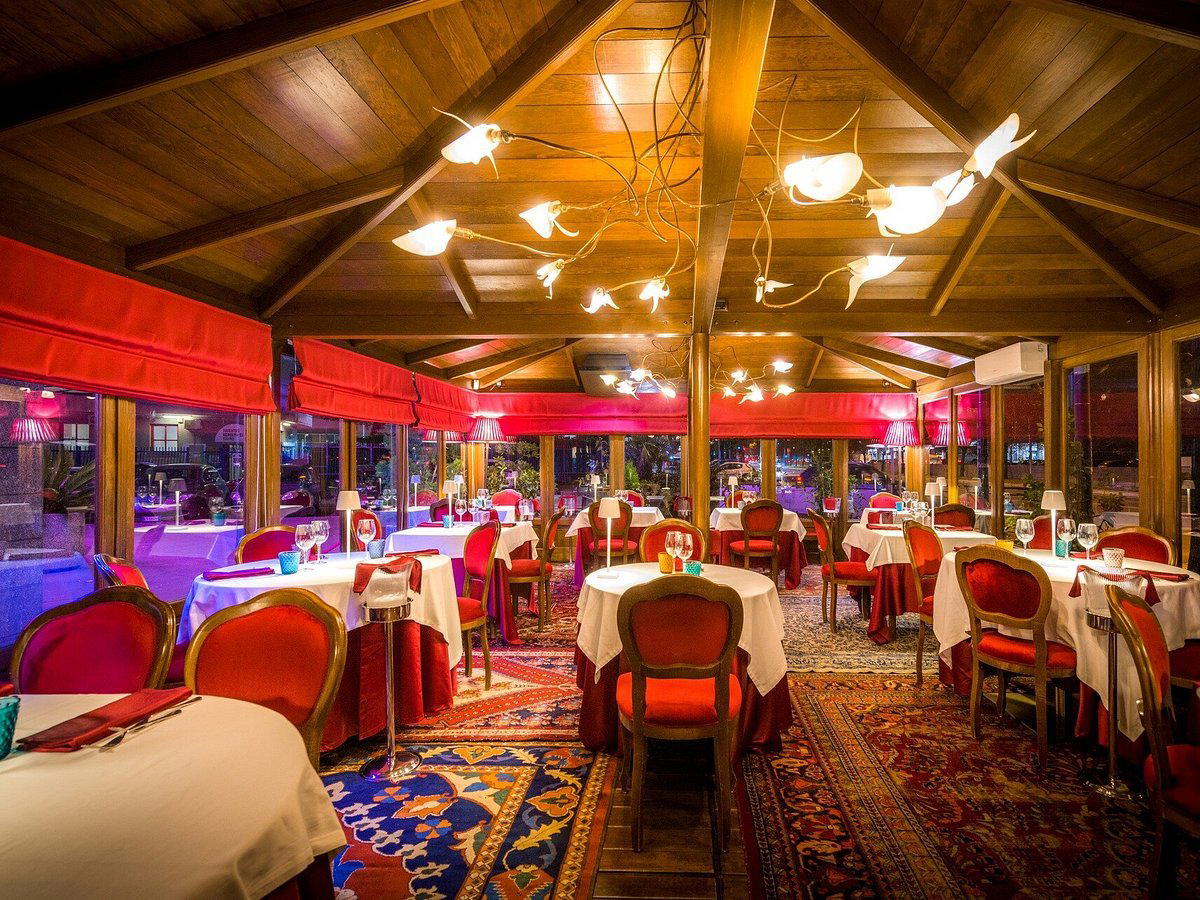
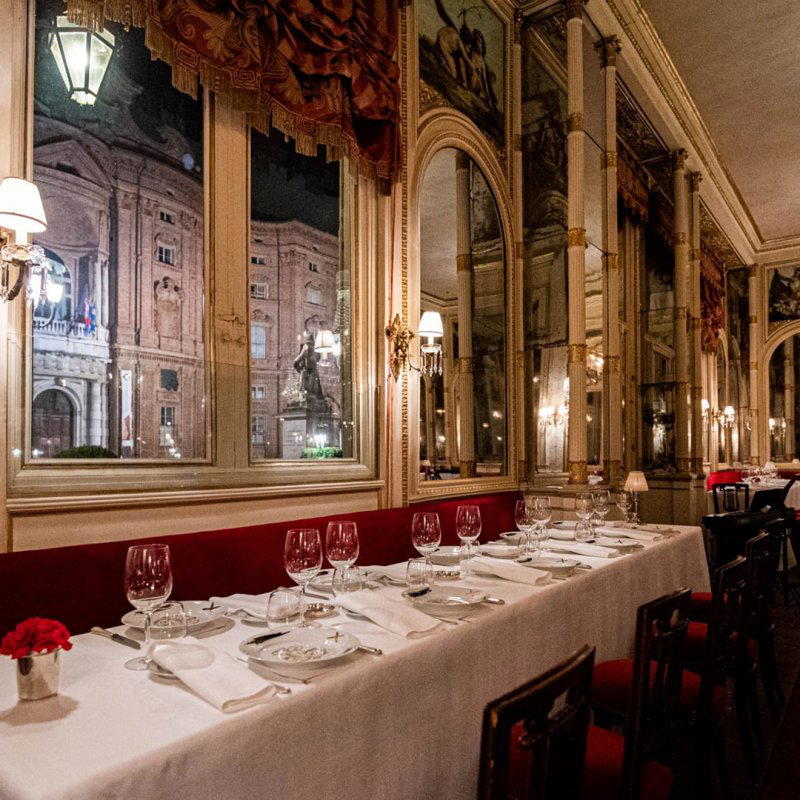
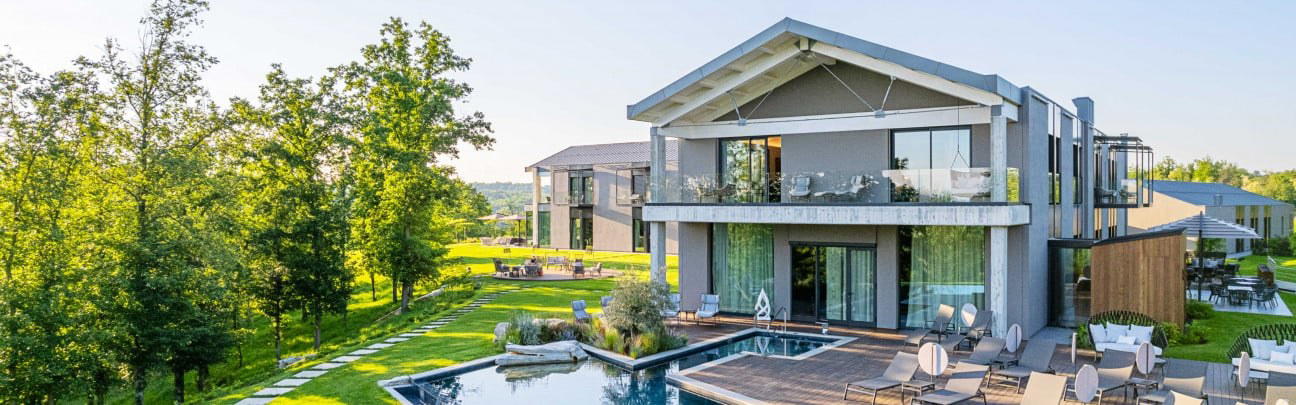
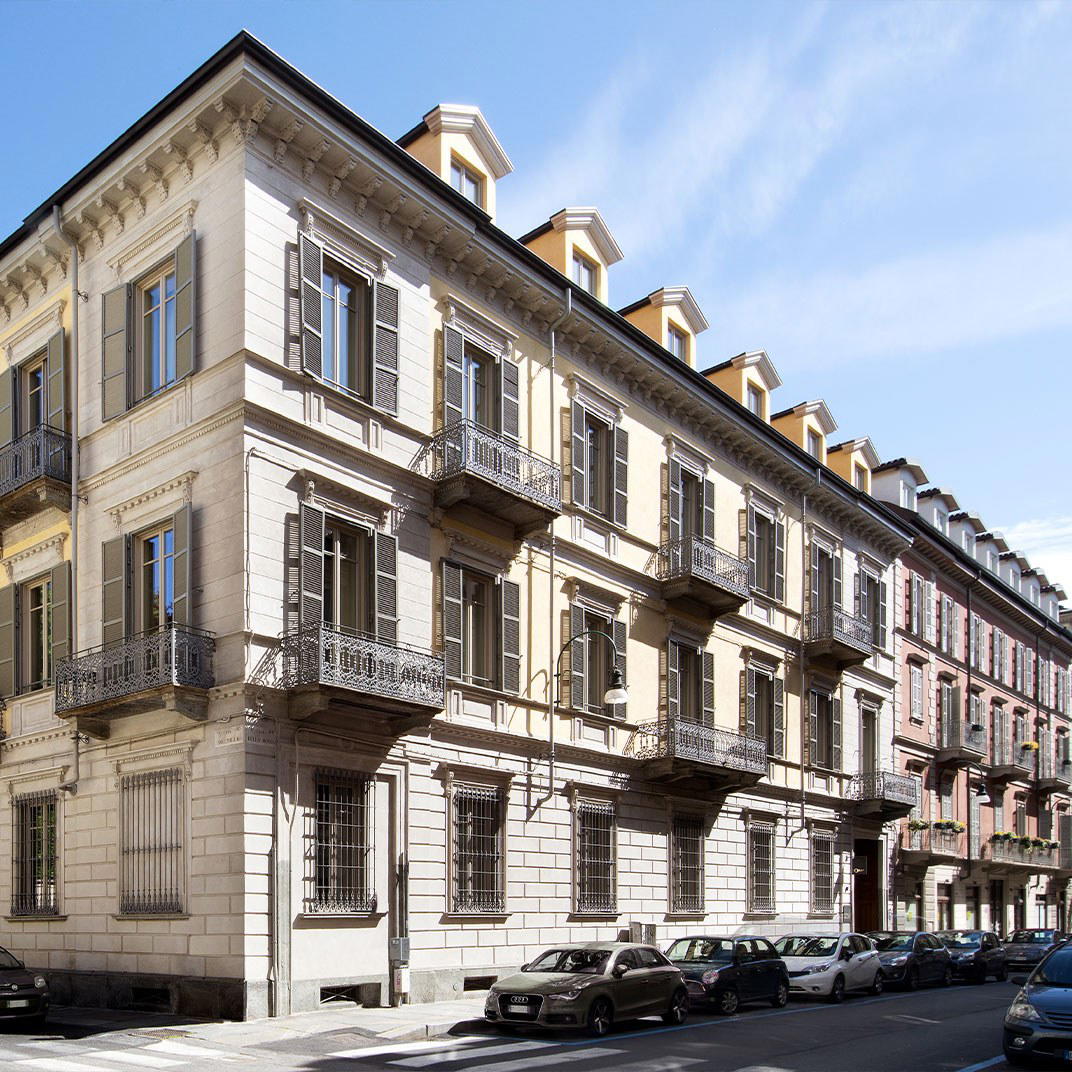
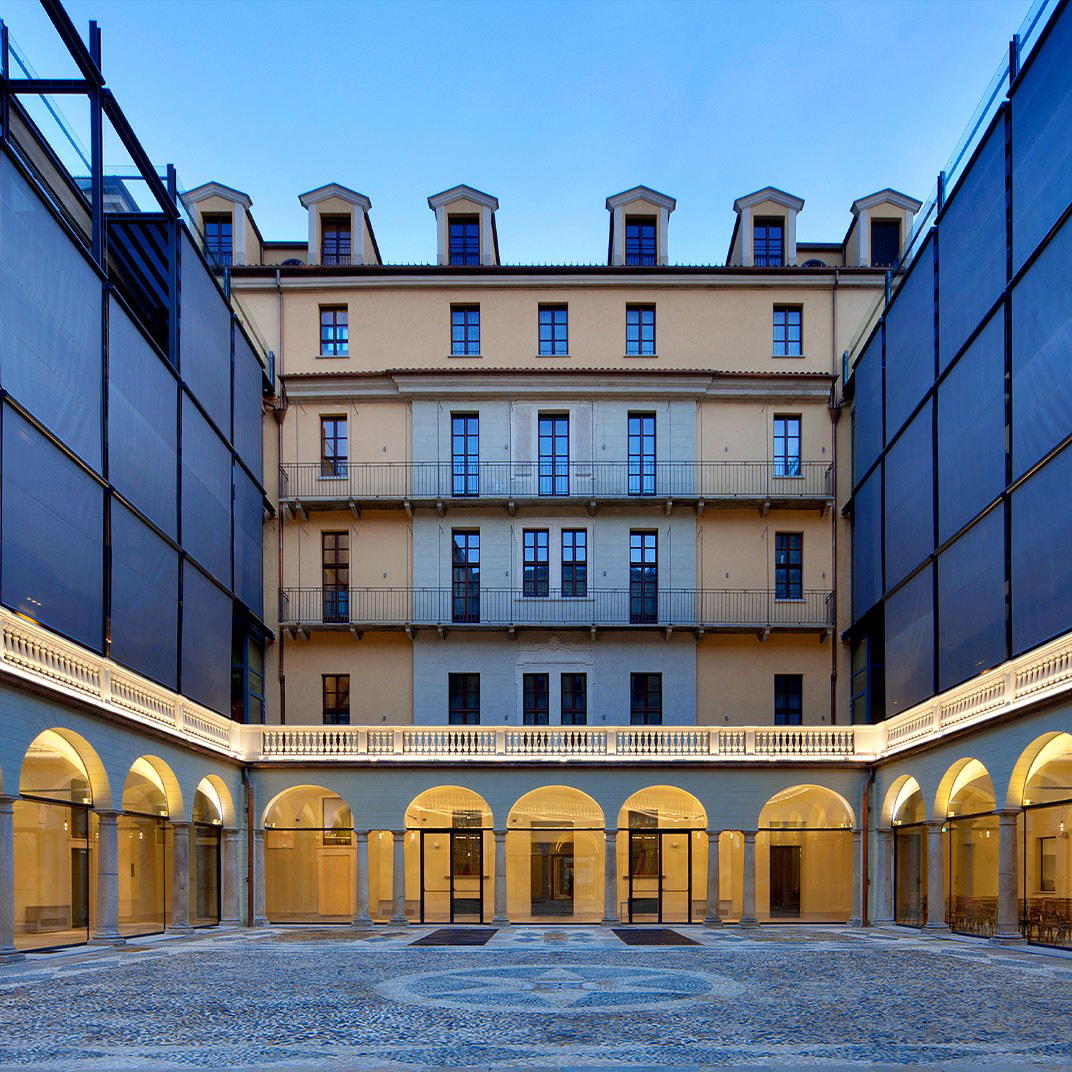
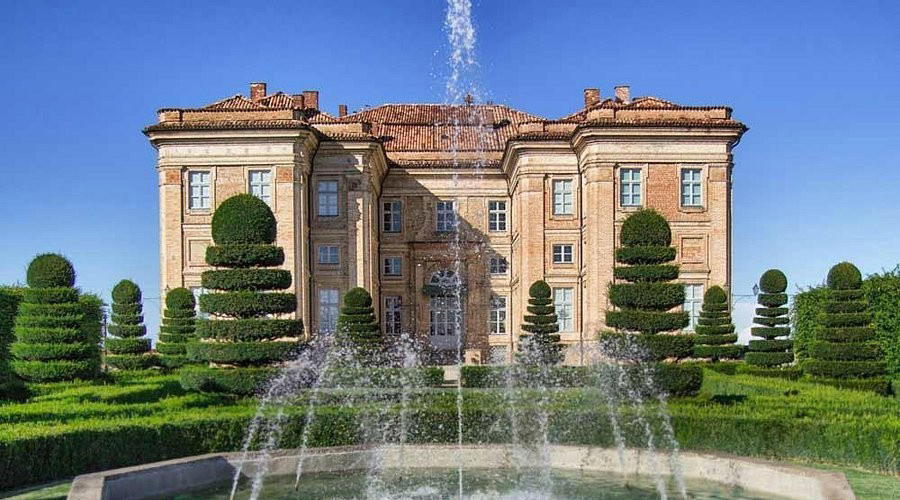
Traditional and artisanal atmosphere in a historic setting blending old methods with modern touches.