
Falstaff Winery - 5 Stars
Allegrini is one of Valpolicella Classico's most decorated producers, operating from Fumane in the heart of the zone. For visitors to Verona's wine country, Fumane and the Allegrini estate represent a serious point of reference for understanding how this valley expresses Corvina-based terroir.

Pearl is the En Primeur Club membership app, where members save venues, book tables and use the concierge.
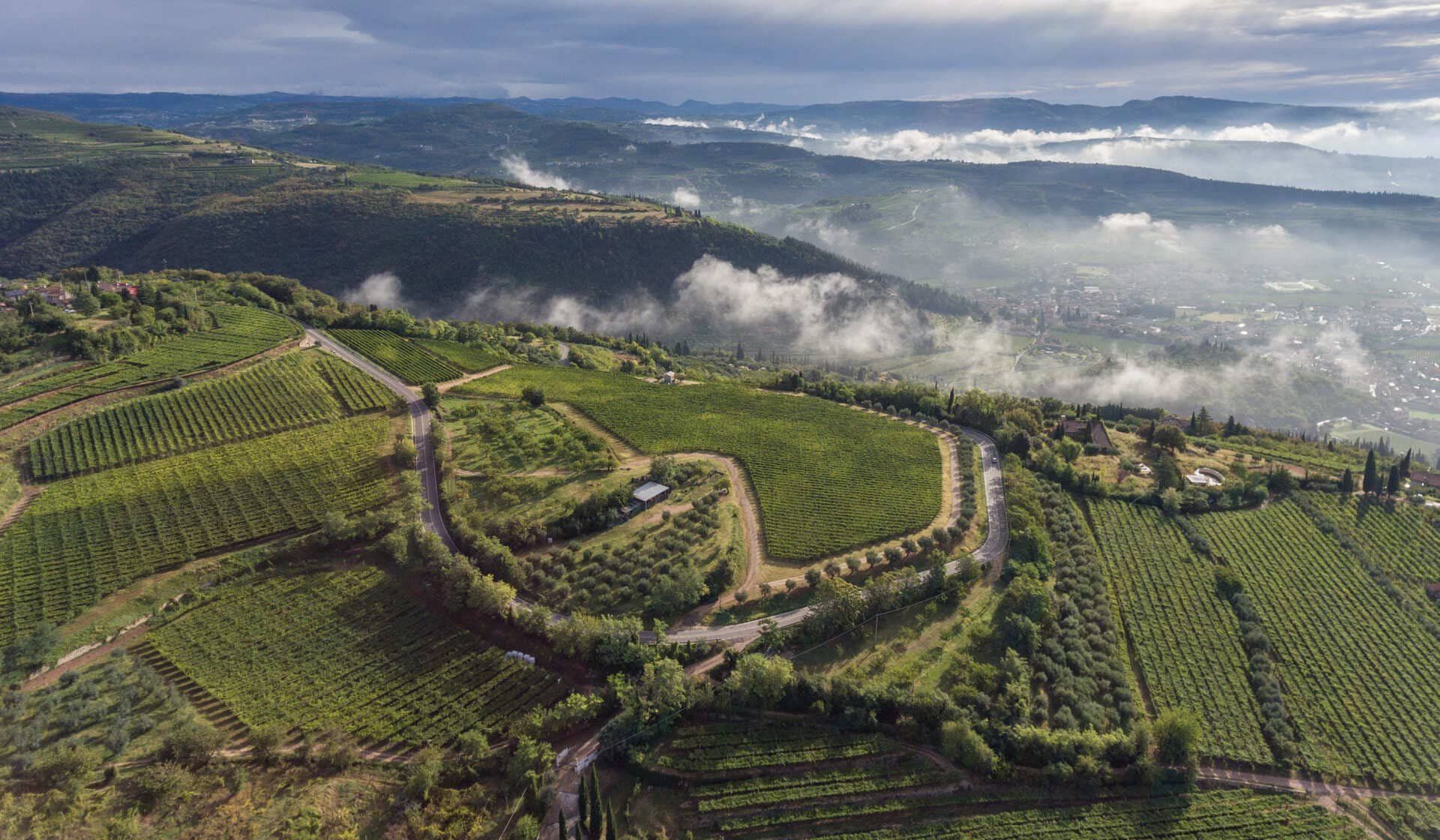
Valpolicella's Volcanic Logic: What the Fumane Valley Tells You Through the Glass
The road into Fumane climbs through a range of terraced limestone and basalt-laced soils, the valley walls funnelling cool air down from the Lessini mountains each evening. This thermal rhythm, warm days building concentration, cold nights preserving acidity, is the defining argument for why the Valpolicella Classico zone produces something structurally distinct from the broader Valpolicella appellation that sprawls east toward the plains. Allegrini, whose address at Via Giare 9/11 sits in the heart of this original Classico territory, operates in a part of the region where terroir arguments are not marketing language but topographic fact.
Fumane itself is a small commune, and within it the historic Classico subzone represents the oldest, most concentrated expression of Corvina-based winemaking in the Veneto. The leading parcels here sit at altitudes that discipline yield and push phenolic development; the clay-limestone mix retains enough moisture to buffer drought stress without losing the mineral tension that separates the Classico hills from flatter production zones. Allegrini works within this framework, and the 2025 Decanter results, which included one Silver medal and three Bronze across four awarded wines, reflect the kind of mid-to-upper tier recognition that characterises consistent quality rather than single-vintage spectacle.
Corvina, Corvinone, and the Architecture of Valpolicella
To read Allegrini correctly, it helps to understand the grape logic of the region. Corvina Veronese is the structural backbone of Valpolicella, contributing red fruit, firm acidity, and a slightly bitter finish that is characteristic of the appellation at every quality level. Corvinone, permitted as a partial Corvina substitute, adds flesh and tannin body. Rondinella plays a supporting role, adding freshness. In the Classico zone, producers work with these varieties across multiple wine formats: fresh Valpolicella for early drinking, the Superiore and Ripasso styles for more structure, and Amarone della Valpolicella, the benchmark expression, which requires partial drying of the grapes (appassimento) over several months before fermentation.
Each format asks a different question of the terroir. Amarone, in particular, is a wine that concentrates whatever the vineyards offer, which is why site and producer discipline matter more in Fumane than in lower-altitude zones. Producers across the region with similar Classico addresses, from the communes of Marano to Negrar, form a recognisable peer tier within Valpolicella, and Allegrini's medal performance across four wines at Decanter 2025 places it solidly within that established group. For reference, comparable Italian producers working in distinct terroir-defined appellations, including Aldo Conterno in Monforte d'Alba and Lungarotti in Torgiano, similarly derive their reputations from the intersection of appellation character and long production consistency.
Reading the 2025 Decanter Results in Context
A four-wine haul at Decanter, with medals across the range rather than a single flagship entry, tells you something specific about a producer's approach: they are submitting, and performing, at multiple points in their portfolio. The Silver medal represents the upper tier of Decanter's bronze-to-platinum scale for wines that score in the 90-94 range, while Bronze (87-89 points) represents sound, appellation-representative quality. For a Valpolicella producer in 2025, this result sits comfortably within the Classico establishment.
Italian producers working at this tier and recognised across multiple schemes, such as Castello di Volpaia in Radda in Chianti and Planeta in Menfi, offer a useful comparative frame: sustained cross-vintage recognition across multiple awards schemes is the signal that separates producers with genuine terroir consistency from single-year performers.
The Valpolicella Classico Field and Where Allegrini Sits
Within Valpolicella, the Classico subzone functions similarly to how Barolo's historic communes function in Piedmont or how the Premier Cru villages of Burgundy sit relative to broader regional appellations. The Classico designation is a geographic marker of original, historically recognised production territory, and producers whose vineyards fall within its boundaries command a different conversation than those working the extended appellation. This distinction matters at the dining table and in the cellar, and it shapes how collectors and trade buyers approach the category.
At Allegrini's level, the competitive set includes other Classico-zone producers with sustained international recognition and multi-format ranges. The Amarone tier, in particular, attracts comparison across producers not just in Valpolicella but across Italy's premium red wine appellations, where producers like L'Enoteca Banfi in Montalcino and Poggio Antico operate in similarly defined, historically codified production zones. The common thread is that appellation integrity, not just winemaking intervention, drives the reputation.
Planning a Visit to Fumane and the Valpolicella Classico Zone
Fumane sits roughly 15 kilometres northwest of Verona, making it accessible as either a day trip from the city or a base for a longer stay in the Valpolicella Classico hills. The leading visiting window for the region runs from late spring through autumn; harvest season (September through October) brings active winery operations and the beginning of the appassimento period, when drying grapes can be seen in traditional fruttai, the open-sided drying lofts that are a defining image of the zone. Spring visits offer a quieter approach with fresh vine growth and the opportunity to taste wines from the most recent bottlings before summer tourist volumes build.
Visitors planning a broader Veneto itinerary may also find it useful to pair a Valpolicella visit with exploration of grappa and distillate traditions in the region, where producers like Poli Distillerie in Schiavon and Distilleria Marzadro in Nogaredo represent the northeast Italian craft distillate tradition with the same geographic rigour that defines the wine producers of the Classico zone.
For those building a fuller Italian wine itinerary, cross-referencing with producers in other distinguished appellations adds context: the Nebbiolo-based precision of Aldo Conterno in Monforte d'Alba, the Umbrian consistency of Lungarotti in Torgiano, or the Sicilian clarity of Planeta in Menfi each illustrate how Italian fine wine is, above all, an argument about place. Allegrini makes that argument from one of the country's most historically specific addresses. See our full Fumane restaurants and producers guide for broader planning across the commune.
Producers working at similar intersection points between craft distillate tradition and fine wine geography, including Distilleria Romano Levi in Neive and Nonino Distillery in Pavia di Udine, round out a northeast and north-central Italian itinerary with depth beyond the wine glass. For those extending their travel beyond Italy, the appellation-first ethos of Fumane producers finds international parallels at places like Accendo Cellars in St. Helena, where site-specific discipline drives the range.
In Context: Similar Options
Comparable venues nearby, for context on price, style, and recognition.
| Venue | Cuisine | Price | Awards | Notes |
|---|---|---|---|---|
| AllegriniThis venue (the venue you are viewing) | corvina, rondinella | Not listed | Falstaff Winery - 5 Stars | Not listed |
| Tommasi | Corvina, Rondinella | $30–50 | Falstaff Winery - 4 Stars | Pedemonte |
| Nino Negri | Nebbiolo, Chiavennasca | $10–20 | Falstaff Winery - Listed | Chiuro |
| Castello di Monsanto | Sangiovese, Canaiolo | Not listed | Falstaff Winery - 5 Stars | San Donato in Poggio |
| Ca’ del Bosco | Chardonnay, Pinot Noir | $50–100 | Falstaff Winery - 5 Stars | Erbusco |
| Distilleria Andrea Da Ponte | Glera, Malvasia | $20–30 | Not listed | Corbanese di Tarzo |
Recognition history
Dated appearances from independent guides and award organizations, with the underlying list record or original source where available.
Falstaff Winery - 5 Stars
Falstaff
Continue exploring
More in Fumane
Wineries in Fumane
All wineries in Fumane →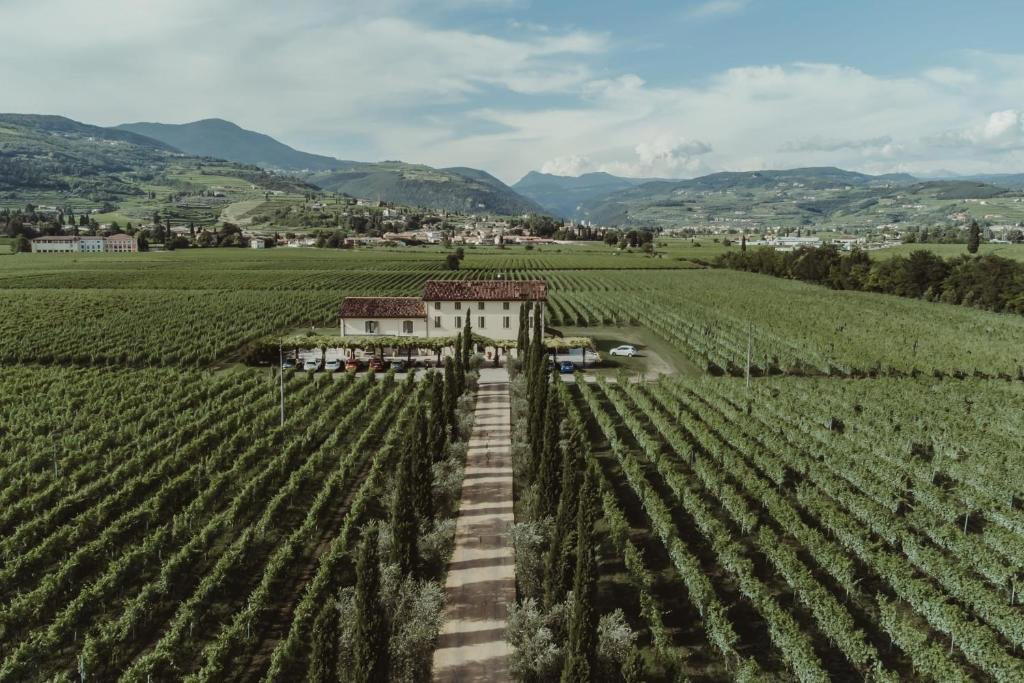
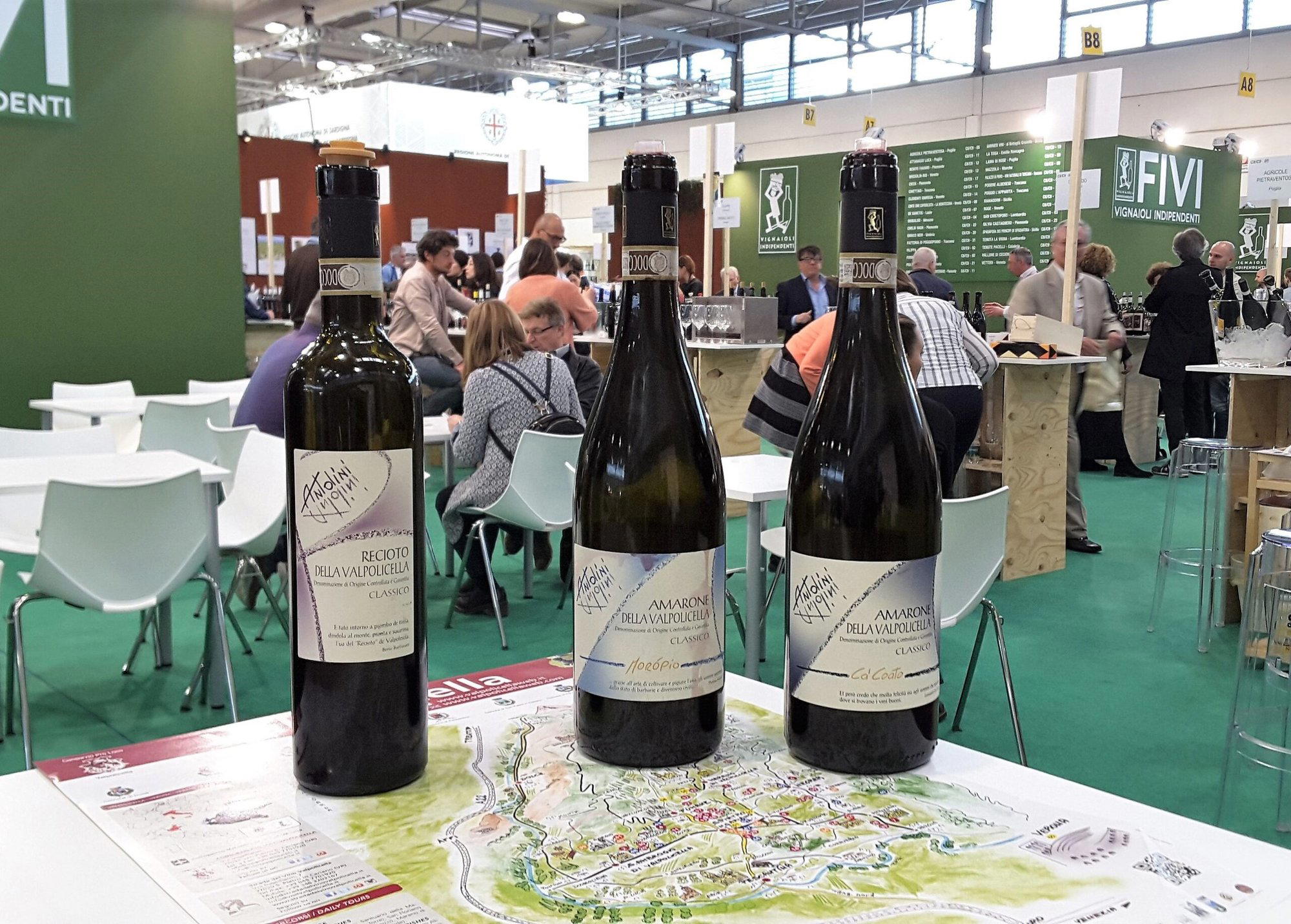
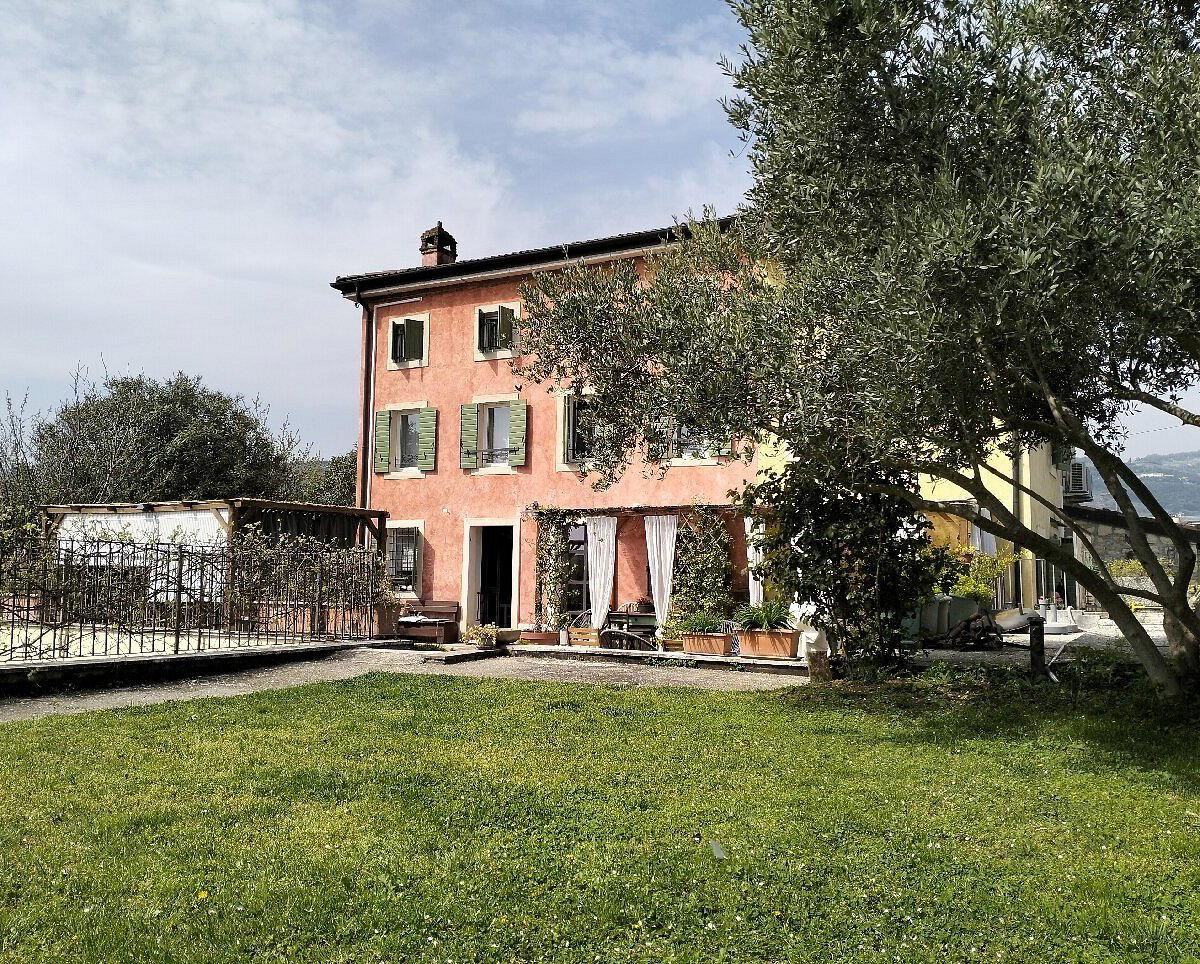
Bars in Fumane
Browse all →
Restaurants in Fumane
All restaurants in Fumane →
Details
- Elegant
- Rustic
- Scenic
- Romantic
- Sophisticated
- Romantic Getaway
- Wine Education
- Special Occasion
- Vineyard Tour
- Barrel Room
- Estate Grounds
- Historic Building
- Sustainable
- Vineyard
- Garden
- Corvina
- Rondinella
- Oselata
- Sangiovese
- Cabernet Sauvignon
- Merlot
- Still Red
- Cave Tasting
- Private Tasting
- English
- Italian
- German
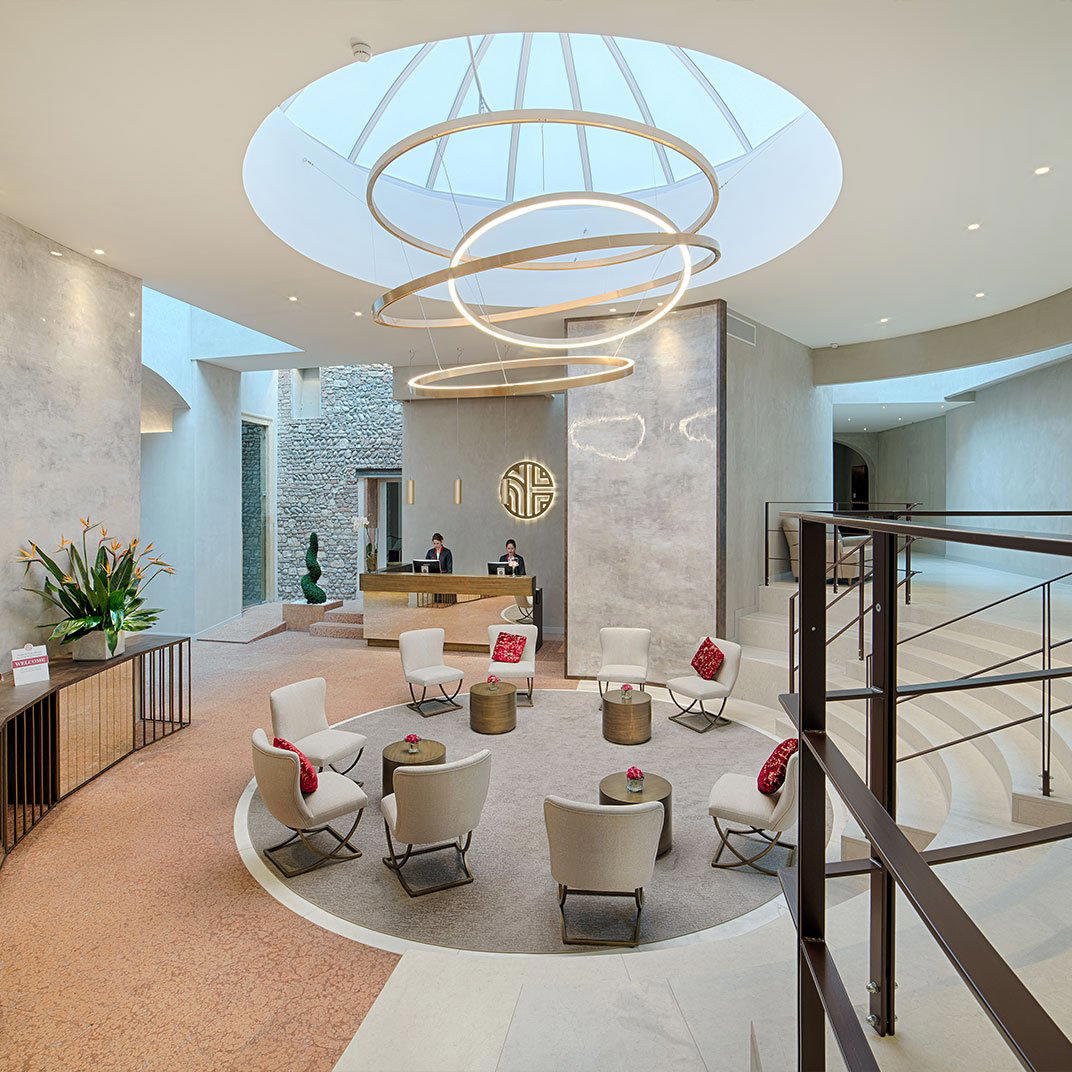
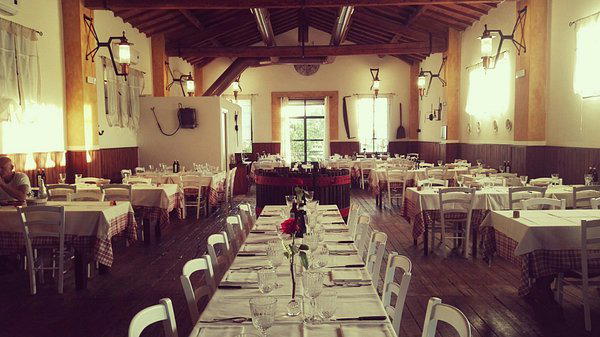
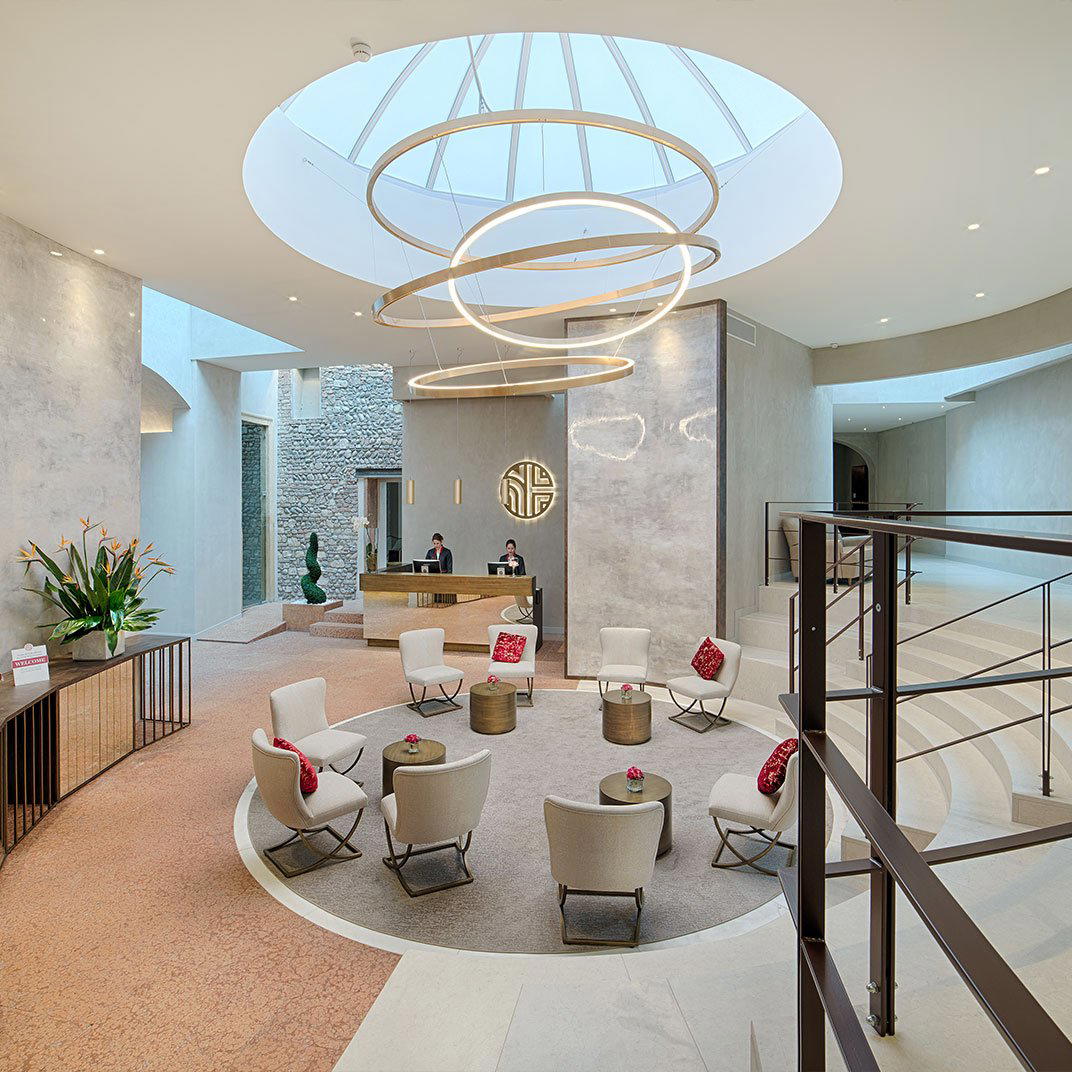
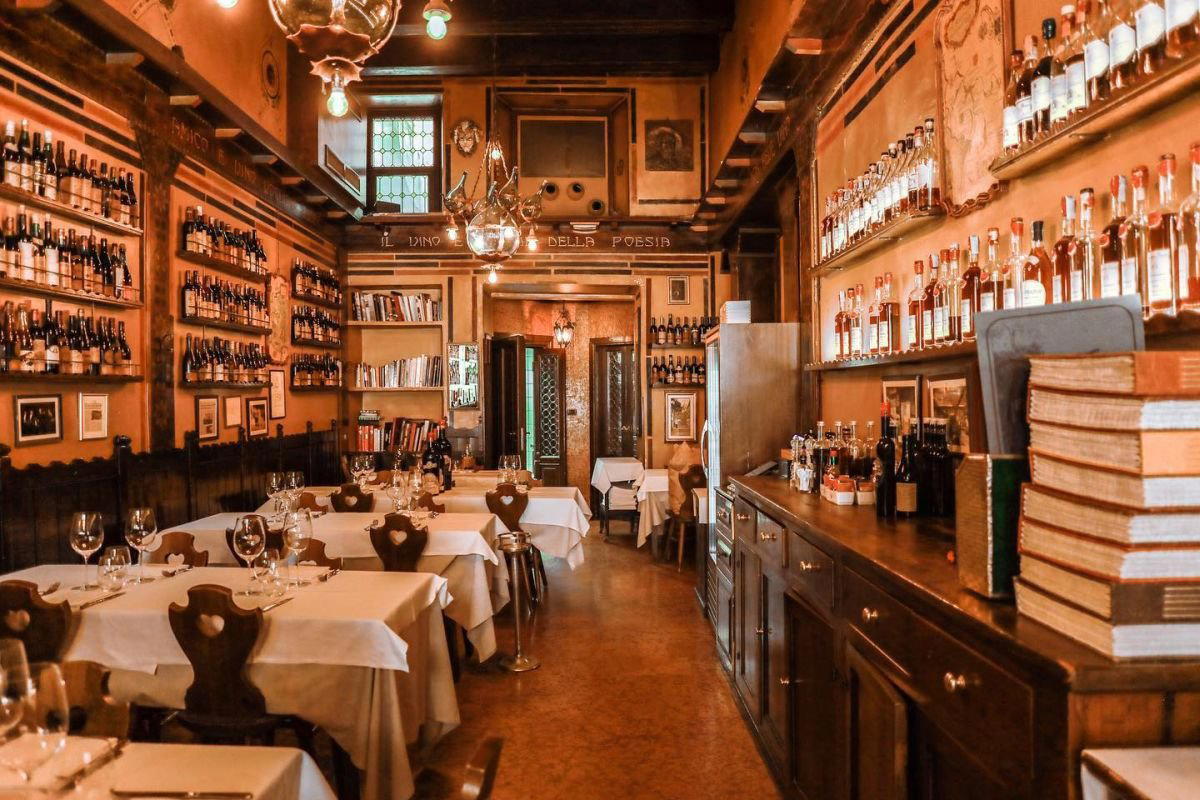
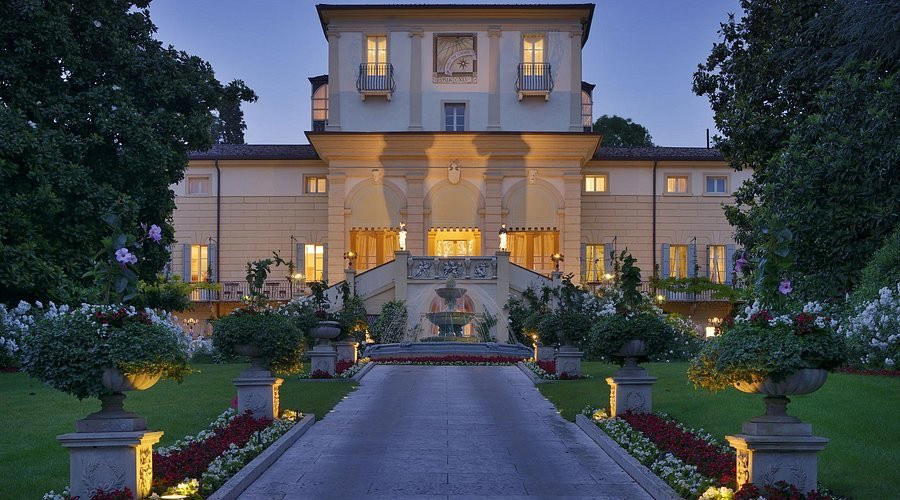
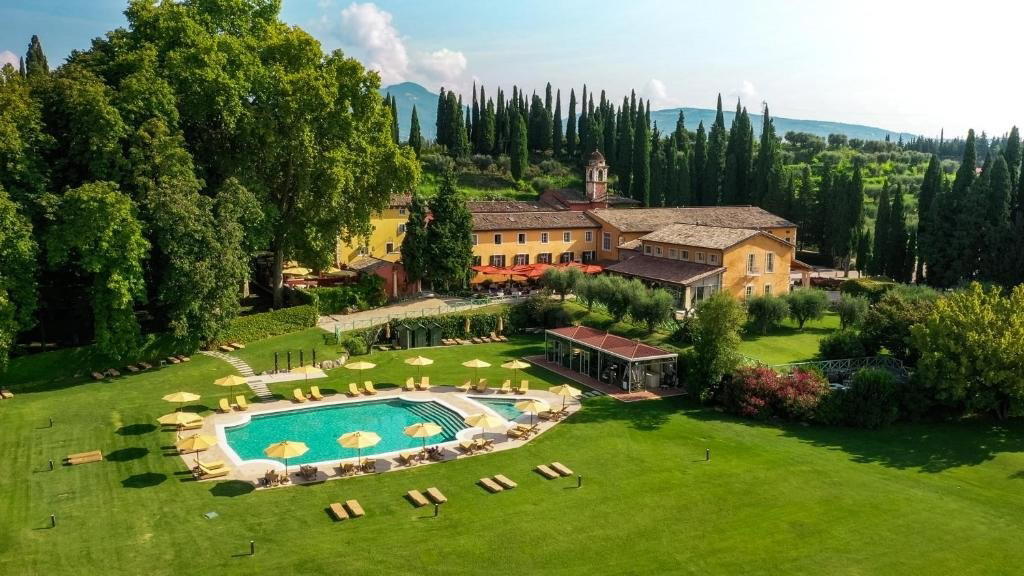
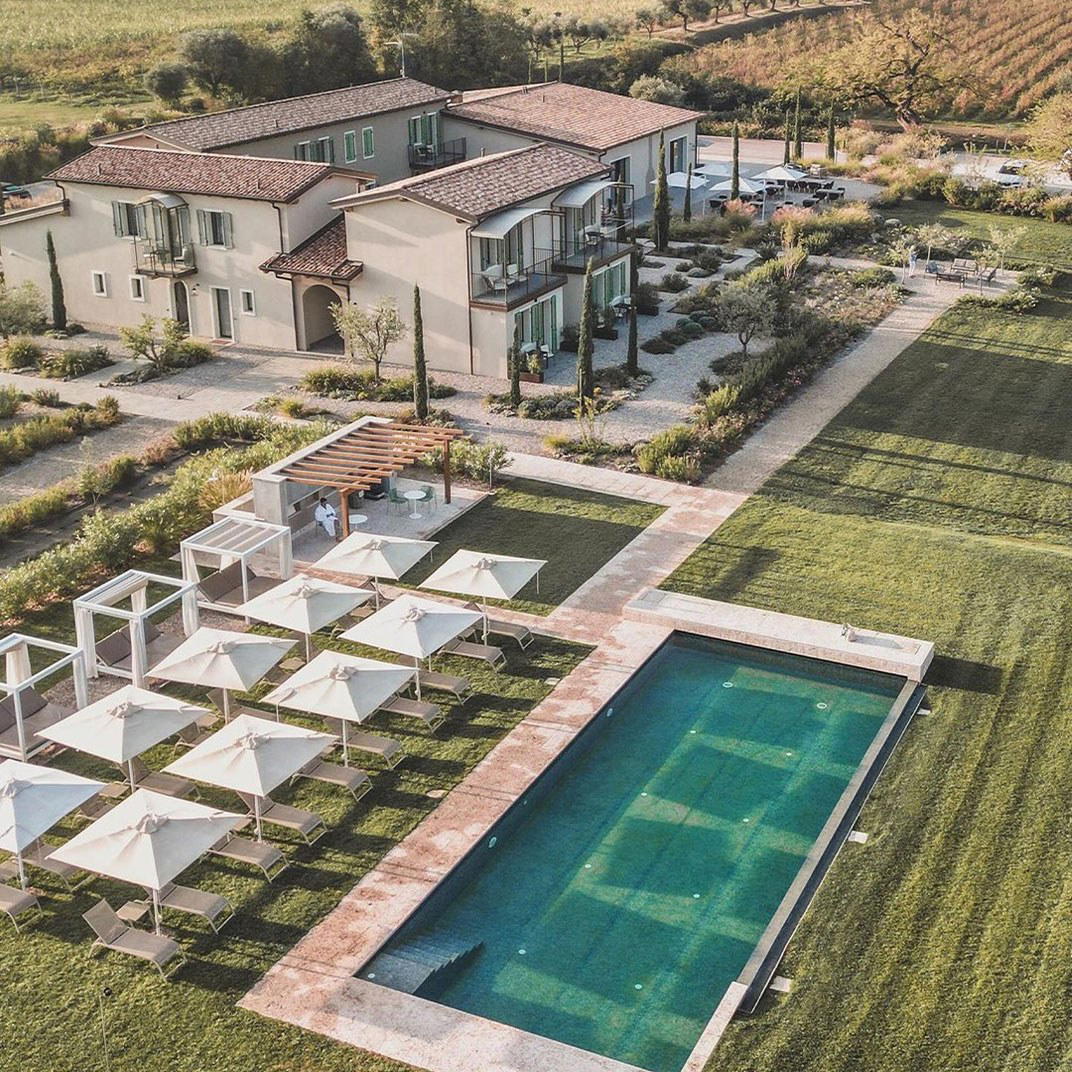
Beautiful historic villa amid vineyards with peaceful, elegant atmosphere, lush grounds, and warm, professional hospitality.