
1 Michelin Star
Our verdict
Set within the Byblos Art Hotel in Corrubbio di Negarine, Amistà holds a Michelin star (2024) for contemporary Italian cooking that draws on Veneto tradition while moving clearly forward. Two tasting menus and an à la carte option serve four evenings a week, backed by a wine list of over 1,500 labels. The setting — a historic villa layered with modern art — frames the experience as much as the kitchen does.

Pearl is the En Primeur Club membership app — saves, bookings, and concierge access live there. Same editors, same standards.
- Address
- Via Cedrare, 78, 37029 Corrubbio VR, Italy
- Phone
- +39 045 685 5555
- Hours
- Mon–Wed ClosedThu–Sun 7:30–10:30 PM
- Website
- ristoranteamista.com
- Directions
- Get directions
- Booking
- Book on the venue's website
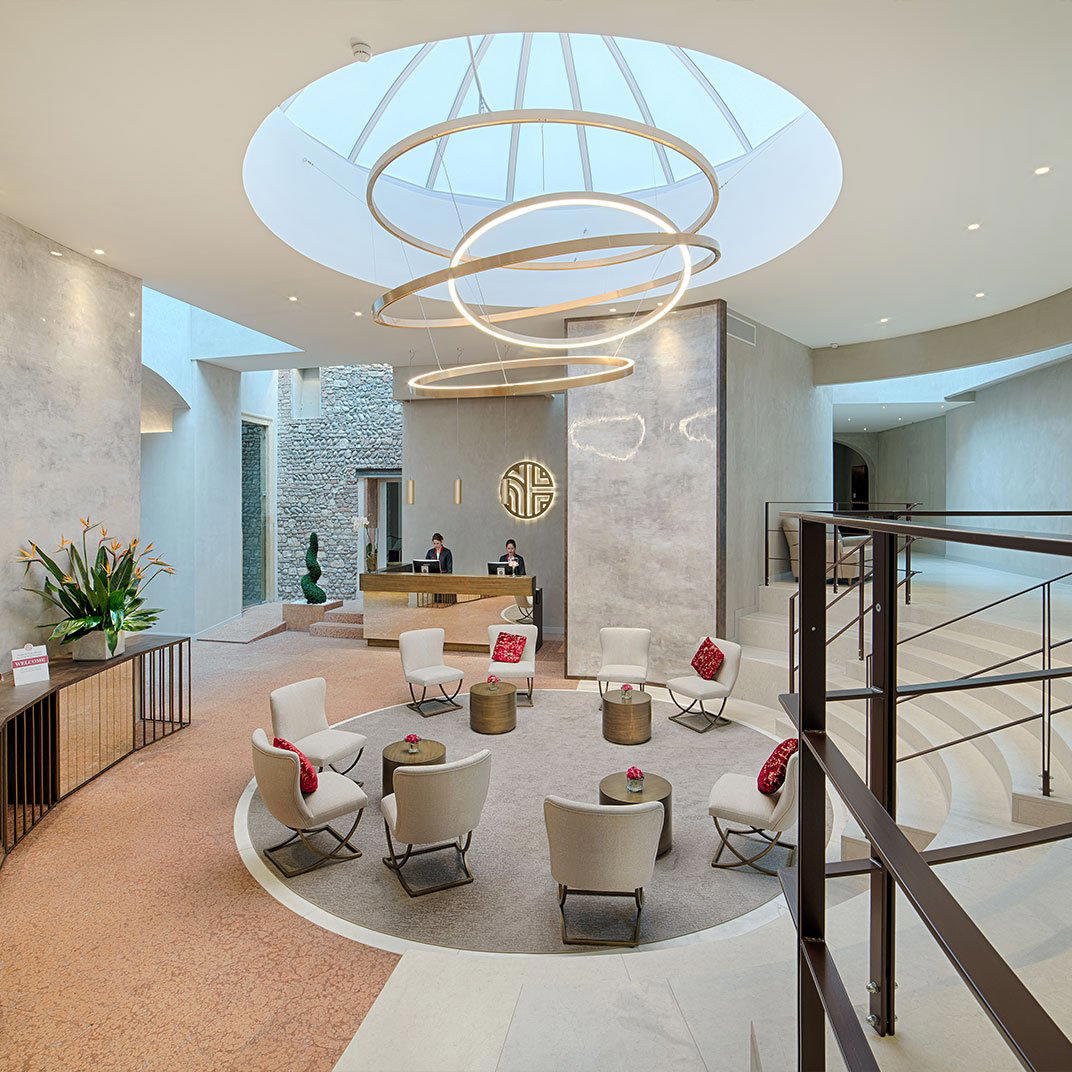
A Veneto Villa Where Art and the Table Share Equal Weight
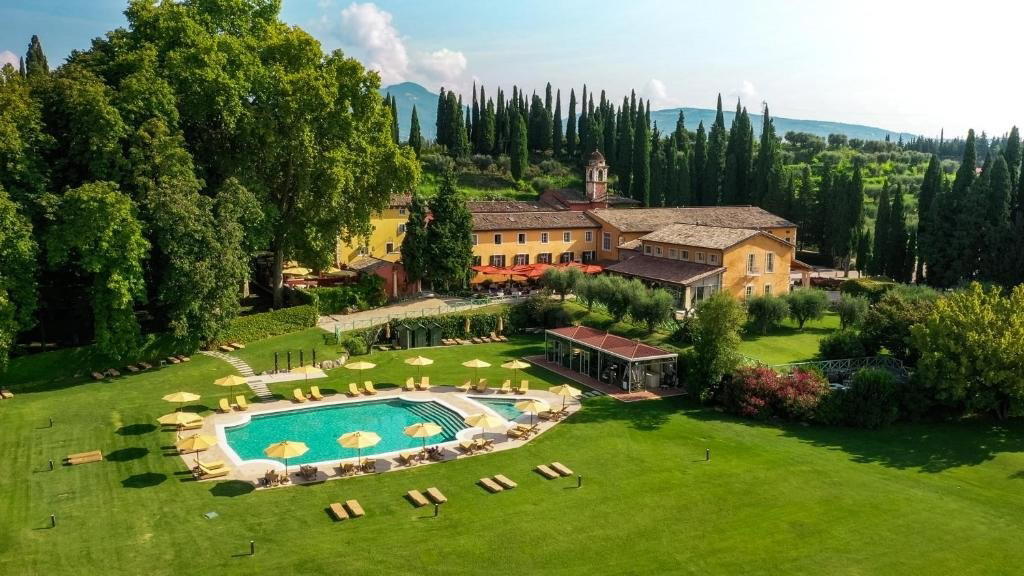
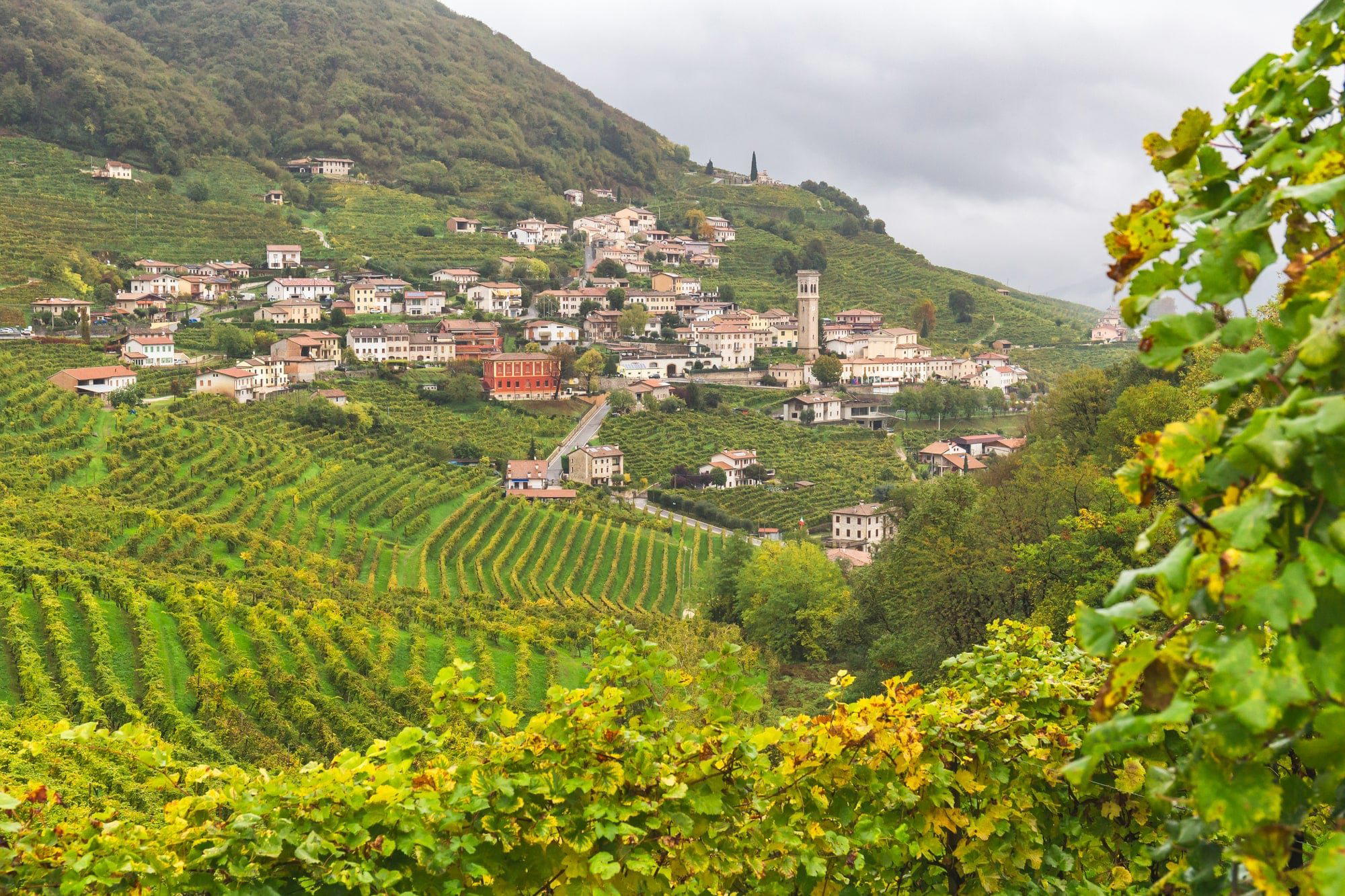
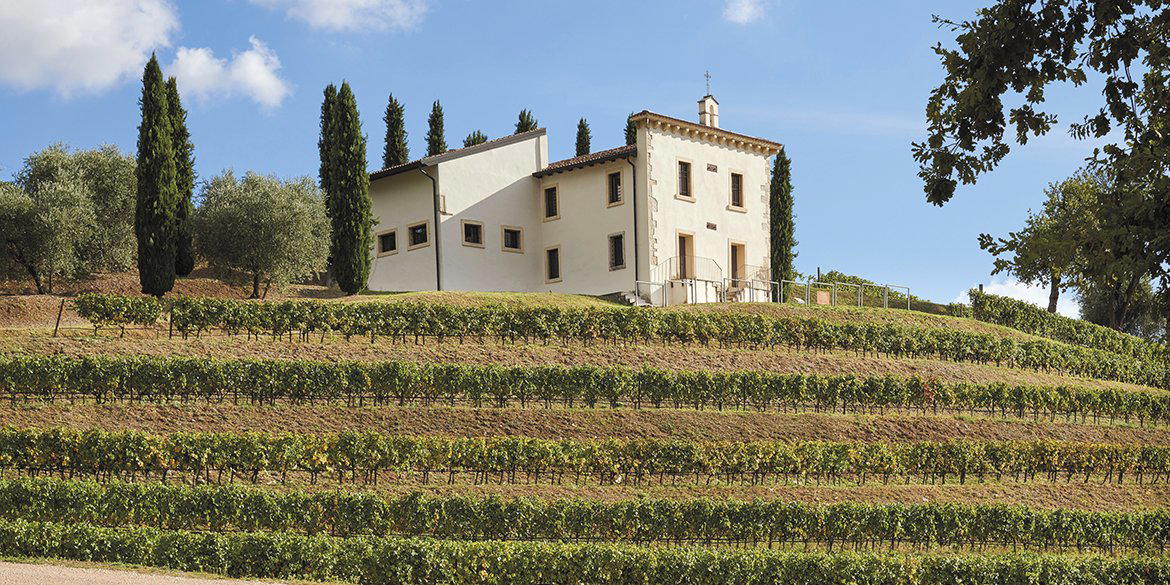
The drive into Corrubbio di Negarine, a hamlet folded into the Valpolicella hills west of Verona, sets the register before you reach the door. The landscape here is vineyard and cypress, the light in early evening a particular shade of amber that the Veneto does better than most of northern Italy. Arriving at the Byblos Art Hotel — the sixteenth-century villa that houses Amistà — the transition from that pastoral road to a building stacked with contemporary art installations is deliberate and quietly disorienting. It is not a neutral backdrop. The house commits to the collision between historical architecture and modern visual culture, and the restaurant operates by the same logic.
In the broader map of contemporary Italian dining, this part of the Veneto occupies a distinct position. It is neither the baroque richness of Neapolitan tradition nor the austere precision of Milanese modernism. Veneto cooking has always carried a certain pragmatism, ingredients drawn from the lake, the mountain, and the vine-heavy plain, assembled without the theatrical ambition of, say, the Emilian school. What contemporary chefs in this region have done is take that pragmatism as a foundation and apply technique and restraint rather than spectacle. Amistà sits within that current.
Amistà holds one Michelin star as of the 2024 guide, placing it in a tier that, within Italy, signals serious kitchen ambition without the pressure-cooker formality of the three-star table. For context, three-star operations in the country, Dal Pescatore in Runate, Le Calandre in Rubano, Osteria Francescana in Modena, Enoteca Pinchiorri in Florence, and Enrico Bartolini in Milan, occupy a price and ceremony bracket that not every evening calls for. Amistà fits that description.
Within the Veneto and its immediate surrounds, Amistà's closest reference point is Casa Perbellini 12 Apostoli in Verona, a restaurant where tradition and evolution are similarly held in dialogue. The comparison is instructive: both kitchens work from a base of regional identity and move forward from it, rather than discarding it in favour of abstraction. Elsewhere in the Italian contemporary field, Uliassi in Senigallia, Quattro Passi in Marina del Cantone, Reale in Castel di Sangro, and Piazza Duomo in Alba each demonstrate how regional specificity, when treated as a point of departure rather than a constraint, produces cooking with actual character. Internationally, the approach connects to what restaurants like Agli Amici Rovinj in Rovinj and L'Olivo in Anacapri are doing, contemporary Italian technique applied with a clear sense of place.
The Kitchen's Logic: Tradition Revisited, Not Replaced
The kitchen under executive chef Mattia Bianchi operates from a stated principle that recurs across the better Italian contemporary restaurants: that classical recipes are not obstacles to creativity but raw material for it. This is a specifically Italian argument, and it carries different weight here than it would in, say, a Nordic or Japanese context. Italian cooking is highly codified regionally, a risotto all'Amarone in Valpolicella is not an abstract dish, it carries the weight of local wine culture and centuries of preparation conventions. To revisit it with modern technique is to enter a conversation that Italian diners take seriously, sometimes combatively.
Bianchi's approach offers two tasting menus alongside an à la carte option, which is a structurally generous choice. It acknowledges that the Michelin tasting-menu format, however dominant in this tier, does not serve every guest equally. Offering the carte alongside the menus places the kitchen's confidence in individual dishes rather than only in curated sequences, which is consistent with the broader Veneto dining tradition where the tavola still matters as much as the percorso.
The Wine List as a Serious Argument
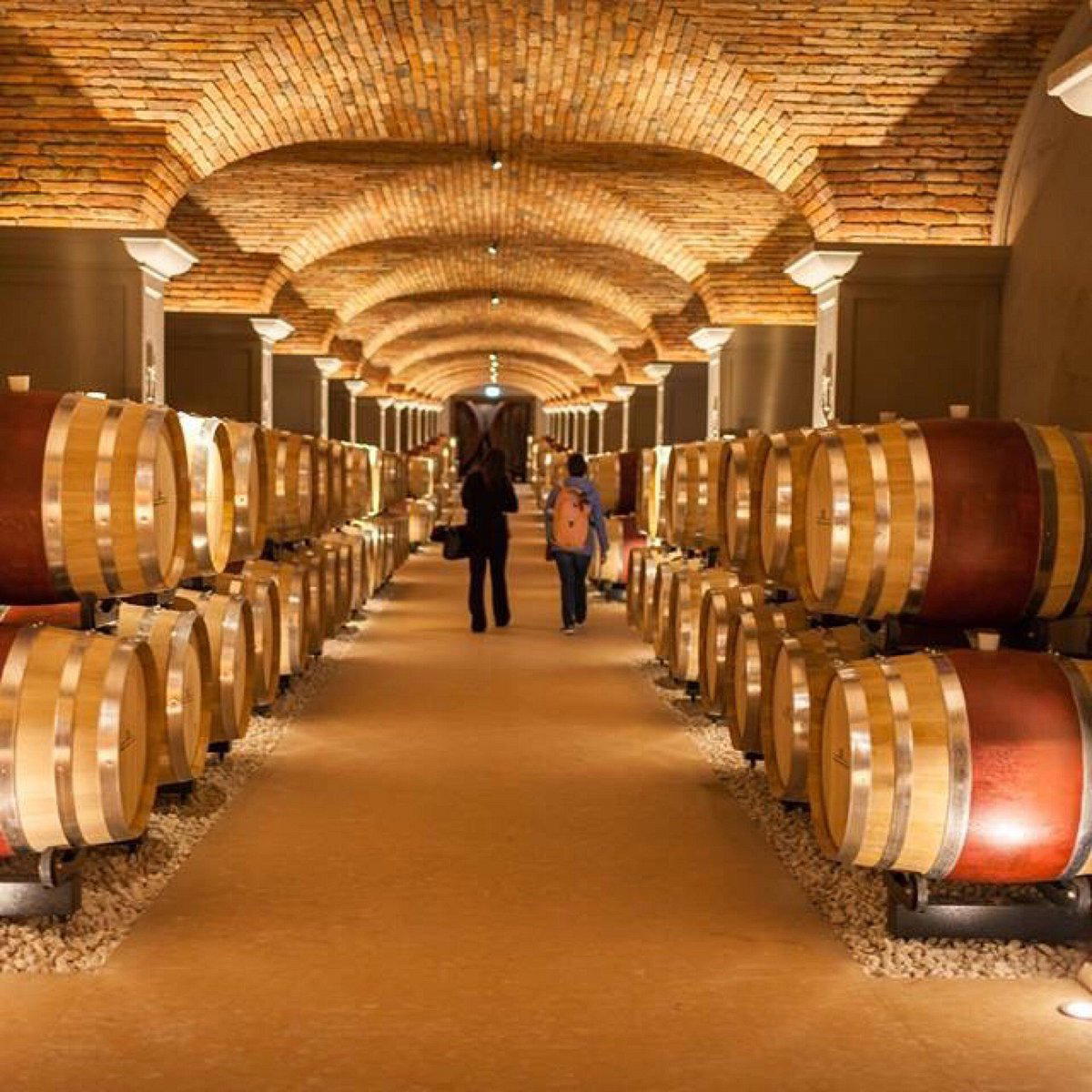
The wine list at Amistà runs to over 1,500 labels, including a significant allocation of rare bottles. In a region that produces Amarone, Ripasso, Soave Classico, and Bardolino within a short radius, a wine program of this scale is not a vanity project, it is a practical response to being surrounded by serious wine culture. Valpolicella's vineyards begin effectively outside the villa gates, and the Veneto more broadly is one of Italy's most productive and diverse wine regions by volume and by quality range.
A list of 1,500 labels in this context will typically weight heavily toward the Veneto, with strong representation from the DOC and DOCG zones of the area, but the inclusion of rare bottles suggests a scope that extends into Piedmont, Tuscany, and likely beyond Italy. For wine-focused visitors, this alone positions Amistà as a primary reason to visit Corrubbio rather than simply a dining option within the hotel. For those interested in the broader Italian wine picture, our full Corrubbio wineries guide maps the producers in the immediate area.
The Art Hotel Context
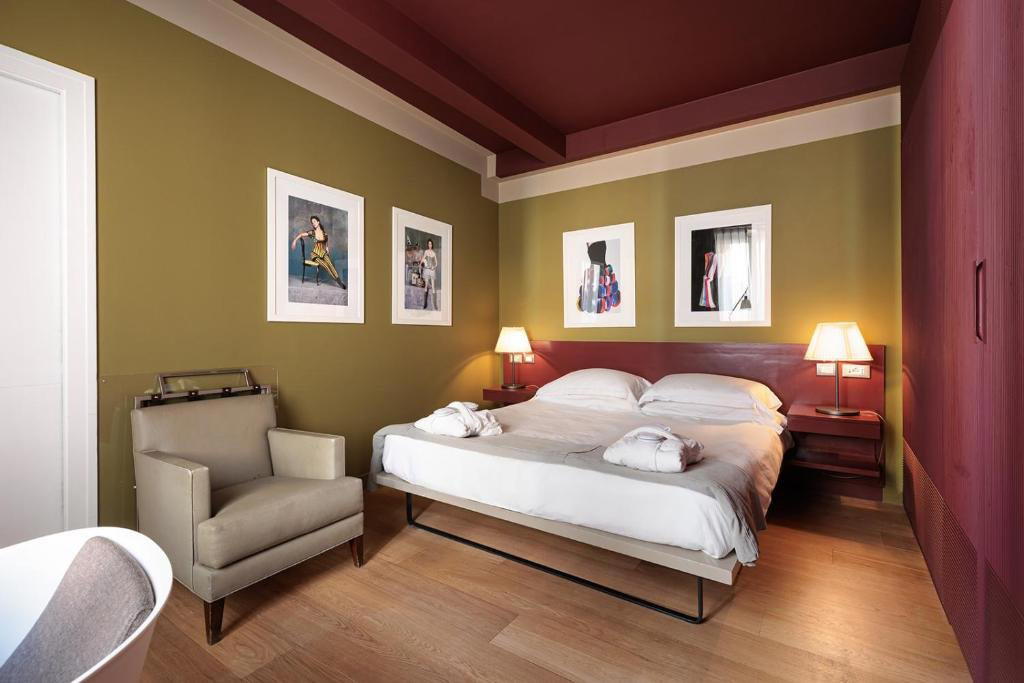
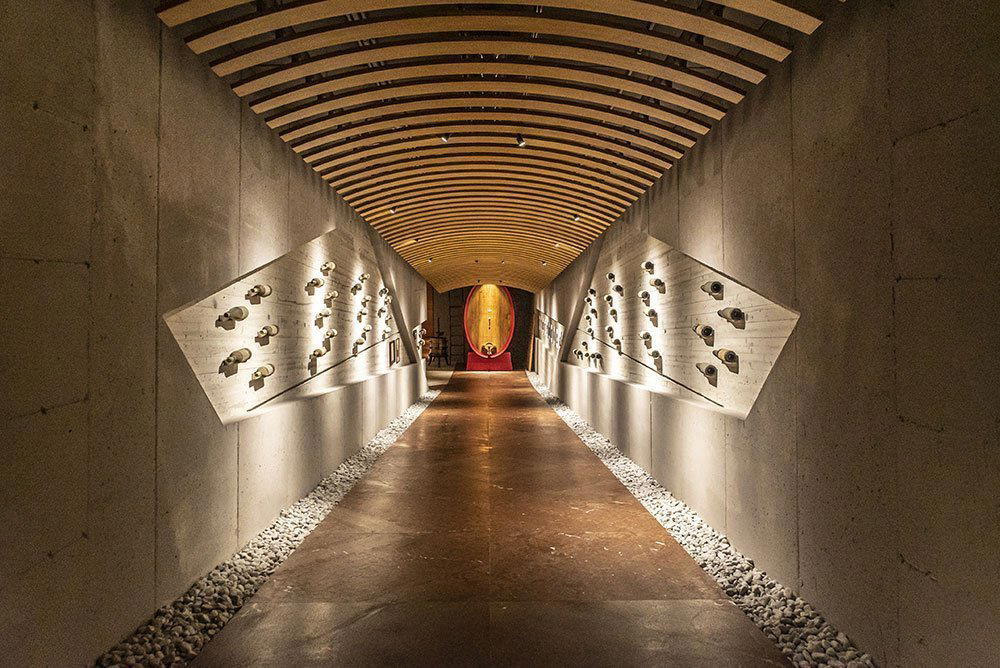
The Byblos Art Hotel is a specific type of property: a historic building whose renovation was driven not by neutral luxury restoration but by a commitment to contemporary art as a governing design principle. This places it within a small category of Italian art hotels where the collection is integral rather than decorative, where a Vanessa Beecroft installation or a piece by Vik Muniz functions as part of the environment rather than as an amenity. Dining inside such a building changes the perceptual frame of the meal. The room is not simply elegant. It asks something of your attention.
This matters editorially because it distinguishes Amistà from hotel restaurants that happen to have good food. The context here is participatory, the art, the architecture, and the cooking are each making arguments about the relationship between tradition and contemporary practice, and they are making them simultaneously. Whether that registers as a pleasure or a provocation depends on the diner, but it is not a neutral environment.
Planning a Visit
Amistà operates Thursday through Sunday, with service beginning at 7:30 PM and running to 10:30 PM. Monday, Tuesday, and Wednesday are closed, which is a common pattern for destination restaurants in rural Italian settings where the kitchen serves a narrow but committed clientele rather than a broad tourist flow. The price tier is €€€€, consistent with the Michelin-starred tier across Italy, and the booking method is not specified in available data, direct contact via the Byblos Art Hotel is the practical starting point.
Corrubbio di Negarine sits within the Valpolicella Classico zone, roughly a twenty-minute drive from central Verona. This positions Amistà as accessible from Verona as an evening destination but genuinely rural in character, it is not a restaurant you walk past and decide to try. A booking and a deliberate drive are required, which means most guests arrive with some investment already made. For the wider local context, our full Corrubbio restaurants guide, hotels guide, bars guide, and experiences guide cover the surrounding area in full.
For those comparing options across the Italian contemporary tier before deciding, Atelier Moessmer Norbert Niederkofler in Brunico represents the Alpine Italian end of this spectrum, with three Michelin stars and a more austere mountain register. Amistà offers a different proposition: warmth, colour, and the particular generosity of a Veneto table, carried by a kitchen with genuine Michelin-level credibility.
Frequently asked questions
What should I budget for a meal at Amistà?
Pricing at Amistà is listed as €€€€.
Is Amistà open every day?
Hours at Amistà: Monday closed Tuesday closed Wednesday closed Thursday 7:30 PM-10:30 PM Friday 7:30 PM-10:30 PM Saturday 7:30 PM-10:30 PM Sunday 7:30 PM-10:30 PM.
Fast Comparison
| Venue | Cuisine | Price | Awards | Notes |
|---|---|---|---|---|
| AmistàThis venue — the venue you are viewing | Modern Italian Fine Dining | $150–200 | 1 Michelin Star | Not listed |
| Atelier Moessmer Norbert Niederkofler | Italian, Creative | Not listed | Michelin 3 Star | Not listed |
| Dal Pescatore | Italian, Italian Contemporary | Not listed | Michelin 3 Star | Not listed |
| Enoteca Pinchiorri | Contemporary Italian Fine Dining | $200–300 | 3 Michelin Stars · World's 50 Best #32 | Italian - French, Italian Contemporary |
| Enrico Bartolini | Creative | Not listed | Michelin 3 Star | Not listed |
| Osteria Francescana | Avant-Garde Italian Contemporary | $300–500 | 3 Michelin Stars · World's 50 Best #1 | Progressive Italian, Creative |
Recognition history
Dated appearances from independent guides and award organizations, with the underlying list record or original source where available.
Michelin 1 Star
Michelin
Full recognition history (3 entries)
Michelin 1 Star
Michelin
Michelin 1 Star
Michelin
Continue exploring
More in Corrubbio
Restaurants in Corrubbio
Browse all →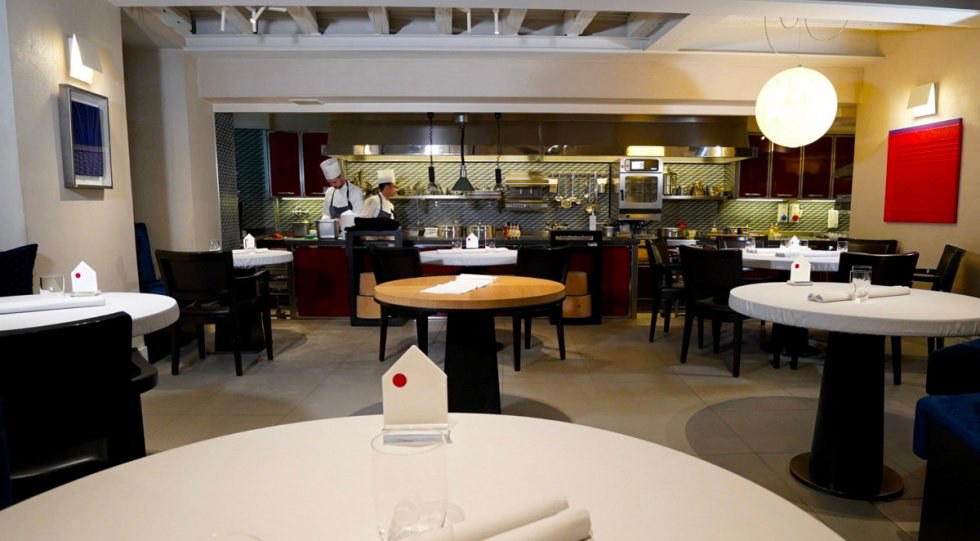
Bars in Corrubbio
Browse all →
Hotels in Corrubbio
Browse all →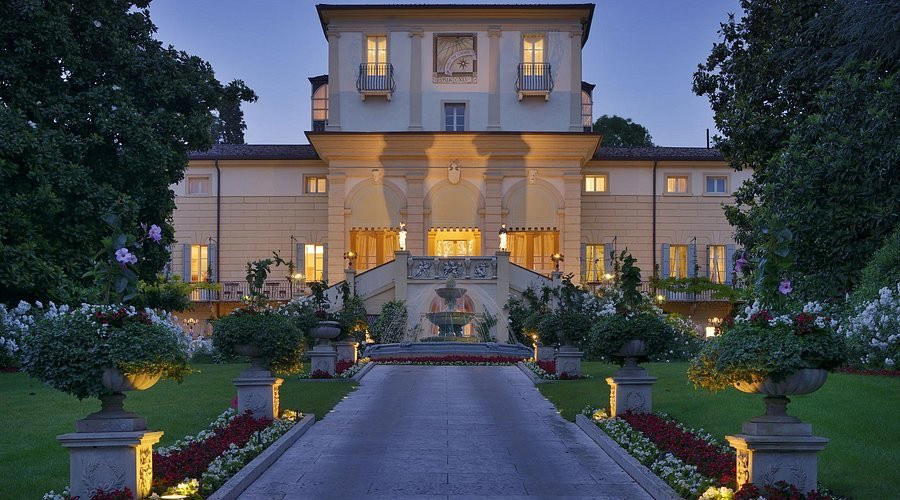
Details
- Elegant
- Sophisticated
- Special Occasion
- Date Night
- Celebration
- Hotel Restaurant
- Open Kitchen
- Extensive Wine List
- Sommelier Led
- Local Sourcing
- Tasting Menu
- A La Carte
- Vegan Options
Current opening hours
- Monday
- Closed
- Tuesday
- Closed
- Wednesday
- Closed
- Thursday
- 7:30–10:30 PM
- Friday
- 7:30–10:30 PM
- Saturday
- 7:30–10:30 PM
- Sunday
- 7:30–10:30 PM
Hours can change for holidays and private events. Last verified .
Colourful and harmonious blend of old and new inspired by art, with stylish tables and an elegant, intimate atmosphere.