
Giuseppe Quintarelli in Negrar represents the apex of Valpolicella's artisanal winemaking tradition. The estate operates from the hillside village of Negrar di Valpolicella, where the interplay of volcanic soils, limestone outcrops, and mountain air shapes wines of unusual concentration and longevity. Allocation-led access and minimal public presence place it firmly in Italy's most sought-after producer tier.
Pearl is the En Primeur Club membership app — saves, bookings, and concierge access live there. Same editors, same standards.
- Address
- Via Cerè, 1, 37024 Negrar di Valpolicella VR
- Phone
- +39 045 750 0016
- Directions
- Get directions
 Saves & bookings on Pearl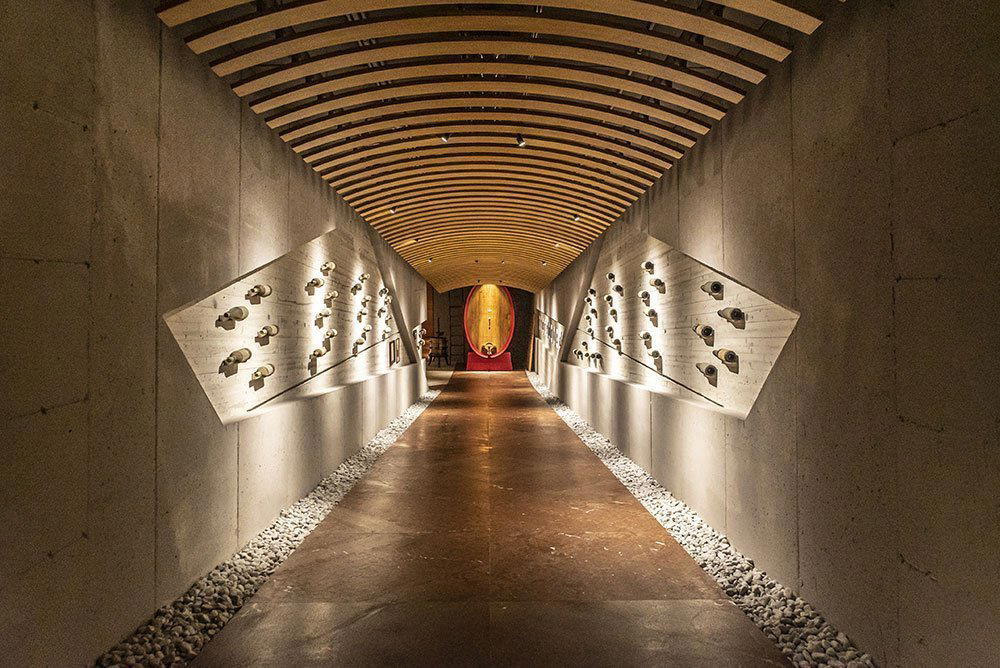
Where the Valpolicella Hills Do the Work
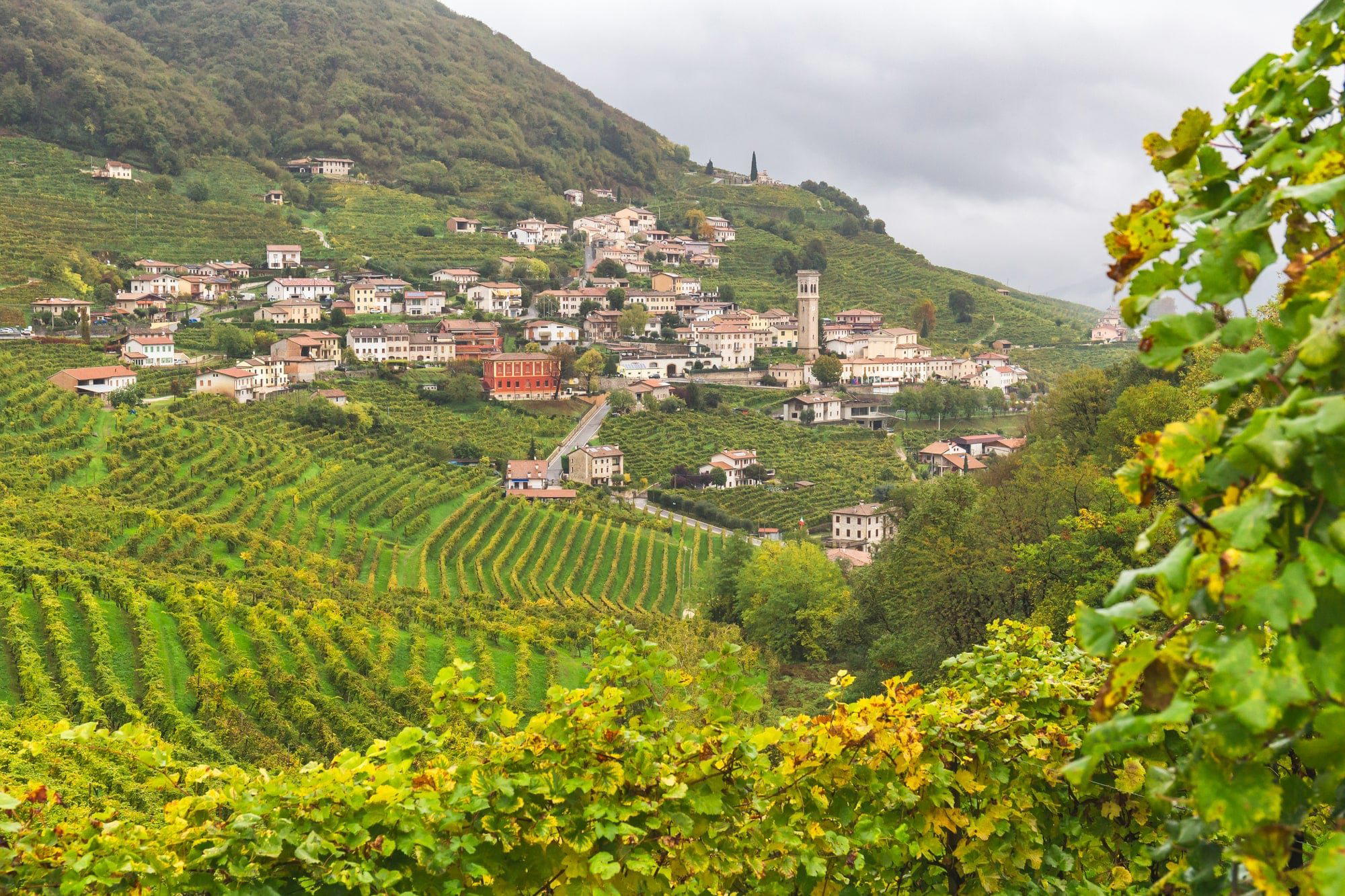
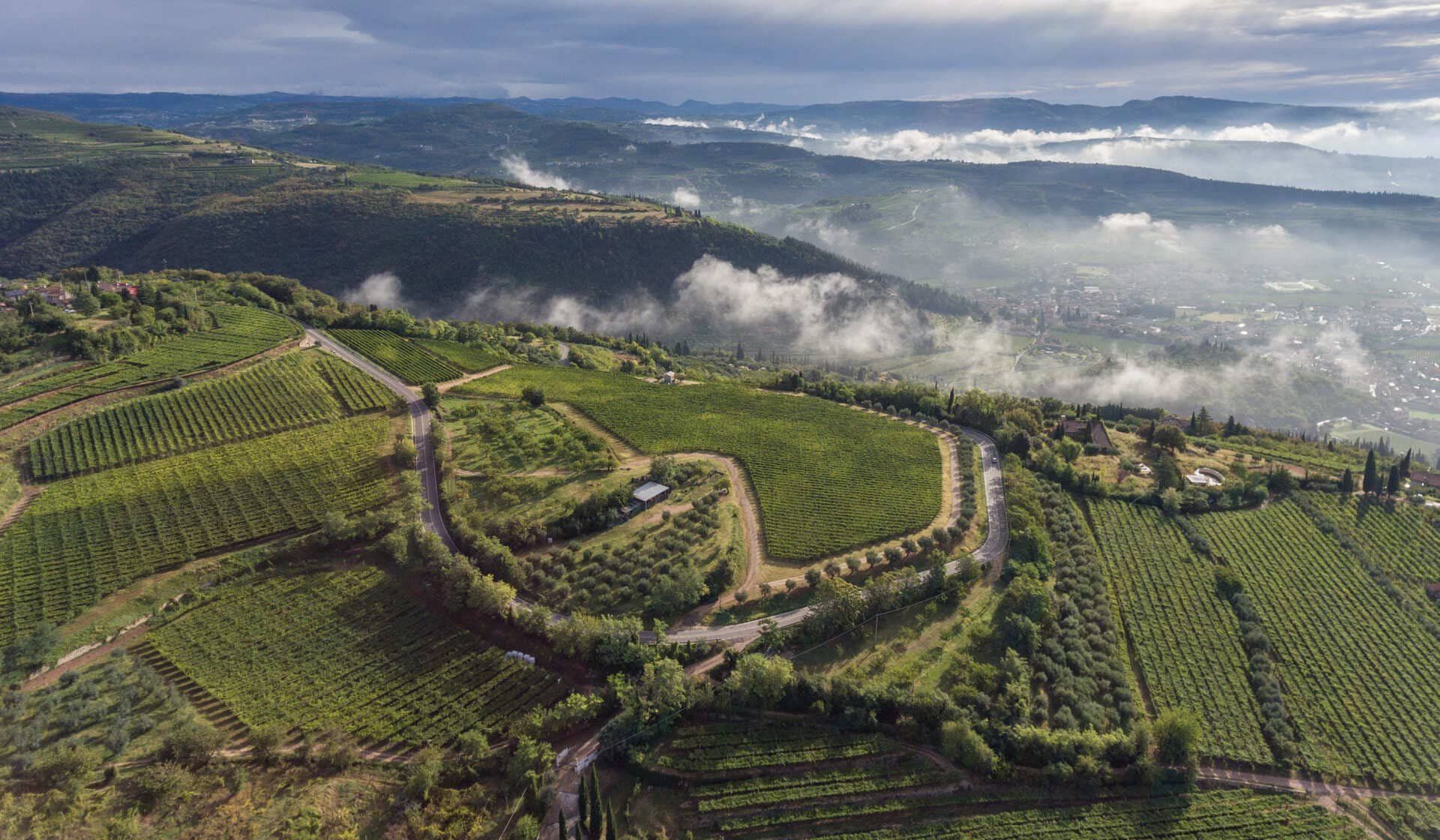
The road into Negrar di Valpolicella climbs steadily from the Adige plain, passing terraced vineyards where corvina, rondinella, and molinara vines have grown on the same slopes for generations. At this altitude, the diurnal temperature shift between warm afternoons and cool mountain nights compresses flavour into the grape skins more decisively than lower-lying Veronese sites. The village itself is quiet to the point of austerity, no wine tourism infrastructure, no tasting pavilions built for coach parties. It is the kind of place where the land's character travels almost unmediated from the hillside to the bottle, and Giuseppe Quintarelli, on Via Cerè at the edge of the settlement, is where that principle has found its most sustained expression.
Giuseppe Quintarelli is a family-operated Valpolicella winery in Negrar di Valpolicella, with an appointment-only visiting policy and a price per person of US$55. For context on how that tier looks across Italian winemaking, see also Aldo Conterno in Monforte d'Alba, another producer whose prestige rests on the same relationship between a named place and unhurried production.
Valpolicella's Soil Story: Why Negrar Reads Differently
Valpolicella is not a monolithic appellation. The western valleys around Sant'Ambrogio and the slopes above San Pietro in Cariano produce wines with different structural signatures from those grown in the eastern reaches near Negrar. The Negrar valley floor gives way to hillside sites where a mixture of calcareous limestone, clay, and basaltic deposits from ancient volcanic activity creates a mineral substrate that neither the alluvial lowlands nor the pure limestone ridges further west can replicate. Drainage is faster, roots run deeper, and the resulting wines carry a ferrous, almost stony quality beneath the dried-cherry fruit that corvina expresses across the appellation.
This soil complexity is the backdrop against which Amarone della Valpolicella, the appellation's most consequential wine, acquires its particularity of site. The appassimento process, in which harvested grapes are dried for three to four months before fermentation, concentrates everything the terroir has already done to the fruit. Estates in less distinguished positions within the DOC use the same technique and produce wines that read primarily as powerful and sweet. In sites like those above Negrar, where the base material is more precise, the concentration process amplifies mineral structure alongside mass. The difference is not subtle over a decade of cellar age.
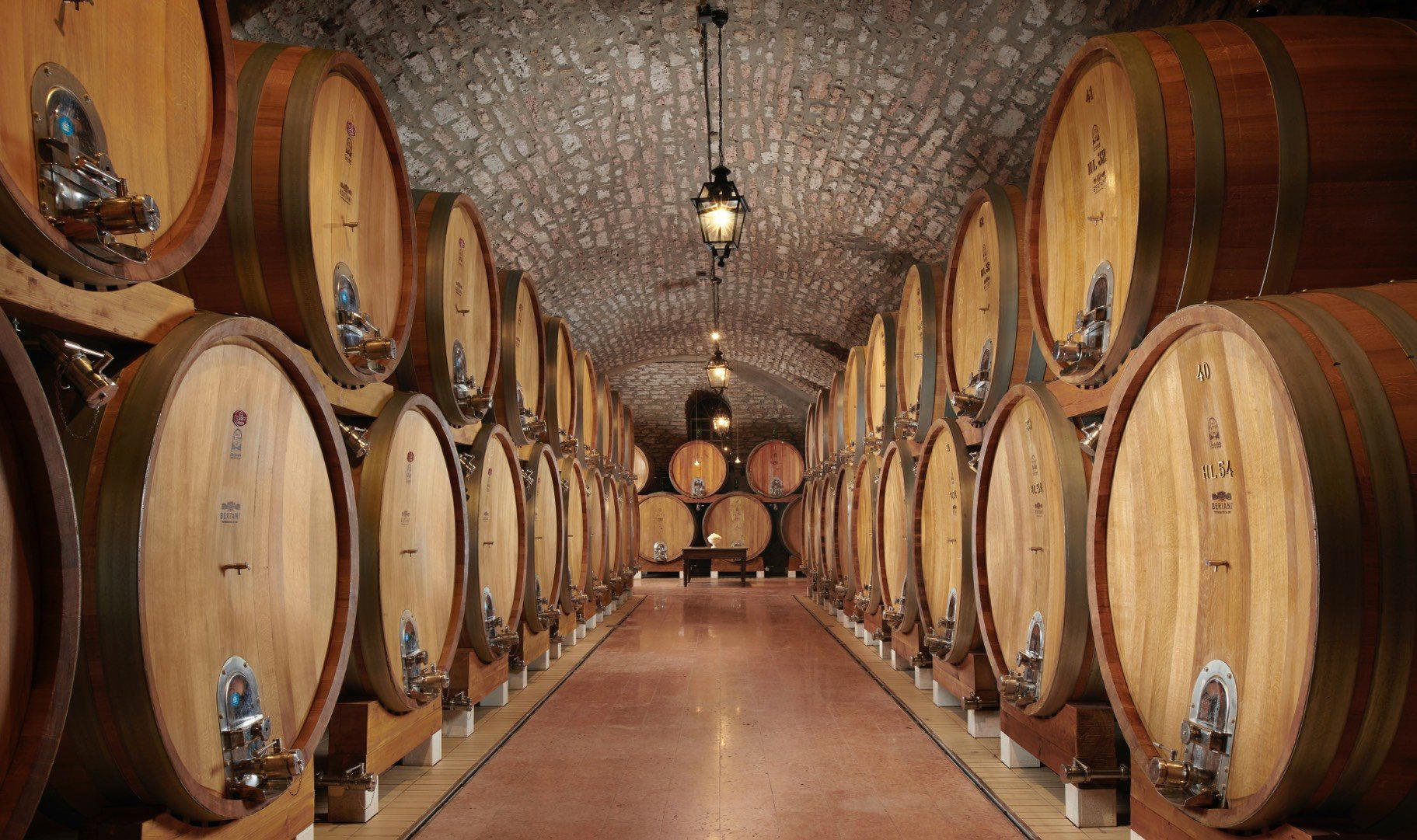
Giuseppe Quintarelli is known for long maceration, extended barrel ageing in large Slavonian oak rather than new barriques, and release schedules that lag significantly behind the vintage date. Biondi-Santi's Tenuta Greppo in Montalcino operates on a comparable philosophy with Brunello, as does Lungarotti in Torgiano with its reserve bottlings. The common thread is patience as a production principle and terrain as the primary argument for the wine's authority.
Visiting Negrar: What the Absence of Infrastructure Signals
Negrar does not market itself. There is no visitor centre, no ticketed tour operation, and no wine bar district in the village. For travellers accustomed to the curated hospitality of, say, the Antinori estate in the Chianti Classico or Ca' del Bosco in Erbusco, where architecture and service programmes have been designed around the visit as an experience in itself, Negrar requires a recalibration of expectations. The access point here is the wine, and access to the wine requires advance planning rather than spontaneous arrival.
The village sits roughly 12 kilometres north of Verona, reachable by car from the city in under 25 minutes. Public transport connections are limited, which reinforces the sense that serious engagement with this part of Valpolicella is essentially self-directed. Verona itself is a practical base, with a range of accommodation options and direct rail connections to Venice and Milan. Travellers combining a visit to the Quintarelli estate with broader Veneto or northern Italian itineraries might also cross-reference Poli Distillerie in Schiavon outside Vicenza, or range south toward Distilleria Marzadro in Nogaredo for a wider survey of northeast Italian production craft.
What distinguishes the Valpolicella producers within this group is the particular challenge of the appassimento wines: Amarone and Recioto demand a longer production window, a larger physical commitment to drying lofts and extended cellar time, and a willingness to wait for vintages to resolve. The logistics of production are themselves an argument for the wines' prices and for the limited volumes available.
Given the estate's appointment-only policy, visits require advance arrangement. The estate at Via Cerè, 1, Negrar di Valpolicella, sits within the village proper.
A Quick Peer Check
Comparable venues nearby, for context on price, style, and recognition.
| Venue | Cuisine | Price | Notes |
|---|---|---|---|
| Giuseppe QuintarelliThis venue — the venue you are viewing | Corvina, Corvinone | $$$$ | Not listed |
| Romano Dal Forno | Corvina, Corvinone | $$$$ | Cellore d'Illasi |
| Masi Agricola S.p.A. | Corvina, Rondinella | $$$ | Valpolicella Classica |
| Tenuta Tignanello | Sangiovese, Cabernet Sauvignon | $$$$ | San Casciano in Val di Pesa |
| Tenuta Brancalupo | Sagrantino, Trebbiano Spoletino | $$$ | Montefalco |
| Distilleria Zanin | Moscato, Prosecco | $$$ | Zugliano |
Recognition history
Dated appearances from independent guides and award organizations, with the underlying list record or original source where available.
Falstaff Winery - Listed
Falstaff
Continue exploring
More in Negrar
Wineries in Negrar
Browse all →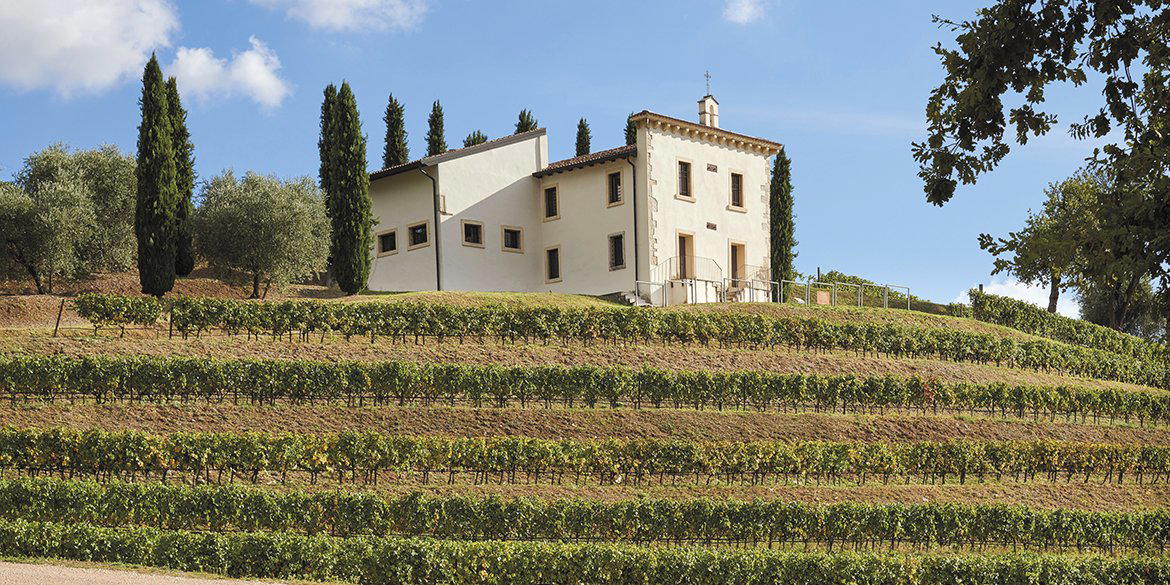
Bars in Negrar
Browse all →
Restaurants in Negrar
Browse all →
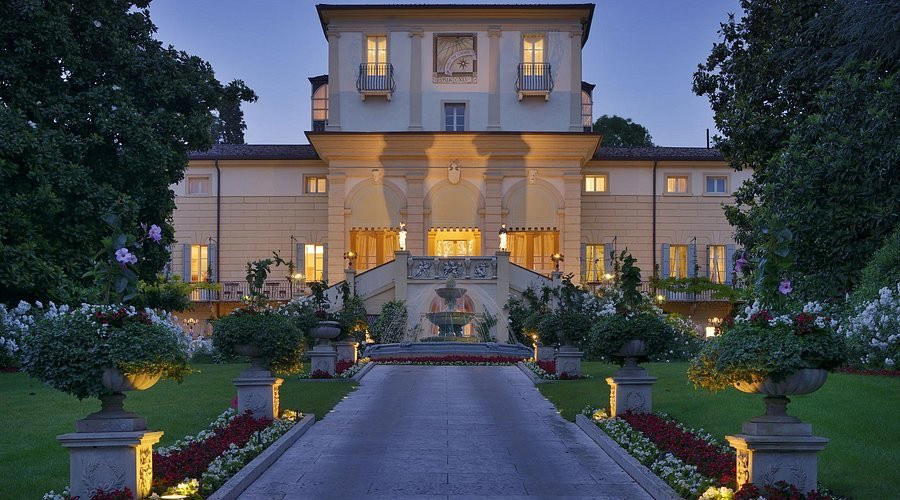
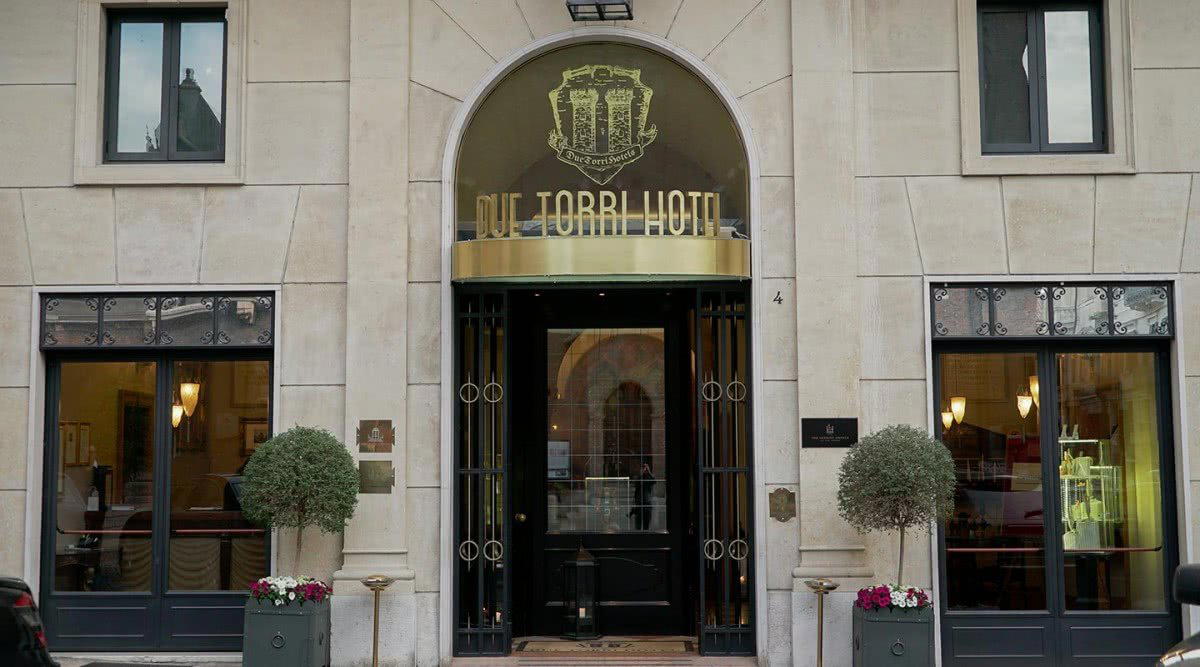
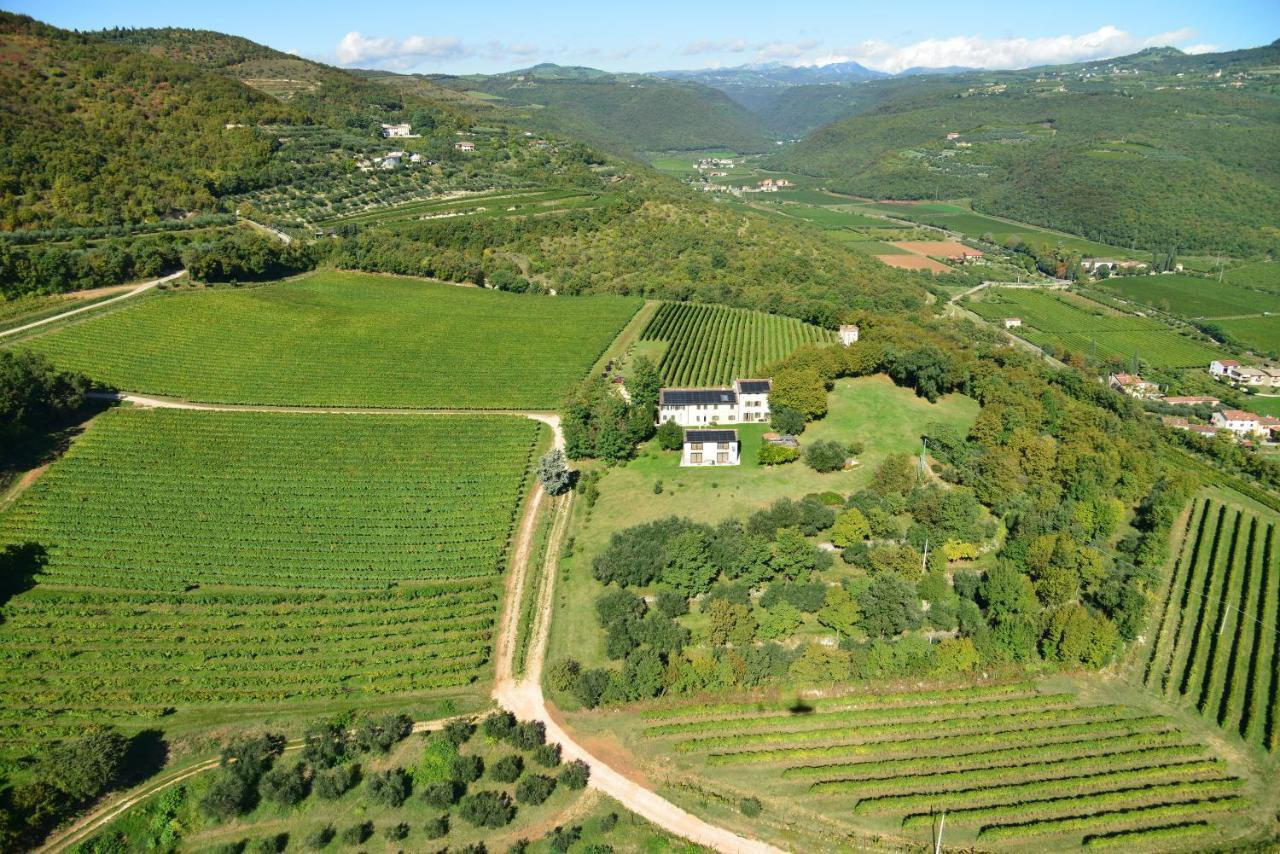
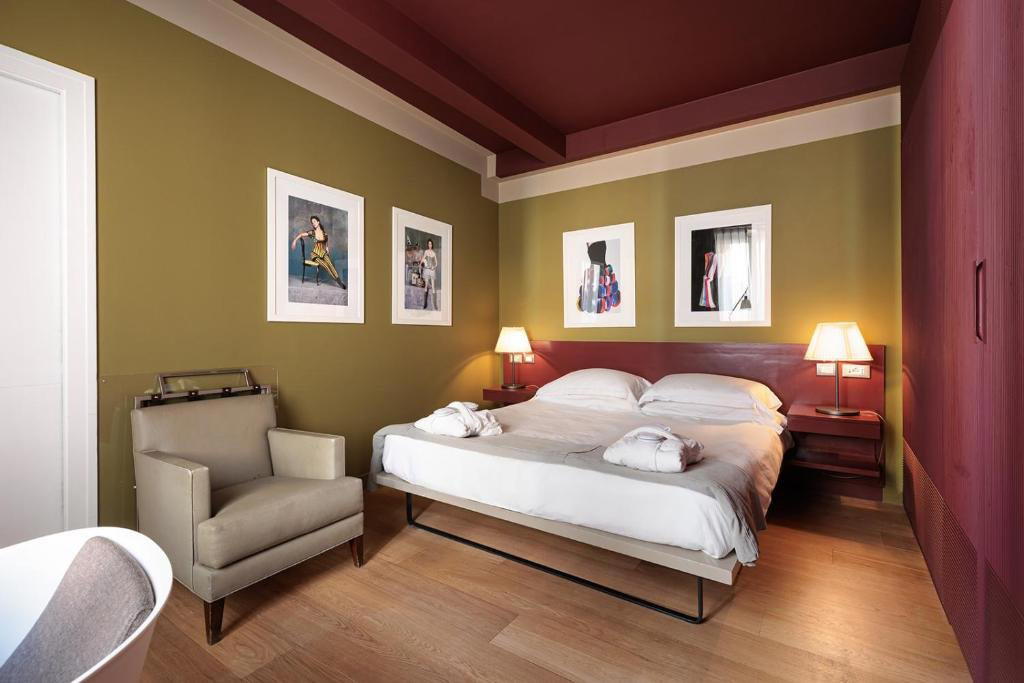
At a Glance
- Romantic
- Classic
- Elegant
- Scenic
- Well Known
- Wine Education
- Romantic Getaway
- Special Occasion
- Celebration
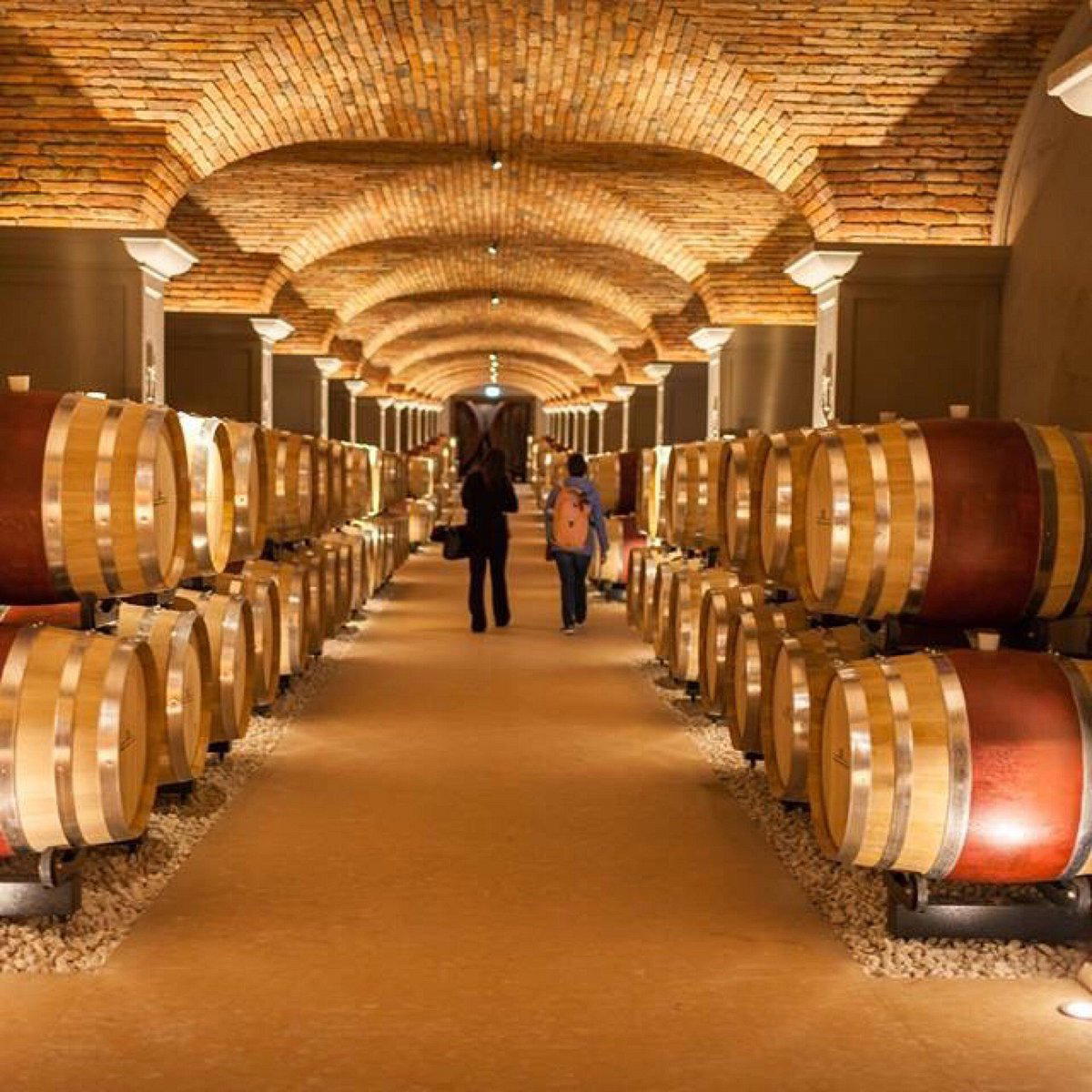
- Barrel Room
- Vineyard Tour
- Estate Grounds
- Panoramic View
- Historic Building
- Private Tasting
- Cave Tasting
- Vineyard
- Mountain
- Valpolicella Classico
- Corvina
- Corvinone
- Rondinella
- Garganega
- Cabernet Sauvignon
- Trebbiano
- Chardonnay
- Sauvignon Blanc
- Still Red
- Still White
- Dessert
- Guided Estate Tour
- Vertical Tasting
- Cellar Tasting
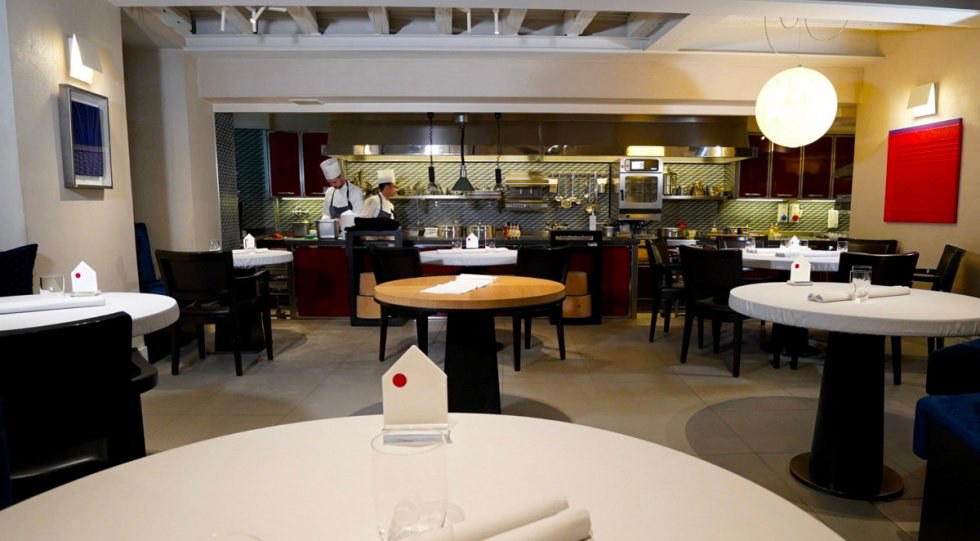
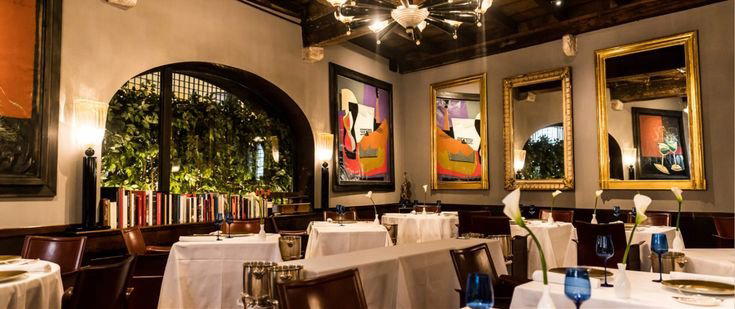
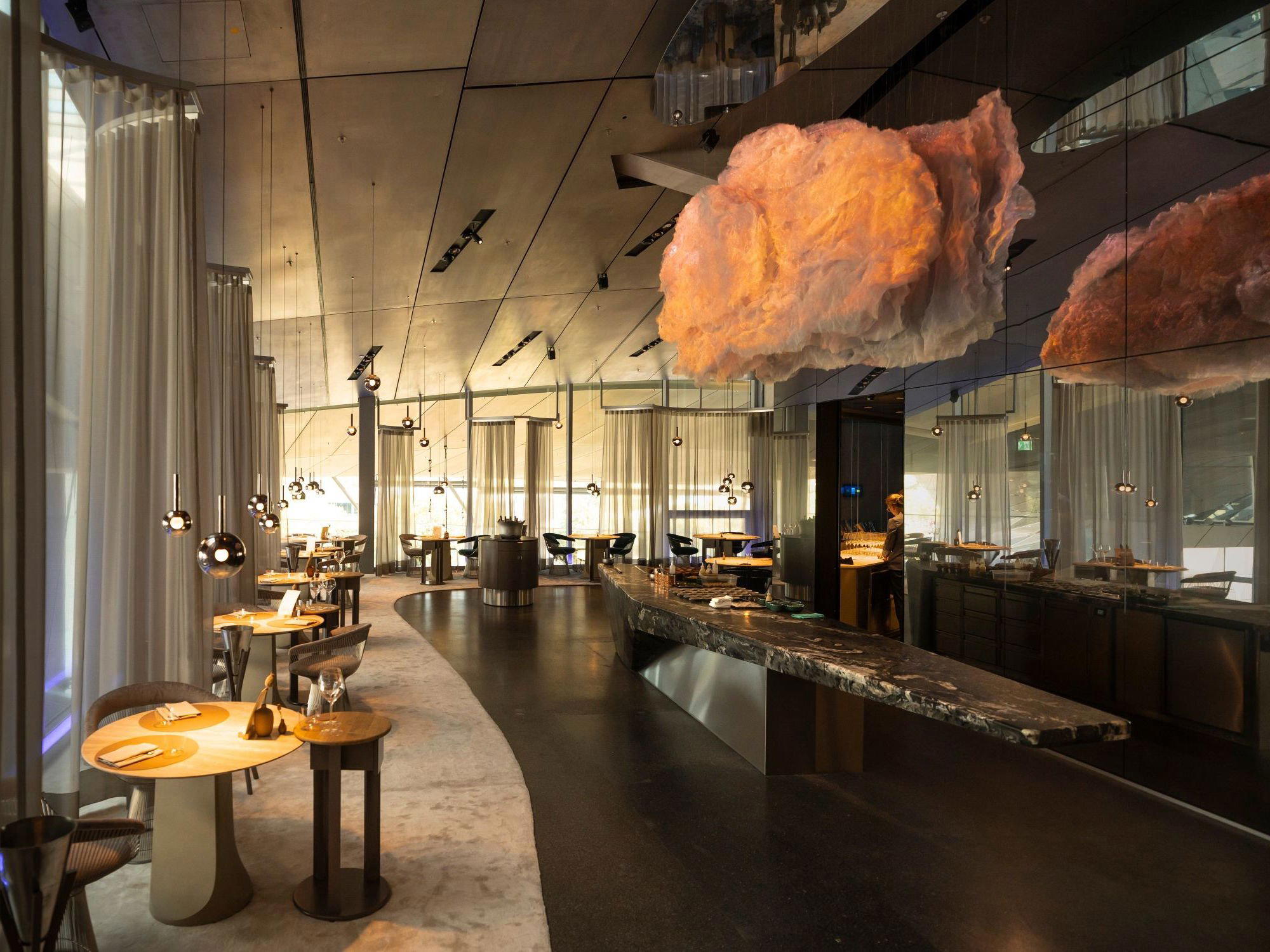
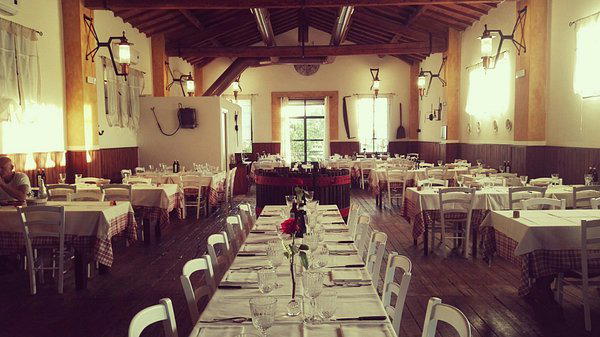
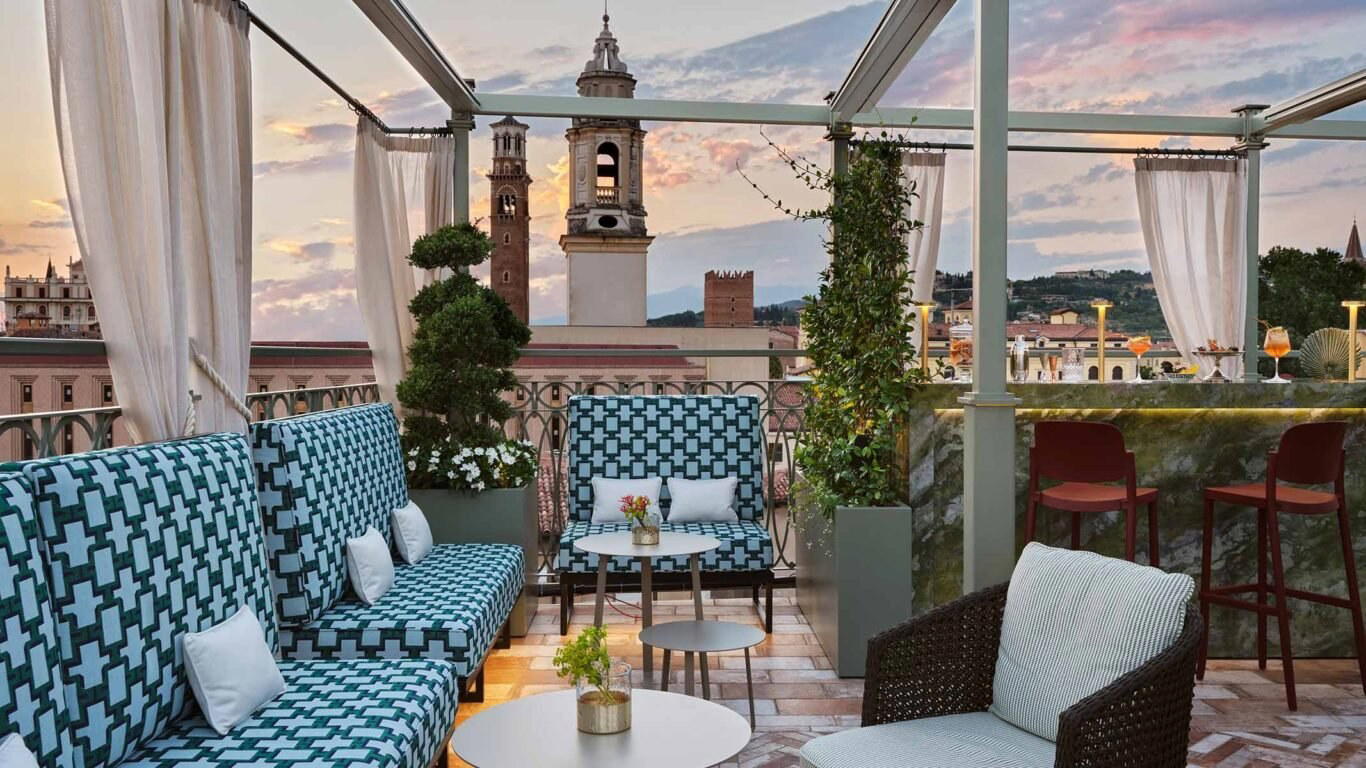
Historic family cellars with calm, quiet atmosphere; spectacular grounds with panoramic vineyard views overlooking the Valpolicella region; state-of-the-art yet historically preserved winery facilities.