


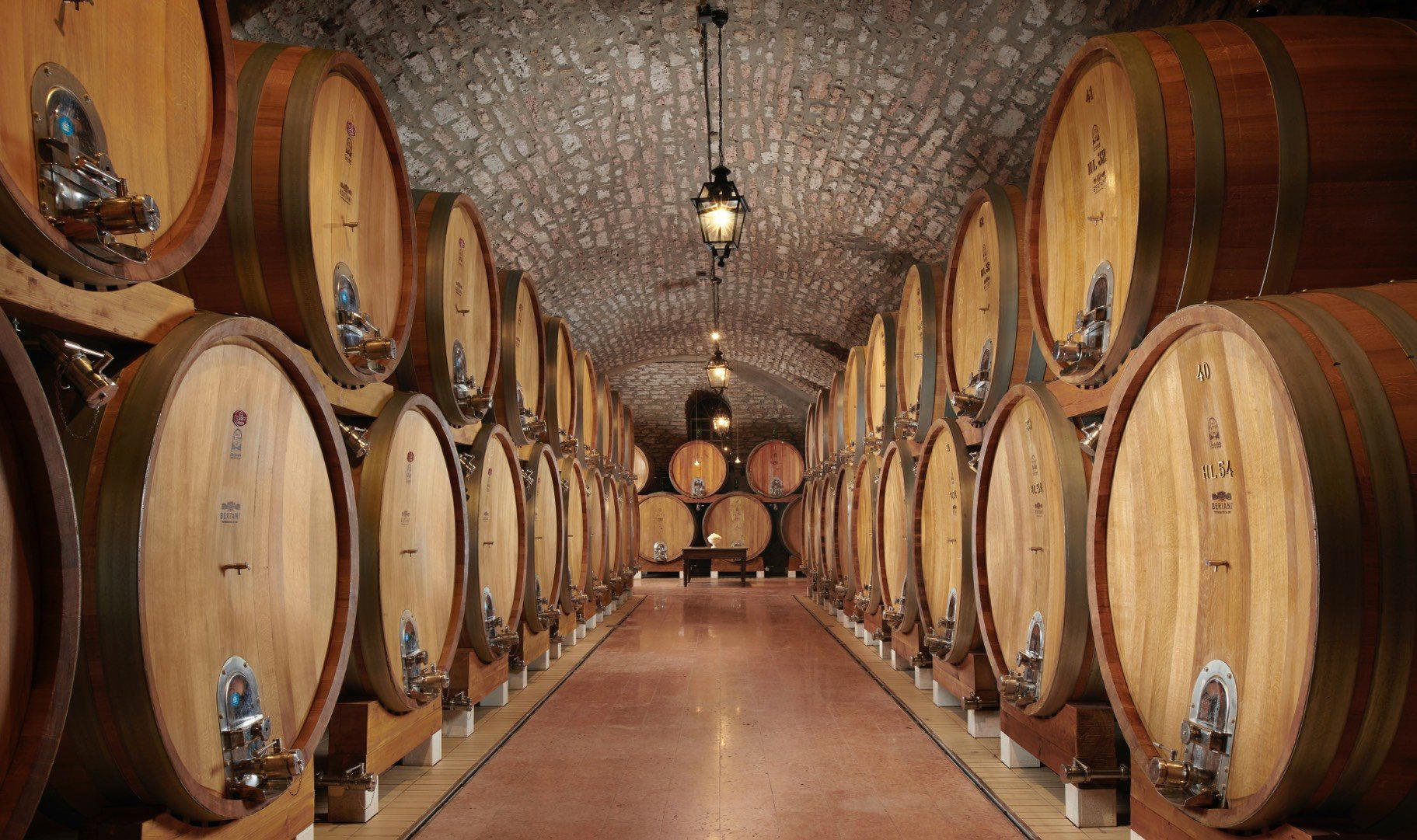
Housed in the medieval Palazzo Soave on Via Leoni, Iris Ristorante holds a Michelin star and occupies a distinctive position in Verona's fine-dining tier: contemporary, regionally rooted cooking with a green-forward menu, Adriatic fish, and a wine list of over 800 labels. The setting spans a 14th-century wine cellar, where aperitivi are served, and a dining room where Roman stonework meets modern furnishings.
Pearl is the En Primeur Club membership app — saves, bookings, and concierge access live there. Same editors, same standards.
- Address
- Via Leoni, 10, 37121 Verona VR, Italy
- Phone
- +39 045 415 8021
- Website
- irisristorante.it
- Directions
- Get directions
 Saves & bookings on Pearl
A Palazzo With Two Lives
Verona's fine-dining circuit has long been anchored by historic addresses, and the logic behind that is direct: the city's Roman and medieval fabric is too dense to ignore, and restaurants that occupy genuinely old buildings carry context that no amount of interior design can manufacture. Iris Ristorante, on Via Leoni a short walk from the 12th-century Basilica di San Fermo, operates inside one of the more layered of those addresses. The Palazzo Soave, formerly known as Palazzo Malaspina Bottagisio, is a structure with credentials that predate most of Italy's famous wine estates: the cellar retains Roman origins, though it was formalised during the 14th century, and the dining rooms above carry the herringbone stonework that Roman-era builders left embedded across this part of the city.
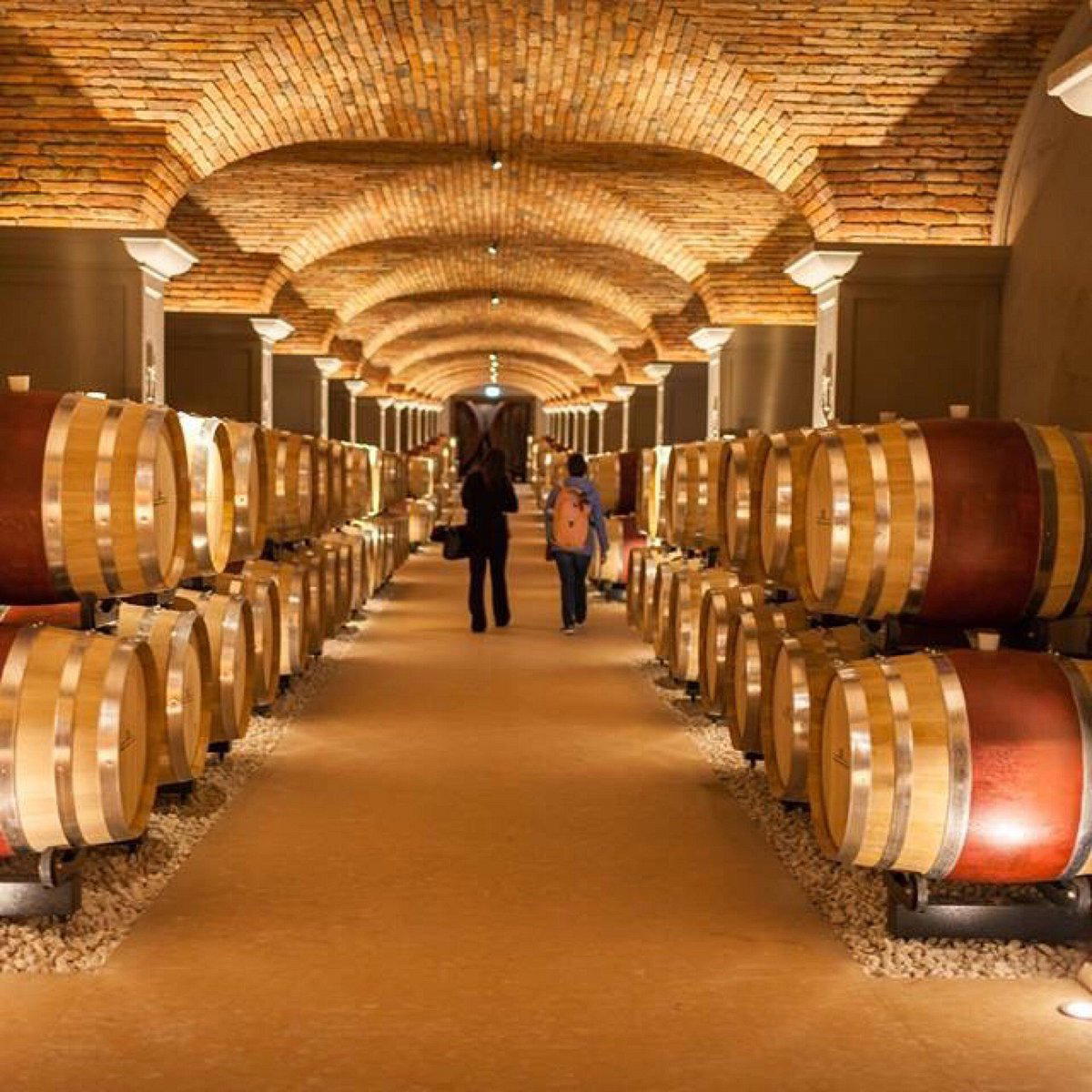
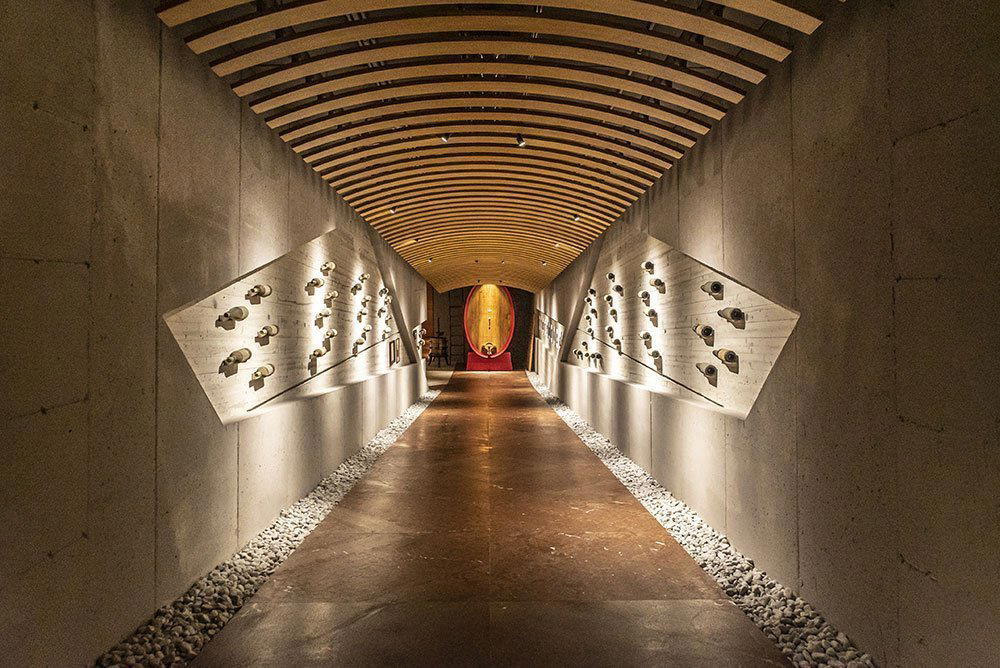
That physical layering shapes the meal before a single dish arrives. Aperitivi and opening courses are served downstairs in the medieval cellar, then guests move back up to the main dining rooms for the remainder of the meal. The format uses the building as a sequence, not just a backdrop. The dining room itself holds vaulted ceilings and stonework typical of the period, set against contemporary furnishings that avoid the usual period-interior trap of feeling like a museum. The contrast is deliberate and it works.
Where Iris Sits in Verona's Fine-Dining Tier
Verona fields a concentrated set of restaurants at the summit price tier. Casa Perbellini 12 Apostoli, which holds three Michelin stars and operates in the creative register, defines the upper boundary. Il Desco, also a Michelin one-star and also priced at the €€€€ level, represents the closest direct comparison to Iris in format and price. Both occupy the same tier; the distinction lies in emphasis. Iris's identity leans green-forward and regionally anchored, with Adriatic fish forming a secondary axis rather than a primary one.
Iris received its first Michelin star in the 2024 guide, placing it among the city's recently recognised addresses. That timing matters for planning purposes: the kind of attention that follows a new star award typically compresses availability within the first twelve to eighteen months. Readers already familiar with how quickly reservations tighten at newly starred Italian restaurants in mid-sized cities will recognise the pattern. Booking well ahead is not a precaution here; it is a planning requirement.
For readers mapping the broader Veneto fine-dining circuit, Iris sits within a region that includes Le Calandre in Rubano, which holds three stars and operates at the technical apex of the region's contemporary cooking. Nationally, the conversation about regionally rooted Italian contemporary cuisine extends to addresses like Dal Pescatore in Runate and, at the highest tier of international recognition, Osteria Francescana in Modena. Iris operates within the same broad tradition: Italian fine dining that takes regional specificity seriously and uses it as an organising principle rather than decoration.
The Kitchen's Emphasis
Contemporary Italian cooking in the Veneto has been moving in two simultaneous directions for several years. One direction is product-forward and produces minimal-intervention plates that let the ingredient lead. The other is more structural, using classical technique to build dishes with clear architecture. Iris appears to sit closer to the former: the kitchen's reported focus on balance and a green emphasis suggests a menu that prioritises vegetable-led plates and lightness over reduction-heavy classical construction.
Adriatic fish appears alongside the vegetable-forward core, which tracks with the broader pattern among northern Italian contemporary restaurants that maintain proximity to the Adriatic supply chain. That geography gives menus in this region access to a different protein register than the meat-dominant traditions of Tuscany or Piedmont: sole, bream, and similar species appear frequently across comparable addresses in the Veneto. The combination of green-forward land-side cooking and Adriatic seafood gives the menu a range that the price tier demands.
For context on what green-focused contemporary Italian cooking looks like at its most ambitious elsewhere in Italy, Atelier Moessmer Norbert Niederkofler in Brunico represents the Alpine end of the same philosophical spectrum. In the urban contemporary register, Enrico Bartolini in Milan and Enoteca Pinchiorri in Florence illustrate how Italian fine dining adapts similar impulses to different urban settings.
The Wine List
Over 800 labels is a substantial cellar for a one-star restaurant in a city of Verona's size. The Veneto side of that list presumably includes the full range: Soave, Valpolicella, Amarone, and Ripasso, all of which have appellation boundaries within close proximity of the city. Including France alongside the Veneto rather than, say, Tuscany or Piedmont signals a list built for the wine-literate traveller who comes expecting depth in Burgundy and Bordeaux alongside local representation.
For readers whose primary interest is the Veneto wine world rather than dining, our full Verona wineries guide covers the region's producers in detail.
Planning a Visit
Iris Ristorante is on Via Leoni 10, 37121 Verona, within walking distance of the city's historic centre and the Arena di Verona. The €€€€ price positioning places it at the summit of Verona's restaurant market, consistent with peer addresses in the same starred tier. Given the 2024 Michelin star and the attention that typically follows new recognition, reservations are essential.8 across 68 reviews signals consistent performance for a restaurant at this level, where the volume of reviews tends to be lower and the scoring more exacting than at casual addresses.
The two-room format of the meal, beginning in the 14th-century cellar and continuing in the main dining room, means the experience has a built-in arc that rewards arriving on time rather than drifting in mid-service. The cellar-to-dining-room sequence rewards punctual arrival.
Verona's broader dining options at adjacent price points include La Loggia Bistrò for a less formal setting, Al Bersagliere for Venetian tradition at a lower price tier, and Al Capitan della Cittadella for seafood in a different register. Our full Verona restaurants guide maps the city's dining options across all price tiers and styles. For planning the rest of a Verona stay, see also our Verona hotels guide, bars guide, and experiences guide.
What Readers Recommend at Iris Ristorante
Readers and reviewers consistently point to the architectural experience of the space itself as one of the defining elements of a meal here: the cellar aperitivo sequence followed by the return to the stone-vaulted dining room is mentioned frequently as a structural feature that distinguishes the visit from other starred restaurants in the city. On the food side, the green-forward contemporary cooking and Adriatic fish dishes draw consistent attention, with the balance and regional coherence of the menu cited alongside the depth of the wine list. As a Michelin one-star awarded in 2024, Iris has a short track record compared to longer-established peers like Il Desco, but the. For readers comparing Iris against international contemporary restaurants outside Italy, César in New York City and Jungsik in Seoul represent the same contemporary register in different urban contexts.
Style and Standing
Comparable venues nearby, for context on price, style, and recognition.
| Venue | Cuisine | Price | Awards | Notes |
|---|---|---|---|---|
| Iris RistoranteThis venue — the venue you are viewing | Contemporary Italian Fine Dining | $$$$ | Michelin 1 Star | Not listed |
| Il Desco | Modern Italian Fine Dining | $$$$ | Michelin 1 Star | Citta' Antica |
| Ponte Pietra | Modern Italian Seafood | $$$$ | Michelin Plate | Citta' Antica |
| Osteria Mondo d'Oro | Modern Italian Osteria | $$ | Bib Gourmand | Citta' Antica |
| Trattoria al Pompiere | Traditional Veneto Trattoria | $$$ | Michelin Plate | Citta' Antica |
| Locanda 4 Cuochi | Modern Italian Trattoria | $$ | Michelin Plate | Citta' Antica |
Recognition history
Dated appearances from independent guides and award organizations, with the underlying list record or original source where available.
Falstaff Restaurant - 95 Falstaff Points
Falstaff
Michelin 1 Star
Michelin
Wine Spectator Best of Award of Excellence
Wine Spectator
Michelin 1 Star
Michelin
Michelin 1 Star
Michelin
Continue exploring
More in Verona
Restaurants in Verona
Browse all →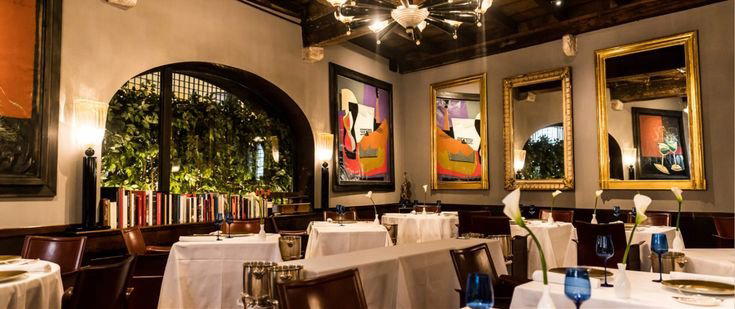
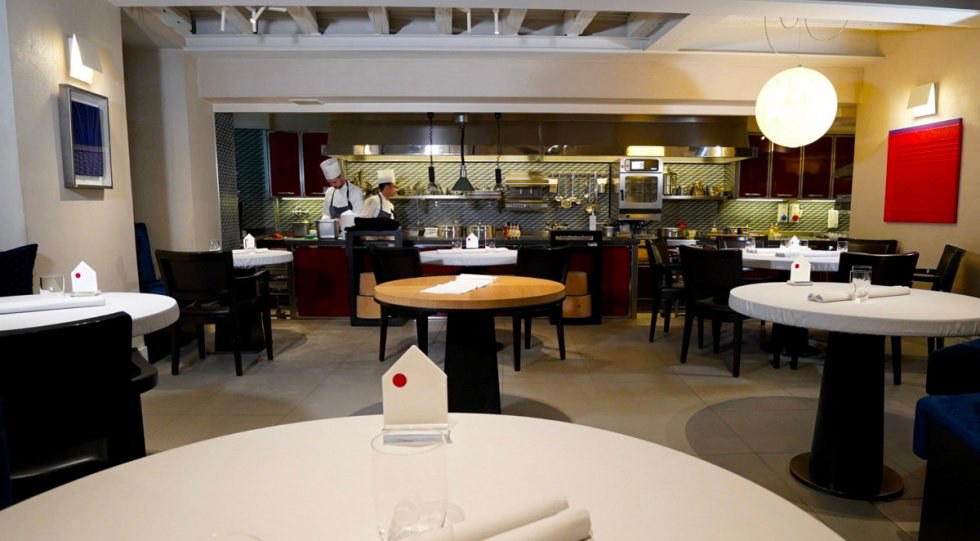
Bars in Verona
Browse all →
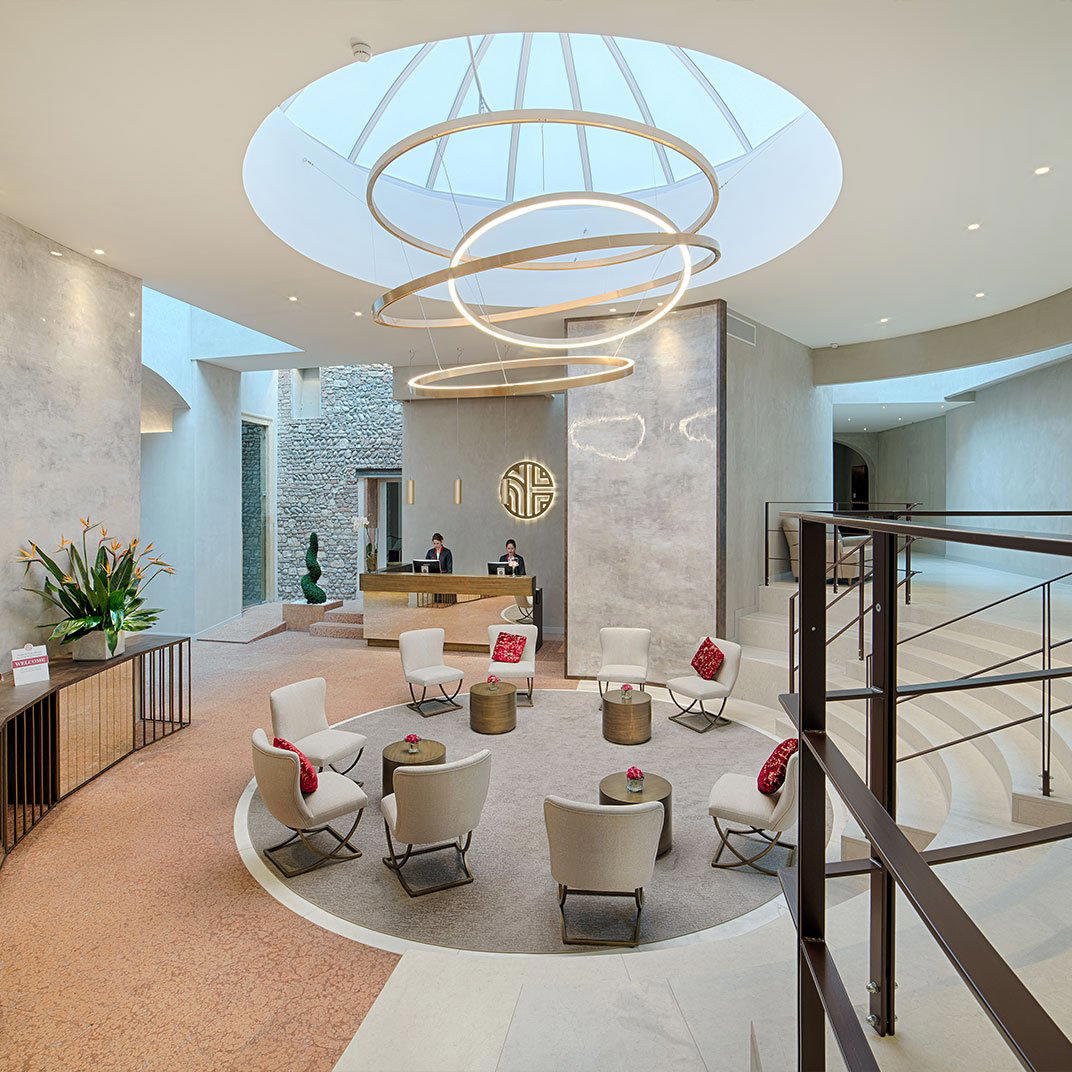
Hotels in Verona
Browse all →
At a Glance
- Elegant
- Sophisticated
- Intimate
- Classic
- Date Night
- Special Occasion
- Open Kitchen
- Historic Building
- Wine Cellar
- Extensive Wine List
- Sommelier Led
- Local Sourcing
- Sustainable Seafood
Current opening hours
- Monday
- Closed
- Tuesday
- 12:30–2 PM, 7:30–9:45 PM
- Wednesday
- 12:30–2 PM, 7:30–9:45 PM
- Thursday
- 12:30–2 PM, 7:30–9:45 PM
- Friday
- 12:30–2 PM, 7:30–9:45 PM
- Saturday
- 12:30–2 PM, 7:30–9:45 PM
- Sunday
- Closed
Hours can change for holidays and private events. Last verified .
Elegant atmosphere amid frescoes, exposed stone, and brick in a historic 16th-century dining room with an open kitchen, creating a refined and evocative setting.