Villa Cordevigo



An 18th-century patrician villa on a working wine estate outside Verona, Villa Cordevigo operates at the intersection of Veneto architectural heritage and contemporary hospitality. The Michelin-starred Oseleta restaurant, a dedicated wine cellar drawing on estate-grown Bardolino, and 33 individually furnished rooms place it in the upper tier of Italy's agritourism-adjacent relais category. Rates from US$354 per night.
Pearl is the En Primeur Club membership app — saves, bookings, and concierge access live there. Same editors, same standards.
- Address
- Località Cordevigo, 1, 37010 Cavaion Veronese VR
- Phone
- +39 045 723 5287
- Website
- villacordevigo.com
- Directions
- Get directions
 Saves & bookings on Pearl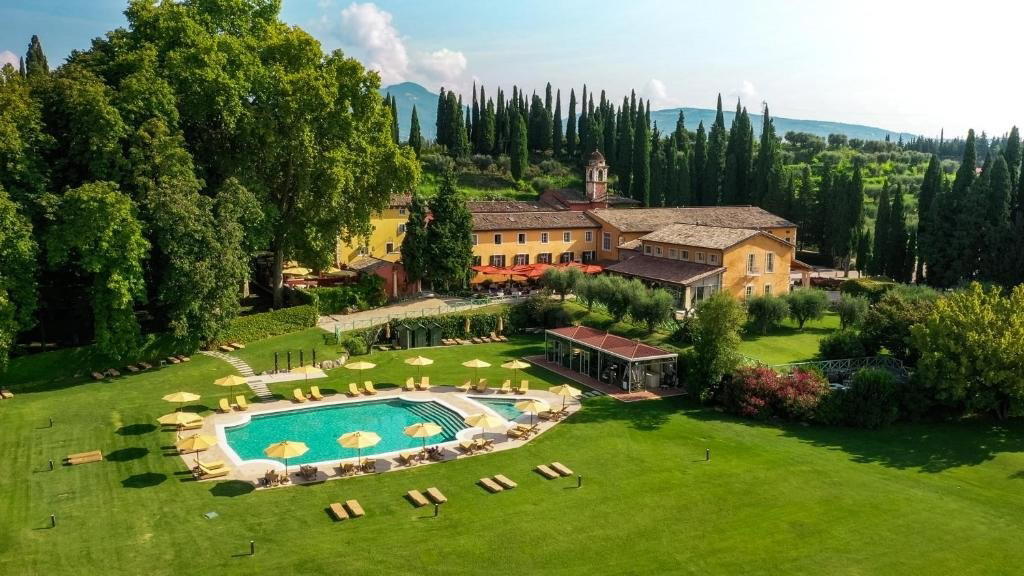
Where Veneto Architectural History Becomes the Hospitality Offer
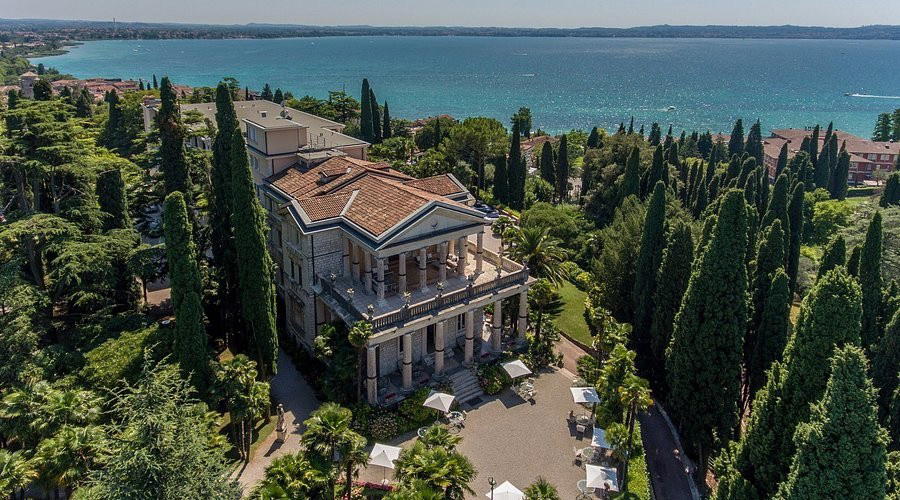
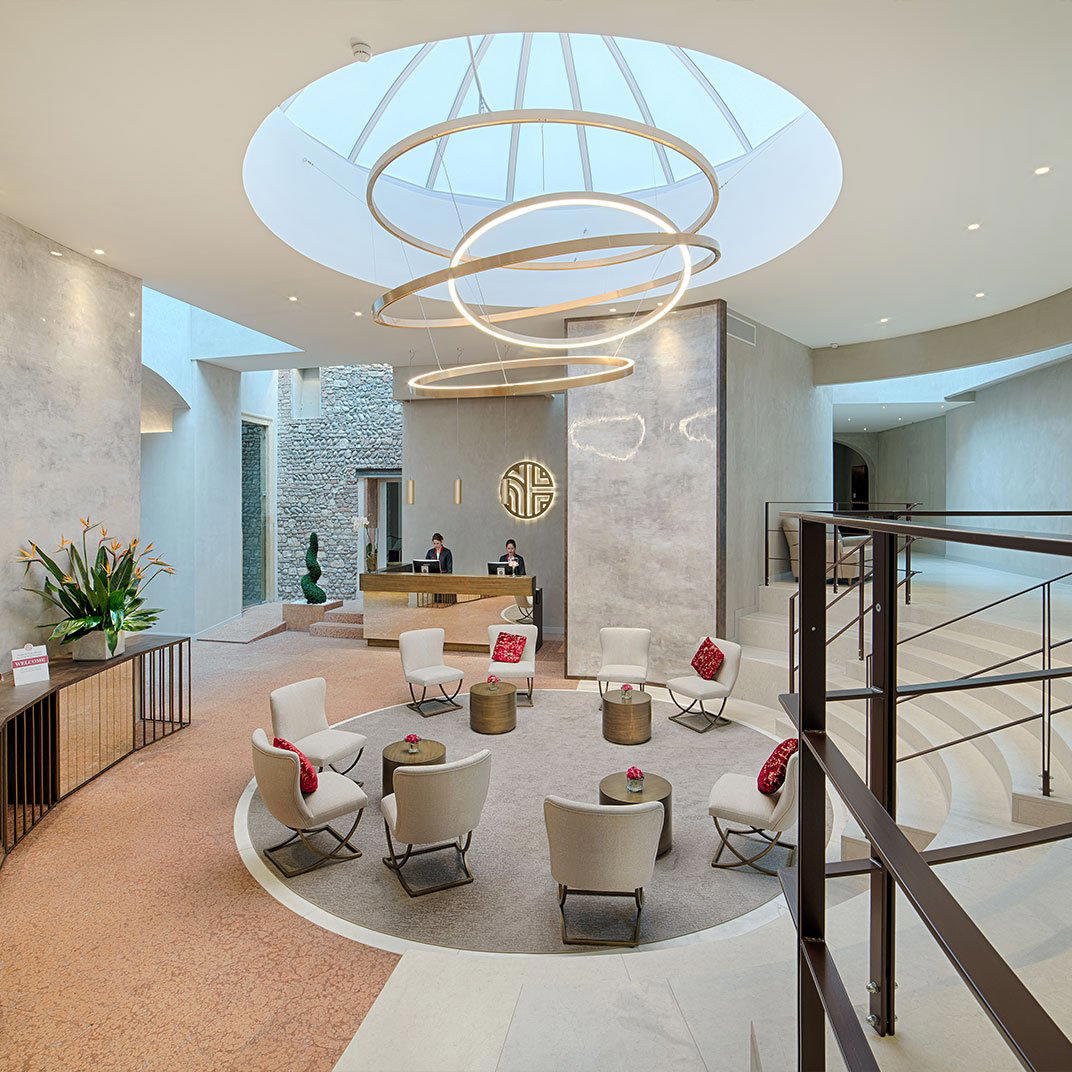
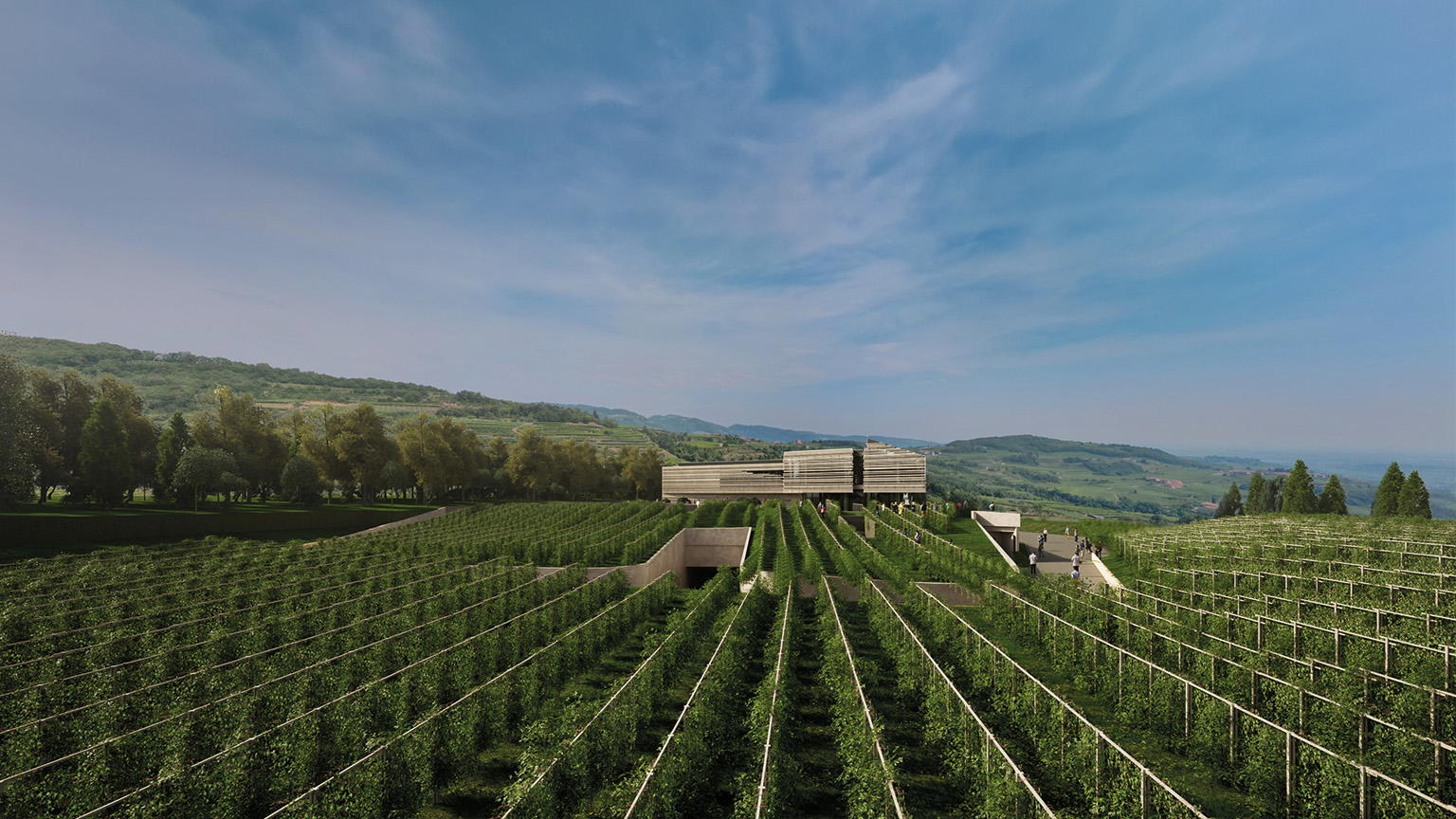
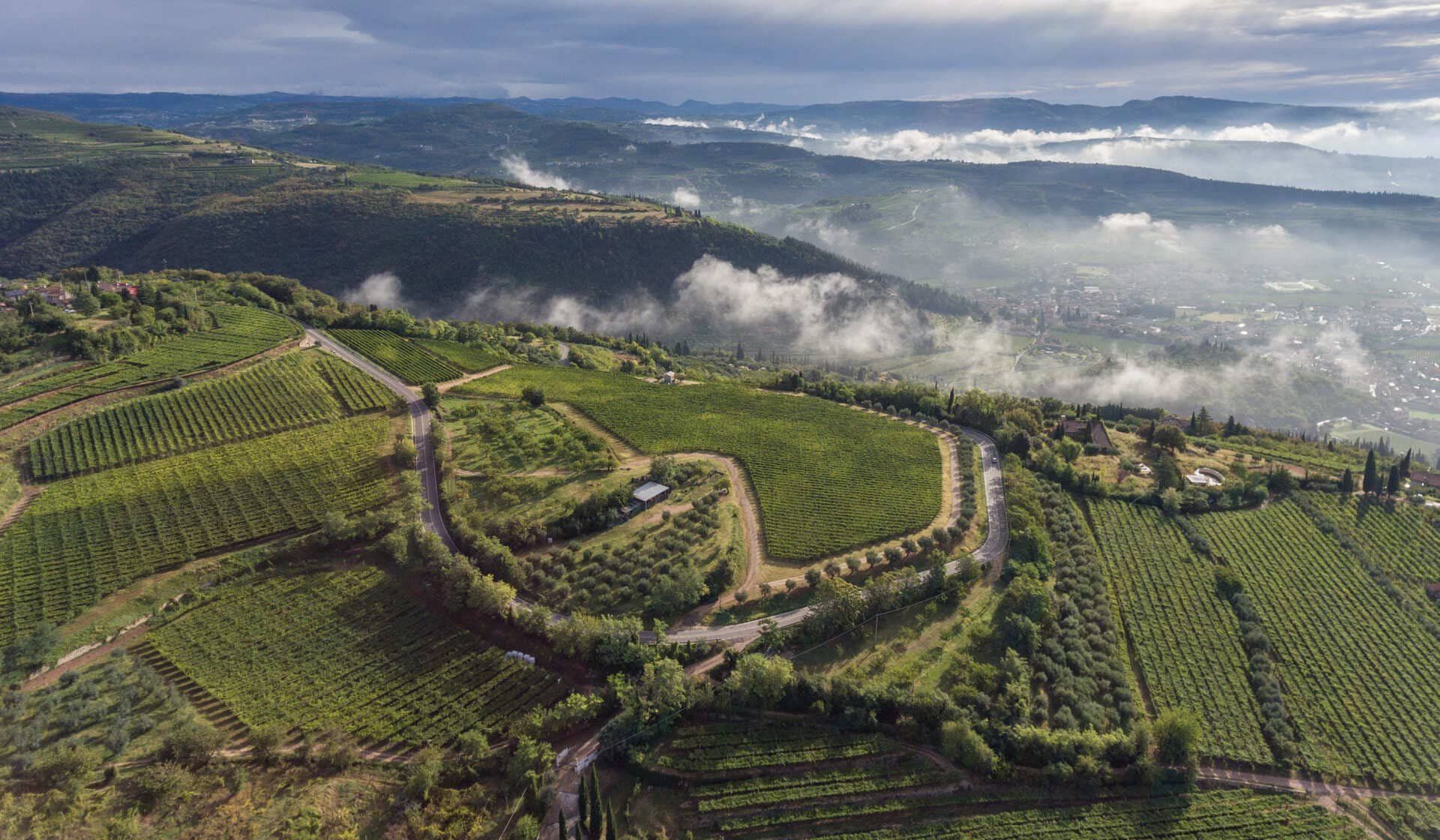
Villa Cordevigo is a 5-star hotel in Cavaion Veronese, set on a wine estate in the Bardolino DOC area. The road into the Cordevigo estate arrives before the building does. Vineyards extend across the hillside above Cavaion Veronese, a small comune on the eastern shore of Lake Garda that most visitors to the region pass through rather than stop in. The villa itself materialises at the end of this approach with the particular authority of a structure that was never designed to impress at speed: a long, symmetrical facade in warm stone, flanked by two lower wings that curve forward to enclose a cortile with a carved fountain. It reads less like a hotel than like a private estate that happens to be receiving guests, which is largely what it is.
The architecture at Villa Cordevigo rewards attention to period sequence. The original nucleus dates to the Renaissance, but the dominant character of the building reflects 17th and 18th-century modifications that were common across the Veneto during the period when patrician families consolidated rural landholdings into statements of civic standing. The geometry of the main facade, with its careful calibration between horizontal wings and the vertical emphasis of the central block, belongs to a regional architectural language that visitors familiar with the Palladian villas of the Brenta Riviera will recognise immediately. The vineyards are not decorative. The chapel dedicated to St Martin is not reconstructed. The park, the barchesse, the Italianate garden beside the fountain, all of it has been in continuous use across multiple centuries and multiple aristocratic families, from the Counts Lombardo through the Counts Dolci, Saladini, and De Moreschi, before passing to the Cristoforetti and Delibori families who now operate it as a relais.
The Architecture of Accumulation
It accumulated. Owners modified, extended, and restated the building according to changing tastes, and the result is that one characterful examples read as a kind of layered document. Villa Cordevigo follows that pattern. The Renaissance chapel and the 18th-century main block do not compete; they read as evidence of a property that has been continuously cared for rather than periodically rescued. This is a meaningful distinction in the Italian agritourism and relais category, where the difference between genuine continuity and carefully staged patina is usually visible in the quality of the stonework, the proportions of the windows, and the relationship between the main building and its outbuildings.
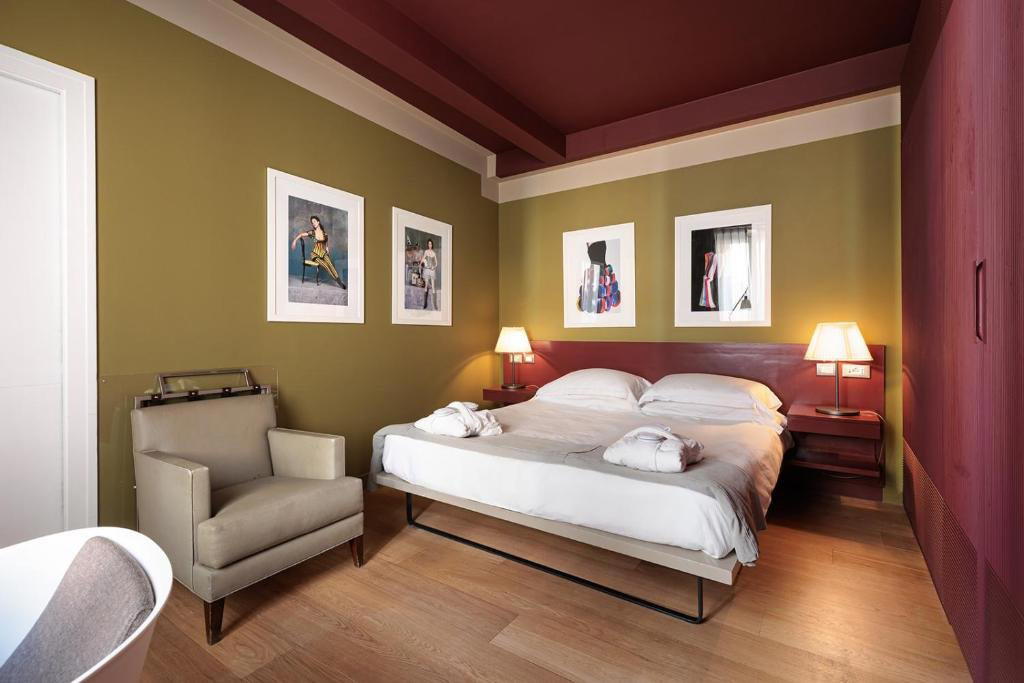
The 40 rooms are distributed across the main villa and the two barchesse wings. Each room is configured differently, a consequence of working within historic fabric rather than designing from a blank floor plan. Rooms are furnished with period-appropriate textiles and finishes rather than the generic luxury-hotel register; beds run to 71 by 79 inches. This distribution of accommodation across wings and main house is common in Italian relais properties and has a practical consequence for guests: rooms in the barchesse tend to be quieter and have direct access to the gardens, while rooms in the central villa sit closer to the principal dining and reception spaces. Neither category is generic.
For comparison within the Italian wine-estate relais tier, properties such as Rosewood Castiglion Del Bosco in Montalcino and Borgo San Felice Resort in Castelnuovo Berardenga operate in Tuscany with similar combinations of estate wine production and Michelin-level dining. Villa Cordevigo occupies the equivalent position in the Veneto, a region that attracts less international attention for this format than Tuscany but produces it with comparable quality. Other Italian properties that combine architectural heritage with serious food and wine programs include Borgo Egnazia in Savelletri di Fasano and Castelfalfi in Montaione, though each belongs to a different regional and typological tradition.
Oseleta and the Wine Program
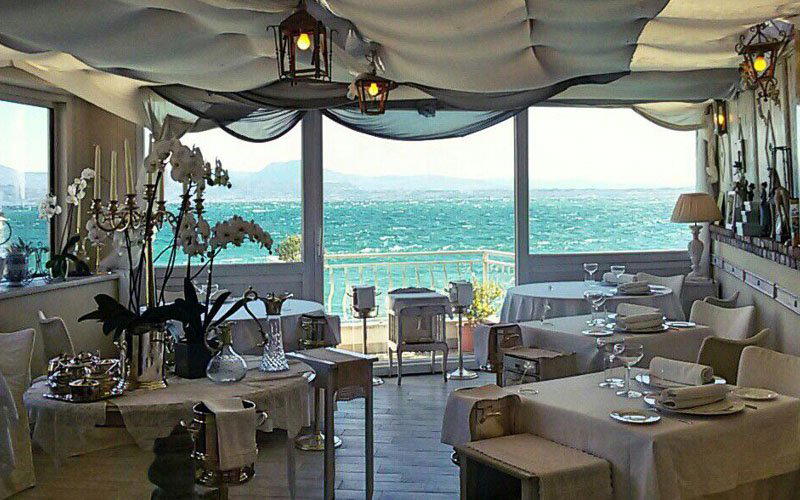
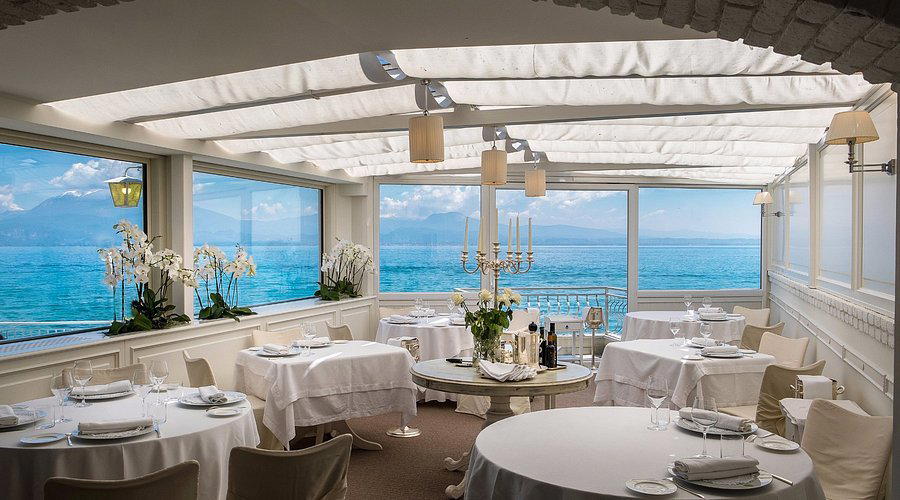
The restaurant Oseleta has no Michelin stars, but it remains a defining part of the estate's food program. Chef Marco Marras leads the kitchen. In the context of Veneto cuisine, a starred kitchen attached to a working wine estate operates differently from a standalone urban restaurant: the estate's own production becomes a reference point for the food program, and the two inform each other in ways that affect how menus are constructed and how pairings are presented.
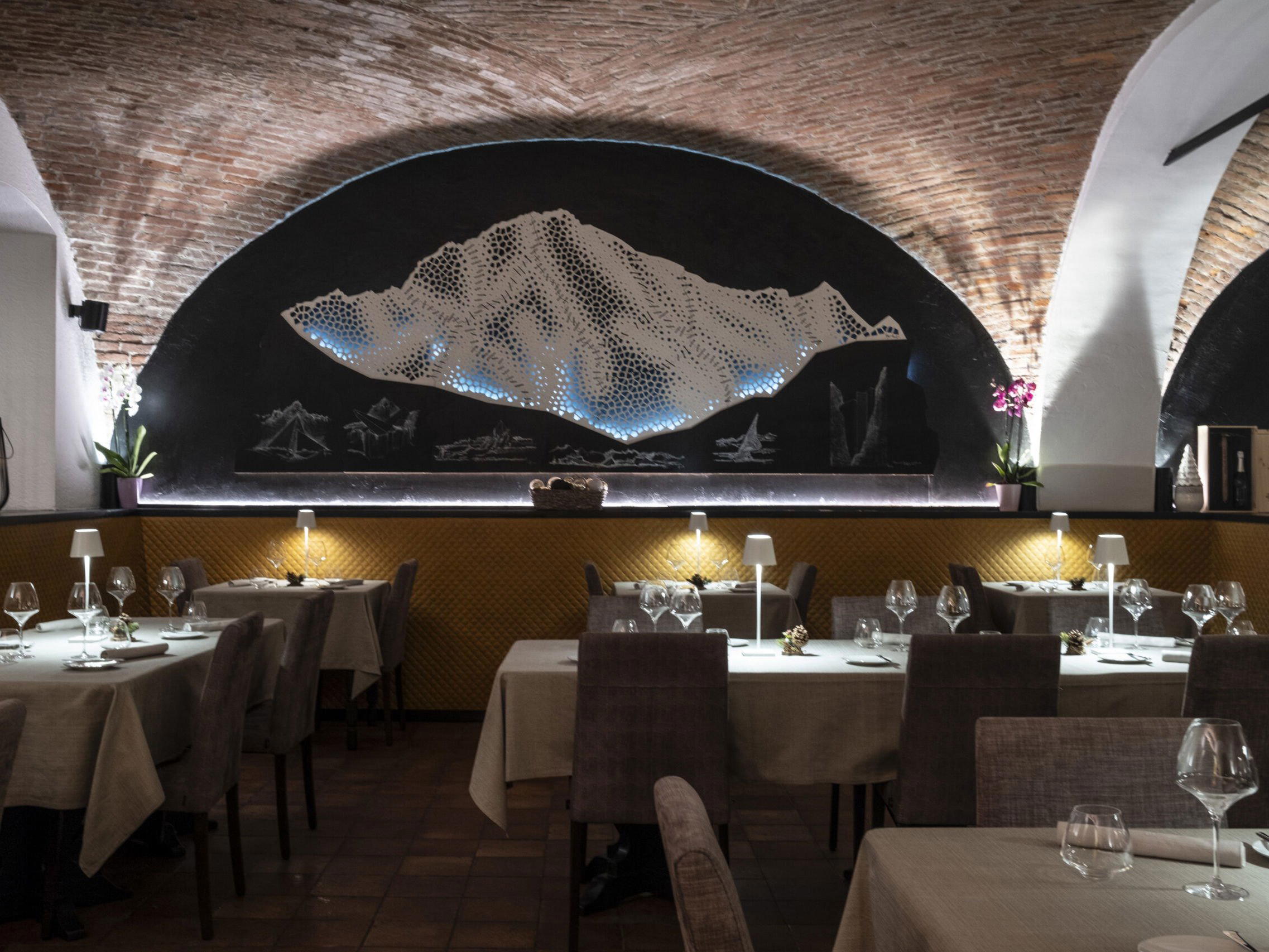
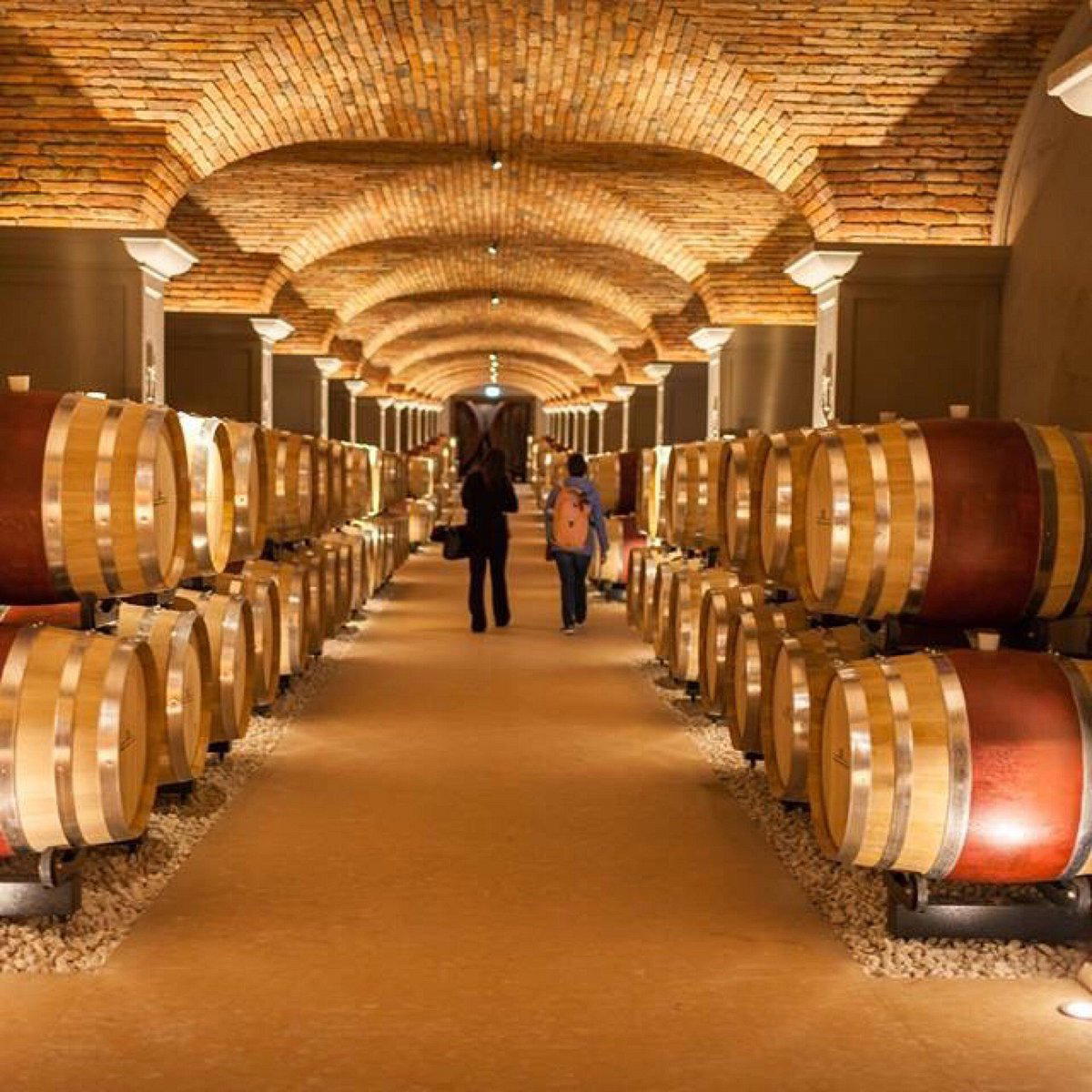
The wine side of the operation has its own dedicated space in the Cellar, which draws on production from Vigneti Villabella, the wine label established in 1971 by Walter Delibori and Giorgio Cristoforetti in nearby Calmasino. The vineyards sit in the Bardolino classico zone, on the hills above Lake Garda, and the estate's production gives the wine program at Cordevigo a specificity that generic hotel wine lists do not have. Guests are tasting wines made from grapes grown on the property they are sleeping in, which is a different experience from selecting from a purchased cellar.
For guests whose primary interest is wine-driven hotel stays in Italy, the comparison set is worth mapping. Casa Maria Luigia in Modena pairs serious dining credentials with a distinctive food identity, though without an estate wine program. Castel Fragsburg in Merano offers a different Alpine-adjacent version of the wine-estate relais format in the Alto Adige. For the lake district more broadly, EALA My Lakeside Dream in Limone sul Garda and Grand Hotel Tremezzo in Tremezzo represent the northern Lakes alternative, with different architectural registers and no estate wine production.
Wellness and the Estate as Container
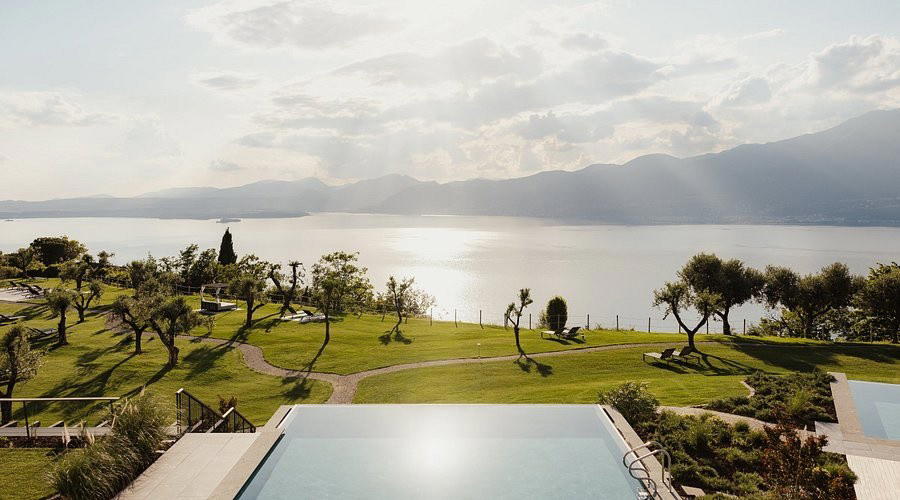
The Essentia Spa at the hotel includes pools, a jacuzzi, Finnish and infrared saunas, a Turkish bath, sensory showers, a gym, and a relaxation room. An open-air pool completes the outdoor offer. This wellness infrastructure is proportionate to the scale of the property and positions it as a self-contained stay rather than a base for regional day trips, though the Lake Garda shoreline and the Verona amphitheatre are both within practical driving distance. The estate also offers structured experiences beyond the spa and restaurant, including estate visits and activities organised around the agricultural and historical character of the property.
Planning a Stay
The hotel operates as a seasonal property: it closes annually from early January through late March, with the 2026 closure running from 4 January to 25 March covering both the hotel and its restaurant. Rates begin at US$354 per night, positioning it in the mid-upper range of the Italian relais category, below the international-brand ceiling represented by properties such as Four Seasons Hotel Firenze in Florence or Aman Venice in Venice, and in the same general tier as smaller estate properties across northern Italy. Reservations for Oseleta are advisable well in advance, particularly during the summer Lake Garda season when the surrounding area operates at full capacity.
Guests arriving from Venice or Verona will find the estate accessible by car in under an hour from either city. Those looking for a longer northern Italy itinerary might pair it with Passalacqua in Moltrasio on Lake Como or Forestis Dolomites in Plose for a contrast in landscape and architectural register.
A Quick Peer Check
Comparable venues nearby, for context on price, style, and recognition.
| Venue | Cuisine | Price | Awards | Notes |
|---|---|---|---|---|
| Villa CordevigoThis venue — the venue you are viewing | Historic Venetian villa with modern luxury | $$$$ | 5-Star | Not listed |
| Hotel Première Abano | Luxury 5-star thermal spa resort in a renovated Art Nouveau building surrounded by a large private park. | $$$$ | 5-Star | Not listed |
| My Arbor - Dolomites | Sustainable family-run treehouse hotel polished in the forest | $$$$ | 5-Star | Plose |
| The Carlton, a Rocco Forte hotel | Boutique luxury hotel blending Milanese style with private residence intimacy. | $$$$ | 5-Star | Duomo |
| Abi d'Oru Beach Hotel&Spa | Historic beach resort with hexagonal pavilions and Mediterranean gardens | $$$$ | 5-Star | Porto Rotondo |
| Hilton Turin Centre | Urban 5-star flagship Hilton in a restored historic building with full-service spa and extensive meetings and events facilities in central Turin. | $$$$ | 5-Star | Centro |
Recognition history
Dated appearances from independent guides and award organizations, with the underlying list record or original source where available.
Relais Chateaux Award
Relais Chateaux
Virtuoso Luxury Hotel Partner
Virtuoso
Michelin Selected
Michelin
Relais Chateaux Award
Relais Chateaux
Continue exploring
More in Cavaion Veronese
Hotels in Cavaion Veronese
Browse all →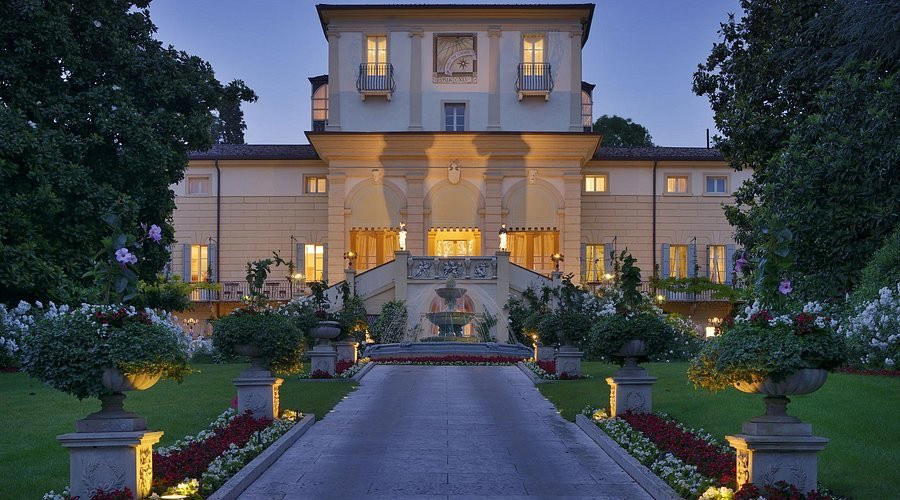
Bars in Cavaion Veronese
Browse all →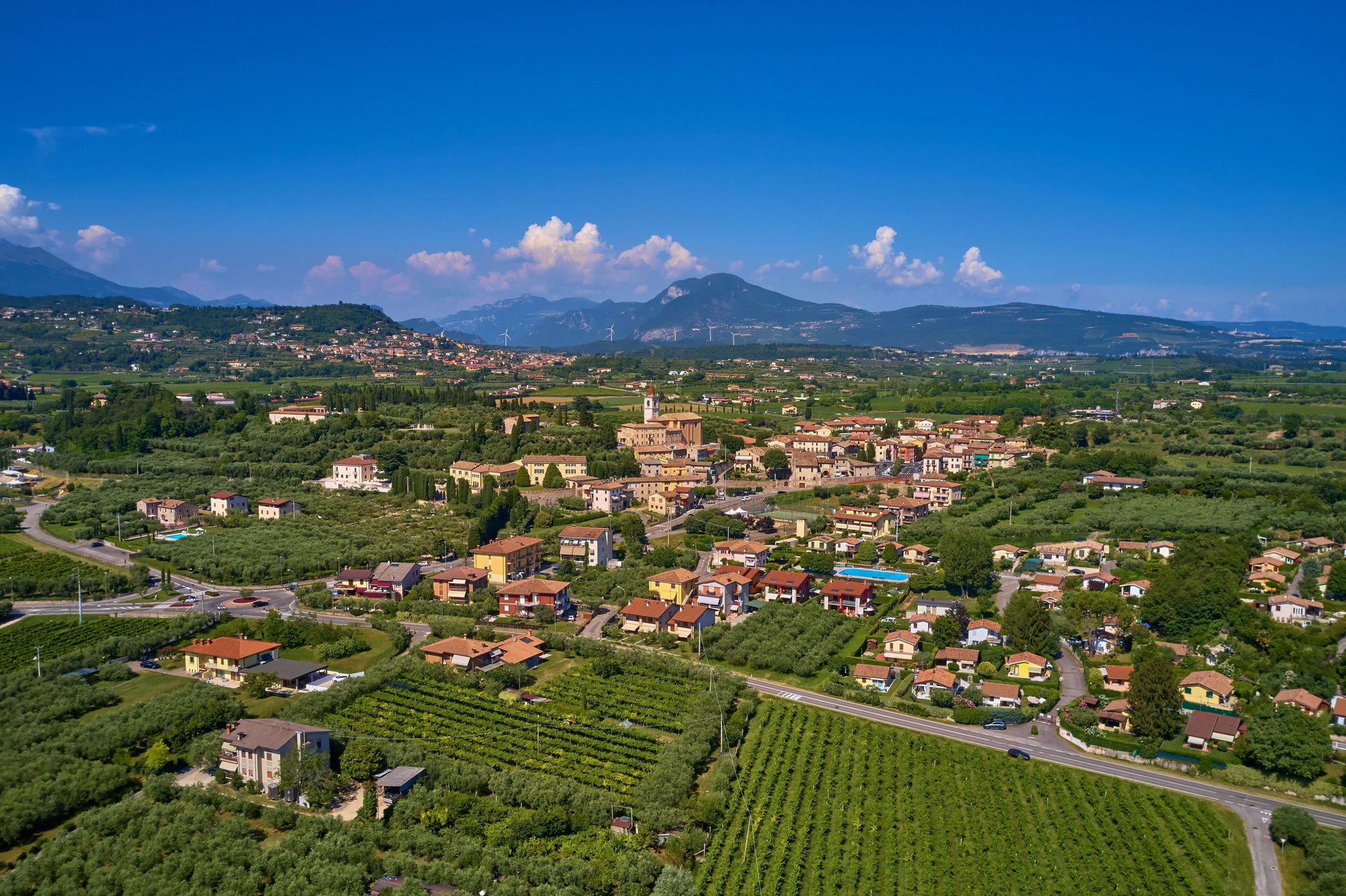
Restaurants in Cavaion Veronese
Browse all →

At a Glance
- Romantic
- Elegant
- Scenic
- Sophisticated
- Rustic
- Romantic Getaway
- Honeymoon
- Wellness Retreat
- Anniversary
- Historic Building
- Pool
- Spa
- Fitness Center
- Sauna
- Restaurant
- Wi Fi
- Concierge
- Room Service
- Vineyard
- Garden
- Pool
- Spa
- Fitness Center
- Sauna
- Restaurant
- Wi Fi
- Concierge
- Room Service
Serene and relaxing with lush gardens, vineyard views, and a peaceful historic atmosphere blending grandeur and intimacy.