Zum Schusterjungen on Danziger Strasse in Prenzlauer Berg is one of Berlin's most-discussed traditional Kneipe, a neighbourhood institution where old-school German tavern culture holds firm against the district's steady gentrification. The name, which translates roughly as 'the cobbler's apprentice,' signals its working-class roots, and the interior and atmosphere have changed little in decades, which, in this part of Berlin, is the point.
Pearl is the En Primeur Club membership app — saves, bookings, and concierge access live there. Same editors, same standards.
- Address
- Danziger Str. 9, 10435 Berlin, Germany
- Phone
- +49 30 4427654
- Website
- zumschusterjungen.com
- Directions
- Get directions
 Saves & bookings on Pearl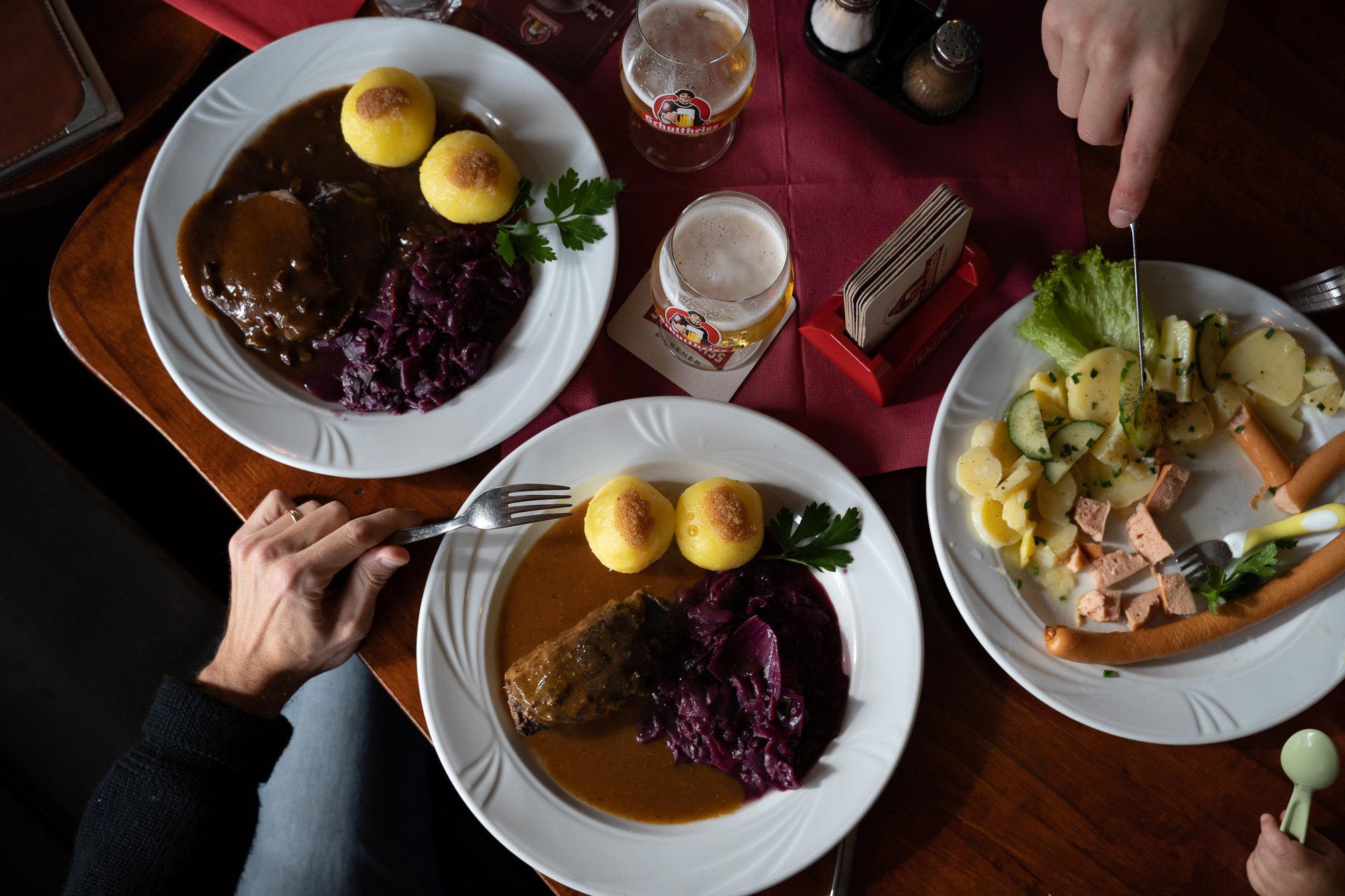
Prenzlauer Berg's Anchor Point
Prenzlauer Berg has spent the past three decades in near-constant transformation. The district that was among East Berlin's most densely inhabited neighbourhoods before reunification is now home to some of the city's highest rents, a concentration of young families, and a restaurant scene that tilts heavily toward contemporary European formats. Against that backdrop, Danziger Strasse 9 reads as a minor act of defiance. The room is the offering and the food is the reason people keep returning.
Berlin's dining scene has bifurcated sharply between high-investment fine dining, venues like Rutz, Nobelhart & Schmutzig, and FACIL anchoring the Michelin-recognised tier, and the newer wave of international casual concepts. The old-guard tavern, serving Berliner Leber, Sauerkraut, and cold cuts to a mixed crowd of long-term locals and curious visitors, has fewer representatives than it did twenty years ago. Zum Schusterjungen is one of the survivors, and survival here is not passive. In a district where neighbouring spaces turn over quickly, holding a position for decades requires a clearly defined audience that keeps returning.
What the Room Tells You
The physical environment at Zum Schusterjungen communicates its function before any food arrives. Dark wood panelling, close-set tables, and a bar that anchors the room are standard features of the format, elements that persist not out of nostalgia but because they serve the social purpose of a place built around conversation, regular rounds, and the kind of unhurried evening that is difficult to sustain in a more designed room. Berlin's bar and restaurant culture has always contained this tension between the architecturally ambitious and the deliberately unadorned, and Danziger Strasse leans hard into the latter.
Contrast with the city's fine dining tier is instructive. At CODA Dessert Dining, the format is built around tasting-menu precision and a specific creative proposition. Restaurant Tim Raue (listed here) operates in a register of controlled intensity. Zum Schusterjungen occupies the opposite end of that spectrum, where the absence of high-concept framing is itself a form of positioning. For a visitor moving through Berlin's broader dining geography, this contrast is part of what makes the city's restaurant culture unusually wide in its range.
The Cuisine Context: What Berlin Tavern Food Actually Means
Traditional Berlin cooking is frequently misunderstood by visitors expecting something equivalent to Bavarian hearty-fare or the refined regional cooking found at places like Schwarzwaldstube in Baiersbronn or Waldhotel Sonnora in Dreis. The Berlin tradition is distinct: it draws from Prussian frugality, working-class practicality, and a pre-war urban food culture that prioritised inexpensive cuts, preserved vegetables, and a limited but dependable repertoire. Dishes like Eisbein (braised pork knuckle), Buletten (pan-fried meat patties), Schmalzbrot (bread with rendered lard), and the city's characteristic currywurst-adjacent street food tradition reflect this lineage. A proper Kneipe kitchen does not attempt ambition; it attempts consistency in a form that is inherently repetitive and hard to make interesting unless the execution is reliable night after night.
This is the standard against which the restaurant is measured by regulars, and it is a harder standard than it appears. The German restaurant scene's most celebrated figures, from the three-Michelin-star formats at Aqua in Wolfsburg and Victor's Fine Dining in Perl to the internationally-watched kitchens at Vendôme in Bergisch Gladbach, compete on invention and technique. A traditional Kneipe competes on faithfulness to a known form, and that is a competition where consistency beats creativity every time.
Location and How to Approach It
Danziger Strasse connects Prenzlauer Berg to Friedrichshain, running east from the Jüdischer Friedhof and threading through a stretch of the district that retains more of its pre-gentrification texture than the streets closer to Kollwitzplatz. The address at number 9 is accessible on foot from Eberswalder Strasse U-Bahn station, which sits at the junction of Kastanienallee and Danziger, putting it within ten minutes' walk. Tram lines running along Danziger Strasse also serve the stretch directly. The surrounding block is a reasonable cross-section of what Prenzlauer Berg has become: independent cafes, a mix of residential buildings in varying states of renovation, and occasional older retail that has held on. The venue fits that block in a way that newer openings do not.
For visitors building a broader itinerary around Berlin's dining geography, the restaurant works as a deliberate counterpoint to the high-investment end of the city's food scene. Those interested in Germany's wider fine dining range will find relevant reference points at JAN in Munich, Restaurant Haerlin in Hamburg, Schanz in Piesport, ES:SENZ in Grassau, and Bagatelle in Trier. Those comparing Berlin specifically against peer-city dining cultures, Le Bernardin in New York or Lazy Bear in San Francisco, for instance, will find the Kneipe format a useful reference for understanding how differently European urban food cultures are structured. Berlin holds traditional tavern formats and Michelin-level precision within the same dining culture, something that is harder to find in comparable American cities.
Planning Your Visit
The restaurant operates as a traditional neighbourhood tavern, which means it functions leading approached on its own terms. This is not a reservation-driven format in the way that Berlin's fine dining tier requires advance planning; the Kneipe tradition is built around drop-in culture, though popular evenings in a small room can mean waiting. Reservations are recommended. Going early in the evening or on weekday nights reduces friction. The address is Danziger Str. 9, 10435 Berlin, and the venue is most naturally reached via U2 to Eberswalder Strasse or tram along Danziger Strasse itself. Dress expectations are casual. Pricing sits at about $18 per person, in keeping with the format and the neighbourhood's historical character.
- Pork Knuckle
- Schnitzel
- Sauerbraten
- Goulash
- Roulades
- Currywurst
Cuisine and Credentials
Comparable venues nearby, for context on price, style, and recognition.
| Venue | Cuisine | Price | Notes |
|---|---|---|---|
| Zum SchusterjungenThis venue — the venue you are viewing | Traditional Berlin German Gastropub | $$ | Not listed |
| Lokal | Modern German | $$ | Mitte |
| Hopfingerbräu am Brandenburger Tor | Bavarian Brauhaus | $$ | Mitte |
| Schüsseldienst | Modern German Bowls | $$ | Schoneberg |
| Dicke Wirtin | Traditional Alt-Berliner Cuisine | $$ | Charlottenburg |
| Lebenswelten im Humboldt Forum | Sustainable German Bistro with Vegetarian Focus | $$ | Mitte |
Continue exploring
More in Berlin
Restaurants in Berlin
Browse all →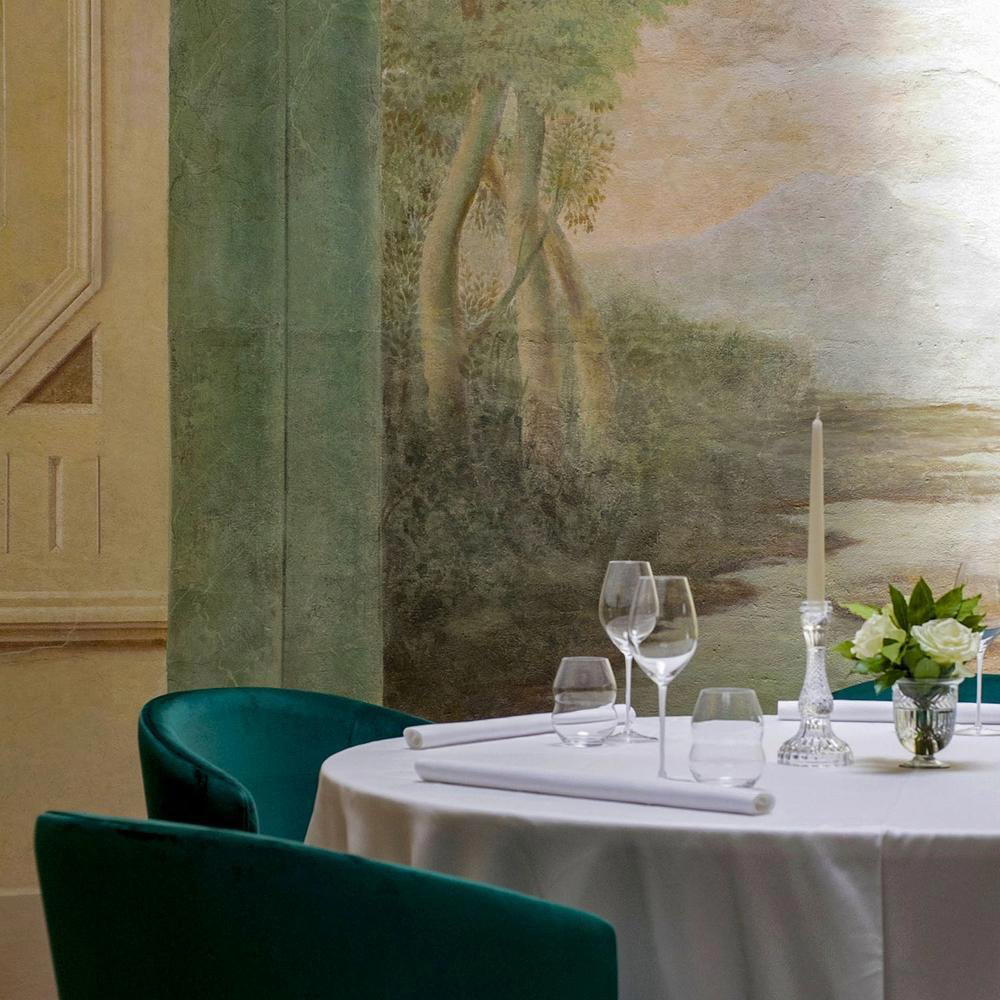
Bars in Berlin
Browse all →
Hotels in Berlin
Browse all →
Wineries in Berlin
Browse all →
At a Glance
- Rustic
- Cozy
- Classic
- Well Known
- Casual Hangout
- Group Dining
- Family
- After Work
- Late Night
- Standalone
- Historic Building
- Terrace
- Beer Program
- Street Scene
Current opening hours
- Monday
- 12 PM–12 AM
- Tuesday
- 12 PM–12 AM
- Wednesday
- 12 PM–12 AM
- Thursday
- 12 PM–12 AM
- Friday
- 12 PM–12 AM
- Saturday
- 12 PM–12 AM
- Sunday
- 12 PM–12 AM
Hours can change for holidays and private events. Last verified .
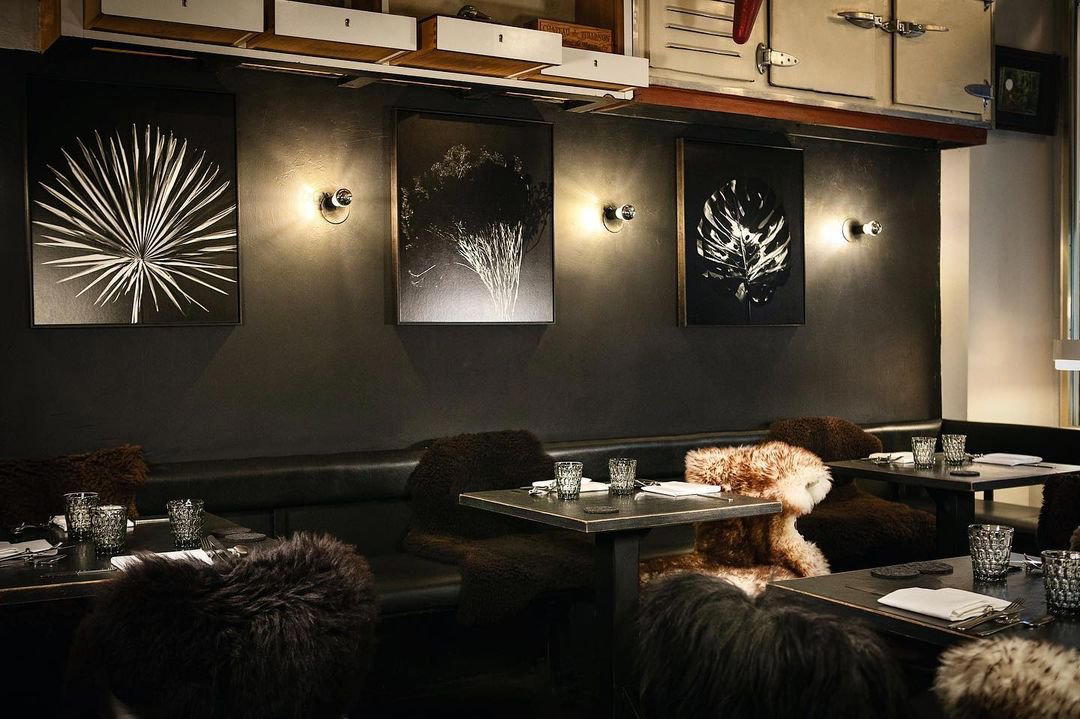
Lowly-lit, rustic interior with candlelight, vintage paintings, wooden tables, and eclectic furnishings; light and airy with a solid wood serving bar dominating the main room.