Lebenswelten im Humboldt Forum occupies one of Berlin's most architecturally layered addresses, the reconstructed Berlin Palace on Schlossplatz, where the building itself functions as the primary exhibit. The experience sits at the intersection of German colonial history, ethnographic display, and civic debate, a cultural institution that asks as many questions as it answers, and does so inside a space that has been contested, demolished, and rebuilt across three centuries.
Pearl is the En Primeur Club membership app — saves, bookings, and concierge access live there. Same editors, same standards.
- Address
- Schloßpl. 1, 10178 Berlin, Germany
- Phone
- +4930555705881
- Directions
- Get directions
 Saves & bookings on Pearl
A Building That Is Also an Argument
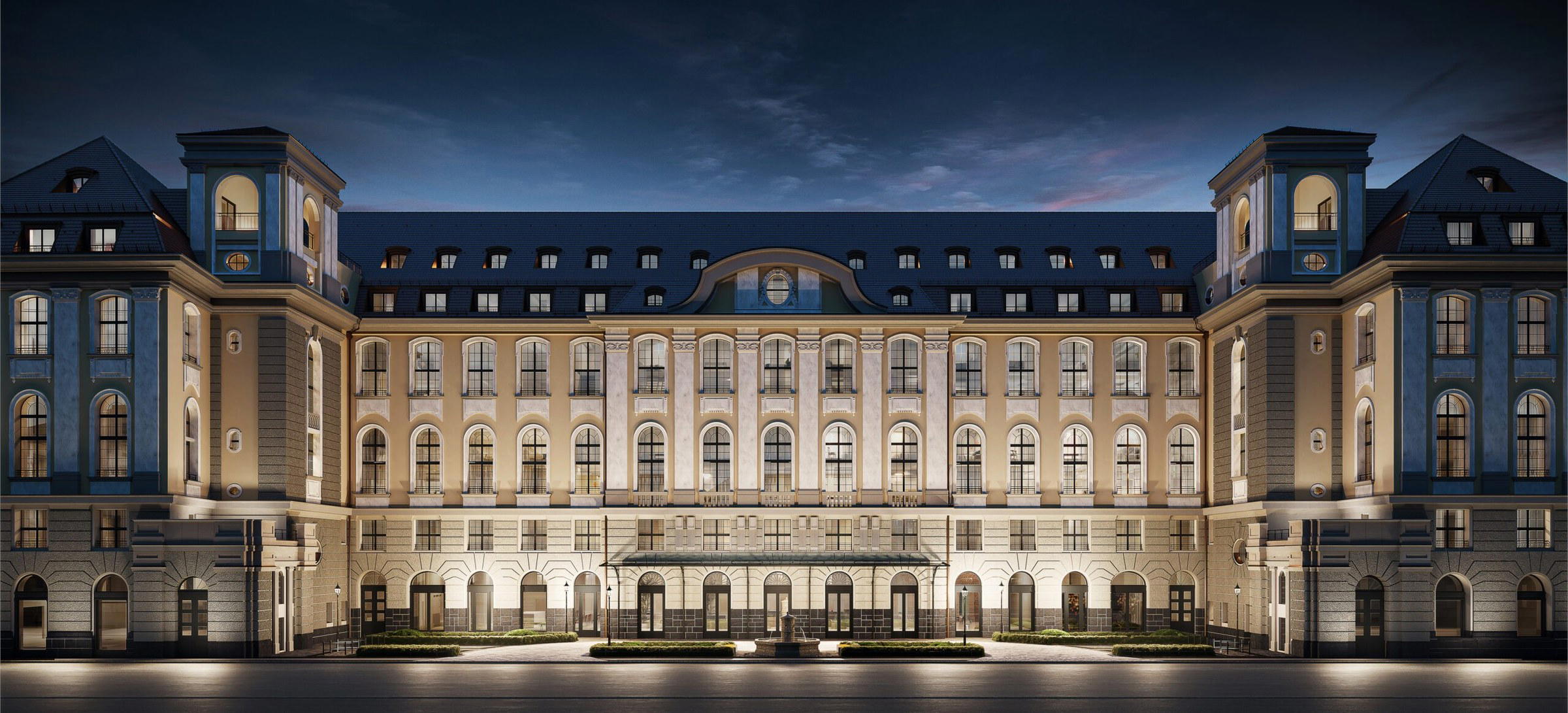
Lebenswelten im Humboldt Forum is a sustainable German bistro with a vegetarian focus in Berlin, located at Schloßpl. 1, 10178 Berlin, Germany. The building standing today is a deliberate reconstruction of the Hohenzollern royal palace, demolished by the East German government in 1950, rebuilt as a cultural institution and opened as the Humboldt Forum in 2020 and 2021. Lebenswelten, which translates roughly as 'living worlds', is one of the permanent exhibition programmes housed within it, and understanding the container is essential to understanding the content. The baroque exterior, with its reconstructed ornamental facades and central dome, encloses a contemporary museum interior: the collision is not incidental. It is the exhibition's first provocation.
In German-speaking museum culture, this kind of layered spatial tension has become a serious curatorial tool. Where institutions like the Humboldt Forum place ethnographic collections inside a palace associated with the imperial era that collected them, the architecture stops being background. It becomes part of the interpretive frame. Visitors approaching via the Lustgarten or crossing from Museum Island are already inside an argument before they reach the threshold. That is the experience design at work, and it positions Lebenswelten in a specific tier of European cultural programming, closer to institutions like the Musée du quai Branly in Paris or the Tropenmuseum in Amsterdam than to conventional art museums.
The Space as Primary Exhibit
Inside the Humboldt Forum, the scale operates differently from most Berlin cultural venues. The building covers multiple floors, with the Lebenswelten programme occupying galleries designed for large-format ethnographic objects. Berlin's museum tradition, concentrated heavily on Museum Island a short walk to the north, tends toward the encyclopaedic: long gallery runs, dense object display, chronological sequencing. Lebenswelten takes a different approach, using the spatial generosity of the Forum to create thematic groupings that allow objects, many from the collections of the Ethnologisches Museum and the Museum für Asiatische Kunst, to be read in relation to each other rather than in strict sequence.
This spatial logic has not been without controversy. The question of how to display objects acquired during the colonial period, inside a building that is itself a monument to Prussian imperial ambition, was debated publicly for years before the Forum opened, and continues to shape how the galleries are programmed. Several source communities have been involved in recontextualising the display of their cultural material, which affects not just labelling but the physical arrangement of objects in the room. What visitors encounter, then, is a space that has been argued over in public, which gives it a seriousness that more settled museum environments rarely achieve.
Berlin's Broader Museum Geography
Schlossplatz sits at the edge of Mitte, across the Spree from Museum Island and within walking distance of the Alte Nationalgalerie and the Pergamon. That density of institutional weight is unusual even by European capital standards, and it shapes visitor expectations in this part of the city. The Humboldt Forum was always going to be read against that backdrop. Where Museum Island offers depth in classical antiquity, ancient Egypt, and nineteenth-century European art, the Humboldt Forum's mandate is explicitly global, non-European civilisations, world cultures, the Humboldt brothers' tradition of scientific and humanistic curiosity about the wider world. Lebenswelten sits inside that mandate, and is positioned as the programme most directly engaged with questions about how cultures are represented, by whom, and in whose building.
For visitors to Berlin whose dining itinerary runs through the city's fine-dining tier, places like Rutz, Nobelhart & Schmutzig, or FACIL, the Humboldt Forum offers a complementary intellectual register. These are restaurants that engage seriously with sourcing, identity, and regional meaning; Lebenswelten raises parallel questions in a different medium. The same intellectual seriousness that Berlin's cultural scene, CODA Dessert Dining and Restaurant Tim Raue among them, applies to food and form, Lebenswelten applies to objects, space, and provenance.
Germany's broader dining circuit, which extends from Aqua in Wolfsburg and JAN in Munich to Schwarzwaldstube in Baiersbronn, Vendôme in Bergisch Gladbach, and ES:SENZ in Grassau, reflects a culture that places high value on craft, origin, and intellectual rigour. Those same values animate Berlin's cultural institutions. Victor's Fine Dining by Christian Bau in Perl, Waldhotel Sonnora in Dreis, Restaurant Haerlin in Hamburg, Schanz in Piesport, and Bagatelle in Trier all operate within that tradition. Internationally, the same critical seriousness characterises institutions like Le Bernardin in New York City and Atomix, where form, sourcing, and cultural context are as important as the product itself.
What the Space Rewards
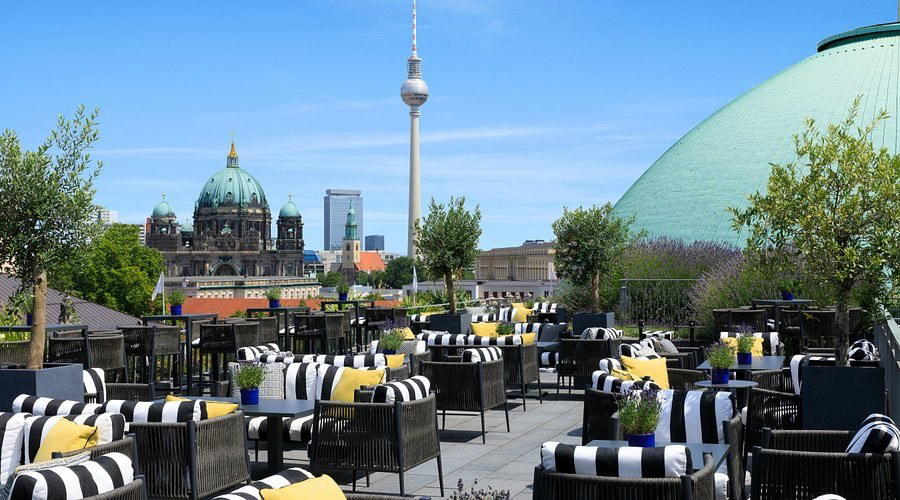
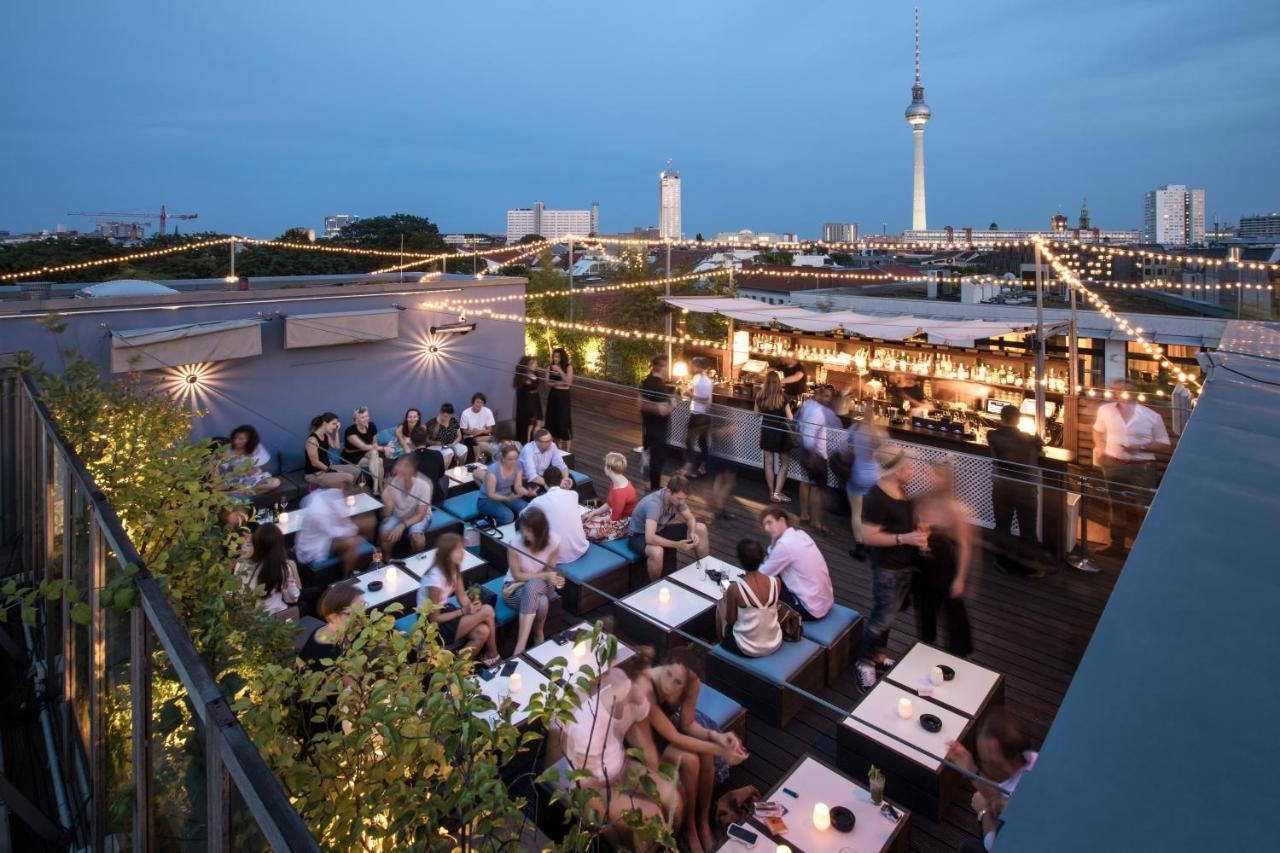
The Humboldt Forum's architecture rewards visitors who move slowly and read the building as well as its contents. The inner courtyard, accessible from multiple gallery levels, provides spatial orientation and functions as a breathing point between dense thematic sections. The upper floors offer views across central Berlin that reframe the visitor's sense of where they are in relation to the city's historical layers: the DDR television tower to the east, Museum Island immediately north, the Brandenburg Gate in the middle distance to the west. These are not incidental views. They are part of what makes the Humboldt Forum a spatially argumentative building rather than a neutral vessel for exhibits.
In Context: Similar Options
Comparable venues nearby, for context on price, style, and recognition.
| Venue | Cuisine | Price | Notes |
|---|---|---|---|
| Lebenswelten im Humboldt ForumThis venue — the venue you are viewing | Sustainable German Bistro with Vegetarian Focus | $$ | Not listed |
| Restauration 1840 | Traditional German Cuisine | $$ | Mitte |
| Café Anna Blume | Classic German Café with Breakfast and Cakes | $$ | Prenzlauer Berg |
| Neue Zukunft | German Beer Garden Pub | $$ | Friedrichshain |
| Schildkröte | Traditional German Berliner Hausmannskost | $$ | Charlottenburg |
| Gut Kerkow Bio-Metzgerei | Organic German Butcher Lunch | $$ | Mitte |
At a Glance
- Lively
- Modern
- Cozy
- Casual Hangout
- Family
- Group Dining
- Historic Building
- Courtyard
- Terrace
- Local Sourcing
- Organic
- Street Scene
Current opening hours
- Monday
- 10 AM–7 PM
- Tuesday
- 10 AM–5 PM
- Wednesday
- 10 AM–7 PM
- Thursday
- 10 AM–7 PM
- Friday
- 10 AM–7 PM
- Saturday
- 10 AM–7 PM
- Sunday
- 10 AM–7 PM
Hours can change for holidays and private events. Last verified .
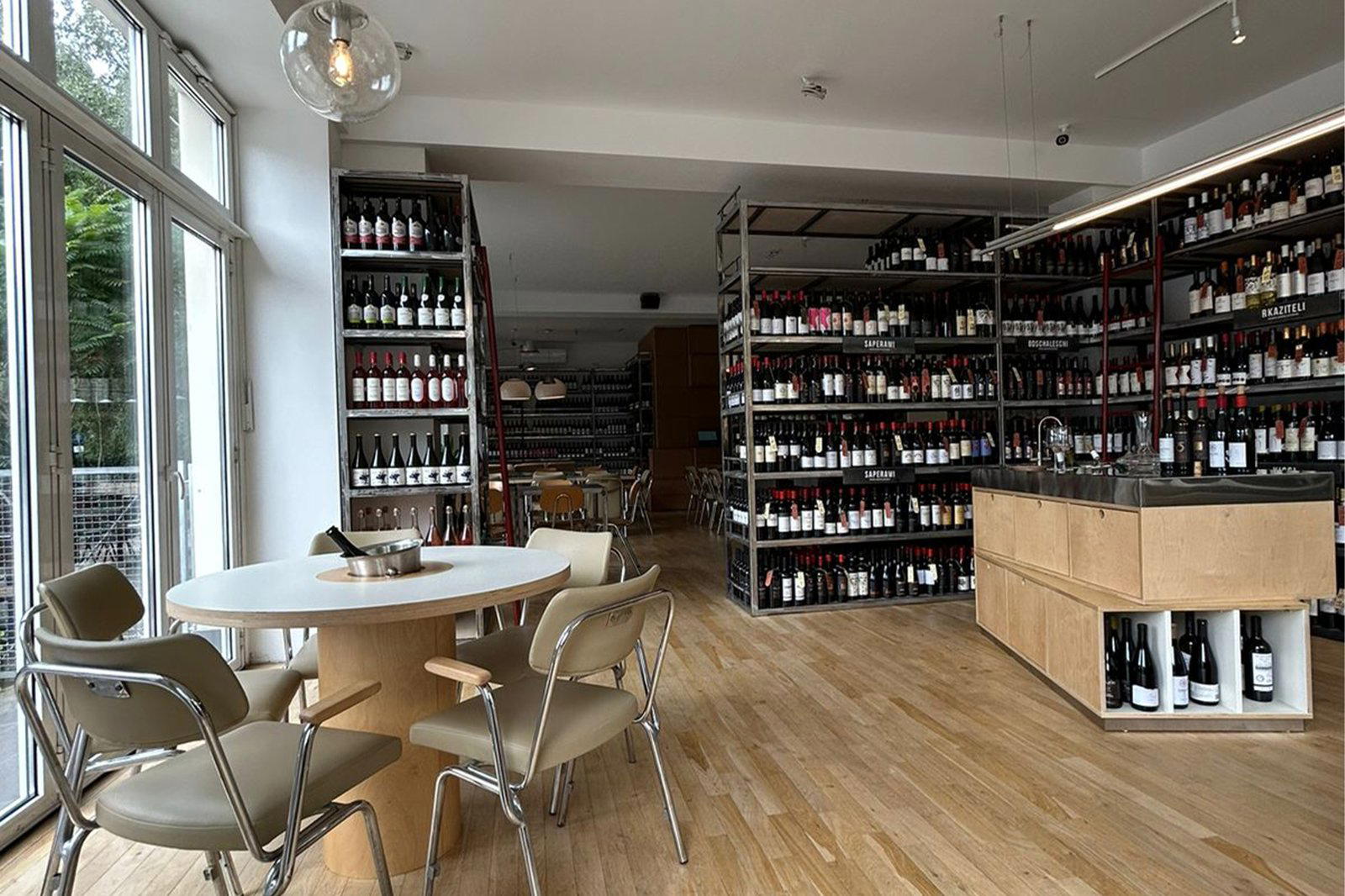
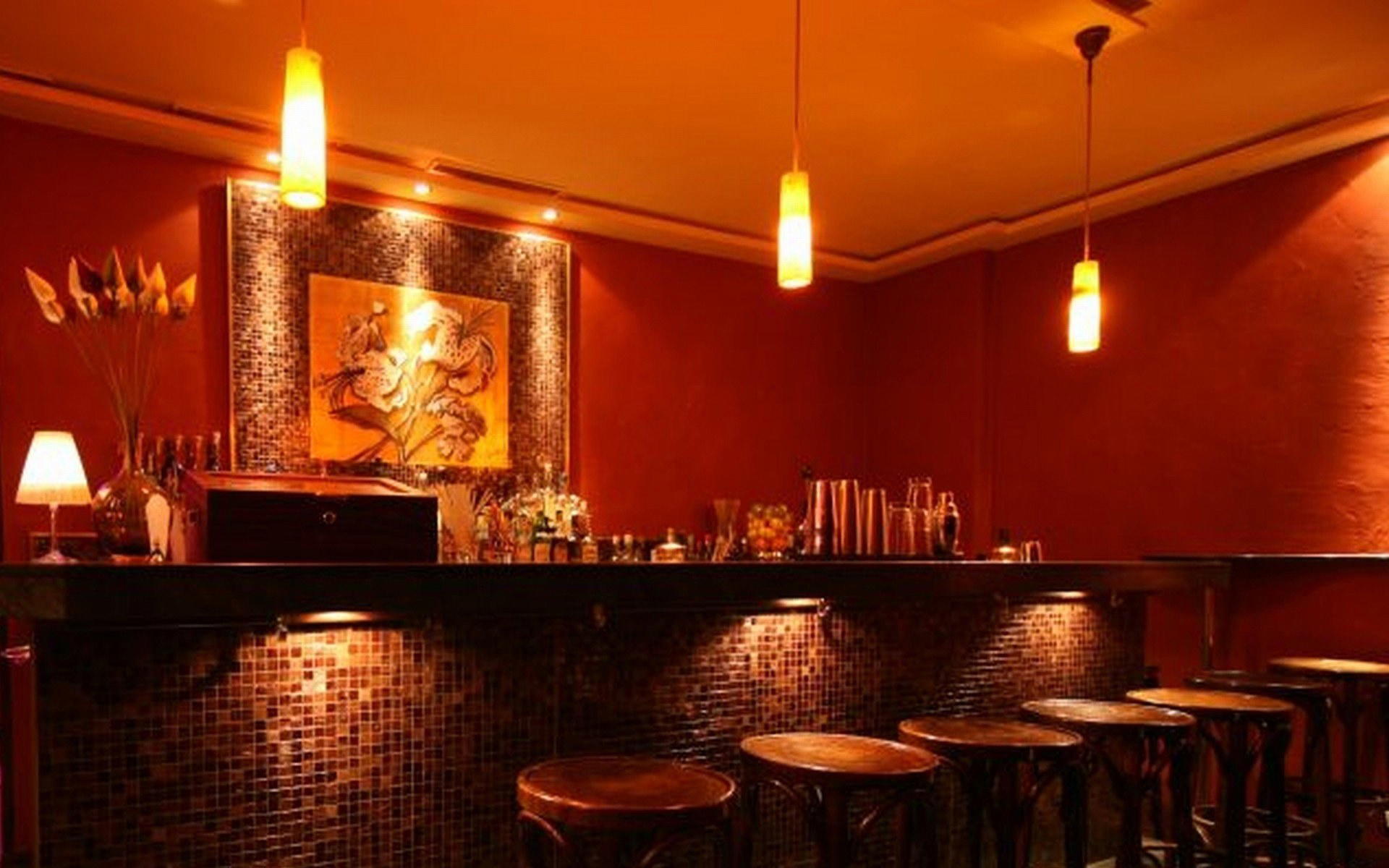
Pleasant and lively atmosphere in a historic setting with views into the Schlüterhof courtyard, ideal for casual relaxation amid museum visits.