Lokal occupies a quiet stretch of Linienstraße in Berlin's Mitte district, where the neighbourhood's long-standing appetite for considered, locally grounded cooking finds a natural home. The room keeps its focus on the plate rather than spectacle, placing it within a cohort of Berlin restaurants that treat occasion dining as something earned through craft rather than ceremony. Reservations are advisable.
Pearl is the En Primeur Club membership app — saves, bookings, and concierge access live there. Same editors, same standards.
- Address
- Linienstraße 160, 10115 Berlin, Germany
- Phone
- +49 30 28449500
- Website
- lokal-berlinmitte.de
- Directions
- Get directions
 Saves & bookings on Pearl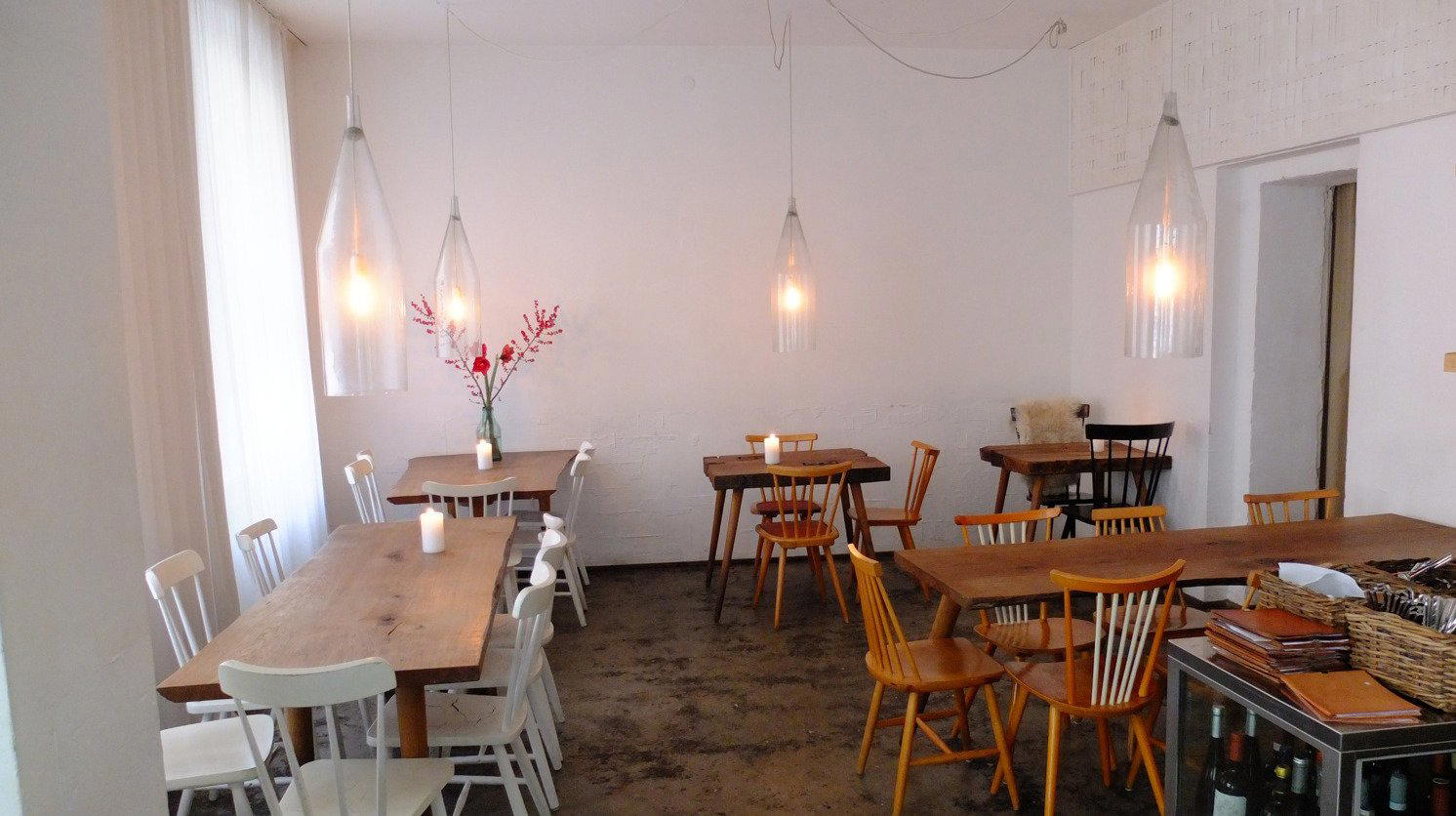
A Mitte Address Built for Moments That Matter
Linienstraße runs through one of Berlin's more compositionally coherent blocks: the stretch between Rosenthaler Platz and the gallery corridor of Auguststraße has accumulated, over the past two decades, a particular kind of seriousness about how food is made and who makes it. The cafes are fewer; the restaurants tend to have opinions. Lokal is a restaurant on Linienstraße 160 in Berlin's Mitte district. The address puts it close to the creative and commercial density of Mitte without the tourist-facing noise of Hackescher Markt, which matters when the evening is meant to feel like an occasion rather than an event.
Berlin's serious dining has long negotiated a tension the city seems to relish: rigour without pretension. The restaurants that have endured in this part of town, and the ones that have earned sustained critical attention across Germany, tend to resist the format excesses common in more performative dining capitals. Where some cities lean into tableside theatrics and multi-course orchestration as the primary signal of occasion, Berlin's better rooms often communicate significance through restraint: tighter menus, shorter supply chains, interiors that let the food do the signalling. Lokal reads within that register.
Occasion Dining in Berlin's Middle Gear
Choosing where to mark a milestone meal in Berlin is a decision shaped by how much ceremony you want alongside the food. The city's highest-credentialled rooms, Rutz, FACIL, and Nobelhart & Schmutzig, each carry Michelin recognition and price accordingly, with tasting menus running into the higher three figures per head. CODA Dessert Dining occupies its own conceptual niche, making it a specific kind of choice rather than a default occasion option. Lokal, by contrast, positions in the space between ambitious neighbourhood restaurant and event-worthy destination: close enough to the former to feel unforced, substantial enough in its cooking to justify the evening's weight.
That middle register is where many of particularly satisfying milestone meals happen. The pressure of a major anniversary or a significant birthday can expose the artificiality of rooms that exist primarily to impress; a restaurant with its own clear identity tends to carry the occasion more gracefully. Berlin has enough of those rooms to make the choice genuinely difficult, but Linienstraße's particular quietness, the street is walkable, residential in character despite its Mitte postcode, gives the approach to dinner its own quality.
What the Mitte Context Implies
The neighbourhood around Lokal has changed significantly since the mid-2000s. Mitte's gallery district, concentrated on Auguststraße, pulled a particular kind of international visitor and local creative class into the area, and the food offer evolved to match. By the early 2010s, the stretch around Linienstraße had developed a small cluster of restaurants working with seasonal and regional sourcing as a matter of principle rather than marketing. This was not a Berlin-specific movement, it tracked a broader European shift toward producer-visible cooking, but it found particular traction in a city that had rebuilt its hospitality culture from a low base after reunification, without inheriting the established luxury conventions of Munich or Hamburg.
That history matters for occasion dining. A room formed in a city that had to invent its own fine-dining logic, rather than inherit it, tends to carry different assumptions about what a significant meal looks like. The German cities with older fine-dining traditions, see Restaurant Haerlin in Hamburg or Vendôme in Bergisch Gladbach, offer a different kind of occasion: more formal, more stratified in their service codes. Berlin's equivalent, including what Lokal represents, tends to read as occasion by quality of attention rather than occasion by convention.
Placing Lokal in the Wider German Dining Picture
Germany's Michelin-recognised restaurants are distributed unevenly across the country. The Black Forest and Moselle valley carry a disproportionate share of the highest-rated rooms: Schwarzwaldstube in Baiersbronn, Waldhotel Sonnora in Dreis, and Schanz in Piesport represent a rural, destination-dining model that requires travellers to go to the food rather than the city. Urban options, JAN in Munich, ES:SENZ in Grassau, Victor's Fine Dining by Christian Bau in Perl, operate in a different competitive frame, where the city's broader offer is part of the value proposition.
Berlin's position in that national picture is particular. It hosts a number of Michelin-starred addresses and a larger ecosystem of serious independent restaurants, but it also competes for occasion-dining attention with its own cultural programming: gallery openings, theatre, the general density of things happening after 10pm. A restaurant on Linienstraße is not asking diners to travel to it in the way that Aqua in Wolfsburg or Bagatelle in Trier might. It is instead competing for the two or three evenings per year when a Berliner, or a visitor spending multiple nights in the city, decides that dinner itself is the plan.
Internationally, the model of a focused, neighbourhood-anchored restaurant that earns occasion status through consistency rather than spectacle is well established. Lazy Bear in San Francisco and Le Bernardin in New York City represent different expressions of the same underlying logic: that a room with a clear point of view can hold the weight of a significant evening without needing to announce itself. Berlin's version of that tends toward the less theatrical end of the spectrum, and Lokal fits that pattern.
Planning the Evening
Lokal is located at Linienstraße 160, 10115 Berlin, in the Mitte district. The address is accessible from multiple U-Bahn lines, with Rosenthaler Platz (U8) the direct stop, placing the restaurant within a short walk. Reservations are recommended. Those planning a special-occasion dinner in Berlin's most decorated tier should also consider Restaurant Tim Raue, which operates in a different cuisine register but carries comparable occasion weight in the city's dining conversation.
Cost Snapshot
Comparable venues nearby, for context on price, style, and recognition.
| Venue | Cuisine | Price | Notes |
|---|---|---|---|
| LokalThis venue — the venue you are viewing | Mitte, Modern German | $$ | Not listed |
| Schmidt Z&KO | Not listed | $$ | Friedenau, Modern German with International Influences |
| Gaumenfreund | Not listed | $$ | Mitte, International with German influences |
| BRLO Charlottenburg | Charlottenburg, Modern Brewery Gastropub | $$ | Not listed |
| Ei-12437-B Restaurant | Plänterwald, Modern German Beer Garden | $$ | Not listed |
| Brauhaus Spandau | Spandau, Traditional German Brewery | $$ | Not listed |
At a Glance
- Cozy
- Rustic
- Minimalist
- Casual Hangout
- Business Dinner
- Open Kitchen
- Natural Wine
- Local Sourcing
- Farm To Table
Current opening hours
- Monday
- 5 PM–12 AM
- Tuesday
- 5 PM–12 AM
- Wednesday
- 5 PM–12 AM
- Thursday
- 5 PM–12 AM
- Friday
- 5 PM–12 AM
- Saturday
- 5 PM–12 AM
- Sunday
- Closed
Hours can change for holidays and private events. Last verified .
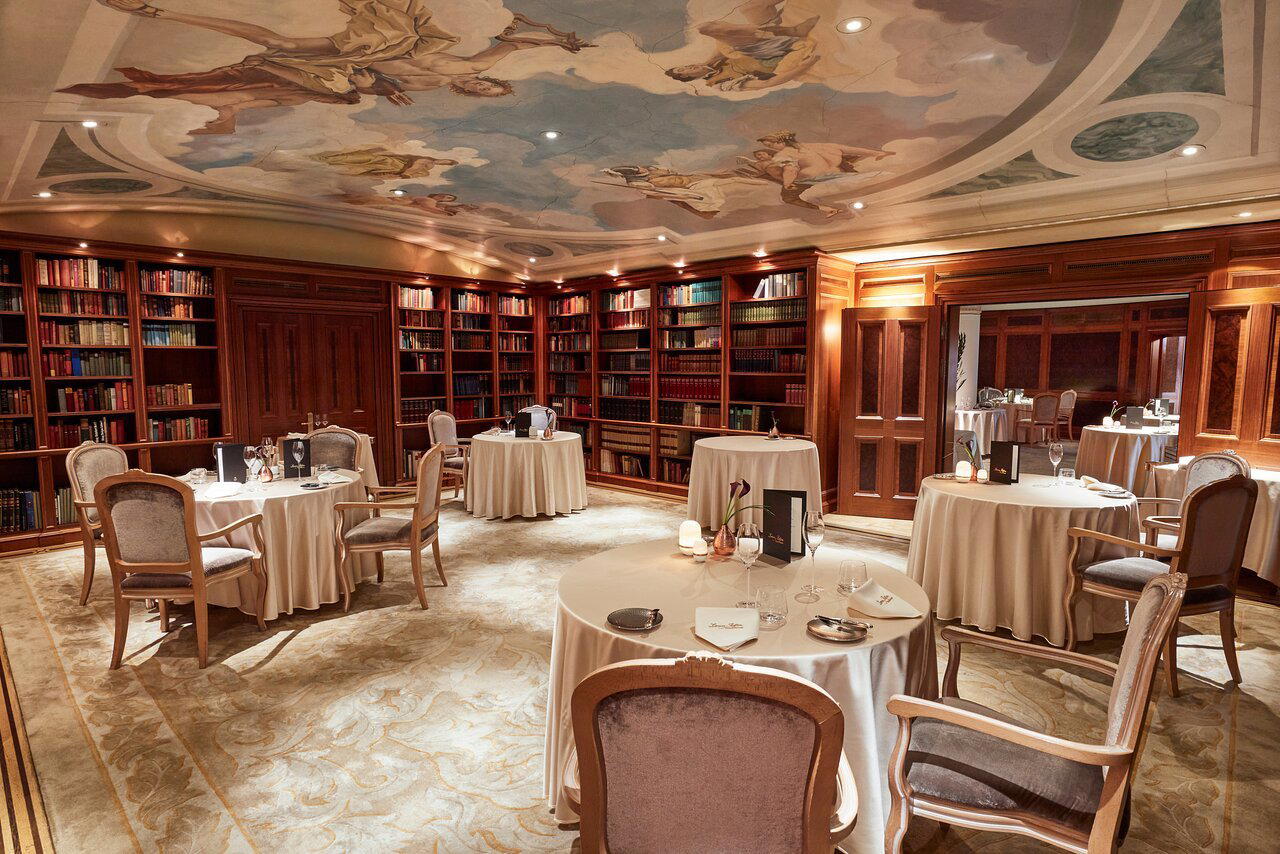
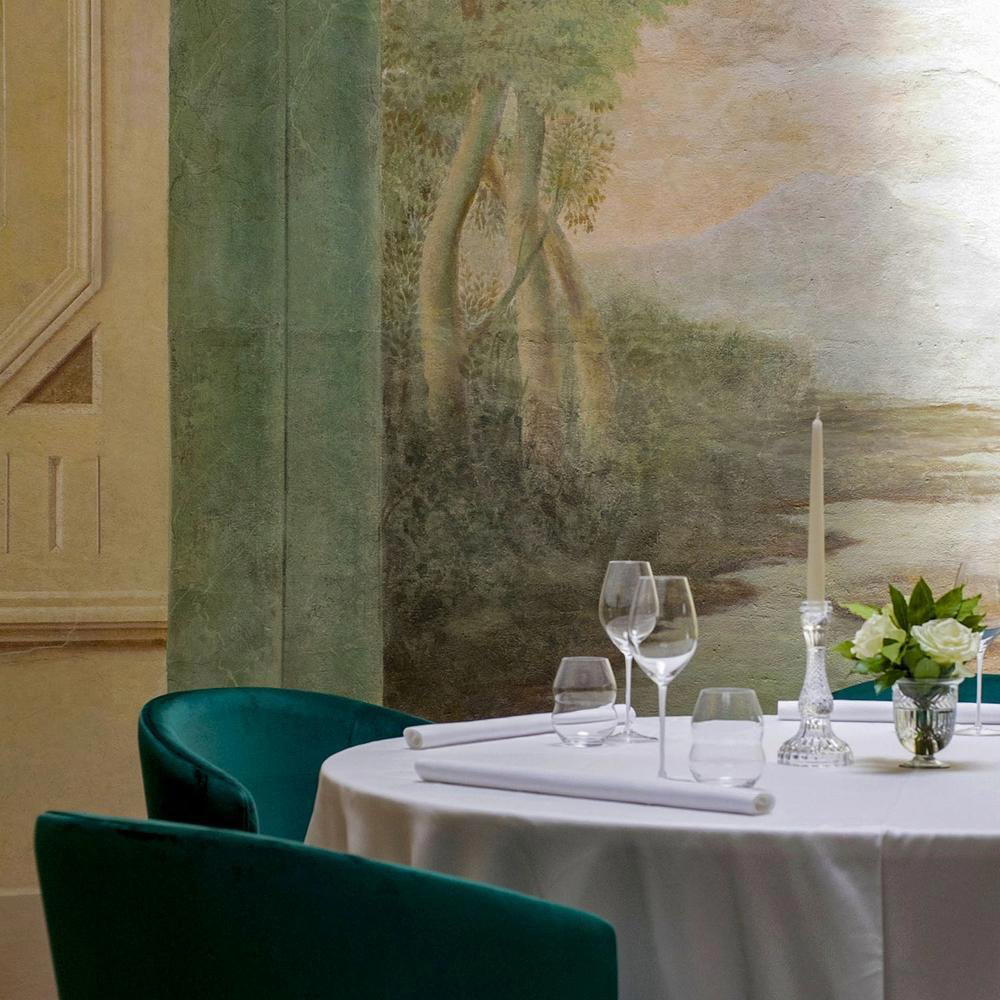
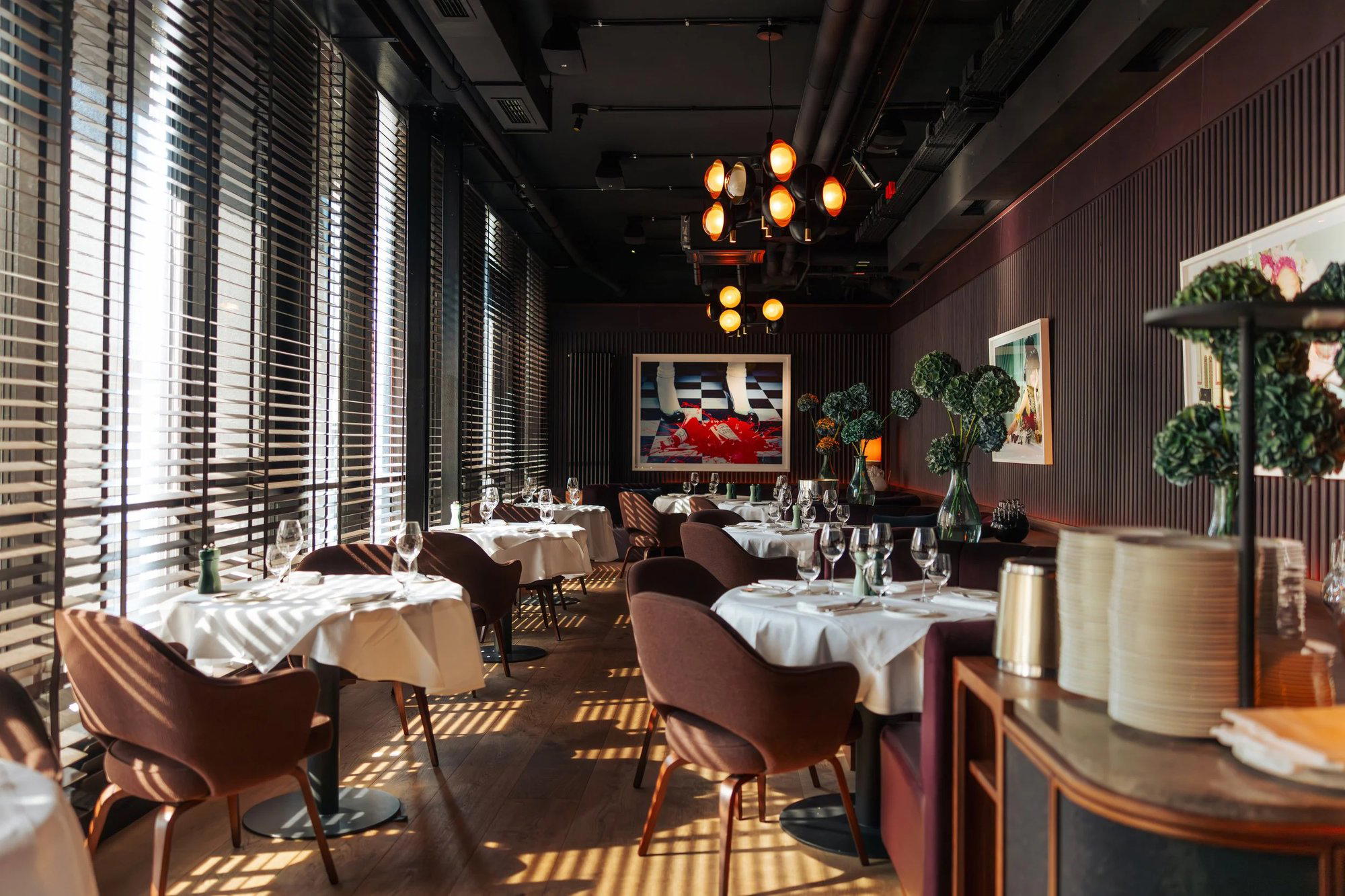
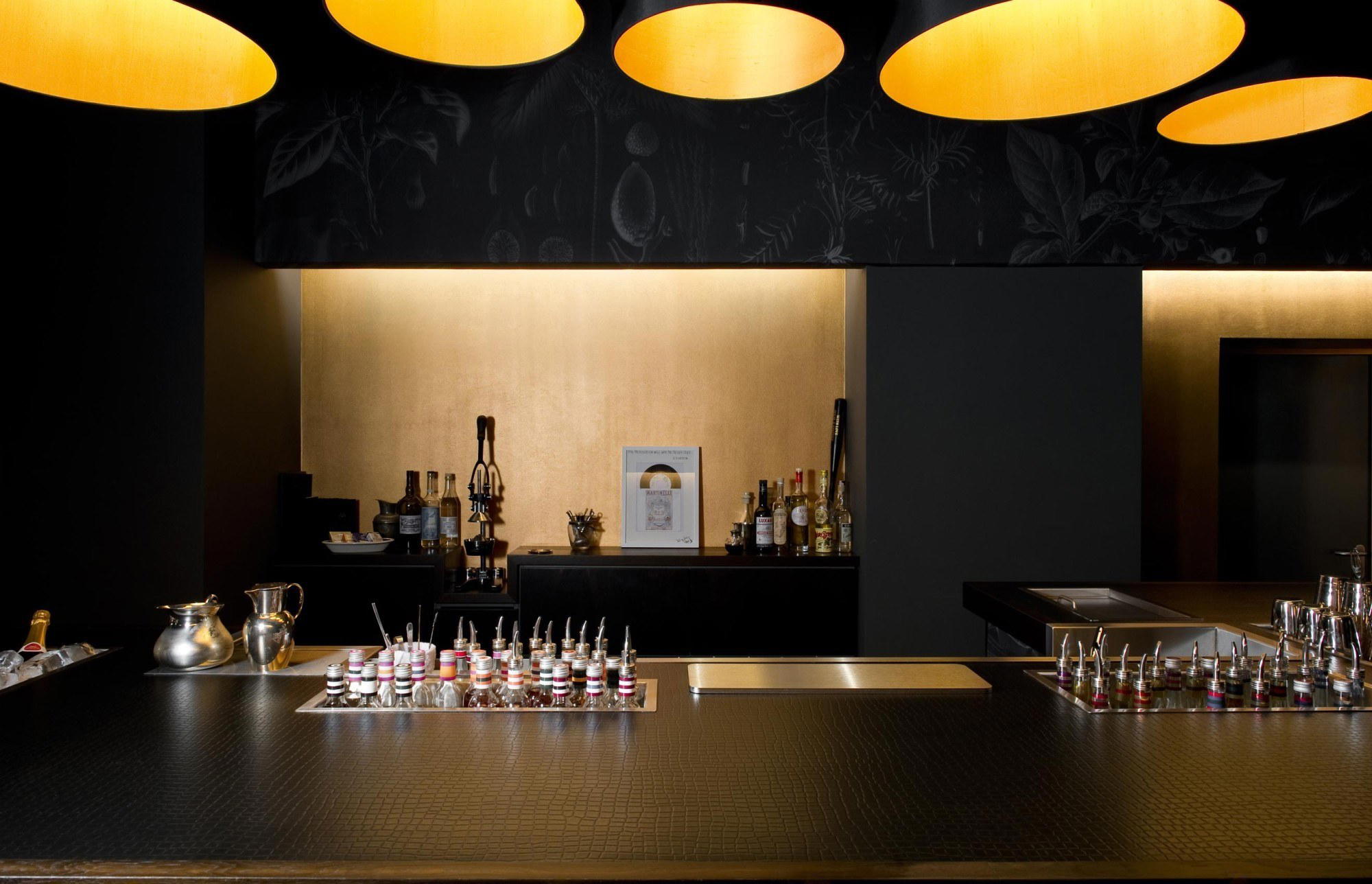
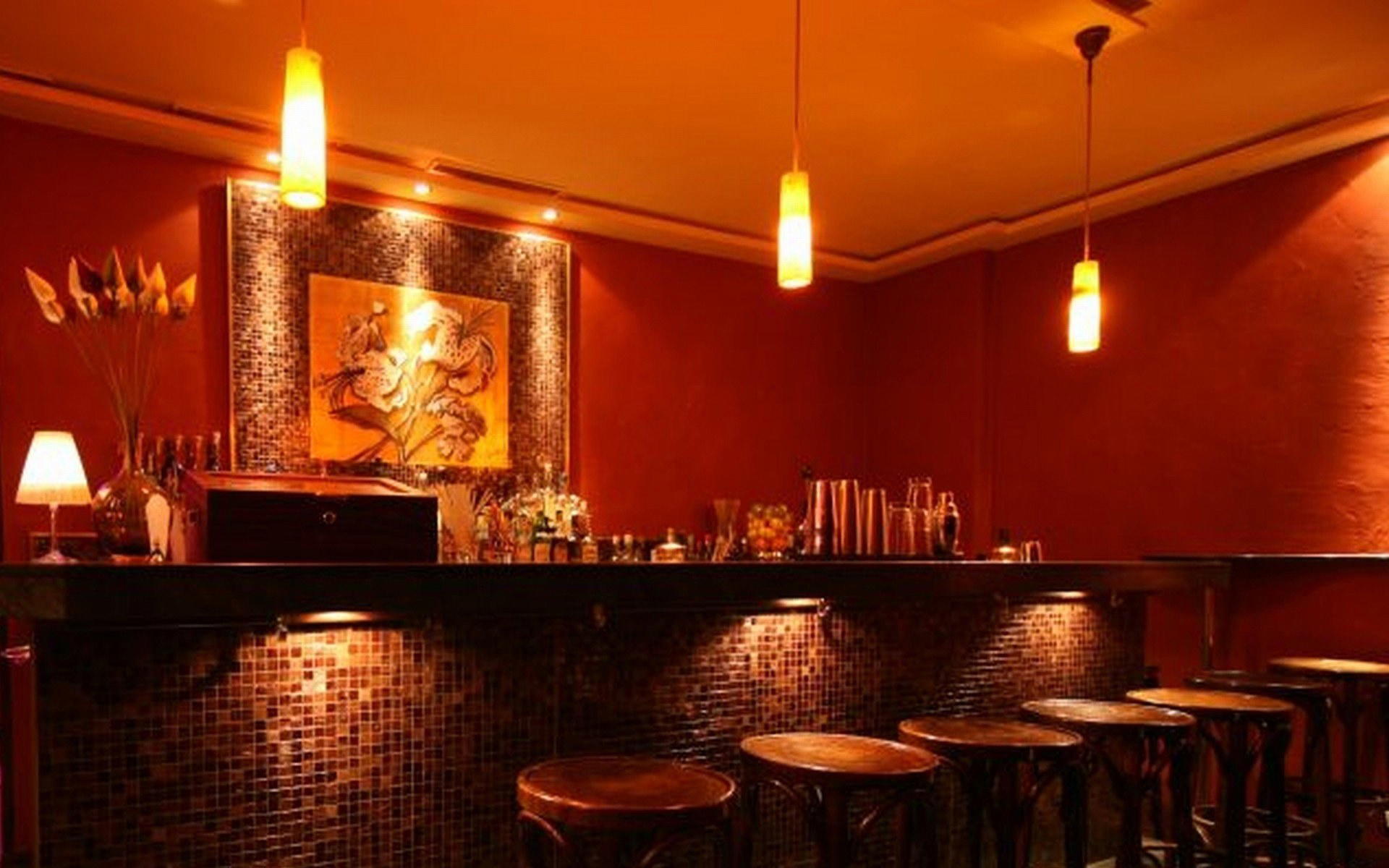
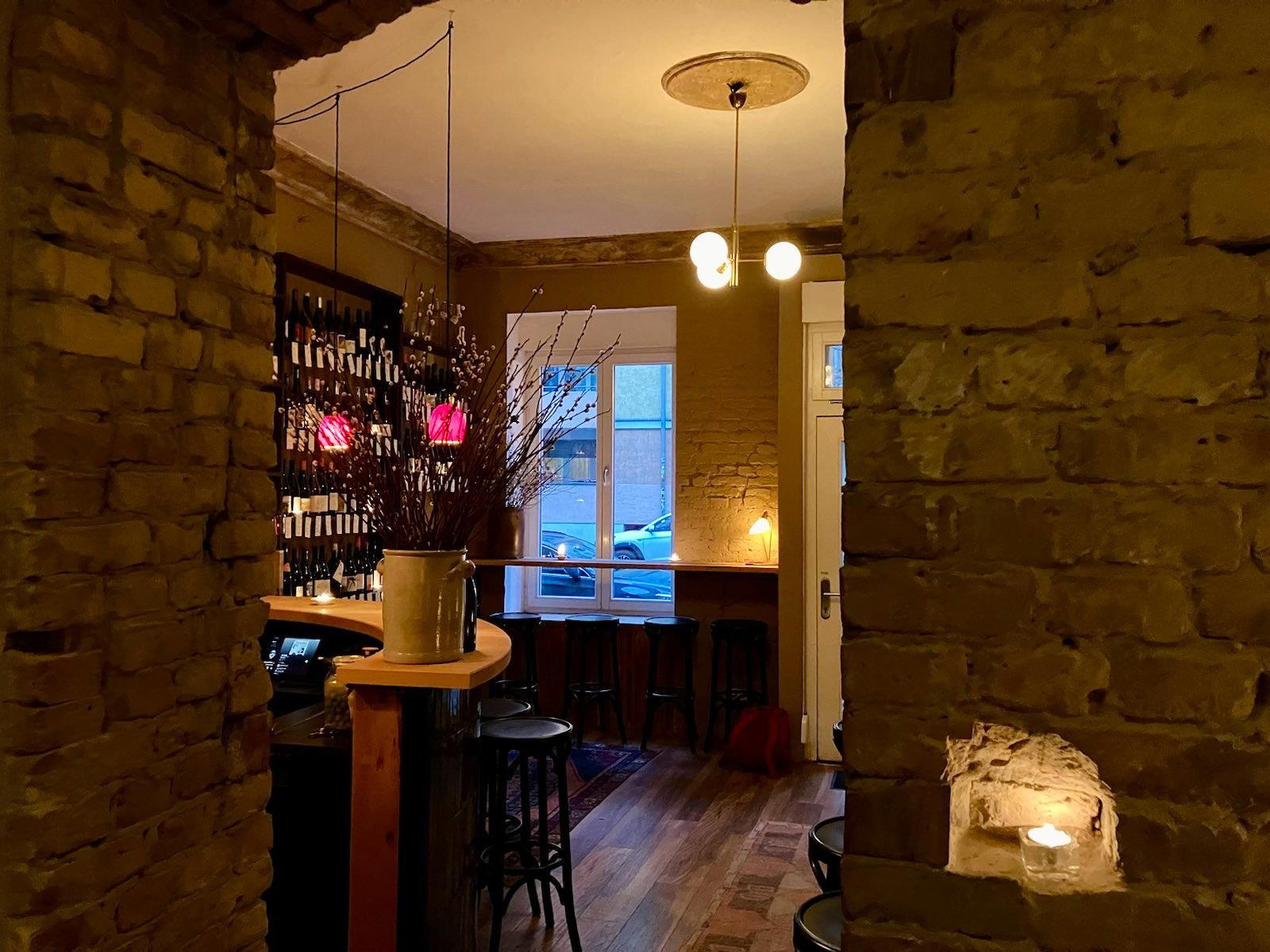
Minimal decor with rustic furnishings, soft lighting, bare white walls, handmade wooden tables, and a relaxed, inviting, quiet, and refined atmosphere.