A long-running Charlottenburg Kneipe on Carmerstraße, Dicke Wirtin is the kind of traditional Berlin pub that the city's rapidly gentrifying dining scene keeps threatening to erase. It operates as a reference point for what old-school Berlin hospitality looks like before the tasting menus arrived: unpretentious, rooted in the neighbourhood, and built around the kind of German pub food that relies on sourcing and repetition rather than novelty.
Pearl is the En Primeur Club membership app — saves, bookings, and concierge access live there. Same editors, same standards.
- Address
- Carmerstraße 9, 10623 Berlin, Germany
- Phone
- +4949303124952
- Website
- dicke-wirtin.de
- Directions
- Get directions
 Saves & bookings on Pearl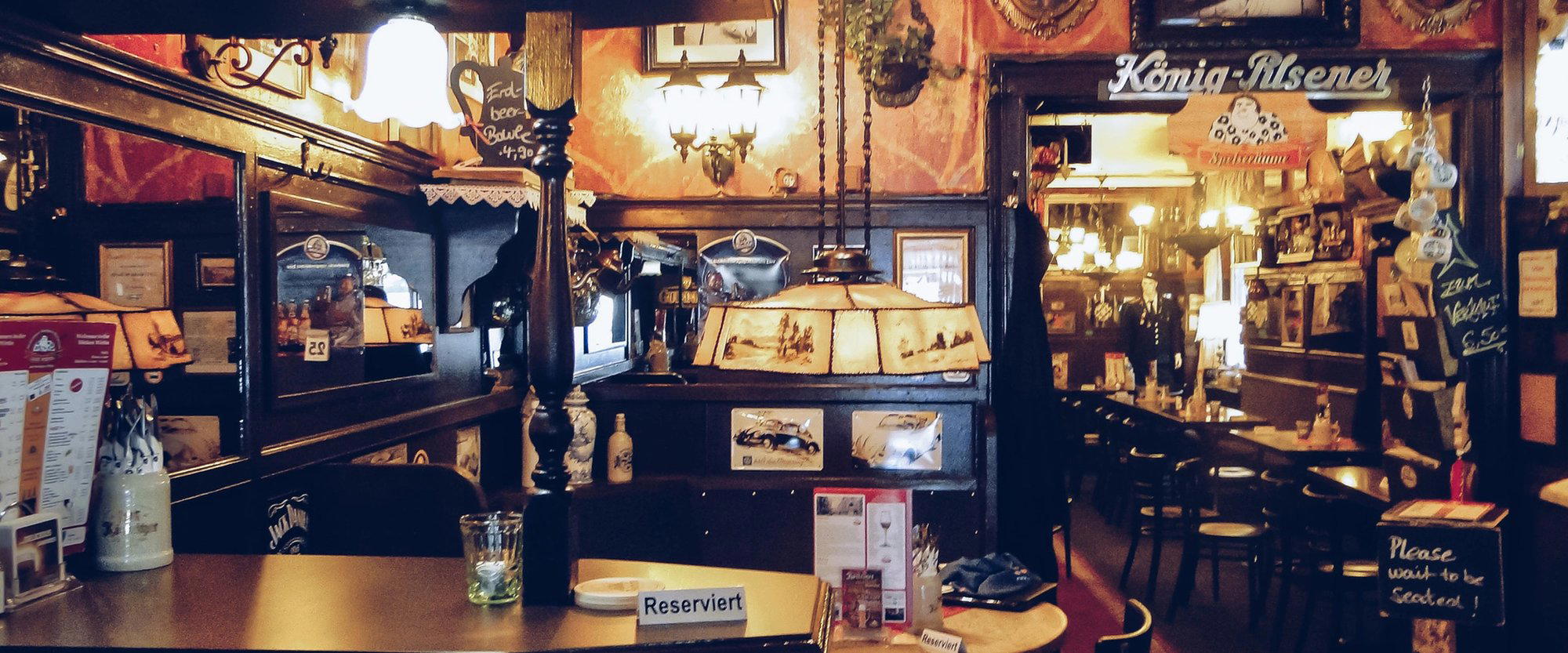
The Kneipe Tradition in a Changing City
Berlin's dining culture has shifted sharply over the past decade. On one side sit the destination restaurants, Rutz, Nobelhart & Schmutzig, and FACIL among them, operating at the €€€€ tier with tasting menus, carefully sourced regional produce, and Michelin recognition. On the other sit a shrinking stock of traditional Kneipen: neighbourhood pubs that predate the city's post-reunification transformation and still operate on the logic of regulars, regional beer, and food that makes no claim to innovation. Dicke Wirtin, on Carmerstraße in Charlottenburg, is a traditional Alt-Berliner restaurant. In a Berlin context, that placement is increasingly unusual.
Charlottenburg itself occupies a different register from the districts, Mitte, Prenzlauer Berg, Neukölln, that tend to generate most of the city's food press. It is older, more established, and carries more of the pre-unification West Berlin character that much of the city's dining scene has moved away from. A traditional pub surviving on a street like Carmerstraße is less surprising here than it would be in, say, Kreuzberg, but it is still a data point about what the neighbourhood retains that others have shed.
What the Format Tells You About the Sourcing
The traditional German pub format, Kneipe or Gasthaus, is a sourcing-first operation by necessity. The menu is short, the kitchen is small, and the food is built around ingredients that travel well within regional supply chains: pork cuts, root vegetables, pickled accompaniments, dark breads, and the kind of dishes where the ingredient does most of the work. This is not farm-to-table in the contemporary marketing sense; it is simply how German pub cooking has always operated, before provenance became a selling point.
That structural reliance on regional and seasonal staples is what separates the credible Kneipe from a tourist trap flying the same flag. In the better examples of the format, across Berlin and further afield in destinations like Baiersbronn or Piesport, the German kitchen's strength has always come from specificity of place and repetition of technique. The pub format concentrates that approach into its simplest expression: a handful of well-executed dishes, a reliable beer list, and a room that has not been redesigned to appeal to a demographic that wasn't there ten years ago.
Dicke Wirtin operates within that tradition. Expect hearty plates built around German staples, a beer selection weighted toward German and regional labels, and a pricing structure that sits well below the €€€€ benchmark set by Berlin's fine-dining tier. For comparison, a full tasting menu at CODA Dessert Dining or Restaurant Tim Raue represents a fundamentally different investment in both money and occasion type. Dicke Wirtin is not competing in that space.
Atmosphere as the Primary Credential
Approaching the restaurant, the read comes from the exterior before the door opens. Traditional Kneipen in Berlin tend to signal themselves clearly: painted lettering, aged wood fittings visible through the window, and a lighting level that is warm rather than designed. The absence of a curated aesthetic is itself a form of authenticity signal, one that the city's newer neighbourhood bars have begun to approximate artificially, which makes the genuine article easier to identify by contrast.
Inside, the Kneipe format organises itself around the bar as the room's centre of gravity. Tables fill the perimeter and any available floor space, seating tends to be close, and the acoustics reflect a room built for conversation at volume rather than for quiet tasting-menu concentration. This is a different physical and social contract from what you encounter at, say, Vendôme in Bergisch Gladbach or Victor's Fine Dining in Perl. The room is the point, not a backdrop to a chef's narrative.
In the broader German restaurant picture, this format sits alongside the fine-dining tier. The goals are different, the audience is different, and the experience being sold is different. Venues like Aqua in Wolfsburg, ES:SENZ in Grassau, or Restaurant Haerlin in Hamburg serve a specific function in a trip itinerary. So does a good Kneipe, just a different one.
Where Dicke Wirtin Sits in the Berlin Night Out
For visitors structuring a Berlin itinerary around food, the Kneipe visit tends to work as a contrast session rather than a destination meal. An evening that moves from a neighbourhood walk through Charlottenburg into the restaurant for a beer and a plate of German pub food gives a more complete picture of the city's hospitality range than any sequence of tasting menus could. Berlin's dining identity is not only the Michelin-tracked fine-dining scene; it is also this, the room that has been serving the same neighbourhood for decades without adjusting itself to suit each new wave of arrivals.
The Carmerstraße address places it within walking distance of the Savignyplatz area, Charlottenburg's most concentrated patch of older-format restaurants and wine bars, making it easy to combine with broader neighbourhood exploration. This is useful context for timing: the area draws an evening crowd that mixes long-term residents with visitors staying in the western hotel corridor, which gives it a different social texture from the bars of Mitte or Friedrichshain.
For visitors who have already covered the creative end of the Berlin spectrum, or who are planning to do so at JAN in Munich, Bagatelle in Trier, or Waldhotel Sonnora in Dreis on the same trip, a session at a traditional Berlin pub provides the counterpoint that makes the fine-dining visits legible. Context of this kind is useful. And for those who have made the transatlantic comparison at places like Le Bernardin in New York or Lazy Bear in San Francisco, the German pub format represents something structurally different from both: a hospitality tradition built around community function rather than culinary ambition.
Planning Your Visit: Practical Comparison
| Venue | Format | Price Tier | Booking Required |
|---|---|---|---|
| The restaurant | Traditional Kneipe | €–€€ | Typically walk-in |
| Rutz | Modern European tasting menu | €€€€ | Advance booking essential |
| Nobelhart & Schmutzig | Modern German, creative | €€€€ | Advance booking essential |
| FACIL | Contemporary European | €€€€ | Advance booking essential |
| CODA Dessert Dining | Creative dessert tasting | €€€€ | Advance booking essential |
At-a-Glance Comparison
Comparable venues nearby, for context on price, style, and recognition.
| Venue | Cuisine | Price | Notes |
|---|---|---|---|
| Dicke WirtinThis venue — the venue you are viewing | Traditional Alt-Berliner Cuisine | $$ | Not listed |
| Diener Tattersall | Traditional Berlin Hausmannskost | $$ | Charlottenburg |
| Gaumenfreund | International with German influences | $$ | Mitte |
| Schüsseldienst | Modern German Bowls | $$ | Schoneberg |
| Wiener Conditorei Caffeehaus | Viennese Bakery Café | $$ | Grunewald |
| Altensteiner Krug | Traditional German Hausmannskost | $$ | Dahlem |
Continue exploring
More in Berlin
Restaurants in Berlin
Browse all →
Bars in Berlin
Browse all →
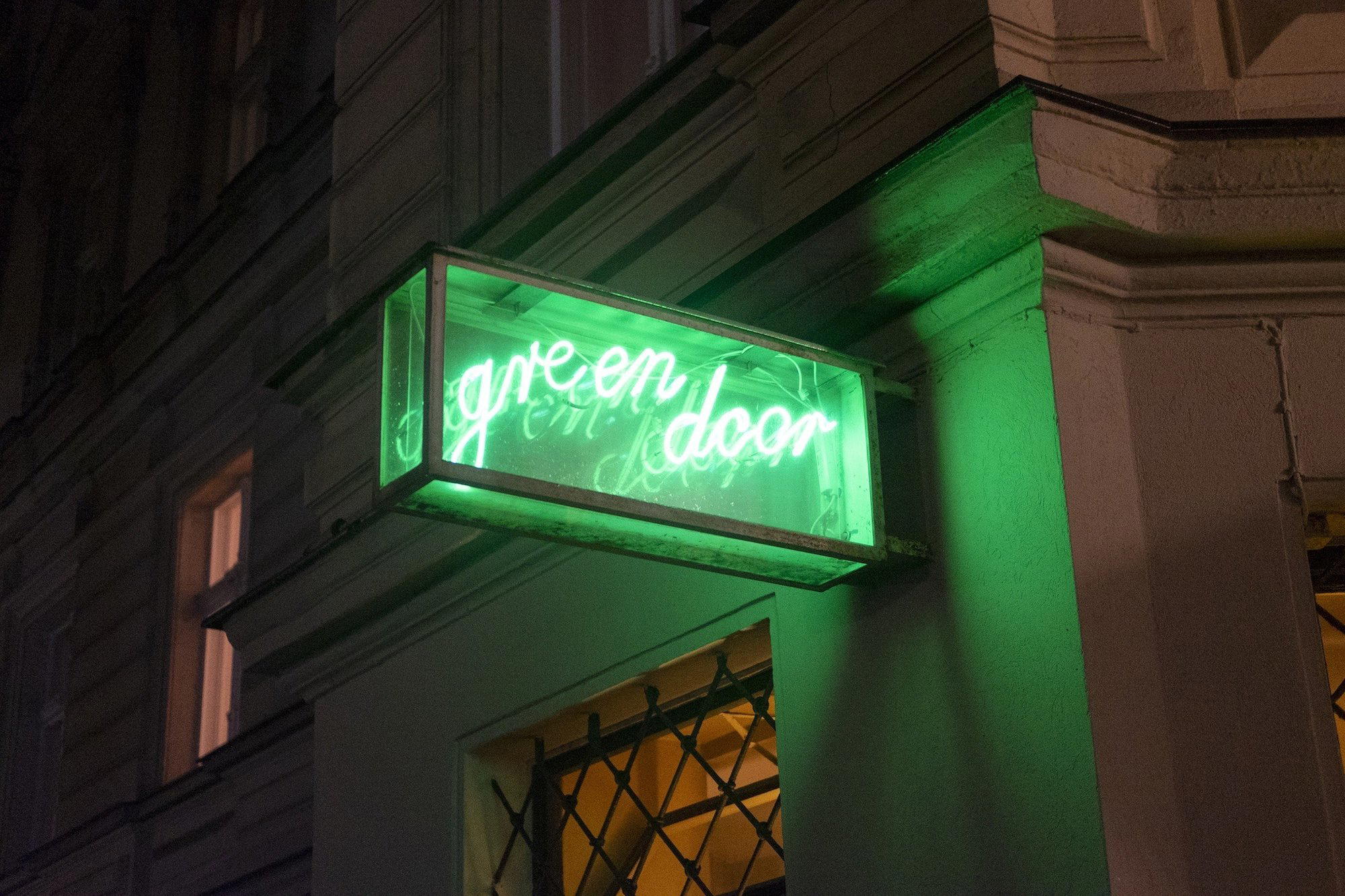
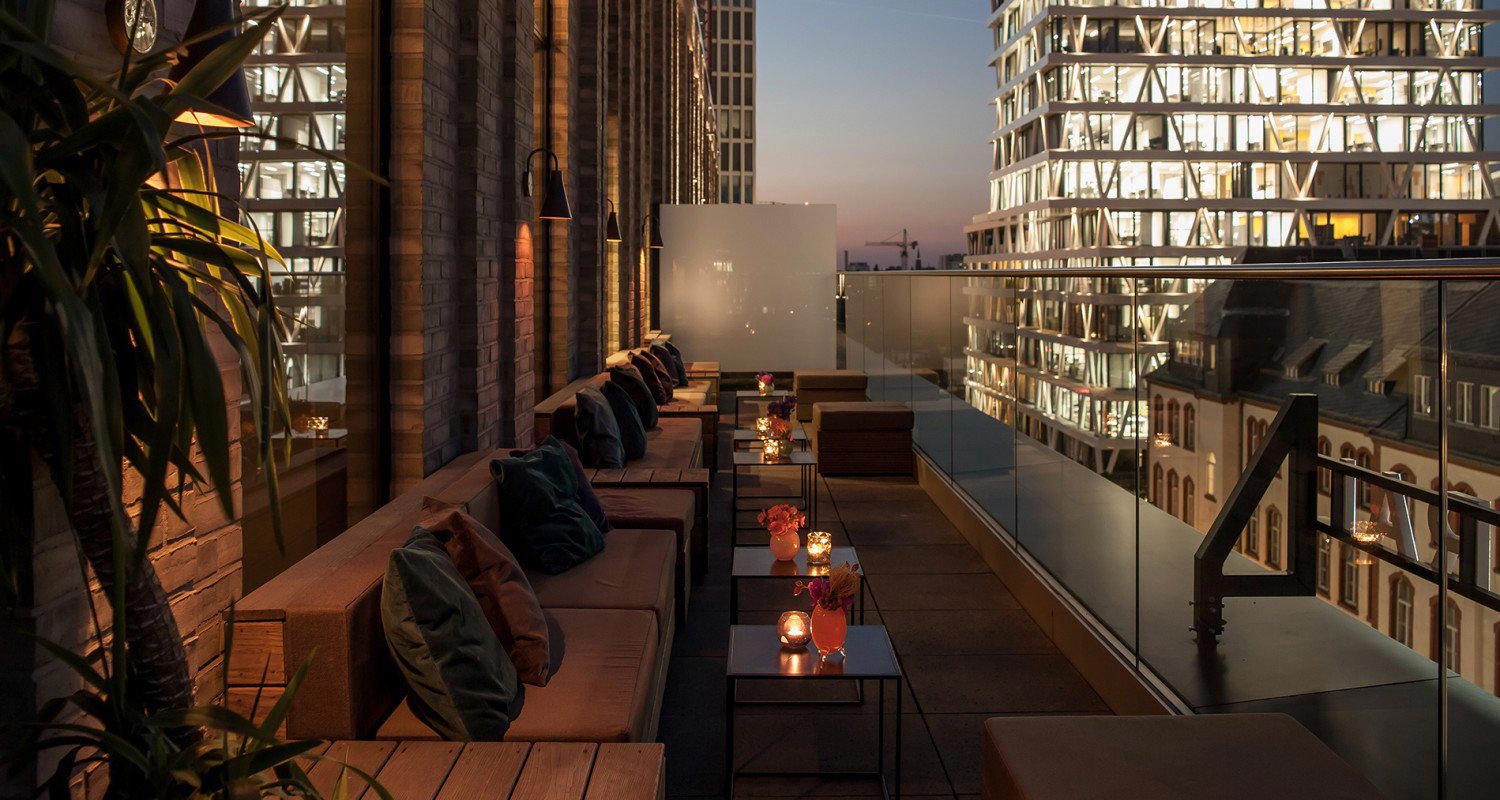
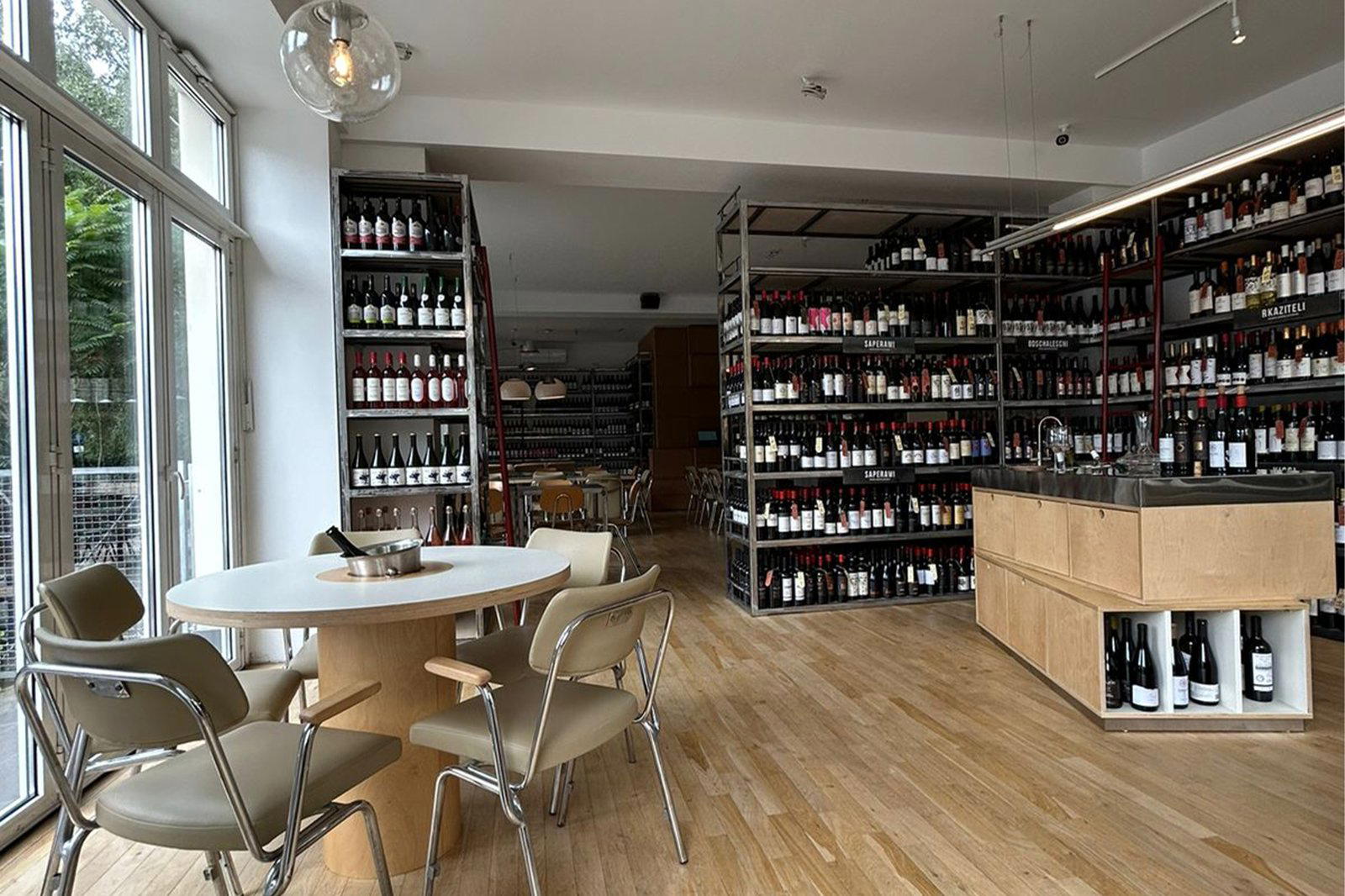
Hotels in Berlin
Browse all →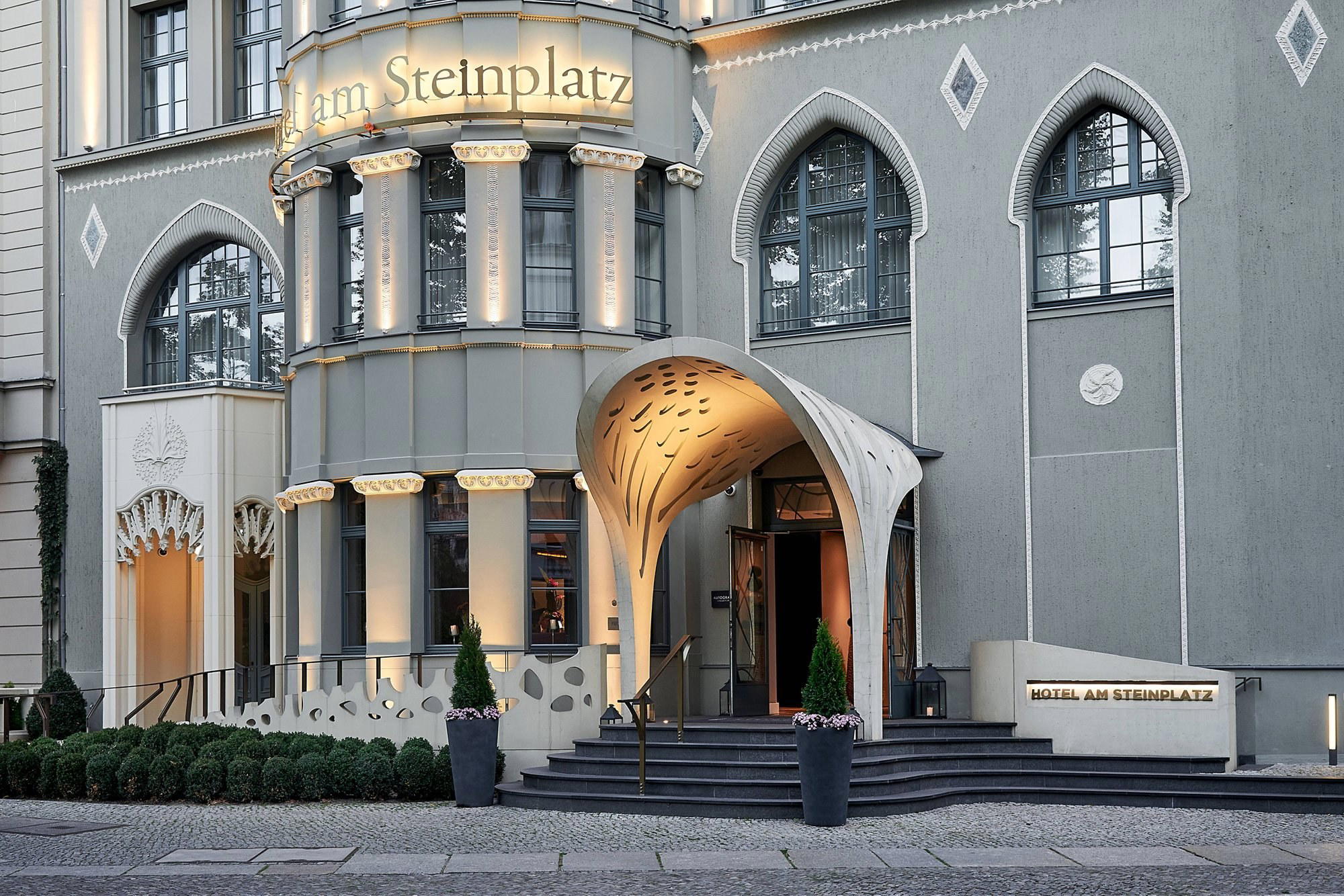

At a Glance
- Cozy
- Rustic
- Classic
- Well Known
- Casual Hangout
- After Work
- Group Dining
- Historic Building
- Beer Program
- Local Sourcing
Current opening hours
- Monday
- 11 AM–12 AM
- Tuesday
- Closed
- Wednesday
- 11 AM–12 AM
- Thursday
- 11 AM–12 AM
- Friday
- 11 AM–12 AM
- Saturday
- 11 AM–12 AM
- Sunday
- 11 AM–12 AM
Hours can change for holidays and private events. Last verified .
Cozy, traditional Berlin pub with kitsch parlor decor, wooden elements, and comfortable seating that retains old-world charm.