On Akazienstraße in Schöneberg, Schüsseldienst occupies a corner of Berlin's dining scene that rewards the curious rather than the credential-chaser. The address sits within a neighbourhood whose restaurant density has grown quietly over the past decade, placing it in a conversation about where serious eating in the German capital actually happens now. Confirm current details directly before visiting.
Pearl is the En Primeur Club membership app — saves, bookings, and concierge access live there. Same editors, same standards.
- Address
- Akazienstraße 7, 10823 Berlin, Germany
- Phone
- +4915734628704
- Directions
- Get directions
 Saves & bookings on Pearl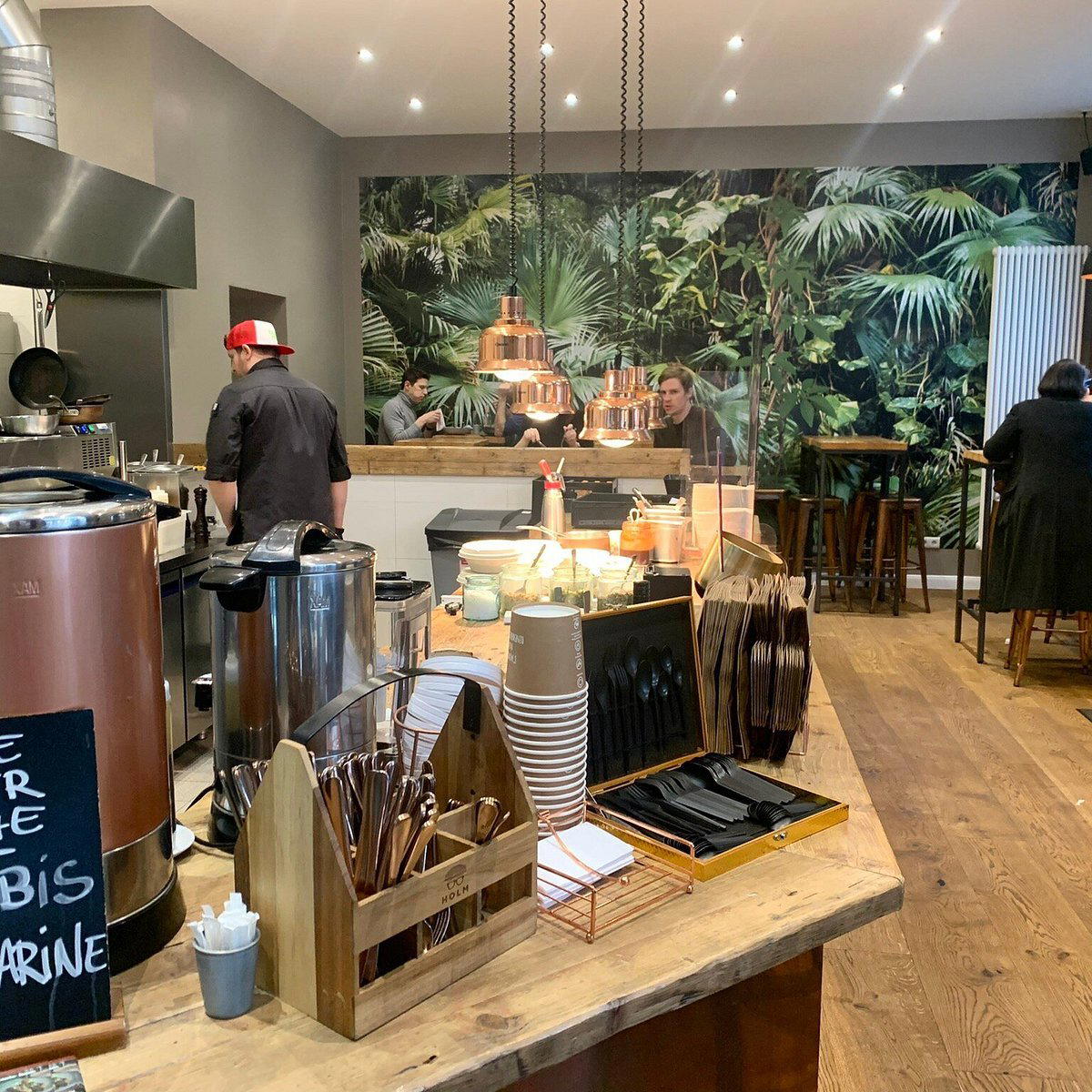
Schöneberg and the Quieter Side of Berlin Fine Dining
Berlin's dining conversation has long been dominated by Mitte and Prenzlauer Berg, but the neighbourhoods south of the Ringbahn have steadily built a case for themselves. Schöneberg, where Akazienstraße cuts through a residential grid of prewar apartment blocks and independent retail, sits at the edge of that shift. The street itself runs through a quarter that feels more lived-in than curated, which is precisely the context in which certain kinds of serious restaurants find room to operate without the overhead and theatrics of a more trophy-conscious address. Schüsseldienst at number 7 sits inside that dynamic, on a block where the surrounding neighbourhood provides the atmosphere that other venues spend considerable budget manufacturing.
For comparison, the upper tier of Berlin's fine dining scene, venues like Rutz, Nobelhart & Schmutzig, and FACIL, operates at the €€€€ price point with Michelin recognition attached. That cohort competes on credentials as much as cooking. Schüsseldienst's address and name suggest a different register. See the full picture in our Berlin restaurants guide.
The Structure of a Meal Here
The editorial angle most useful for understanding where Schüsseldienst fits is the tasting progression model, the idea that a meal has a narrative arc rather than simply a sequence of dishes. That framework has become the dominant grammar for serious European restaurants over the past fifteen years, from the multi-course architecture of venues like Aqua in Wolfsburg and Schwarzwaldstube in Baiersbronn to the more restrained but equally intentional sequencing at Schanz in Piesport.
In Germany's upper-tier restaurants, the tasting menu has become the primary vehicle for expressing a kitchen's point of view. Courses arrive in an order designed to build, lighter preparations giving way to richer ones, acidity clearing the palate before fat and depth accumulate, sweet and saline elements distributed to shape attention rather than simply satisfy appetite. Whether Schüsseldienst follows that model, operates à la carte, or works with a hybrid format is not stated here. The name itself, which translates loosely to a domestic service context in German, offers no direct menu signal.
What the neighbourhood context does suggest is that whatever format the kitchen runs, it is likely doing so without the staging that a higher-profile postcode demands. That is not a limitation; it is frequently the condition under which cooking becomes more focused rather than less. Compare the trajectory of JAN in Munich or Bagatelle in Trier, both of which built reputations in contexts where the room itself was not the headline.
Berlin's Wider Creative Dining Frame
The German capital has produced particularly formally inventive restaurants in Europe over the past decade. CODA Dessert Dining runs an entire tasting menu built around dessert logic applied to savoury structure, a format without direct precedent in the city. Restaurant Tim Raue operates a two-Michelin-star kitchen built on Chinese culinary architecture interpreted through European technique. These are not outliers; they represent a Berlin tendency to question format assumptions rather than simply execute within them.
That tendency has created space for restaurants at multiple price points to operate seriously. Not every address with a considered kitchen in Berlin sits in the €€€€ bracket with Michelin recognition. Some of the city's most closely followed cooking happens in rooms where the fit-out budget was modest and the margins are tighter. That is a specific kind of positioning.
For reference on what Germany's most formally ambitious restaurants look like at full scale, the programmes at Vendôme in Bergisch Gladbach, Victor's Fine Dining by Christian Bau in Perl, and Waldhotel Sonnora in Dreis each represent the Michelin three-star tier, venues where the tasting progression format is executed with a degree of formality and resource that sets a useful upper benchmark. Internationally, the sequencing discipline at Le Bernardin in New York City and the course-by-course narrative rigour at Atomix represent what the format looks like when applied at the highest level of technical execution.
What the Address Tells You
Akazienstraße 7 is in the 10823 postcode, placing it in the western section of Schöneberg, between the Kleistpark U-Bahn stop and the Innsbrucker Platz interchange. The surrounding streets carry a mix of Turkish and Middle Eastern food retail, independent wine bars, and residential ground-floor businesses, the kind of streetscape where a serious restaurant can operate without the visibility tax that comes with a more tourist-oriented address. Restaurant Haerlin in Hamburg and ES:SENZ in Grassau both demonstrate how destination-level cooking can operate outside the obvious postcode, and the principle applies here.
The practical implication for a visitor is that Schüsseldienst requires more advance research than venues with strong digital infrastructure.
Planning Your Visit
Reservations: Walk-in friendly. Dress: Casual. Budget: Around $15 per person. Getting there: Akazienstraße 7, 10823 Berlin, Germany. Timing: Monday through Friday, 12 to 8 PM; closed Saturday and Sunday.
In Context: Similar Options
Comparable venues nearby, for context on price, style, and recognition.
| Venue | Cuisine | Price | Notes |
|---|---|---|---|
| SchüsseldienstThis venue — the venue you are viewing | Modern German Bowls | $$ | Not listed |
| Paulaner | Traditional Bavarian Beer Hall Cuisine | $$ | Moabit |
| BRLO Charlottenburg | Modern Brewery Gastropub | $$ | Charlottenburg |
| Schnitzelei Mitte | Modern German Schnitzel | $$ | Mitte |
| Gut Kerkow Bio-Metzgerei | Organic German Butcher Lunch | $$ | Mitte |
| The Dining Room' | Sophisticated German Cuisine | Not listed | Baumschulenweg |
Continue exploring
More in Berlin
Restaurants in Berlin
Browse all →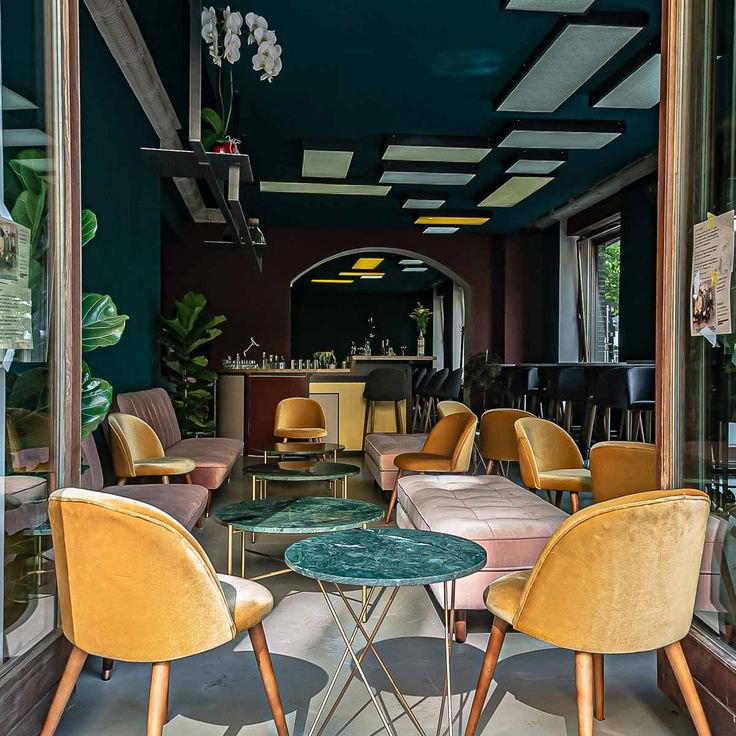
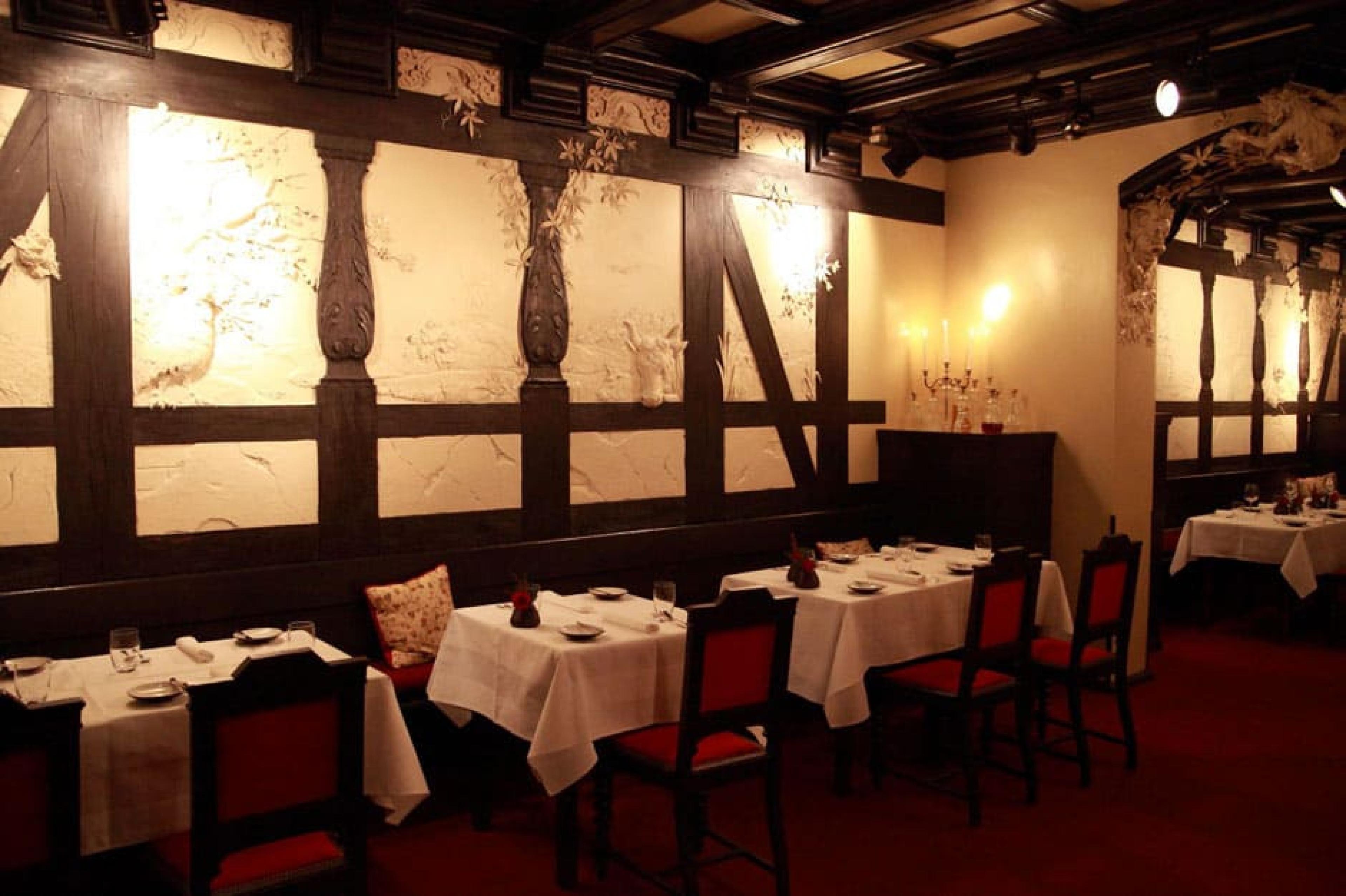
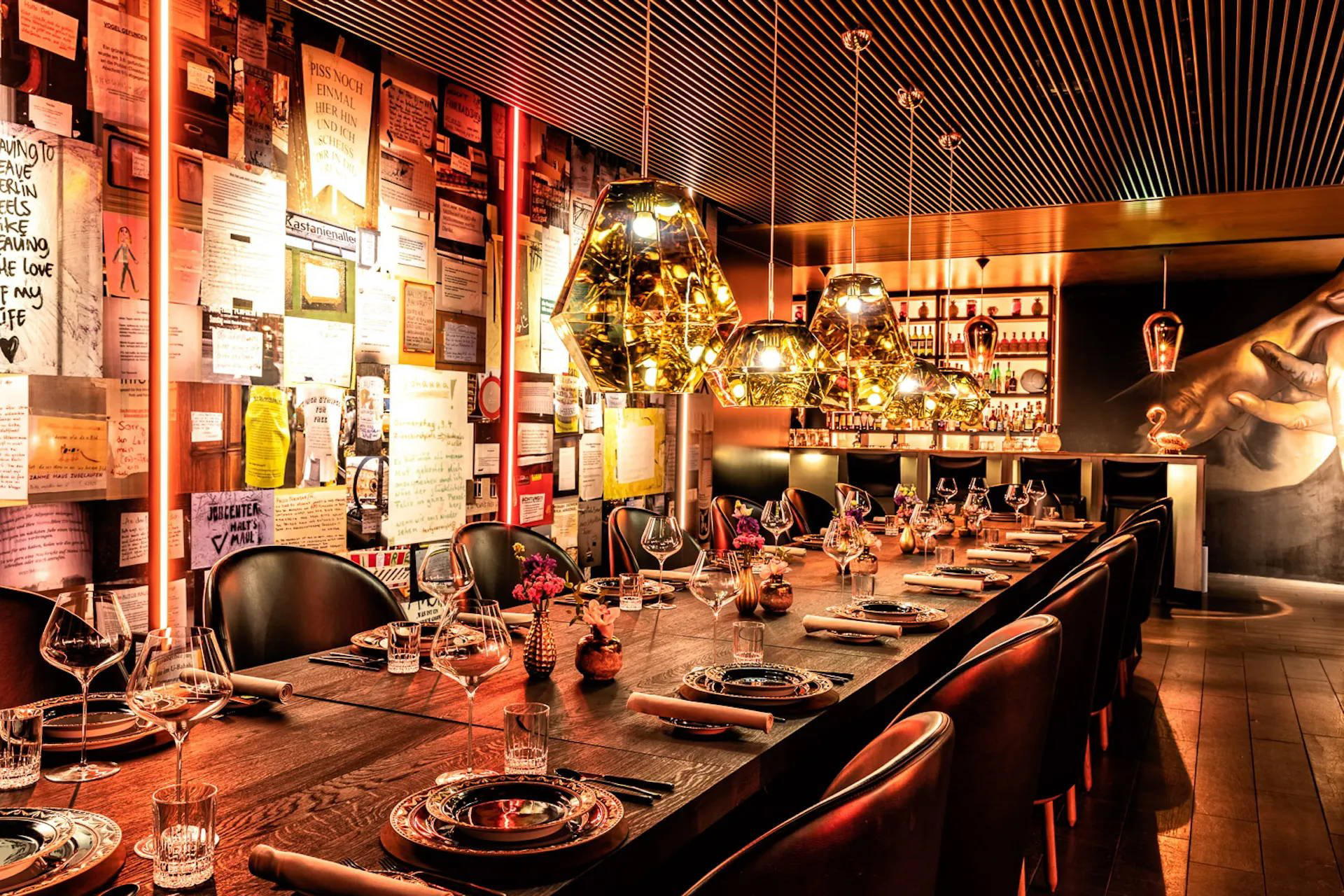
Bars in Berlin
Browse all →
Hotels in Berlin
Browse all →

At a Glance
- Cozy
- Trendy
- Modern
- Casual Hangout
- Open Kitchen
Current opening hours
- Monday
- 12–8 PM
- Tuesday
- 12–8 PM
- Wednesday
- 12–8 PM
- Thursday
- 12–8 PM
- Friday
- 12–8 PM
- Saturday
- Closed
- Sunday
- Closed
Hours can change for holidays and private events. Last verified .
Tolles Flair with fröhliches Treiben and welcoming atmosphere.