Our verdict
Tony's dinner guest, English teacher Bill Wang, says this is a strong place to get wontons. Minced pork, bok choy, rice wine in a wonton dough, served with a mixture of soy sauce, vinegar, chili sauce, sesame oil, and peanut butter. "YOU NEED THIS," Tony exclaims.

Pearl is the En Primeur Club membership app — saves, bookings, and concierge access live there. Same editors, same standards.
- Address
- Huangpu, Shanghai, China
- Directions
- Get directions
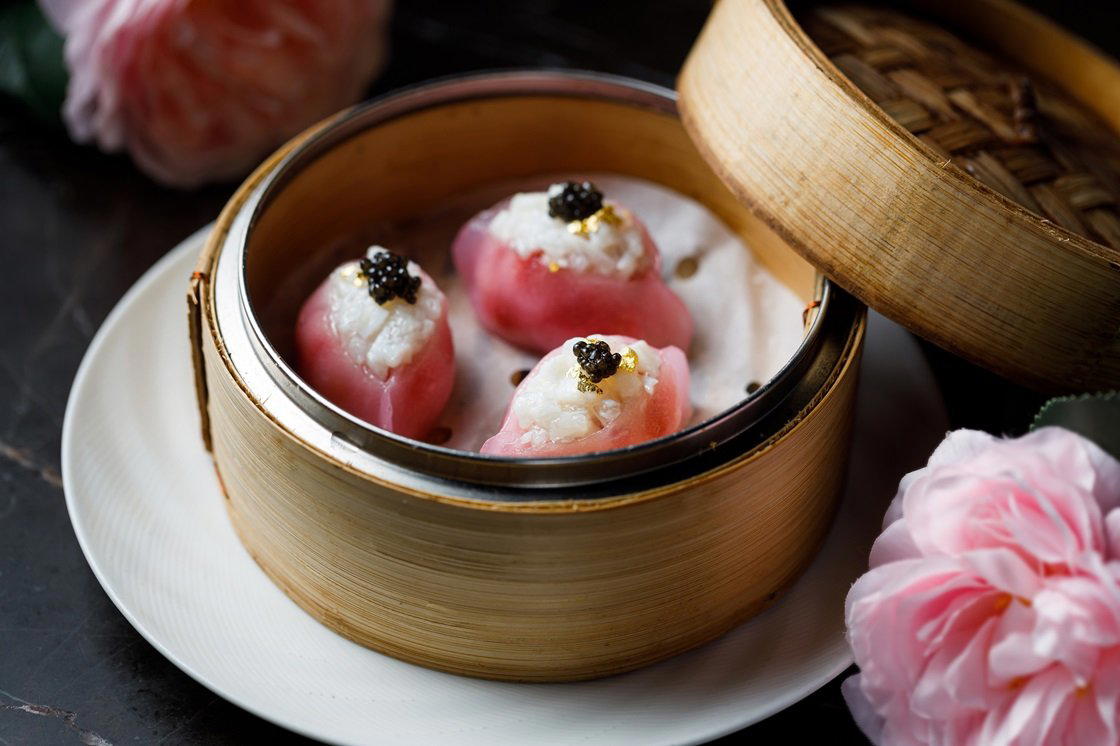
Huangpu After Hours: What Zhao Zhou Lu Says About Shanghai's Dining Divide
Zhao Zhou Lu is a street address before it is a restaurant name, and that tension between place and venue runs through the experience of eating in Huangpu. The district sits at the centre of Shanghai's oldest commercial and civic fabric, where laneway dining rooms operate in the shadow of former colonial-era buildings, and where a table at noon and a table at eight o'clock can feel like two entirely separate cities. Huangpu's dining scene has long operated on this divide, with lunch functioning as a pragmatic, neighbourhood-anchored ritual, and dinner shifting toward something more considered, more performative, and more expensive.
The Lunch Mood in Huangpu
Across Huangpu, daytime service tends to move faster and lean harder on the kind of cooking that rewards repetition: braised proteins, cold appetisers assembled in the morning, rice or noodle formats that kitchen teams can execute at volume without loss of quality. The social contract at lunch is different too. Tables turn. Conversation is louder and more compressed. The meal is a parenthesis in the working day rather than the main event.
This pattern appears throughout Shanghai's older commercial districts, from the narrow lanes off Sichuan Zhong Lu to the blocks adjacent to the Bund. Venues that serve the local office population at midday often operate a truncated menu compared to their evening offering, and pricing typically reflects that compression. Diners who want to access a kitchen's range at lower spend tend to find lunch the more practical window, a point worth noting for anyone visiting Shanghai on a schedule that makes multiple serious dinners difficult to sustain. For broader context on how this plays across the city's dining tiers, the full Shanghai restaurants guide maps several approaches.
Evening Service and the Shift in Register
By evening, Huangpu's better dining rooms change register. Pacing slows. Cold dishes give way to a more deliberate sequence. The same kitchen that dispatched thirty covers at lunch may serve half that number over twice the time, allowing for the kind of tableside attention and course spacing that defines formal Chinese dining at its most considered. Across Shanghai more broadly, this bifurcation has become more pronounced as the city's premium dining market has matured. Operations that might have once offered a single all-day format have increasingly split their offer: a working lunch tier and a destination-dinner tier with different staffing ratios, different mise en place, and sometimes different menus entirely.
The comparison set matters here. Venues like Fu He Hui, which operates at the ¥¥¥¥ tier as a vegetarian destination, and Taian Table, with its modern European format and strong international recognition, have oriented themselves almost entirely around evening service as a central proposition. The lunch-vs-dinner calculus at that price point becomes less relevant because the format is built around a single, extended sitting. Zhao Zhou Lu, positioned in Huangpu, occupies a different kind of terrain: a neighbourhood with genuine local character rather than purely destination-dining infrastructure.
Where Zhao Zhou Lu Sits in Shanghai's Chinese Dining Spectrum
Shanghai's Chinese dining scene covers a wide range of regional traditions, from the Taizhou seafood rigour of Xin Rong Ji (West Nanjing Road) to the Cantonese precision of 102 House. Huangpu's dining rooms sit within that spectrum but with a local-neighbourhood inflection that distinguishes them from the hotel-anchored or mall-embedded formats that dominate some other districts. The address on Zhao Zhou Lu itself signals this: a named street rather than a tower lobby, which in Shanghai shorthand often points toward a more embedded, less transactional relationship with the surrounding area.
The broader regional circuit worth knowing: serious diners moving through eastern China between Shanghai visits often frame legs around Ru Yuan in Hangzhou, Pingjiangsong in Suzhou, or Dai Yuet Heen in Nanjing as complementary stops. Each represents a distinct regional tradition, and the Yangtze Delta circuit rewards the kind of itinerary that sets one city's cooking against another's. For longer regional swings, Chef Tam's Seasons in Macau and Imperial Treasure Fine Chinese Cuisine in Guangzhou sit at the more formal Cantonese end of the spectrum and offer useful contrast to Shanghai's cooking register.
Planning a Visit
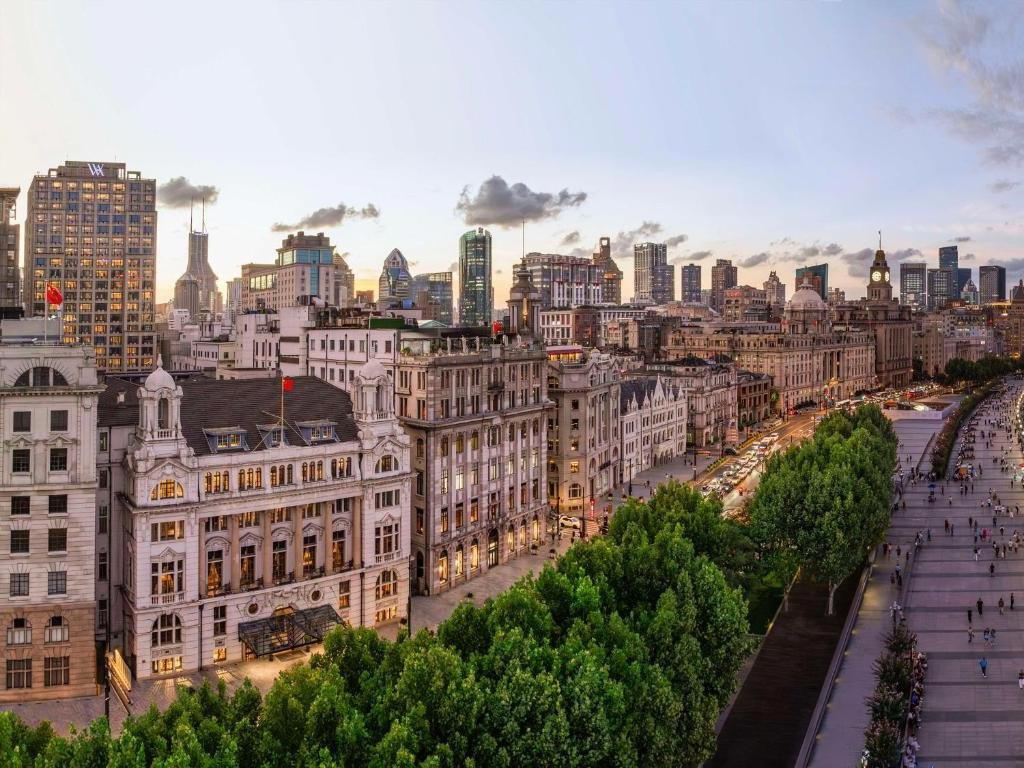
Huangpu is accessible from most of central Shanghai within twenty to thirty minutes by metro, with several lines converging near the district's major arteries. The neighbourhood rewards walking, particularly in the blocks that retain their pre-redevelopment lane character. For diners approaching from the Bund or from Xintiandi, Zhao Zhou Lu is reachable on foot through streets that still carry some of the layered texture that makes Huangpu worth exploring at pavement level rather than from a taxi window.
Shanghai's better dining rooms at the mid-to-upper tier typically require advance booking, with popular weekend dinner sittings filling several days ahead. If Zhao Zhou Lu is the kind of Huangpu room that draws a regular neighbourhood crowd at lunch and a more destination-oriented diner at dinner, that pattern would suggest different booking lead times depending on the session you are targeting.
For diners whose Shanghai itinerary extends into European formats, 8 1/2 Otto e Mezzo Bombana represents the most credentialled Italian operation in the city's upper tier. Those building a multi-city dining sequence across China can cross-reference Xin Rong Ji (Xinyuan South Road) in Beijing, Xin Rong Ji in Chengdu, Fleurs Et Festin in Xiamen, Wenru No.9 in Fuzhou, and Shang Palace in Yangzhou as regional counterpoints. For international comparison on format discipline, Le Bernardin in New York City and Lazy Bear in San Francisco illustrate what sustained editorial and critical recognition looks like for tasting-format operations in competitive Western markets.
Frequently asked questions
What part of town is Zhao Zhou Lu in?
Zhao Zhou Lu is located at Huangpu, Shanghai, China, Shanghai.
How does Zhao Zhou Lu fit into Shanghai's broader Chinese regional dining scene?
Zhao Zhou Lu sits in Huangpu, one of Shanghai's most established central districts, placing it within reach of the city's wider Chinese dining spectrum that runs from Taizhou seafood specialists on West Nanjing Road to Shanghainese institutions across the former French Concession. Huangpu's dining rooms tend to reward repeat visits rather than single-occasion tourism, with kitchens that shift register between a faster daytime service and a more deliberate evening pace.
What's the signature dish at Zhao Zhou Lu?
What the venue's Huangpu context does signal is a kitchen working within Shanghai's braised-protein and cold-appetiser tradition at lunch, shifting to a more deliberate sequence by evening. For the current menu, contacting the venue directly or visiting in person is the most reliable approach.
What's the best way to book Zhao Zhou Lu?
Arriving in person during off-peak lunch hours is often the most direct route for first-time visitors to venues in this part of central Shanghai, where walk-in capacity is more common than fixed reservation systems.
What's the signature at Zhao Zhou Lu?
The defining characteristic tied to Zhao Zhou Lu in Huangpu is the address itself: Zhao Zhou Lu is a street name first, and the dining identity follows from that neighbourhood context. Shanghai's Huangpu district supports a range of Chinese regional cooking, and venues here typically anchor their identity in either a specific regional tradition or a day-part format. Confirmed signature details are not currently on record.
Cuisine Context
Comparable options at a glance, pulled from our tracked venues.
| Venue | Cuisine | Price | Awards | Notes |
|---|---|---|---|---|
| Zhao Zhou LuThis venue — the venue you are viewing | Chinese (Zhejiang, Hangzhou) | Not listed | Not listed | Not listed |
| Fu He Hui | Modern Seasonal Vegetarian Fine Dining | $200–300 | 2 Michelin Stars · World's 50 Best #11 | Vegetarian |
| Ming Court | Cantonese with Shanghainese Influences | $30–50 | 1 Michelin Star · Black Pearl 1 Diamond | Cantonese |
| Polux | French Bistro | $30–50 | Michelin Bib Gourmand | French |
| Royal China Club | Cantonese Dim Sum | $100–150 | Michelin Plate · The Good Food Guide GFG Good | Chinese, Cantonese |
| Scarpetta | Refined Italian Pasta & Pizza | $50–100 | Michelin Plate · Wine Spectator Best of Award of Excellence | Italian |
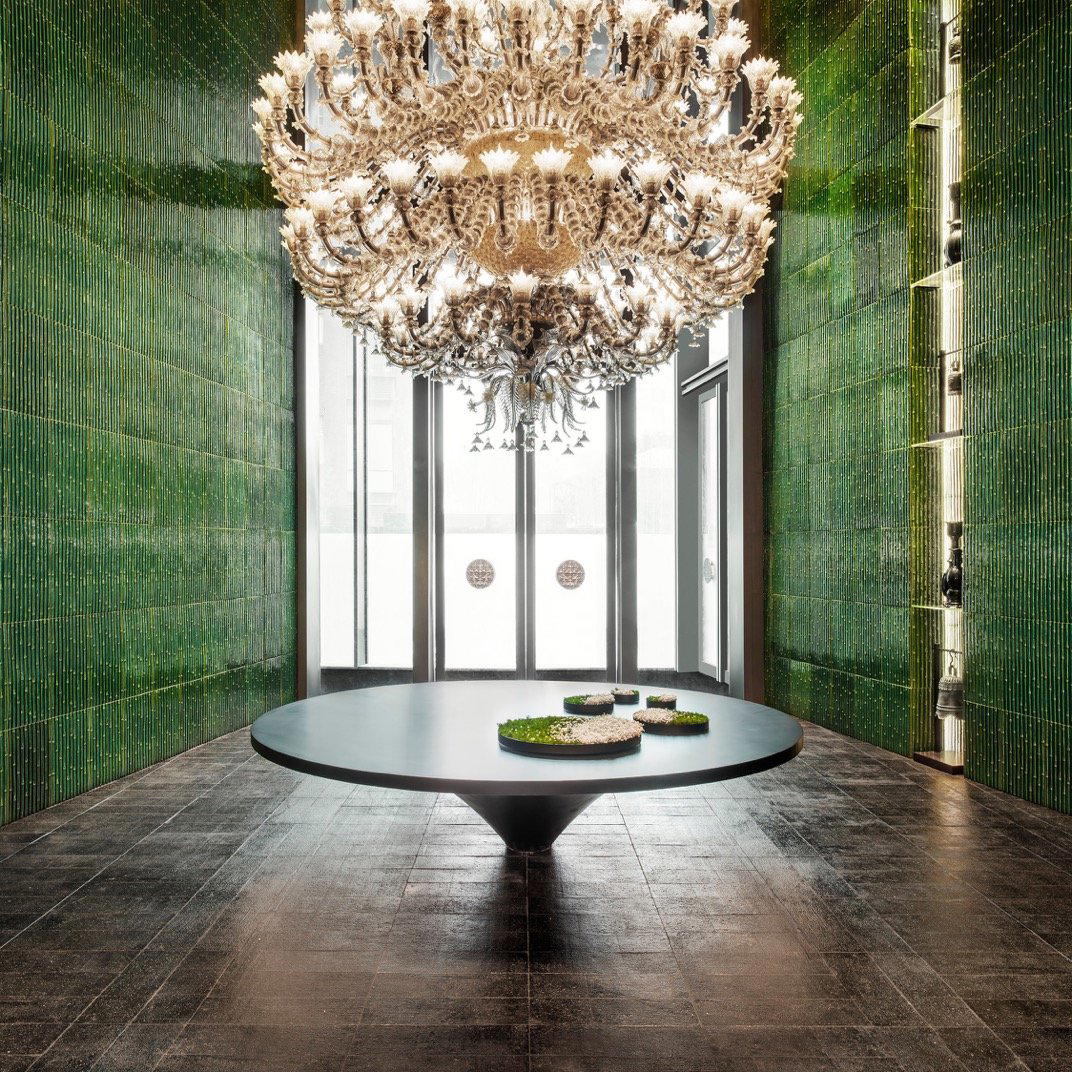
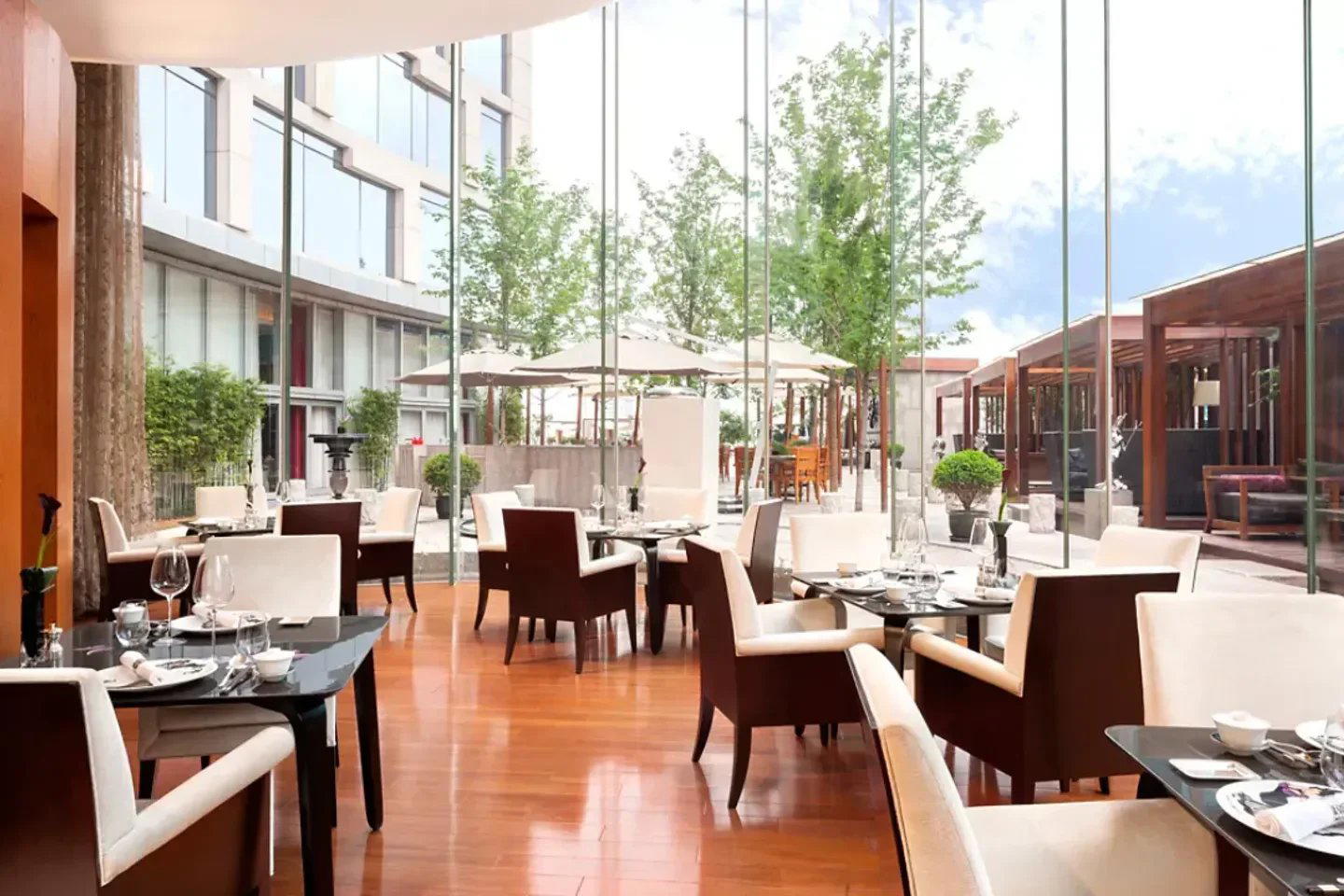
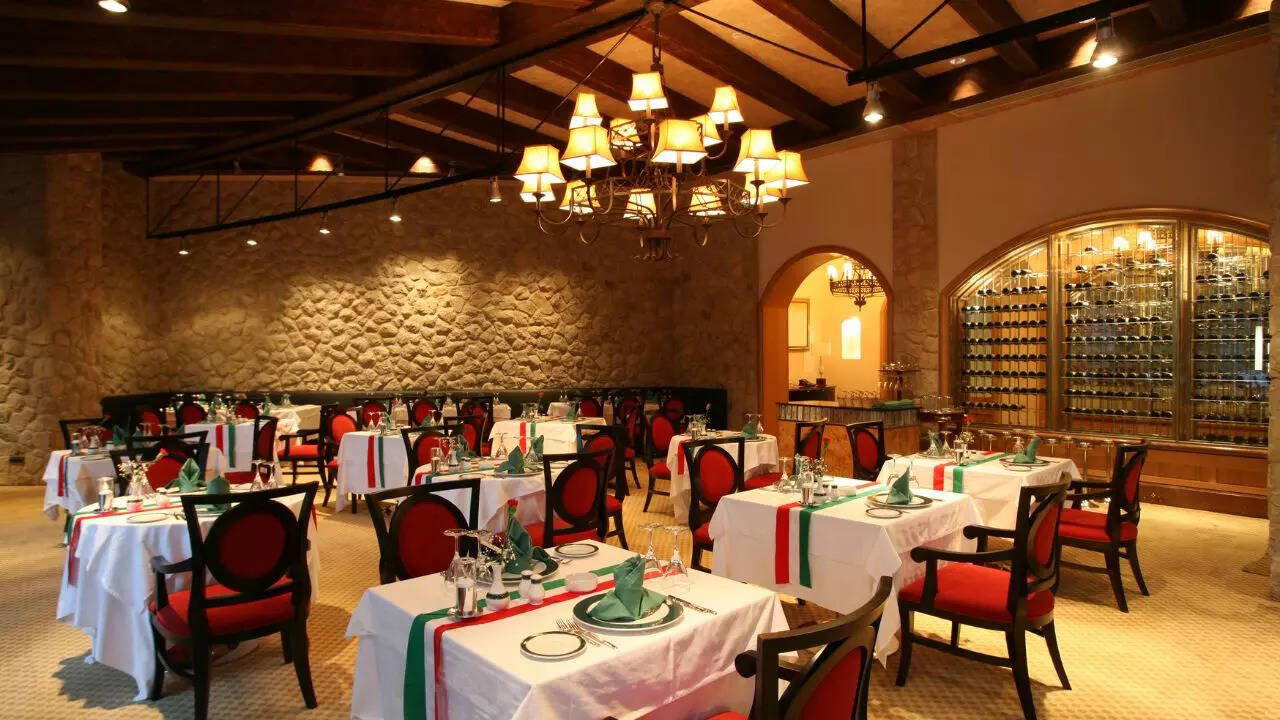
Details
- Lively
- Casual Hangout
- Standalone
- A La Carte
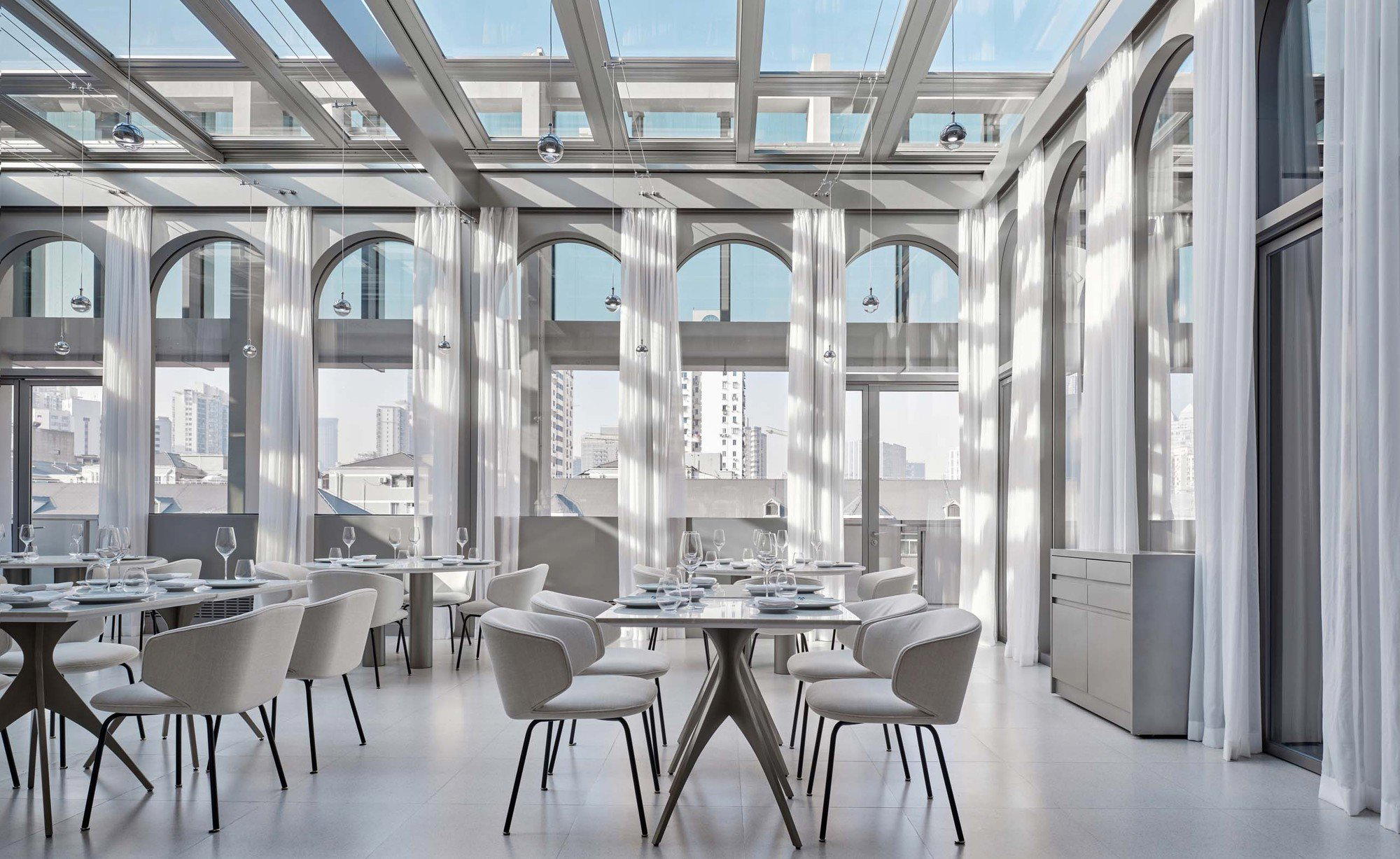
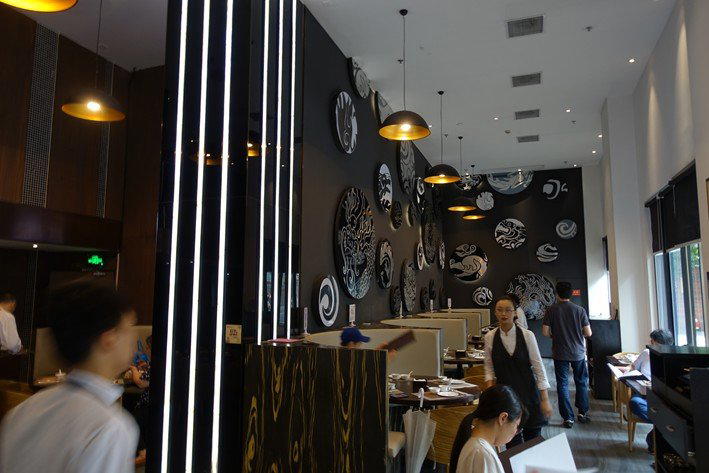
Lively street food atmosphere with a casual, no-frills dining vibe.