ZenA

ZenA operates from Zhubei City's residential grid with a counter-seat format and a single tasting menu built around seafood and vegetables. The kitchen's European training shows in the structural ambition of dishes like the fish Wellington, which layers salmon, monkfish fillet, and monkfish liver into a format rarely attempted outside Europe's fine-dining circuit. It positions ZenA as one of Hsinchu County's more technically demanding tables.
Pearl is the En Primeur Club membership app — saves, bookings, and concierge access live there. Same editors, same standards.
- Address
- 75, Section 2, Jiafeng 2nd Street, Zhubei City
- Phone
- +886 926 099 927
- Directions
- Get directions
 Saves & bookings on Pearl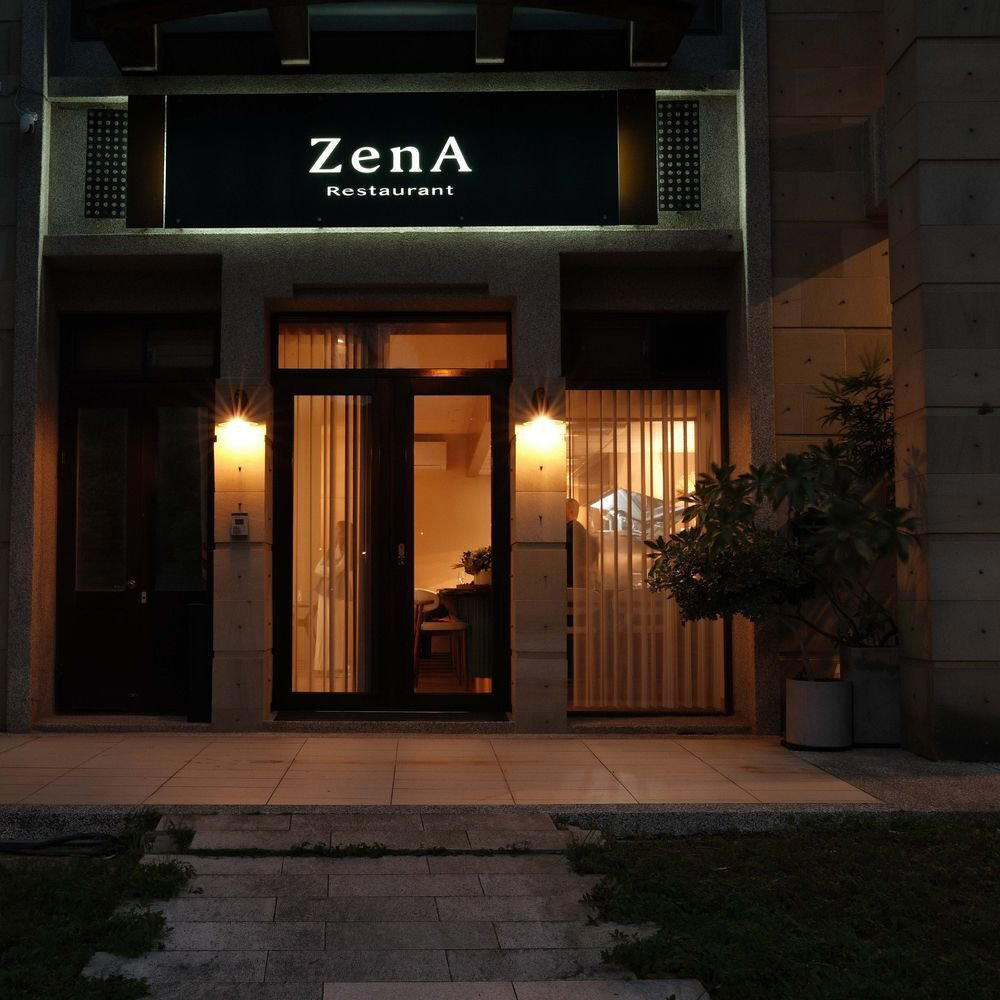
A Counter in Zhubei, Grounded in the Sea
ZenA is a restaurant in Zhubei City, Hsinchu County, known for European Contemporary cooking and a smart casual setting. Its grid of residential and commercial streets has grown fast, driven by the semiconductor industry clustering around the Hsinchu Science Park, and the restaurants that have opened here tend to reflect a local professional class with international exposure. That context matters for understanding what ZenA is doing on Jiafeng 2nd Street: it is a tasting-menu counter aimed at a city still building the dining infrastructure that Taipei has had for decades.
The counter format itself signals intent. In cities where fine dining has matured, the counter has become the premium tier, placing guests within reach of the kitchen's pace and decision-making. ZenA's counter seats work on the same principle, creating a setting where a question about wine pairings is part of the expected conversation rather than an interruption. That kind of access is rarer in Zhubei than it is at the dense concentration of counters found in Taipei or Taichung, which makes the format here carry more novelty and, accordingly, more educational weight for guests new to the format.
European Training Applied to Taiwanese Waters
Taiwan's most-discussed fine-dining counters have tended to cluster in the north and centre of the island. logy in Taipei and JL Studio in Taichung represent the model of a chef trained abroad returning with both technical and conceptual baggage worth unpacking. ZenA fits the same pattern at the county level: a head chef who spent years in European kitchens before returning to Hsinchu County and building a single-menu format around the produce and seafood available here.
The European period is visible in the menu's structural ambition. Cooking seafood within pastry, in the manner of a Wellington, is a technique that carries real technical risk. Pastry insulates the protein from direct heat, which demands precise timing to keep the fish from overcooking while the crust sets. The version at ZenA layers salmon and monkfish fillet, then adds monkfish liver as the interior stuffing, introducing a fat-rich, intensely savoury element that pushes the dish toward the flavour register of great European fish cookery. Monkfish liver, prepared well, has a richness and depth comparable to what foie gras does in meat-based Wellingtons. The fact that ZenA has made this its defining preparation says something about what the kitchen is willing to attempt technically.
This sits within a broader tradition of seafood ambition at the fine-dining level. Counters and tasting-menu restaurants that commit to fish as the central protein, rather than falling back on premium beef or wagyu to anchor the menu, make a different kind of argument about skill. Le Bernardin in New York City built its reputation over decades on precisely that argument. ZenA is operating at a different scale and in a different city, but the structural commitment to seafood and vegetables as the menu's backbone reflects the same hierarchy of priorities.
Zhubei's Position in the County's Dining Map
Hsinchu County's restaurant options span several registers. Ang Gu, Bebu, Chuan Fu, Firoo, and Geng Ye Yue Mei each represent different approaches to the county's dining possibilities, from street-rooted formats to more composed modern kitchens. ZenA occupies the tasting-menu-counter tier, which in Hsinchu County is still a smaller, less-established category than it has become in the major cities.
That relative scarcity matters practically. Guests who might otherwise travel to Taipei for this format have a local option that does not require compromising on technical intent. The connection to European training and the single-menu commitment place ZenA in a comparable set defined more by cooking ambition than by geography. In that sense, it belongs to a conversation that includes GEN in Kaohsiung, Akame in Wutai Township, and Zhu Xin Ju in Tainan, each of which represents the pattern of serious cooking appearing outside Taiwan's primary urban concentrations.
The address on Section 2 of Jiafeng 2nd Street places ZenA in a part of Zhubei that is neither tourist-facing nor particularly marked on visitors' usual routes. Getting there without a car requires planning, and the restaurant's position within a commercial-residential block means first-time visitors may find the approach unremarkable. The experience inside is the point.
The Counter as Format, Wine as Conversation
Taiwan's fine-dining evolution has followed a global pattern in which the chef's counter has replaced the formal dining room as the prestige format of choice. The logic is partly about theatre and partly about accountability: when the kitchen is visible and the chef is within earshot, the gap between what a restaurant claims and what it delivers closes quickly. Guests at ZenA's counter are positioned to engage directly with the chef, and the invitation to ask for wine pairing recommendations is built into the format's logic rather than bolted on as service theatre.
This wine-pairing conversation is worth taking seriously. A single tasting menu built around seafood and vegetables creates a progression of acidity, fat, and texture that benefits from considered pairing rather than a standard bottle selection. Monkfish liver, in particular, has the kind of weight that challenges conventional white-wine pairings and often calls for something from a different part of the spectrum. The chef's recommendation, grounded in daily familiarity with the menu, carries more operational relevance than a wine list consulted in isolation. At counters where this dynamic works well, it accounts for a significant portion of what makes the meal cohere.
For a point of comparison outside Taiwan's fine-dining circuit that also committed to ambitious seafood in an informal-seeming format, Emeril's in New Orleans built its reputation partly on the same willingness to centre fish cookery technically. And the Volando Urai Spring Spa & Resort in Wulai District represents another model of serious food appearing in a non-metropolitan Taiwanese setting, worth visiting as a counterpoint to the urban counter format ZenA represents.
At a Glance
Comparable venues nearby, for context on price, style, and recognition.
| Venue | Cuisine | Price | Notes |
|---|---|---|---|
| ZenAThis venue — the venue you are viewing | Zhubei City, European Contemporary | $$ | Not listed |
| Happy Hwa | Zhubei City, Taiwanese Braised Pork Rice | $ | Not listed |
| Shou Wu EAT | Not listed | $$ | Zhubei City, Traditional Hakka Home-Style Cooking |
| Shan Guo Tang | Zhubei City, Creative Vegetarian Chinese | $$ | Not listed |
| Li Yueh | Zhubei City, Japanese Omakase | $$$$ | Not listed |
| 鮨安 | Zhubei City, Taiwanese | Not listed | Not listed |
Recognition history
Dated appearances from independent guides and award organizations, with the underlying list record or original source where available.
Michelin Plate
Michelin
Continue exploring
More in Zhubei City
Restaurants in Zhubei City
Browse all →
Bars in Zhubei City
Browse all →
At a Glance
- Elegant
- Modern
- Intimate
- Special Occasion
- Date Night
- Chefs Counter
- Open Kitchen
Current opening hours
- Monday
- Closed
- Tuesday
- Closed
- Wednesday
- 7–9 PM
- Thursday
- 7–9 PM
- Friday
- 7–9 PM
- Saturday
- 7–9 PM
- Sunday
- 12–2 PM, 7–9 PM
Hours can change for holidays and private events. Last verified .
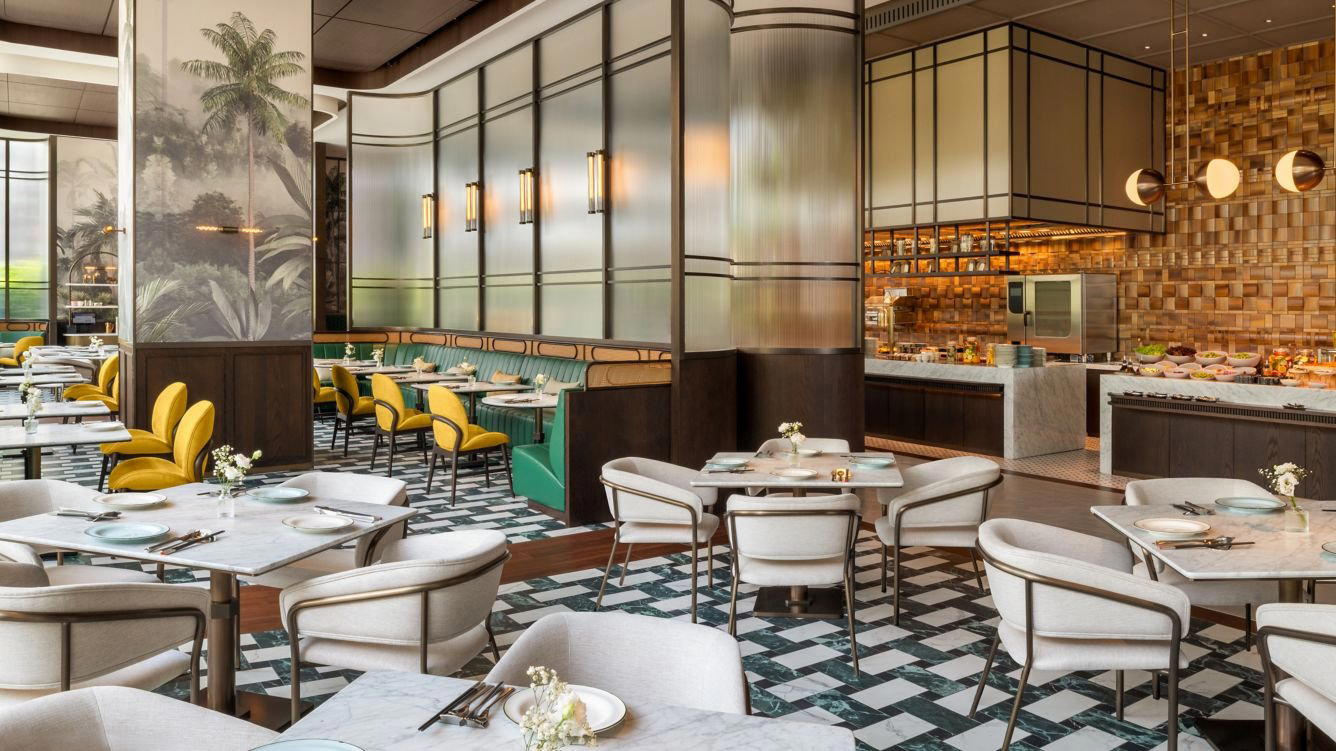
Counter seating encourages intimate interaction with the chef in a contemporary European setting.