Shou Wu EAT

Michelin Bib Gourmand
Our verdict
In Zhubei City's everyday dining circuit, Shou Wu EAT holds a specific position: a no-frills Hakka kitchen where the cooking logic is restorative rather than theatrical. The signature Silkie chicken herbal soup slow-cooks for eight hours with more than 30 Chinese herbs, arriving unseasoned to let the medicinal aromatics carry the bowl. Sicklepod tea and house-pickled fried rice complete a menu built around what traditional Hakka food has always done well: low fat, low sodium, and deep functional flavour.

Pearl is the En Primeur Club membership app, where members save venues, book tables and use the concierge.
The menu
What to order
- Pan-fried Pork Liver with Garlic
- Silkie Chicken Herbal Soup
- Pickled Cabbage Fried Rice
- Braised Bamboo Shoots
- Fly Head
Where Hakka Cooking Logic Meets Functional Food Philosophy
Zhubei City is not a place travellers typically associate with destination dining. The satellite city north of Hsinchu proper runs on tech-sector efficiency, its streets filled with engineers commuting between science park campuses and residential high-rises. But that kind of city produces its own dining culture: neighbourhood spots valued for consistency, honesty, and food that actually makes you feel well after eating it. Shou Wu EAT operates in that register, a low-key Hakka eatery at 31 Chenggong 2nd Street whose entire reason for existing is restorative cooking rather than spectacle.
That framing matters in Taiwan's current food moment. Across the island, the critical conversation tends to cluster around tasting-menu innovation: JL Studio in Taichung reframing Southeast Asian technique through a fine-dining lens, logy in Taipei building Japanese-inflected precision, GEN in Kaohsiung interpreting regional produce through a chef-led format. What gets less attention is the tradition that predates all of it: community-oriented Hakka cooking, which has maintained a distinct dietary ethic for generations precisely because it was never designed for recognition.
The Hakka Dietary Tradition Behind the Menu
Hakka cuisine in Taiwan occupies a position somewhere between indigenous mountain cooking and Han Chinese lowland food. The Hakka people, historically displaced and self-reliant, developed a kitchen philosophy around preservation, minimal waste, and nutrition density. Fat and sodium were rationed not by fashion but by practical necessity. That legacy translates, at a place like Shou Wu EAT, into a menu whose health credentials are not a marketing angle but a structural outcome of how this food has always been made.
The menu's logic aligns with what food researchers increasingly describe as functional eating: dishes where the health benefit is embedded in the cooking method and ingredient selection, not added as an afterthought. Slow-cooking with medicinal herbs, fermenting vegetables for depth rather than salt, using ingredients like sicklepod with documented traditional therapeutic applications. This is the opposite of the wellness-supplement food trend common in urban restaurants elsewhere; it is simply Hakka cooking done without modification.
Within Zhubei's dining scene, this positions Shou Wu EAT alongside other restaurants working in traditional registers. Ang Gu, Bebu, Chuan Fu, Firoo, and Geng Ye Yue Mei each represent a different facet of Hsinchu County's food identity. What separates Shou Wu EAT within that group is the deliberate medicinal framing, a quality that connects it less to contemporary restaurant trends and more to the long Hakka tradition of cooking as care.
The Eight-Hour Soup and What It Signals
The most documented dish on the menu is the Silkie chicken herbal soup, slow-cooked for eight hours with more than 30 Chinese herbs. Silkie chicken, the black-skinned breed prized in Chinese medicine for its high carnosine content and lower fat ratio compared to standard poultry, is the standard vehicle for this style of restorative broth in Hakka and Cantonese home cooking. The eight-hour cooking time is significant: it represents a production commitment that most commercial kitchens cannot or do not choose to absorb. Running a long-cooked broth at that scale requires starting preparation well before service, which shapes the entire rhythm of the kitchen's day.
The deliberate choice to leave the soup unseasoned is the detail that reveals the kitchen's actual priorities. At restaurants where flavour impact is the goal, this level of restraint would be considered a risk. Here it is a statement: the aromatic complexity of 30-plus herbs is meant to register without interference. Guests expecting the salt-forward intensity of many Taiwanese soups will need to recalibrate. The broth rewards attention rather than appetite, which is a meaningful distinction.
This approach echoes traditions visible at other Taiwan restaurants working with indigenous or heritage ingredients, from Akame in Wutai Township, which foregrounds Aboriginal Rukai ingredients in a format that centres provenance, to Zhu Xin Ju in Tainan, where local produce carries the weight of the menu. The common thread is a kitchen that treats ingredient integrity as a non-negotiable, and seasoning as something that should never override the base material.
The Welcome Drink and Sustainable Ingredient Logic
Shou Wu EAT opens the meal with sicklepod tea, a detail that doubles as a philosophically coherent sustainability signal. Sicklepod (Senna obtusifolia) grows as a near-weed in subtropical climates across Asia, historically gathered wild rather than farmed, and used in traditional Chinese medicine for its applications around liver function, bowel regularity, and eye health. Serving it as a welcome drink requires zero industrial input: no complex supply chain, no controlled cultivation, no imported ingredient cost. It is hyperlocal by nature.
This is the sustainability story at Shou Wu EAT, and it differs from the version told at restaurants that have consciously built an ethical-sourcing narrative. There is no evident farm-to-table branding here, no named supplier list. The sustainability is structural, embedded in what Hakka cooking has always done: use what grows nearby, preserve rather than waste, cook simply and at length rather than adding complexity through bought ingredients. The fried rice served with house-made pickles follows the same logic. Pickling is the original zero-waste kitchen technology, converting vegetable surplus into long-lasting flavour contributors. The result is a fried rice with savoury depth that arrives not from premium ingredients but from fermentation time and care.
For travellers interested in food culture beyond the fine-dining circuit, this framing is more instructive than a tasting menu. Resorts like Volando Urai Spring Spa and Resort in Wulai District or celebrated international rooms like Le Bernardin in New York City and Emeril's in New Orleans each occupy a specific place in the global dining hierarchy through technique, recognition, and format. Shou Wu EAT occupies a completely different tier, one where the measure of quality is how closely the food hews to a multi-generational tradition without compromise.
Planning a Visit
Shou Wu EAT is located at 31 Chenggong 2nd Street in Zhubei City, Hsinchu County. As with many neighbourhood Hakka spots in Taiwan, arriving at opening or early in the lunch or dinner window reduces the risk of specific dishes selling out, particularly a production-intensive item like the eight-hour soup. Travellers building a broader Hsinchu County itinerary can consult our full Hsinchu County restaurants guide, our full Hsinchu County hotels guide, our full Hsinchu County bars guide, our full Hsinchu County wineries guide, and our full Hsinchu County experiences guide for a complete picture of what the region offers beyond the science park corridor.
Frequently asked questions
Does Shou Wu EAT have a Michelin star or similar recognition?
Shou Wu EAT has received recognition including: This unsophisticated eatery champions home-style Hakkanese fare whose low fat and sodium content is rich in healthy benefits. The welcome drink, sicklepod tea, is said to promote bowel and eye health. Their signature Silkie chicken herbal s….
Where do I go for Shou Wu EAT?
Shou Wu EAT is located at 31 Chenggong 2nd Street, Zhubei City, Hsinchu County.
What should I order at Shou Wu EAT?
The Silkie chicken herbal soup is the dish the kitchen is built around: slow-cooked for eight hours with more than 30 Chinese herbs and served intentionally unseasoned so the herbal aromas carry without interference. For a starch course, the fried rice made with house pickles adds the savoury depth the soup deliberately withholds. The meal also opens with sicklepod tea, which functions as both a palate preparation and a statement of the restaurant's health-oriented philosophy.
How far ahead should I plan for Shou Wu EAT?
No phone number or website is publicly listed for Shou Wu EAT at 31 Chenggong 2nd Street, Zhubei City, which makes advance booking difficult to confirm remotely. Arriving in person during off-peak hours is the most reliable approach until contact details become available.
What has Shou Wu EAT built its reputation on?
The restaurant's standing comes from a disciplined commitment to home-style Hakkanese cooking that prioritises low fat and low sodium content, drawing on a dietary tradition historically tied to Hakka communities in Taiwan. The eight-hour Silkie chicken herbal soup with over 30 Chinese herbs is the centrepiece, and details like house-made pickles and the opening sicklepod tea signal a kitchen that treats ingredient logic as part of the identity, not a marketing add-on.
Can Shou Wu EAT handle vegetarian requests?
The documented menu at Shou Wu EAT centres on the Silkie chicken herbal soup, which is the kitchen's defining preparation, so meat is central to the core offer. Vegetarians should enquire directly on arrival at 31 Chenggong 2nd Street, Zhubei City.
What is sicklepod tea and why does Shou Wu EAT serve it as a welcome drink?
Sicklepod (Senna obtusifolia) is a plant used in Chinese herbal tradition and associated with digestive and eye health benefits. Shou Wu EAT serves it as the opening drink of the meal, a choice that aligns with the restaurant's broader philosophy of Hakkanese cooking as functional food rather than purely flavour-driven cuisine. It is a coherent extension of the same low-fat, low-sodium dietary principles that govern the rest of the menu in Zhubei City.
Recognition, Side-by-Side
Comparable venues nearby, for context on price, style, and recognition.
| Venue | Cuisine | Price | Awards | Notes |
|---|---|---|---|---|
| Shou Wu EATThis venue (the venue you are viewing) | Traditional Hakka Home-Style Cooking | $10–20 | Michelin Bib Gourmand | Not listed |
| Tang Tsao Yuan | Traditional Taiwanese Noodles & Dumplings | $10–20 | Michelin Bib Gourmand | Zhubei City |
| 首烏廚EAT | Traditional Hakka Home-Style Cooking | $10–20 | Michelin Bib Gourmand | Zhubei City |
| Yen Chiang hotpot | Taiwanese Hotpot | Not listed | Not listed | Zhubei City |
| Top One Pot Zhubei Guangming Branch | Taiwanese Hot Pot | $20–30 | Not listed | Guangming |
| Piccola Enoteca | Modern Italian Trattoria | $20–30 | Michelin Plate | Zhubei |
Recognition history
Dated appearances from independent guides and award organizations, with the underlying list record or original source where available.
Michelin Bib Gourmand
Michelin
Continue exploring
More in Zhubei City
Restaurants in Zhubei City
All restaurants in Zhubei City →
Bars in Zhubei City
Browse all →

Details
- Classic
- Cozy
- Rustic
- Group Dining
- Family
- Casual Hangout
- Open Kitchen
- Local Sourcing
- A La Carte
- Family Style
- Herbal Tea
- Cassia Seed Tea
- Vegetarian Friendly
- Allergy Accommodating
- Organic Focus
Current opening hours
- Monday
- Closed
- Tuesday
- 11:30 AM–2 PM, 5–9 PM
- Wednesday
- 11:30 AM–2 PM, 5–9 PM
- Thursday
- 11:30 AM–2 PM, 5–9 PM
- Friday
- 11:30 AM–2 PM, 5–9 PM
- Saturday
- 11:30 AM–2 PM, 5–9 PM
- Sunday
- 11:30 AM–2 PM, 5–9 PM
Hours can change for holidays and private events. Hours as of .
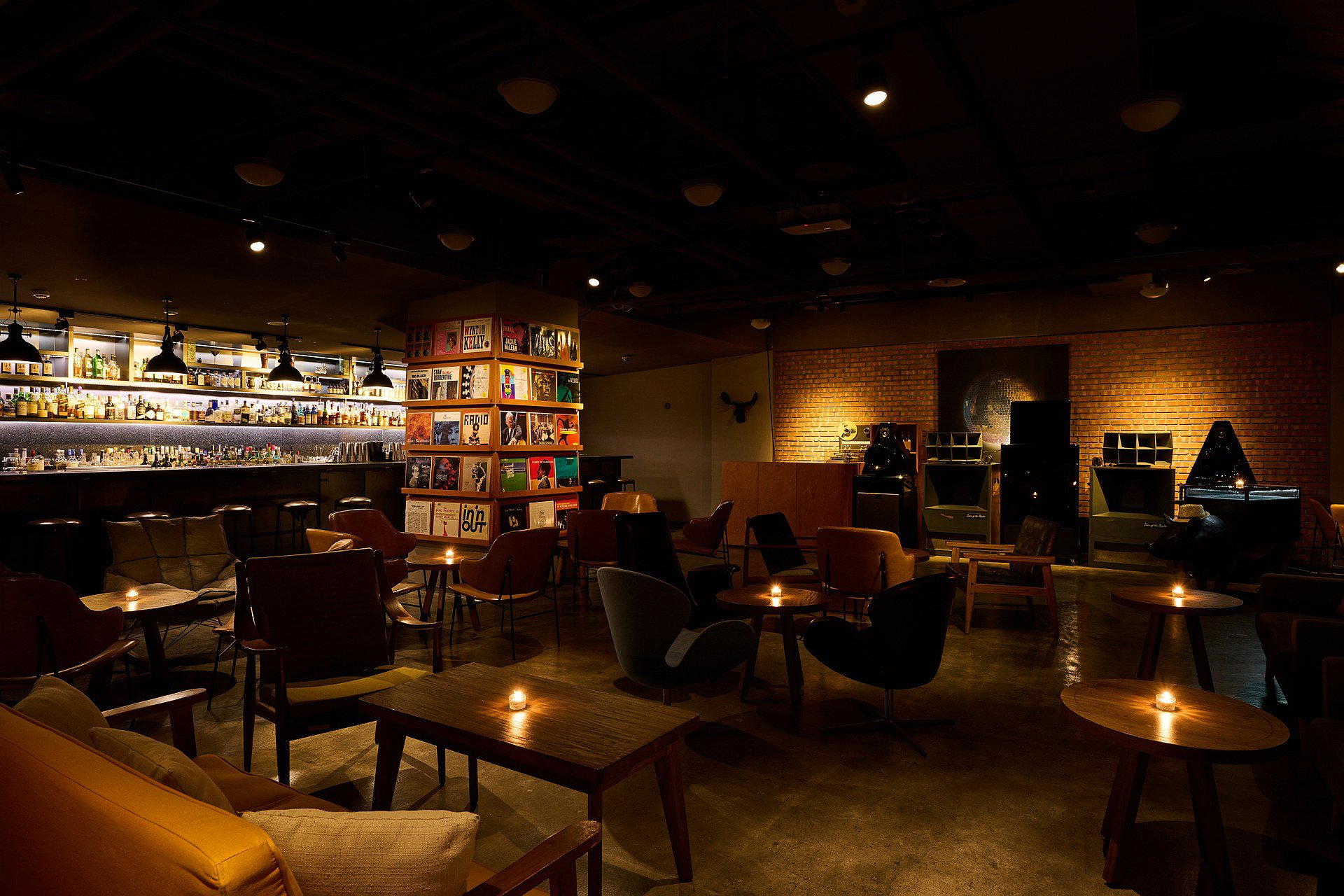
Warm, inviting white Scandinavian-style decor with calligraphy and paintings; comfortable and relaxing atmosphere suitable for family and group dining, though can become noisy when full.