Garden.V

For over two decades, Garden.V has anchored Hsinchu City's Jiangzhe dining scene, serving the braised, steamed, and cold-dressed classics of the Yangtze Delta tradition in a three-storey space built around natural light and generous portions. Certain dishes, including the cabbage rice with Jinhua ham, require advance orders. The cold appetiser display case is essential browsing.
Pearl is the En Primeur Club membership app — saves, bookings, and concierge access live there. Same editors, same standards.
- Address
- 136, Section 1, Dongda Road, East District
- Phone
- +886 3 543 8898
- Directions
- Get directions
 Saves & bookings on Pearl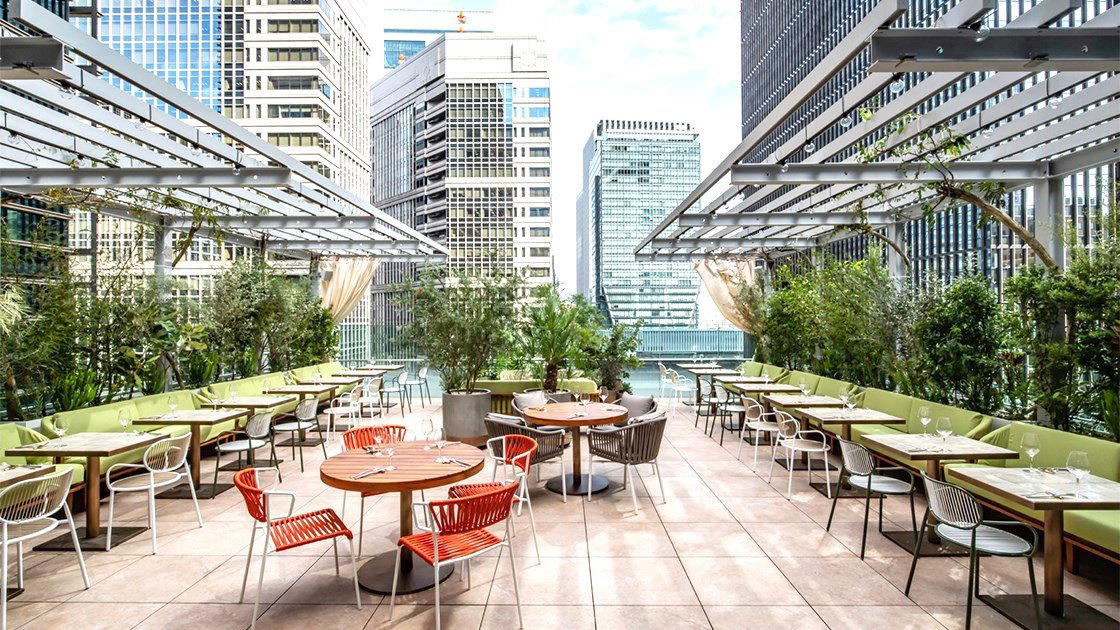
Dongda Road and the Case for Sitting Still
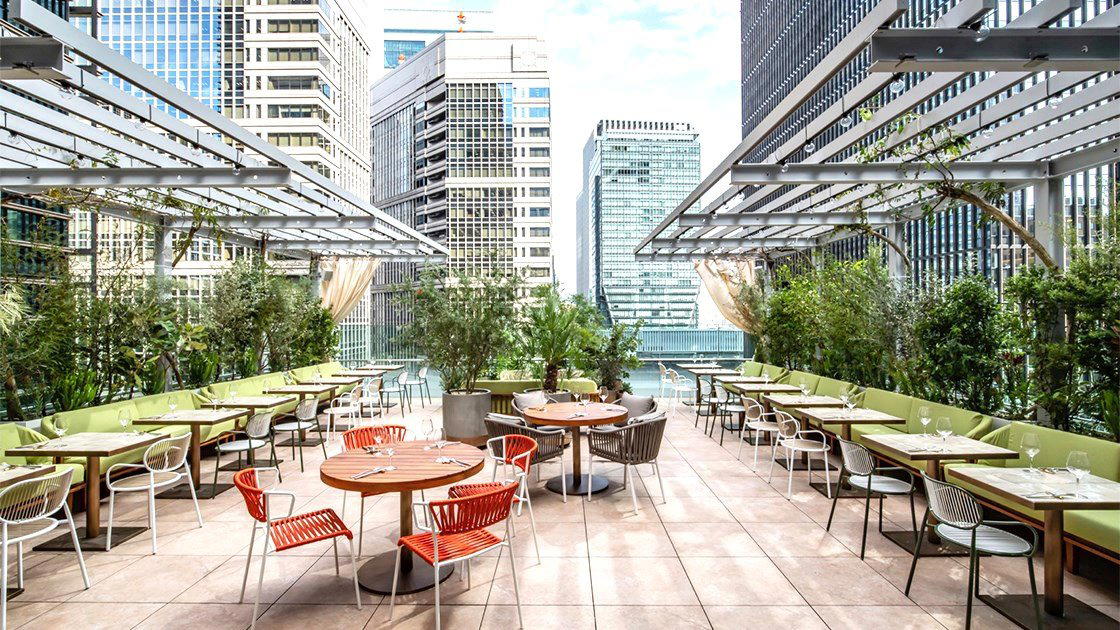
Hsinchu City's East District runs on a rhythm different from the night market chaos of Beimen or the tech-campus density near Science Park. Dongda Road, in particular, holds a quieter kind of institution: the sit-down restaurant that earns its reputation over years rather than viral cycles. Garden.V, at number 136 on Section 1, serves authentic Jiangzhe cuisine in Hsinchu City's East District. The three-storey building, with full-length windows running across each floor, fills with daylight in a way that few restaurant spaces in Taiwanese cities manage. The light changes the register of the meal: this is somewhere you come to eat at length, not to move through quickly.
Hsinchu's dining map is more layered than its reputation as a science and engineering city might suggest. Street-level staples like Dongmen Rice Noodle Soup and Hai Kou Guabao handle the fast, communal end of eating, while places like He Jih Hsiang on Minzu Road anchor the traditional Taiwanese mid-range. Garden.V occupies a different position: it is the city's sustained answer to Jiangzhe cooking, a cuisine rooted in the provinces of Jiangsu and Zhejiang that prizes subtlety of seasoning, careful braising, and cold preparations that reward attention. In a city where the dominant local vernacular is Hakka and the street food is rice noodles in pork broth, a restaurant holding this particular tradition for two decades has done something worth understanding.
What Jiangzhe Means on the Plate
Jiangzhe cuisine, sometimes grouped under the broader label of Huaiyang or Jiangnan cooking, is the table tradition of the Yangtze River Delta. It is one of the eight recognised regional schools of Chinese cooking, and its defining characteristics are restraint in spice, precision in cutting technique, a strong preference for braised and red-cooked proteins, and an elaborate cold appetiser culture that functions almost as its own course structure. The flavour register sits closer to Shanghai's richer, sweeter preparations than to the heat-forward Sichuan or the salted, fermented intensity of Hunan. In Taiwan, Jiangzhe restaurants arrived with the mainland exodus of 1949 and took root in cities where resettled communities maintained regional food cultures. Their numbers have thinned over decades as those communities aged and younger Taiwanese diners moved toward Taiwanese-Japanese fusion or Western formats.
That contraction gives Garden.V's longevity a specific meaning. Across Taiwan, the restaurants doing comparable work in this tradition include places like Zhu Xin Ju in Tainan, where a similar commitment to mainland Chinese regional cooking persists in a city more associated with southern Taiwanese fare. The broader Taiwanese fine dining conversation has moved toward Japanese-inflected tasting menus, as seen at logy in Taipei and JL Studio in Taichung, or toward indigenous-ingredient-driven cooking at places like Akame in Wutai Township. Garden.V does not belong to any of those movements. It belongs to an older lineage, and that is precisely what makes it useful.
The Cold Case and the Pre-Order Discipline
The glass display case near the entrance is where the Jiangzhe cold appetiser tradition becomes legible to first-time visitors. These are not side dishes in the Western sense. In Jiangzhe tradition, cold preparations carry as much prestige as hot dishes, and the range on display on any given visit reflects the kitchen's technical range: braised meats at room temperature, pickled and marinated vegetables, and dishes like the kao fu, fried wheat gluten with mushrooms and bamboo shoot, which arrives savoury-sweet and dense with absorbed braising liquid. Wheat gluten preparations of this kind require patience in execution: the gluten must be fried, then braised in a soy-and-sugar mixture with the mushrooms and bamboo until each component has fully absorbed the cooking liquid. Getting it right is a reliable indicator of kitchen discipline.
Some of the restaurant's dishes operate on a different planning timeline. The cabbage rice with Jinhua ham is one of several items that must be pre-ordered, a common practice in restaurants where slow-cooked or labour-intensive preparations cannot be held to order. Jinhua ham, the Chinese equivalent of prosciutto di Parma in terms of its regional prestige and curing tradition, is used here as an aromatic layered into rice. Pre-ordering is not an inconvenience: it is the mechanism by which the kitchen can produce the dish properly. Arriving without a reservation and expecting to eat the full range is a misunderstanding of how this kind of cooking works.
Scale, Light, and the East District Address
The three-storey format is significant for a city where many comparable restaurants occupy smaller, ground-floor spaces. The full-length windows are the room's defining feature: on a clear afternoon, the building reads more like a well-lit dining hall than a restaurant in the Taiwanese street-food tradition. Generous portions are part of the restaurant's documented reputation, and at this scale, group dining is the natural format. Families, company lunches, and multi-generational tables are the expected social units here, which is consistent with how Jiangzhe banquet culture has historically organised itself.
For visitors arriving from outside Hsinchu, the East District is accessible by taxi or ride-share. The city's high-speed rail station sits to the south, with the older train station closer to the historic centre, and Dongda Road is a mid-distance point that makes most sense by taxi or ride-share. Those building a broader Hsinchu dining itinerary might balance the restaurant with something lighter and faster from the city's street food tier, such as Chang Chang Kitchen or the neighbourhood character of Cat House. For a wider view of what Hsinchu's eating scene contains across categories, our full Hsinchu City restaurants guide maps the full range, and the city's hotels guide, bars guide, wineries guide, and experiences guide cover the rest. For comparison with other destination-level restaurants across Taiwan and beyond, see GEN in Kaohsiung, Volando Urai in Wulai District, Le Bernardin in New York City, and Emeril's in New Orleans for a sense of how regional cooking institutions sustain themselves across different contexts.
Planning Your Visit
For dishes requiring advance preparation, including the cabbage rice with Jinhua ham, contact the restaurant before arrival rather than on the day. It is recommended to reserve ahead. The cold appetiser display is available for walk-in browsing, but pre-ordering ensures access to the full menu. The three-storey format accommodates larger groups comfortably, and the airy, well-lit room functions for both midday and evening sittings. The restaurant is at 136, Section 1, Dongda Road, East District, Hsinchu City.
Just the Basics
Comparable venues nearby, for context on price, style, and recognition.
| Venue | Cuisine | Price | Notes |
|---|---|---|---|
| Garden.VThis venue — the venue you are viewing | Not listed | $$ | Not listed |
| Nung Wei Hsiao Chu | Xiangshan District, Hakkanese | $$ | Not listed |
| No.10 Nanmen | Not listed | $$$ | East District, Handmade Noodles and Dumplings |
| Shih Fang Hsiao Ching | North District, Taiwanese Contemporary | $$ | Not listed |
| Ying Wang Meatball | Xiangshan, Traditional Taiwanese Ba-wan | $ | Not listed |
| Yummy | East District, Taiwanese Contemporary | $$ | Not listed |
Recognition history
Dated appearances from independent guides and award organizations, with the underlying list record or original source where available.
Michelin Bib Gourmand
Michelin
Continue exploring
More in Hsinchu City
Restaurants in Hsinchu City
Browse all →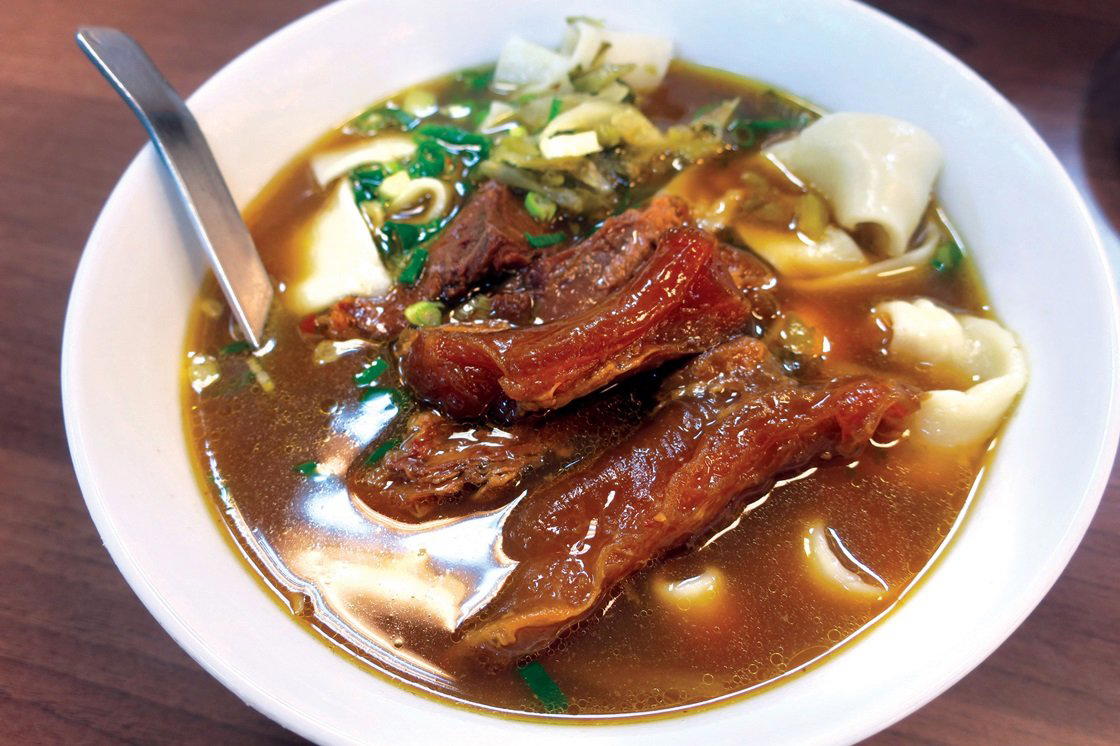
Bars in Hsinchu City
Browse all →
At a Glance
- Modern
- Family
- Group Dining
- Standalone
- Street Scene
Current opening hours
- Monday
- 11 AM–2:30 PM, 5–9:30 PM
- Tuesday
- 11 AM–2:30 PM, 5–9:30 PM
- Wednesday
- 11 AM–2:30 PM, 5–9:30 PM
- Thursday
- 11 AM–2:30 PM, 5–9:30 PM
- Friday
- 11 AM–2:30 PM, 5–9:30 PM
- Saturday
- 11 AM–2:30 PM, 5–9:30 PM
- Sunday
- 11 AM–2:30 PM, 5–9:30 PM
Hours can change for holidays and private events. Last verified .
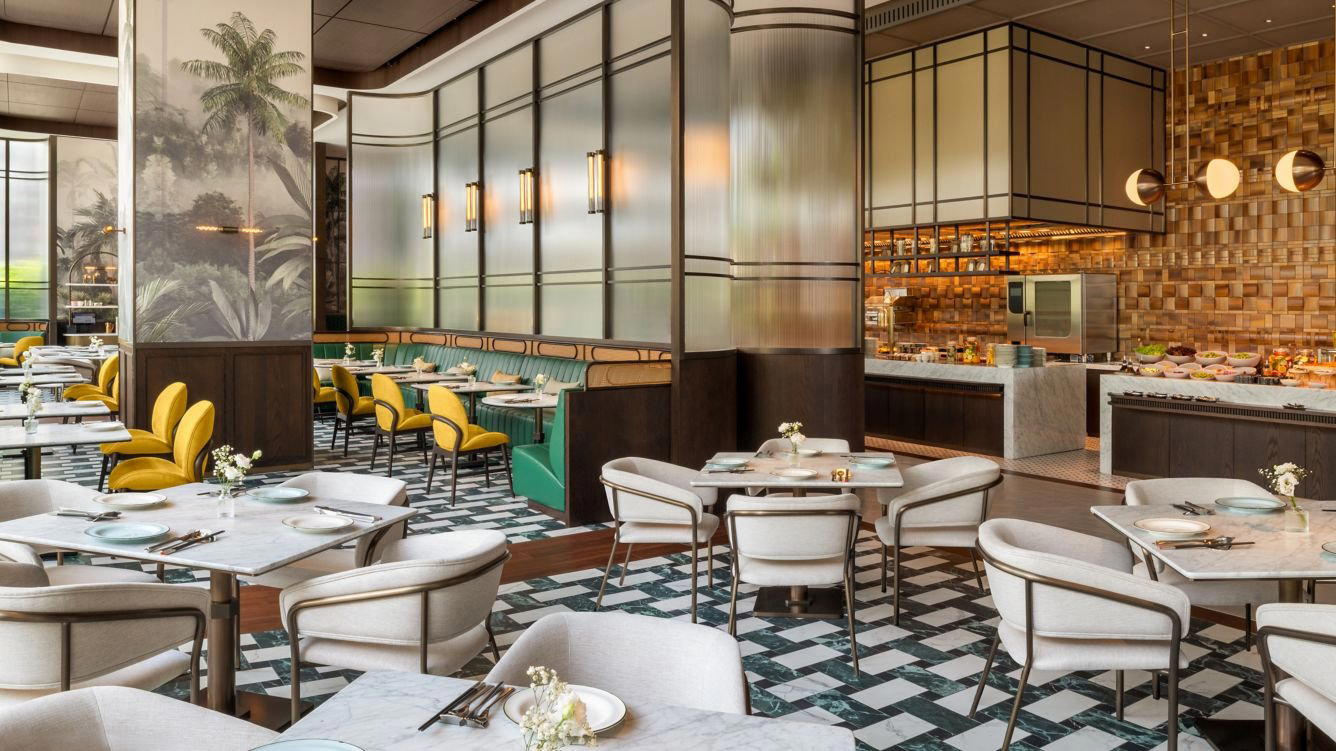
Airy and bright three-storey space with full-length windows.