Li Yueh

Cypress, Silence, and the Logic of Return The approach to Li Yueh on Xianzheng 13th Road in Zhubei tells you something before you sit down. Cypress wood panels the interior, warm and faintly resinous, and the tableware reads as deliberate...
Pearl is the En Primeur Club membership app — saves, bookings, and concierge access live there. Same editors, same standards.
- Address
- 101, Xianzheng 13th Road, Zhubei City
- Phone
- +886 3 553 0222
- Directions
- Get directions
 Saves & bookings on Pearl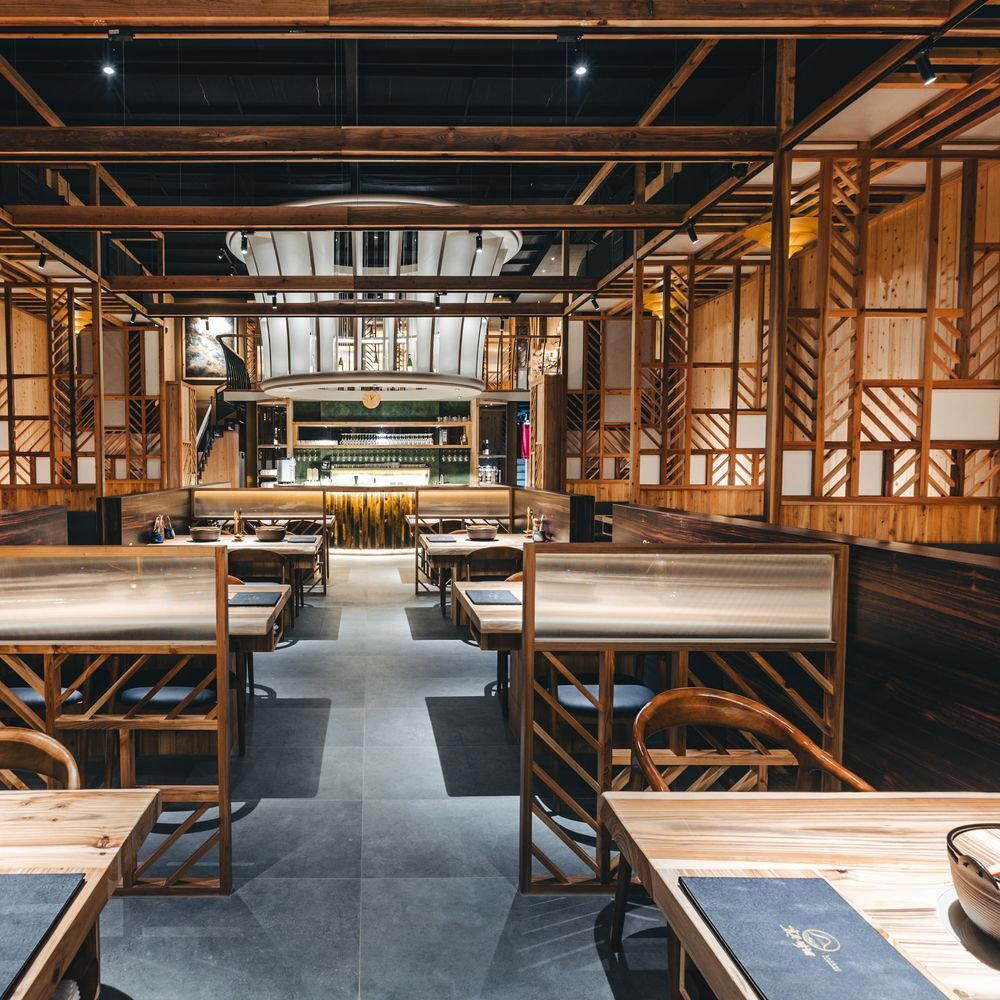
Cypress, Silence, and the Logic of Return
The approach to Li Yueh on Xianzheng 13th Road in Zhubei tells you something before you sit down. Cypress wood panels the interior, warm and faintly resinous, and the tableware reads as deliberate selection rather than default hospitality. This is an aesthetic that owes much to the quiet precision of Japanese omakase. Instead, the room positions itself squarely within a Japanese omakase tradition that has taken firm root in Taiwan over the past decade, moving from Taipei's Da'an district outward into secondary cities where rents are lower and regulars easier to cultivate.
That outward movement matters as context. Taiwan's most-discussed omakase counters, places like logy in Taipei, operate within a dense urban scene where competition sharpens every detail. Li Yueh sits in a quieter register, geographically and tonally, which changes what regulars come for. They are coming back because the format works, the fish is sourced seriously, and the room does not ask anything of them except attention to the food.
The Omakase Format in a City That Is Not Taipei
Three omakase menus structure the experience at Li Yueh, each designed around a deliberate balance of raw and cooked courses. That balance is more considered than it sounds. Many Taiwan omakase counters tilt heavily toward nigiri-forward formats that mirror the Tokyo model almost literally. The restaurant holds a middle line, threading Japanese classics alongside courses that carry more creative latitude. The effect is that the menu has texture, alternating between familiar reference points and moments of surprise, which is precisely the rhythm that keeps regulars from ordering a specific dish and instead trusting the full sequence.
Fish from Toyosu market provides the raw-course foundation. Toyosu procurement is a trust signal in itself: the market's grading and traceability standards mean that a chef drawing from it is making a public commitment about baseline quality, not a private one. Rice, which any experienced omakase diner will tell you is where counters quietly separate from one another, is dressed in a blend of white and red vinegars. The mellow acidity that combination produces sits between the brightness of pure white vinegar rice and the deeper, earthier note of all-red vinegar formulas. It is a choice that suggests calibration, not convention.
The crabmeat spring roll, filled with crabmeat, crab roe and tomalley and finished to a crisp, sits in the cooked-course half of the menu as a kind of editorial statement. Tomalley is not a delicate ingredient; it brings intensity and a tidal minerality that can dominate lesser preparations. Here the interplay of crab roe richness and the bright crunch of the pastry shell is what the dish seems to be arguing for, an umami register that is direct without being crude. For regulars, it is the kind of course that becomes a reference point, the dish they bring new guests to witness.
What Regulars Know
The repeat-visitor dynamic at a counter like Li Yueh is distinct from what drives loyalty at a broader restaurant. In the Taipei fine-dining scene, or at internationally placed counters like JL Studio in Taichung, part of the return proposition is watching a kitchen evolve, tracking seasonal shifts, and being present for changes in direction. The restaurant's regulars are operating on a different calculus. They return because the format delivers consistency within a framework that still has room for variation, and because the room itself does not perform for outsiders.
Zhubei's dining scene sits alongside options that range from the casual Taiwanese cooking at Geng Ye Yue Mei to the diverse register of places like Ang Gu, Bebu, Firoo, and Chuan Fu. The restaurant occupies the furthest point on that spectrum in terms of formality and sourcing commitment. Its comparable set, in practice, is not these Hsinchu County neighbours but the mid-tier Japanese omakase counters that have opened in secondary Taiwanese cities over the past several years, places where a chef with Taipei experience brings a capital-trained sensibility to a lower-density audience. That transfer of expertise, repeated across Taiwan's growing omakase scene, is one of the more interesting structural shifts in the country's dining culture, and the restaurant represents it plainly.
Guests visiting from elsewhere in Taiwan or arriving after exploring counters elsewhere in the region, whether that is GEN in Kaohsiung, Zhu Xin Ju in Tainan, or the more rurally located Akame in Wutai Township, will find the restaurant readable within that national conversation without being derivative of it.
Planning a Visit
The restaurant is located at 101, Xianzheng 13th Road in Zhubei City, Hsinchu County. Given the format, an omakase counter with set menus and finite covers, advance reservation is essential. Walk-ins are not a realistic option at this tier of dining in Taiwan, and in Zhubei the pool of seats is smaller than in Taipei, which means lead times can be substantial.
For those building a Taiwan dining itinerary around omakase, Volando Urai Spring Spa & Resort in Wulai District offers a different kind of retreat framing in the north of the island, while counters abroad like Le Bernardin in New York City or Emeril's in New Orleans provide reference points for tasting formats across different culinary cultures.
The Minimal Set
Comparable venues nearby, for context on price, style, and recognition.
| Venue | Cuisine | Price | Notes |
|---|---|---|---|
| Li YuehThis venue — the venue you are viewing | Zhubei City, Japanese Omakase | $$$$ | Not listed |
| Sushi An | Zhubei City, Traditional Omakase Sushi | $$$$ | Not listed |
| å ºå ShabuShabu ææ©è¾²å ´ | Not listed | $$ | Zhubei City, Traditional Shabu Shabu Hot Pot |
| Chuan Fu | Zhubei City, Japanese Yakiniku | $$$ | Not listed |
| Shan Guo Tang | Zhubei City, Creative Vegetarian Chinese | $$ | Not listed |
| SABI | Not listed | $$$ | Zhubei City, Modern Japanese Creative Cuisine |
Recognition history
Dated appearances from independent guides and award organizations, with the underlying list record or original source where available.
Michelin Plate
Michelin
Continue exploring
More in Zhubei City
Restaurants in Zhubei City
Browse all →
Bars in Zhubei City
Browse all →
At a Glance
- Elegant
- Intimate
- Sophisticated
- Date Night
- Special Occasion
- Sake Program
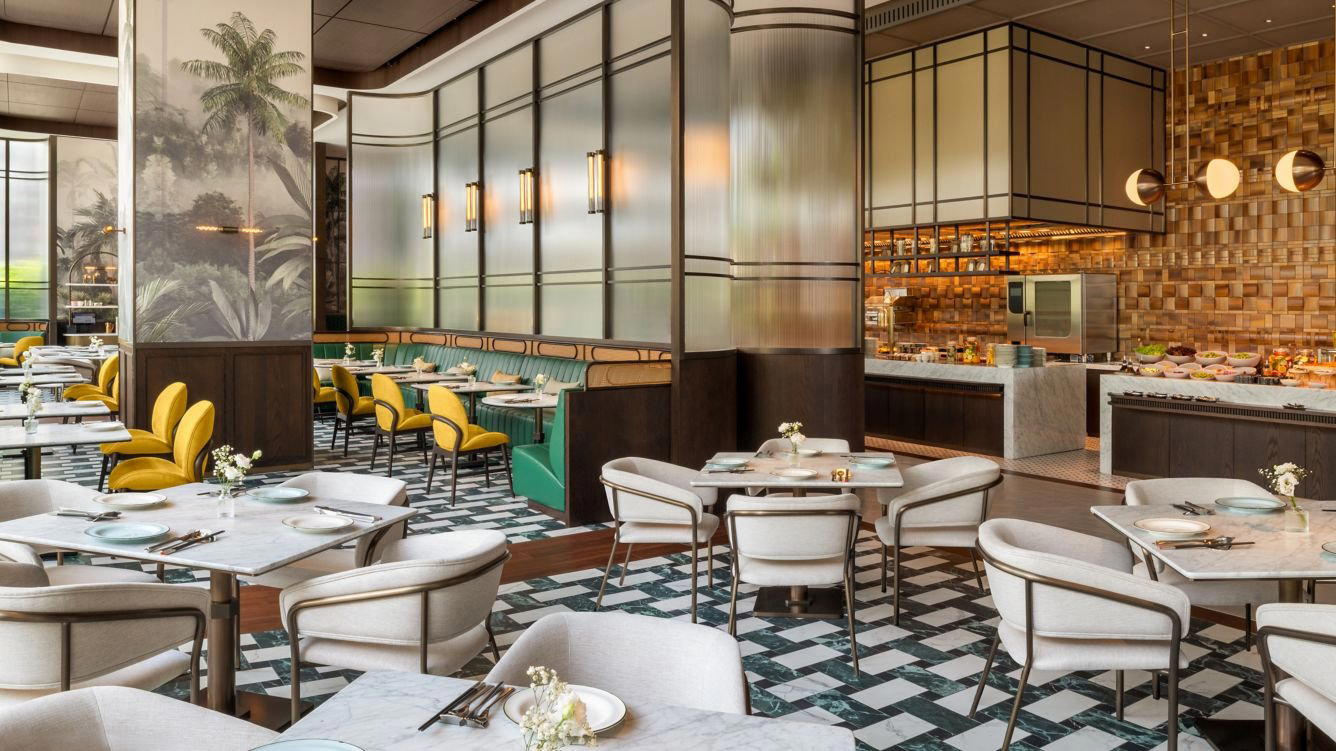
Quintessence of Japanese style with profusion of cypress wood and elegant tableware creating an elegant, secluded atmosphere.