Shan Guo Tang

Shan Guo Tang occupies a light-filled, Japanese-influenced space in Zhubei City and draws from Taiwanese, Sichuanese, and Jiangzhe traditions to produce a vegetarian menu with genuine range. Founded in 2020 by an established vegetarian F&B group, it sits at the more ambitious end of Hsinchu County's plant-based dining options, where creative technique meets bold regional flavour.
Pearl is the En Primeur Club membership app — saves, bookings, and concierge access live there. Same editors, same standards.
- Address
- 188 Zhuangjing South Road, Zhubei City
- Phone
- +886 3 667 5955
- Website
- gooddeedstw.com
- Directions
- Get directions
 Saves & bookings on Pearl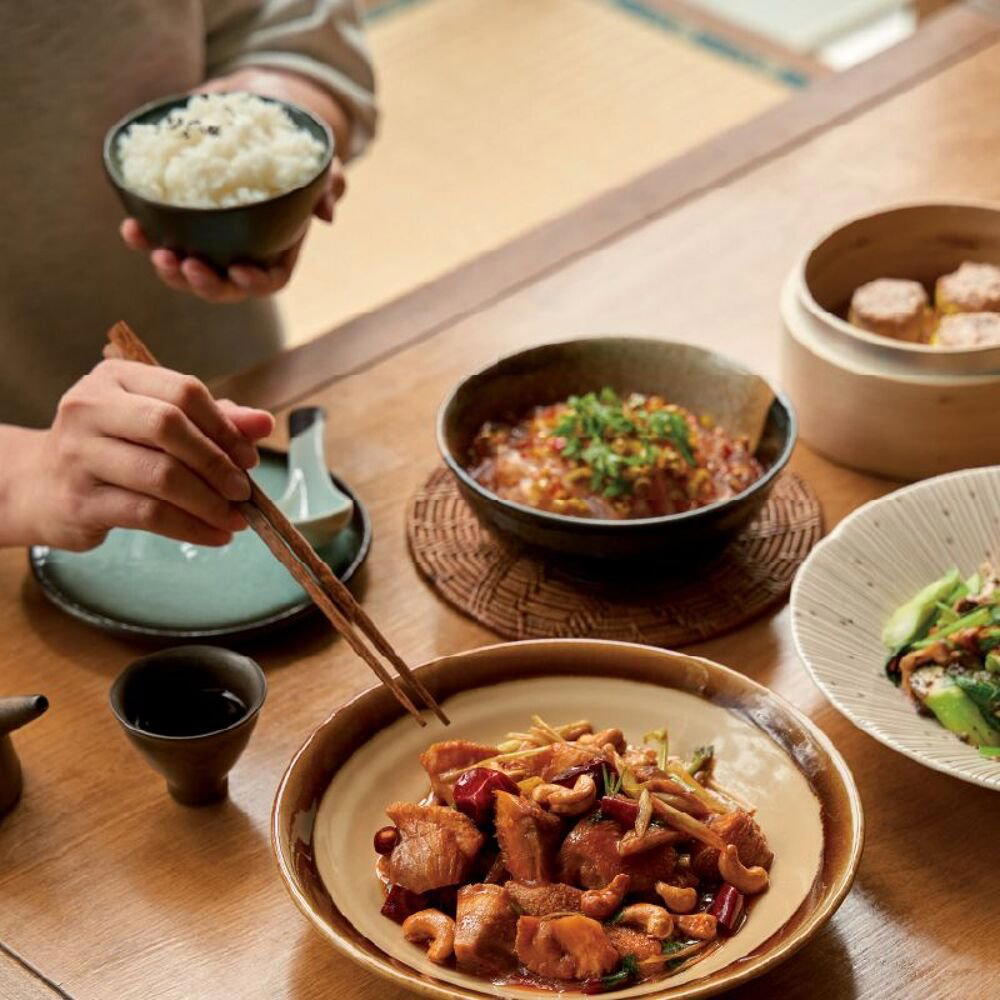
Where Natural Light and Vegetarian Ambition Meet in Zhubei
Zhubei City's dining scene has expanded quietly but deliberately over the past decade, tracking the city's growth as a tech-industry hub and drawing a restaurant-going public with broader expectations than the county's older reputation might suggest. Within that context, vegetarian dining in northern Taiwan has undergone its own evolution: the genre has moved well beyond tofu-and-greens simplicity toward menus that engage seriously with regional Chinese cooking traditions. Shan Guo Tang sits at the more considered end of that shift.
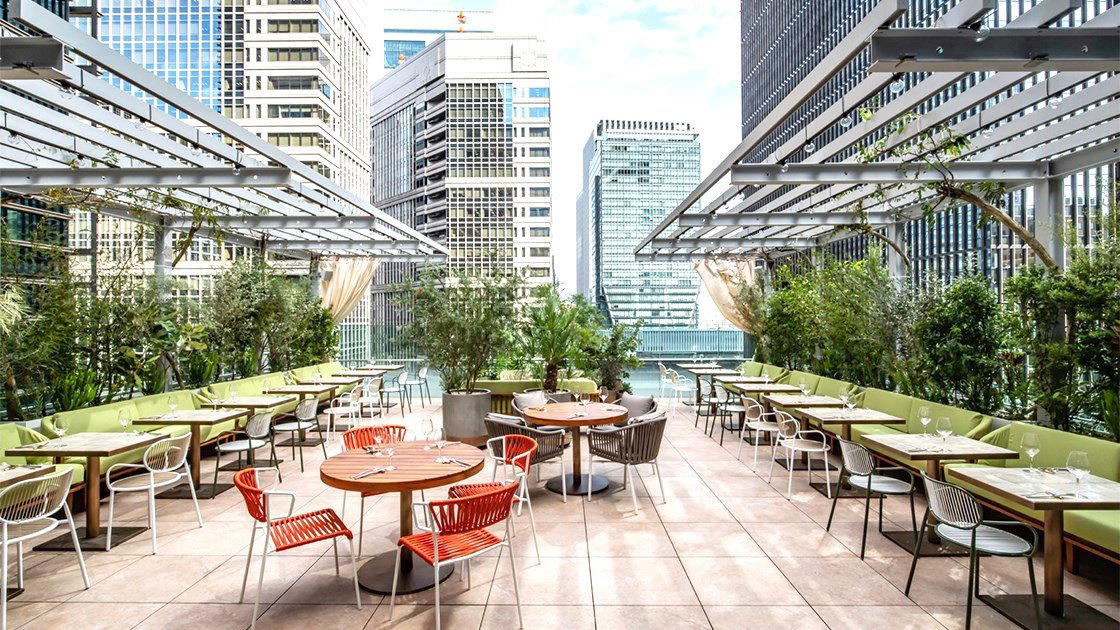
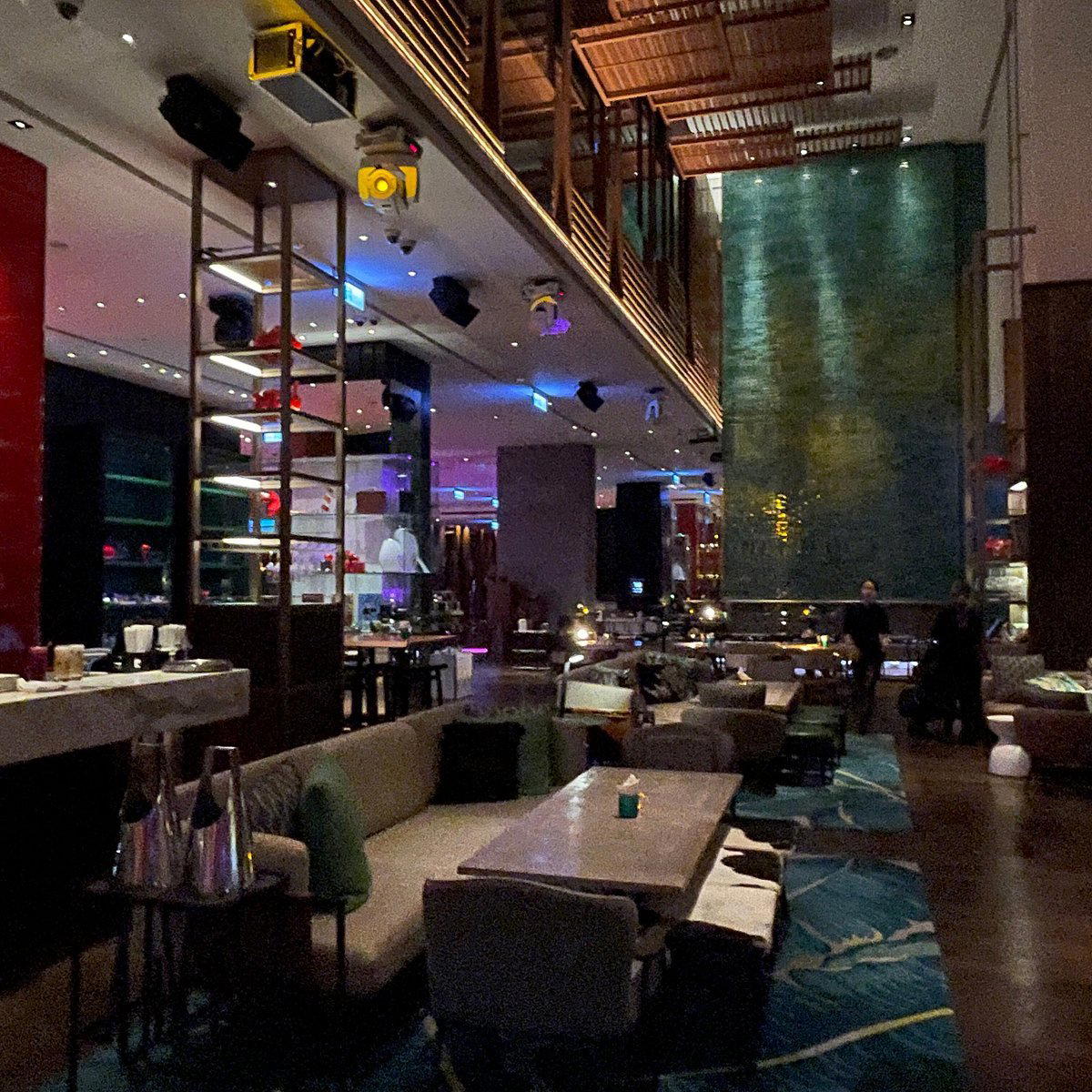
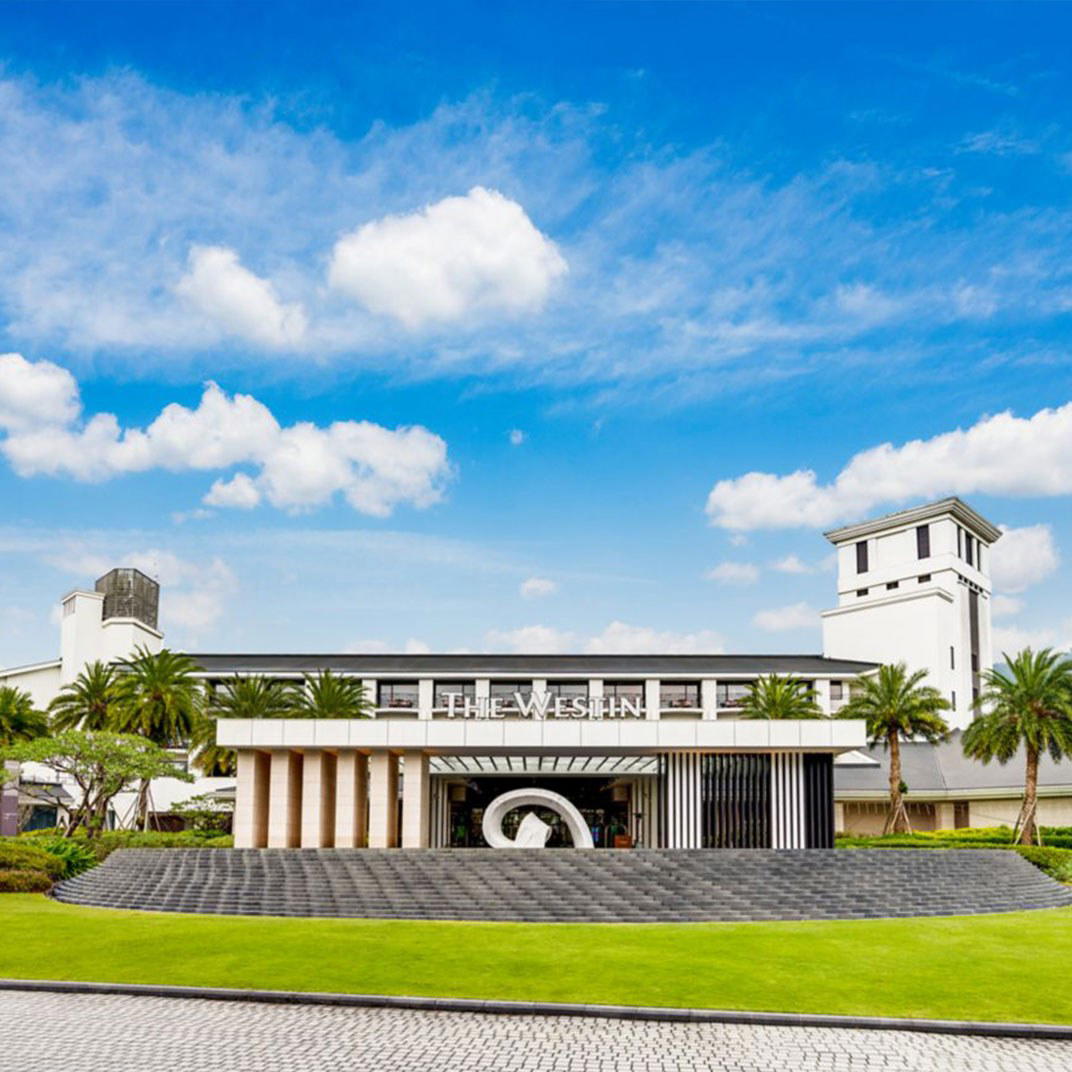
The room itself sets the frame before the menu does. The interior draws on Japanese design sensibilities, with wood-rich surfaces and a ceiling height that allows natural light to move through the space in a way that genuinely changes how the room feels at different hours. There is a serenity to it that vegetarian-focused restaurants in this part of Taiwan don't always achieve, where the temptation is often to compensate for a stripped-back menu with busy decor. Here, the restraint is consistent across both the physical environment and the culinary approach.
Three Regional Traditions, One Plant-Based Menu
Vegetarian menus that commit to a single cuisine can feel coherent but limited. Shan Guo Tang takes a different structural position, pulling simultaneously from Taiwanese, Sichuanese, and Jiangzhe cooking traditions. That breadth is worth examining, because these are not interchangeable repertoires. Sichuanese cooking brings numbing heat, fermented depth, and bold textural contrast; Jiangzhe cuisine (the culinary tradition of Jiangsu and Zhejiang provinces) tends toward refined, slightly sweet flavour profiles and careful preparation; Taiwanese home cooking sits between them with its own pickled, braised, and stir-fried vernacular. Threading all three through a vegetarian framework requires genuine technique, not just ingredient substitution.
The stir-fried vegan pork with French beans and pickled gourd illustrates the approach: crisp textures, assertive seasoning, and the kind of layered acidity that pickled vegetables bring to a dish. Served alongside steamed burdock rice, it functions as a complete plate rather than a collection of separate components. Burdock (niúbàng) carries its own earthiness that grounds the dish and offers something the more neutral grain alone wouldn't. This is cooking that understands how individual ingredients carry flavour weight, not just volume.
The Lunch and Dinner Question
Across Taiwan's mid-range and premium restaurant sector, the lunch-versus-dinner divide is more operationally significant than it might appear to a visitor. Lunch service in many Taiwanese restaurants skews toward shorter menus, faster turnover, and value-oriented pricing, while dinner typically allows for more elaborate ordering, a slower pace, and fuller engagement with the menu. For a restaurant like Shan Guo Tang, where the room's natural light is a genuine asset, the case for a daytime visit is worth making directly.
The Japanese-influenced interior, with its emphasis on natural materials and generous ceiling volume, captures afternoon light in a way that transforms the mood of the space. A lunchtime visit at the restaurant is less about value calculation and more about experiencing the room as it was likely conceived. The light-drenched quality the space is known for is, self-evidently, a daytime phenomenon. Evening service shifts the atmosphere toward something warmer and more enclosed, which is not a disadvantage, but it is a different experience. For first-time visitors, the midday meal offers both the food and the architectural context simultaneously.
Nearby options include Ang Gu, Bebu, Chuan Fu, Firoo, and Geng Ye Yue Mei, each with its own format and focus.
Shan Guo Tang in Taiwan's Wider Dining Picture
Taiwan's restaurant scene, when viewed at the national level, has attracted international attention largely through its fine-dining tier. Taipei venues such as logy in Taipei and Taichung's JL Studio in Taichung have placed the island on the radar of internationally mobile diners. Further south, GEN in Kaohsiung, Zhu Xin Ju in Tainan, and the indigenous-focused Akame in Wutai Township extend that map. Resort dining at Volando Urai Spring Spa & Resort in Wulai District adds another register. Beyond Taiwan, restaurants like Le Bernardin in New York City and Emeril's in New Orleans show how culinary identity at the institutional level can define a city's dining reputation across decades.
The restaurant operates at a different scale from those reference points, but it reflects the same underlying dynamic: a clear culinary perspective, executed with consistency, in a setting that reinforces rather than distracts from the food. For Hsinchu County, where the dining conversation tends to focus on more familiar formats, a vegetarian restaurant working across three distinct regional traditions represents a meaningful addition to what the area can offer a thoughtful eater.
Planning a Visit
The restaurant is located at 188 Zhuangjing South Road in Zhubei City, which is accessible by both private vehicle and public transport from central Hsinchu. Reservations are recommended, and the restaurant is open Tuesday through Sunday for lunch and dinner.
At a Glance
Comparable venues nearby, for context on price, style, and recognition.
| Venue | Cuisine | Price | Notes |
|---|---|---|---|
| Shan Guo TangThis venue — the venue you are viewing | Zhubei City, Creative Vegetarian Chinese | $$ | Not listed |
| Shou Wu EAT | Not listed | $$ | Zhubei City, Traditional Hakka Home-Style Cooking |
| Piccola Enoteca | Zhubei, Modern Italian Trattoria | $$ | Not listed |
| ZenA | Zhubei City, European Contemporary | $$ | Not listed |
| 川阜 和牛燒肉 | Not listed | $$$ | Zhubei City, Japanese Yakiniku (Wagyu BBQ) |
| Chuan Fu | Zhubei City, Japanese Yakiniku | $$$ | Not listed |
Recognition history
Dated appearances from independent guides and award organizations, with the underlying list record or original source where available.
Michelin Bib Gourmand
Michelin
Continue exploring
More in Zhubei City
Restaurants in Zhubei City
Browse all →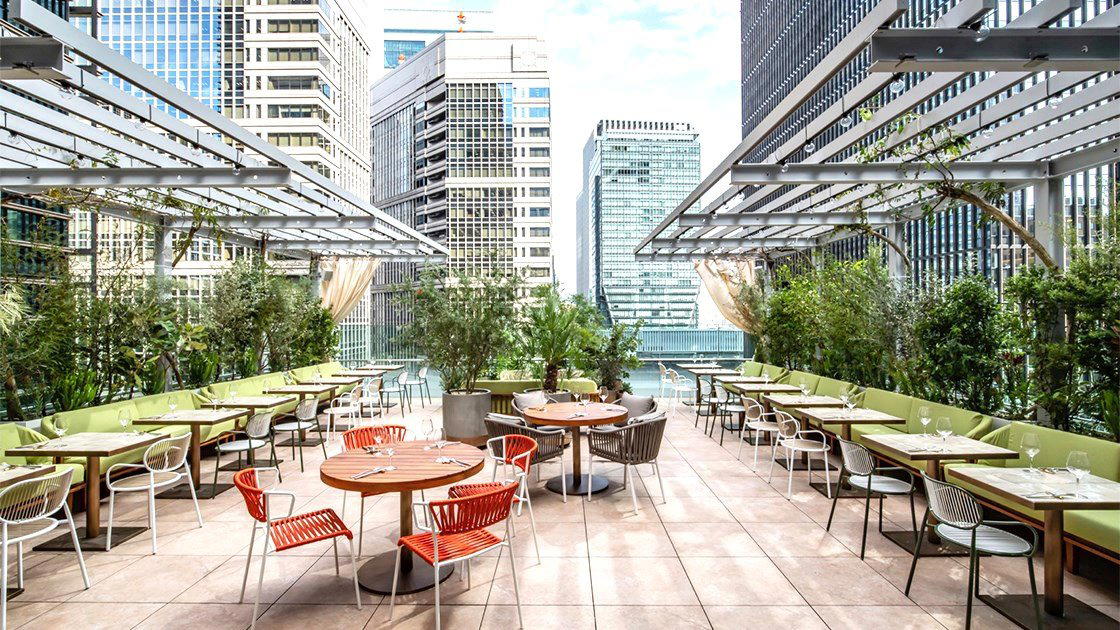
Bars in Zhubei City
Browse all →

At a Glance
- Serene
- Modern
- Elegant
- Family
- Group Dining
- Casual Hangout
- Standalone
Current opening hours
- Monday
- Closed
- Tuesday
- 11:30 AM–2:30 PM, 5:30–9 PM
- Wednesday
- 11:30 AM–2:30 PM, 5:30–9 PM
- Thursday
- 11:30 AM–2:30 PM, 5:30–9 PM
- Friday
- 11:30 AM–2:30 PM, 5:30–9 PM
- Saturday
- 11:30 AM–2:30 PM, 5:30–9 PM
- Sunday
- 11:30 AM–2:30 PM, 5:30–9 PM
Hours can change for holidays and private events. Last verified .
Lofty space drenched in natural light with Japanese-inspired wood-rich interior that feels serene and calm.