
1 Michelin Star
Our verdict
鮨安 serves Taiwanese food at No. 62號, Section 1, Jiafeng S Rd in Zhubei City, with casual service and conversational pacing for lunch or dinner.

Pearl is the En Primeur Club membership app — saves, bookings, and concierge access live there. Same editors, same standards.
Zhubei's Dining Scene and Where 鮨宴 Sits Within It
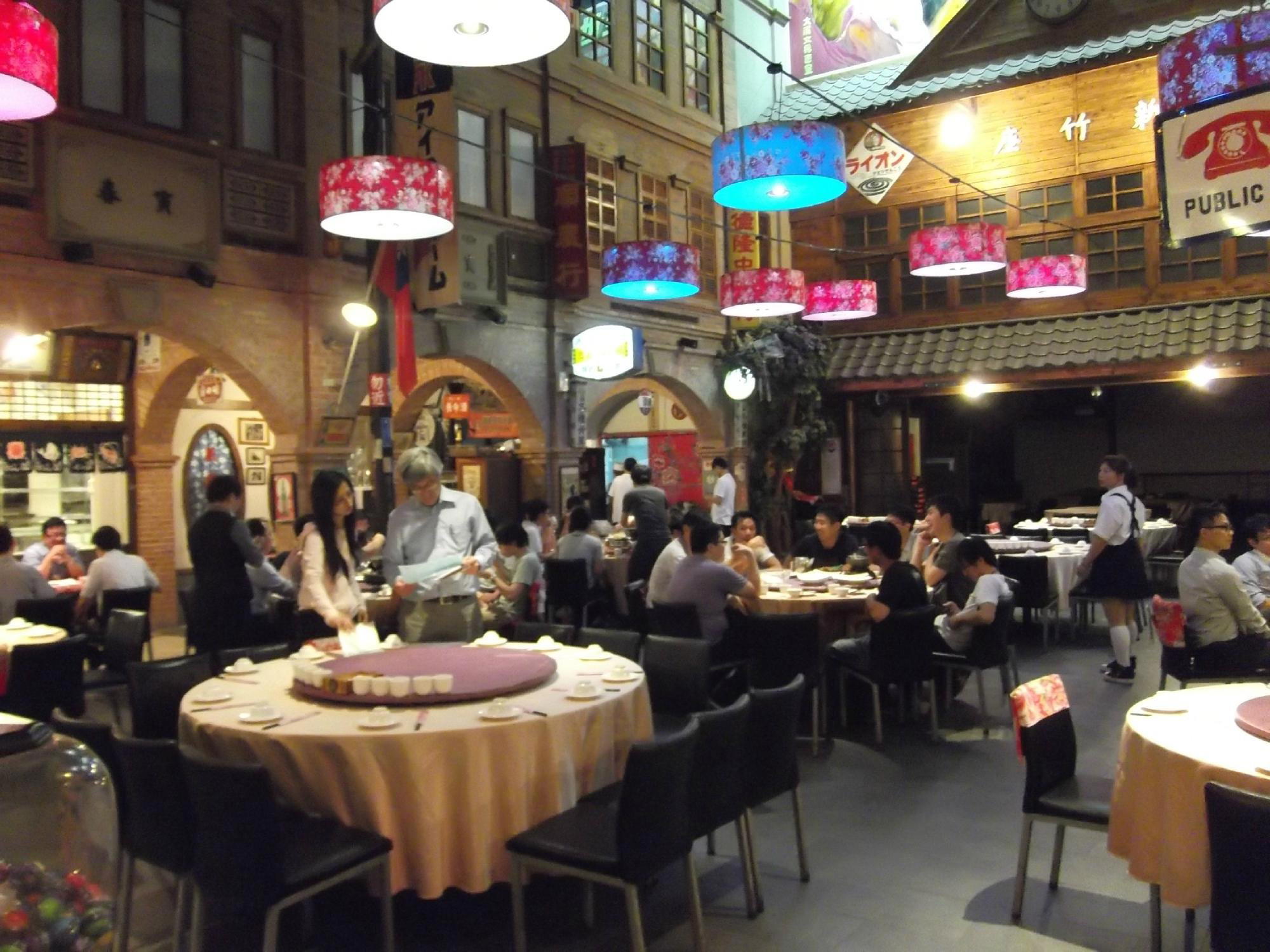
Zhubei City occupies an unusual position in Taiwan's food geography. As the administrative and commercial hub of Hsinchu County, it draws a professional population connected to the nearby science park, and that demographic has steadily pulled fine-dining and specialty restaurant formats into a city that most Taiwan food coverage still overlooks in favour of Taipei, Tainan, or Taichung. The result is a local scene with genuine range: from the communal warmth of Leading One Pot Zhubei Guangming Branch and the broth-focused focus of Yen Chiang hotpot to the more considered formats gathering along the city's newer commercial corridors. 鮨宴, located at No. 62, Section 1, Jiafeng South Road, sits within this evolving tier.
The word 鮨 references the Japanese tradition of nigiri and omakase culture, while 宴 points toward the Taiwanese banquet sensibility, a pairing that signals something about the register this restaurant aims for. Across Taiwan, that kind of dual-heritage framing has become one of the more substantive stories in contemporary dining, where the question of sourcing — what comes from Japanese suppliers versus local Taiwanese farms and fisheries — shapes both the menu and the economic model of a restaurant.
The Sourcing Question at the Heart of Taiwanese Japanese Dining
Taiwan's relationship with Japanese food culture runs deeper than culinary fashion. Decades of cross-strait exchange have produced a domestic seafood and hospitality infrastructure that can supply quality product comparable, in many categories, to what Japanese restaurants in Tokyo source domestically. The fish markets of Keelung and Kaohsiung move product that competes with Tsukiji-adjacent suppliers on freshness, and the country's cold-chain logistics have improved considerably over the past decade. What this means practically is that a Zhubei restaurant with a Japanese-inflected menu now has genuine choices about where its proteins and produce originate, and those choices carry real flavour and philosophical implications.
Across Taiwan's fine-dining tier, the sourcing debate has sharpened. At JL Studio in Taichung, the kitchen has built a reputation partly on its hybrid sourcing, drawing from Southeast Asian and Taiwanese producers to create a menu that doesn't default to Japanese import logic. logy in Taipei has pushed fine-dining sourcing toward local Taiwanese ingredients even within a tasting-menu format with European structural roots. These aren't isolated decisions, they reflect a broader shift in how Taiwan's serious restaurant kitchens position themselves against the assumption that quality must be imported.
For a venue like 鮨宴, operating in a mid-sized city rather than a capital with direct import infrastructure, the sourcing decision carries additional weight. Zhubei's proximity to Hsinchu County's agricultural output, combined with its reasonable logistics distance from the northern ports, gives a restaurant here meaningful access to domestic product.
The Physical Setting and What It Implies
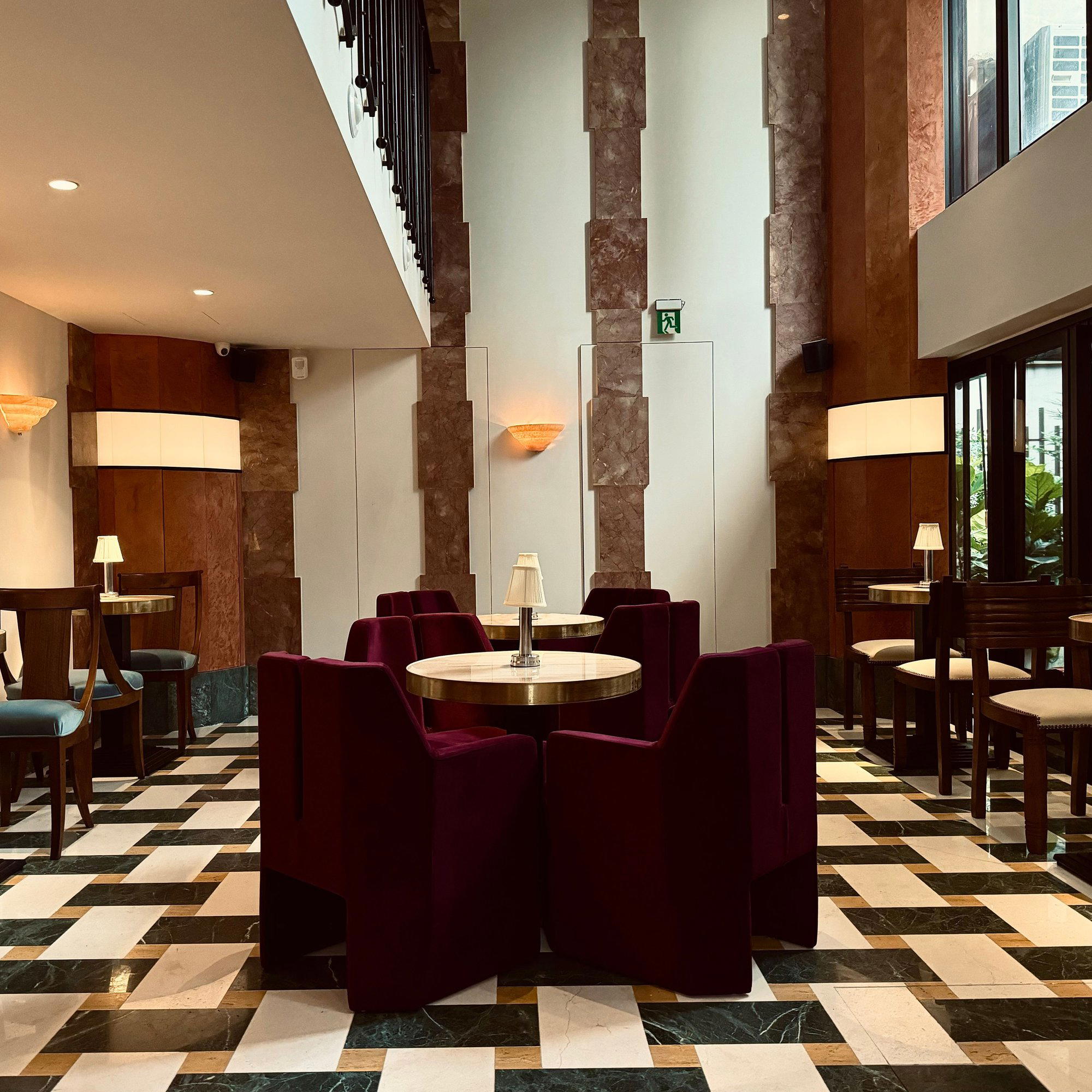
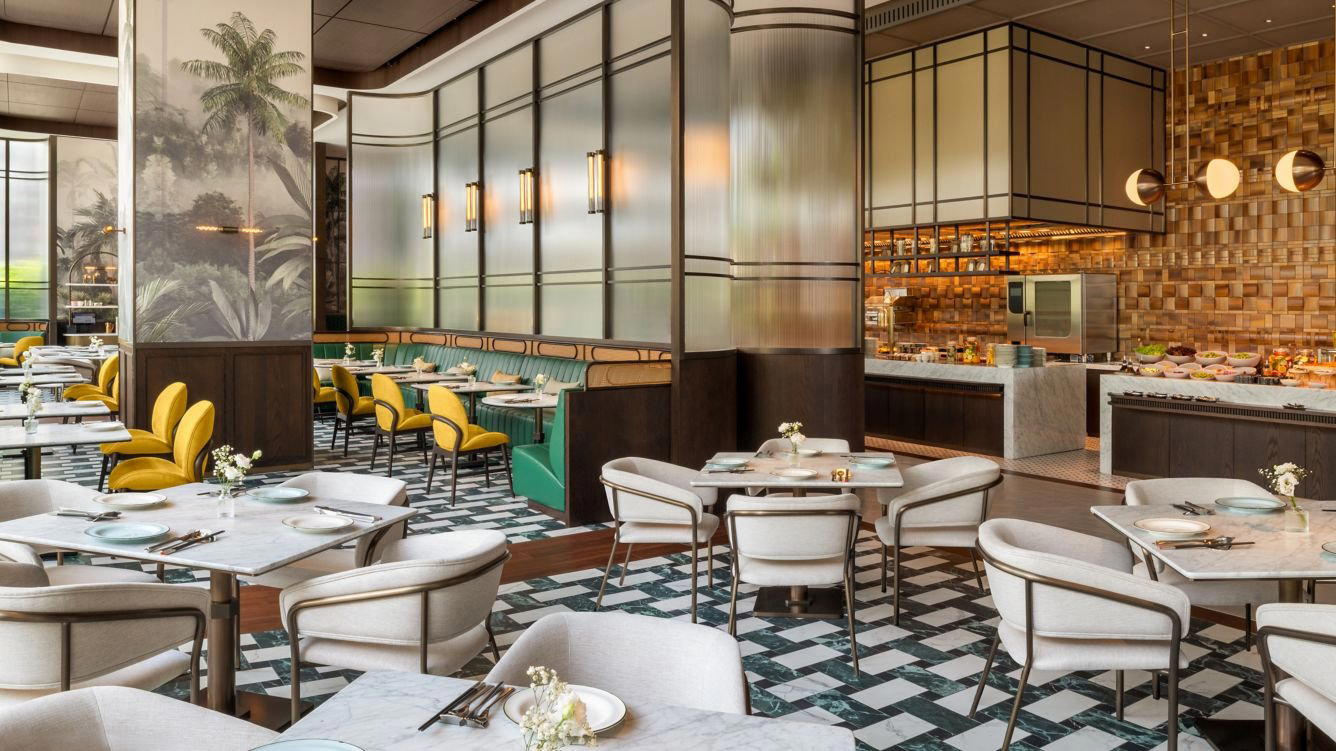
Jiafeng South Road runs through one of Zhubei's more developed commercial residential corridors, the kind of address that attracts restaurants serving a professional local clientele rather than destination diners travelling specifically to eat. This matters for atmosphere. Restaurants in this tier tend toward intimate over theatrical, fewer open kitchens designed for spectacle and more focus on the service rhythm and ingredient presentation that repeat customers notice over multiple visits. Compare that to the more performance-oriented formats found in capital-city Japanese fine dining, and the Zhubei model occupies a quieter, more embedded register.
That embedded quality is not a limitation. Some of Taiwan's most technically serious food happens at small-format restaurants serving regular local audiences rather than food-press audiences. Bebu in Hsinchu County operates in this mode, as does Dongmen Rice Noodle Soup in Hsinchu City, which has built a durable reputation on ingredient fidelity rather than media positioning. The regional pattern suggests that Hsinchu County, taken broadly, rewards patient, product-focused kitchen approaches over format novelty.
Placing 鮨宴 in the Wider Taiwan Dining Map
For a reader deciding where 鮨宴 fits in relation to Taiwan's recognised fine-dining addresses, the reference points are instructive. Amei in Tainan represents the southern Taiwan model, where local sourcing and traditional technique converge in a format that has earned sustained critical attention. GEN in Kaohsiung occupies a different lane, with a format shaped by its city's port-town food identity. Akame in Wutai Township has built its entire identity around indigenous Taiwanese ingredients and sourcing relationships that most urban restaurants cannot replicate.
鮨宴, as a Japanese-register restaurant in a science-park city, operates with different constraints and different strengths. Its audience is local and professional, its competition within Zhubei includes strong hotpot and casual dining options like Volcanic rock and Wang Steak Zhubei Guangming Branch, and its case for a higher-spend occasion rests on the degree to which its kitchen can translate the Japanese sushi and kaiseki tradition into something with genuine local sourcing integrity. At the global fine-dining level, venues like Le Bernardin in New York City and Lazy Bear in San Francisco have demonstrated that ingredient provenance, communicated clearly and delivered consistently, functions as a primary trust signal for diners paying at a premium tier. The same logic applies here, scaled to Zhubei's market.
Planning a Visit
鮨宴 is located at No. 62, Section 1, Jiafeng South Road, Zhubei City, Hsinchu County. Zhubei is served by the Taiwan High Speed Rail at Hsinchu station, which places it roughly 35 minutes south of Taipei Main Station by HSR. Taxi and ride-hailing services connect the HSR station to the Jiafeng Road area in under fifteen minutes. Given the format and the professional local clientele this address suggests, booking in advance is advisable, particularly for weekend evenings when the city's science-park workforce is dining out. For broader planning across the city's dining options, see our full Zhubei City restaurants guide. Readers interested in comparable specialty formats in the broader region should consider Chi Yuan in New Taipei, Shen Yen in Yilan, and Volando Urai Spring Spa & Resort in Wulai District for a sense of the northern Taiwan premium hospitality range. Shabu alternatives in Zhubei itself include 庄腳 ShabuShabu 有機農場.
Frequently asked questions
What's 鮨å®'s location?
é®¨å® is located at No. 62è, Section 1, Jiafeng S Rd, Zhubei City, Hsinchu County, Taiwan 302, Zhubei City.
What do people recommend at 鮨宴?
鮨宴 operates within the Japanese counter-dining tradition, where the chef's selection drives the meal rather than an à la carte menu. Regulars at Zhubei City sushi counters of this type typically defer to whatever the kitchen is sourcing that day. Consulting the venue directly before your visit will give you the clearest picture of what's being served.
Do I need a reservation for 鮨�
Reservations are recommended for é®¨å® in Zhubei City. Confirm current policy via the venue's official channels.
What's é®¨å® best at?
é®¨å® is best approached by focusing on the core concept and signature offerings.
Do they accommodate allergies at 鮨�
Dietary accommodations can vary. Flag restrictions in advance via the venue's official channels.
How It Stacks Up
Comparable venues nearby, for context on price, style, and recognition.
| Venue | Cuisine | Price | Awards | Notes |
|---|---|---|---|---|
| 鮨安This venue — the venue you are viewing | Taiwanese | Not listed | 1 Michelin Star | Not listed |
| 首烏廚EAT | Traditional Hakka Home-Style Cooking | $10–20 | Michelin Bib Gourmand | Zhubei City |
| Happy Hwa | Taiwanese Braised Pork Rice | Not listed | Michelin Plate | Zhubei City |
| Top One Pot Zhubei Guangming Branch | Taiwanese Hot Pot | $20–30 | Not listed | Guangming |
| Tang Tsao Yuan | Traditional Taiwanese Noodles & Dumplings | $10–20 | Michelin Bib Gourmand | Zhubei City |
| 川阜 和牛燒肉 | Japanese Yakiniku (Wagyu BBQ) | $30–50 | Not listed | Zhubei City |
Recognition history
Dated appearances from independent guides and award organizations, with the underlying list record or original source where available.
Michelin 1 Star
Michelin
Full recognition history (2 entries)
Michelin Plate
Michelin · 2026 Michelin Plate
Continue exploring
More in Zhubei City
Restaurants in Zhubei City
All restaurants in Zhubei City →
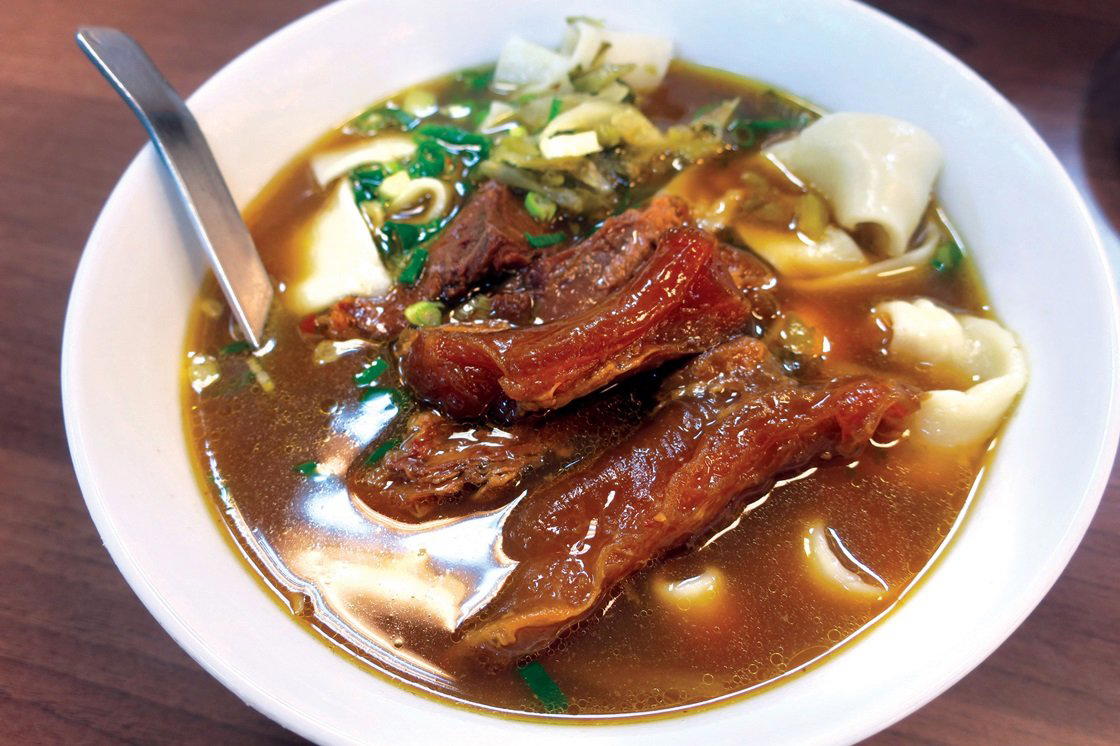
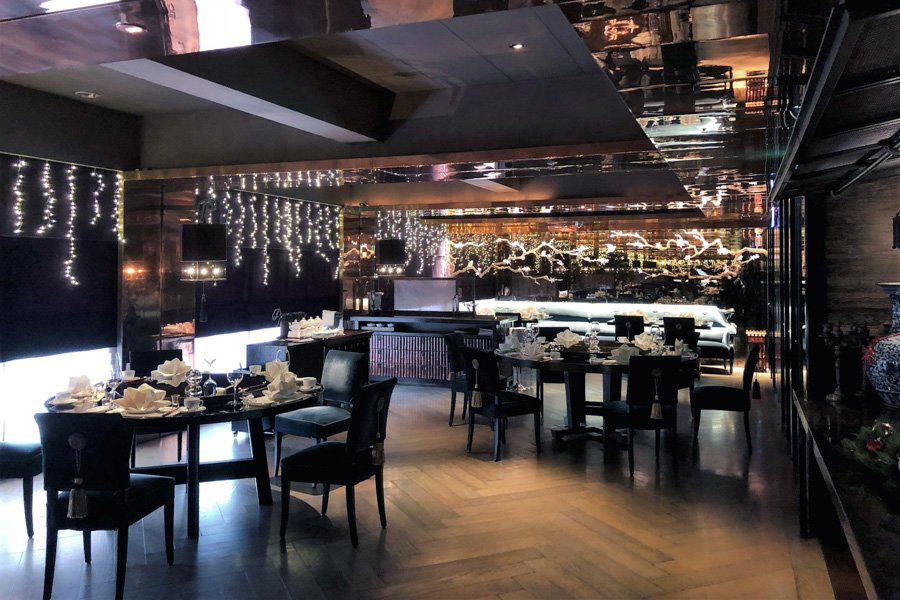
Bars in Zhubei City
Browse all →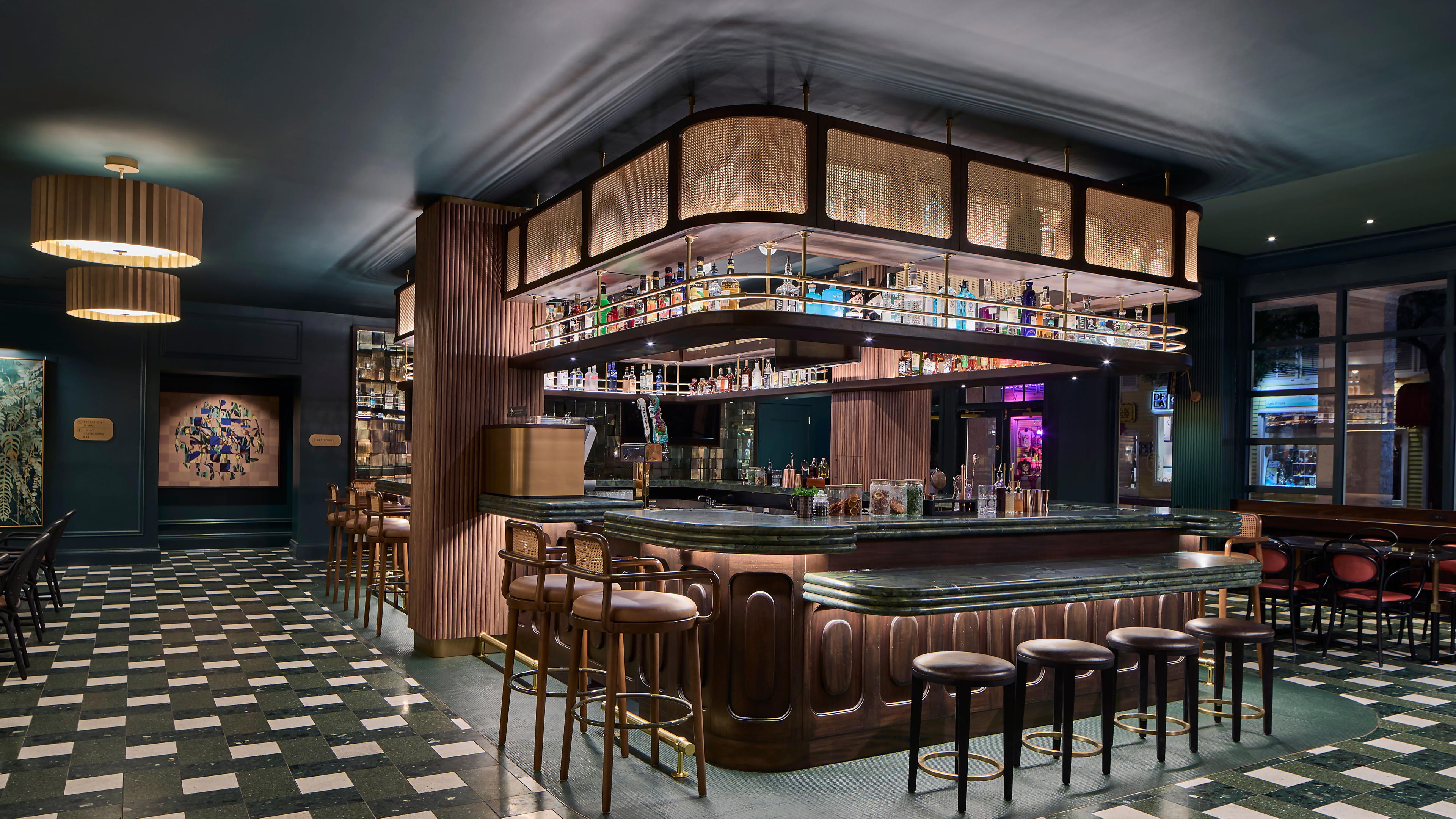
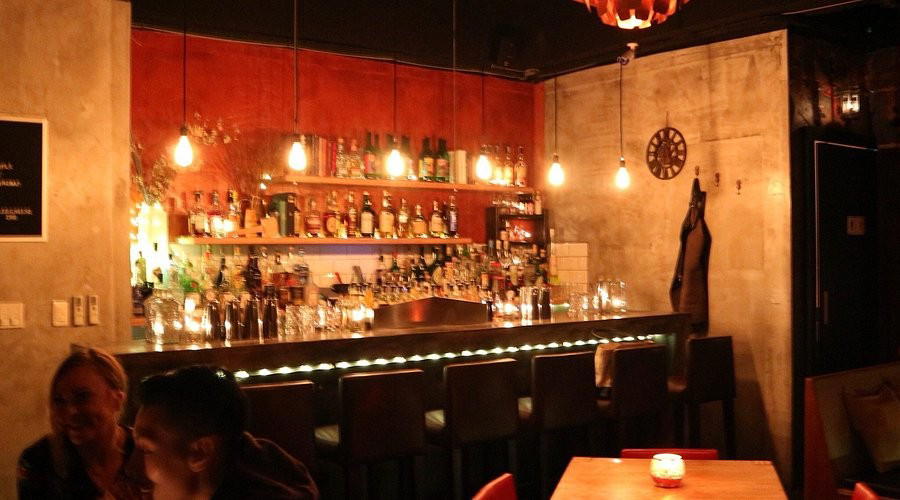
Details
- Casual Hangout
- Group Dining
- A La Carte
- Small Plates
Casual atmosphere suitable for lunch, dinner, and group dining.