On Shamian Island, one of Guangzhou's most architecturally layered enclaves, Yutang Chunnuan occupies a setting where colonial-era facades and banyan-shaded streets give the meal a context that few Cantonese dining rooms in the city can match. The address alone signals a particular kind of unhurried dining, pitched toward guests who treat the meal as an occasion rather than a transaction.
 Discover on Pearl
Pearl is the En Primeur Club membership app — saves, bookings, and concierge access live there. Same editors, same standards.
- Address
- 1 Shamian S St, 沙面 Liwan District, Guangzhou, Guangdong Province, China, 510133
- Phone
- +862081886968
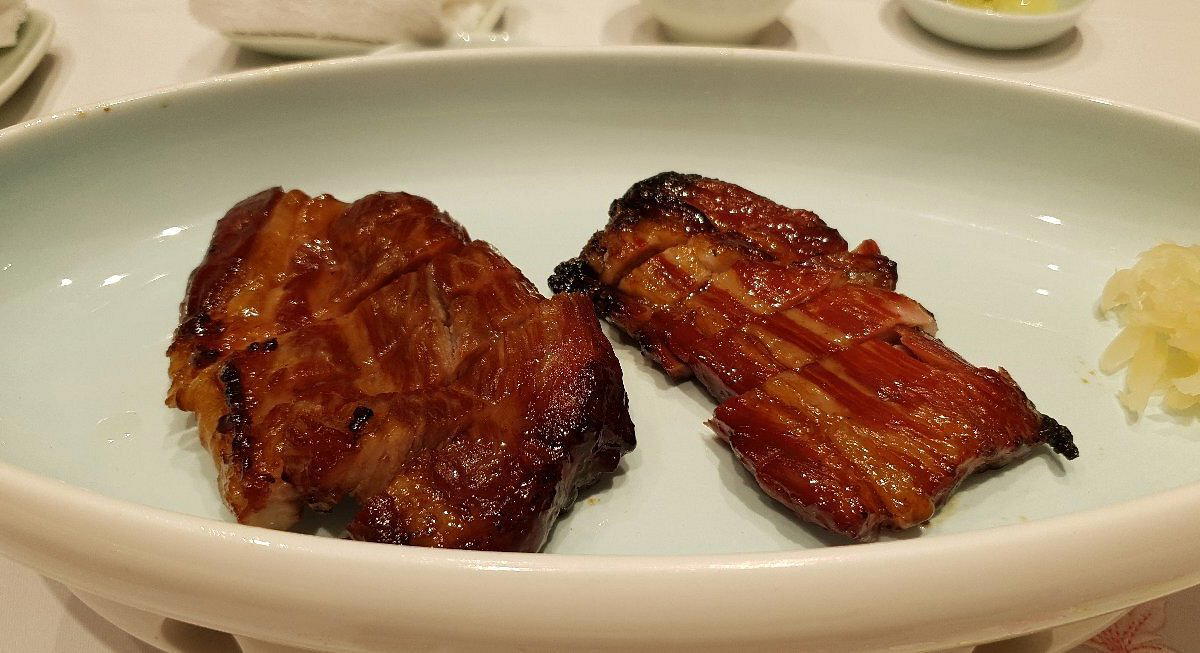
Shamian Island and the Ritual of the Cantonese Meal
Shamian Island earns its reputation through accumulation. The sandbank district, once a foreign concession carved out of the Pearl River delta, retains a slower cadence than the rest of Liwan, and that cadence extends naturally into how dining here tends to unfold. Restaurants along Shamian South Street exist in a neighbourhood where the walk to the door is already part of the experience, the banyan trees overhead and the worn stone underfoot doing quiet work before a single dish arrives. Yutang Chunnuan, at 1 Shamian South Street, sits directly inside that frame.
Cantonese dining has always placed unusual weight on the sequencing and pacing of a meal. Where northern Chinese traditions lean into communal abundance and quick succession, the Cantonese table at its more considered end operates through restraint and timing: broths served before heavier protein, textures layered across courses, the conversation between kitchen and diner extended over time rather than compressed. That ritual architecture is the lens through which a venue like Yutang Chunnuan makes most sense. The address in Guangzhou's Liwan District places it within a city shaped by Cantonese cooking technique.
The Setting as Structural Argument
Shamian Island functions almost as a city-within-a-city. Its street grid, intact colonial buildings, and comparative quiet make it unusual among Guangzhou's dining districts, most of which sit inside the higher-density commercial fabric of Tianhe or the older commercial lanes of Yuexiu. A restaurant on Shamian is making an implicit argument about pace before the first menu arrives: this is not a venue optimised for table turnover.
Within Guangzhou's broader dining geography, Shamian occupies a quieter register from the city's more formally decorated Cantonese institutions. Venues like Imperial Treasure Fine Chinese Cuisine and Jiang by Chef Fei anchor the premium Cantonese tier with award credentials and high-visibility kitchen profiles. Taian Table and Chōwa represent a separate strand altogether, where contemporary technique and international framing shape the offer. Yutang Chunnuan operates in a quieter register, its Shamian address suggesting a different kind of priority: atmosphere and locality over formal recognition.
How the Cantonese Dining Ritual Works Here
At the more attentive end of Guangzhou's restaurant culture, a Cantonese meal is a structured event. Tea precedes food, and that is not incidental: the choice of tea, the temperature of the water, and the way the first pour is handled communicate the kitchen's attentiveness to the whole table before cooking enters the picture. In many traditional Cantonese settings, the dim sum format divides the day into morning and midday registers distinct from evening service, with different menus, different pacing, and a different social contract with the diner.
The Cantonese tradition of slow-cooked soups, roasted proteins, and wok-fired vegetables maintains a logic that rewards diners who know when to defer to the kitchen's sequencing rather than imposing their own. Dishes in this tradition are rarely designed to be eaten in isolation; they are designed to build across a table, with contrasting textures and temperatures creating a cumulative effect that no single dish achieves alone. A venue in the Shamian setting has the physical infrastructure for that kind of meal: the time, the quiet, and the expectation that the table belongs to its occupants for the duration.
For comparison and broader context across the region, the same dining philosophy appears in different expressions at Chef Tam's Seasons in Macau, where Cantonese craft operates at a more formally decorated level, and at Ru Yuan in Hangzhou, where regional Chinese cooking is framed through a similarly unhurried lens. Within mainland China's fine dining map, Fu He Hui in Shanghai and Xin Rong Ji in Beijing represent how premium Chinese kitchens have adapted traditional structure for contemporary audiences. Other notable regional references include Xin Rong Ji in Chengdu, Dai Yuet Heen in Nanjing, Pingjiangsong in Suzhou, Shang Palace in Yangzhou, Wenru No.9 in Fuzhou, and Fleurs Et Festin in Xiamen for those tracing how Chinese dining traditions adapt across southern coastal cities.
Where This Fits in Guangzhou's Dining Picture
Guangzhou's restaurant culture has a layered structure. At the leading, venues with Michelin recognition or major award credentials set international benchmarks. Beneath that sits a substantial cohort of neighbourhood and district-level restaurants where cooking quality is high but the frame is local rather than international. Shamian Island venues tend to cluster in this middle register, drawing a clientele that values environment and authenticity over formal accolades. BingSheng Mansion represents a different expression of Cantonese tradition at scale, while Yutang Chunnuan's island location suggests a more intimate frame.
For diners accustomed to internationally recognised venues, venues outside formal award structures can read as opaque. The absence of a Michelin star does not signal an absence of seriousness in Guangzhou, a city where the street-level and neighbourhood Cantonese kitchen has sustained as much technique and rigour as formally decorated rooms. The question is less about credentials and more about what kind of meal the occasion calls for. Shamian, as a dining district, makes a particular kind of case: slower, quieter, more embedded in place.
For readers cross-referencing against non-Chinese fine dining in Guangzhou, venues like Taian Table operate in a structurally different category. Internationally, for those mapping dining ritual against global comparators, the extended tasting format at Le Bernardin in New York City or the community-dinner model at Lazy Bear in San Francisco offer contrasting examples of how meal structure shapes the diner's experience.
Planning a Visit
The address at 1 Shamian South Street places Yutang Chunnuan on the southern edge of the island, within walking distance of the tree-lined main boulevard and the Pearl River waterfront. Huangsha metro station on Line 1 is the most direct public transit approach. The restaurant is open daily from 8 AM to 10 PM, and reservations are recommended.
What It’s Closest To
Comparable venues nearby, for context on price, style, and recognition.
| Venue | Cuisine | Price | Awards | Notes |
|---|---|---|---|---|
| çå æ¥æ - Yutang ChunnuanThis venue — the venue you are viewing | Classical Cantonese Dim Sum & Roasted Specialties | $$$ | , | |
| Bingsheng Private Dining (Zhongda Flagship Store) | Traditional Cantonese seafood and dim sum | $$$ | , | Haizhu District |
| 达杨原味炖品 | Cantonese Dim Sum | $$ | , | Guangzhoushi |
| Flavor Restaurant | Huaiyang and Sichuan Chinese | $$$ | , | Guangzhoushi |
| 广å·è±åé åº | Guangzhou Huayuan Bar | , | Guangzhoushi | |
| Suyab Courtyard | Refined Chao Zhou / Chiu Chow fine dining | $$$$ | , | Panyu |
Continue exploring
More in Guangzhou
Restaurants in Guangzhou
Browse all →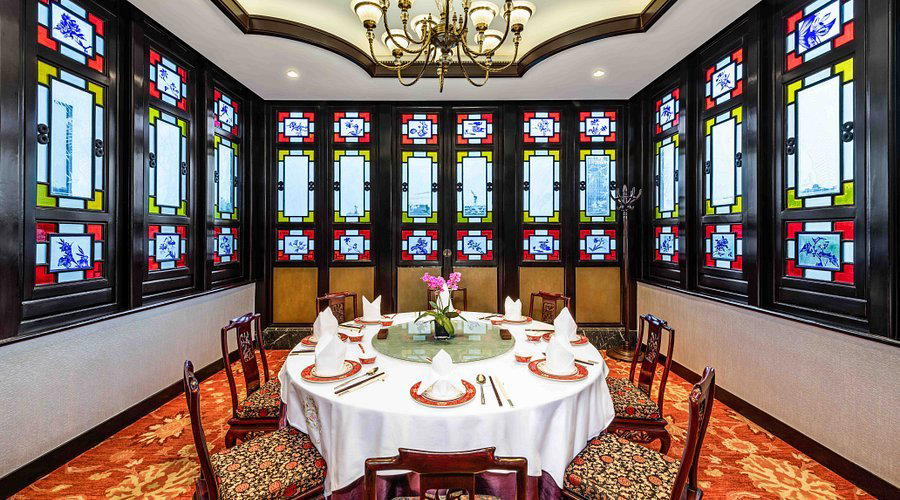
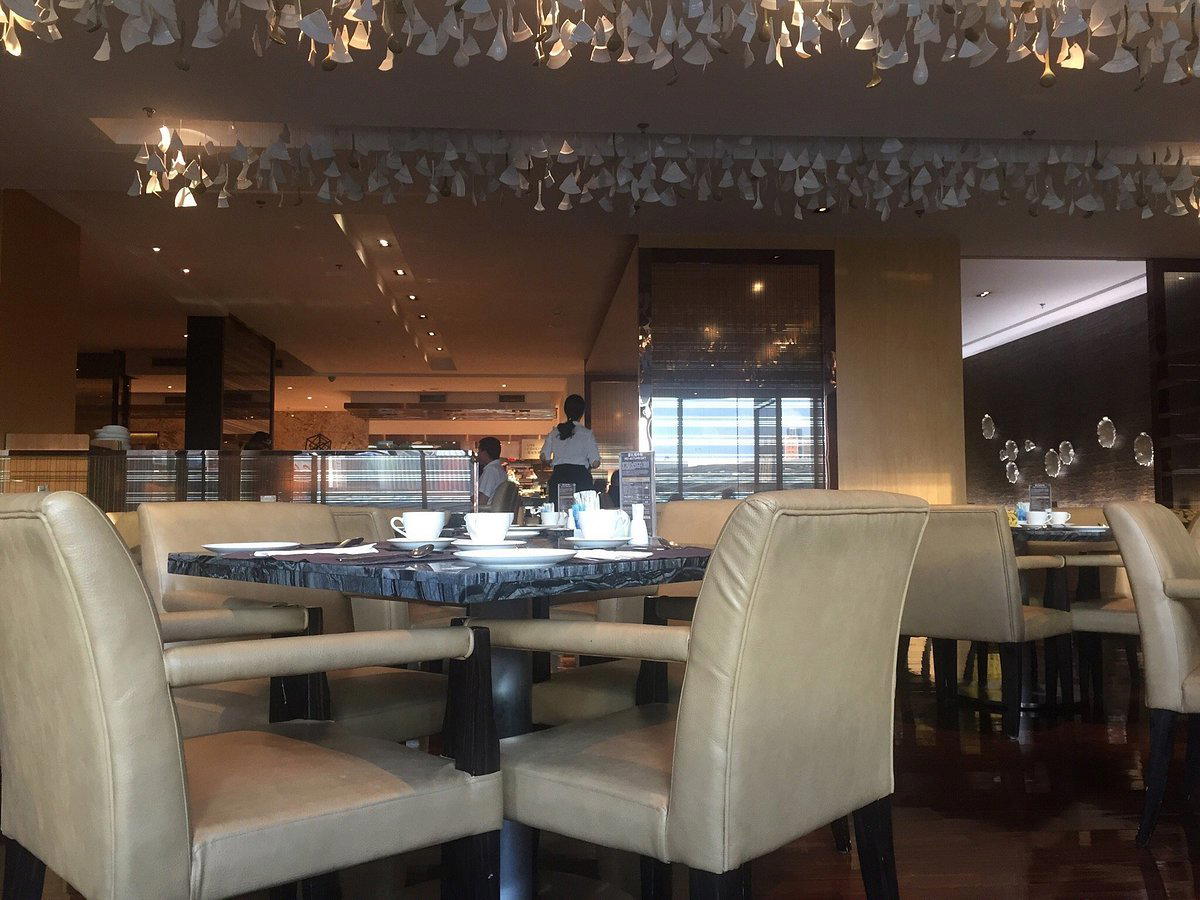
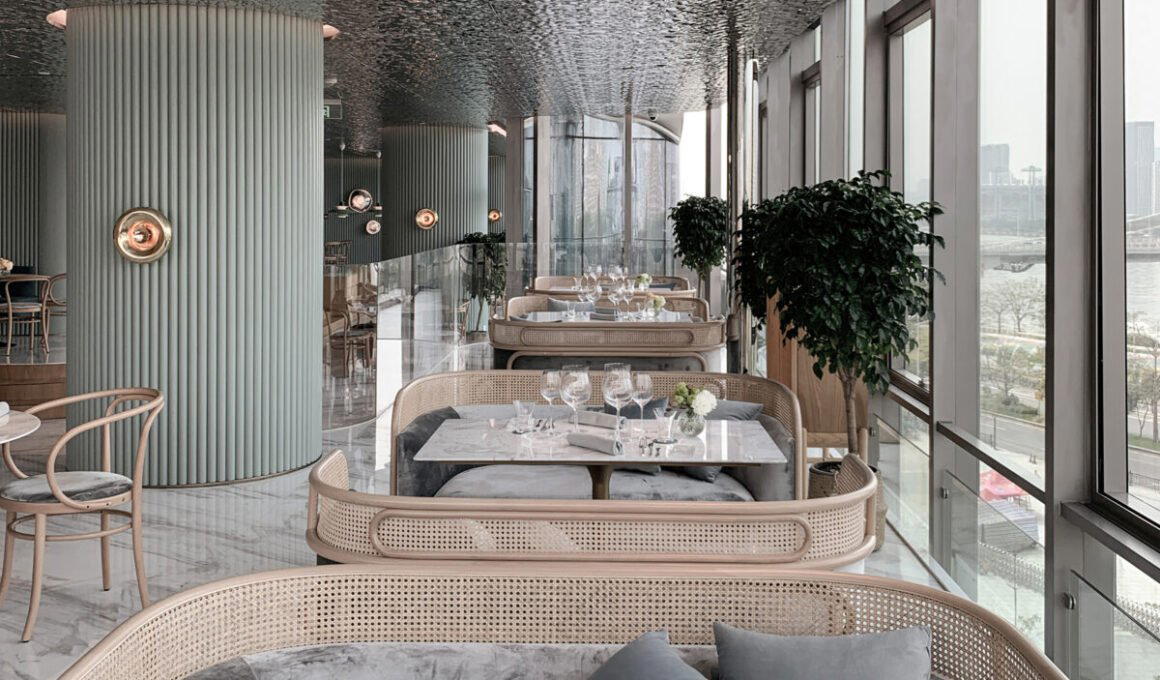
Bars in Guangzhou
Browse all →
At a Glance
- Elegant
- Classic
- Sophisticated
- Scenic
- Business Dinner
- Group Dining
- Family
- Celebration
- Special Occasion
- Hotel Restaurant
- Garden
- Historic Building
- Private Dining
- Local Sourcing
- Garden
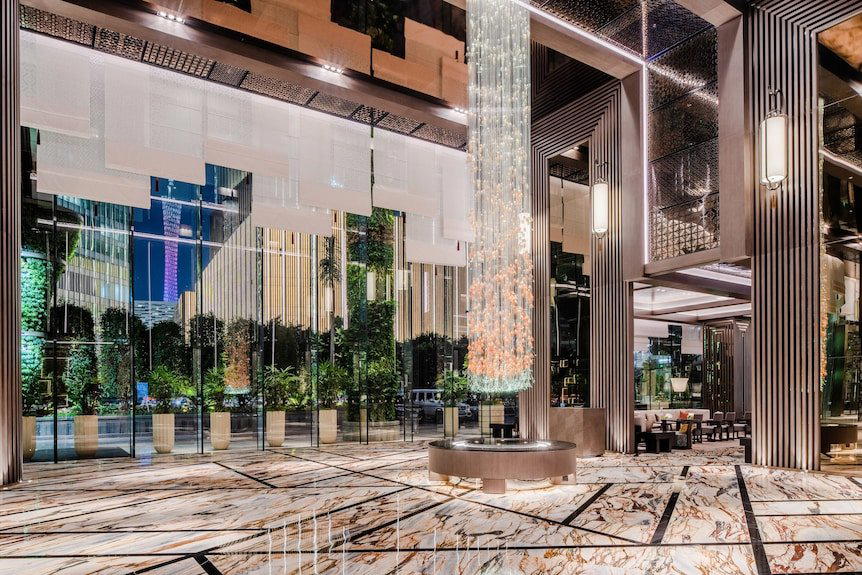
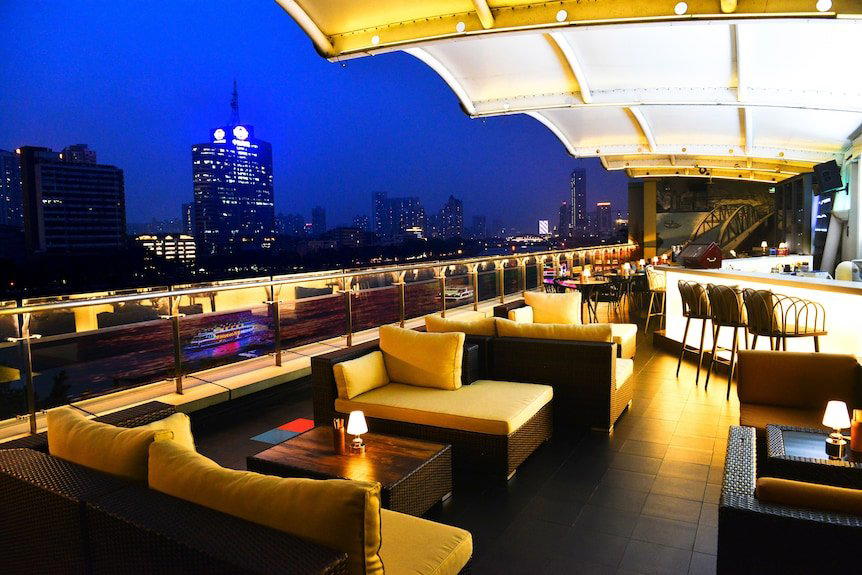
Warm and inviting with soft lighting, timber furnishings, and attentive service; garden components including pavilions, rockeries and fish ponds create a quaint, traditional atmosphere.