



World's 50 Best #1 · SCMP 100 Top Tables Bars · Tatler Listed in Best Bars Asia-Pacific
Ranked #7 in Asia's Best Bars 2025 and making its World's 50 Best Bars debut that same year, Hope & Sesame has operated from Guangzhou's Dongshankou district since 2016. Entry is through a concealed refrigerator door; the programme inside runs on ultrasonic infusion, rotary distillation, and seasonal menus built around regional flavour and cultural narrative.

Pearl is the En Primeur Club membership app, where members save venues, book tables and use the concierge.
A Refrigerator Door in Dongshankou
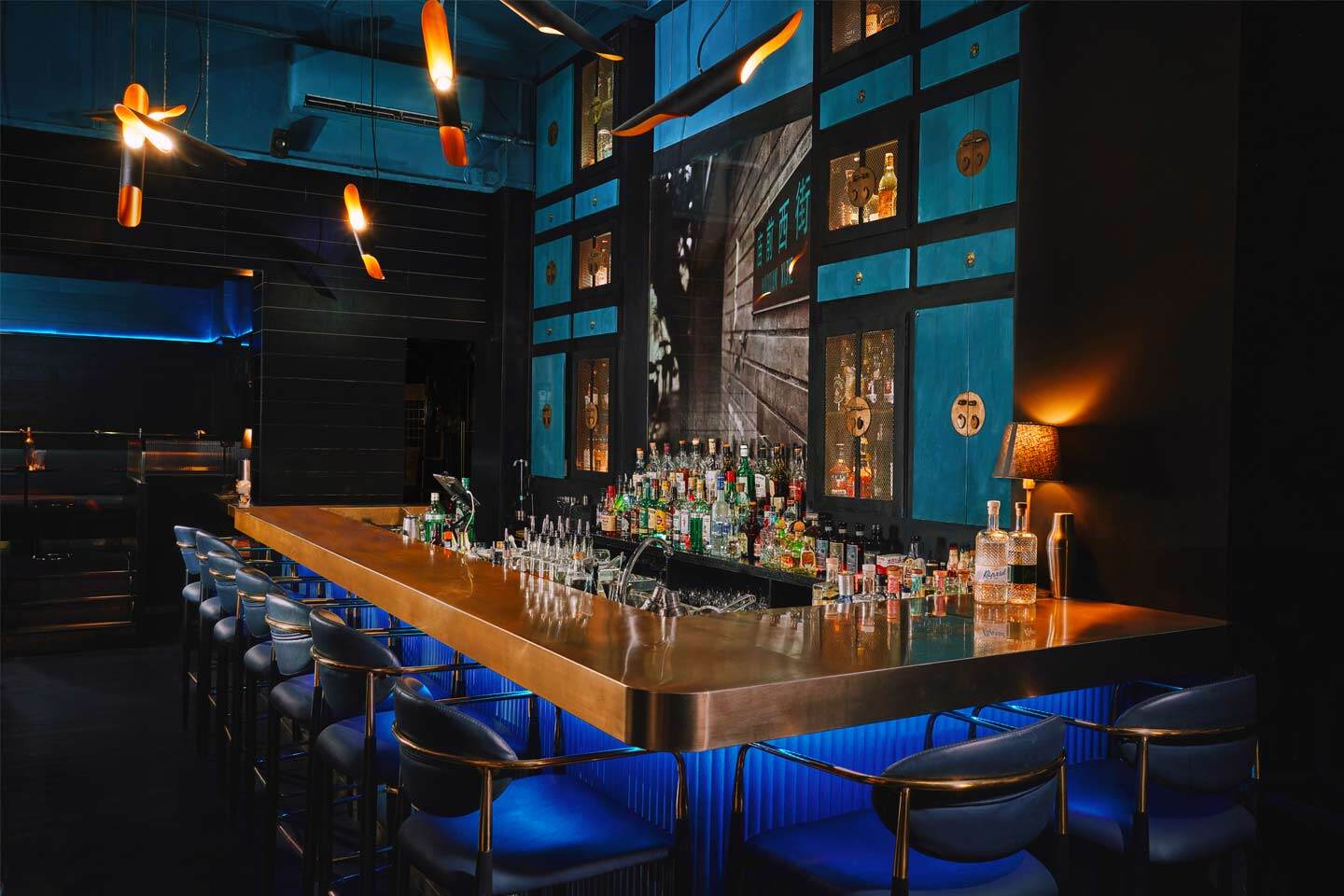
Southern China's cocktail credentials have been built, in large part, from a single address in Guangzhou's historic Dongshankou neighbourhood. The approach is unremarkable from the street: a Cantonese cha chaan teng, its signage ordinary, its facade giving nothing away. The entry point is a refrigerator door. Step through it, and the visual register shifts entirely, exposed brick and raw texture set against antique timber panelling, low lighting, and a layered warmth that reads less like a designed bar and more like a room that has always existed, waiting to be found. This is the physical grammar of Hope & Sesame, and it sets the terms for everything that follows.
Dongshankou carries weight in Guangzhou's urban story. The district's Republican-era architecture and tree-lined lanes have made it a neighbourhood of creative and cultural density, a different register from the commercial towers of Tianhe or the tourist-facing Pearl River waterfront. A bar with ambitions at this level, technical, aesthetic, conceptual, fits that context precisely. For readers planning broader Guangzhou visits, our full Guangzhou restaurants guide maps the neighbourhood's dining character in more detail.
Nine Consecutive Years on Asia's 50 Best Bars
The bar's standing in the Asia-Pacific cocktail conversation is not recent. Hope & Sesame has appeared on the Asia's 50 Best Bars list every year since 2019, a sustained presence across six ranking cycles that few bars in the region can match. The trajectory tells a clear story: #35 in 2019, #36 in 2020, #15 in 2021, #18 in 2022, #39 in 2023, #14 in 2024, and #7 in 2025. The upward momentum in 2025 is notable, arriving alongside the bar's debut entry into the World's 50 Best Bars at #63 in 2024, climbing to that ranking's broader recognition in 2025.
Co-founder Andrew Ho received the Altos Bartenders' Bartender Award as part of Asia's 50 Best Bars 2025, a peer-voted distinction that signals influence within the professional community rather than commercial visibility. The Tatler Leading Bars Asia-Pacific 2025 list adds a second editorial body's recognition to the record. Top 500 Bars placed the venue at #26 in 2025. Across those three separate ranking systems, the consensus is consistent. Within China, this positions Hope & Sesame in a different competitive tier from bars such as Obsidian Bar in Shenzhen or CMYK in Changsha, which operate with strong regional profiles but without equivalent global list penetration.
The Technical Programme
Asia's serious cocktail bars have largely moved past the phase where technique was the story. At the tier Hope & Sesame now occupies, technique is infrastructure, the unseen engineering that makes a drink behave the way it should. The bar's programme runs on ultrasonic infusion and rotary distillation, two methods that extract and concentrate flavour without heat-driven degradation. The practical outcome is a range of flavour precision that simpler preparation cannot achieve: cleaner separations, more controlled intensity, aromatic compounds preserved at a molecular level.
This places Hope & Sesame in a specific cohort of Asia-Pacific bars where the back-of-house reads more like a laboratory than a service well. Coa in Shanghai operates with comparable technical ambition on its agave-focused programme. Bar Leather Apron in Honolulu represents the Pacific equivalent of this precision-led approach. What distinguishes Hope & Sesame within that cohort is the consistent grounding of technical output in local and regional ingredient sourcing, the methods serve the flavours, not the other way around.
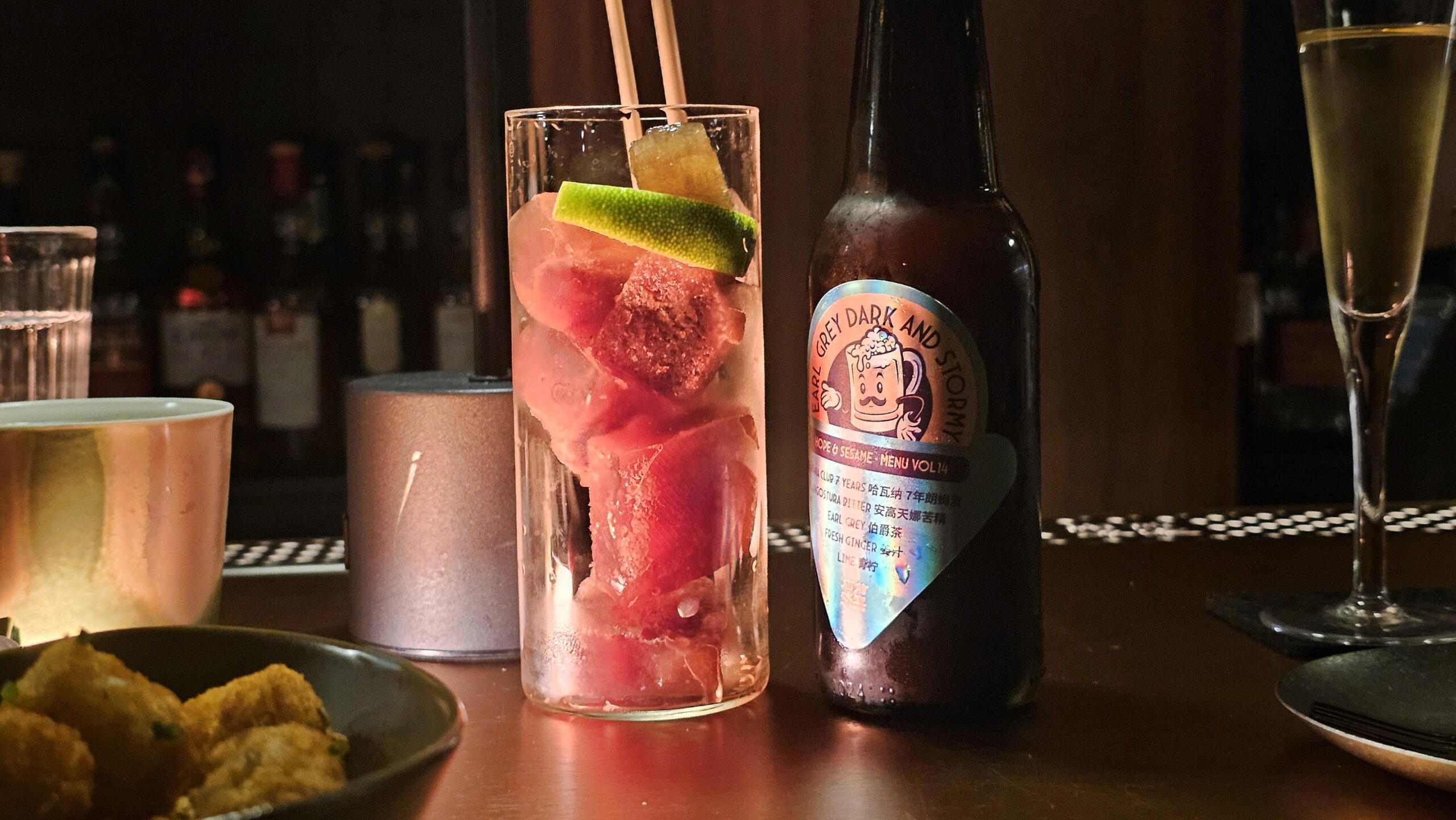
Menus shift seasonally and thematically. The programme draws on regional flavours, cultural narratives, and nostalgic references reconstructed through a contemporary lens. This is not fusion as compromise; it is Cantonese and Southern Chinese flavour memory as a serious creative source. The five-course cocktail format, referenced across Tatler's coverage, structures the experience as a sequence rather than a list, an approach that mirrors the tasting-menu logic increasingly common at bars operating in the upper tier of Asia's ranking systems.
How Hope & Sesame Fits Guangzhou's Drinking Scene
Guangzhou's bar culture operates in a different register from Beijing or Shanghai. The city's commercial character, shaped by decades as China's trade gateway, by the Canton Fair cycle, by a Cantonese identity distinct from the Mandarin-centred cultural mainstream, produces a drinking scene less oriented toward international-brand showcasing and more open to locally inflected experiment. Hope & Sesame has occupied that space since 2016, a nine-year tenure that predates the broader China cocktail wave that followed.
The comparison set across the region reinforces how Hope & Sesame's position was earned incrementally. Janes & Hooch in Beijing and Lobby Bar in Nanjing represent different points on the China bar spectrum, one more British-heritage in format, the other hotel-anchored. FLAIR in Wuhan, ÉPANOUIR in Xiamen, and The Londoner in Amoy extend the picture further into second-tier cities where cocktail culture is developing rapidly. Jeno Belgium Pub in Hsi An and The Ritz-Carlton Bar & Lounge in Macau illustrate how format diversity across the broader Pearl River and interior China region has expanded. Against all of them, Hope & Sesame holds a singular position: the only Guangzhou bar with sustained global ranking presence across multiple independent bodies.
Planning Your Visit
The bar is located at 58 Miaoqian Xijie, Dongshankou, in Guangzhou's Yuexiu district, a walkable address from Dongshankou metro station on Line 5. The neighbourhood's concentration of independent restaurants and small bars makes an early dinner nearby a natural precursor. Hope & Sesame can be reached by phone at +86 188 1935 3461, and the website at hopeandsesame.cn carries current programme and booking information. Given the bar's ranking position and the format of the five-course experience, advance contact before visiting is advisable rather than optional, the bar's profile now draws an international visitor base alongside its Guangzhou regulars. Seasonal menu cycles mean the programme on any given visit will differ from one three months prior, so checking the current theme before booking adds context to the experience.
Comparison Snapshot
Comparable venues nearby, for context on price, style, and recognition.
| Venue | Cuisine | Price | Awards |
|---|---|---|---|
| Hope & SesameThis venue (the venue you are viewing) | speakeasy | $10–20 | World's 50 Best #1 · SCMP 100 Top Tables Bars |
Recognition history
Dated appearances from independent guides and award organizations, with the underlying list record or original source where available.
World's 50 Best Asia's Best Bars #1
World's 50 Best
SCMP 100 Top Tables Bars
SCMP 100 Top Tables
Tatler Listed in Best Bars Asia-Pacific
Tatler
Top 500 Bars Best Bars #26
Top 500 Bars
Full recognition history (15 entries)
Tatler Best Bars Asia-Pacific 2025
Tatler
World's 50 Best Bars #29
World's 50 Best
World's 50 Best Asia's Best Bars #7
World's 50 Best
World's 50 Best Bars #63
World's 50 Best
World's 50 Best Asia's Best Bars #14
World's 50 Best
World's 50 Best Bars #74
World's 50 Best
World's 50 Best Asia's Best Bars #39
World's 50 Best
World's 50 Best Asia's Best Bars #18
World's 50 Best
World's 50 Best Asia's Best Bars #15
World's 50 Best
World's 50 Best Asia's Best Bars #36
World's 50 Best
World's 50 Best Asia's Best Bars #35
World's 50 Best
Hope & Sesame
Featured Guides
Continue exploring
More in Guangzhou
Bars in Guangzhou
All bars in Guangzhou →
Restaurants in Guangzhou
All restaurants in Guangzhou →
Details
- Cozy
- Intimate
- Trendy
- Sophisticated
- Date Night
- Special Occasion
- Speakeasy
- Live Music
- Seated Bar
- Lounge Seating
- Craft Cocktails
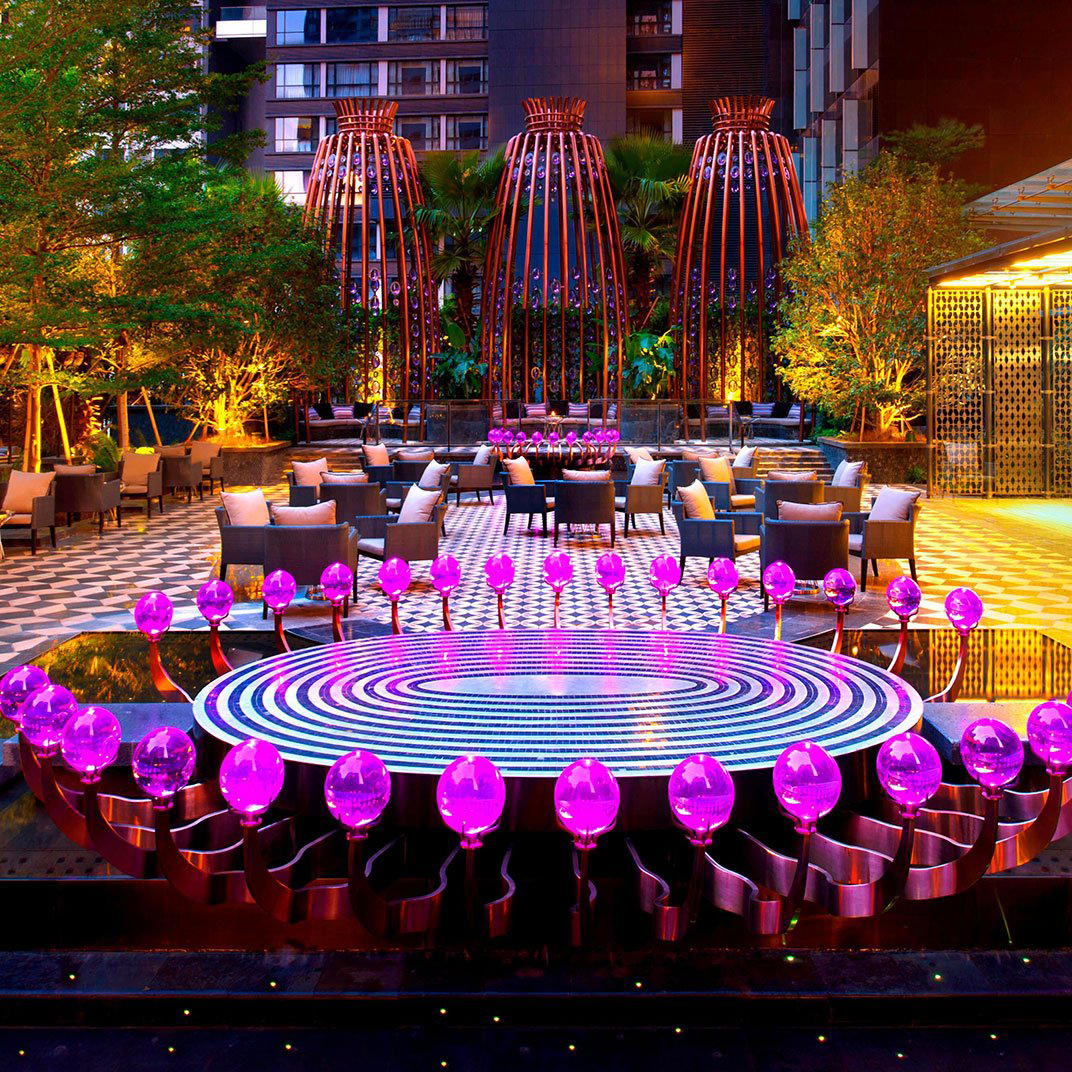
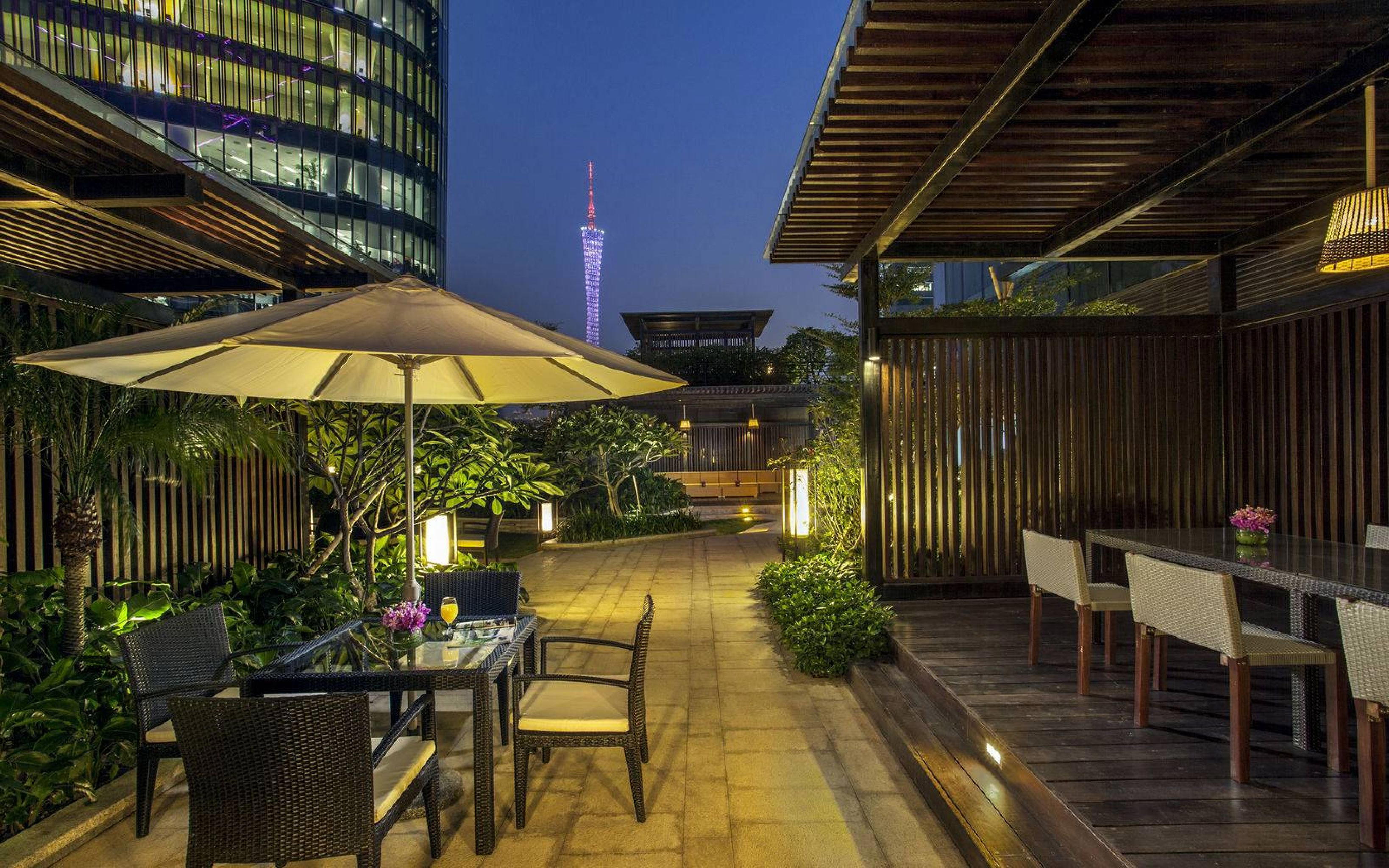
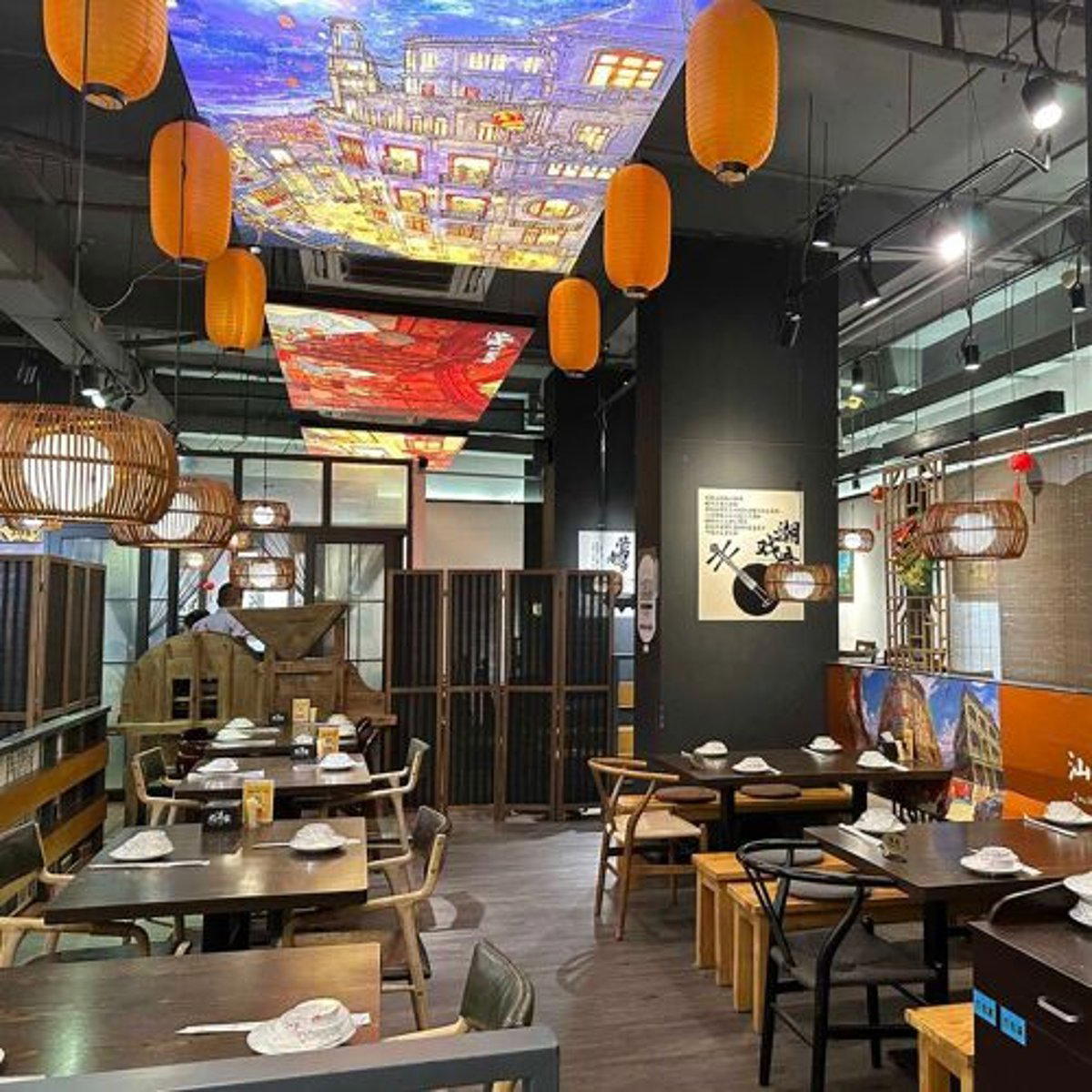
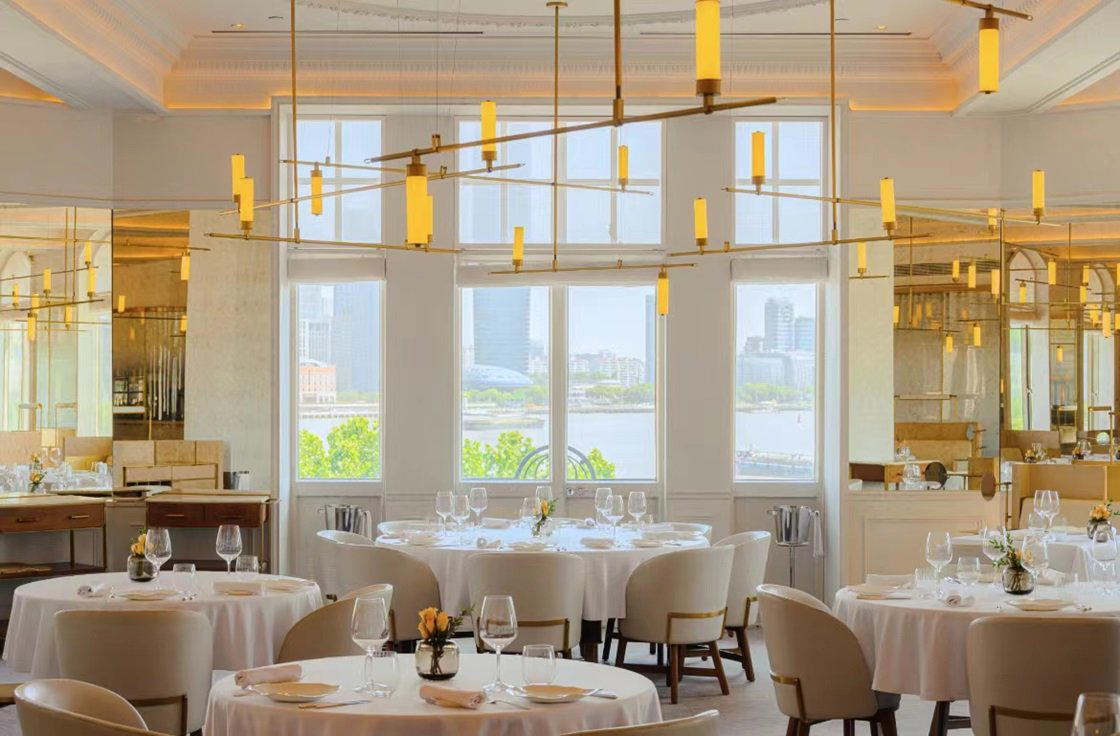
Dark, cozy, and intimate with soft jazz music, warm lighting, and a refined, welcoming atmosphere.