


1 Michelin Star · La Liste Top Restaurants
Our verdict
BingSheng Mansion on Xiancun Road holds a Michelin star and a 2025 Opinionated About Dining ranking among Asia's top 300, placing it in Guangzhou's serious Cantonese tier. The format centres on a main dining room and 32 private rooms, with handcrafted dim sum, double-boiled tonics, and roasted goose anchoring a menu that treats classic technique as a live discipline rather than a museum piece.

Pearl is the En Primeur Club membership app, where members save venues, book tables and use the concierge.
The menu
What to order
- Roast goose
- Pineapple bun
- Stir-fried flat rice noodles with beef
The Architecture of a Cantonese Banquet
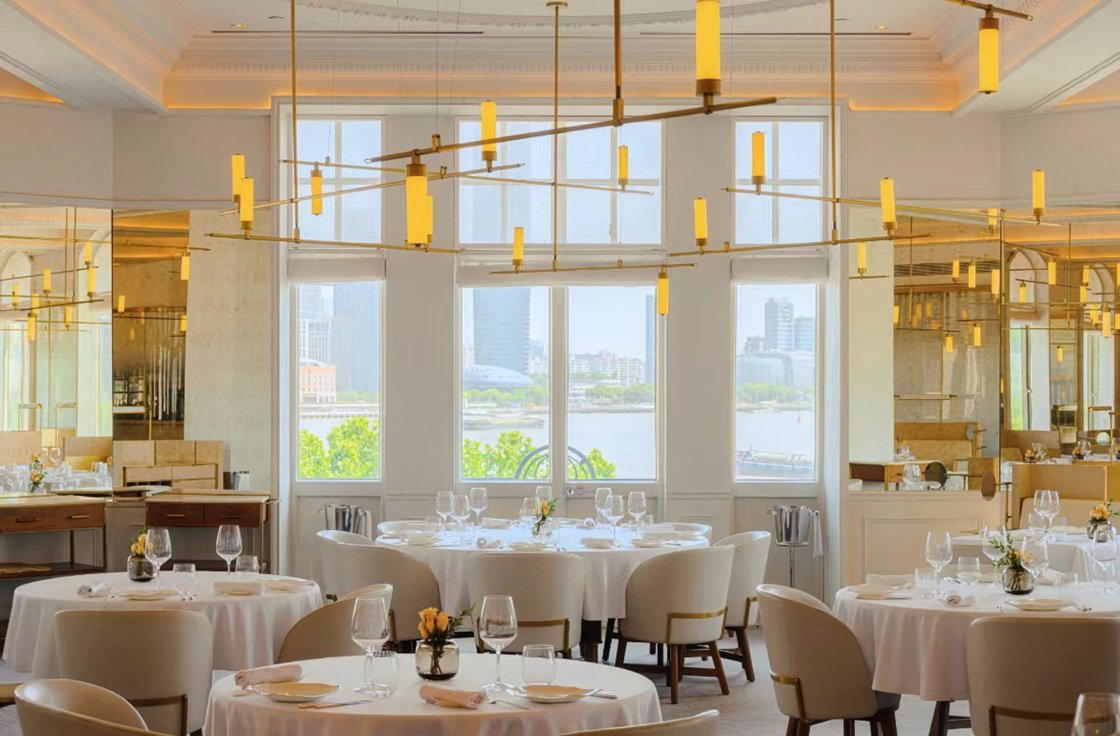
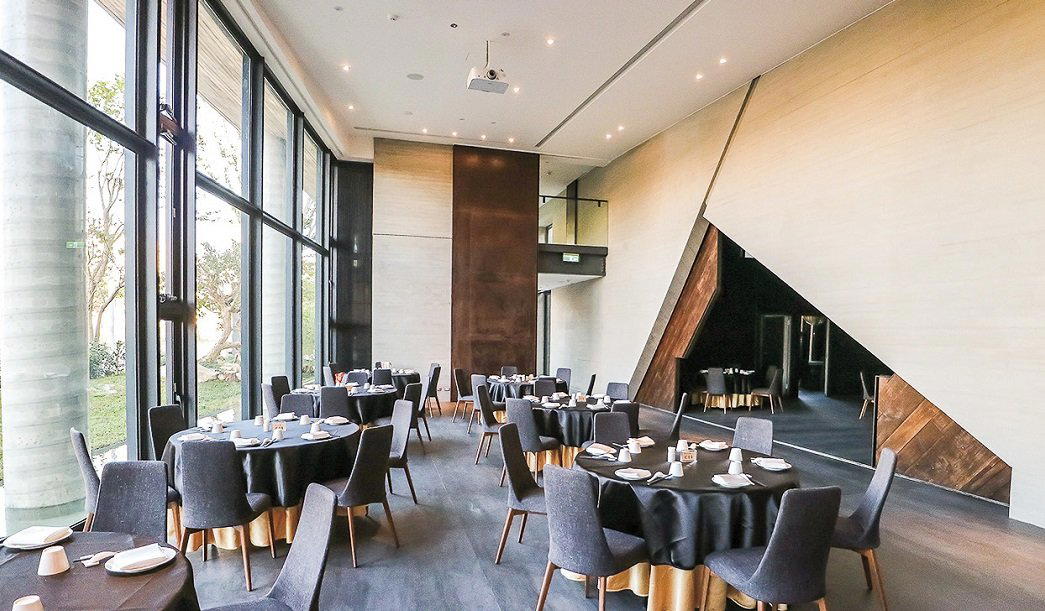
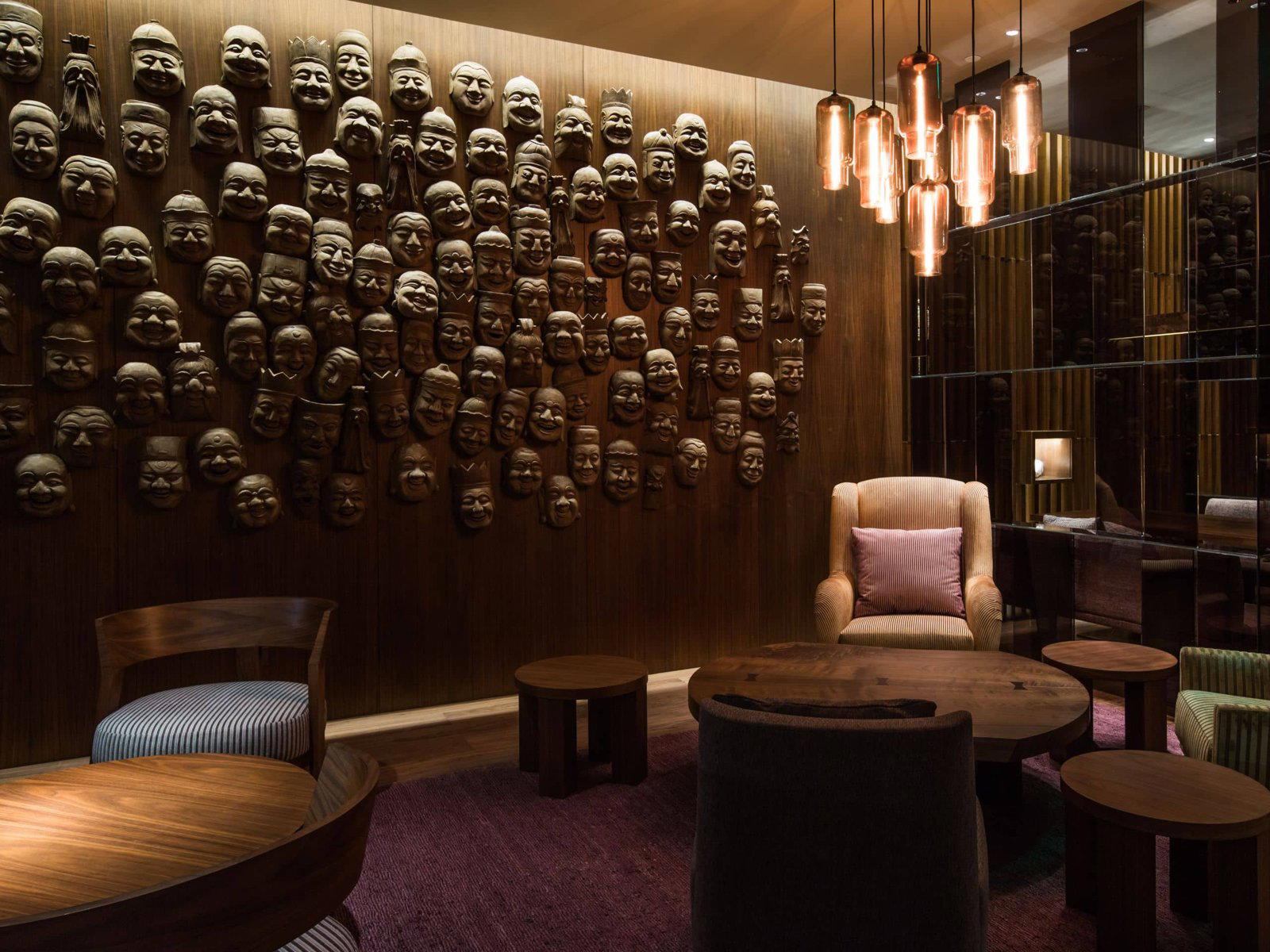
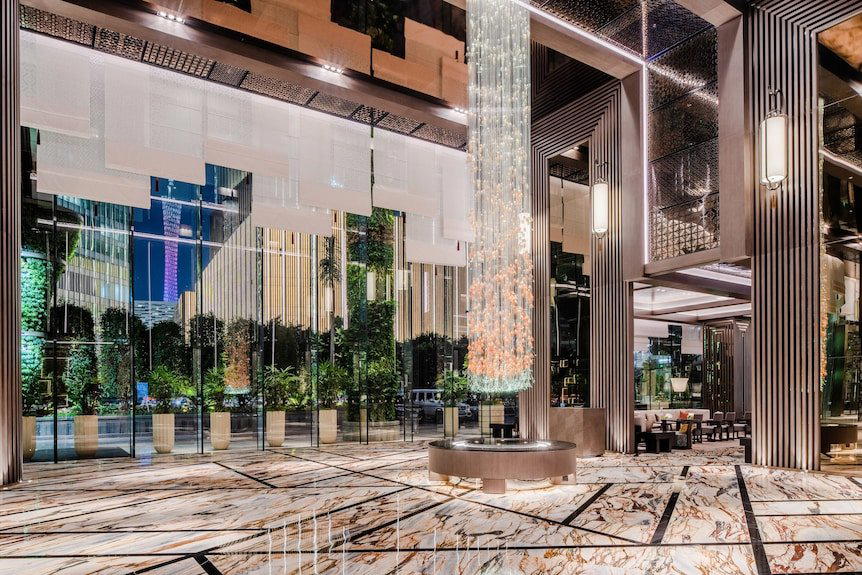
In Guangzhou's Haizhu District, the dining room at BingSheng Mansion on Xiancun Road signals something before the food arrives. A main hall flanked by 32 private rooms sets a format that most serious Cantonese houses in the city understand well: the lazy Susan at the centre of the table is not a convenience feature but a structural principle, the pivot around which the entire logic of shared eating turns. Dishes arrive in sequence, each one calibrated to a rhythm that older Cantonese diners read instinctively and that newcomers quickly absorb. The private rooms, finished with what La Liste describes as understated glamour, serve the extended-family celebrations and business dinners that have defined Guangzhou's banquet culture for generations.
This is a city that takes its food with uncommon seriousness. Guangzhou sits at the source of the Cantonese tradition that spread across Hong Kong, Macau, and the broader Chinese diaspora, and its established restaurants are regularly benchmarked against peers in those cities. Forum in Hong Kong and Jade Dragon in Macau occupy the same broad competitive tier, and Guangzhou's leading tables are increasingly visible on pan-Asian lists that once defaulted to those two cities for Cantonese reference points.
Where BingSheng Mansion Sits in the Guangzhou Tier
The city's Cantonese restaurant scene at the ¥¥¥ price point has consolidated around a group of addresses that hold both Michelin recognition and independent critic endorsement. BingSheng Mansion holds a Michelin star (2024) and appears on the Opinionated About Dining Leading Restaurants in Asia list for three consecutive years, ranked at #292 in 2024 and climbing to #300 in 2025, the slight ranking shift in a year when the list expanded is less significant than the sustained presence, which signals consistent kitchen performance rather than a single strong showing. La Liste awarded 76 points in 2025, placing it within a tier of technically accomplished regional Chinese addresses rather than the international fine-dining bracket.
Within Guangzhou specifically, that positioning puts BingSheng Mansion in the same conversation as Imperial Treasure Fine Chinese Cuisine, which holds two Michelin stars at the same price tier, and Lai Heen, which represents the hotel-based Cantonese category. Jiang by Chef Fei, Jade River, and Lei Garden (Yuexiu) round out the set of addresses where serious Cantonese cooking in the city is currently being practised. BingSheng's independent positioning, no hotel group, no international chain affiliation, places it in a slightly different register from the hotel dining rooms, one where the kitchen's priorities are set closer to the table.
The Dim Sum Question
Across China's major cities, handcrafted dim sum has become a differentiator precisely because it is increasingly rare. Industrial preparation and central-kitchen supply chains have reduced the labour-intensive craft element in many restaurants that still list dim sum on the menu. BingSheng Mansion maintains handcrafted production, a commitment that requires a skilled preparation team and discipline in the kitchen hierarchy that few restaurants at any price point now sustain. In the broader context of Cantonese dining across the region, at addresses such as Chef Tam's Seasons in Macau or Ru Yuan in Hangzhou, the dim sum category has become a reliable indicator of overall kitchen ambition. Where the wrappers are made to order and the fillings are balanced by hand, the rest of the menu tends to follow the same logic.
The Banquet Logic of the Menu
Cantonese banquet structure traditionally moves through a sequence: cold appetisers, roasted meats, seafood, braised dishes, vegetables, a starch or noodle course, and a sweet finish. BingSheng Mansion's menu operates within that architecture while incorporating techniques that place it in the innovative Cantonese category rather than the strictly traditional one. The stir-fried flat rice noodles with beef, a dish that functions as a technical benchmark across Cantonese kitchens, requiring high-heat wok control and precise timing, appears here as a signature, which says something about the kitchen's confidence in its fundamentals.
The roasted goose sits in a different register. Roasting goose to the standard expected at a Michelin-starred address in Guangzhou demands sourcing discipline as much as technique: the bird's age, feed, and hanging time all affect the result. This is a city where roasted goose is contested ground, with street-level roasters, mid-tier Cantonese houses, and formal dining rooms all making claims on the category. That BingSheng Mansion positions roasted goose as a signature at the ¥¥¥ tier indicates a kitchen that is not conceding the dish to cheaper competition.
The tonic soups tell a different story about the menu's range. Double-boiled preparations, which require extended cooking time and careful temperature management, represent a slower and more medically inflected aspect of Cantonese cooking philosophy. Fish maw and ginseng soup is a preparation associated with formal hospitality and seasonal health considerations. Pre-ordering is advised for these dishes, which is a logistical signal worth taking seriously: it implies that preparation begins before service and that the kitchen does not hold standing stock of high-value tonic ingredients.
Sweet finish of black sesame sweet soup over milk custard closes the meal in the traditional Guangzhou dessert register, where the contrast between warm liquid and set custard is a textural resolution rather than a flourish. The overall sequence from handcrafted dim sum through roasted meats to tonic soups and a dairy-and-grain dessert covers most of the structural range that a serious Cantonese banquet requires.
The Private Room Question
Thirty-two private rooms is a large number, and in Guangzhou's banquet culture that capacity means something specific. The private room in Cantonese dining is not primarily about exclusivity but about the choreography of service at the table: dishes brought in without interrupting other tables, toasts conducted without ambient noise, the lazy Susan managed by a dedicated server who understands the hierarchy of who receives each dish first. At a restaurant with this many private rooms, the service model is built around that choreography. For groups of six or more, booking a private room shifts the experience from restaurant dining into the banquet register, where pacing and presentation are negotiated table by table.
Reservations are advisable. The combination of Michelin recognition, two consecutive OAD Top 300 placements, and 32 private rooms that are regularly booked for corporate and family events means availability on short notice is not guaranteed, particularly on weekends and around Chinese public holidays. For tonic soups and any preparation that requires advance notice, contact ahead.
The Broader Regional Context
The appetite for serious Cantonese cooking across mainland China's tier-one cities has grown markedly in the past decade, with addresses in Shanghai, Beijing, and Chengdu drawing directly on Guangzhou's tradition. Xin Rong Ji in Beijing, 102 House in Shanghai, Xin Rong Ji in Chengdu, and Dai Yuet Heen in Nanjing each represent the spread of Cantonese formal dining technique into cities where the cuisine is imported rather than native. Guangzhou, as the origin point of that tradition, occupies a different position: its leading restaurants are not interpreting Cantonese cooking for a non-native audience but practising it in the city where its standards were established. That context makes BingSheng Mansion's sustained critic recognition, across both Western-facing and Asia-focused lists, a more meaningful signal than a single award year might suggest.
For visitors planning time around the city's dining scene, the full range of what Guangzhou's restaurants, bars, hotels, and experiences have to offer is covered in our full Guangzhou restaurants guide, our full Guangzhou hotels guide, our full Guangzhou bars guide, our full Guangzhou wineries guide, and our full Guangzhou experiences guide.
Planning Your Visit
BingSheng Mansion on Xiancun Road is located at 33 Dongxiao Road in Haizhu District, Guangzhou, at a ¥¥¥ price point consistent with Guangzhou's serious Cantonese tier. Advance booking is recommended, particularly for private rooms and pre-order items including the tonic soups. For the full banquet experience, arrive with a group large enough to work through the sequence of dim sum, roasted meats, tonic preparations, and dessert, the menu's logic is designed for the shared table, not the solo order.
Frequently asked questions
What's the pricing like at BingSheng Mansion (Xiancun Road)?
Pricing at BingSheng Mansion (Xiancun Road) is listed as ¥¥¥.
Is BingSheng Mansion (Xiancun Road) Michelin-listed?
BingSheng Mansion (Xiancun Road) has received recognition including: Opinionated About Dining Top Restaurants in Asia Ranked #300 (2025); La Liste Top Restaurants (2025): 76pts; In a main dining room and 32 private rooms, all exuding understated glamour, this place champions innovative and refined Cantonese ….
What's the signature dish at BingSheng Mansion (Xiancun Road)?
The roasted goose and stir-fried flat rice noodles with beef are the most cited signatures, representing the restaurant's command of both Cantonese roasting tradition and wok craft. The double-boiled tonics, including fish maw and ginseng soup, require pre-ordering and reflect a more considered, tonic-focused register of the menu. The black sesame sweet soup over milk custard closes the meal in classic Cantonese style.
What part of town is BingSheng Mansion (Xiancun Road) in?
BingSheng Mansion (Xiancun Road) is located at 33 Dongxiao Rd, Haizhu District, Guangzhou, Guangdong Province, China, 510230, Guangzhou.
Do I need a reservation for BingSheng Mansion (Xiancun Road)?
Advance booking is strongly advisable. BingSheng Mansion holds a Michelin star and ranked #292 on OAD Top Restaurants in Asia in 2024, which sustains consistent demand across both the main dining room and its 32 private rooms. Certain dishes, particularly the double-boiled tonics, must be pre-ordered regardless of when you book.
What's the defining dish or idea at BingSheng Mansion (Xiancun Road)?
The defining idea is handcrafted dim sum set within a full Cantonese banquet structure, a combination that has become rare as industrial preparation takes hold across the category. At the ¥¥¥ price point, BingSheng Mansion holds a Michelin star and La Liste recognition (76 points, 2025), credentials that position it as one of Haizhu District's most documented addresses for serious Cantonese cooking.
The Short List
A quick peer reference to anchor this venue in its category.
| Venue | Cuisine | Price | Awards | Notes |
|---|---|---|---|---|
| BingSheng Mansion (Xiancun Road)This venue (the venue you are viewing) | Refined Cantonese | $100–150 | 1 Michelin Star · La Liste Top Restaurants | Not listed |
| Imperial Treasure Fine Chinese Cuisine | Fine Cantonese Cuisine | Not listed | 2 Michelin Stars · La Liste Top Restaurants | Cantonese |
| Taian Table | Modern European with Asian Influences | $300–500 | 3 Michelin Stars · La Liste Top Restaurants | Modern European, European Contemporary |
| Chōwa | Franco-Japanese Fusion | $150–200 | 1 Michelin Star · The Best Chef Two Knives | Innovative |
| Imperial Treasure Fine Teochew Cuisine | Fine Teochew Cuisine | Not listed | 1 Michelin Star · La Liste Top Restaurants | Chao Zhou |
| Rêver | Modern French Fine Dining with Cantonese Influences | Not listed | 1 Michelin Star · The Best Chef One Knife | French Contemporary |
Recognition history
Dated appearances from independent guides and award organizations, with the underlying list record or original source where available.
Michelin 1 Star
Michelin
La Liste Top Restaurants
La Liste
Opinionated About Dining Top Restaurants in Asia Ranked #300
Opinionated About Dining
Full recognition history (6 entries)
Michelin 1 Star
Michelin
Opinionated About Dining Top Restaurants in Asia Ranked #292
Opinionated About Dining
Opinionated About Dining Top Restaurants in Asia Recommended
Opinionated About Dining
Continue exploring
More in Guangzhou
Restaurants in Guangzhou
All restaurants in Guangzhou →
Bars in Guangzhou
All bars in Guangzhou →
Details
- Elegant
- Sophisticated
- Intimate
- Business Dinner
- Special Occasion
- Group Dining
- Private Dining
- Extensive Wine List
- A La Carte
- Small Plates
Current opening hours
- Monday
- 11 AM–11 PM
- Tuesday
- 11 AM–11 PM
- Wednesday
- 11 AM–11 PM
- Thursday
- 11 AM–11 PM
- Friday
- 11 AM–11 PM
- Saturday
- 11 AM–11 PM
- Sunday
- 11 AM–11 PM
Hours can change for holidays and private events. Hours as of .
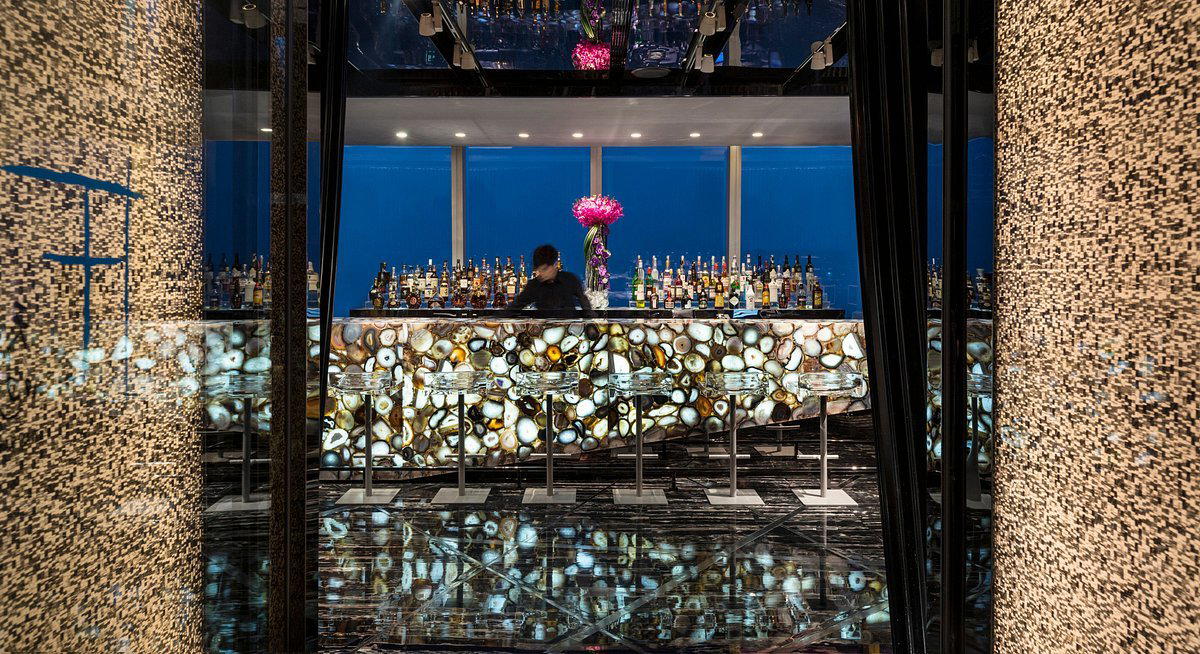
Understated glamour with European-style decoration, spacious, bright, elegant, and quiet atmosphere in main dining and private rooms.