

A Michelin Plate and Black Pearl 1 Diamond vegetarian restaurant in Guangzhou's Yuexiu District, Tian Shui sits within the city's small but serious tier of produce-led, plant-based dining.
Pearl is the En Primeur Club membership app — saves, bookings, and concierge access live there. Same editors, same standards.
- Address
- Oriental Landmark Building C1, 2层66 Wende Rd, 66, Yuexiu District, Guangzhou, Guangdong Province, China, 510055
- Phone
- +86 180 2800 7776
- Directions
- Get directions
 Saves & bookings on Pearl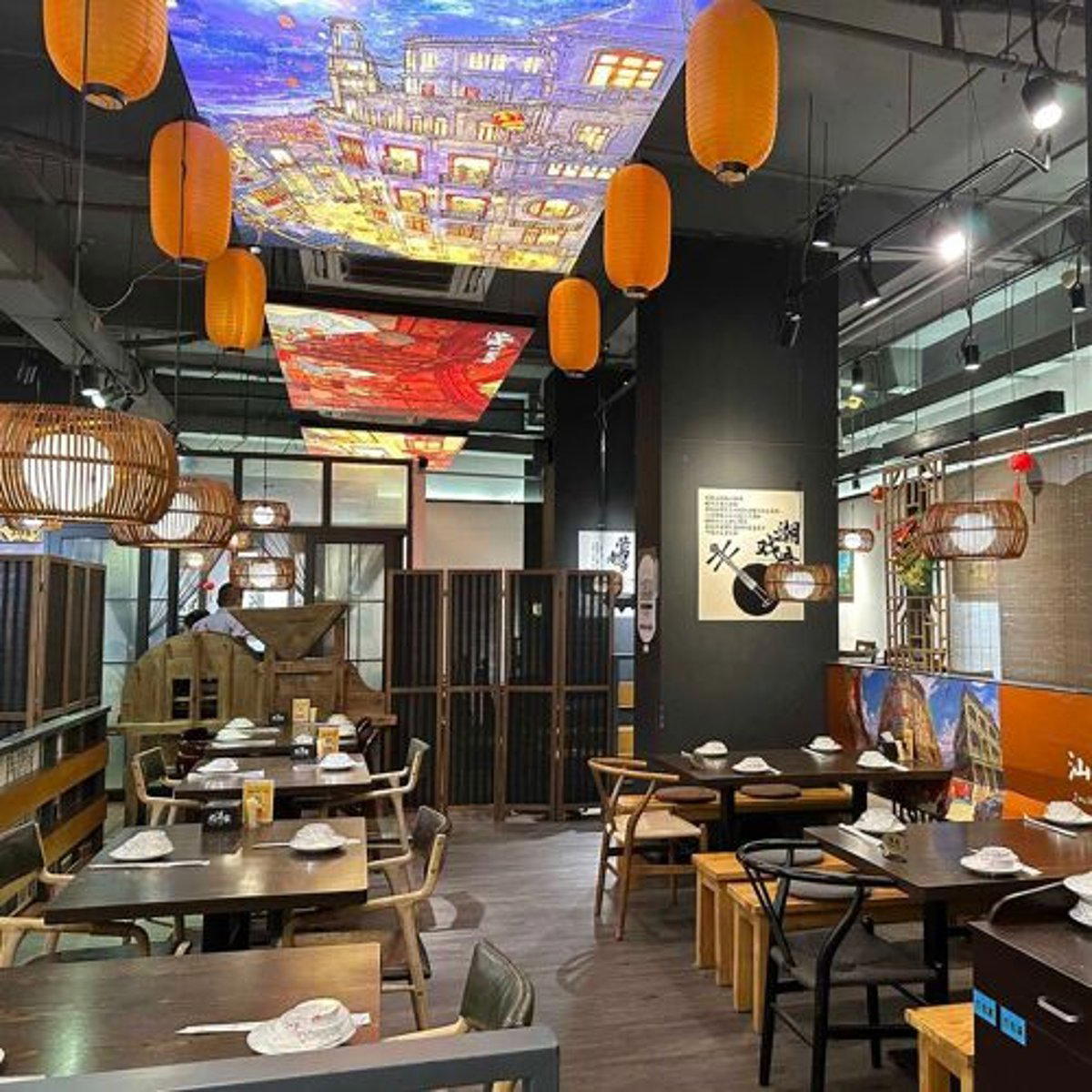
Vegetarian Dining in Guangzhou: A Scene That Takes Itself Seriously
Guangzhou's vegetarian restaurant tier is smaller than you might expect from a city this size. Cantonese cuisine has always given vegetables serious attention, seasonal braised greens, clay-pot preparations, and wok technique that prioritises flavour without relying on meat, but fully vegetarian restaurants with formal credentials remain a niche category. Within that niche, though, the standard is high. The venues that do exist tend to earn recognition: Tian Shui holds a 2025 Michelin Plate and a 2025 Black Pearl 1 Diamond, placing it alongside a handful of addresses that have moved plant-based cooking in China from temple fare into contemporary restaurant culture.
That dual recognition matters because the two guides apply different criteria. Michelin rewards consistency of technique and kitchen discipline; Black Pearl, which skews toward Chinese dining culture, weights the overall experience and local relevance. Tian Shui's presence on both lists in consecutive years, Michelin Plate in 2024 and again in 2025, signals a kitchen that isn't riding a single wave of novelty but has settled into a repeatable standard. For the wider vegetarian dining conversation in China, venues like Fu He Hui in Shanghai and Lamdre in Beijing have set the reference points; Tian Shui occupies a comparable position in the southern tier.
Produce and the Calendar: How Seasonal Availability Shapes the Table
In southern China, the produce calendar moves faster than almost anywhere else in the country. Guangdong's subtropical climate means that ingredients shift meaningfully across the year, and kitchens that pay attention to this rhythm cook differently in February than they do in August. Pearl River Delta vegetables, hollow-stem water spinach in summer, winter melon through the warmer months, fresh lotus root in late summer, taro and sweet potato as temperatures fall, cycle through the market stalls at Wende Road and the surrounding Yuexiu District in a succession that a seasonal vegetarian menu can track closely.
This is where the Cantonese culinary tradition gives vegetarian restaurants a structural advantage over their northern counterparts. Cantonese cooking has always placed market-driven procurement at the centre of kitchen planning, with chefs adjusting daily based on what arrived at the wet market that morning rather than locking into fixed menus months in advance. A vegetarian kitchen operating in this tradition can present the produce calendar as the menu itself, letting the season do the editorial work. Spring brings fresh bamboo shoots, snow peas, and young ginger. The humid summer months push toward cooling preparations: bitter melon, winter melon soups, lotus preparations. Autumn arrives with chestnuts, ginkgo nuts, and the dried fungus varieties that have been central to Buddhist vegetarian cooking in Guangdong for centuries.
Against this backdrop, Tian Shui's positioning in the Yuexiu District, one of Guangzhou's older urban cores, connects it to a neighbourhood that still has functioning markets and a layered sense of place. Oriental Landmark, where the restaurant sits on the second floor, places it in a mixed-use context rather than a tourist corridor, the kind of address that draws repeat local visitors rather than one-time walk-ins.
Price Tier and What It Tells You About the comparable set
At the ¥¥ price point, the restaurant operates in a noticeably different register than some of Guangzhou's more formal Cantonese addresses. Compare it against the ¥¥¥ tier occupied by Imperial Treasure Fine Chinese Cuisine or Imperial Treasure Fine Teochew Cuisine, and the value proposition becomes clear: Michelin and Black Pearl recognition at a price point that sits one bracket below the city's formal fine dining. That combination is relatively rare, and it positions the restaurant as an accessible entry point into awarded vegetarian cooking rather than a special-occasion commitment.
For context within Guangzhou's broader awarded restaurant scene, consider how this compares to other recognised addresses. Gu Yuan and Jia Yuan represent different points in the city's Chinese dining spectrum, while Plant-Based Kitchen offers a contemporary take on the same dietary category. Soodle and Zen Tea round out the more casual end of the city's plant-forward options. The restaurant sits above these in formal recognition while remaining below the fine dining ceiling in cost, a positioning that explains the near-well-suited review score despite its relatively small review volume.
The Broader Chinese Vegetarian Restaurant Conversation
Vegetarian restaurant culture in Chinese cities has undergone a meaningful shift over the past decade. What was once largely confined to temple kitchens and Buddhist canteens has broadened into a category that includes sophisticated tasting menus, seasonal produce-driven formats, and kitchens that compete directly with their meat-serving counterparts for critical attention. The emergence of awarded vegetarian restaurants in multiple Chinese cities reflects both changing consumer preferences among urban professional diners and a renewed interest in the classical roots of Chinese vegetarian cooking.
The geographic spread of this shift is telling. Ru Yuan in Hangzhou operates within a city with deep Buddhist culinary traditions. 102 House in Shanghai represents the cosmopolitan, design-conscious end of the category. Further afield, Xin Rong Ji in Beijing and Xin Rong Ji in Chengdu show how ingredient-first approaches are spreading across Chinese regional cooking traditions. In Macau, Chef Tam's Seasons and Dai Yuet Heen in Nanjing demonstrate how Cantonese-adjacent kitchens are engaging with the category at a premium level. The restaurant participates in this wider conversation from Guangzhou, bringing the southern produce tradition and Cantonese technical vocabulary to a format that has until recently been more closely associated with eastern Chinese cities.
Planning Your Visit
The restaurant is located at Oriental Landmark Building C1, second floor, 66 Wende Road, Yuexiu District. Yuexiu is one of Guangzhou's most historically layered central districts, accessible from multiple metro lines, and the Wende Road address is within walking distance of Yuexiu Park and the city's older commercial core. The ¥¥ price positioning means a meal here represents a reasonable proposition for solo visitors, couples, and small groups alike.
For broader Guangzhou planning, see our full Guangzhou restaurants guide, our full Guangzhou hotels guide, our full Guangzhou bars guide, our full Guangzhou wineries guide, and our full Guangzhou experiences guide.
Know Before You Go
- Address: Oriental Landmark Building C1, 2F, 66 Wende Road, Yuexiu District, Guangzhou 510055
- Cuisine: Vegetarian
- Price range: ¥¥
- Awards: Michelin Plate (2024, 2025); Black Pearl 1 Diamond (2025)
- District: Yuexiu, central Guangzhou
Reputation Context
Comparable venues nearby, for context on price, style, and recognition.
| Venue | Cuisine | Price | Awards | Notes |
|---|---|---|---|---|
| Tian ShuiThis venue — the venue you are viewing | Seasonal Vegan Chinese Tasting Menu | $$$ | Michelin Plate | Not listed |
| Four Seasons Pavilion · Rùn | Chinese Contemporary with Peking Duck | $$$ | Michelin Plate | Guangzhoushi |
| Guo Fan Jia Yan | Authentic Hunanese Cuisine | $$$ | Michelin Plate | Guangzhoushi |
| Flavors of China | Provincial Chinese with Huaiyang and Sichuan Specialties | $$$ | Michelin Plate | Guangzhoushi |
| Plant-Based Kitchen | Modern Cantonese Plant-Based | $$$ | Michelin Plate | Guangzhoushi |
| He Yuan (Tianhe) | Premium Cantonese with Abalone Specialization | $$$ | Michelin Plate | Guangzhoushi |
Recognition history
Dated appearances from independent guides and award organizations, with the underlying list record or original source where available.
Black Pearl 1 Diamond
Black Pearl
Michelin Plate
Michelin
Black Pearl 1 Diamond
Black Pearl
Michelin Plate
Michelin
Michelin Plate
Michelin
Continue exploring
More in Guangzhou
Restaurants in Guangzhou
Browse all →
Bars in Guangzhou
Browse all →

At a Glance
- Serene
- Elegant
- Cozy
- Sophisticated
- Special Occasion
- Solo
- Private Dining
- Local Sourcing
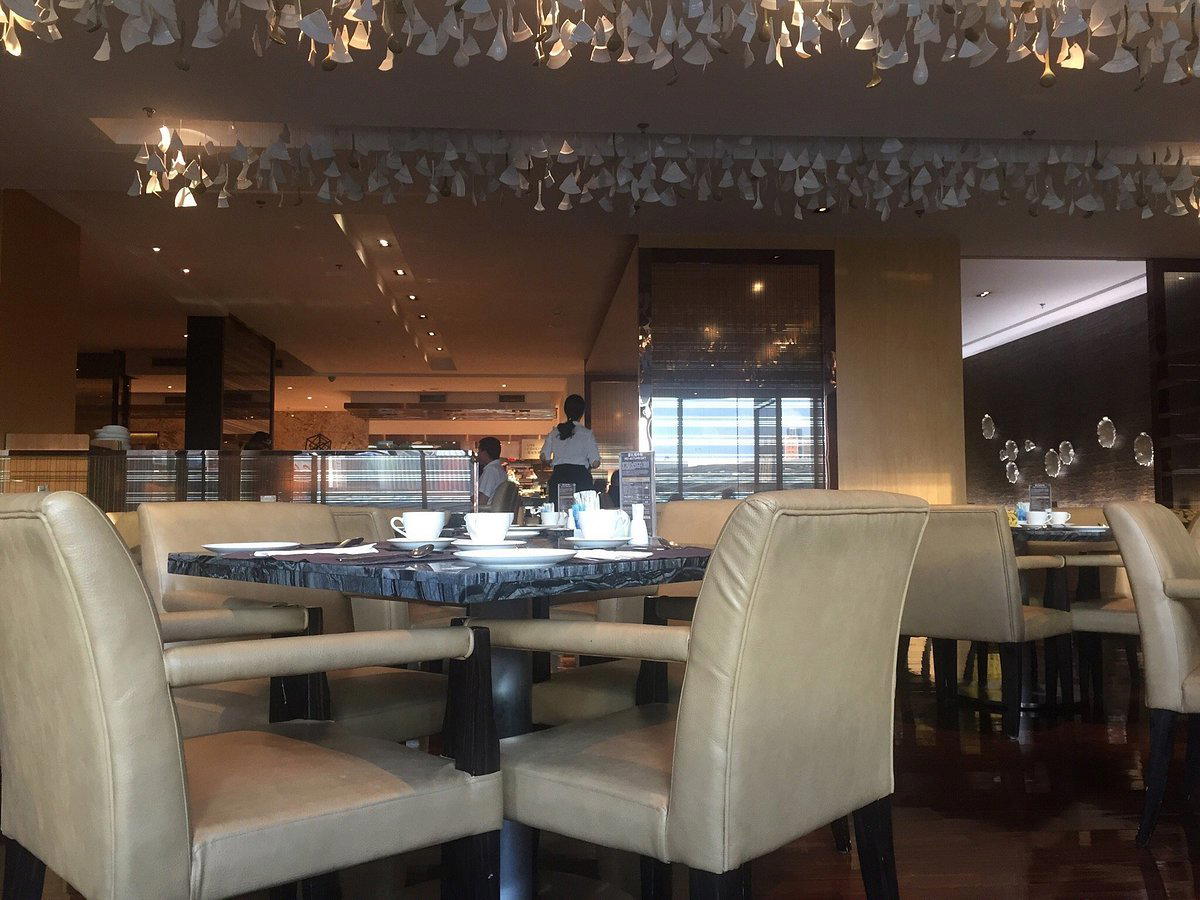
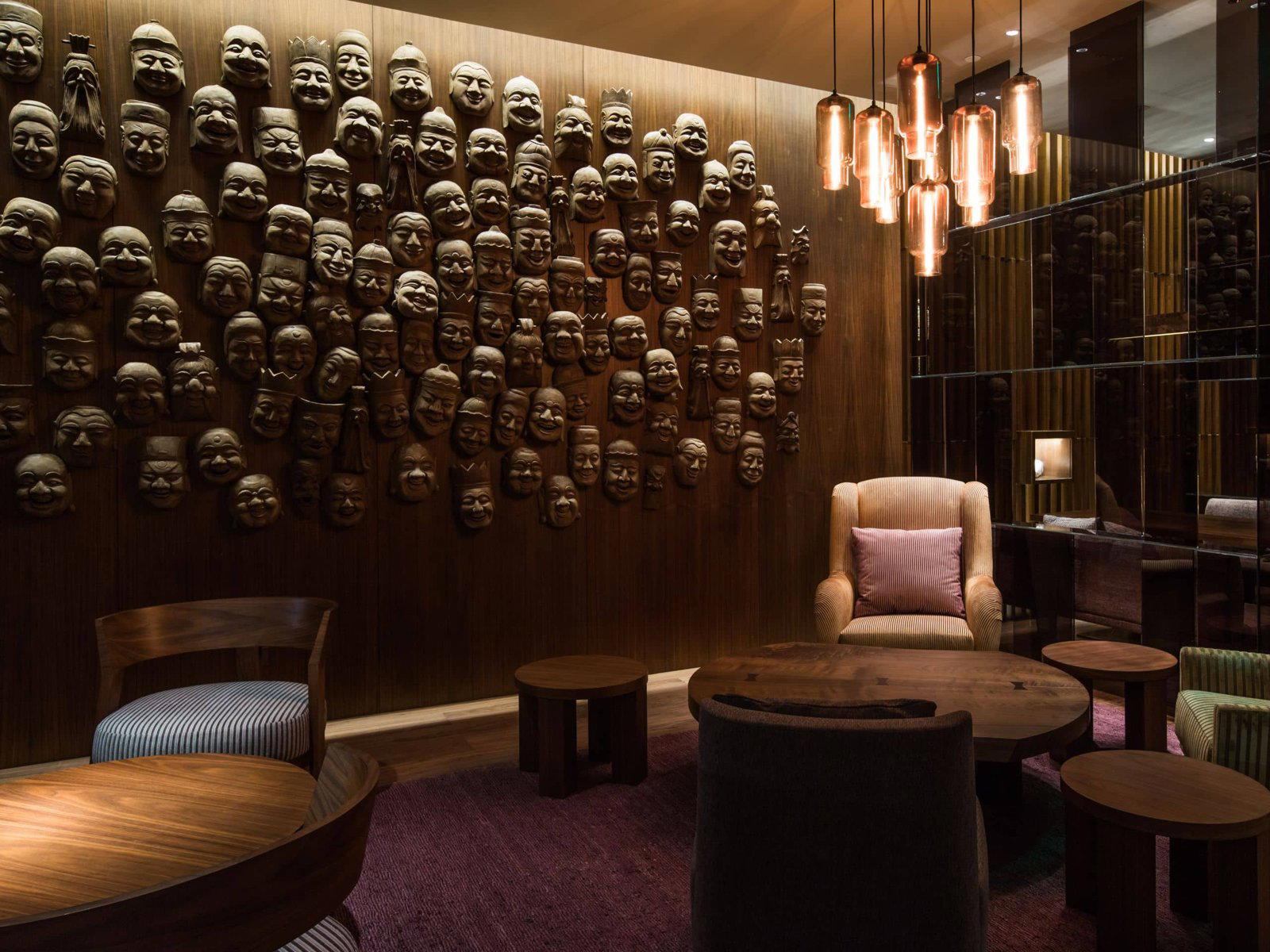
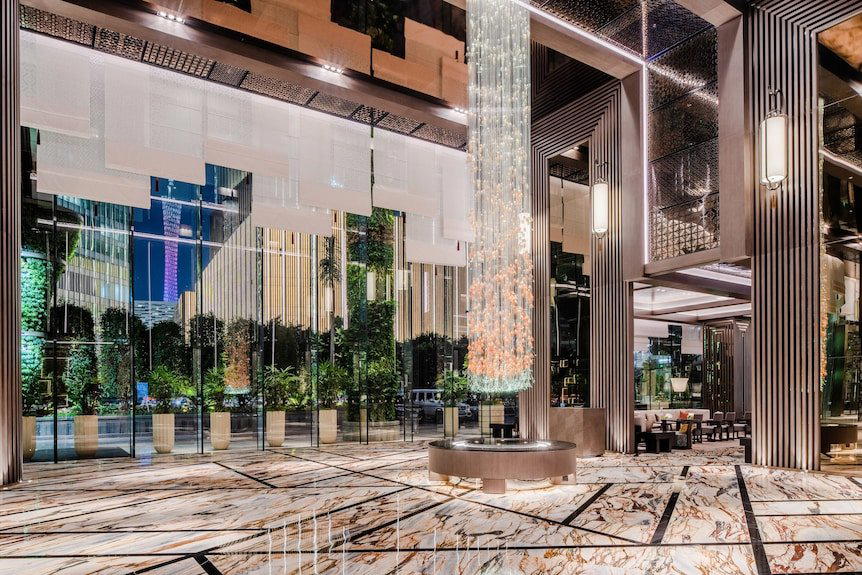
Wood-rich interior with an earthy palette, warm yellow soft lighting, new Chinese style creating a serene, calm, and relaxed Zen-like atmosphere.