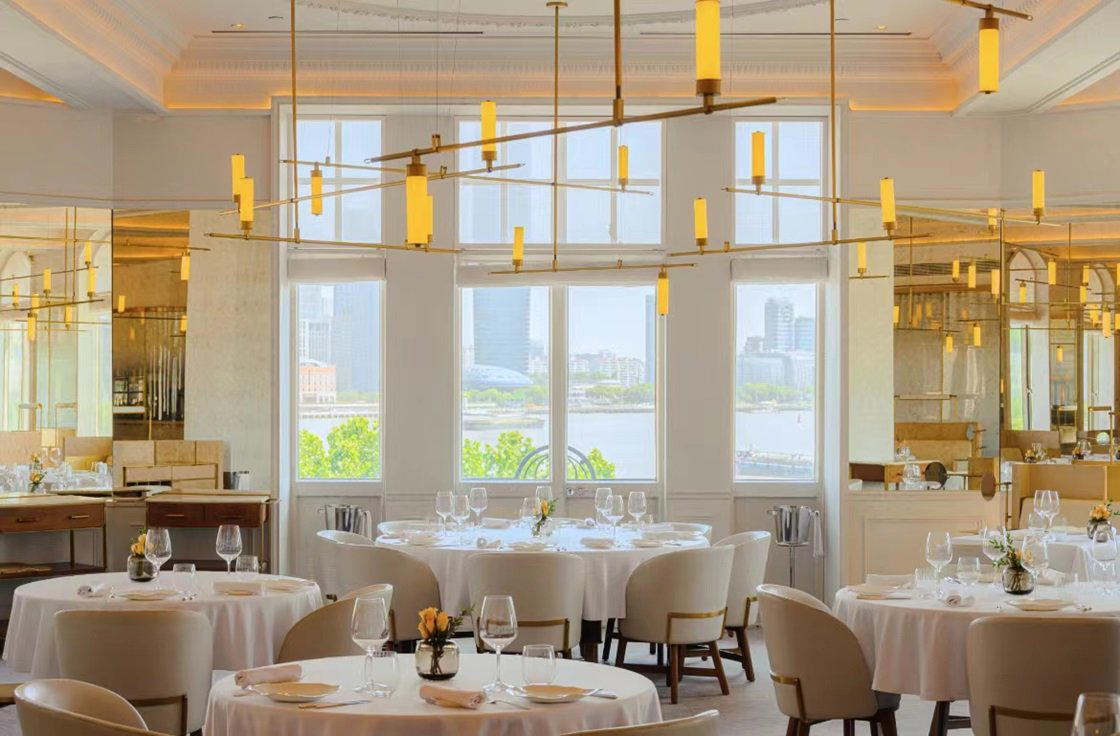
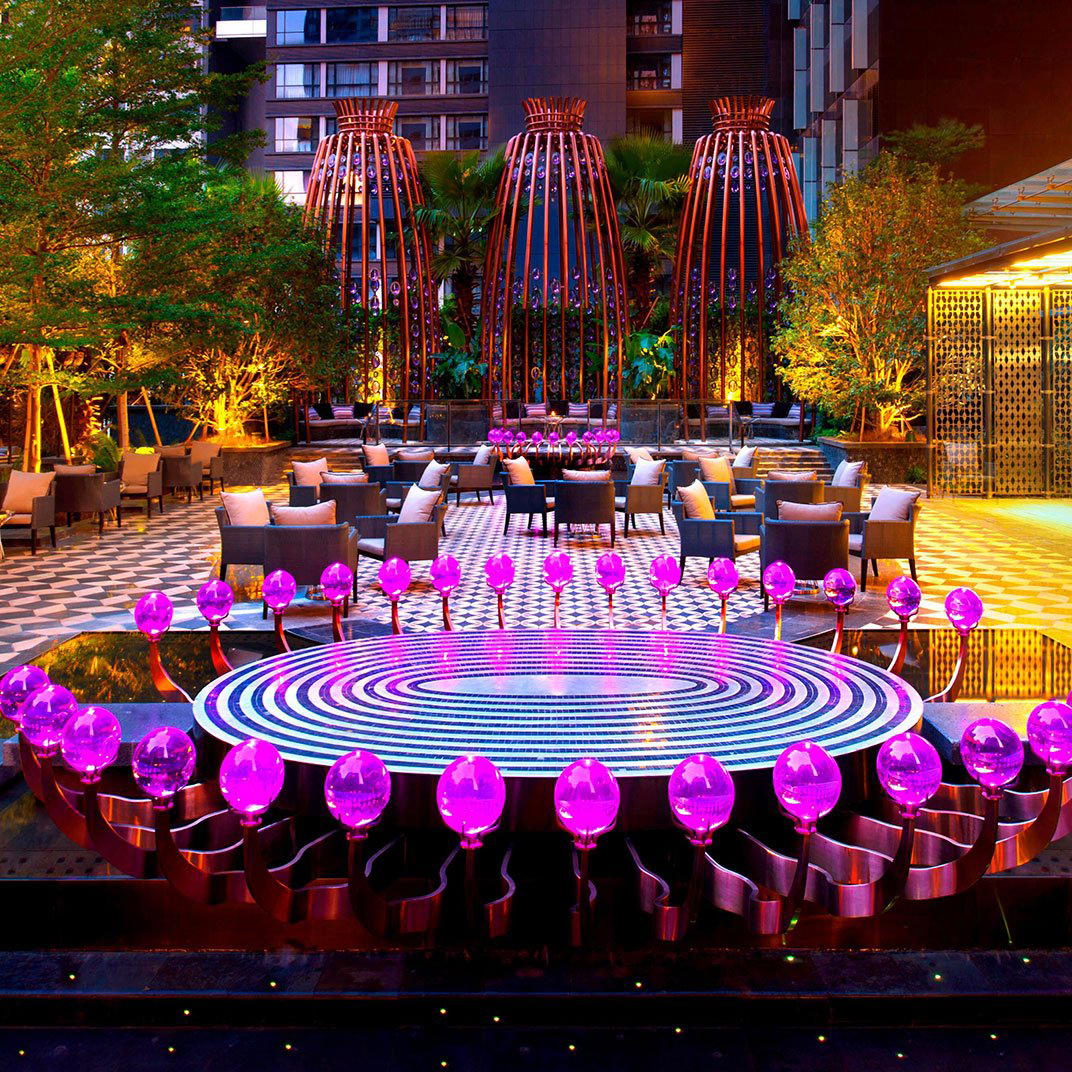
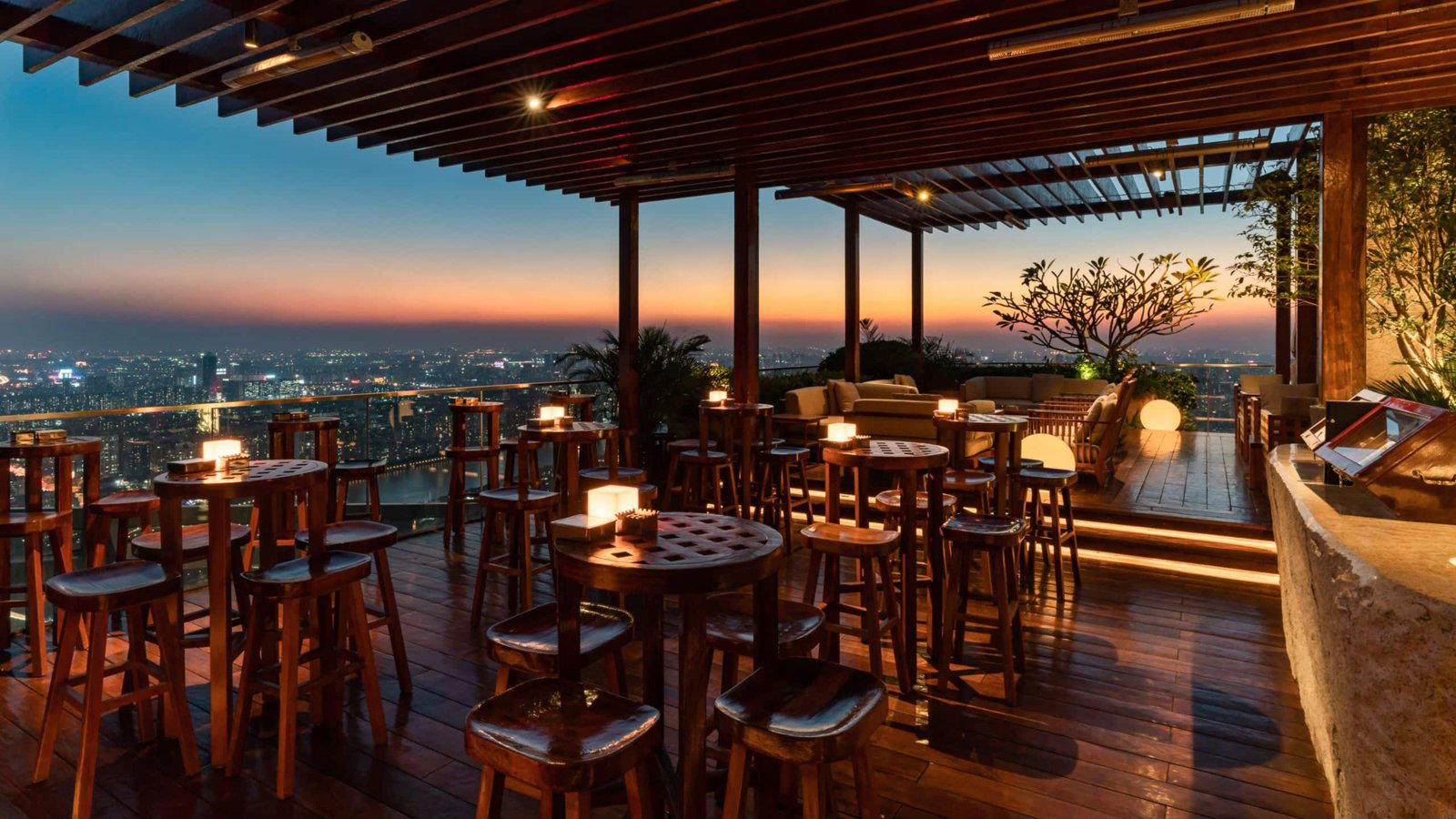
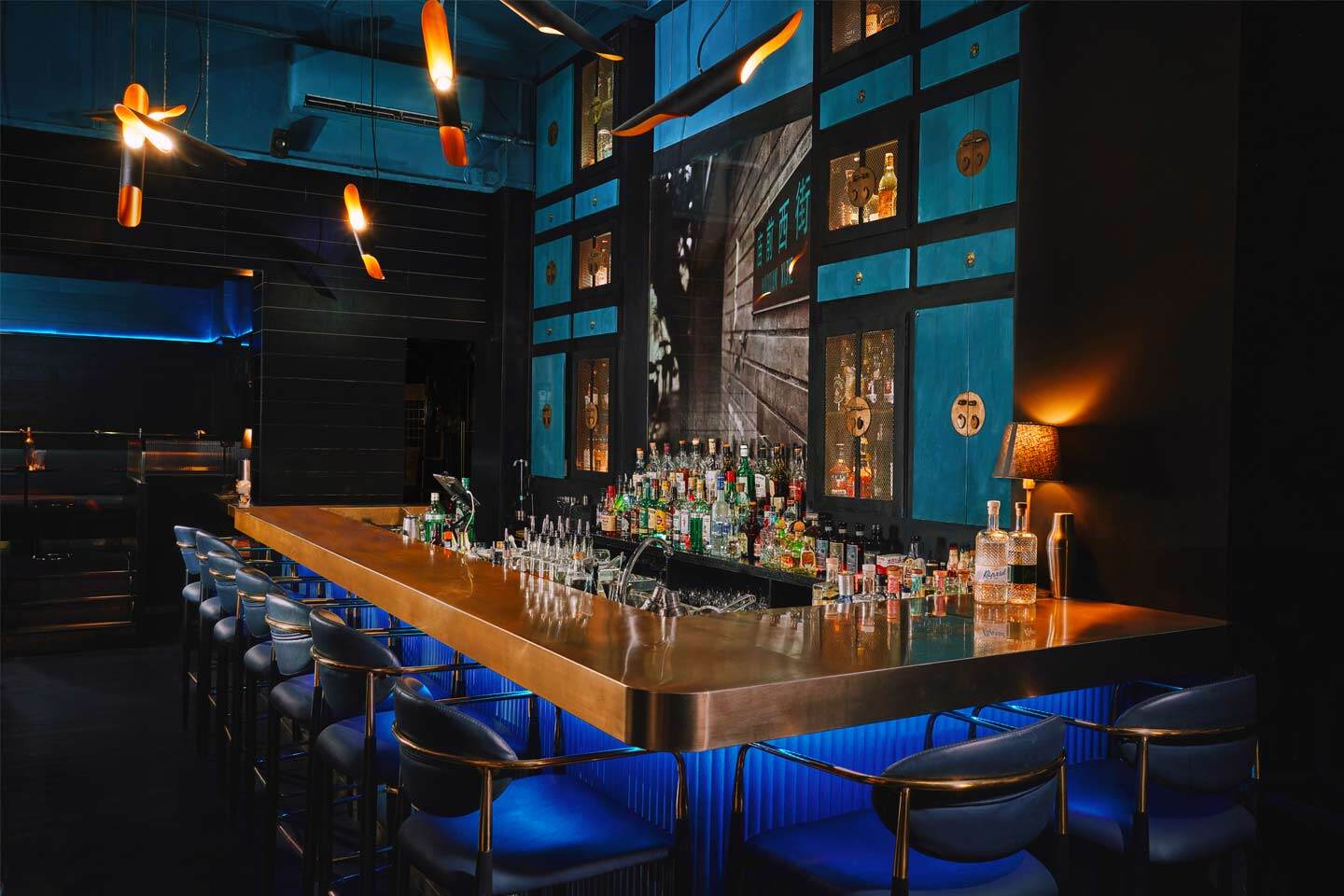
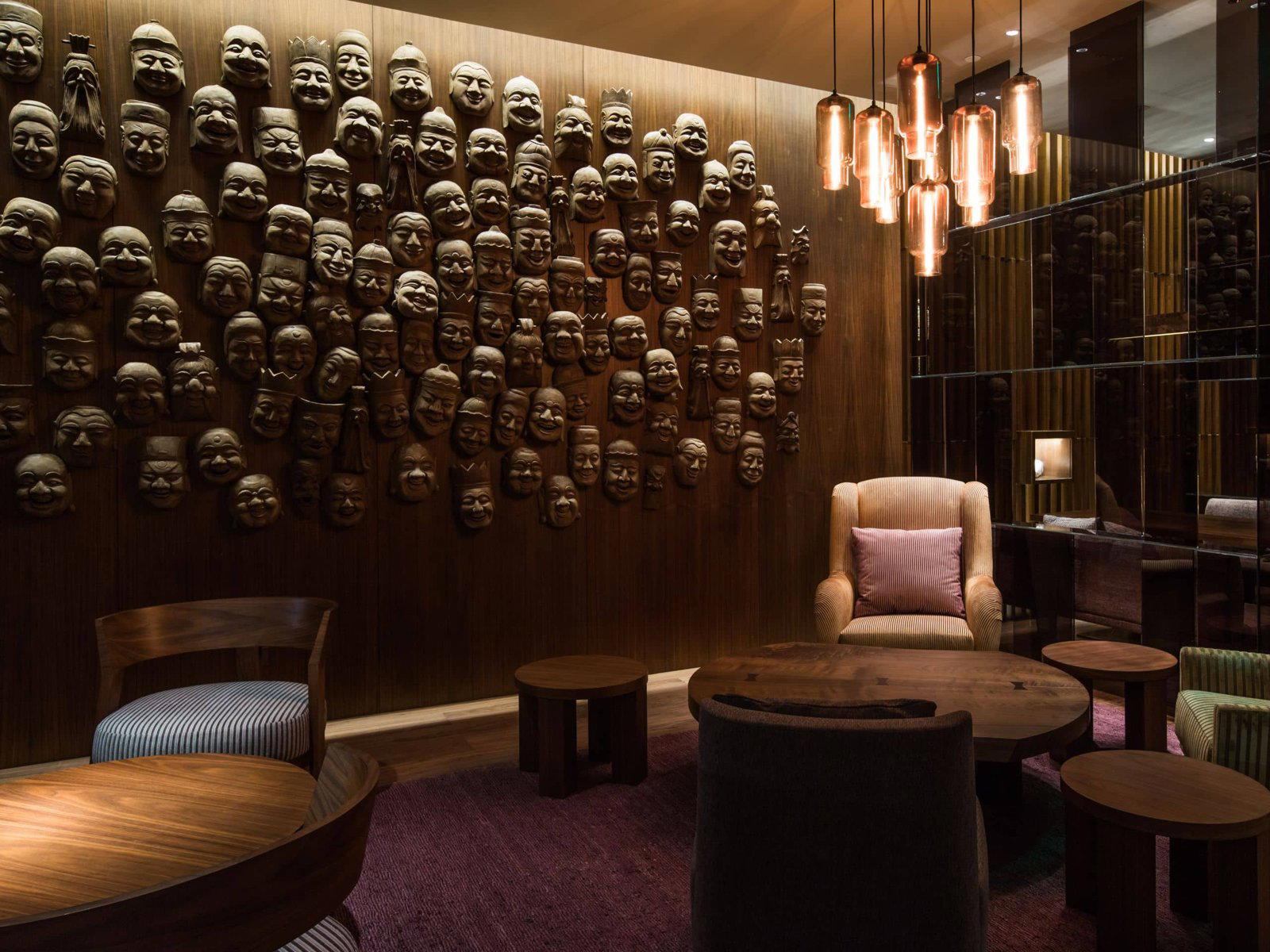
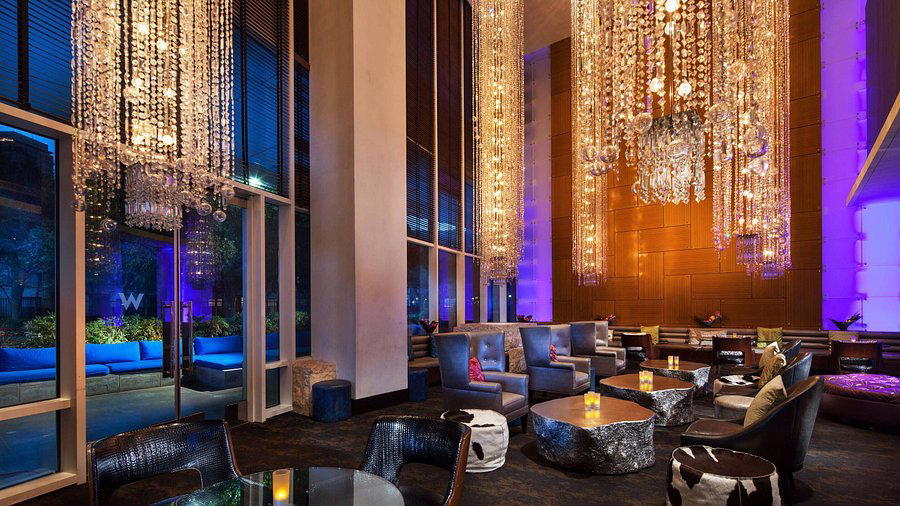
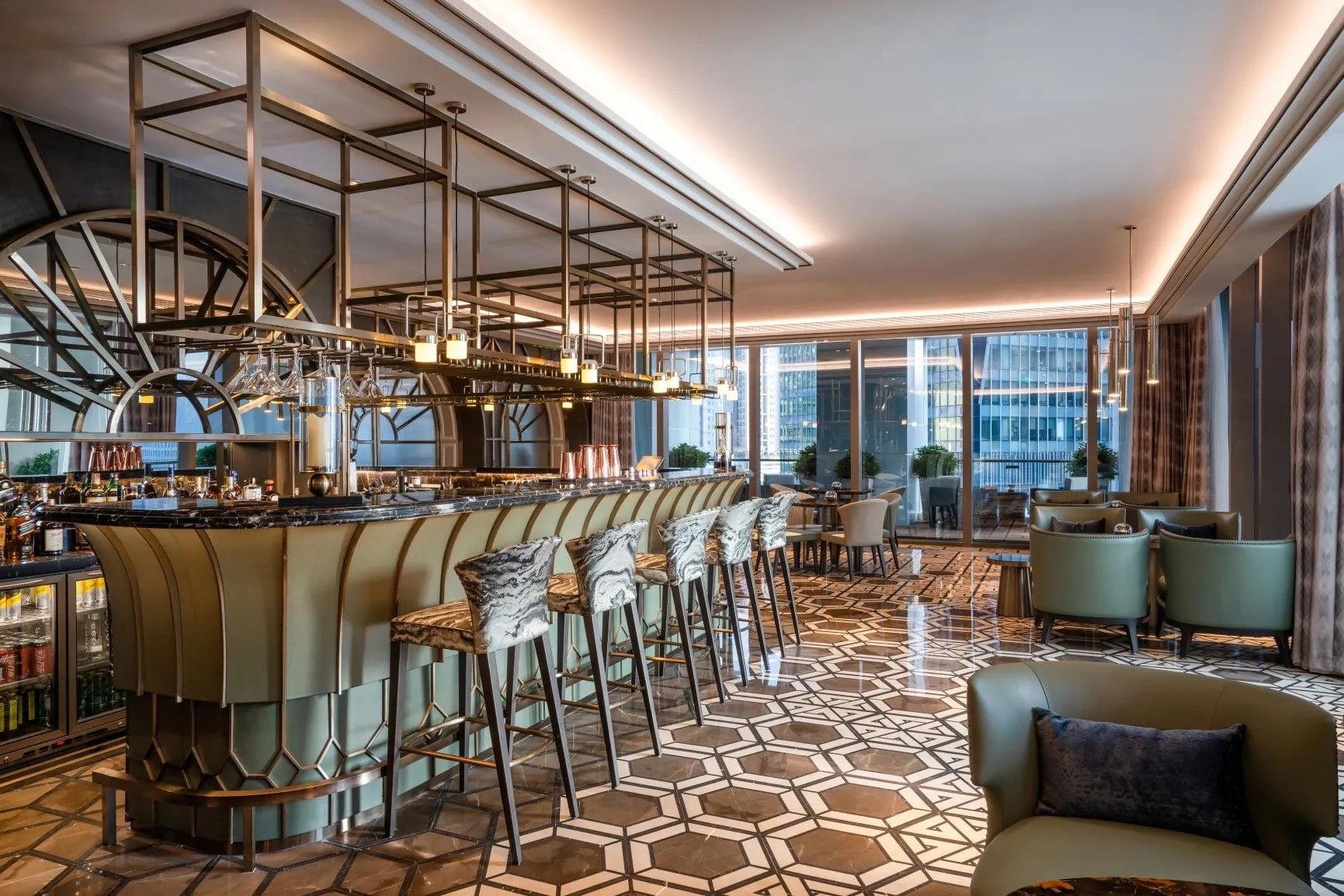
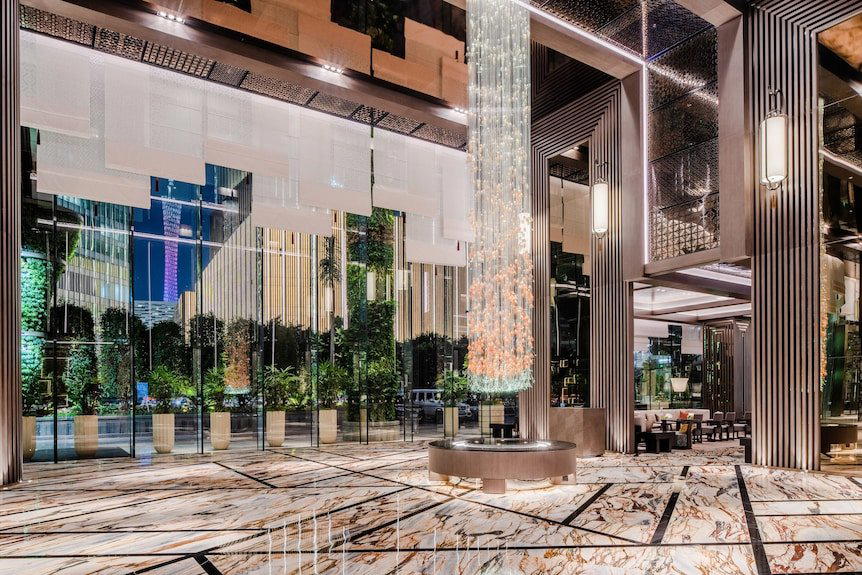
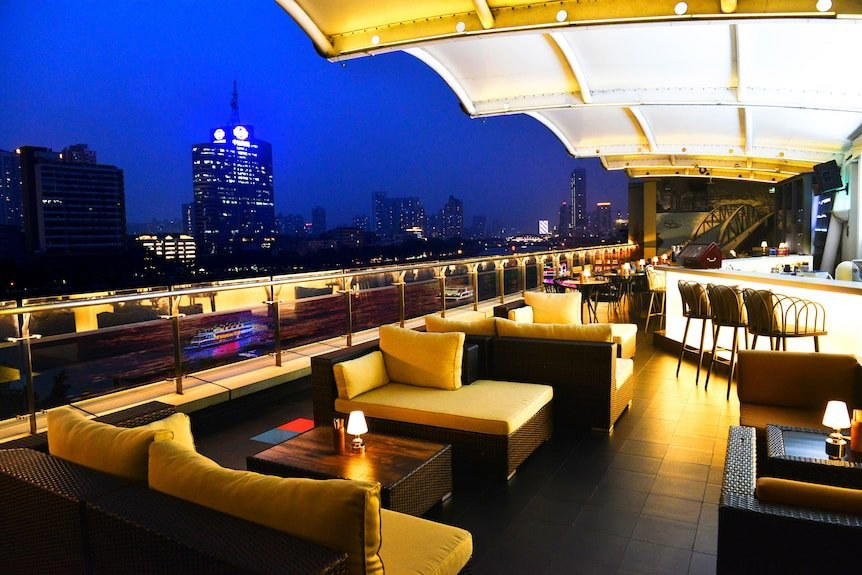
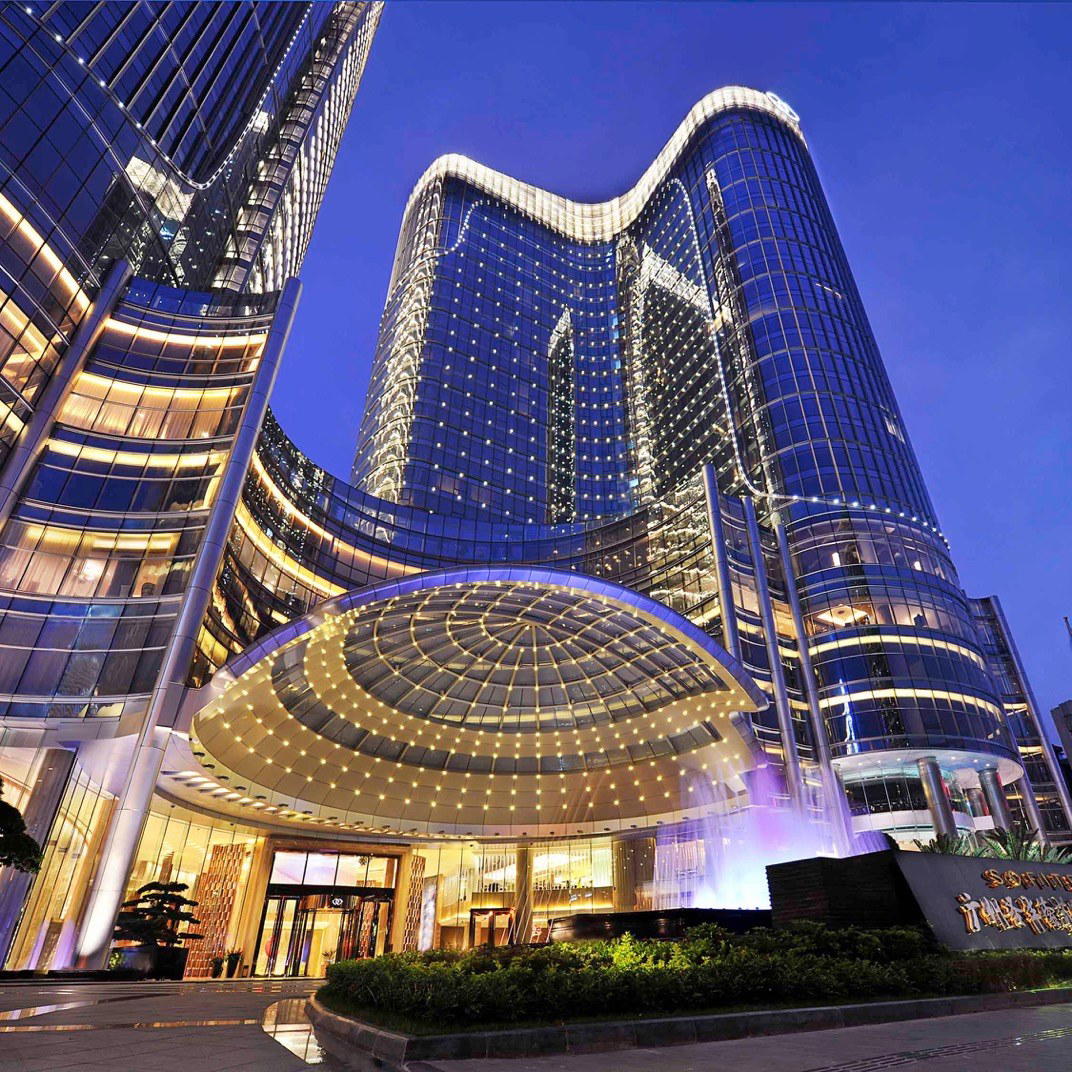
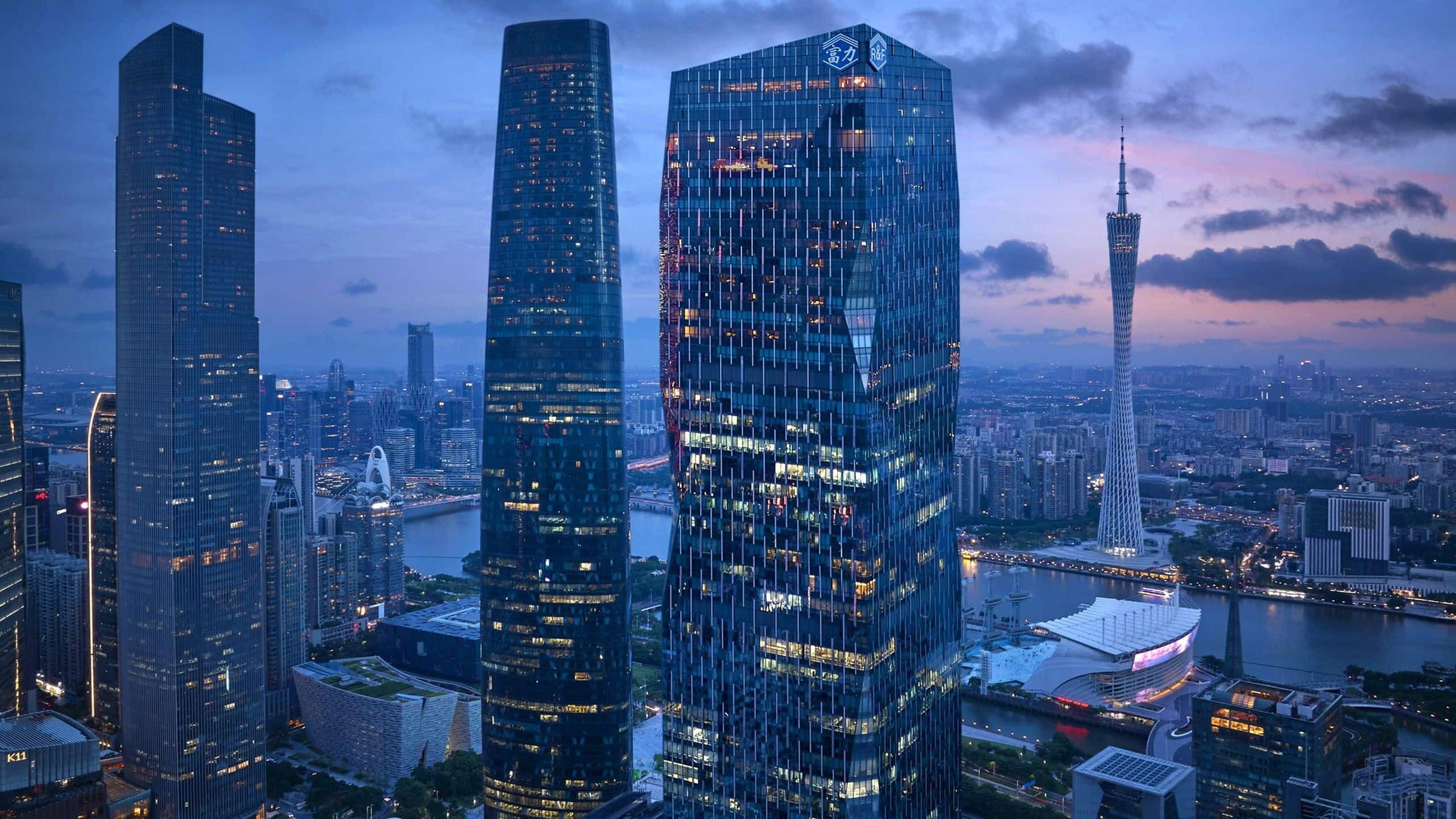
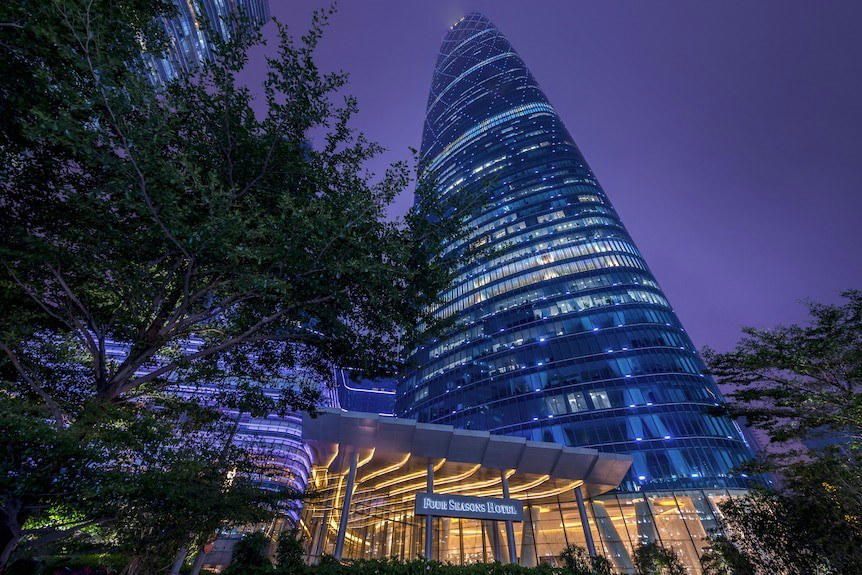
广å·è±åé åº runs as Guangzhou Huayuan Bar on Huanshi E Rd in Yuexiu District, with a quiet room that suits a lower-key stop.
Pearl is the En Primeur Club membership app — saves, bookings, and concierge access live there. Same editors, same standards.
- Address
- China, Guangdong Province, Guangzhou, Yuexiu District, Huanshi E Rd, 368è é®æ¿ç¼ç
- Phone
- +862083338989
- Website
- gardenhotel.com
- Directions
- Get directions
 Saves & bookings on Pearl
Huanshi East Road and the Cantonese Ingredient Tradition
Huanshi East Road runs through Yuexiu District as one of Guangzhou's more formally composed commercial corridors, a stretch where older hotel towers share the pavement with dining rooms that have operated across multiple decades. The area sits close enough to Baiyun Mountain to have historically attracted restaurants with an eye for seasonal southern Chinese produce, and the dining culture here reflects the broader Cantonese conviction that raw ingredient quality is the primary variable separating competent cooking from serious cooking. Guangzhou's role as the provincial capital of Guangdong means that produce networks radiating outward from the Pearl River Delta converge in this city before anywhere else on the mainland, fresh seafood from coastal Yangjiang and Zhanjiang, live poultry from Qingyuan, seasonal vegetables from the agricultural belt north of the city. 广州花园饺店 is a restaurant on Huanshi East Road at address number 368, drawing from sourcing channels that Guangzhou's position at the center of Cantonese ingredient culture makes possible.
Where Cantonese Ingredient Logic Takes Shape
The dominant logic of Cantonese cooking holds that a skilled chef's first job is procurement, not technique. This is not a philosophical abstraction; it shows up in the way premium Cantonese kitchens are organized, with dedicated staff responsible for morning market runs, relationships with specific fish suppliers, and daily menus that shift based on what arrived in good condition rather than what was printed the week before. Guangzhou's restaurants operate at the center of this tradition in a way that even Hong Kong, which imports a significant portion of its live seafood and poultry from the mainland, cannot quite replicate. The proximity to source matters, and restaurants in Yuexiu District that have built longevity in this market tend to have done so by sustaining those sourcing relationships over time rather than by menu innovation alone.
Across the broader Guangzhou dining scene, the restaurants that attract sustained local attention sit in a recognizable tier defined less by interior renovation cycles than by the reliability of their product. Imperial Treasure Fine Chinese Cuisine operates at the upper end of that tier, with polished Cantonese execution and a price point that reflects it. Jiang by Chef Fei, with its Michelin recognition, sits at the prestige edge. BingSheng Mansion (Xiancun Road) is known for whole seafood and live tank selection. For those oriented toward Cantonese dim sum in a more traditional format, Hongtu Hall represents a different point on the same continuum. The broader restaurant scene in our full Guangzhou restaurants guide maps these tiers with additional context across cuisines and price ranges.
The Yuexiu Setting
Yuexiu District carries some of the city's oldest institutional weight, home to Zhongshan Memorial Hall and the stretch of parks and civic buildings that give this part of Guangzhou its more composed character compared to the commercial density of Tianhe or the emerging dining clusters around Haizhu. Restaurants operating in Yuexiu tend to serve a mix of established local residents, government-adjacent business dining, and visitors staying in the area's larger hotels. That guest profile shapes what tends to work here: cooking that reads as reliable and regionally grounded, with the kind of familiarity that comes from sourcing consistency rather than seasonal menu surprises. Cantonese dining rooms in this district often operate at lunch and dinner across multiple floors, a format that differs from the smaller specialist counters now common in Tianhe or in newer parts of the city's dining geography.
Cantonese Cooking Across the Mainland Circuit
Guangzhou's Cantonese dining tradition does not exist in isolation from the broader movement of high-end Chinese restaurant formats across mainland cities. In Beijing, Cantonese-influenced kitchens like Xin Rong Ji (Xinyuan South Road) have brought southern Chinese ingredient philosophy to northern audiences. In Shanghai, the cross-regional conversation continues at venues like 102 House. Further afield, Chef Tam's Seasons in Macau demonstrates how Cantonese cooking travels with its sourcing logic intact, while in Chengdu Xin Rong Ji positions coastal seafood expertise inside a Sichuan dining market. In Hangzhou, Ru Yuan and in Nanjing, Dai Yuet Heen represent the continued expansion of Cantonese dining formats into Yangtze Delta cities. In Suzhou, Dingshan·Jiangyan (Xiangcheng) and in Xiamen, Fleurs Et Festin anchor premium dining in cities increasingly on the radar for serious diners traveling through eastern and southern China. Jiangnan Wok·Rong in Fuzhou and Shang Palace in Yangzhou extend that network further. Outside China entirely, the contrast between this ingredient-sourcing tradition and internationally focused fine dining formats like Le Bernardin in New York City or Atomix in New York City illustrates how different the underlying philosophies are even within serious dining. Cantonese cooking in Guangzhou remains the source tradition against which all of these outposts are measured, and eating in the city gives direct access to that source without the translation layer. For experimental or fusion-inflected alternatives within Guangzhou itself, Chōwa occupies a different quadrant of the city's dining at a comparable price tier.
Planning Your Visit
The restaurant is located on Huanshi East Road in Yuexiu District, with a postal code address placing it at number 368 along that corridor, accessible from central Guangzhou by metro or taxi with direct connections from Tianhe. The restaurant is walk-in friendly. Yuexiu-area restaurants of this type tend to operate both lunch and dinner service, with weekend lunch being the higher-demand period across the Cantonese dining format. Arriving with a reservation during peak hours is advisable for any multi-floor Cantonese dining room in this part of the city.
Comparable Spots, Quickly
Comparable venues nearby, for context on price, style, and recognition.
| Venue | Cuisine | Price | Notes |
|---|---|---|---|
| 广å·è±åé åºThis venue — the venue you are viewing | Guangzhou Huayuan Bar | Not listed | Not listed |
| Yongli Restaurant | Traditional Cantonese | $$ | Guangzhoushi |
| ååè¶é¤å | Tea Restaurant | Not listed | Guangzhoushi |
| Flavor Restaurant | Huaiyang and Sichuan Chinese | $$$ | Guangzhoushi |
| Haimen Yuzai Shop | Chaoshan Seafood | $$ | Guangzhoushi |
| BingSheng Private Kitchen | Fine Cantonese Private Kitchen | $$$ | Tianhe |
Continue exploring